16 Ports Fiber Splice Closure Suppliers and Manufacturers
Compare 24 verified suppliers offering 16 Ports Fiber Splice Closure with varying lead times, certifications, and prices. Review product specs like fiber counts and sealing methods, then request quotes directly from the list; review the available evidence before requesting comparable quotations from suitable candidates.
Updated
Suppliers List

Ningbo Haishu Efon Communication Equipment Limited
- Trading Company
- China Zhejiang
- Lead time23 days
- Avg. response≤ 10h
Main productsFiber Optic Cable, Fiber Optic Distribution Box, Fiber Optic Splice Closure, Patch Cord, PLC Splitter, Fiber Optic Patch Panel, Rg11, Power Meter, FTTH Terminal Box, ADSS
Main marketsSouth America

Ningbo Fibconet Communication Technology Co., Ltd.
- Verified by BV
- Trading Company,Manufacturer/Factory,Group Corporation
- China Zhejiang
- Lead time0 days
- Avg. response≤ 9h
Main productsPLC Splitter, Fast Connector, Fiber Optic Patch Cord, Fiber Optic Pigtail, Fiber Optic Adapter, Fiber Optic Splice Closure, Fiber Optice Terminal Box Fbt, Fiber Optical Cross Connect Cabinets, Telecom Cabinets, ODF
Main marketsSouth America,Eastern Europe,Mid East,North America,Southeast Asia,Eastern Asia,Oceania,Western Europe,Africa


4 in 4 out 8 Ports Horizontal 16 Core or 24 Core Fiber Optic Splice Closure
$8.00 - $10.00
MOQ: 10 Pieces


144 Cores Waterproof Optic/Optical Splitter Closure Fiber Splice Closure
$8.00 - $10.00
MOQ: 10 Pieces


FTTH Fiber Optic 4 Ports 48 Cores Inline Down Type Fiber Optic Splice Closure
$10.00 - $25.00
MOQ: 1 Pieces

Ningbo Meilan Communication Equipment Co., Ltd.
- Verified by TUVRHEINLAND
- Trading Company,Manufacturer/Factory
- China Zhejiang
- Lead time15 days
- Avg. response≤ 3h
Main productsFTTH Terminal Box, Finer Optic Cable, Fiber Optic Closure, FTTH Accessories, Fiber Optic Patch Cord, Patch Panel, Copper Connection Module, Distribution Box, ONU, Telecom Tools
Main marketsSouth America,Eastern Europe,Mid East,North America,Southeast Asia,Eastern Asia,Oceania,Western Europe,Africa

SHG Communication Technology (Hangzhou) Ltd.
- Verified by TUVRHEINLAND
- Trading Company,Manufacturer/Factory
- China Zhejiang
- Lead time15 days
- Avg. response≤ 18h
Main productsFiber Optic Cable, LAN Cable, Coaxial Cable, Fiber Optic Patch Cord, CATV Amplifier, Optical Transmitter, Optical Receiver, PLC Splitter, Connector, FTTH Cable
Main marketsSouth America,Eastern Europe,Mid East,North America,Southeast Asia,Eastern Asia,Oceania,Western Europe,Africa

Chengdu Qianhong Communication Co., Ltd.
- Combined
- China Sichuan
- Lead time15 days
- Avg. response≤ 16h
Main productsFiber Optic Splice Closure, Heat Shrinkable Splice Closure, Fiber Optic Terminal Box, Fiber Optic Splice Cabinet, Fiber Optic Distribution Cabinet, Cable Joint Closure, Fiber Joints Enclosure, Fiber Enclosure, ODF, Patch Panel
Main marketsSouth America,Africa,East Asia(Japan/ South Korea),Domestic,Europe,Australia,North America
Ningbo Fibconet Communication Technology Co., Ltd.
- Verified by Intertek
- Manufacturer, Trading Company
- Lead time0 days
- Avg. response≤ 2h
Main productsOptical Fiber And Cable, Splitter PLC, Adapter, Patch Cord, Fast Connector
Main marketsMid East(30%), South America(20%), Southeast Asia(12%)
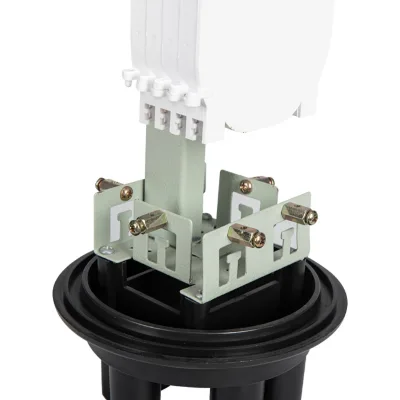
$9.40 - $10.00
MOQ: 50 pints
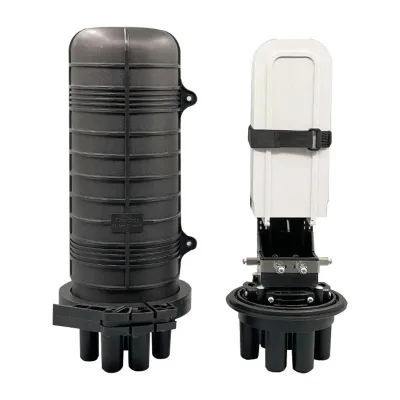
$5.50 - $6.00
MOQ: 500 pints

Qingdao Powtech Electronics Co., Ltd.
- Verified by TUVRHEINLAND
- Manufacturer/Factory
- China Shandong
- Lead time23 days
- Avg. response≤ 5h
Main productsInsulator, Insulation Piercing Connector, Surge Arrestor, ABC Clamp, Cutout Fuse, Line Hardware, Fiber Optic Cable, Patch Cord, Preformed Guy Grip, PLC Splitter
Main marketsSouth America,Eastern Europe,Mid East,North America,Southeast Asia,Eastern Asia,Oceania,Africa

Hangzhou Softel Optic Co., Ltd.
- Trading Company
- China Zhejiang
- Lead time15 days
- Avg. response≤ 6h
Main productsFiber Optical Transmission Equipment, CATV Products, Satellite Equipment, Digital Headend Equipment, Fiber Optic Passive, CATV Amplifiers, Optical Tools and Instruments, Epon Olt and ONU, Fiber Optic Cable, Eoc Master and Slave
Main marketsSouth America,Africa,Southeast Asia/ Mideast,East Asia(Japan/ South Korea),Domestic,Europe,Australia,North America
Guangzhou Jiqian Fiber Optic Cable Co., Ltd.
- Verified by SGS Group
- Manufacturer, Trading Company
- Lead time7 days
- Avg. response≤ 2h
Main productsADSS Fiber Optic Cable, Fiber Optic Cable, FTTH Drop Cable, Indoor Fiber Optic Cable, Optical Fiber Cable
Main marketsAfrica(33%), South America(17%), Western Europe(17%)
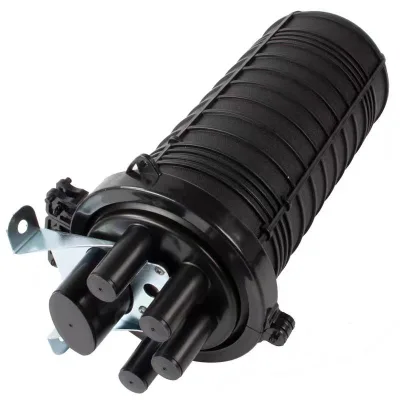
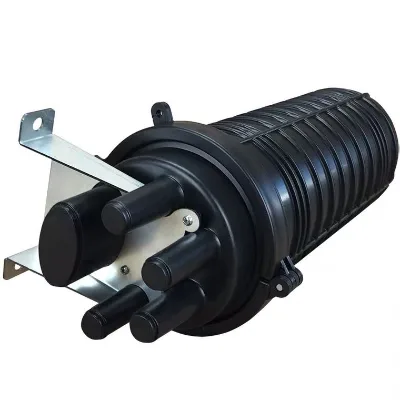
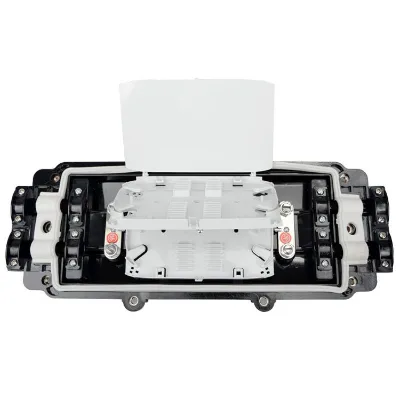
2 Inlet 2 Outlet Hat-Type Fiber Optical Splice Closure 12 24 48 Cores for Indoor and Outdoor Use
$8.98 - $10.98
MOQ: 5 pieces
$1.50 - $1.90
MOQ: 20 pieces
Hangzhou Photoelectric Technology Co., Ltd.
- Verified by TüVRheinland
- Trading Company
- Lead time10 days
- Avg. response≤ 23h
Main productsOptical Fiber Cable, Xpon, Fiber Optic Distribution Box, Fiber Optic Terminal Box, Fiber Optic Splice Closure
Main marketsNorth America(10%), Eastern Europe(10%), Southeast Asia(10%)
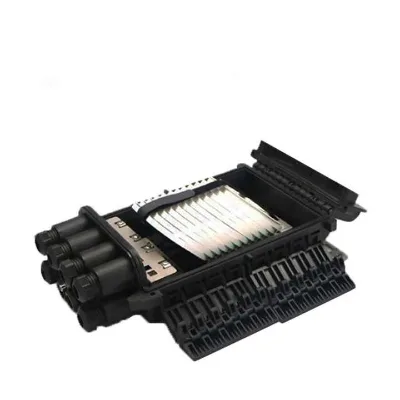
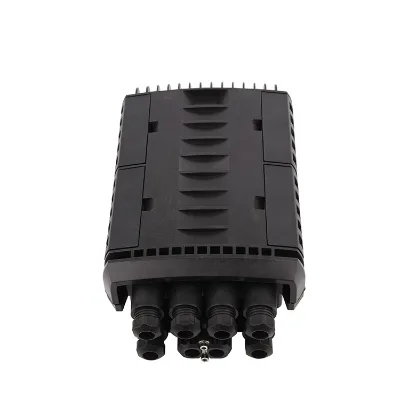
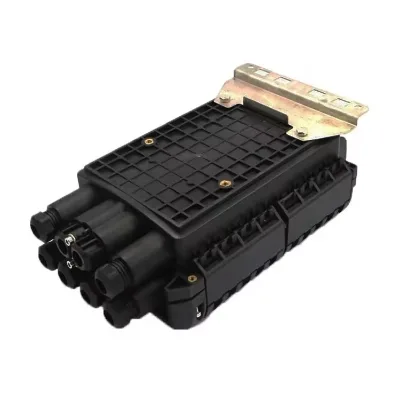
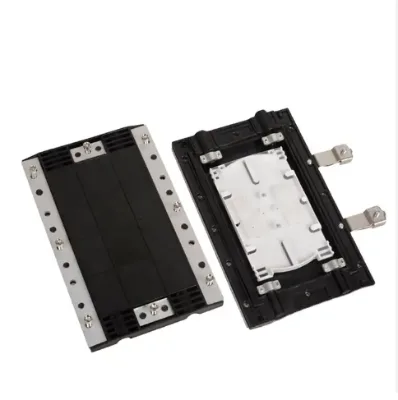
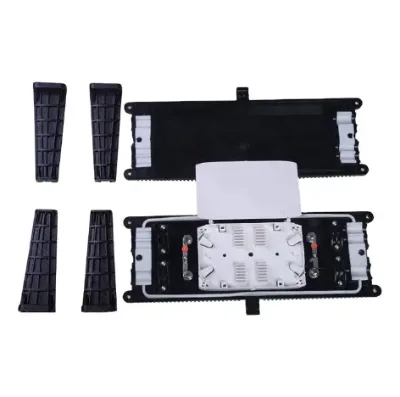
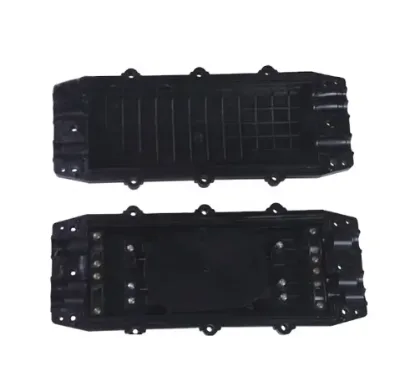
IP68 16 24 96 288 Core Cable Joint Closure Fiber Optic Access Terminal Closure Fiber Splice Cases
$17.99 - $24.99
MOQ: 100 Minimum
$10.3641 - $13.476
MOQ: 100 Minimum

Hangzhou DAYTAI Network Technology Co., Ltd.
- Verified by SGS
- Manufacturer/Factory
- China Zhejiang
- Lead time15 days
- Avg. response≤ 4h
Main productsOptical Receiver, PLC Splitter, Sc Fast Connector, Fiber Optic Distribution Box, ADSS Fiber Optic Cable, Optical Closure, Fiber Optic Cable Clamps, Olt ONU, EDFA, FTTH Drop Cable
Main marketsSouth America,Eastern Europe,Mid East,North America,Southeast Asia,Eastern Asia,Oceania,Western Europe,Africa


4 Port 6*48 Core Splice Tray Horizontal 288 Core Fiber Optic Splice Closure
$7.80 - $50.00
MOQ: 10 Pieces


8 Port 3*24 Core Splice Tray 72 Core Horizontal Fiber Optic Splice Closure
$7.80 - $50.00
MOQ: 10 Pieces

Shenzhen NH-Link Communication Co., Ltd
- Verified by BV
- Trading Company
- China Guangdong
- Lead time15 days
- Avg. response≤ 3h
Main productsFiber Optic Cable, Network Cable, Network Cabinet, Patch Cord, Accessories
Main marketsNorth America


FTTH Cable Optic Fiber Closure Splice Enclosure with 48core 72core 96core Fiber Optic Splice Closure
$1.00 - $5.50
MOQ: 100 Pieces

4port 8port 24/48/96/144cores Horizontal Optical Fiber Splicing Closure Fiber Optic Splice Closure
$1.00 - $5.50
MOQ: 100 Pieces

Hangzhou Junpu Optoelectronic Equipment Co., Ltd.
- Trading Company
- Zhejiang, China
- Lead time7 days
- Avg. response≤ 7h
Main productsfiber optic cable,fiber distribution box,fiber cable,edfa wdm,nap box
Main marketsSouth America(35.00%), North America(35.00%), Western Europe(10.00%), Eastern Europe(10.00%), Southeast Asia(5.00%), Africa(5.00%)

Takfly Communications Co., Ltd.
- Manufacturer
- China Guangdong
- Lead time15 days
- Avg. response≤ 9h
Main productsMPO/MTP, CWDM/DWDM/OADM, PLC Splitter, Patch Cord, Fiber Cable, Terminal Box, Poe Switch, Media Converter, SFP Transceiver, Splice Closure
Main marketsSouth America,Africa,Southeast Asia/ Mideast,Europe,North America


48 Cores Vertical Type Fiber Optic Splice Closure with Sc Fiber Connector
$29.00 - $49.00
MOQ: 1 Pieces


NINGBO EXACT CABLES & WIRE CO., LTD.
- Verified by BV
- Combined
- China Zhejiang
- Lead time30 days
- Avg. response≤ 5h
Main productsAlarm Cable, Fire Alarm Cable, Speaker Cable, Coaxial Cable, Security Cable, Fire Resistant Cable, HDMI Cable, PV Solar Cable, Telephone Cable, Optical Cable
Main marketsSouth America,Southeast Asia/ Mideast,Domestic,Europe,North America

Fiber Optic Junction Box Ftth Splice Closure Fiber Optic Cable Splice Closure
$0.25 - $0.30
MOQ: 1000 Pieces

$0.25 - $0.30
MOQ: 1000 Pieces


$0.25 - $0.30
MOQ: 1000 Pieces
Shenzhen Fongko Communication Equipment Co., Ltd.
- Verified by TüVRheinland
- Manufacturer, Trading Company
- Lead time0 days
- Avg. response≤ 3h
Main productsFiber Optic Cable, Fiber Optic Fast Connector, Fiber Optic Patchcord, Fiber Optic Splitter, Fiber Optic Terminal Box
Main marketsDomestic Market(25%), South America(15%), North America(12%)
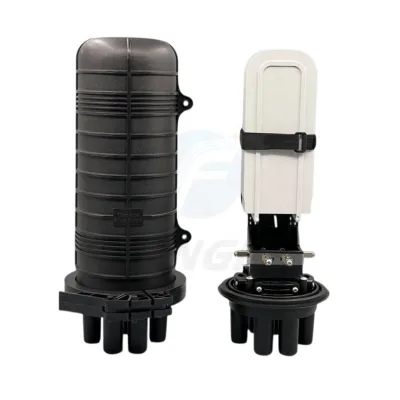
Dome type fiber optic splice closure IP68 Junction Box Dome Fiber Optic Splice Closure
$9.2383 - $10.2876
MOQ: 10 pieces
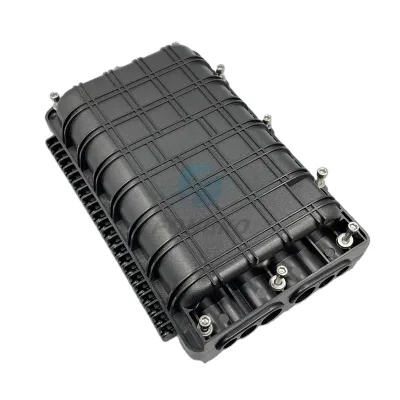
Fiber Optic Enclosure 3 in 3 out 24core 48core 72core 96 Core Fiber Optic Splice Closure
$9.4797 - $9.6371
MOQ: 50 pieces

Shenzhen Sopo Optical Communication Co., Ltd.
- Manufacturer
- Gangdong, China
- Lead time0 days
- Avg. response≤ 1h
Main productsPLC optical splitter,WDM series,Fast Connectors,Fiber Cable,MPO/MTP-LC/SC breakout cable
Main marketsSoutheast Asia(10.00%), Mid East(10.00%), South America(10.00%), North America(10.00%), Central America(10.00%), Africa(8.00%), Northern Europe(8.00%), Domestic Market(6.00%), Eastern Asia(6.00%), South Asia(5.00%), Eastern Europe(5.00%), Western Europe(5.00%), Southern Europe(5.00%), Oceania(2.00%)

TOPNET (SHENZHEN) COMMUNICATION CO.,LTD
- Verified by CTI
- Trading Company
- China Guangdong
- Lead time15 days
- Avg. response≤ 8h
Main productsFiber Optic Cable, Network Cabinet
Main marketsSouth America,Africa,Southeast Asia/ Mideast,Europe,Australia,North America
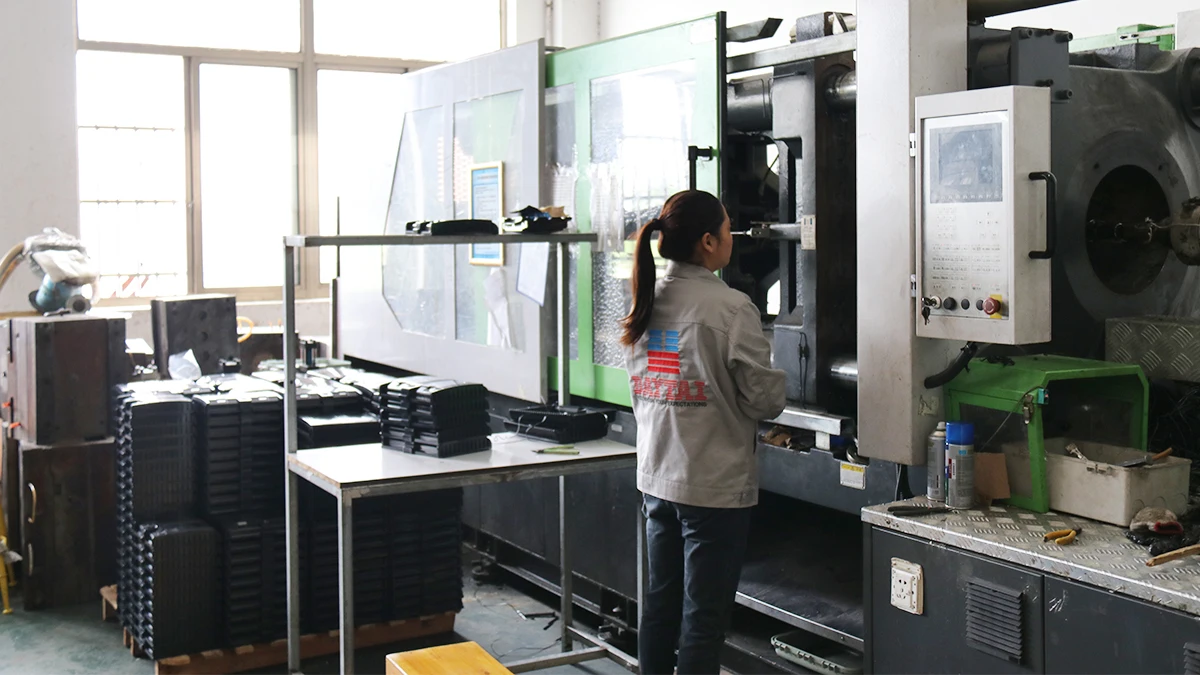
Hangzhou Daytai Network Technology Co., Ltd.
- Trading Company
- Zhejiang, China
- Lead time7 days
- Avg. response≤ 3h
Main productsFiber Optic Communication Equipments,CATV Equipments,Fiber Optic Cable,Fiber Optic Cable Line Fittings
Main marketsSoutheast Asia(10.00%), North America(5.00%), South America(5.00%), Western Europe(5.00%), Africa(5.00%), Eastern Europe(5.00%), Mid East(5.00%)
Ningbo Exact Cables & Wire Co., Ltd.
- Verified by Intertek
- Manufacturer, Trading Company
- Lead time16 days
- Avg. response≤ 2h
Main productsFire Alarm Cable , Alarm Cable , Optical Cable , Coaxial Cable , Speaker Cable
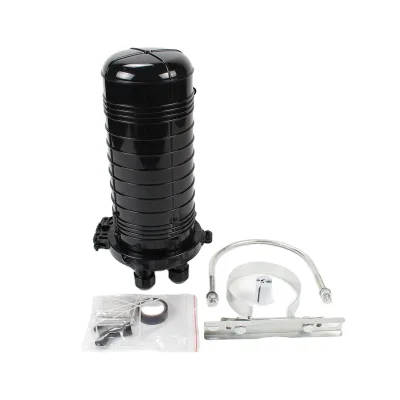
China Manufacturer Fiber Optical Cable Splice Closure Splice Closure Horizontal Ip68
$0.80 - $1.00
MOQ: 100 pieces
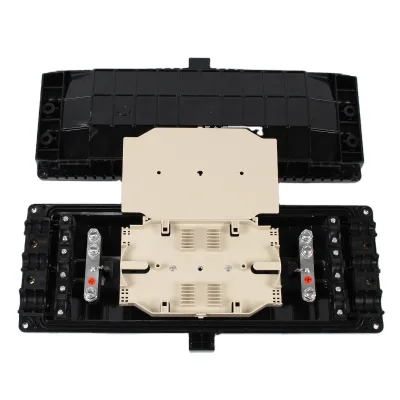
Hot Sell Optic Fiber Enclosure Fiber Optics Box Joint Closure with Plc Splitter
$0.80 - $1.00
MOQ: 100 pieces

- Manufacturer, Trading Company
- Zhejiang, China
- Lead time30 days
- Avg. response≤ 4h
Main productsFiber Optic Equipment
Main marketsDomestic Market(100.00%), South Asia(100.00%), Eastern Asia(100.00%), Southern Europe(100.00%), Northern Europe(100.00%), Africa(100.00%), South America(18.00%), Southeast Asia(17.00%), Eastern Europe(15.00%), Central America(13.00%), Mid East(12.00%), North America(10.00%), Western Europe(10.00%), Oceania(5.00%)
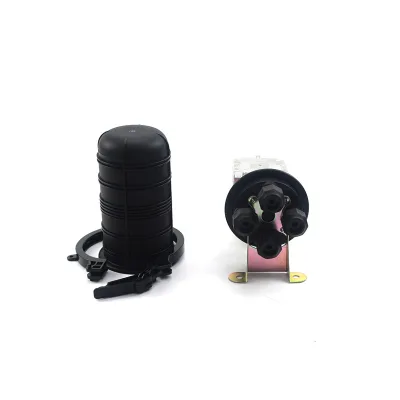
4 Ports IP68 fiber splice closures 48 core Heat Shrinkable Cable Joint closure
$11.99 - $15.99
MOQ: 100 Minimum
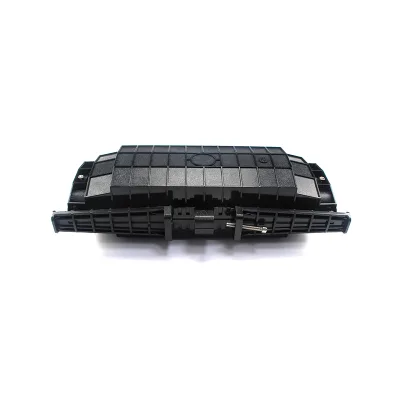

Ningbo Guangdao Communication Technology Co., Ltd.
- Manufacturer
- Zhejiang, China
- Lead time5 days
- Avg. response≤ 3h
Main productsFiber Optic Splice Closure,FTTH Box,Fiber Terminal Box,SMC Fiber Cabinet,Fiber Adaptor
Main marketsSoutheast Asia(35.00%), South America(35.00%), Western Europe(15.00%), Africa(15.00%)
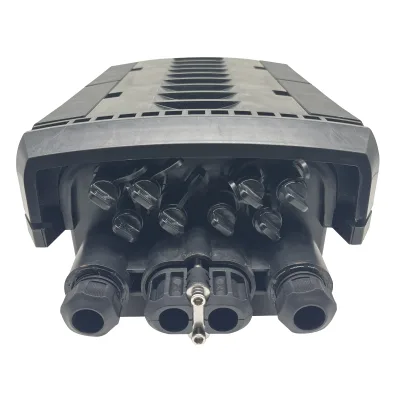
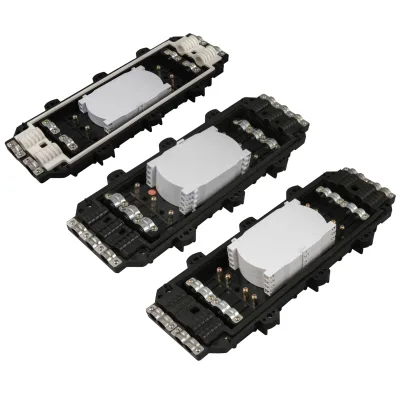
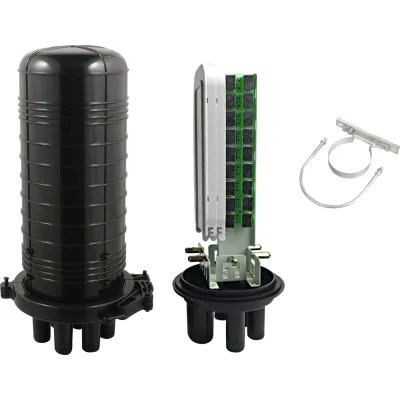
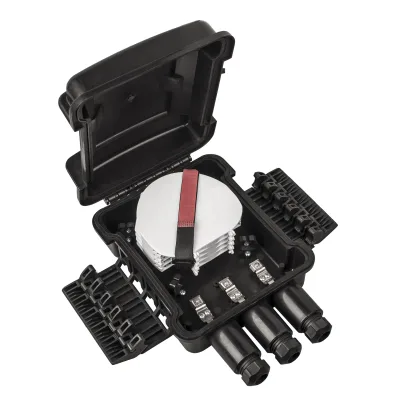
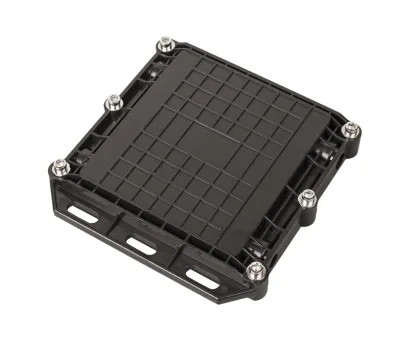
inline 3 ports fiber closure 12 24 36 48 core madidi style fiber joint closure
$5.9675 - $6.3797
MOQ: 1 pieces
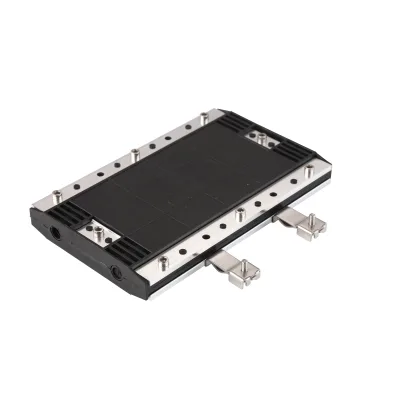
Ningbo Meilan Communication Equipment Co., Ltd.
- Verified by Intertek
- Manufacturer, Trading Company
- Lead time20 days
- Avg. response≤ 5h
Main productsOptical Fiber Terminal Box, Fiber Optic Closure, Rack, FTTH Accessories, Fiber Optic Cable
Main marketsMid East(19%), Eastern Asia(19%), North America(15%)
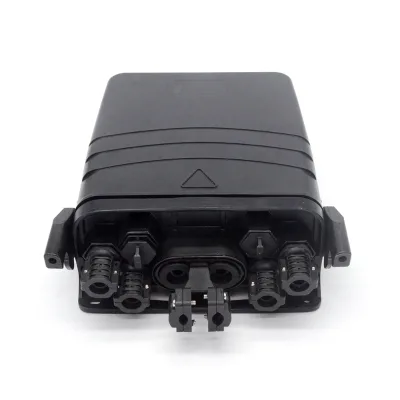
$10.00 - $30.00
MOQ: 10 Minimum
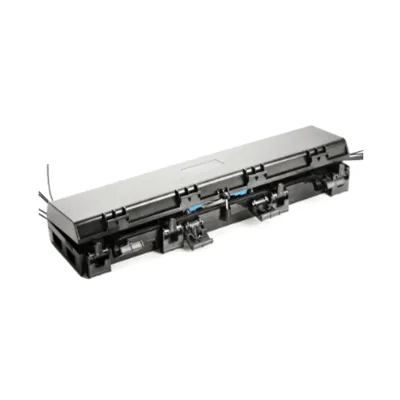
$10.2966 - $51.4772
MOQ: 1 Minimum
Hangzhou Hondao Optic Co., Ltd.
- Verified by Intertek
- Trading Company
- Lead time0 days
- Avg. response≤ 3h
Main productsOptical Amplifier, Optical Transmitter, IP Modulator , OLT, ONU


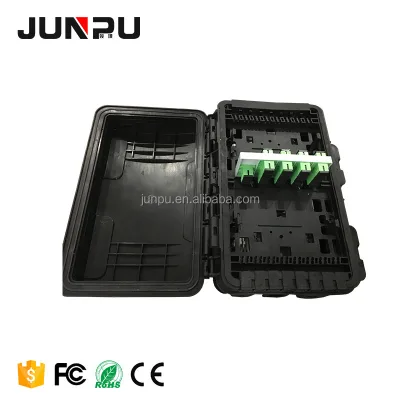
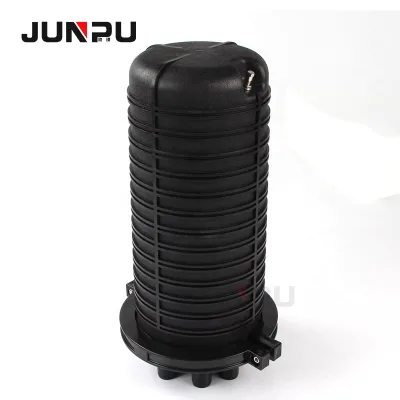
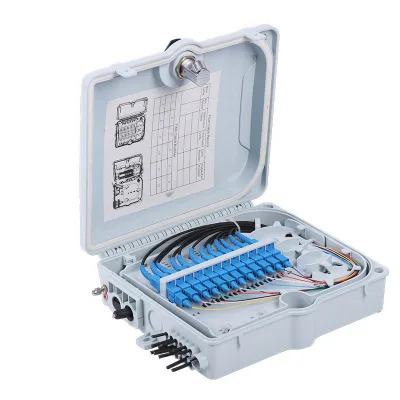
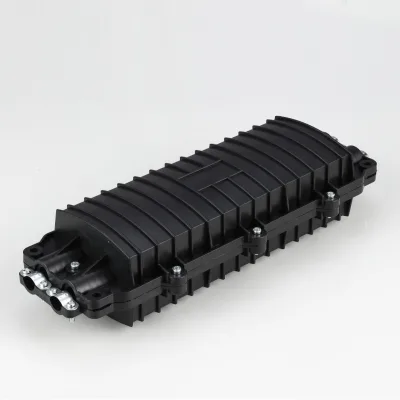


Comprehensive Sourcing Guide
16 Ports Fiber Splice Closure Supplier Concentration and Factory Types
The current supplier landscape for fiber optic termination hardware reveals a distinct concentration of manufacturing and trading entities within specific industrial zones in China. Data indicates that a significant portion of available suppliers are located in Zhejiang, a region known for its robust telecommunications infrastructure and component manufacturing capabilities. This geographic clustering suggests that buyers seeking 16 Ports Fiber Splice Closure units will likely encounter vendors operating out of this province, which serves as a central hub for fiber optic distribution boxes, patch cords, and splice closures. The presence of these suppliers in Zhejiang implies a mature supply chain ecosystem where raw materials, such as polycarbonate and mechanical sealing components, are readily accessible, potentially influencing production efficiency and cost structures for end buyers.
Beyond location, the types of business entities offering these products vary significantly, impacting the buyer’s sourcing strategy. The observed supplier base includes trading companies, manufacturers, and group corporations, each presenting different advantages and limitations. Trading companies often provide a broader catalog of related accessories, such as PLC splitters and fiber optic patch panels, allowing for consolidated purchasing. In contrast, manufacturers or factory entities may offer more direct control over customization options, such as OEM and ODM services, and possess specific brand identities like Fibconet. Understanding this distinction is crucial, as it determines whether the buyer is engaging with a middleman who aggregates products or a direct producer capable of modifying specifications like inlet/outlet port configurations and fiber count capacities.
How to Verify 16 Ports Fiber Splice Closure Suppliers
Verifying the legitimacy and capability of a supplier requires a multi-layered approach that goes beyond simple product listings. Buyers should prioritize suppliers who hold recognized system certifications, such as ISO 9001 and ISO 14000, which indicate adherence to quality management and environmental standards. Additionally, third-party verification badges, such as those from Bureau Veritas (BV), provide an external layer of trust regarding the supplier’s business operations. It is essential to cross-reference these credentials with the specific product attributes listed, ensuring that the certifications apply to the fiber optic splice closure line and not just general company operations. This verification process helps mitigate the risk of engaging with entities that may lack the technical proficiency required for precision telecommunications hardware.
Response time and communication efficiency are also critical indicators of supplier reliability. Data shows that response times can vary, with some suppliers averaging around eight to nine hours, which is acceptable for initial inquiries but may require faster turnaround for urgent project needs. Buyers should test the supplier’s responsiveness by asking detailed technical questions about the 16 Ports Fiber Splice Closure, such as inquiries about sealing methods, fiber count ranges, or customization availability. A supplier’s ability to provide accurate, prompt, and technically sound answers demonstrates their expertise and operational readiness. Furthermore, checking for the availability of customization services is vital, as many projects require specific dimensions or port configurations that standard off-the-shelf products may not accommodate.
What to Compare Across 16 Ports Fiber Splice Closure Suppliers
When evaluating multiple suppliers, buyers must compare key operational metrics to determine the best fit for their specific project requirements. Lead time is a primary differentiator, with some suppliers indicating a lead time of zero days, which may suggest ready stock or rapid production capabilities, while others may have longer production cycles. It is important to clarify whether a zero-day lead time applies to all configurations or only specific standard models. Additionally, the Minimum Order Quantity (MOQ) varies across the market, with some suppliers requiring orders of fifty units or more. Buyers should assess whether their projected volume aligns with these MOQs to avoid unnecessary inventory costs or supply chain bottlenecks.
Product specifications and pricing structures also require careful comparison. Suppliers offer a range of fiber counts, from 12 to 144 cores, and different sealing methods, including mechanical and heat shrink types. Buyers must ensure that the selected 16 Ports Fiber Splice Closure meets the technical demands of their network, such as the diameter of the fiber cable and the number of inlet and outlet ports. Pricing typically ranges from approximately nine to twenty-two dollars per unit, depending on the complexity and fiber capacity. Comparing these prices alongside the included certifications, such as CE, RoHS, and GS, helps buyers evaluate the value proposition. It is also important to check if customization is available and how it impacts both the price and the lead time.
Common 16 Ports Fiber Splice Closure Sourcing Risks
One significant risk in sourcing fiber optic hardware is the potential mismatch between advertised specifications and actual product performance. Suppliers may list generic certifications or attributes that do not fully apply to the specific model being ordered. For instance, a product might be listed with ISO and RoHS certifications, but the buyer must verify that these apply to the exact 16 Ports Fiber Splice Closure variant, especially if customization is involved. There is also a risk regarding the material quality, such as the use of polycarbonate (PC) for the housing, which must meet durability and environmental resistance standards. Buyers should request detailed product data sheets and, if possible, samples to verify that the physical dimensions, sealing integrity, and fiber handling capabilities match the advertised specifications.
Another risk involves the reliability of the supply chain and post-sales support. While some suppliers indicate a lead time of zero days, this may not hold true during peak seasons or for customized orders. Buyers must clarify the production capacity and whether the supplier has the resources to handle large orders without delays. Additionally, the company type, whether it is a trading company or a manufacturer, can affect the level of technical support and warranty coverage. Trading companies might have less direct control over quality assurance processes compared to manufacturers. Buyers should inquire about the supplier’s return policies, warranty terms, and technical support availability to ensure that any issues with the 16 Ports Fiber Splice Closure can be resolved efficiently without significant financial loss or project delays.
16 Ports Fiber Splice Closure Regional Sourcing and Logistics
Sourcing from suppliers located in Zhejiang, China, offers logistical advantages due to the region’s established export infrastructure. This area is well-connected to major shipping ports, facilitating efficient export of fiber optic components to global markets. Buyers should consider the impact of regional logistics on shipping costs and delivery times. While the lead time for production might be short, the actual transit time depends on the chosen shipping method and the destination country. It is advisable to work with suppliers who have experience in international shipping and can provide accurate estimates for freight costs and customs clearance procedures. Understanding the logistics landscape helps buyers plan their inventory levels and avoid unexpected delays in project timelines.
The concentration of suppliers in Zhejiang also means that buyers may have access to a wider variety of related products, such as fiber optic patch cords, distribution boxes, and PLC splitters. This can simplify the sourcing process by allowing buyers to consolidate orders from a single region or even a single supplier. However, buyers must be cautious about managing multiple SKUs and ensuring that all products meet the required quality standards. Coordinating logistics for mixed orders can be complex, so it is important to establish clear communication with the supplier regarding packaging, labeling, and shipping documentation. Proper planning of regional sourcing and logistics ensures that the 16 Ports Fiber Splice Closure and associated components arrive on time and in good condition, supporting seamless network deployment.
16 Ports Fiber Splice Closure Commercial Terms and Order Planning
Commercial terms play a crucial role in the final cost and risk allocation of a 16 Ports Fiber Splice Closure purchase. Buyers should carefully review the pricing structure, which may vary based on order volume and customization requirements. Some suppliers offer prices ranging from nine to twenty-two dollars per unit, with discounts potentially available for larger orders. It is important to clarify whether the quoted price includes packaging, such as carton boxes with specific quantities per box, and if there are any additional fees for customization or special labeling. Understanding the payment terms, such as the use of escrow services or other secure payment methods, helps protect the buyer’s financial interests and ensures that funds are released only upon satisfactory delivery of the goods.
Order planning should also account for the supplier’s production capacity and customization capabilities. If the buyer requires specific modifications to the 16 Ports Fiber Splice Closure, such as unique port configurations or branding, they must confirm the availability of OEM or ODM services. Suppliers with capabilities in these areas, such as those with the brand Fibconet, may offer more tailored solutions. Buyers should also consider the lead time for customized orders, which may be longer than for standard products. Establishing a clear timeline for order placement, production, and delivery is essential to avoid disruptions in the supply chain. By carefully planning commercial terms and order logistics, buyers can secure the best value and ensure a smooth procurement process for their fiber optic infrastructure needs.
FAQs
What is the price range for fiber splice closures?
Prices for fiber splice closures typically range from $9.50 to $22.00 per unit. The final cost depends on the fiber count, sealing method, and customization options. Buyers should verify specific pricing with suppliers based on their required model number and order quantity.
What certifications are available for these closures?
Many suppliers offer closures certified with ISO, GS, RoHS, and CE standards. Some products specifically list ISO9001 and RoHS compliance. Buyers should request valid certification documents to ensure the products meet their regional regulatory requirements and quality management standards before placing orders.
What is the typical lead time for orders?
Lead times vary significantly among suppliers, with some listing 23 days and others showing zero days for immediate stock. Buyers must confirm the exact production schedule with the supplier. Factors like customization needs and order volume will directly impact the final delivery timeline.
What is the minimum order quantity for these products?
The minimum order quantity is often set at 50 units for standard models. However, some suppliers may offer different MOQs based on customization requirements or specific product lines. Buyers should negotiate the MOQ directly with the supplier to align with their procurement budget.
Where are these suppliers located?
Most suppliers for these fiber optic components are located in Zhejiang, China. This region is a major hub for telecommunications equipment manufacturing. Buyers can verify specific factory locations and shipping origins to calculate accurate logistics costs and estimate delivery times to their destination.
Can these closures be customized for specific projects?
Customization is available for many fiber splice closure models. Suppliers offer options for different fiber counts, inlet and outlet port configurations, and sealing methods. Buyers should provide detailed technical specifications to ensure the customized product meets their specific network infrastructure requirements.