Source China Leather Working Gloves for Driving Gardening Cleaning
Compare 30 listings of China Leather Working Gloves featuring anti-static, heat insulation, and textured grip options. Buyers can evaluate models like GLY-07-04 and D 052 for applications in driving, gardening, and household electrical appliance maintenance; compare the available evidence and request quotations based on your requirements.
Updated
Key considerations
Products List




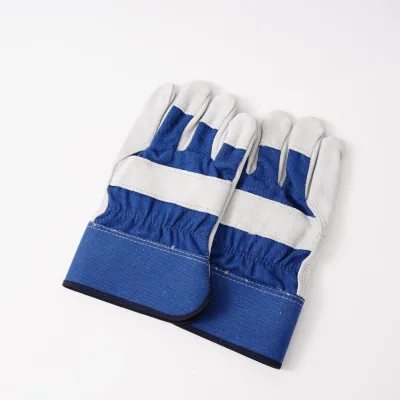
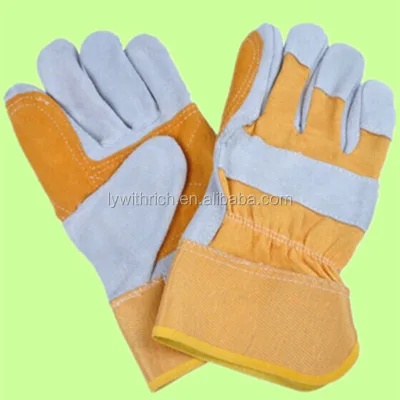
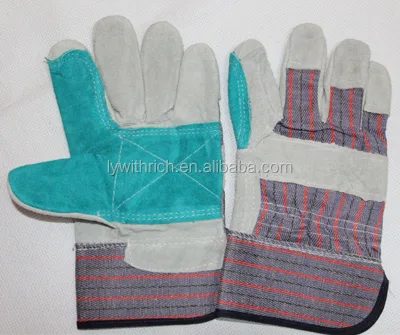
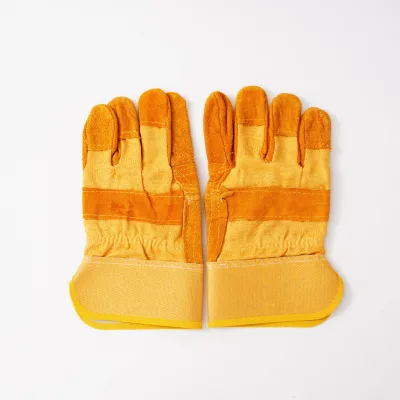
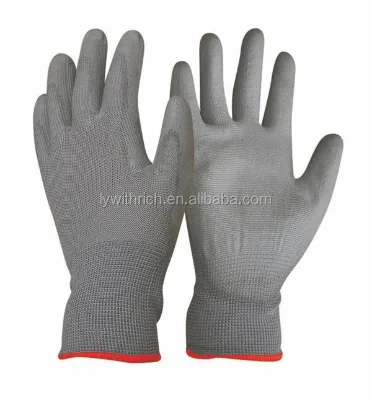
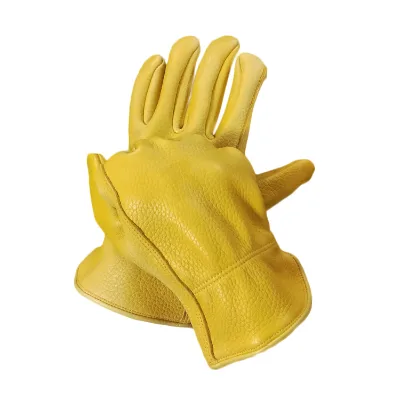
Factory Price Heavy Work Protection Glove Classic Safty Leather Working Gloves
$12.2521 - $14.1052
MOQ: 1200 pairs


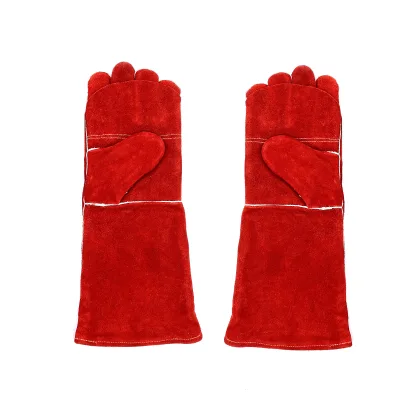


Commonly Used Leather Safety Working Gloves for Protection with Good Price
$0.17 - $0.25
MOQ: 12000 Pairs
Comprehensive Sourcing Guide
China Leather Working Gloves Sourcing Guide
Sourcing leather working gloves from China requires a disciplined approach to balancing material authenticity, functional performance, and commercial reliability. The market offers a wide spectrum of options, ranging from heavy-duty industrial protection to specialized household and gardening tools. Buyers must navigate this diversity by focusing on verified supplier capabilities rather than generic listings. This guide provides a structured framework for evaluating products, ensuring that procurement decisions are grounded in observable data and practical verification steps.
The following sections detail the critical aspects of sourcing, including product scope, technical specifications, compliance requirements, cost structures, supplier qualification, and long-term procurement checks. Each section is designed to help buyers make informed decisions by highlighting key verification points and potential pitfalls. By adhering to these guidelines, procurement teams can mitigate risks associated with quality inconsistencies, regulatory non-compliance, and supply chain disruptions, ultimately securing a reliable source for high-quality leather working gloves.
Product Scope and Observed Listing Signals
The observed product landscape includes gloves with varying cuff tightness, such as loose and tight fits, catering to different ergonomic needs and safety protocols. Materials range from cotton blends to genuine leather outer layers, indicating a diverse market segment that serves both light-duty and heavy-duty applications. Listings often highlight features like textured grips, slide resistance, and cut tear resistance, which are critical for industrial and construction environments. These attributes suggest that buyers should prioritize gloves based on the specific mechanical stresses and handling requirements of their intended use cases.
Applications span from driving and operating construction machinery to household electrical appliance maintenance and gardening. Some products are marketed for pet care and cleaning, indicating a broader consumer appeal alongside industrial utility. The presence of customization options, including OEM/ODM services and varied packaging configurations, suggests that suppliers are equipped to handle bespoke orders. Buyers should leverage these signals to identify suppliers who can adapt to specific branding, packaging, and functional requirements, ensuring that the final product aligns with their operational standards and market positioning.
Technical Specifications to Verify
Thickness and weight are critical differentiators, with observed products ranging from flimsy to thickened constructions and weights between 110g-120g and 200g. Buyers must verify these specifications against their durability requirements, as thicker gloves generally offer better protection but may reduce dexterity. Length variations, including medium and long options, also play a significant role in safety, particularly for tasks involving hazardous materials or sharp objects. Sizing options such as M, L, and XL ensure a proper fit, which is essential for maintaining grip and preventing hand fatigue during prolonged use.
Model numbers like GLY-07-04, GLY-15-01, and 816 provide specific identifiers for tracking and reordering, but buyers should not rely solely on these codes. Instead, they should request detailed material breakdowns, including the composition of the outer layer and any inner linings. Waterproof capabilities, such as 100% waterproof claims, and fireproof ratings, like class 'a', require independent verification through test reports. Additionally, functions like anti-static and anti-scratch properties should be confirmed through practical testing or supplier-provided data sheets to ensure they meet the specific environmental conditions of the workplace.
Compliance and Safety Documentation
Certifications such as CE marks and standards like EN 388 and EN 420 are crucial for ensuring that gloves meet European safety requirements. Buyers must verify that these certifications are valid and issued by recognized bodies, as counterfeit documentation is a common risk in international trade. The presence of these standards indicates that the gloves have undergone specific tests for mechanical risks, including abrasion, cut, tear, and puncture resistance. Procurement teams should request copies of these certificates and cross-reference them with the supplier’s official records to ensure authenticity and compliance.
Beyond certifications, buyers should inquire about additional safety features, such as anti-static properties, which are vital for environments with flammable materials or sensitive electronics. Fireproof ratings, if claimed, must be supported by detailed test results from accredited laboratories. It is also important to verify that the gloves meet any local regulatory requirements in the destination market, as standards can vary significantly between regions. By prioritizing suppliers with robust compliance documentation, buyers can reduce the risk of product recalls, legal liabilities, and workplace accidents, ensuring a safer working environment for their employees.
Cost Drivers and Commercial Terms
Pricing in the observed market ranges from $0.14 to $14.11, reflecting significant variations in material quality, thickness, and functional features. Buyers should analyze these price points in conjunction with Minimum Order Quantities (MOQs), which range from 1 to 12,000 pairs, to determine the most cost-effective procurement strategy. Higher MOQs often correlate with lower unit prices, but buyers must balance this with inventory holding costs and demand forecasts. Customization options, such as OEM/ODM services and specialized packaging, may incur additional costs, which should be factored into the total cost of ownership.
Commercial terms like FOB, CFR, and CIF influence the final landed cost, with each term assigning different responsibilities for shipping and insurance. Payment terms, such as a 30% deposit and 70% balance before shipment, are common but require careful financial planning to manage cash flow. Buyers should negotiate favorable terms based on order volume and long-term partnership potential. Additionally, understanding the supplier’s production capacity and lead times is essential for maintaining a steady supply chain, especially during peak demand periods or unexpected disruptions.
Supplier Qualification and Quality Control
Supplier location, such as Shandong, China, can provide insights into the local industrial ecosystem and supply chain efficiency. Buyers should verify the supplier’s manufacturing capabilities, including their production lines, quality control processes, and testing facilities. Requesting factory audits or third-party inspections can provide valuable insights into the supplier’s operational standards and compliance with international quality benchmarks. Suppliers with a history of consistent quality and timely delivery are preferable, as they reduce the risk of supply chain disruptions and product defects.
Quality control measures should include pre-shipment inspections, random sampling, and detailed documentation of test results. Buyers should establish clear quality acceptance criteria and communicate them to the supplier before production begins. Regular communication and feedback loops can help identify and address issues early in the production process. Additionally, suppliers who offer customization and flexible packaging options demonstrate a commitment to meeting diverse buyer needs, which is a positive indicator of their adaptability and customer service orientation.
Long-Term Procurement Checks
Building a long-term relationship with a reliable supplier requires continuous monitoring and evaluation of performance metrics. Buyers should track key indicators such as on-time delivery rates, product defect rates, and responsiveness to issues. Regular reviews of supplier performance can help identify areas for improvement and strengthen the partnership over time. Suppliers who proactively communicate changes in production schedules, material availability, or regulatory updates are valuable partners, as they help buyers anticipate and mitigate potential risks.
Sustainability and ethical sourcing practices are increasingly important in global procurement. Buyers should inquire about the supplier’s environmental policies, labor practices, and commitment to responsible sourcing. Suppliers who adhere to international labor standards and environmental regulations are less likely to face disruptions due to regulatory non-compliance or reputational damage. By prioritizing suppliers with strong ethical and sustainability credentials, buyers can enhance their brand reputation and contribute to a more responsible global supply chain.
FAQs
What certifications do these gloves meet?
These gloves hold CE certificates for EN 388 and EN 420 standards. This ensures they meet European safety requirements for mechanical risks and general requirements. Buyers can verify compliance for industrial applications requiring certified personal protective equipment in global markets.
Can I customize the packaging for orders?
Yes, customization is available for packaging requirements. Options include 12 pairs per poly bag or 120 pairs per carton. Some models offer 240 pairs per carton. Buyers can request specific packaging configurations to suit their logistics and distribution needs effectively.
What is the typical weight of these gloves?
The weight varies by model, typically ranging from 110g to 120g per pair. Some specific models weigh approximately 200g. This variation allows buyers to select gloves based on desired durability and comfort levels for different industrial or household tasks.
Where are these gloves manufactured?
These gloves originate from Shandong, China. This region is known for manufacturing industrial protective gear. Buyers sourcing from this location can benefit from established supply chains and competitive pricing structures for bulk orders of leather and cotton work gloves.
What materials are used in construction?
The gloves are constructed using cotton and genuine leather outer materials. This combination provides durability and comfort. The textured grip and slide resistance features enhance safety during operation. These materials are suitable for driving, construction, and gardening applications.