Source China Mainland Face Shield for Security and Industrial Use
Source 30 China Mainland Face Shield options for security, industrial, and medical applications. Compare models like SH-1005 and HF FS01, featuring CE and ISO certifications, various sizes, and custom logo printing for bulk procurement needs; compare the available evidence and request quotations based on your requirements.
Updated
Key considerations
Products List


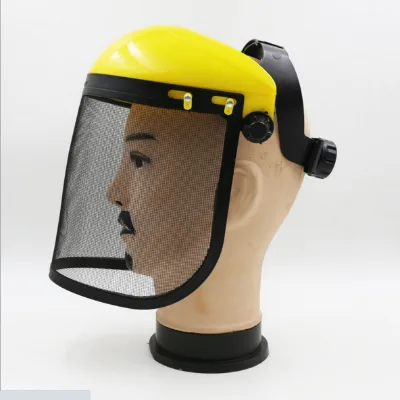


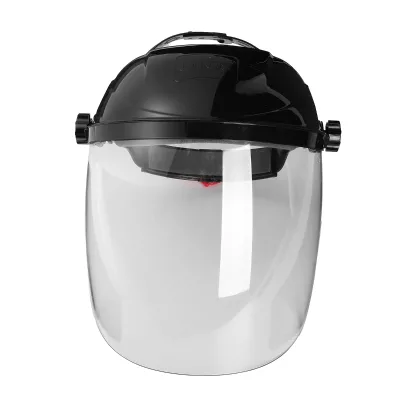
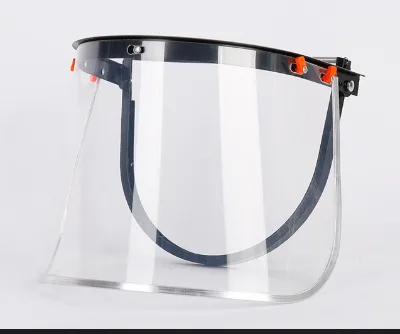

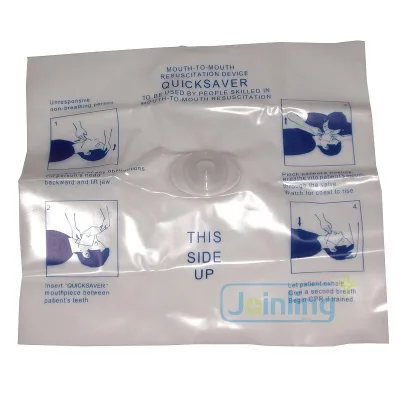
$0.026 - $0.126
MOQ: 3000 Minimum


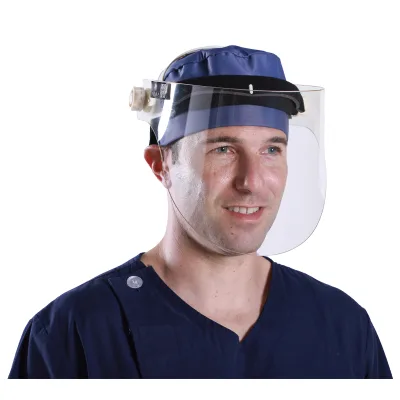
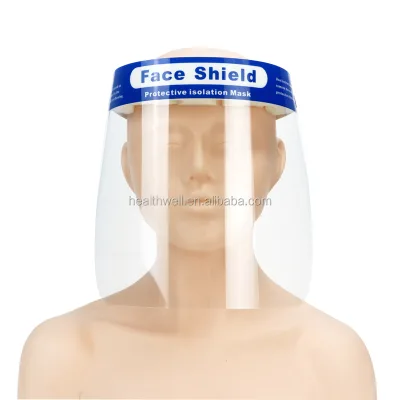
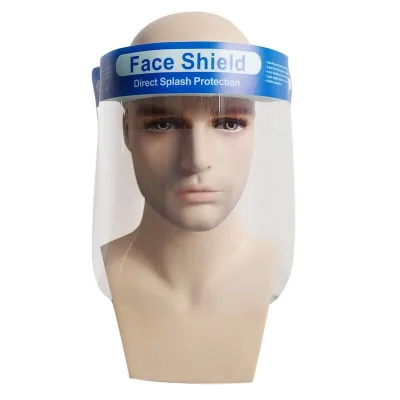


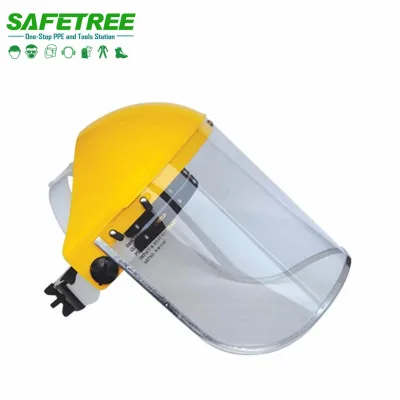
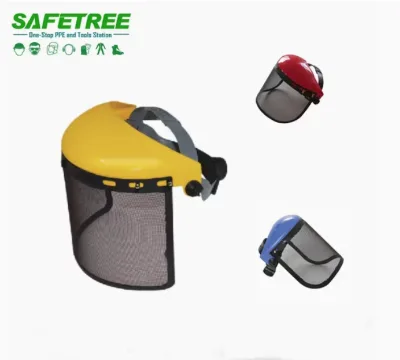
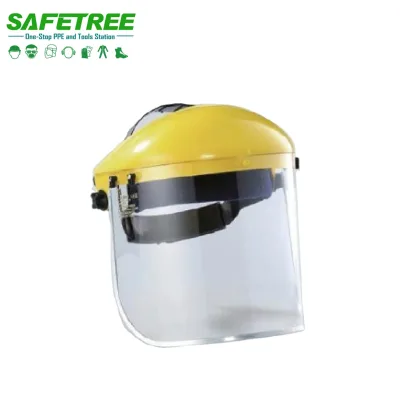
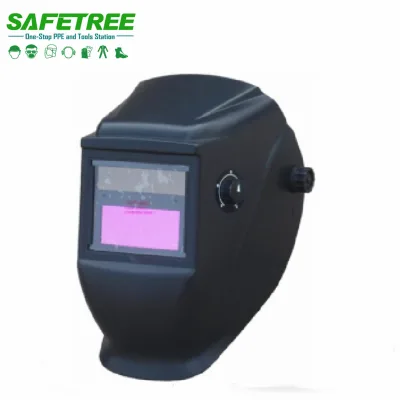
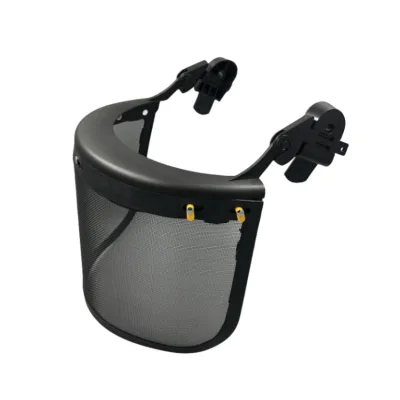
Comprehensive Sourcing Guide
China Mainland Face Shield Sourcing Guide
Buyers evaluating the China Mainland Face Shield market must first distinguish between the diverse product categories available, as listings often conflate general protective gear with specific shield types. The observed data indicates a mix of products labeled as "Face Mask/Apron/Gloves" alongside dedicated "Face Shield" items, requiring careful scrutiny of the product model and shape attributes to ensure the correct item is selected. Procurement teams should verify whether the listing describes a "Dust Mask" or a "Safe-Type" shield, as these serve fundamentally different protective functions and cannot be used interchangeably in safety protocols.
Commercial listings frequently display varying packaging configurations, ranging from single items in bags to bulk cartons containing hundreds of units, which directly impacts logistics planning and inventory management. The observed packing standards include specific carton dimensions like 66x50x36.5cm and varying gross weights, necessitating precise calculation of container utilization before finalizing orders. Buyers must confirm if the supplier offers customization for logos and packaging, as this capability is listed as available but may involve additional lead times or minimum order quantities that affect the overall procurement timeline.
Product Scope and Observed Listing Signals
The product scope for face shields in this dataset reveals significant variation in material composition and physical dimensions, with plastic being the primary material cited for the main body. Dimensions observed include specific sizes such as 32x22cm and 32x25cm, alongside broader standard ranges like 22x32cm, indicating that buyers must explicitly request the exact viewing area dimensions required for their specific operational environment. The presence of "panoramic" viewing areas alongside specific measurements suggests that not all listed products offer the same field of vision, a critical factor for workers requiring peripheral awareness.
Listing signals also highlight the availability of customization options, including logo printing and specific color variations like blue, black, and clear, which allows for brand alignment and visibility requirements. However, the data shows that some products are described with attributes like "Anti-Rust Coated" or specific thickness ranges of 0.18 to 0.25mm, suggesting that material durability and coating quality vary significantly between suppliers. Procurement teams should treat these attributes as observations of specific listings rather than universal standards, verifying the actual thickness and coating on samples before committing to large-scale orders.
Technical Specifications to Verify
Technical verification must begin with the physical dimensions and structural integrity of the shield, as the observed data lists multiple conflicting standard sizes and model numbers like SH-1005 and HF FS01. Buyers should request detailed specifications for the viewing area, ensuring it meets the 20x40cm or 32x22cm requirements necessary for the intended application, while also confirming the material thickness to guarantee impact resistance. The absence of a unified standard size in the listings means that relying on generic descriptions can lead to receiving products that do not fit the intended headgear or safety harness systems.
Further technical due diligence involves confirming the power supply status and sterilization methods, as the data explicitly notes "no" power supply and "Without Ethylene Oxide Sterilization" for certain items. This distinction is vital for medical or high-hygiene environments where sterilization is mandatory, whereas industrial settings may prioritize the "Anti-Rust Coated" features found in other listings. Buyers must also verify the single gross weight and package size, as these factors influence shipping costs and handling requirements, ensuring the selected product aligns with the logistical capabilities of the receiving facility.
Compliance and Safety Documentation
Compliance verification requires a rigorous check of the certification documents provided by suppliers, as the observed data mentions CE and ISO certifications but does not guarantee their validity for every listed product. Buyers must request current, verifiable copies of these certificates and confirm that they specifically cover the face shield model being purchased, rather than a generic product line. The presence of these certifications in the listing signals a potential compliance baseline, but the actual documentation must be reviewed to ensure the specific batch meets the required safety standards for the target market.
Safety documentation should also address the specific application of the shield, distinguishing between "Security Mask" applications and general dust protection. The data indicates that some products are categorized under "Face Mask/Apron/Gloves," which may imply a broader scope of protection that does not necessarily meet the specific impact resistance standards required for industrial face shields. Procurement teams must ensure that the safety data sheets and compliance certificates explicitly state the intended use, preventing the misuse of products that are not rated for the specific hazards present in the workplace.
Cost Drivers and Commercial Terms
Cost drivers in the face shield market are heavily influenced by the customization level, packaging configuration, and material specifications observed in the listings. The availability of logo printing and specific color options like blue or black can increase unit costs, while bulk packaging in cartons of 200 pieces may offer economies of scale that reduce the per-unit price. Buyers should analyze the relationship between the observed price range of 0.03 to 92.34 USD and the specific attributes of the product, understanding that higher prices may correlate with thicker materials, panoramic viewing areas, or specialized coatings.
Commercial terms must be clearly defined regarding the minimum order quantity (MOQ), which ranges from 1 to 5000 units in the observed data, significantly affecting the total investment required. The variation in selling units, from single items to bulk cartons, necessitates a clear agreement on how the product will be delivered and counted to avoid disputes over quantity. Additionally, the lead time and shipping terms should be negotiated based on the specific packing dimensions and weight, as these factors directly impact freight costs and the overall landed cost of the procurement.
Supplier Qualification and Quality Control
Supplier qualification should focus on verifying the origin and manufacturing capabilities, as the data consistently points to China, with specific mentions of Hebei as a place of origin. Buyers must confirm that the supplier has the capacity to produce the specific model numbers and customization features observed, such as the "Customized Logo Available" attribute, without compromising on quality. It is essential to audit the supplier's production lines to ensure they can consistently meet the material thickness and coating standards required, rather than relying solely on the initial product listing descriptions.
Quality control protocols must be established to verify the physical attributes of the face shields, including the viewing area clarity, material durability, and packaging integrity. The observed data shows variations in packing, from bags to cartons, which can affect the condition of the product upon arrival; therefore, inspection plans should include checks for damage during transit and adherence to the specified carton sizes. Buyers should implement a sampling plan that tests the product against the claimed specifications, such as the 0.18~0.25mm thickness, to ensure that the received goods match the agreed-upon technical requirements.
Long-Term Procurement Checks
Long-term procurement checks require a systematic review of supplier performance over time, focusing on consistency in product specifications and adherence to delivery schedules. Buyers should monitor whether the supplier continues to provide the same material thickness and viewing area dimensions as initially agreed, as the observed data suggests significant variation between different listings and models. Establishing a feedback loop for quality issues, particularly regarding the "Anti-Rust Coated" features or sterilization status, will help maintain the integrity of the supply chain and prevent the recurrence of non-compliant products.
Sustainability and regulatory updates must also be factored into long-term planning, as safety standards and certification requirements can evolve rapidly. Buyers should regularly verify that the CE and ISO certifications remain valid and that the products continue to meet the latest safety regulations for face shields in their target markets. Additionally, maintaining a relationship with the supplier to discuss potential improvements in packaging or material efficiency can lead to cost savings and better alignment with environmental goals, ensuring a resilient and adaptable procurement strategy.
FAQs
What materials are used for china mainland face shields?
The primary material is plastic, often specified as ABS for durability. Some models utilize other unspecified helmet materials. These components ensure the shield remains lightweight yet robust for daily use in various industrial and security environments.
Can I customize the logo on these face shields?
Yes, customized logo printing is available for most models. Buyers can request specific branding to be applied directly to the product. This service supports corporate identity needs and is commonly offered alongside standard packaging options for bulk orders.
What certifications do these face shields hold?
Many products hold CE and ISO certifications, ensuring compliance with international safety standards. These credentials verify that the manufacturing processes and final products meet rigorous quality and safety requirements for export and domestic use in regulated markets.
What are the standard dimensions for these masks?
Standard sizes include 32x22cm, 22x32cm, and 34x25cm. Some models specify a viewing area of 20x40cm or panoramic views. These dimensions provide adequate coverage while maintaining visibility, catering to different facial structures and usage requirements.
How are these face shields packaged for shipping?
Packaging typically involves individual bags, such as 1PCS per bag, with bulk cartons holding 200 pieces. Carton dimensions vary, with common sizes like 66x50x36.5cm. This ensures secure transport and efficient storage for large-scale distribution channels.
Are these face shields sterilized before delivery?
Most items are produced without ethylene oxide sterilization. They are designed for general security and dust protection rather than medical sterility. Buyers requiring sterile products should verify specific model details, as standard industrial shields often skip this process.