Wireless Type-C Rechargeable Hot Comb Suppliers and Manufacturers
Explore 27 verified options for wireless type-c rechargeable hot comb suppliers offering customization, certifications like CE and RoHS, and varied lead times. Compare response times, MOQs, and product specs to source the right partner for your needs; review the available evidence before requesting comparable quotations from suitable candidates.
Updated
Suppliers List
Anshan Go Home Intelligent Technology Co., Ltd.
- Verified by SGS Group
- Trading Company
- Lead time7 days
- Avg. response≤ 1h
Main productsMassage Jade Roller, Massage Guasha Stone, Massage Jade Mattress, Other Massage Beauty Tools
Main marketsNorth America(40%), Western Europe(20%), Eastern Europe(15%)

Dongguan Bidisco Electric CO., LTD
- Verified by CTI
- Combined
- China Guangdong
- Lead time38 days
- Avg. response≤ 3h
Main productsHair Straightener, Hair Curler, Curling Iron, Mini Hair Straightener, Professional Curling Iron, Salon Eqipment, Curlers, Ceramic Straightener, Hair Curling Machine, Curling Tong
Main marketsEast Asia(Japan/ South Korea),Europe,North America

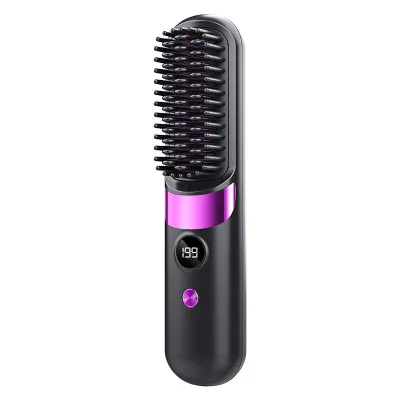
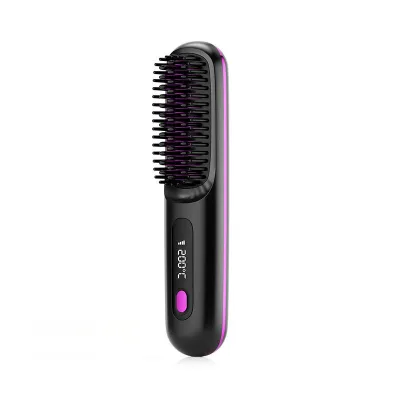
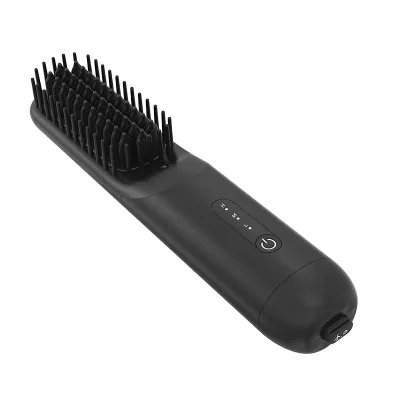
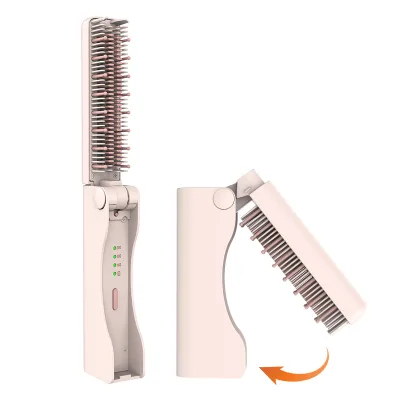
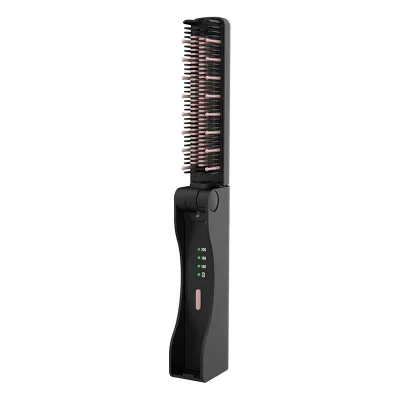
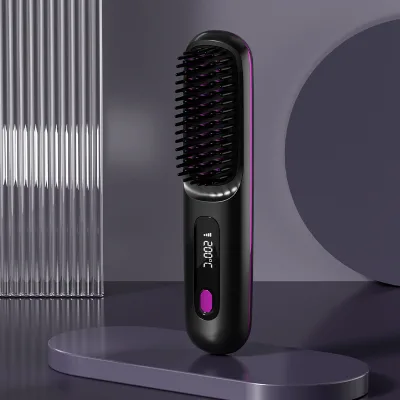
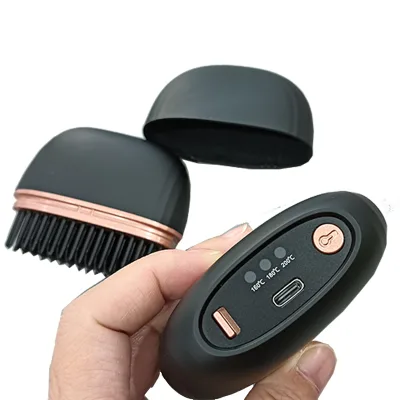
Compact, Portable, Built-in Lithium Battery Rechargeable Wireless Hair Comb
$13.26 - $16.36
MOQ: 500 Pieces


Yiwu Bukhoont Technology Co., Ltd.
- Trading Company
- Zhejiang, China
- Lead time15 days
- Avg. response≤ 1h
Main productsIncense Burner,Hair Straightener,humidifier,Fan/Mini Fan,Hair Trimmer
Main marketsMid East(80.00%), Northern Europe(5.00%), Western Europe(5.00%), North America(5.00%), Eastern Europe(5.00%)
Wenzhou Jinjing Electronic Technology Co., Ltd.
- Manufacturer, Trading Company
- zhejiang, China
- Lead time0 days
- Avg. response≤ 1h
Main productsCleaning appliances,Massager,Household appliances,Kitchen supplies,Beauty containers
Main marketsNorth America(30.00%), South America(20.00%), Northern Europe(5.00%), Central America(5.00%), Western Europe(5.00%), Eastern Asia(5.00%), Mid East(5.00%), Oceania(5.00%), Southeast Asia(5.00%), Eastern Europe(5.00%), Southern Europe(5.00%), South Asia(3.00%), Domestic Market(1.00%), Africa(1.00%)
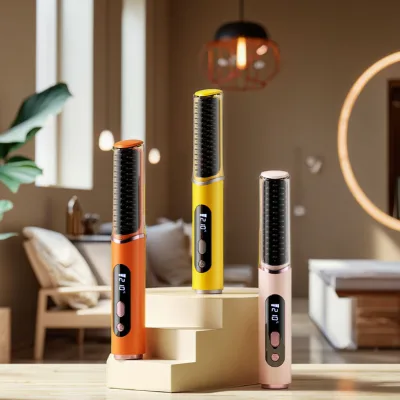
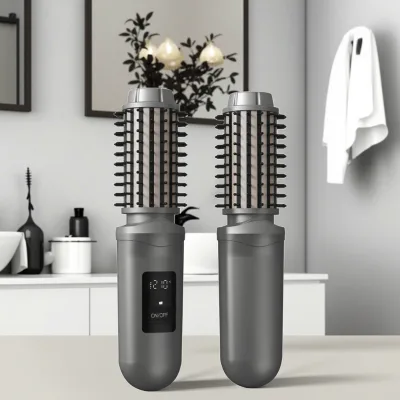
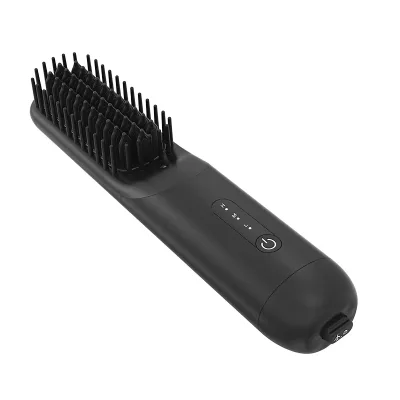
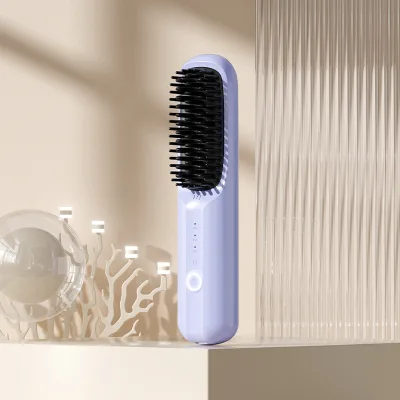
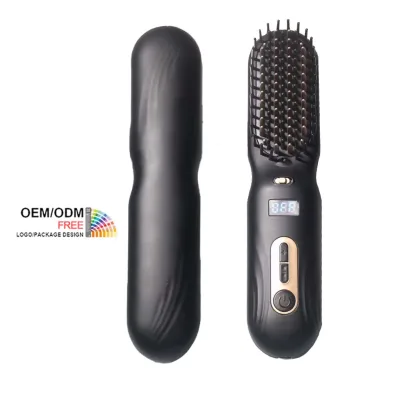
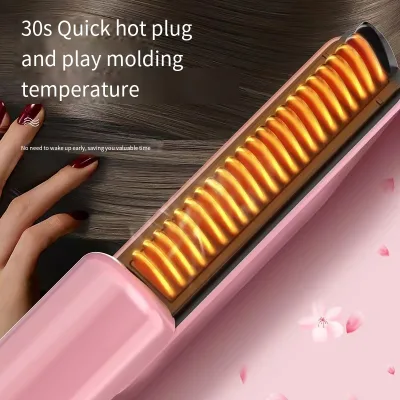
Mini Straight Hair Comb, Wireless Charging Hot air Comb, Portable and Fluffy Comb for Travel, Home
$5.4728 - $5.9555
MOQ: 2 pieces
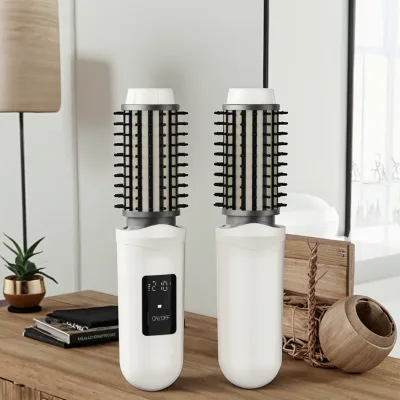
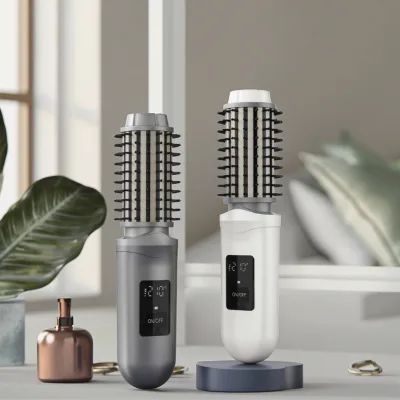
$7.1143 - $7.7423
MOQ: 61 pieces

Wenzhou Jssan Electric Co., Ltd.
- Verified by SGS
- Combined
- China Zhejiang
- Lead time23 days
- Avg. response≤ 7h
Main productsElectric Toothbrush, Oral Irrigator, UV Sterilizer, Ultrasonic Scaler, Electric Face Washer, Electric Nail Clipper, Hair Straightening Comb, Hair Straightener, Shaver, Hair Clipper
Main marketsSouth America,Southeast Asia/ Mideast,East Asia(Japan/ South Korea),Domestic,Europe,Australia,North America


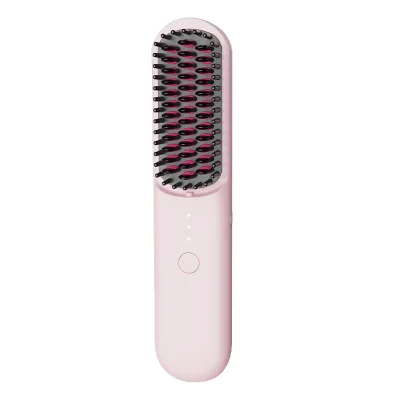
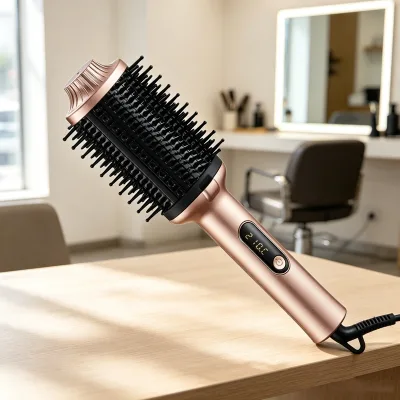
Portable Wet and Dry Hot Air Comb for Curling and Shaping 1200W Hot Air Comb
$6.10 - $6.36
MOQ: 3000 Pieces


- Verified by BV
- Trading Company
- China Zhejiang
- Lead time30 days
- Avg. response≤ 7h
Main productsElectric Kettle, Massager, Hair Dryer, Heater, Electric Grill, Humidifier, Hair Straightener, Mixer, Beauty Instrument, Electronics
Main marketsAfrica,Southeast Asia/ Mideast,Europe,North America
Pingyang County Ate Electrical Appliance Co., Ltd.
- Manufacturer, Trading Company
- Zhejiang, China
- Lead time7 days
- Avg. response≤ 4h
Main productsHair Straightener,Hair Dryer,Flat Iron,Eyelash curler
Main marketsDomestic Market(50.00%), North America(15.00%), Southeast Asia(10.00%), Western Europe(10.00%), Eastern Asia(5.00%), Mid East(5.00%), South America(2.00%), South Asia(1.00%), Oceania(1.00%), Eastern Europe(1.00%)
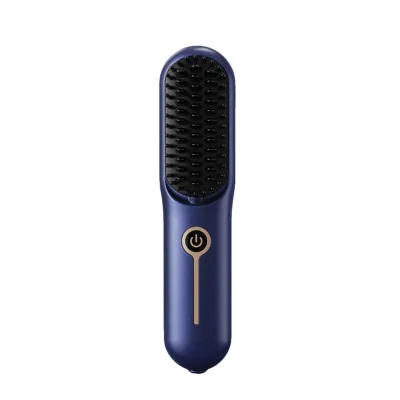
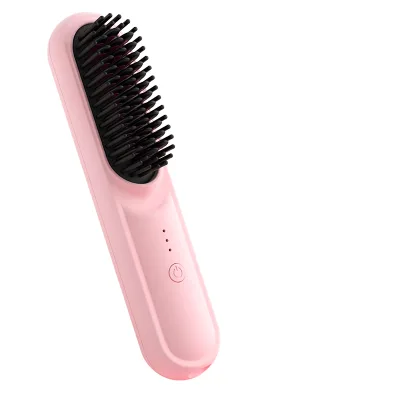
$5.6242 - $7.1577
MOQ: 50 pieces
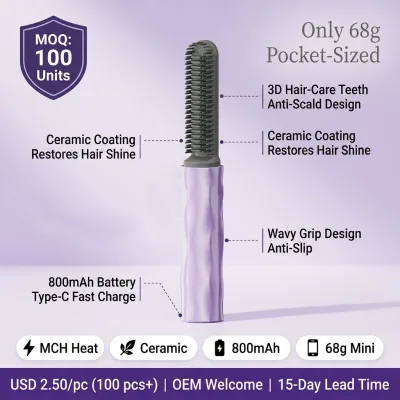
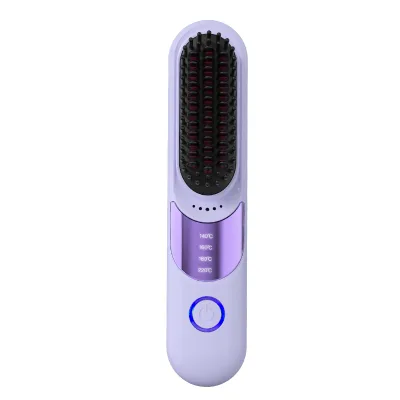
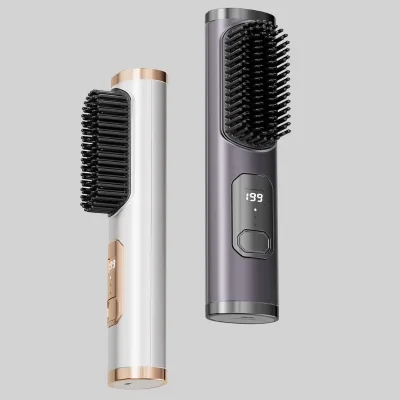
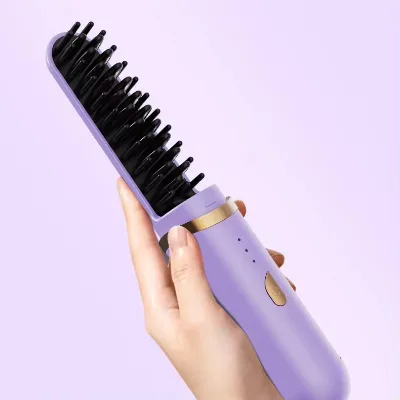
$2.5573 - $3.6815
MOQ: 80 pieces

Shenzhen Baiyisen Health Technology Co., Ltd.
- Verified by SGS
- Trading Company
- China Guangdong
- Lead time30 days
- Avg. response≤ 3h
Main productsHigh-Speed Hair Dryer Curling Irons Styler, Multi-Function Hair Dryer Hairdryer, Secador De Cabello Air Wrap, Blower Hair Secador De Pelo Blow Dryer
Main marketsDomestic


$12.80 - $16.00
MOQ: 100 Pieces


Shandong Chengchang Health Technology Co., Ltd.
- Trading Company
- Shandong, China
- Lead time15 days
- Avg. response≤ 4h
Main productsBeauty equipment,Massager,A protector,medical equipment,Health care equipment
Main marketsSoutheast Asia(20.00%), Domestic Market(15.00%), Mid East(10.00%), South America(5.00%), South Asia(5.00%), Southern Europe(5.00%), Northern Europe(5.00%), Central America(5.00%), Western Europe(5.00%), Eastern Asia(5.00%), Eastern Europe(5.00%), Oceania(5.00%), Africa(5.00%), North America(5.00%)

Qingtian Minghui Electronics Co., Ltd
- Verified by SGS
- Combined
- China Zhejiang
- Lead time23 days
- Avg. response≤ 8h
Main marketsAfrica,Southeast Asia/ Mideast,Europe,North America
Guangzhou Jingpeng Electronic Technology Co., Ltd.
- Manufacturer, Trading Company
- Guangdong, China
- Lead time7 days
- Avg. response≤ 4h
Main productsnight light,table lamp,solar lamp,grow light,led strip
Main marketsNorth America(60.00%), South Asia(5.00%), Southern Europe(5.00%), Northern Europe(5.00%), Western Europe(5.00%), Eastern Asia(5.00%), Southeast Asia(5.00%), Eastern Europe(5.00%), South America(5.00%)
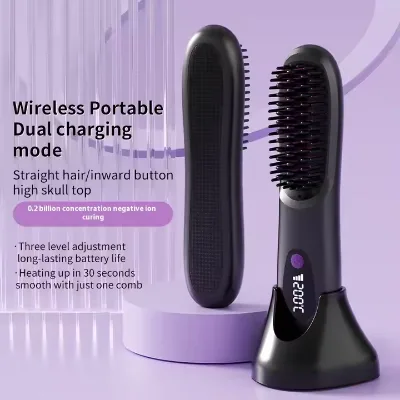
$9.4467 - $9.8574
MOQ: 2 pieces
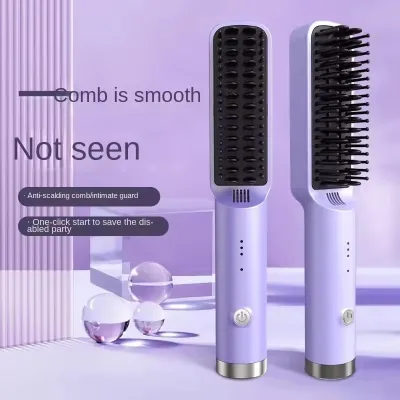
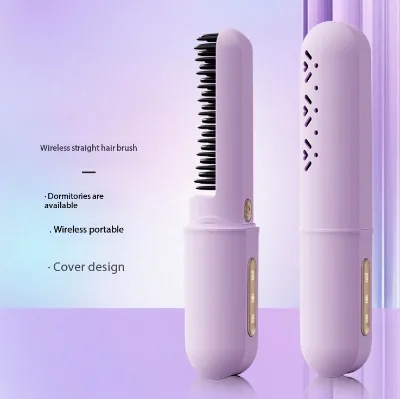
Shenzhen LCB Technology Co., Ltd.
- Verified by SGS Group
- Manufacturer, Trading Company
- Lead time30 days
- Avg. response≤ 3h
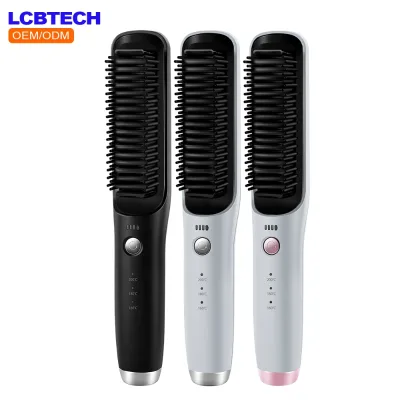
Main productsFacial Cleansing Brush, Beauty Device, Neck Massager, Hair Straighteener Comb, Nail Drill
Main marketsNorth America(28%), Eastern Europe(15%), Mid East(13%)
Dongguan Bidisco Electric Co., Ltd.
- Verified by SGS Group
- Manufacturer, Trading Company
- Lead time20 days
- Avg. response≤ 2h
Main productsHair Straightener/Hair Dryer, Hair Curler/Hair Brush
Main marketsEastern Asia(40%), North America(20%), South America(6%)
Shenzhen Kingstar Mould Co., Ltd.
- Verified by SGS Group
- Manufacturer, Trading Company
- Lead time15 days
- Avg. response≤ 9h
Main productsPlastic Product, Wireless Speaker, Massage Gun, Wireless Earbuds, Smart Watch
Main marketsNorth America(35%), Southern Europe(30%), Domestic Market(20%)
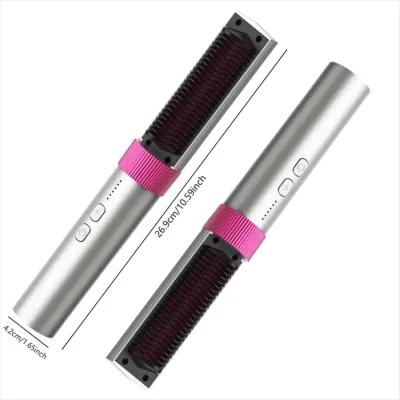
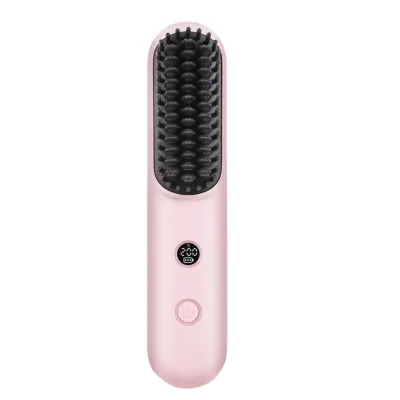
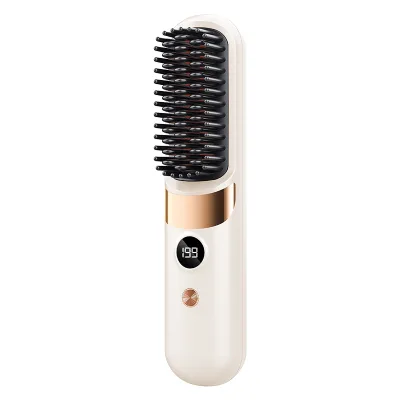
$6.0874 - $6.3962
MOQ: 10 pieces
Dongguan Huaji Electrical Appliances Co., Ltd.
- Manufacturer, Trading Company, Distributor/Wholesaler
- Guangdong, China
- Lead time0 days
- Avg. response≤ 1h
Main productsHair Straightener,Hot Air Styling Comb,Curling Iron,Cool Air Styling Comb,High Speed Hair Dryer
Main marketsNorth America(50.00%), Mid East(20.00%), Western Europe(10.00%), South America(10.00%), Africa(10.00%)
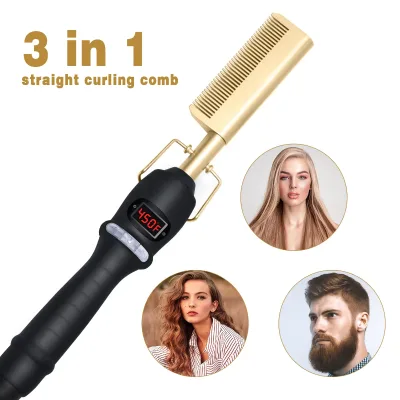
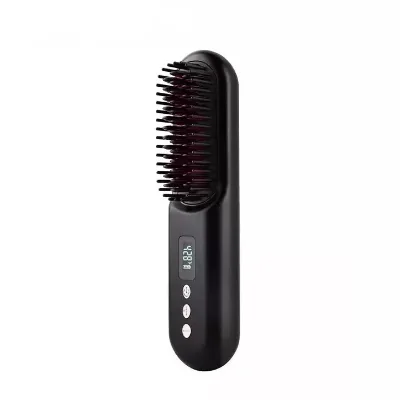
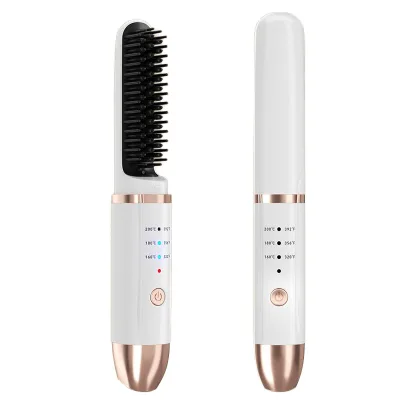
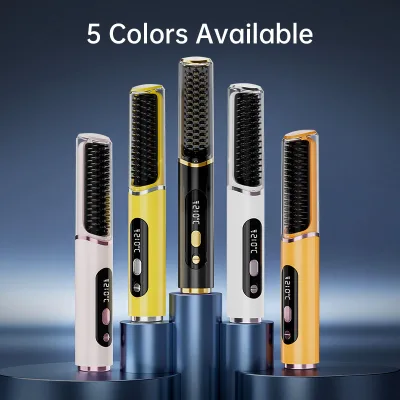
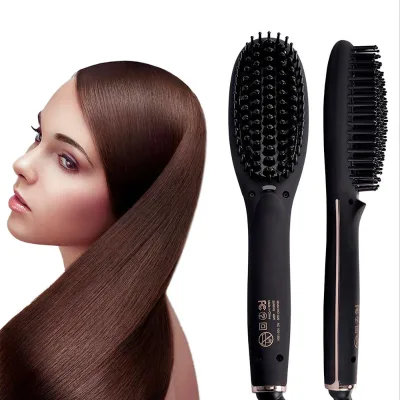
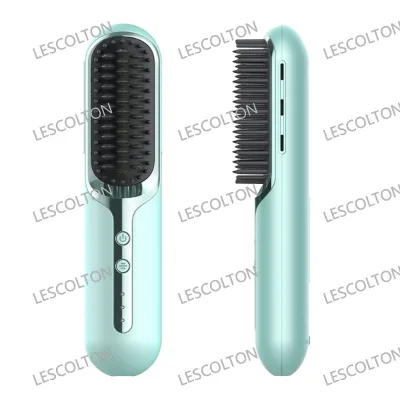
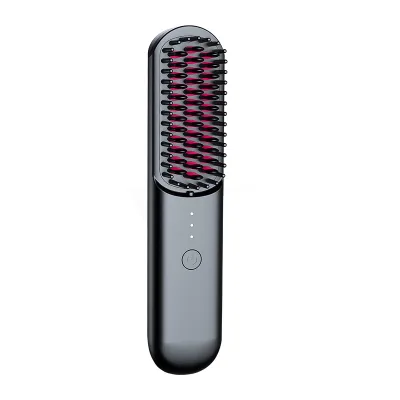
International Certified Fast-Charging Wireless Hair Straightener Comb Compact Travel Design
$17.55 - $22.30
MOQ: 2 pieces
$16.57 - $22.20
MOQ: 2 sets

- Verified by TUVRHEINLAND
- Trading Company
- China Zhejiang
- Lead time15 days
- Avg. response≤ 14h
Main productsWooden Toy, Outdoor Product, Kitchen Item, Personal Care Tool, Painting Set, Disk Rack, Yoga, Garden
Main marketsSouth America,Europe,North America


Men′ S Electric Multifunctional Hairstyle Comb Electric Heated Styling Comb Personal Care
$1.49 - $2.39
MOQ: 50 Pieces
Foshan Xiaotian Technology Co., Ltd.
- Verified by Intertek
- Manufacturer, Trading Company
- Lead time30 days
- Avg. response≤ 2h
Main productsHair Dryer, Curling Iron, Hair Straightener, Hot Air Brush, Multifunctional Styler
Main marketsSoutheast Asia(47%), North America(17%), Northern Europe(10%)
Shenzhen Lescolton Electrical Appliance Co., Ltd.
- Manufacturer, Trading Company
- Lead time旺季: "1 - 1":7,"2 - 100":15,"> 100":"To be negotiated", 淡季: "1 - 1":7,"2 - 100":15,"> 100":"To be negotiated"
- Avg. response≤ 2h
Main productsHair Growth Helmets, Hot Air Brush, Hair Dryer, Hair Straighteners, Hair Curlers

Nan'an Fanghong Import and Export Co., Ltd
- Verified by SGS
- Trading Company
- China Fujian
- Lead time15 days
- Avg. response≤ 6h
Main productsShower Room\Faucet\Shower Head, Kitchen Faucet, Bathroom Faucet, Basin Faucet, Bathroom Cabinet\Wash Basin, Angle Valve, Floor Drain\Floor Filler, Kitchen Sink, Flush Valve, Kitchen Appliance
Main marketsSoutheast Asia/ Mideast,Australia
Xuzhou Aremey Electric Technology Co., Ltd.
- Trading Company
- Jiangsu, China
- Lead time0 days
- Avg. response≤ 9h
Main productsHAIR CLIPPERS,HAIR TRIMMER,MEN SHAVER,HAIR STRAIGHTENER,HAIR DRYER
Main marketsNorth America(50.00%), South America(20.00%), Eastern Europe(10.00%), Southern Europe(5.00%), Northern Europe(5.00%), Western Europe(5.00%), Mid East(5.00%)

- Trading Company
- China Zhejiang
- Lead time0 days
- Avg. response≤ 10h
Main productsHousehold, Personal Care, Kitchenware, Fitness, Car Items, Tools, Health Care, Paint Brush, Magic Mesh, Beauty
Wenzhou Jssan Electric Co., Ltd.
- Manufacturer
- Zhejiang, China
- Lead time15 days
- Avg. response≤ 4h
Main productselectric toothbrush,Oral Irrigator,toothbrush Head,Teeth Whitening Device,Sanitizer
Main marketsWestern Europe(31.00%), North America(25.00%), Northern Europe(10.00%), South America(10.00%), Eastern Europe(5.00%), Southern Europe(3.00%), Oceania(3.00%), South Asia(2.00%), Domestic Market(2.00%), Southeast Asia(2.00%), Central America(2.00%), Africa(2.00%), Eastern Asia(2.00%), Mid East(1.00%)
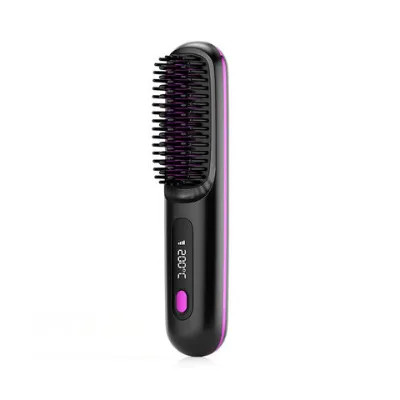
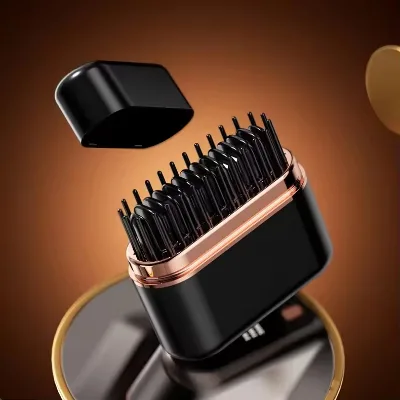
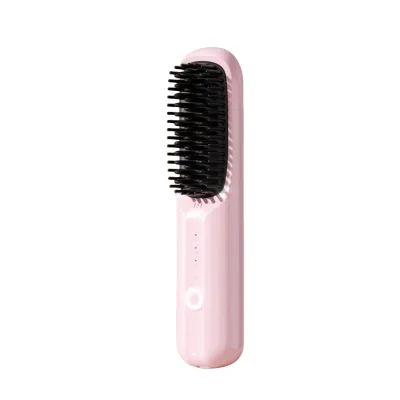
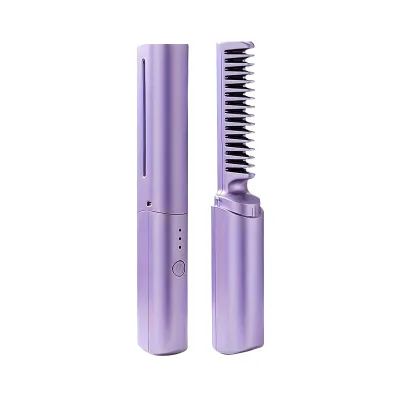
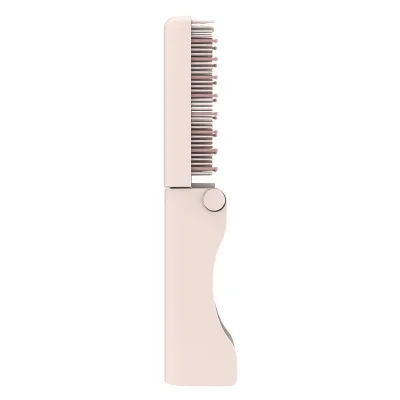
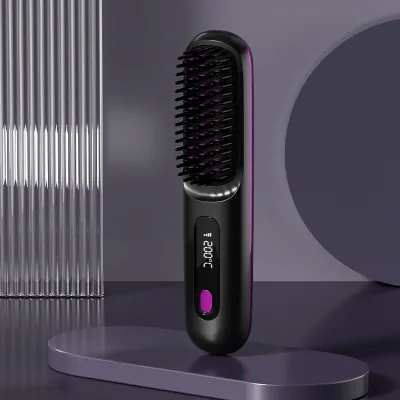
Professional Wireless Mini Hair Straightener Comb Type-C Charging Styling Heated Hair Straightener
$4.44 - $4.63
MOQ: 500 pieces

- Verified by SGS
- Trading Company
- China Fujian
- Lead time15 days
- Avg. response≤ 9h
Main productsSoccer Shirts, Sport Shoes, Baseball Caps, Baseball Jerseys, Football Jerseys, Hockey Jerseys, Basketball Jerseys, Bags, Shorts, Accessories
Main marketsNorth America
Guangdong Roman Technology Co., Ltd.
- Manufacturer, Trading Company
- Lead time旺季: "1 - 1000":30,"1001 - 5000":45,"> 5000":"To be negotiated", 淡季: "1 - 1000":30,"1001 - 5000":45,"> 5000":"To be negotiated"
- Avg. response≤ 11h
Main productsHair Straighteners/Hair Curlers/Hair Dryers/Hair Trimmer/Hot Comb/Hair Remove Laser,Hair dryer,Hair tool,Hair curler
Shenzhen Link Beauty Technology Co., Ltd.
- Verified by SGS Group
- Trading Company
- Lead time25 days
- Avg. response≤ 1h
Main productsMulti Styler, Hair Dryer, Hair Straightener, Hair Curler, Hair Clipper
Main marketsNorth America(20%), Northern Europe(15%), South America(10%)
Guangzhou Shengnuo Electronics Co., Ltd.
- Trading Company, Distributor/Wholesaler, Other
- Guangdong, China
- Lead time0 days
- Avg. response≤ 6h
Main productsjewelry storage box,makeup organizer,cosmetic storage box,deck box,trading card storage box
Main marketsDomestic Market(50.00%), Mid East(20.00%), North America(10.00%), Central America(10.00%), Africa(10.00%)
Shenzhen Topbeauty Technology Co., Ltd.
- Verified by SGS Group
- Manufacturer, Trading Company
- Lead time20 days
- Avg. response≤ 1h
Main productsHair Straightener, Hair Straightener Brush, Hair Curling Iron, Hair Automatic Curler, Hair Wavy Curler
Main marketsDomestic Market(98%), North America(2%)
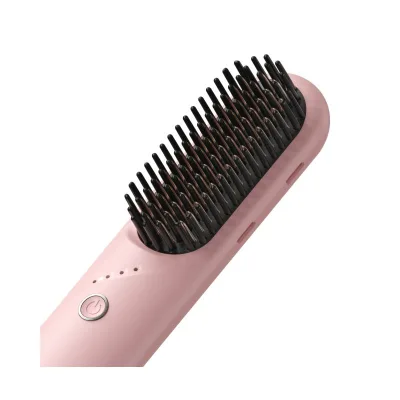
$19.5305 - $20.5528
MOQ: 2 pieces
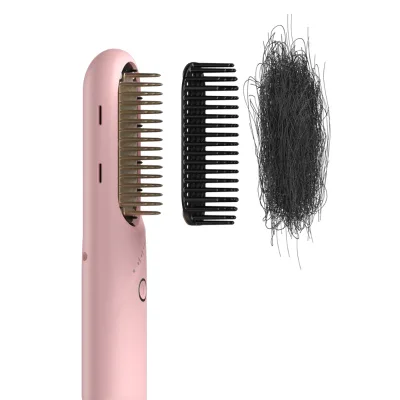
$19.7733 - $20.8091
MOQ: 2 pieces
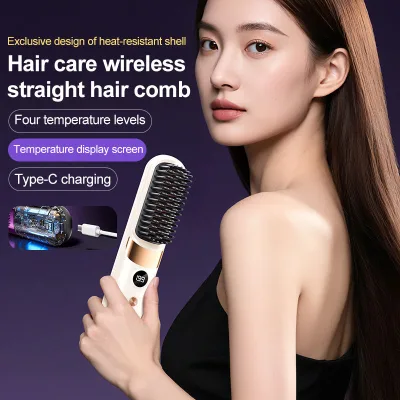






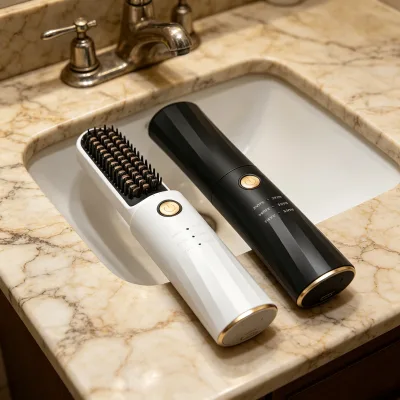


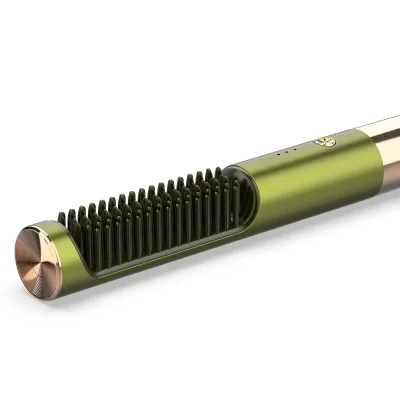
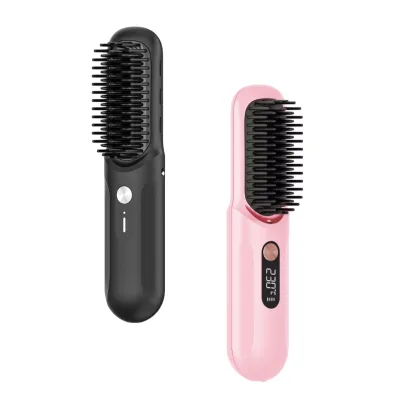
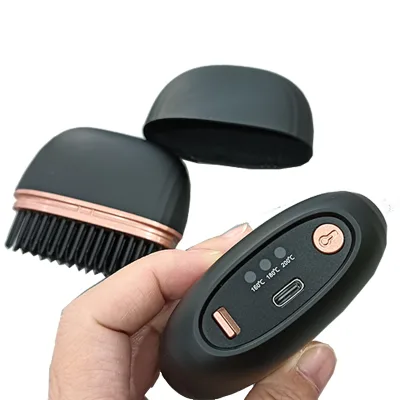
Comprehensive Sourcing Guide
Wireless Type-C Rechargeable Hot Comb Supplier Concentration and Factory Types
The manufacturing landscape for wireless type-c rechargeable hot combs reveals a distinct split between trading companies and combined entities, each offering different value propositions for buyers seeking portable hair styling tools. Current data indicates that a significant portion of available suppliers operate as trading companies, which often aggregate products from various factories to provide a broader catalog. These entities typically focus on main products that may include massage jade rollers, guasha stones, or other beauty tools alongside hair straighteners, suggesting a diversified inventory strategy rather than specialized manufacturing depth. In contrast, combined supplier types are also present, indicating a hybrid model that may involve both direct manufacturing capabilities and trading operations. This structural diversity means buyers must carefully distinguish between pure traders and those with actual production roots, as the latter may offer more control over customization and quality assurance. The presence of these varied company types underscores the importance of verifying the actual source of the wireless type-c rechargeable hot comb, as the supply chain structure directly impacts lead times, communication efficiency, and the ability to handle complex OEM or ODM requests. Understanding this concentration helps buyers align their sourcing strategy with their specific needs for volume, customization, and direct factory engagement.
Geographic concentration plays a pivotal role in the availability and logistics of these devices, with specific regions emerging as key hubs for production. Evidence points to suppliers located in Guangdong, China, including specific cities like Dongguan, as well as operations in Zhejiang, China. These regions are historically known for their robust electronics and personal care appliance manufacturing ecosystems, providing access to essential components such as lithium batteries, PTC heaters, and ceramic coatings. The proximity of these suppliers to major shipping ports and component suppliers often results in more efficient production cycles and reduced logistical friction. However, buyers should not assume that all suppliers in these regions possess identical capabilities, as the specific factory type and internal capacity vary widely. Some suppliers may specialize in light customization or sample processing, while others might offer full OEM services with their own brands. The concentration in these areas facilitates faster prototyping and production runs for wireless type-c rechargeable hot combs, but it also requires buyers to conduct thorough due diligence to ensure that the supplier’s specific location and factory type align with their quality and delivery expectations.
How to Verify Wireless Type-C Rechargeable Hot Comb Suppliers
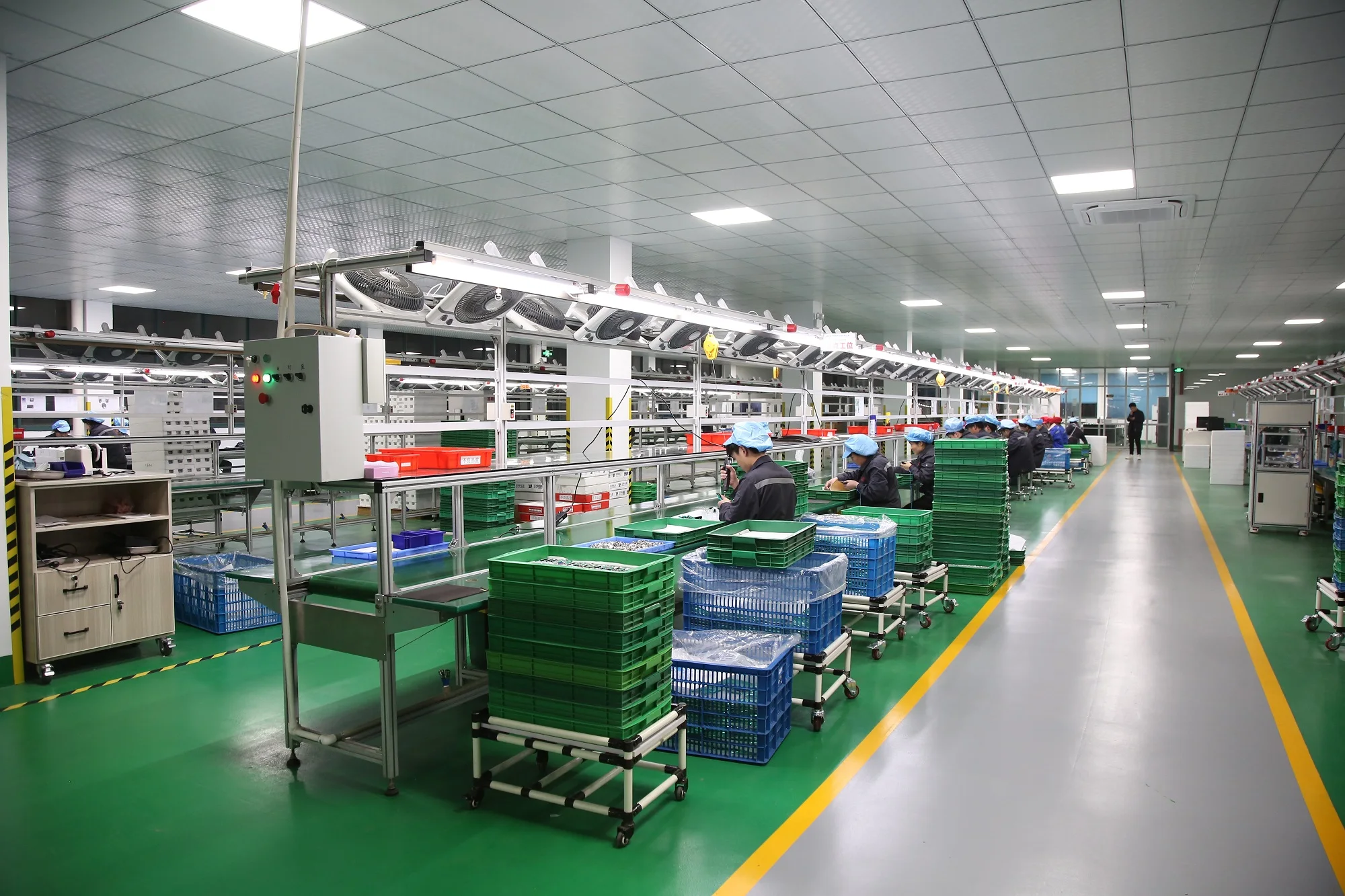
Verifying the legitimacy and capability of suppliers requires a multi-layered approach that goes beyond surface-level product listings. Buyers should prioritize suppliers who have undergone third-party verification processes, as these provide an external audit of the company’s business scope and operational history. For instance, some suppliers in the current results are verified by SGS Group or CTI, which are recognized entities that assess company credentials and manufacturing capabilities. These verification badges serve as a foundational trust signal, indicating that the supplier has met certain standards for business existence and operational transparency. However, verification alone is not a guarantee of product quality or reliability, so buyers must dig deeper into the specific claims made by the supplier. It is crucial to cross-reference the supplier’s stated company type, such as whether they are a trading company or a combined entity, with their actual production facilities. Buyers should request detailed information about the factory floor, including equipment lists and quality control procedures, to ensure that the supplier can consistently produce wireless type-c rechargeable hot combs that meet safety and performance standards.
Beyond verification badges, buyers must scrutinize the technical specifications and certifications associated with the wireless type-c rechargeable hot comb. While some suppliers display system certifications like IEC 62321, CE, or RoHS, others may only provide a Declaration of Conformity or no certification at all. These certifications are critical for ensuring that the electrical components, particularly the lithium batteries and heating elements, comply with international safety standards. Buyers should explicitly ask for test reports from accredited laboratories to validate these claims, especially for products involving high temperatures and battery power. Additionally, the presence of specific product attributes, such as LED displays, PTC heater types, and material compositions like ABS or ceramic, should be verified against the supplier’s technical documentation. Buyers should also inquire about the supplier’s response time and lead time, as these metrics can indicate their operational efficiency and reliability. A supplier with a rapid response time and consistent lead times is more likely to provide a smoother procurement experience, reducing the risk of delays and miscommunication during the order fulfillment process.
What to Compare Across Wireless Type-C Rechargeable Hot Comb Suppliers
When evaluating multiple suppliers for wireless type-c rechargeable hot combs, buyers must establish a comprehensive comparison matrix that includes lead times, minimum order quantities, and response speeds. Lead times can vary significantly, with some suppliers offering rapid turnaround times of just seven days, while others may require up to thirty-eight days for production. This disparity often reflects the supplier’s capacity, inventory levels, and complexity of customization requests. Buyers should align their order planning with these lead times to avoid stockouts or missed market opportunities. Similarly, minimum order quantities (MOQ) are a critical factor, ranging from five hundred units for certain models to one thousand units for others. Lower MOQs are advantageous for testing new markets or launching limited editions, while higher MOQs may offer better unit economics for established brands. Response speed is another key metric, with some suppliers responding within one day and others taking nearly three days. Faster response times often correlate with better customer service and more agile problem-solving, which is essential for resolving issues during the production and shipping phases.
In addition to operational metrics, buyers should compare the technical specifications and customization options offered by each supplier. The wireless type-c rechargeable hot comb market features a variety of designs, including models with LCD displays, ceramic tourmaline plates, and different battery capacities. Buyers should assess the material quality, such as the use of ABS plastic for the body or steel and plastic for the teeth, and ensure that these materials meet their durability and safety requirements. Customization capabilities, including OEM and ODM services, are also vital for brands looking to differentiate their products. Some suppliers offer light customization or sample processing, while others provide full graphic processing and own brand development. Buyers should also consider the after-sales service provided, such as warranty periods and return policies, as these factors impact long-term customer satisfaction. By systematically comparing these dimensions, buyers can identify suppliers that not only meet their immediate product requirements but also support their broader business goals for quality, flexibility, and customer support.
Common Wireless Type-C Rechargeable Hot Comb Sourcing Risks
One of the primary risks in sourcing wireless type-c rechargeable hot combs is the variability in product quality and safety compliance, particularly concerning the battery and heating components. Since these devices combine electrical heating elements with lithium-ion batteries, there is an inherent risk of overheating or battery failure if manufacturing standards are not strictly adhered to. Buyers may encounter suppliers who claim to have certifications like CE or RoHS but fail to provide valid test reports from accredited laboratories. This discrepancy can lead to regulatory issues in the destination market and potential safety hazards for end-users. Additionally, the use of substandard materials, such as low-grade ABS plastic or inferior ceramic coatings, can affect the durability and performance of the hot comb. Buyers must be vigilant in verifying the material specifications and requesting detailed technical documentation to mitigate these risks. It is also important to assess the supplier’s quality control processes, including in-line inspections and final product testing, to ensure that every unit meets the specified standards before shipment.
Another significant risk is the inconsistency in lead times and communication reliability, which can disrupt supply chain planning and customer satisfaction. Some suppliers may quote attractive lead times but fail to deliver on schedule due to capacity constraints or poor project management. This inconsistency can lead to stockouts, missed sales opportunities, and damage to the buyer’s brand reputation. Furthermore, communication barriers can arise when dealing with suppliers who have slower response times or limited English proficiency, leading to misunderstandings regarding product specifications, packaging requirements, or shipping instructions. Buyers should establish clear communication protocols and regular check-ins with their suppliers to monitor production progress and address any issues promptly. It is also advisable to include penalty clauses in the contract for late deliveries or quality failures to incentivize supplier performance. By proactively identifying and addressing these risks, buyers can build a more resilient supply chain and ensure a smoother sourcing experience for wireless type-c rechargeable hot combs.
Wireless Type-C Rechargeable Hot Comb Regional Sourcing and Logistics
Sourcing wireless type-c rechargeable hot combs from specific regions in China, such as Guangdong and Zhejiang, offers distinct logistical advantages due to the established infrastructure and supplier density in these areas. Guangdong, particularly cities like Dongguan, is a major hub for electronics and personal care appliances, providing easy access to component suppliers and manufacturing expertise. This concentration allows for faster prototyping and production runs, as well as more efficient logistics coordination. Buyers sourcing from this region can benefit from shorter transit times to major ports, reducing overall shipping costs and lead times. However, the high density of suppliers in Guangdong also means increased competition, which can drive up prices if buyers do not negotiate effectively. It is essential for buyers to conduct thorough market research and engage with multiple suppliers to secure competitive pricing and favorable terms. Additionally, buyers should consider the local logistics capabilities, including packaging standards and shipping documentation, to ensure that the products are prepared correctly for international transport.
In contrast, suppliers located in Zhejiang, China, may offer different logistical dynamics, potentially with lower labor costs or specialized manufacturing capabilities for certain product types. While the current data highlights Guangdong as a primary location, buyers should also explore options in Zhejiang to diversify their supply base and mitigate risks associated with regional disruptions. Logistics from Zhejiang may involve different port options and transit routes, which can impact shipping costs and delivery times. Buyers should work closely with their suppliers to optimize packaging and shipping methods, ensuring that the wireless type-c rechargeable hot combs are protected during transit. This includes using appropriate cushioning materials and sturdy outer packaging to prevent damage. Furthermore, buyers should stay informed about international shipping regulations and customs requirements for electronic devices, particularly those containing lithium batteries, to avoid delays or seizures at the destination port. By understanding the logistical nuances of each region, buyers can make informed decisions that balance cost, speed, and reliability in their sourcing strategy.
Wireless Type-C Rechargeable Hot Comb Commercial Terms and Order Planning
Effective order planning for wireless type-c rechargeable hot combs requires a clear understanding of commercial terms, including pricing structures, payment methods, and warranty policies. Pricing can vary significantly based on the product specifications, customization level, and order volume. For example, basic models may start at lower price points, while advanced models with LCD displays and higher battery capacities command premium prices. Buyers should request detailed quotations that break down the costs for the product, packaging, and shipping to ensure transparency. Payment terms are also crucial, with many suppliers requiring a deposit upfront and the balance before shipment. Buyers should negotiate favorable payment terms, such as using secure payment methods like escrow, to protect their financial interests. Additionally, warranty policies should be clearly defined, with some suppliers offering one-year warranties and after-sales services like return and replacement. Understanding these commercial terms helps buyers manage their cash flow and mitigate financial risks associated with the sourcing process.
Beyond pricing and payment, buyers must plan for post-order activities, including quality inspection, shipping coordination, and customer support. It is advisable to conduct pre-shipment inspections to verify that the products meet the agreed-upon specifications and quality standards. This step can help identify and rectify any issues before the goods are shipped, reducing the risk of returns or complaints from end-users. Buyers should also coordinate closely with their suppliers to ensure that the shipping documentation is accurate and complete, facilitating smooth customs clearance at the destination. Furthermore, buyers should establish a robust customer support strategy to
FAQs
What is the price range for wireless hot combs?
Prices for wireless hot combs typically range from $4.05 to $16.36 per unit. The cost varies based on features like ceramic tourmaline plates or LED displays. Buyers should expect higher prices for models with larger battery capacities and advanced heating technologies.
How long does production take for these combs?
Lead times for wireless hot combs generally range from 7 to 38 days. Some suppliers offer faster turnaround times for standard items, while others may require up to 38 days for customized orders. Buyers should confirm specific timelines with suppliers before placing bulk orders.
What certifications do these products have?
Many wireless hot combs carry CE, RoHS, and IEC 62321 certifications. Some suppliers also provide Declaration of Conformity documents. These certifications ensure the products meet international safety and environmental standards. Buyers should verify specific certification documents with the supplier for compliance.
What is the minimum order quantity for these combs?
Minimum order quantities for wireless hot combs vary, with some suppliers requiring 500 units and others requiring 1000 units. Buyers should check the specific MOQ requirements for each product model. Smaller quantities may be available for sample orders or trial purchases.
Where are these combs manufactured?
Most wireless hot combs are manufactured in China, specifically in regions like Guangdong and Zhejiang. These areas are known for their strong manufacturing capabilities in beauty appliances. Buyers can expect products to originate from these verified industrial hubs with established supply chains.
What battery capacity do these combs have?
Battery capacities for wireless hot combs typically range from 2500mAh to 4000mAh. Higher capacity batteries allow for longer usage times between charges. Buyers should consider their usage needs when selecting a model with the appropriate battery size for their specific requirements.