Wireless Wi-Fi Emergency Panic Button Suppliers and Manufacturers
Source wireless wi-fi emergency panic button options from 29 verified suppliers in China. Compare ISO9001:2015 certified factories with CE standards, OEM capabilities, and lead times. Review product specs and request quotes today; review the available evidence before requesting comparable quotations from suitable candidates.
Updated
Suppliers List

Ningbo Sentek Electronics Co., Ltd.
- Verified by BV
- Combined
- China Zhejiang
- Lead time30 days
- Avg. response≤ 17h
Main productsSmoke Alarm, Smoke Detector, Fire Detector, Magnetic Contact, Co Alarm, Co Detector, Gas Detector, Carbon Monoxide Detector, Heat Detector, Smoke Sensor
Main marketsSouth America,Africa,Southeast Asia/ Mideast,East Asia(Japan/ South Korea),Europe,Australia,North America

Shenzhen Taian Electronics Co., Ltd.
- Trading Company,Manufacturer/Factory,Other
- China Guangdong
- Lead time0 days
- Avg. response≤ 18h
Main productsBattery, Beam Sensors, Infrared Detector, Alarm Host, Outdoor Detector, Microwave Detector, Outdoor Horn, Vibration Sensors, Smoke Detector, Magnetic Contacts
Main marketsSouth America,Eastern Europe,Mid East,North America,Southeast Asia,Eastern Asia,Oceania,Western Europe,Africa
Shenzhen Longsin Intelligent Technology Co., Ltd.
- Manufacturer
- Guangdong, China
- Lead time10 days
- Avg. response≤ 3h
Main productsSmoke Alarm,Gas Detector,co detector,Manual Call Point,Siren
Main marketsEastern Europe(18.00%), North America(14.00%), Domestic Market(13.00%), Western Europe(10.00%), Mid East(10.00%), South Asia(9.00%), Southeast Asia(8.00%), Eastern Asia(6.00%), Southern Europe(3.00%), Oceania(3.00%), South America(2.00%), Africa(2.00%), Central America(1.00%), Northern Europe(1.00%)
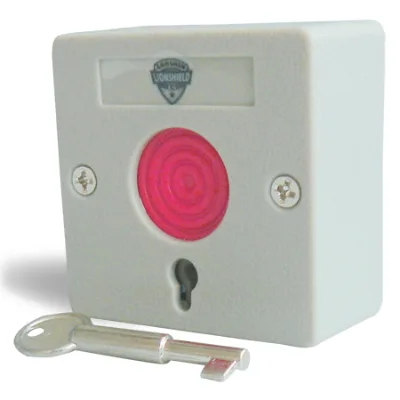
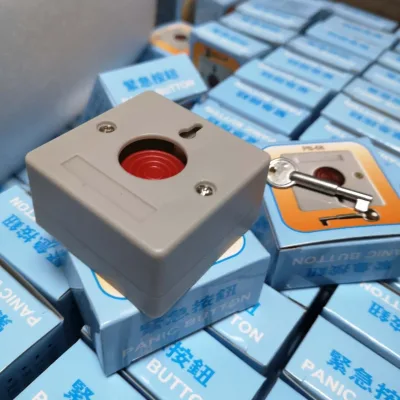
ABS Material Panic Alarm Button Wireless/wired Emergency Stop Button
$3.2836 - $4.1045
MOQ: 100 pieces

- Manufacturer/Factory
- China Beijing
- Lead time15 days
- Avg. response≤ 3h
Main productsWireless Calling System, Nurse Calling System, Mini Fan, Networking Products, Intercom System
Main marketsSouth America,Eastern Europe,Mid East,North America,Southeast Asia,Eastern Asia,Oceania,Western Europe,Africa

Shenzhen Chitongda Electronic Co., Ltd.
- Verified by BV
- Trading Company,Manufacturer/Factory
- China Guangdong
- Lead time23 days
- Avg. response≤ 14h
Main productsAlarm System, Burglar Alarm, Security System, GSM Alarm System, Wireless Home Security, Car GSM Alarm, Home / Commercial Alarm, CCTV System, Detector, Surveillance Equipment
Main marketsSouth America,Eastern Europe,Mid East,North America,Southeast Asia,Eastern Asia,Oceania,Western Europe,Africa
SHENZHEN MINGQIAN TECHNOLOGY CO., LTD.
- Trading Company
- Guangdong, China
- Lead time7 days
- Avg. response≤ 3h
Main productsFace Recognition Access Controller, Fingerprint Access Controller, RFID Access Controller , Access Control Card Reader , Access Control Power Supply
Main marketsSouth America(25.00%), Domestic Market(20.00%), North America(10.00%), Western Europe(10.00%), Africa(10.00%), Mid East(10.00%), Southeast Asia(10.00%), Eastern Europe(5.00%)
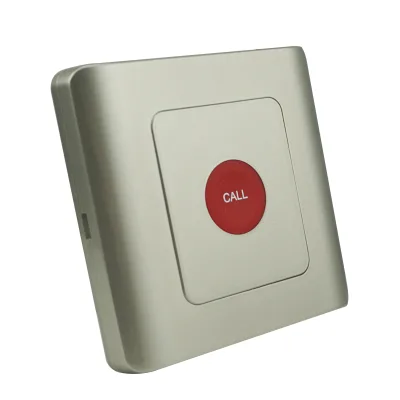
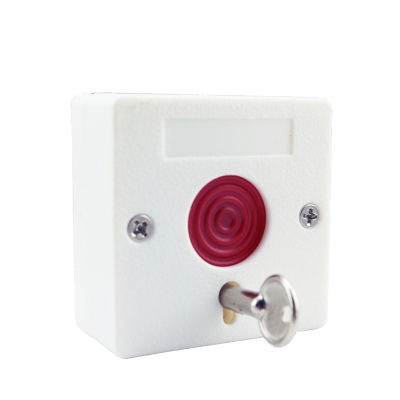
Wireless Waterproof Panic Button
$8.00 - $8.50
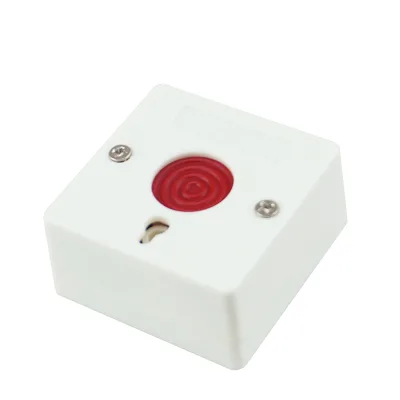
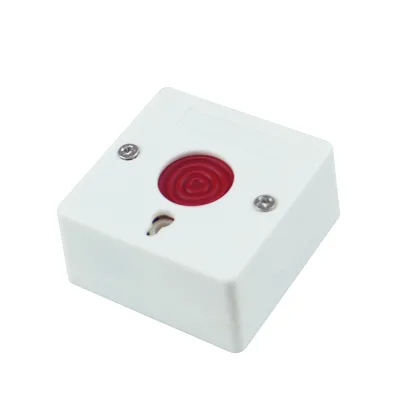
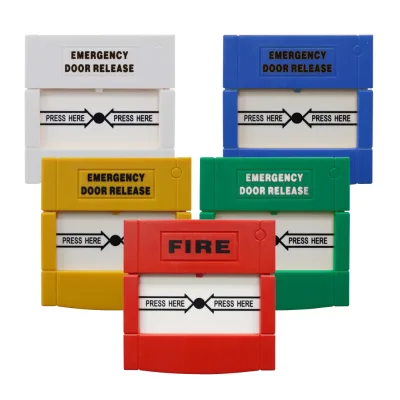
Shenzhen City Aolaisite Plastic Electronics Co., Ltd.
- Verified by TüVRheinland
- Manufacturer, Trading Company
- Lead time7 days
- Avg. response≤ 2h
Main productsMould, Enclosure, Waterproof Box, Remote Control Enclosure, Router Case
Main marketsNorth America(20%), Eastern Europe(15%), Western Europe(15%)
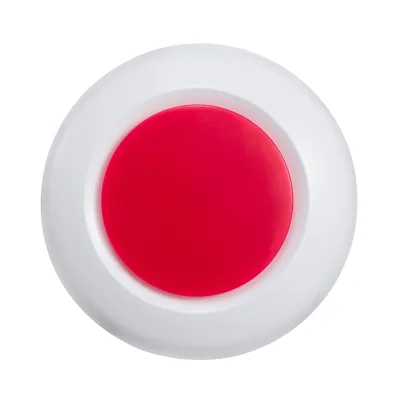
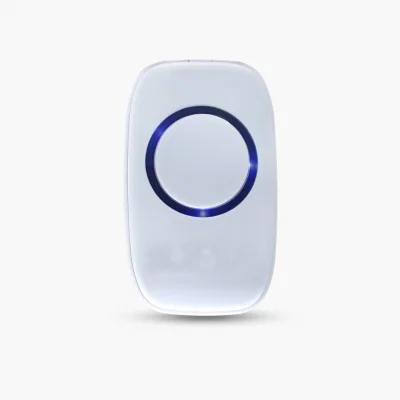
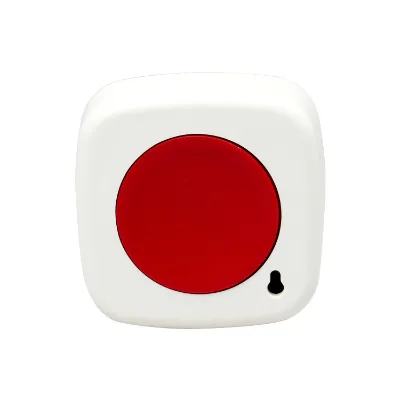
Wireless Security Panic Alarm Button,Call Point Wireless Emergency Button Alarm
$1.60 - $3.00
MOQ: 2 pieces
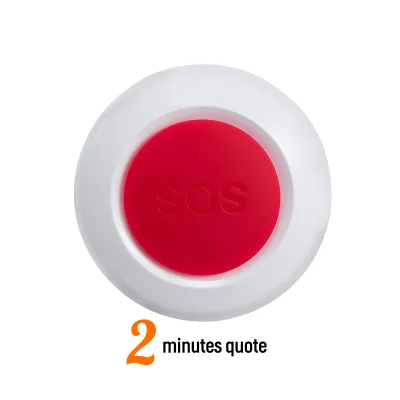
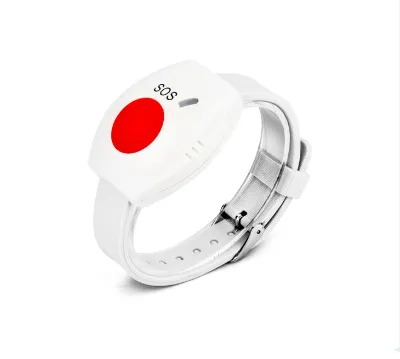
SOS Wireless Panic Button Emergency Button Help Elderly Wireless Emergency Calling System
$1.00 - $2.30
MOQ: 2 pieces
Shenzhen Yuanghang Electronic Co., Ltd.
- Manufacturer, Trading Company
- Ghuangdong, China
- Lead time15 days
- Avg. response≤ 5h
Main productsWIFI & GSM Alarm system,PIR sensor,Smoke sensor,Gas sensor,Fingerprint Padlock
Main marketsWestern Europe(35.00%), North America(35.00%), Mid East(10.00%), South Asia(5.00%), South America(5.00%), Eastern Europe(5.00%), Southeast Asia(5.00%)

Zuden Technology (HK) Co., Limited
- Verified by CTI
- Combined
- China Guangdong
- Lead time15 days
- Avg. response≤ 6h
Main productsAlarm System, Access Control, Electromagnetic Lock, Home Security System, Alarm Strobe Siren, Magnetic Contact, WiFi Home Security Wireless Burglar GSM Alarm, Home Security Wireless Burglar GSM Alarm System, Metal Standalone RFID Door Access Control, Smart Home
Main marketsSouth America,Southeast Asia/ Mideast,Europe,Australia

Low Power Consumption Panic Button Alarm Wireless Sos Panic Emergency Button
$2.80 - $3.80
MOQ: 100 Pieces


Guangzhou Xuzhixuan Trade Co., Ltd.
- Manufacturer, Trading Company, Distributor/Wholesaler
- Guangdong, China
- Lead time20 days
- Avg. response≤ 2h
Main productswall switch,socket,touch light switch,outlet,plug
Main marketsNorth America(18.00%), Oceania(15.00%), Eastern Europe(15.00%), Southern Europe(15.00%), Northern Europe(10.00%), Mid East(10.00%), Domestic Market(3.00%), South America(3.00%), Western Europe(3.00%), Eastern Asia(3.00%), Africa(3.00%), South Asia(1.00%), Southeast Asia(0.50%), Central America(0.50%)
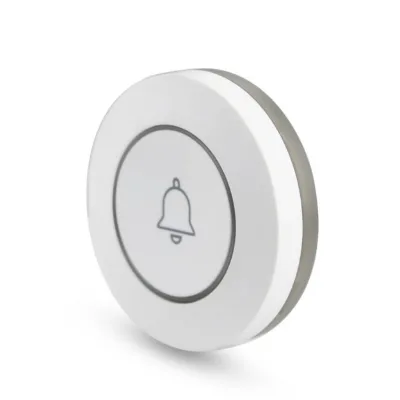
Wireless SOS Emergency Panic Button for GSM Alarm System 433MHz One Key Alert
$0.8044 - $0.9168
MOQ: 5 pieces
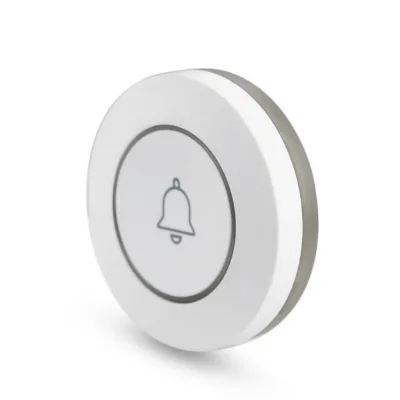
$0.7999 - $0.9018
MOQ: 10 pieces
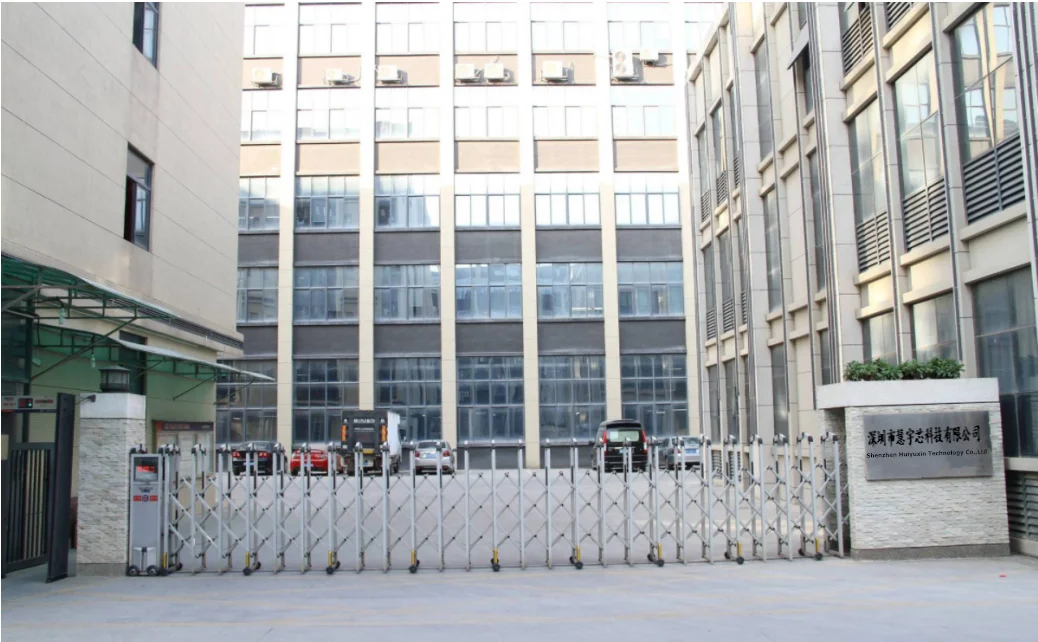
Shenzhen Huiyuxin Technology Co., Ltd.
- Manufacturer, Trading Company
- Guangdong, China
- Lead time15 days
- Avg. response≤ 3h
Main productsRFID Cards,Smart Locks,Access Control Products,RFID Readers,Exit Buttons
Main marketsCentral America(10.00%), Eastern Asia(10.00%), Mid East(10.00%), Africa(10.00%), Southeast Asia(10.00%), South Asia(10.00%), South America(10.00%), North America(10.00%), Southern Europe(7.00%), Eastern Europe(5.00%), Northern Europe(5.00%), Domestic Market(3.00%)
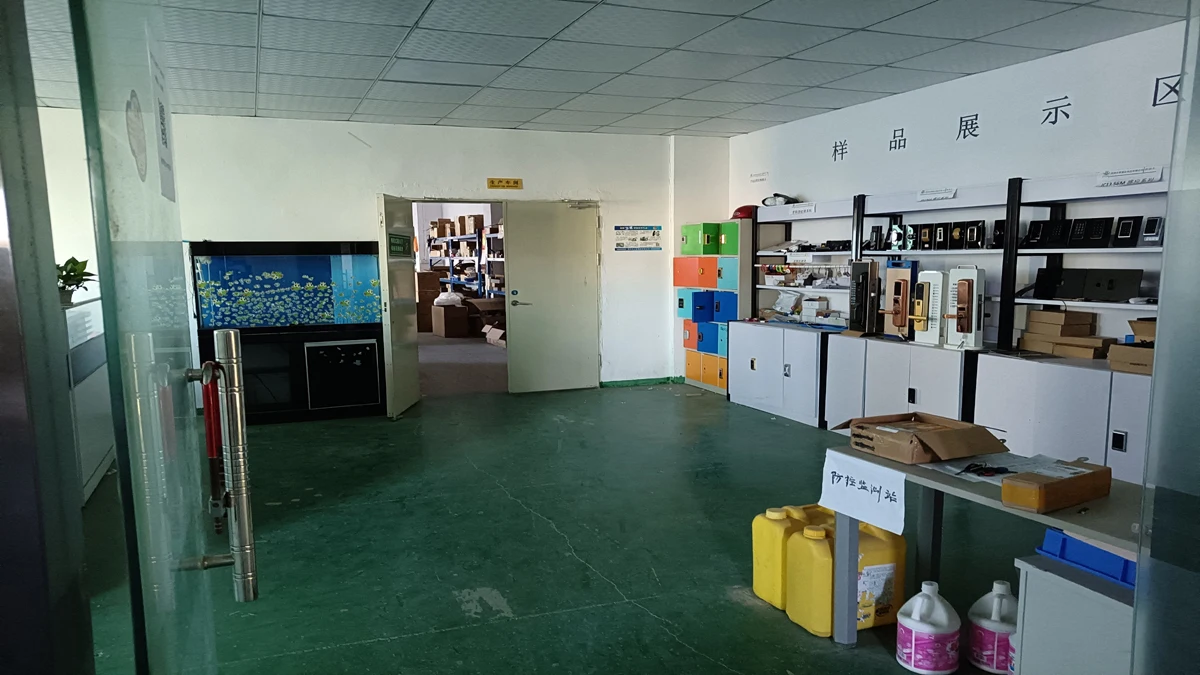
- Manufacturer, Trading Company
- Guangdong, China
- Lead time15 days
- Avg. response≤ 1h
Main productsCabinet lock,Hotel lock,Door lock,Switch,Door chime
Main marketsWestern Europe(70.00%), Eastern Asia(20.00%), Mid East(10.00%)
Shenzhen Lda Technology Co., Ltd.
- Verified by TüVRheinland
- Trading Company
- Lead time15 days
- Avg. response≤ 9h
Main productsGas Detectors, Smoke Detectors, Carbon Monoxide Detector, Alarm Systems, Smart Alarms
Main marketsNorth America(30%), South America(30%), Western Europe(20%)

Quanzhou Heyi Electronics Co., Ltd.
- Manufacturer, Trading Company
- Fujian, China
- Lead time15 days
- Avg. response≤ 5h
Main productsHome Alarm System,Engineering Alarm System,Wireless and Wired Sensors,IP Camera
Main marketsEastern Europe(30.00%), Western Europe(30.00%), Southern Europe(20.00%), South America(20.00%)
HoneyComm IoT Technology(Shenzhen)Co., Ltd.
- Verified by SGS Group
- Trading Company
- Guangdong, China
- Lead time7 days
- Avg. response≤ 2h
Main productsBluetooth Beacons, Beacon Gateways, AOA Beacon Tags, Air Tag Tracker, GPS receiver
Main marketsNorth America(50%), South America(20%), Western Europe(20%)
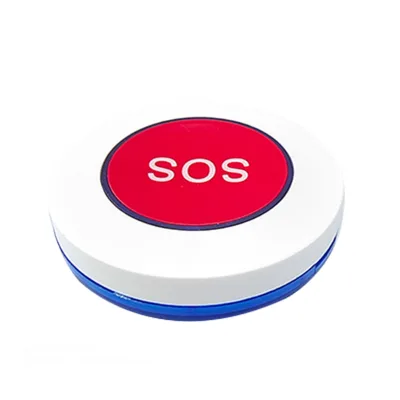
$2.9556 - $8.209
MOQ: 500 Minimum
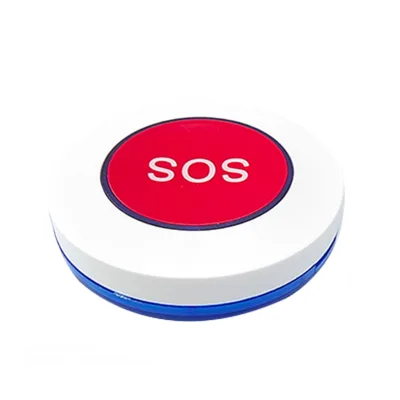
$2.88 - $8.00
MOQ: 500 Minimum
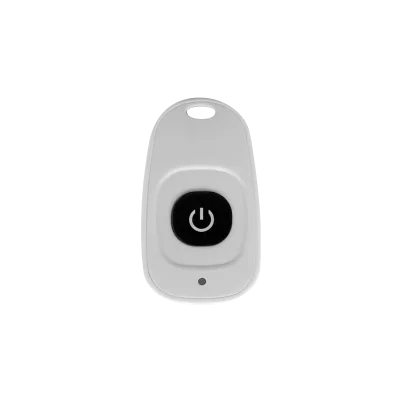
Shenzhen Elefine Technology Co., Ltd.
- Verified by SGS Group
- Manufacturer, Trading Company
- Lead time3 days
- Avg. response≤ 6h
Main productsBoom Barrier and Mechanism/, Turnstile and Mechanism/, Camera/Security Locks/, Transportation Facility/, EAS System
Main marketsWestern Europe(22%), South Asia(20%), North America(18%)
Shenzhen Konst Electronic Technology Co., Ltd.
- Manufacturer, Trading Company
- Guangdong, China
- Lead time3 days
- Avg. response≤ 5h
Main productsWireless Remote Control,Smart Switch,RF Modules,Alarm System,Smoke Detector
Main marketsDomestic Market(20.00%), Northern Europe(15.00%), North America(15.00%), Mid East(12.00%), South Asia(5.00%), Eastern Asia(5.00%), Central America(5.00%), Oceania(5.00%), Southeast Asia(5.00%), Western Europe(3.00%), Southern Europe(3.00%), Eastern Europe(3.00%), South America(3.00%), Africa(1.00%)
Shenzhen Doknowma Technology Co., Ltd.
- Manufacturer
- Guangdong, China
- Lead time0 days
- Avg. response≤ 6h
Main productsProfessional Security Alarm System Manufacturer,Smart Home Security System Solution,Industrial and Commercial Security Protection System,Advanced Security Detection Products,Special Security Protection Solutions
Main marketsWestern Europe(20.00%), Eastern Europe(18.00%), Domestic Market(12.00%), Mid East(9.00%), Southeast Asia(8.00%), Eastern Asia(8.00%), Africa(8.00%), North America(5.00%), South America(4.00%), Southern Europe(3.00%), Oceania(3.00%), Northern Europe(2.00%)
Shenzhen Homelux Intelligent Technology Co., Ltd.
- Manufacturer, Trading Company
- Guangdong, China
- Lead time25 days
- Avg. response≤ 11h
Main productsPIR sensor,GSM Dialer,Digital Dual beam sensor,Siren,security alarm system
Main marketsDomestic Market(100.00%)
Shenzhen Professional Security Technology Co., Limited
- Verified by Intertek
- Manufacturer, Trading Company
- Lead time1 days
- Avg. response≤ 3h
Main productsAlarm Systems, Smart Cameras, Smart Locks & Bells, Smart Lighting, Switches & Plugs & Sockets
Main marketsSouth America(40%), North America(20%), Western Europe(20%)
Guangzhou EBY Optoelectronic Technology Co., Ltd.
- Trading Company
- Guangdong, China
- Lead time10 days
- Avg. response≤ 10h
Main productsElectrical Wire,LED Connector,LED Connect Wire,LED Splitter Box,Power Supply
Main marketsWestern Europe(40.00%), North America(30.00%), Domestic Market(15.00%), Oceania(5.00%), Southeast Asia(5.00%), Mid East(5.00%)

Quanzhou Koqi Electronic Co., Ltd.
- Trading Company,Manufacturer/Factory
- China Fujian
- Lead time15 days
- Avg. response≤ 7h
Main productsWireless Calling System, Coaster Pager System, Queue Calling Management System, Ticket Dispenser, Take a Number System, Window Intercom, Two Way Radio, Caregiver Pager, Hospital Call System
Main marketsSouth America,Eastern Europe,Mid East,North America,Southeast Asia,Eastern Asia,Oceania,Western Europe,Africa

Shenzhen Daping Computer Co., Ltd.
- Manufacturer, Trading Company
- Guangdong, China
- Lead time15 days
- Avg. response≤ 2h
Main productswifi alarm,smart home,4G alarm,tuya sensors,zigbee sensors
Main marketsEastern Europe(18.00%), Southern Europe(15.00%), South America(10.00%), Western Europe(10.00%), Northern Europe(10.00%), Central America(10.00%), Oceania(8.00%), Africa(5.00%), North America(5.00%), South Asia(2.00%), Mid East(2.00%), Southeast Asia(2.00%), Domestic Market(2.00%), Eastern Asia(1.00%)

Changsha Joy Technology Co., Ltd.
- Manufacturer
- Hunan, China
- Lead time5 days
- Avg. response≤ 3h
Main productsTelecare System,Medical Alert System,Personal Alarm,Mobile Emergency,Telehealth System
Main marketsEastern Europe(15.00%), North America(15.00%), Western Europe(12.00%), Northern Europe(10.00%), South America(10.00%), Southern Europe(8.00%), Central America(7.00%), Mid East(5.00%), Southeast Asia(5.00%), Eastern Asia(5.00%), Domestic Market(2.00%), South Asia(2.00%), Oceania(2.00%), Africa(2.00%)

Shenzhen E-5continents Co., Ltd.
- Verified by TUVRHEINLAND
- Combined
- China Guangdong
- Lead time15 days
- Avg. response≤ 1h
Main productsReed Switch, Magnetic Contacts, Liquid Level Switch, Magnetic Switch
Main marketsAfrica,East Asia(Japan/ South Korea),Europe,North America
Shenzhen Champions Technology Co., Ltd.
- Verified by SGS Group
- Manufacturer, Trading Company
- Lead time7 days
- Avg. response≤ 5h
Main productsWireless Remote Control, Wireless RF Receiver Module, Infrared Detector, Door Magnet, WiFi Controller
Main marketsSouth America(36%), Domestic Market(20%), Mid East(10%)
Shenzhen Chitongda Electronic Co., Ltd.
- Manufacturer, Trading Company
- guangdong, China
- Lead time5 days
- Avg. response≤ 3h
Main productsAlarm System,Smart Home Security,Alarm Sensor,CCTV Camera,2G/3G/4G&WiFi Alarm
Main marketsDomestic Market(39.00%), North America(10.00%), Southern Europe(10.00%), Northern Europe(10.00%), South America(10.00%), Western Europe(5.00%), Eastern Europe(5.00%), Africa(3.00%), Central America(3.00%), Mid East(1.00%), South Asia(1.00%), Southeast Asia(1.00%), Oceania(1.00%), Eastern Asia(1.00%)

Shenzhen Sachikoo Yongfa Technology Co., Ltd.
- Verified by TUVRHEINLAND
- Combined
- China Guangdong
- Lead time15 days
- Avg. response≤ 3h
Main productsSafe, Telephone, LED Mirror, Electric Kettle, Mini Fridge, Hairdryer
Main marketsSouth America,Southeast Asia/ Mideast,Europe,Australia,North America
- Manufacturer, Trading Company
- Guangdong, China
- Lead time0 days
- Avg. response≤ 7h
Main productsSmart Home Products,Smart Switch Panel,Smart Socket,Smart Breaker,Smart Door Lock
Main marketsNorth America(19.00%), South America(19.00%), Eastern Europe(16.00%), Southeast Asia(16.00%), Southern Europe(9.00%), Western Europe(8.00%), South Asia(6.00%), Mid East(4.00%), Africa(3.00%)


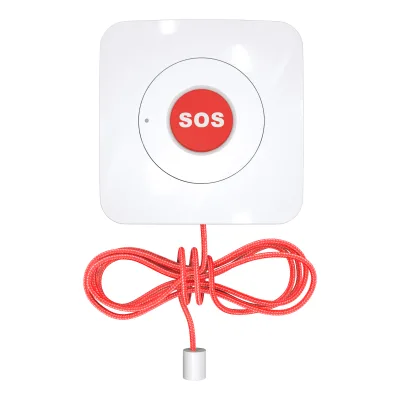
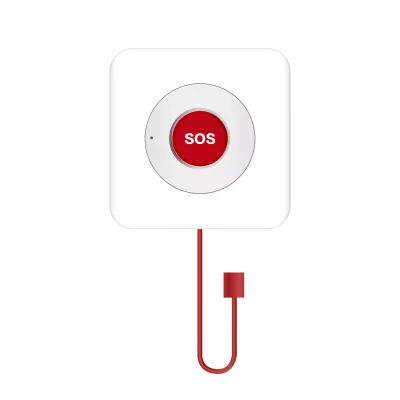
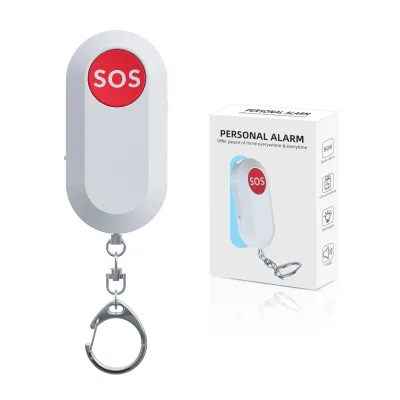
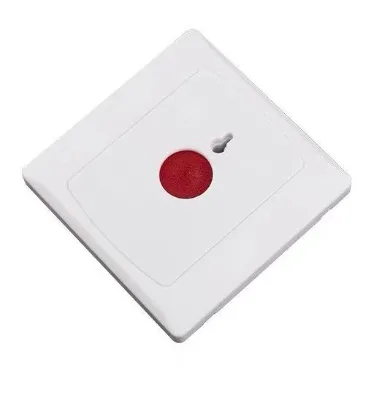
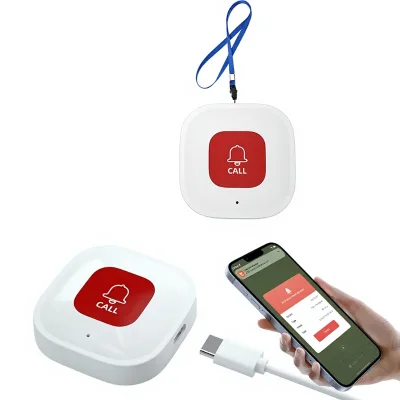
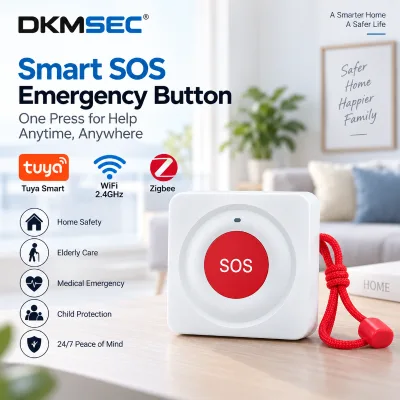
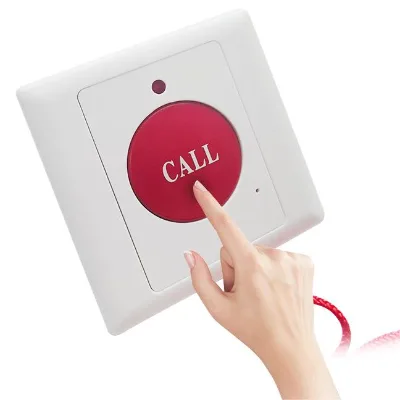

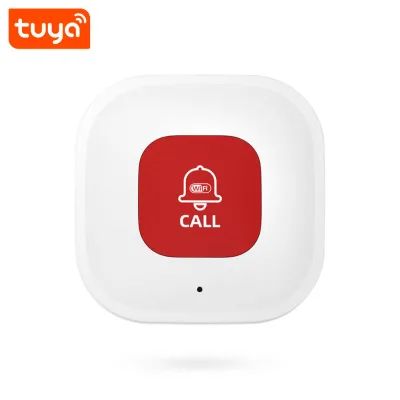


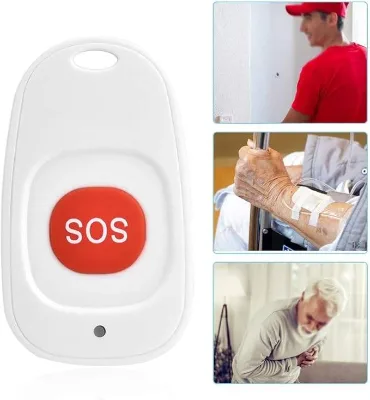
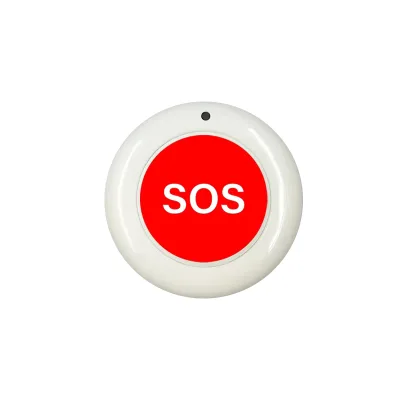
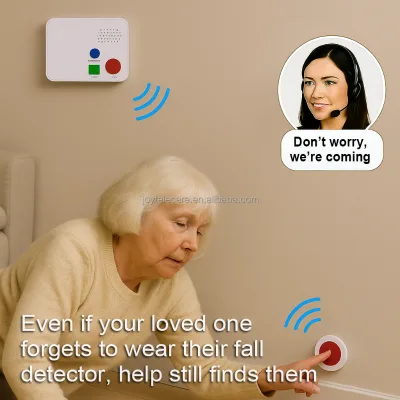
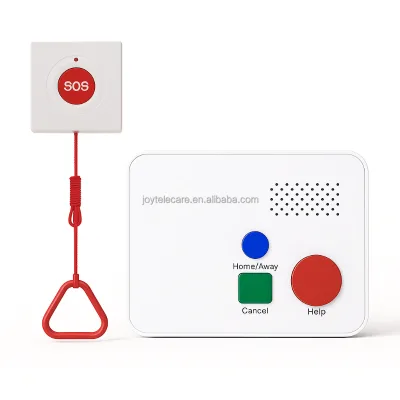




Comprehensive Sourcing Guide
Wireless Wi-Fi Emergency Panic Button Supplier Concentration and Factory Types
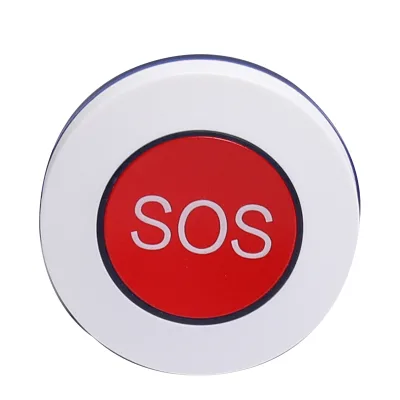
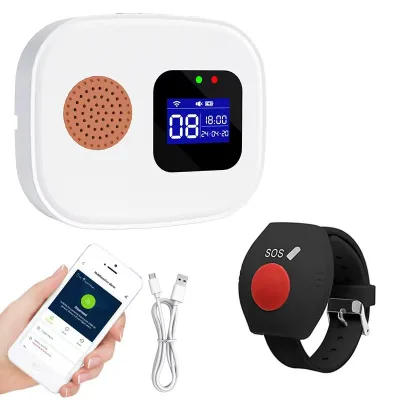
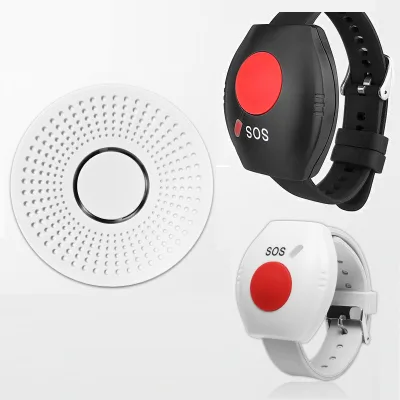
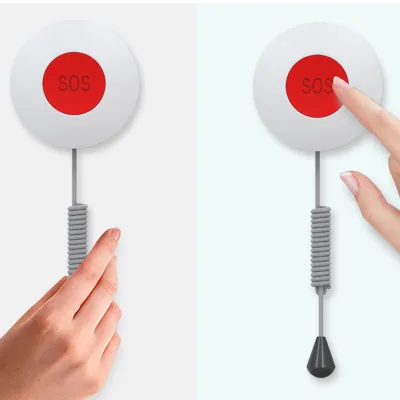
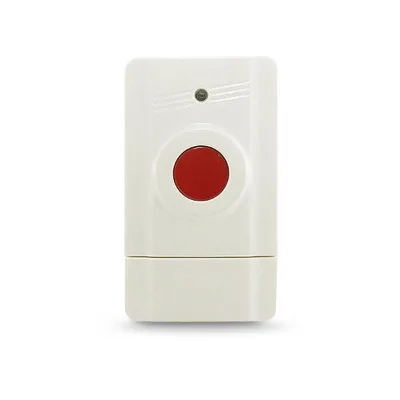
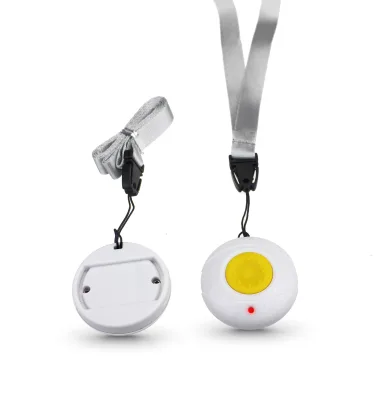
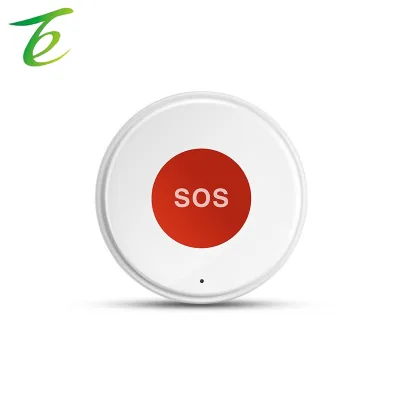
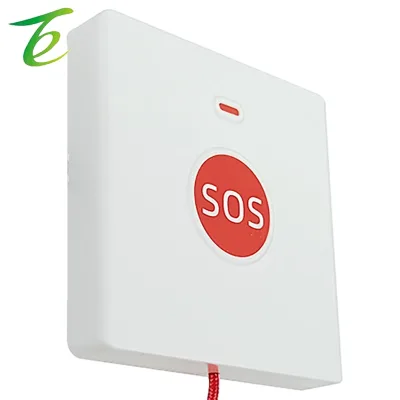
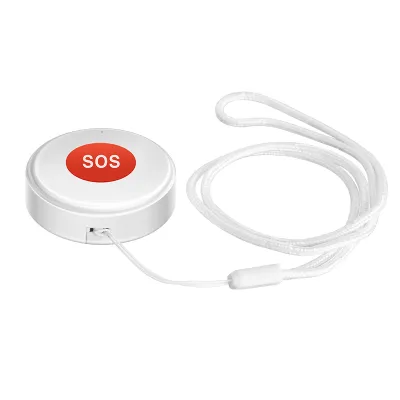
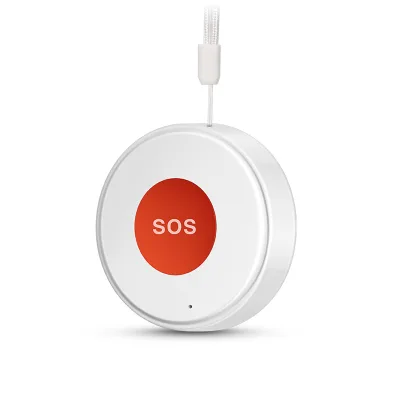
For the wireless Wi-Fi emergency panic button category, supplier results point to two Chinese manufacturing regions: Zhejiang and Guangdong. The Zhejiang-based company is described as a combined manufacturer and trader, with main products spanning smoke alarms, smoke detectors, carbon monoxide detectors, gas detectors, heat detectors and magnetic contacts, alongside emergency buttons for alarm systems. This breadth suggests a fire-and-security detection factory that treats panic buttons as part of a wider alarm accessory line rather than a standalone product focus.
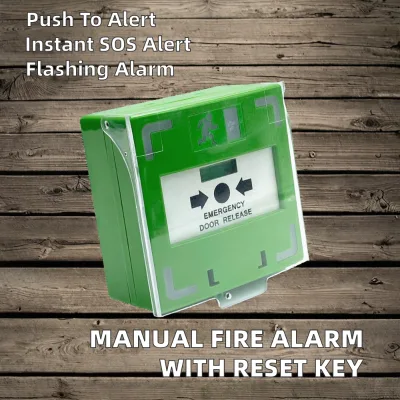
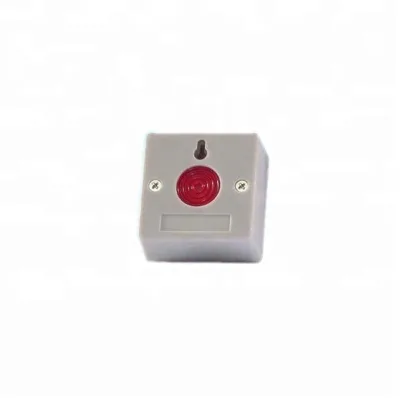
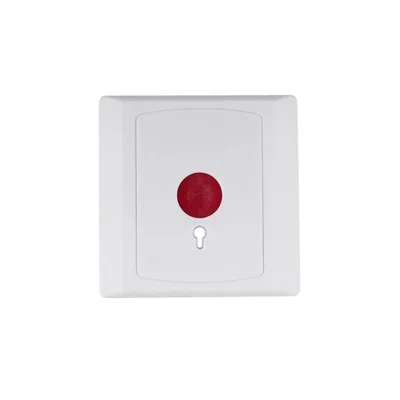
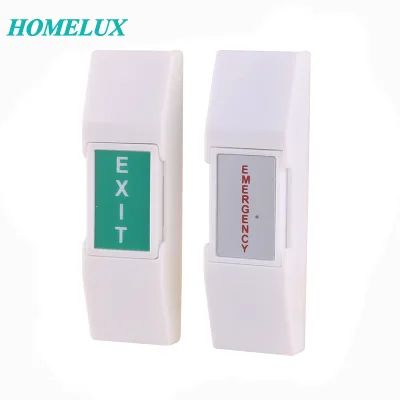
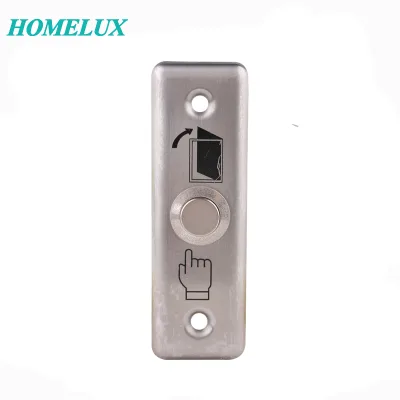
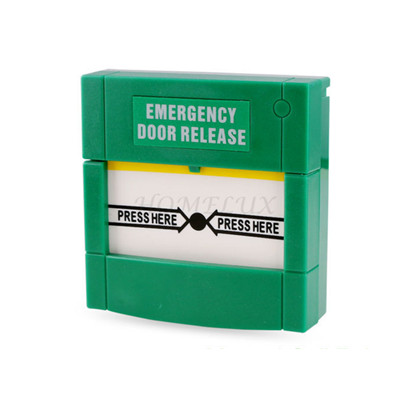
The Guangdong supplier is registered with overlapping company types—trading company, manufacturer/factory and other—and lists beam sensors, infrared detectors, alarm hosts, outdoor detectors, outdoor horns, vibration sensors, magnetic contacts and smoke detectors among its main products. Its catalog includes multiple dedicated panic button models such as wired push buttons, a wireless alarm panic emergency button, and fire alarm panic buttons, which signals a more focused security-alarm accessory portfolio. When you screen candidates, note this structural difference: a combined manufacturer-trader may control production but route smaller orders through trading operations, while a multi-type registration can mean either a factory with an export office or a pure trader with factory ties. Verify which entity actually holds the production line for Wi-Fi-enabled models specifically, since classic wired panic buttons and Wi-Fi-connected ones may come from different production setups even within one catalog.
How to Verify Wireless Wi-Fi Emergency Panic Button Suppliers
Verification should begin with the credentials actually displayed in supplier results, then extend to what those credentials do not cover. One Zhejiang company in this category holds an ISO9001:2015 system certificate and carries third-party verification from BV, which covers quality-management systems and basic company legitimacy but says nothing about Wi-Fi module performance or radio compliance. A Guangdong supplier lists QC 080000, a hazardous-substance process management standard, again unrelated to functional safety of the button itself. Neither credential alone proves the product works, so treat them as screening filters rather than approvals.
For product-level confirmation, use the evidence visible in listings: one emergency button model shows a CE approval recorded in its product attributes, and other models across these suppliers also declare CE certification. Ask each candidate for the actual CE test report or declaration of conformity covering the specific Wi-Fi panic button model you intend to buy, including radio equipment documentation, and confirm the certificate bears the same model number as the quotation. Also request the declared product standard, packing format and origin details—listings in this category typically state standard packing options and origin cities in China, and mismatches between listing data and factory documents are an early warning sign. Finally, confirm whether the verified company profile belongs to the negotiating entity, because combined manufacturer-trader structures sometimes present verification under a different company name than the one on the proforma invoice.
What to Compare Across Wireless Wi-Fi Emergency Panic Button Suppliers
Build a comparison sheet using only attributes that supplier profiles actually display, and mark gaps as "verify" rather than assuming a value. Useful dimensions in this category include location, company type, system certification, verification status, average response time, quoted lead time, research and development capacity, and main product lines. The observed profiles differ noticeably: one Zhejiang supplier reports a lead time of about 30 days and ODM/OEM capability, while a Guangdong profile lists own-brand plus OEM capacity and shows response times in the range of roughly 16 to 18 hours across profiles. Do not assume every supplier displays a lead time or response figure; absent fields must be requested directly.
Product-listing data gives a second comparison layer. Listed panic buttons in these results span price points from under one US dollar to nearly four dollars per unit depending on model and wireless functionality, with minimum order quantities ranging from 100 pieces on one alarm panic button to 1,000 pieces on an auto-reset emergency button. Compare like with like: a wireless model such as the TA-W300 sits at the higher price end, while basic wired panic buttons cluster far lower. Also compare declared electrical specifications—voltage ratings, carrying current, connecting mode—and customization availability, which both profiles mark as available. Record which listed attributes are supplier-declared versus platform-computed so your final shortlist weights verified data more heavily than marketing copy.
Common Wireless Wi-Fi Emergency Panic Button Sourcing Risks
The most common risk in this category is model confusion: catalogs here contain similarly named items—auto-reset emergency buttons, stainless panel emergency buttons, panic command buttons, wireless panic switches—often with near-identical model codes such as EB-32 and EB-32B. Ordering by description instead of exact model number invites substitution with a cheaper wired variant. Some listings also display incomplete or invalid price data, including one emergency panic command button entry with no usable price shown, so never treat a listing price as final without a written quotation tied to a model number and quantity.
A second risk cluster concerns certification and specification drift. Listings declare CE approval and application ranges spanning home, industry and traffic uses, but product attributes such as rated voltage, carrying current and connecting mode vary by model; a button rated for one voltage range may fail in your alarm host's zone circuit. For Wi-Fi variants specifically, confirm whether the listing's wireless claim applies to the exact SKU, since several catalog entries are wired models marketed under similar keywords. Third, watch structural risk from mixed company types: a supplier registered simultaneously as trading company, manufacturer and other may not control Wi-Fi module sourcing, creating consistency risk across batches. Mitigate by locking model numbers, specification sheets and packing details into the contract, and by asking which production site will build your order.
Wireless Wi-Fi Emergency Panic Button Regional Sourcing and Logistics
Both regions supplied in the current results—Zhejiang and Guangdong—are established Chinese export bases for security and alarm accessories, which matters mainly for logistics routing rather than product choice. Zhejiang sourcing commonly routes through Ningbo-area ports, consistent with the product origin declared on several emergency button listings in these results, while Guangdong shipments typically consolidate through Pearl River Delta hubs. Because this category ships small, lightweight units in carton packing, freight cost per unit is low and air express is viable for samples and urgent top-ups; several listings themselves state express carriers such as DHL, UPS and FedEx as shipment options.
Plan logistics around the lead-time data actually shown rather than assumptions. The Zhejiang profile displays a lead time of approximately 30 days, which is a realistic planning baseline for production plus export preparation on customized orders; other profiles do not display a lead-time figure, so request one in writing. One Guangdong listing claims delivery 3-5 days after receiving payment, which more plausibly reflects dispatch of in-stock items than full production runs—clarify whether that promise covers stock or manufacture. For mixed orders combining panic buttons with detectors or alarm hosts from the same supplier, consolidated carton packing reduces unit freight, but confirm carton dimensions and gross weight before booking, since accessory assortments vary widely in pack density.
Wireless Wi-Fi Emergency Panic Button Commercial Terms and Order Planning
Commercial terms in this category are friendly to trial orders. Displayed minimum order quantities run from 100 pieces on one alarm panic button model to 1,000 pieces on an auto-reset emergency button, and unit prices span roughly from the high-fifties of one US dollar cent band to nearly four dollars depending on wired versus wireless functionality. This spread lets you split a first order: a small lot of the wireless Wi-Fi model for field testing, plus a larger lot of a proven basic model if your system uses mixed triggers. Confirm that customization is genuinely available at your quantity—both profiles declare customization available, but tooling, logo printing and packaging changes often carry separate thresholds.
Structure payment and warranty terms around displayed commitments where they exist. One listing declares a 12-month warranty and OEM/ODM service; put that warranty scope in the contract, covering DOA units and radio-module failures, rather than relying on the listing text. For pricing, note that one listed model shows no valid price, so obtain quotations per model and quantity break, and ask whether quoted prices include the declared standard packing or customer-specified packing, since listings state both options exist. Finally, sequence your order plan: sample with exact model numbers, verify CE documentation and radio compliance for the Wi-Fi variant, pilot at the 100-piece tier if offered, then scale—using the displayed 30-day lead-time profile as your schedule benchmark until each supplier proves faster.
FAQs
Where are the emergency panic button suppliers located?
Suppliers for these devices are located in China Zhejiang and China Guangdong. Ningbo is a specific origin point mentioned for several product models. Buyers should verify the exact factory address before placing orders to ensure logistics compatibility.
What certifications do the emergency buttons hold?
Many products carry CE certification and the suppliers hold ISO9001:2015 system certification. Some items also meet QC 080000 standards. Buyers must confirm specific test reports for their target market to ensure full regulatory compliance.
What is the minimum order quantity for these buttons?
Minimum order quantities vary by supplier and product model. One listing requires 1000 units while another accepts orders starting at 100 units. Buyers should check specific product pages to confirm the exact MOQ applicable to their purchase volume.
How long does it take to receive the products?
Lead times range from zero days to thirty days depending on the supplier. Some sellers promise delivery within three to five days after payment. Buyers need to confirm the specific production schedule and shipping method for accurate arrival dates.
Can suppliers customize the emergency buttons for my brand?
Yes, customization is available for many models including OEM and ODM services. Suppliers offer standard packing or custom packaging options. Buyers should discuss specific branding requirements and design changes directly with the manufacturer to ensure feasibility.
What is the typical response time for supplier inquiries?
Response times observed in the results are approximately 16 to 18 hours. This indicates a moderate speed for initial communication. Buyers should expect a reply within one business day but should verify current availability for urgent requests.
What voltage requirements do these wireless buttons have?
Common voltage requirements include DC12V and DC24V for operation. Some models support 12VDC or 24VDC inputs with a carrying current of 0.3A. Buyers must match these electrical specifications to their existing alarm system power supply.
Are these buttons suitable for home and industry use?
Products are designed for applications in homes, industries, traffic, and communication electronic products. Usage scenarios include personal safety, door access, and window monitoring. Buyers should verify the specific application rating for their intended installation environment.