Wooden Car Track with 4 Random Cars Suppliers and Manufacturers
Compare 20 verified suppliers offering Wooden Car Track with 4 Random Cars by response time, lead time, and certifications. Review product specifications and request quotes to proceed with sourcing; review the available evidence before requesting comparable quotations from suitable candidates.
Updated
Suppliers List
- Trading Company
- Lead time旺季: "1 - 500":10,"501 - 2000":20,"> 2000":"To be negotiated", 淡季: "1 - 500":10,"501 - 2000":20,"> 2000":"To be negotiated"
- Avg. response≤ 3h
Main productsWooden Toys,Kids Furniture,Wooden& Bamboo Crafts,Sports And Entertainment Product,Beauty Makeup
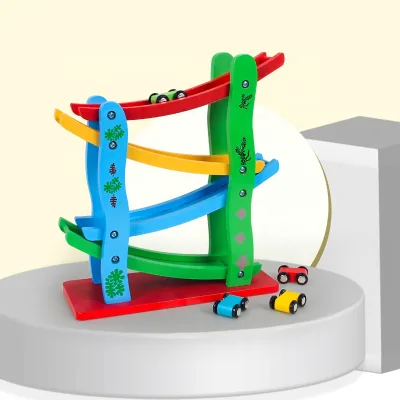
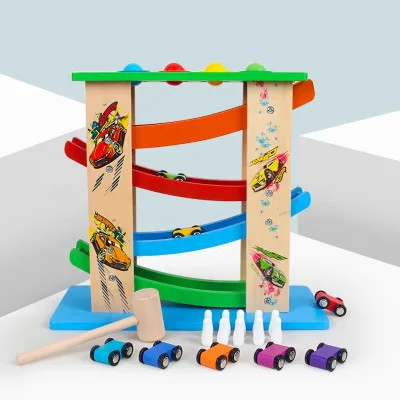
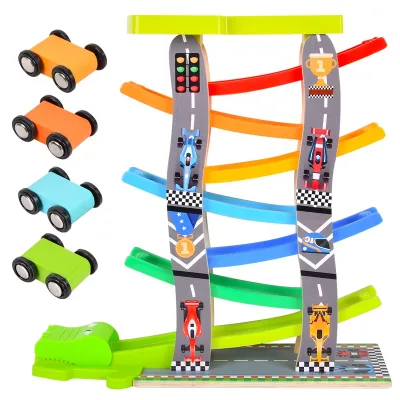
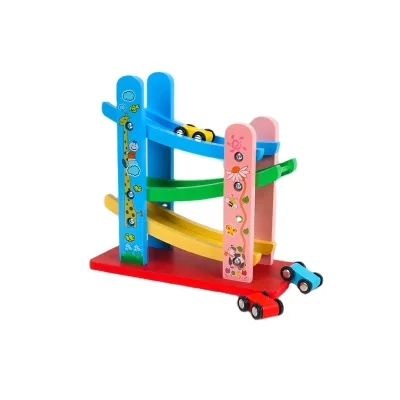
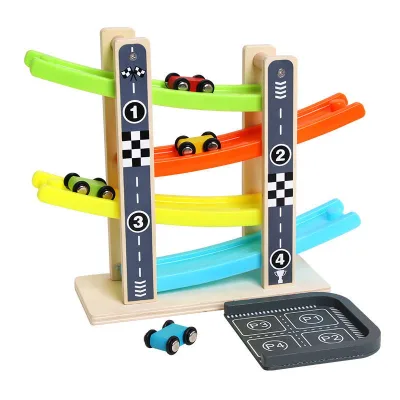
Fun Ramp Racer Game Mini Inertial Return Rail Car Toy Kids Race Track Wooden Toys
$5.65 - $6.67
MOQ: 8 pieces
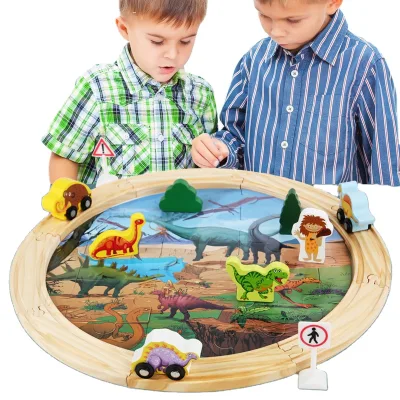
Funny Cartoon Jurassic Car Track Set Game Scene Rail Slot Car Dinosaur Wooden Toys
$3.56 - $4.09
MOQ: 20 pieces

Ningbo Shone Med-Tech Co., Ltd.
- Verified by SGS
- Trading Company,Manufacturer/Factory,Group Corporation
- China Zhejiang
- Lead time23 days
- Avg. response≤ 3h
Main productsWooden Games, Wooden Toys, Bingo Games, Wooden Sport Items, Wooden Box
Main marketsSouth America,Eastern Europe,Mid East,North America,Southeast Asia,Eastern Asia,Oceania,Western Europe,Africa


Classical Wooden Train Track Car Indoor Intelligent Toys for Early Education
$2.00 - $7.00
MOQ: 200 Pieces


Hai Yang International Limited
- Verified by SGS
- Trading Company,Manufacturer/Factory
- China Zhejiang
- Lead time60 days
- Avg. response≤ 4h
Main productsWooden Toy, Montessori Material, Wooden Educational Toys, Wooden Puzzle, Wooden Blocks, Wooden Train Set, Wooden Nutcrackers, Wooden Crafts, Wooden Dolls, Wooden Chess
Main marketsEastern Europe,Mid East,North America,Southeast Asia,Eastern Asia,Oceania

Track Cars Garage Wooden Ramp Toys with Parking Lot 4 Wooden Mini Cars Vehicles Toy
$3.98 - $4.98
MOQ: 500 Pieces

Wenzhou Times Arts&Crafts Co., Ltd.
- Verified by SGS Group
- Trading Company
- Lead time20 days
- Avg. response≤ 3h
Main productsWooden Toys, Wooden Kids Furniture , Plastic Toys, Electric Toys
Main marketsNorth America(19%), Northern Europe(17%), Western Europe(15%)
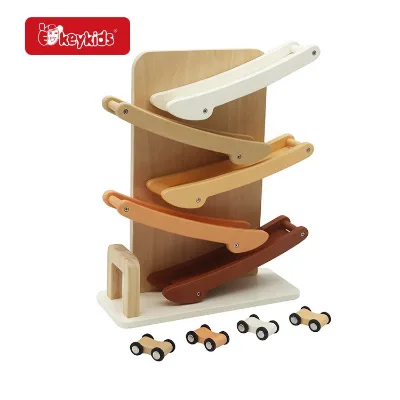
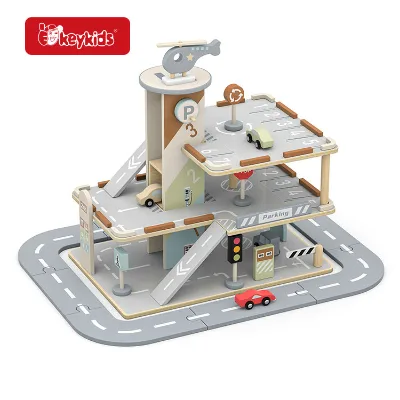
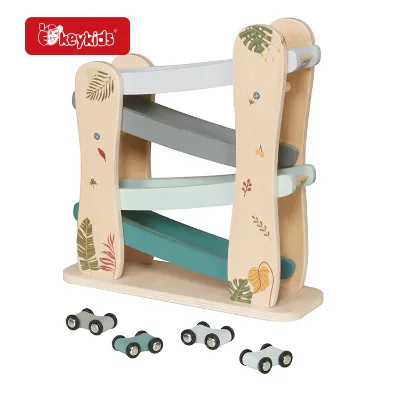
Toddler Race Car Ramp Track Toy Set Wooden Toy Car Garage with Rails W04B135
$16.4515 - $17.4798
MOQ: 500 sets
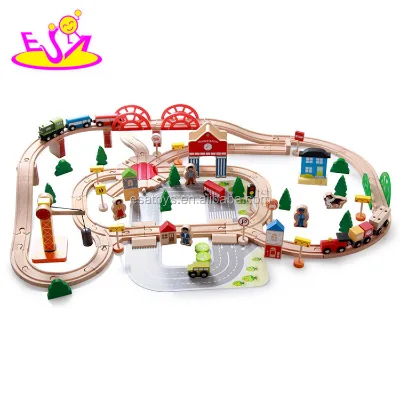
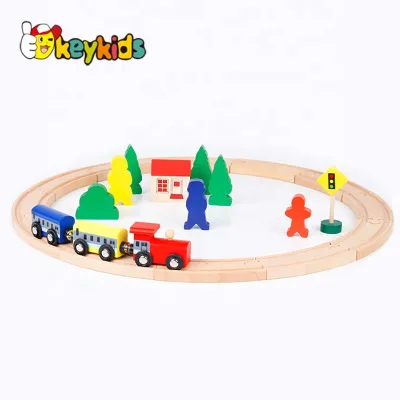
Wholesale Cheap 120 Pcs Construction Toy Wooden Race Car Track for Kids W04C074
$10.00 - $30.00
MOQ: 100 Minimum
Shenzhen Krishna Toys & Gifts Co., Limited.
- Verified by SGS Group
- Trading Company
- Lead time0 days
- Avg. response≤ 7h
Main productsEducational Toys, Kitchen Toys, Montessori Toy, Wooden Toys, Stuffed Animal Toy
Main marketsNorth America(20%), Southeast Asia(20%), Eastern Europe(20%)
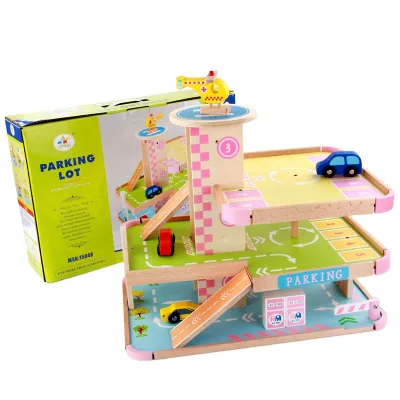
Parking Levels Wooden Track Parking Compatible with Cars Plans Wooden Train Track
$11.65 - $14.38
MOQ: 18 boxes
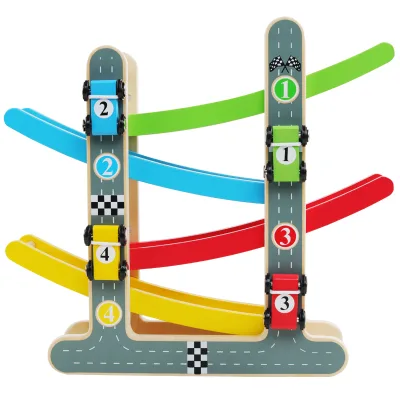
Wooden Train 4-Layer Race Track & 4 Mini Inertia Race Car wooden toy race car track sets
$4.494 - $5.6512
MOQ: 40 boxes
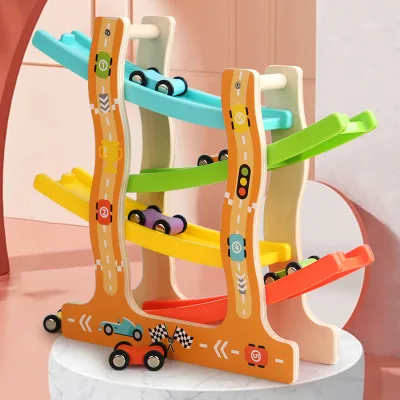
High Quality 6 Levels Slide Racing Tracking Cars Toy Wooden Car Track Smart Educational Toys
$4.3846 - $4.8028
MOQ: 14 boxes
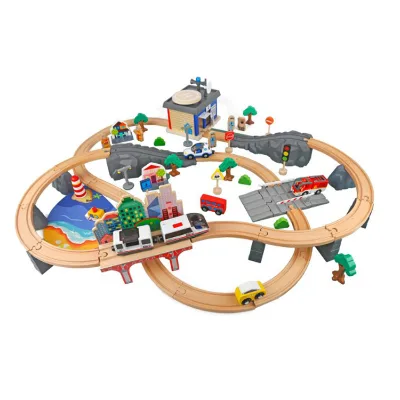
Wholesale cheap 92 pcs construction toy wooden race car track for kids electric train set
$29.7941 - $30.9933
MOQ: 50 boxes
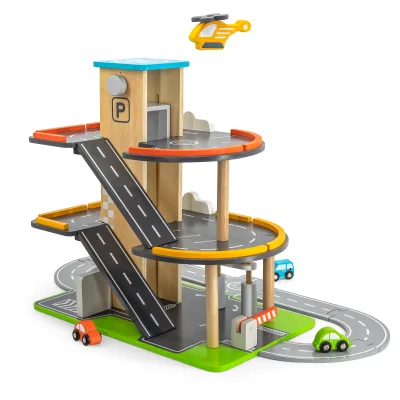
2023 New Design Classic World Wooden Educational Kids Wooden Parking Garage Track Car Toy Set
$35.8516 - $42.3692
MOQ: 24 pieces
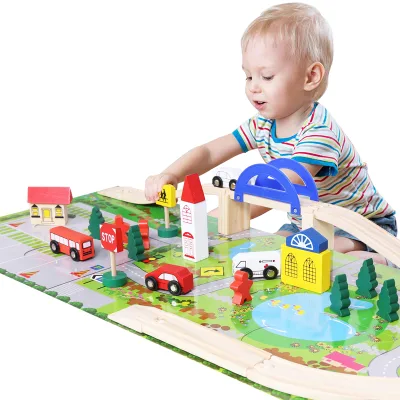
$4.539 - $6.0065
MOQ: 2 boxes
Hangzhou Jinjuyou Technology Co., Ltd.
- Verified by SGS Group
- Trading Company
- Lead time15 days
- Avg. response≤ 6h
Main productsMagnetic Toy, Magnetic Blocks, Magnetic Tiles, Educational Toy
Main marketsNorth America(30%), Oceania(24%), Western Europe(15%)

WENZHOU TIMES ARTS&CRAFTS CO., LTD.
- Verified by SGS
- Manufacturer/Factory
- China Zhejiang
- Lead time23 days
- Avg. response≤ 5h
Main productsToys, Montessori Toys, Wooden Toy, Educational Toy, Role Play Toys, Children Furniture, Puzzle, Kid Bike, Musical Toy, Wooden Blocks
Main marketsSouth America,Eastern Europe,Mid East,North America,Southeast Asia,Eastern Asia,Oceania,Western Europe,Africa

2022 Customize Educational Kids Wooden Race Track Car Ramp Racer with 4 Mini Cars W04e432
$3.00 - $8.00
MOQ: 2000 Pieces

New Hottest Kids Slot Racing Wooden Ramp Track with 4 Gliding Cars W04e060
$1.00 - $6.00
MOQ: 100 Pieces

Toddler Race Car Ramp Track Toy Set Wooden Toy Car Garage with Rails W04b135
$10.00 - $20.00
MOQ: 100 Pieces

Wooden Race Track Car Wood Ramp Race Car Toys Four-Layer Rail Car Toyw04e455
$3.00 - $10.00
MOQ: 1000 Pieces

Customize Educational Kids Track Slot Wooden Toy Ramp Racer with 3 Mini Cars W04e434
$3.00 - $8.00
MOQ: 2000 Pieces


Eastony Industries (Ningbo) Co., Ltd.
- Manufacturer, Trading Company
- Zhejiang, China
- Lead time35 days
- Avg. response≤ 11h
Main productsSports,Fitness,Games,Garden & Pets Supply,Gifts
Main marketsWestern Europe(11.11%), Eastern Asia(11.11%), Mid East(11.11%), Oceania(11.11%), Africa(11.11%), Southeast Asia(11.11%), Eastern Europe(11.11%), South America(11.11%), North America(11.11%)
Hape International (ningbo) Ltd.
- Verified by TüVRheinland
- Manufacturer, Trading Company
- Lead time45 days
- Avg. response≤ 20h
Main productsWooden Toys, Educational Toys, Montessoris, Plush Toys, Plastic Toys
Main marketsNorthern Europe(32%), Domestic Market(22%), North America(11%)

- Verified by BV
- Trading Company
- China Zhejiang
- Lead time30 days
- Avg. response≤ 8h
Main productsWooden Toys, Educational Toys, Indoor and Outdoor Game, Kitchen and Food, Role Play, Learning Toys, Ride on Cars, Blocks and Puzzles, Train Set, Doll House
Main marketsEurope

- Verified by TUVRHEINLAND
- Trading Company,Manufacturer/Factory
- China Guangdong
- Lead time23 days
- Avg. response≤ 9h
Main productsToys, Children Toys, Track Car Toys, Candy Toys, Kid Play Tent, Small & Fun Toys, Family Toys, Boy Toys, Girl Toys, Plastic Toys
Main marketsSouth America,Eastern Europe,North America,Southeast Asia,Eastern Asia,Western Europe

Wholesale Kids High Speed Tracks Rail Racing Game Launch Track Car with 1 Car
$1.10 - $1.11
MOQ: 60 Sets


Wenzhou Magic Color Technology Co., Ltd.
- Manufacturer, Trading Company
- Zhejiang, China
- Lead time40 days
- Avg. response≤ 5h
Main productstoy,wooden toy,children toy,kids toy,baby toy
Main marketsNorthern Europe(30.00%), North America(10.00%), Eastern Europe(10.00%), Western Europe(10.00%), Southeast Asia(7.00%), Africa(7.00%), Domestic Market(6.00%), Mid East(6.00%), Eastern Asia(4.00%), South America(4.00%), Oceania(2.00%), South Asia(2.00%), Southern Europe(2.00%)
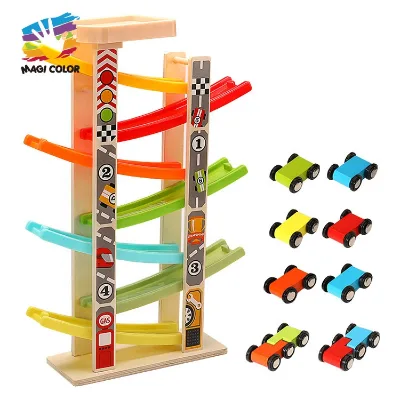
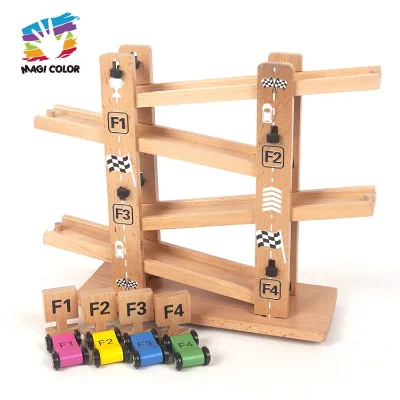
Five-Layer Wooden Race Track Car Toy with Ramp for Kids Aged 5 to 7 Years W04E455
$6.99 - $7.55
MOQ: 500 sets

Shantou Chenghai Pengcheng Toy Ind. Co., Ltd.
- Verified by BV
- Combined
- China Guangdong
- Lead time23 days
- Avg. response≤ 5h
Main productsToys, Plastic Toy, Baby Toy, RC Toy, Educational Toys, Toy Car, Doll, RC Toys, Ride on Car, RC Helicopter
Main marketsSouth America,Africa,Southeast Asia/ Mideast,East Asia(Japan/ South Korea),Europe,Australia,North America

Electric Super Track Car Set, 73PCS Buildable Racing Track with Electric Car
$2.10 - $2.30
MOQ: 240 Sets

Christmas Theme Car Adventure Track Toy, Interactive Sliding Vehicle Parking Game Set
$4.90 - $5.30
MOQ: 160 Pieces
- Verified by TüVRheinland
- Trading Company
- Lead time35 days
- Avg. response≤ 4h
Main productsEducational Toys, Gun Toys, Outdoor Toys, Car Toys
Main marketsWestern Europe(20%), North America(10%), South America(10%)

Shantou Chenghai Xaqi Toys Industrial Co., Limited
- Verified by BV
- Combined
- China Guangdong
- Lead time23 days
- Avg. response≤ 5h
Main productsRemote Control Car, Educational Toy, Sport Toy, Pretend Play Toys, Remote Contro Toy, Baby Toy, Summer Toy, B/O Toy
Main marketsSoutheast Asia/ Mideast,Domestic,Europe

- Trading Company
- Zhejiang, China
- Lead time35 days
- Avg. response≤ 3h
Main productssports,wooden games,rackets,balls,toys
Main marketsSouthern Europe(10.00%), Northern Europe(10.00%), Central America(10.00%), Western Europe(10.00%), Eastern Europe(10.00%), South America(10.00%), North America(10.00%), Domestic Market(5.00%), South Asia(5.00%), Eastern Asia(5.00%), Mid East(5.00%), Oceania(5.00%), Southeast Asia(5.00%)

Lishui Jinray Trading Co., Ltd.
- Trading Company
- Zhejiang, China
- Lead time15 days
- Avg. response≤ 10h
Main productswooden toys,plastic toys,colored pencils,toys
Main marketsNorth America(30.00%), Western Europe(20.00%), Southeast Asia(15.00%), Eastern Europe(15.00%), South America(10.00%), Africa(10.00%)

Guangzhou Combuy Toys Co., Ltd.
- Trading Company
- Guangdong, China
- Lead time30 days
- Avg. response≤ 3h
Main productsEducational Toy,Building blocks,Baby Toy,Summer Toy,RC Toys
Main marketsMid East(20.00%), Eastern Europe(20.00%), South America(20.00%), North America(20.00%), Western Europe(10.00%), Eastern Asia(10.00%)
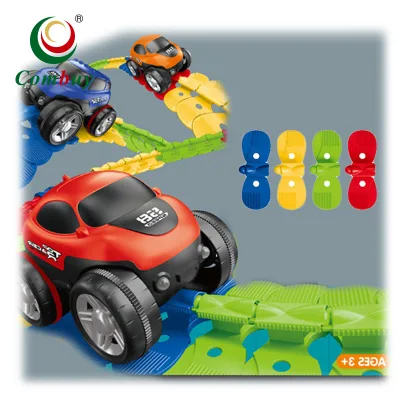
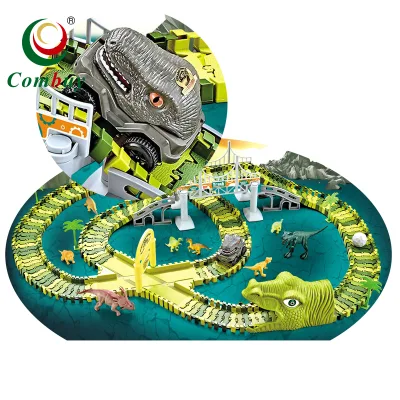
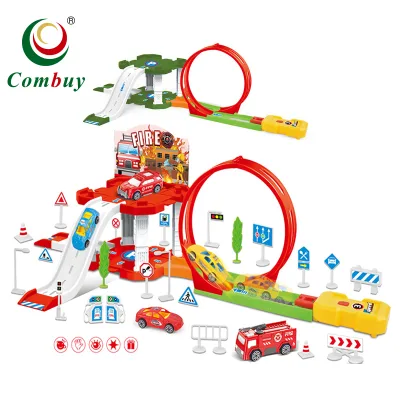
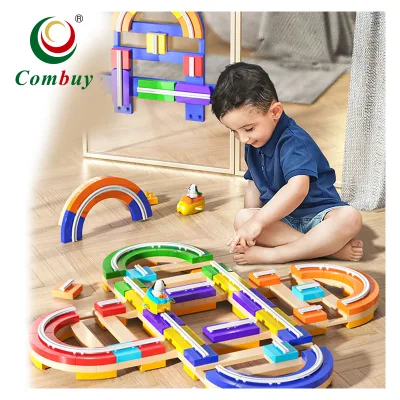
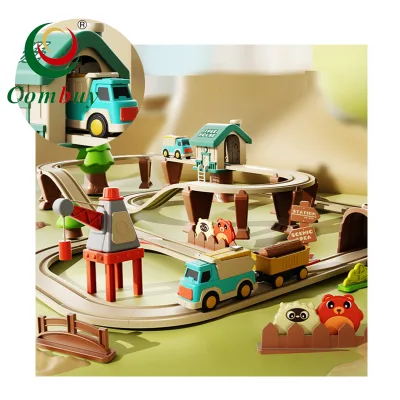
Simulation Electric Lighting Sound Assembly High Speed Forest Track Toy Car
$10.11 - $10.39
MOQ: 50 pieces

Ningbo Yinzhou Smilebloomi Arts & Crafts Co., Ltd.
- Trading Company
- Zhejiang, China
- Lead time50 days
- Avg. response≤ 3h
Main productsWooden Toy
Main marketsDomestic Market(100.00%), South Asia(100.00%), Oceania(100.00%), Southeast Asia(100.00%), Central America(100.00%), Africa(100.00%), Western Europe(65.00%), North America(13.00%), Eastern Asia(9.00%), Eastern Europe(5.00%), Mid East(3.00%), South America(2.00%), Northern Europe(2.00%), Southern Europe(1.00%)
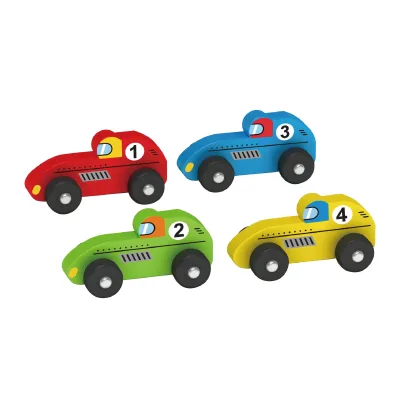
Whole Salerace Track for Toddlers Wooden Race Track Car Ramp Racer for Children
$3.15 - $3.39
MOQ: 1000 sets
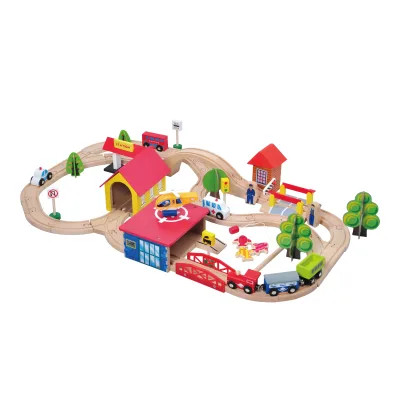
Educational Learning Diy Racing 69pcs Classic Railway Toys Road Car Tracks Wooden Train Track Set
$20.63 - $24.74
MOQ: 54 sets

- Verified by TUVRHEINLAND
- Trading Company
- China Zhejiang
- Lead time23 days
- Avg. response≤ 7h
Main productstoys
Main marketsSoutheast Asia/ Mideast,Europe,Australia

Wooden Train Town Construction Set Children House Railway Track Road Race Car Slot Toys for Kids
$3.99 - $4.20
MOQ: 12 pieces

Wooden Construction Yard Train Set Children Railway Track Road Race Car Cognitive Slot Toys for Kids
$10.93 - $11.50
MOQ: 12 sets

Wooden Fire Rescue Construction Train Set Railway Track Road Race Car Cognitive Slot Toys for Kids
$20.66 - $21.75
MOQ: 4 sets

$3.90 - $4.11
MOQ: 100 pieces
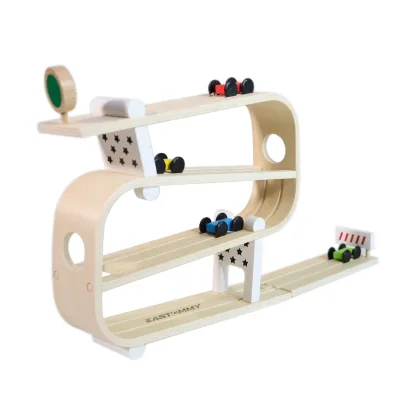
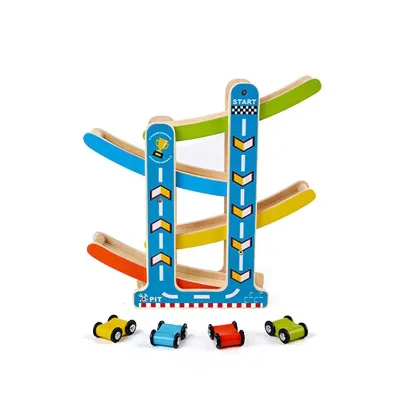
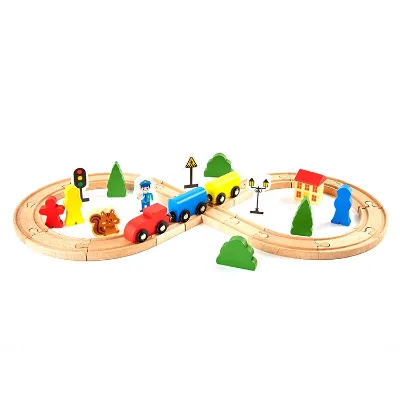


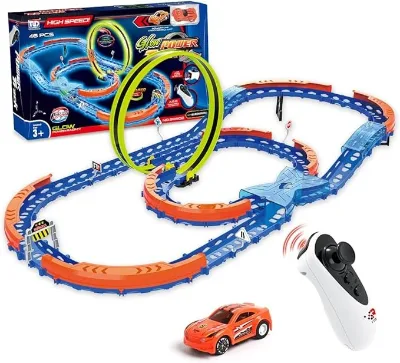


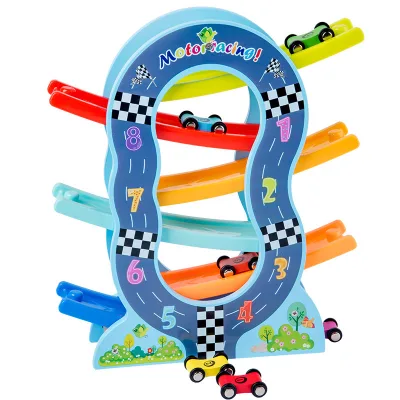
Comprehensive Sourcing Guide
Wooden Car Track with 4 Random Cars Supplier Concentration and Factory Types
The sourcing landscape for wooden car tracks reveals a distinct mix of manufacturing capabilities and trading structures that buyers must navigate carefully. Current data indicates that the primary production hubs for these items are concentrated in Zhejiang, China, a region known for its robust woodworking and toy manufacturing infrastructure. This geographic concentration suggests that buyers will likely encounter suppliers operating out of this specific province, which can streamline logistics but also requires due diligence regarding the actual factory location versus the trading office address. The company types observed in the current results are predominantly Trading Companies, which act as intermediaries between the buyer and the actual production facilities. However, some suppliers are listed with more complex structures, including Manufacturer/Factory and Group Corporation designations, indicating a tiered supply chain where some entities may have direct production capabilities while others rely on subcontracted workshops. Understanding this distinction is critical because it affects pricing transparency, communication efficiency, and the ability to request custom modifications to the track designs or car configurations.
When evaluating the factory types, buyers should pay close attention to the main products listed for each supplier to ensure alignment with their specific needs. Many suppliers in this category specialize in a broad range of wooden toys, including educational toys, kids furniture, and sports entertainment products, rather than focusing exclusively on car tracks. This diversification can be advantageous for buyers seeking a consolidated supplier for multiple toy categories, but it may also indicate that the car track is just one part of a larger, less specialized portfolio. Some suppliers highlight specific capabilities such as OEM and ODM services, which are essential for buyers looking to customize the track layout, car designs, or packaging. The presence of brands like "Hoye crafts" in the product evidence suggests that some manufacturers have established their own brand identities, which can be a double-edged sword for private label buyers who need to ensure that branding rights are clearly defined in the contract. Buyers must verify whether the supplier is willing to produce unbranded goods or if they insist on using their own trademarks, as this can impact the final product's market positioning and legal compliance in different regions.
How to Verify Wooden Car Track with 4 Random Cars Suppliers
Verification is the most critical step in mitigating risk when sourcing wooden car tracks, as the market contains a mix of legitimate manufacturers and trading companies that may not disclose their true production origins. Buyers should prioritize suppliers who display third-party verification badges, such as SGS, which serves as an independent confirmation of the supplier's business legitimacy and operational capabilities. In the current results, some suppliers are marked as verified by SGS, providing a higher level of confidence in their business registration and physical existence. Beyond basic verification, buyers must scrutinize the system certifications listed, such as BSCI, ISO 9001, and SEDEX, which indicate adherence to international standards for social responsibility, quality management, and ethical labor practices. These certifications are particularly important for wooden toys, as they often involve strict safety regulations regarding materials and manufacturing processes. Buyers should request copies of these certificates and verify their validity through the issuing bodies to ensure they are current and not expired, as outdated certifications can signal poor compliance management.
Another vital aspect of verification is assessing the supplier's response time and communication efficiency, which can serve as a proxy for their operational maturity and customer service quality. The data shows response times ranging from approximately 2.22 to 3 hours, with faster response times often correlating with more dedicated sales teams and better project management. Buyers should test the supplier's responsiveness by asking specific technical questions about the wooden car tracks, such as the material grade, finish quality, and safety testing protocols for the random cars included. A supplier that provides detailed, prompt, and accurate answers is more likely to be reliable throughout the order fulfillment process. Additionally, buyers should verify the supplier's ability to provide product-specific evidence, such as detailed specifications for the track dimensions, car materials, and packaging details. For instance, some products list specific model numbers like "hc-ty296" or "hc-ty297," which can be used to track the exact product version and ensure consistency across orders. Buyers should also check if the supplier offers customization services, as this indicates a higher level of flexibility and capability in meeting unique buyer requirements.
What to Compare Across Wooden Car Track with 4 Random Cars Suppliers
When comparing suppliers, buyers must evaluate a range of operational metrics to determine the best fit for their specific business needs and budget constraints. One of the most significant factors is the Minimum Order Quantity (MOQ), which varies considerably across different product listings. For example, some wooden car track sets have an MOQ of just 10 pieces, while others require a minimum of 45 pieces per carton or order. This variation allows buyers with smaller budgets or those testing the market to start with lower volumes, but it may result in higher per-unit costs. Buyers should also compare the supply ability, which indicates the supplier's production capacity and reliability in fulfilling larger orders. In the current results, some suppliers list a supply ability of 1000 cartons per month, which is a crucial metric for buyers planning large-scale distributions. Additionally, the lead time is a key differentiator, with some suppliers offering consistent lead times of 10 to 20 days depending on the order volume, while others require negotiation for larger quantities. Buyers should align their inventory planning with these lead times to avoid stockouts or excess inventory.
Price and packaging details are also essential comparison points that can significantly impact the total landed cost and retail readiness of the product. The price range for wooden car tracks in the current results spans from approximately $1.94 to $6.67 per unit, depending on the complexity of the track, the number of cars included, and the packaging quality. Buyers should not focus solely on the lowest price but should consider the value proposition, including the quality of the wood, the durability of the cars, and the safety certifications. Packaging details, such as the use of color boxes or paper cartons, also affect the product's shelf appeal and protection during transit. Some suppliers offer customization services for logos and packaging, which can be a significant advantage for brands looking to create a unique market presence. Buyers should also compare the single gross weight and package dimensions, as these factors influence shipping costs and storage requirements. By systematically comparing these metrics, buyers can identify suppliers that offer the best balance of cost, quality, and service for their specific business model.
Common Wooden Car Track with 4 Random Cars Sourcing Risks
Sourcing wooden car tracks involves several inherent risks that buyers must proactively manage to ensure a successful procurement process. One of the primary risks is the variability in product quality, particularly regarding the finish of the wooden tracks and the durability of the included cars. Since the product is intended for children, any rough edges, splinters, or loose parts can pose serious safety hazards and lead to product recalls or negative reviews. Buyers must ensure that the supplier adheres to strict quality control standards and provides evidence of safety testing, such as ASTM, CE, and EN certifications, which are listed for some products in the current results. Without these certifications, buyers risk importing non-compliant products that may be rejected by customs or banned in certain markets. Additionally, the "random cars" aspect of the product can introduce inconsistency, as buyers may receive different car models or colors than expected, which can affect customer satisfaction if not clearly communicated.
Another significant risk is the potential for supply chain disruptions, particularly if the supplier relies on subcontracted workshops or has limited production capacity. The current data shows that some suppliers have a lead time of 23 days, which may be insufficient for buyers with tight delivery schedules or seasonal demand peaks. Buyers should verify the supplier's actual production capacity and ask about their contingency plans for handling rush orders or unexpected delays. Furthermore, the reliance on trading companies can introduce communication gaps and reduce transparency regarding the manufacturing process. Buyers may find it difficult to address quality issues directly with the factory if the supplier is a middleman, leading to longer resolution times and potential disputes. To mitigate these risks, buyers should establish clear communication channels, request regular production updates, and consider using escrow services to protect their payments until the goods are verified. By anticipating these risks and implementing robust mitigation strategies, buyers can safeguard their investments and ensure a smooth sourcing experience.
Wooden Car Track with 4 Random Cars Regional Sourcing and Logistics
The regional concentration of suppliers in Zhejiang, China, offers both advantages and challenges for buyers managing logistics and supply chain operations. This region is a well-established hub for toy manufacturing, providing access to a dense network of suppliers, raw material providers, and logistics services. Buyers sourcing from this area can benefit from competitive shipping rates and efficient port infrastructure, with major ports like Shanghai and Ningbo listed as common dispatch points for these products. The proximity of suppliers to these ports can reduce inland transportation costs and lead times, making it easier to coordinate shipments. However, buyers must also consider the potential for congestion and delays during peak seasons, such as before major holidays or shopping events, when shipping capacity may be limited. It is advisable to book freight space well in advance and to work with suppliers who have experience in exporting to the buyer's specific destination market.
Logistics planning should also account for the specific packaging dimensions and weights of the wooden car tracks, as these factors directly impact shipping costs and container utilization. The current results show varying package sizes, from small boxes measuring 15x34x30.5 cm to larger cartons measuring 32.5x43x15 cm, with corresponding gross weights ranging from 1.2 kg to 4.2 kg. Buyers should calculate the total volume and weight of their orders to determine the most cost-effective shipping method, whether it be sea freight, air freight, or express courier. For larger orders, sea freight is typically the most economical option, but it requires careful planning to ensure that the goods arrive in time for the sales season. Buyers should also consider the environmental impact of their shipping choices, as many retailers and consumers are increasingly demanding sustainable logistics solutions. Working with suppliers who offer eco-friendly packaging options or carbon-neutral shipping services can enhance the brand's reputation and align with global sustainability trends.
Wooden Car Track with 4 Random Cars Commercial Terms and Order Planning
Effective order planning and clear commercial terms are essential for managing the financial and operational aspects of sourcing wooden car tracks. Buyers should negotiate payment terms that balance risk and cash flow, such as using a deposit followed by payment upon shipment or using escrow services to secure the transaction. The current data indicates that some suppliers offer customization services, which may involve additional costs or longer lead times that must be factored into the budget and timeline. Buyers should also clarify the Incoterms for each order, such as FOB, CIF, or DDP, to determine who is responsible for shipping, insurance, and customs clearance. Understanding these terms is crucial for calculating the total landed cost and avoiding unexpected expenses. Additionally, buyers should establish clear quality acceptance criteria and return policies in the contract to protect against defective products or non-conforming shipments.
Long-term order planning should consider the supplier's capacity and reliability, as well as the market demand for wooden car tracks. Buyers should aim to build a strong relationship with their suppliers by providing consistent order volumes and clear feedback, which can lead to better pricing, priority production, and improved service. It is also advisable to diversify the supplier base to mitigate the risk of disruptions from any single source. Buyers should regularly review their supplier performance metrics, such as on-time delivery rates, product quality, and communication responsiveness, to identify areas for improvement. By maintaining a proactive approach to supplier management and order planning, buyers can ensure a steady
FAQs
What is the minimum order quantity for wooden track cars?
The minimum order quantity varies by product model. Some items require as few as 10 pieces, while others need 30 or 45 pieces. Buyers should check the specific product page for the exact MOQ to ensure it aligns with their initial procurement needs and budget constraints.
How long does production take for these wooden toys?
Lead times depend on order volume and season. For orders between 1 and 500 units, production typically takes 10 days. Larger orders of 501 to 2000 units require 20 days. Quantities exceeding 2000 units require negotiation. These timelines apply to both peak and off-peak seasons.
Are these wooden track cars safe for young children?
Yes, these toys are designed for children aged 2 to 7 years. They carry safety certifications including ASTM, CE, and EN standards. The materials are wooden, and the products undergo testing to ensure they meet international safety requirements for educational toys and recreational play items for kids.
Can I customize the logo or packaging for these toys?
Customization services are available for both logos and packaging. Suppliers offer OEM and ODM options, allowing buyers to add their own branding. Packaging can be customized to specific requirements, such as color boxes or paper cartons, helping brands maintain a consistent identity in the market.
What is the price range for wooden track car sets?
Prices for wooden track cars range from approximately $1.94 to $6.67 per unit. The final cost depends on the specific model, quantity ordered, and customization options. Bulk orders often benefit from lower unit prices, making it cost-effective for retailers and distributors to purchase larger volumes.
Where are these wooden toys manufactured?
These wooden toys are manufactured in Zhejiang, China. The region is known for its strong manufacturing capabilities in wooden crafts and educational products. Buyers can expect consistent quality and efficient logistics, with dispatch ports typically located in Shanghai or Ningbo for international shipping.
How quickly do suppliers respond to inquiries?
Supplier response times are generally fast, averaging between 2.22 and 3 hours. This quick turnaround helps buyers get timely quotes and product details. Efficient communication ensures that sourcing decisions can be made rapidly, reducing delays in the procurement process for wooden toys and related products.