Woodworking Row Drill Bit Suppliers and Manufacturers
Compare 28 verified suppliers offering woodworking row drill bits with varying lead times, MOQs, and certifications. Review response times and product specifications to select the right partner for your sourcing needs; review the available evidence before requesting comparable quotations from suitable candidates.
Updated
Suppliers List
Wenzhou Meters Int'l Trade Co., Ltd.
- Trading Company
- Lead time旺季: "1 - 5000":9,"> 5000":"To be negotiated", 淡季: "1 - 5000":9,"> 5000":"To be negotiated"
- Avg. response≤ 6h
Main productsHand Tools, Cable Tie
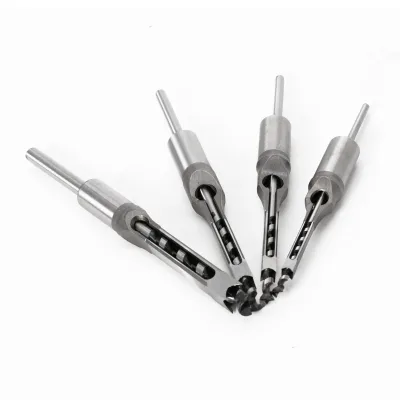
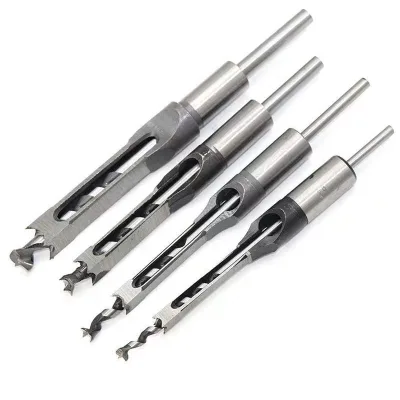
4PCS Square Hole Drill Bits Woodworking Drilling Bit
$1.68 - $1.86

JIANGSU HAOKE MATERIAL TECH CO.,LTD
- Verified by SGS
- Trading Company,Manufacturer/Factory
- China Jiangsu
- Lead time23 days
- Avg. response≤ 2h
Main productsDrill Bit, Saw Blade, Milling Cutter, HSS Taps&Dies, SDS Hammer Drill Bits Masonry Drill Bits, Hole Saws, Screwdriver Bit & Socket, Grinding Wheels, Diamond Saw Blades, Tct Saw Blades
Main marketsSouth America,Eastern Europe,Mid East,North America,Southeast Asia,Eastern Asia,Oceania,Western Europe,Africa


3-10mm Two Flutes Woodworking Router Bit Row Drill Bit for Wood Carbide Row Drill Head
$0.66 - $0.95
MOQ: 300 Pieces


Factory Direct Sales 3-10mm Two Flutes Carbide Tipped Wood Router Bit Row Drill Bit for Woodworking
$0.68 - $0.97
MOQ: 300 Pieces

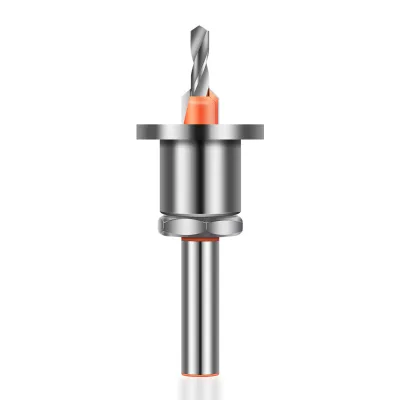
Adjustable Woodworking Countersunk Router Bit Wood Countersink Drill Bit
$0.74 - $1.00
MOQ: 200 Pieces

Qingdao Jiandeli Woodworking Cutters Co., Ltd.
- Verified by BV
- Combined
- China Shandong
- Lead time15 days
- Avg. response≤ 5h
Main productsSaw Blade, Drill Bit
Main marketsSoutheast Asia/ Mideast,Domestic
Shenzhen Dehuai Technology Co., Ltd.
- Verified by TüVRheinland
- Trading Company
- Lead time7 days
- Avg. response≤ 2h
Main productsSaw Blade, Cutter Head, Drill Bit, Milling Cutter, Cutter Blade
Main marketsDomestic Market(19%), Southeast Asia(14%), Africa(12%)
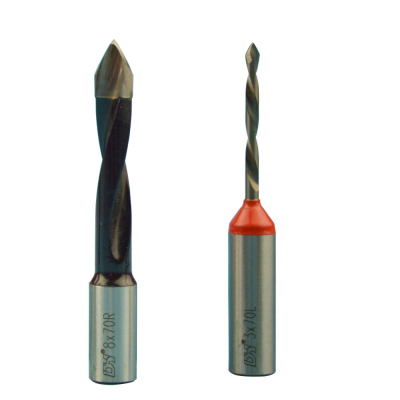
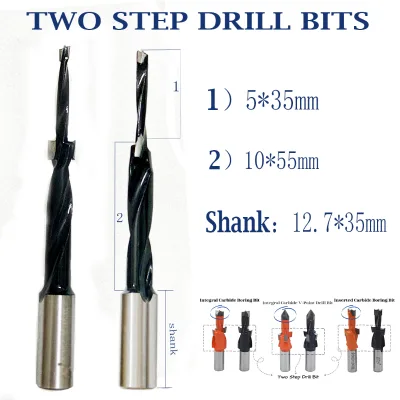
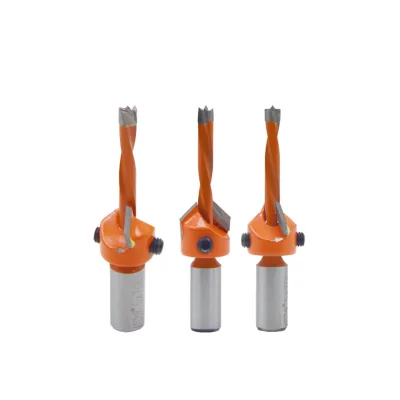
Drill Bit for Wood Carbide Tipped Drill Bits Woodworking with Round Handle Hexagon Shank
$0.95 - $1.40
MOQ: 20 pieces
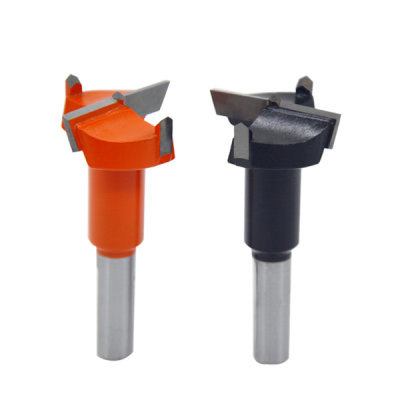
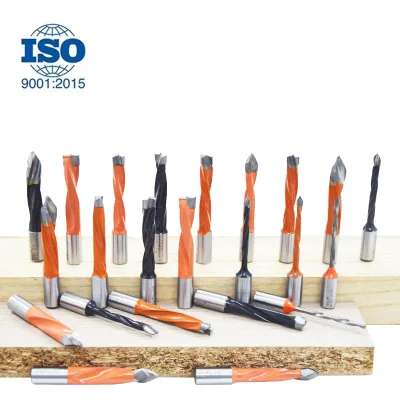
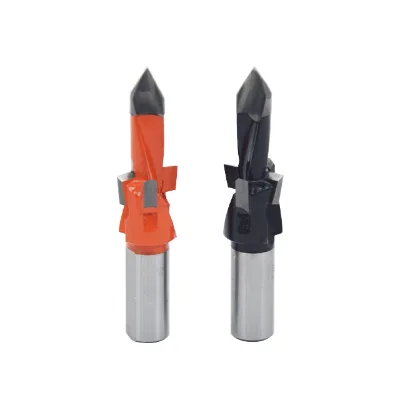

Shanghai Ostar Tools Int'l Co., Ltd.
- Trading Company,Manufacturer/Factory
- China Shanghai
- Lead time45 days
- Avg. response≤ 15h
Main productsOscillating Multi Tool Blades, Hole Saws, Jigsaw Blade, Reciprocating Saw Blade, Tct Saw Blade, Diamond Saw Blade, SDS Drill Bits, HSS Drill Bits, Cutting Disc, Cutting Tools
Main marketsSouth America,Eastern Europe,North America,Western Europe
Yueqing Jiesheng Tools Co., Ltd.
- Manufacturer
- Zhejiang, China
- Lead time30 days
- Avg. response≤ 2h
Main productsSDS PLUS DRILL BIT for Masonry Brick Concrete Stone Block Drilling,SDS MAX DRILL BIT Professional Manufacturer for Hammer Drill Bit,CHISELS PH65A PH65 65A Hex Shank Chisel Heavy Duty Tool,Hole Saw for Wood Metal Stainless Steel Aluminium Glass Ceramic Marble,ROUTER BITS Carbide Tipped Flush Trim Bit Straight Bit for Woodworking
Main marketsDomestic Market(80.00%), Western Europe(5.00%), North America(4.00%), Eastern Europe(1.00%), South Asia(1.00%), Southern Europe(1.00%), Northern Europe(1.00%), Central America(1.00%), South America(1.00%), Eastern Asia(1.00%), Mid East(1.00%), Oceania(1.00%), Africa(1.00%), Southeast Asia(1.00%)

Cangzhou Longway Imp & Exp Co., Ltd.
- Trading Company
- Hebei, China
- Lead time20 days
- Avg. response≤ 2h
Main productsFilling Machine/Strapping Machine/Bottle Labeling Machine/Sealing Machine/Carton Machine,strapping machine,packing machine,printing machine,mixing machine
Main marketsWestern Europe(14.00%), Southeast Asia(9.00%), Mid East(9.00%), Southern Europe(9.00%), Eastern Asia(8.00%), Eastern Europe(8.00%), Northern Europe(8.00%), South Asia(8.00%), Domestic Market(7.00%), North America(5.00%), Africa(5.00%), South America(4.00%), Oceania(3.00%), Central America(3.00%)
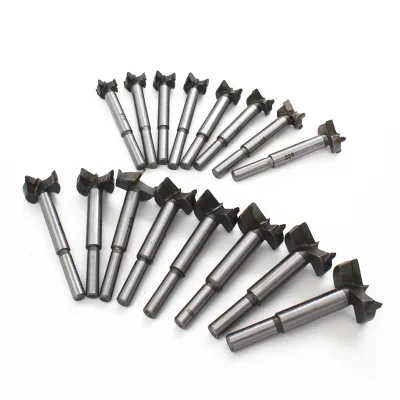
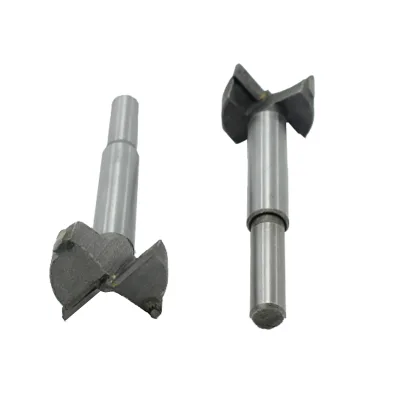
Adjustable Woodworking Wood Drill Bits for Smooth Finish Flat Bottomed Holes Hinge Boring Drill Bits
$0.50 - $1.00
MOQ: 100 sets
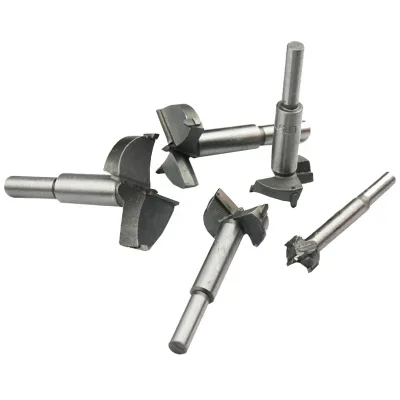
- Trading Company
- Zhejiang, China
- Lead time45 days
- Avg. response≤ 2h
Main productsTiling Tools,Woodworking Tools,Building Materials,Kitchen Bath Swimming,Hardware
Main marketsWestern Europe(35.00%), South America(30.00%), Africa(20.00%), North America(15.00%)

Shenzhen Blackwhiteins Technology Co., Ltd.
- Manufacturer, Trading Company
- Guangdong, China
- Lead time10 days
- Avg. response≤ 4h
Main productsHardware tools,Electric hardware tools
Main marketsNorth America(23.00%), Southeast Asia(22.00%), South America(12.00%), Northern Europe(12.00%), Africa(9.00%), Western Europe(8.00%), Mid East(8.00%), Eastern Europe(5.00%), Southern Europe(1.00%)
Danyang Yongchang Tool Co., Ltd.
- Manufacturer
- Jiangsu, China
- Lead time60 days
- Avg. response≤ 4h
Main productsdrill bit,Alloy hole opener,Saw blades,Twist drills,Pagoda drill bits
Main marketsSouthern Europe(9.00%), Domestic Market(7.00%), South Asia(7.00%), Northern Europe(7.00%), Central America(7.00%), Western Europe(7.00%), Eastern Asia(7.00%), Mid East(7.00%), Oceania(7.00%), Africa(7.00%), Southeast Asia(7.00%), North America(7.00%), Eastern Europe(7.00%), South America(7.00%)

Cangzhou Leadway Machinery Equipment Co., Ltd.
- Trading Company
- Hebei, China
- Lead time3 days
- Avg. response≤ 2h
Main productsFilling Machine,Sealing machine,strapping machine,Inkjet printer,Mixing machine
Main marketsWestern Europe(20.00%), North America(15.00%), Africa(10.00%), Northern Europe(10.00%), Eastern Asia(10.00%), Eastern Europe(6.00%), Southeast Asia(5.00%), Central America(5.00%), South America(5.00%), South Asia(5.00%), Oceania(5.00%), Mid East(4.00%)
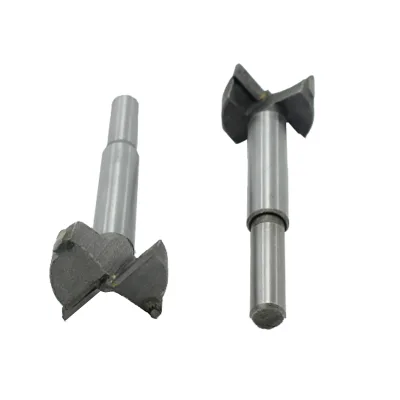
Woodworking Drilling Accessories Wood Hollow Drill Bit for PVC and Wood drilling
$0.50 - $0.90
MOQ: 1 sets
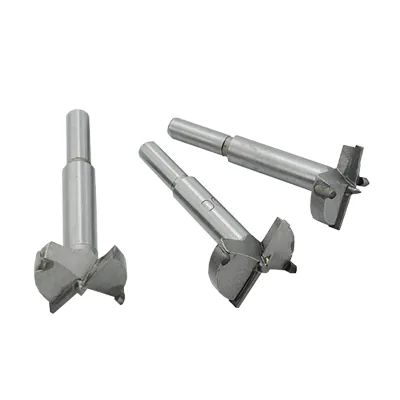
Wooden Box Packed Wood Drill Bits Set with Round Shank Hole Saw Woodworking Tools
$0.50 - $0.90
MOQ: 1 sets
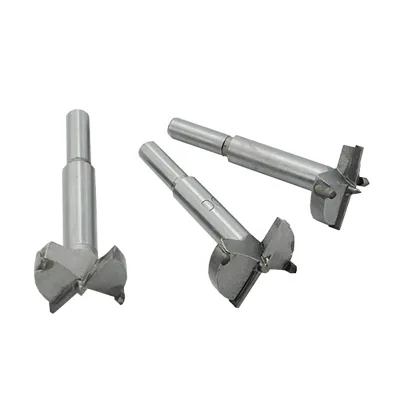
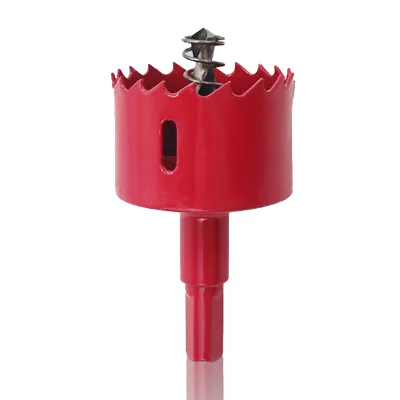
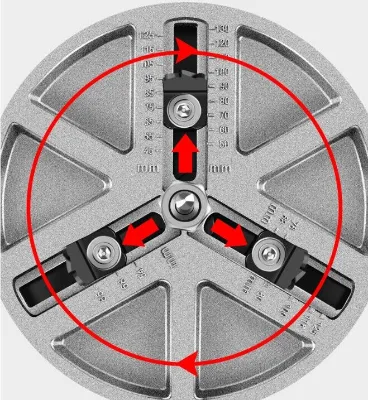
Woodworking Round Hole Saws Set Industrial Hole Drill Cutter Saw Cutting Tools Set
$0.5153 - $1.1325
MOQ: 1 sets
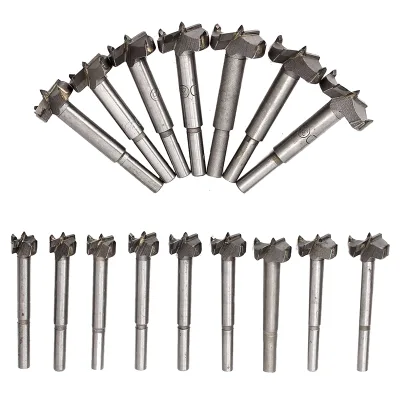

Chengdu Yibai Technology Co., Ltd.
- Verified by TUVRHEINLAND
- Combined
- China Sichuan
- Lead time60 days
- Avg. response≤ 4h
Main productsTct Saw Blades, PCD Saw Blades, Planer Knives, Router Bits, Finger-Joint Cutters, Drill Bits, Circular Sawblades, Helical Cutter with Indexable Inserts, Edge Banding Cutters, Revisable Carbide Inserts
Main marketsOthers(foreignTradeCapacity.exportBusinessCapacityMarketOther),Europe,North America

Hangzhou Xinsheng Precision Machinery Co., Ltd.
- Combined
- China Zhejiang
- Lead time45 days
- Avg. response≤ 1h
Main productsCircular Saw Blade, Saw Blade, Circular Saw, Power Tools, Saw, Cutting Blade, Diamond Tools, Multi-Ripping Saw Blades, Cutting Aluminum Saw Blade, Cutting MDF Saw
Main marketsSouth America,Southeast Asia/ Mideast,Domestic,Europe,North America


$6.50 - $16.00
MOQ: 5 Pieces

CNC Wood Bits Carpentry Accessories Drill Bit Tungsten Steel Carbide Drill Bits
$4.40 - $7.50
MOQ: 5 Pieces

DONGYAN INTERNATIONAL CO., LTD.
- Verified by TUVRHEINLAND
- Trading Company
- China Jiangsu
- Lead time30 days
- Avg. response≤ 10h
Main productsDiamond Wheels, Diamond Discs, Diamond Cutting Saw Blades, Oxygen Regulator, Vacuum Core Drill Bits, Diamond Cup Grinding Wheels, Diamond Tool, Hand Tool, PVC Vinyl Gloves, Hole Saws
Main marketsSouth America,Europe,Australia,North America

Zhuzhou Buytop Tungsten Carbide Co., Ltd
- Verified by SGS
- Manufacturer/Factory
- China Hunan
- Lead time15 days
- Avg. response≤ 5h
Main productsEnd Mills, Carbide Inserts, Carbide Drills, Carbide Rotary Burrs, Cutting Tools, Wood Drill Bits, Saw Tips, Carbide Rods, Customized Carbide Tools, Carbide Precision Mold
Main marketsSouth America,Eastern Europe,Mid East,North America,Southeast Asia,Eastern Asia,Western Europe,Africa


Through Hole Drill Bits Woodworking Tools Carbide Tipped CNC Spiral Drill 70mm Boring Drill Bits
$1.12 - $1.38
MOQ: 1 Pieces

$1.32 - $1.75
MOQ: 1 Pieces


Yueqing Hengda Tools Co., Ltd.
- Verified by TUVRHEINLAND
- Combined
- China Zhejiang
- Lead time15 days
- Avg. response≤ 13h
Main productsDrill Bits, Hole Saw, Chisel
Main marketsDomestic
Taicang Jukairui Fasteners Co., Ltd.
- Verified by Intertek
- Manufacturer, Trading Company
- Lead time0 days
- Avg. response≤ 2h
Main productsHex Flange Head Long Screw, Hex Head Long Screw, Hex Socket Head Long Screw, Hex Flange Head Concrete Anchor Bolt, Self-tapping Long Screw

Jiangsu Goldmoon Industry Co., Ltd.
- Verified by SGS
- Combined
- China Jiangsu
- Lead time15 days
- Avg. response≤ 4h
Main productsDrill Bit, Hole Saw, Saw Blade, Router Bit, Taps & Dies, End Mill, Grinding Tool, Work Gloves, Safety Helmet & Safety Shoes, Artificial Flowers
Main marketsEurope


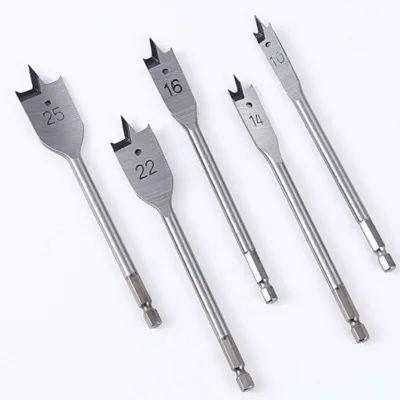
Woodworking Spade Bit Set Flat Wood Drill Bit Handle Wood Open Hole Drill Bits
$0.30 - $5.90
MOQ: 1000 Pieces


Best Quality Carbon Steel Woodworking Drill Bit with Black and White Finish
$1.50 - $2.00
MOQ: 1000 Pieces

Good Quality Carbon Steel Three-Point Woodworking Drill for Drilling Wood
$0.22 - $0.23
MOQ: 1000 Pieces
Hangzhou Xinsheng Precision Machinery Co., Ltd.
- Verified by SGS Group
- Manufacturer, Trading Company
- Lead time15 days
- Avg. response≤ 2h
Main productsTCT Circular Saw Blade, HSS Saw Blade, Diamond Tool, Diamond Saw Blade, Drill Bit
Main marketsDomestic Market(20%), North America(14%), Eastern Europe(10%)

Changzhou SDK Precision Technology Co., Ltd.
- Verified by TUVRHEINLAND
- Trading Company
- China Jiangsu
- Lead time15 days
- Avg. response≤ 25h
Main productsCarbide End Mills, Carbide Router Bits, Carbide Drill Bits, Carbide Reamers, Carbide Thread Mills, Carbide Taps, Special Cutting Tools, Non-Standard Carbide End Mills, Metal Working Machine Tools, Woodworking Tools
Main marketsSouth America,Southeast Asia/ Mideast,Europe

Zhejiang ZhengCheng lmport & Export Co.,LTD
- Verified by CTI
- Trading Company,Manufacturer/Factory
- China Zhejiang
- Lead time23 days
- Avg. response≤ 5h
Main productsHSS Steel Raw Material, Semi-Finished or Finished Cutting Tools, Martensitic Stainless Steel Raw Materials, Rotary Cutter Blade, Engineering Plastic, Steel Raw Material
Main marketsEastern Europe,Mid East,North America,Southeast Asia,Eastern Asia,Western Europe


High-Speed Steel Woodworking Drill Bit - Multi-Function for Wood & Plastic
$0.85 - $1.55
MOQ: 50 Piece

High-Speed Steel Wood Countersink Drill Bit 3mm-10mm for Accurate Drilling
$0.19 - $1.25
MOQ: 50 Piece

Qingdao Xinlihui Machinery Co., Ltd.
- Trading Company
- China Shandong
- Lead time23 days
- Avg. response≤ 12h
Main productsWoodworking Machinery, Wood Panel Saw Machine, Wood Sanding Machine, Wood Edge Banding Machine, PVC or Paper Sticking Machine, CNC Router, Wood Drilling and Boring Machine, Plywood Production Line, Press Machine Series, Vacuum Laminating Machine
Main marketsSouth America,Africa,Southeast Asia/ Mideast,East Asia(Japan/ South Korea),Domestic,Europe,Australia,North America
- Verified by TüVRheinland
- Manufacturer, Trading Company
- Lead time25 days
- Avg. response≤ 3h
Main productsDrill Bits, Screwdriver, Chisel, Hole Saws
Main marketsWestern Europe(22%), Southeast Asia(20%), North America(15%)
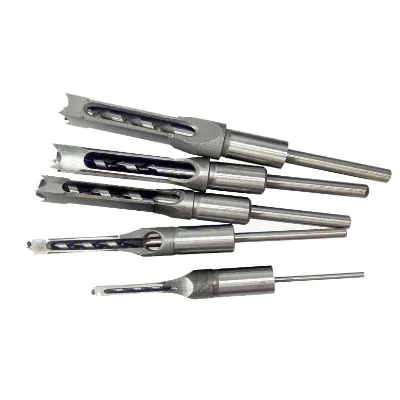
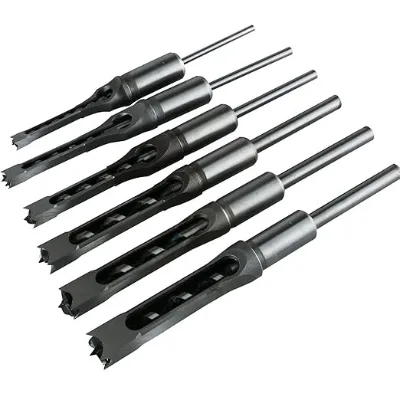
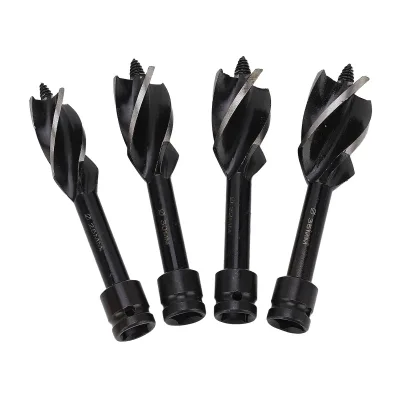
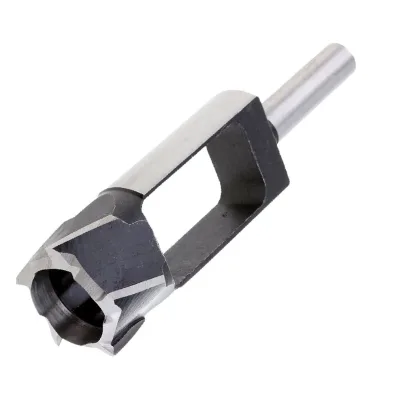
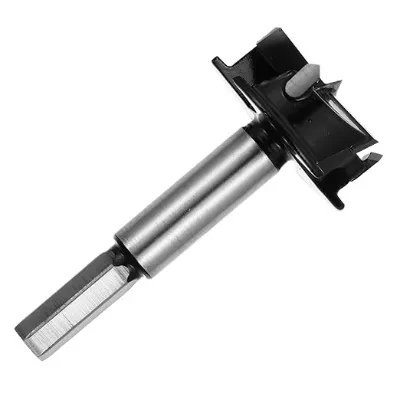
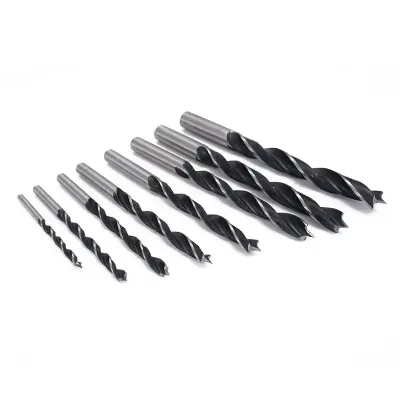
$2.99 - $3.50
MOQ: 1000 pieces

Shenzhen Alisi Electronic Technology Co., Ltd.
- Trading Company, Distributor/Wholesaler
- Guangdong, China
- Lead time3 days
- Avg. response≤ 2h
Main productselectron component,temperature controller,Auto parts,sensor,Wireless Controller
Main marketsSouth America(20.00%), Eastern Europe(20.00%), North America(15.00%), Western Europe(5.00%), Domestic Market(5.00%), South Asia(5.00%), Southern Europe(5.00%), Northern Europe(5.00%), Central America(5.00%), Eastern Asia(3.00%), Mid East(3.00%), Oceania(3.00%), Africa(3.00%), Southeast Asia(3.00%)
Langfang Dongwang Superhard Tools Co., Ltd.
- Verified by TüVRheinland
- Manufacturer, Trading Company
- Lead time0 days
- Avg. response≤ 5h
Main productsSaw Blade, Drill Bits, Miling Cutter
Main marketsDomestic Market(47%), North America(20%), South America(5%)

- Verified by SGS
- Combined
- China Jiangxi
- Lead time23 days
- Avg. response≤ 4h
Main productsDrill, SDS Plus Drill Bits, Chisel, SDS Max Drill Bits, Electric Hammer Drill Bits, Screwdriver Bits, Hole Saw, Ceramic Drill Bits, HSS Twist Drill Bits
Main marketsSouth America,Africa,Southeast Asia/ Mideast,East Asia(Japan/ South Korea),Domestic,Europe,Australia,North America


$0.49 - $1.25
MOQ: 100 Pieces

High Speed Steel Extended Woodworking Drill Bit Multi Slot and Multi Blade Support Roller Drill Bit
$0.05 - $1.20
MOQ: 1000 Pieces


High Hardness Tungsten Steel Countersink Drill Bit for Woodworking Efficiencies
$0.49 - $1.25
MOQ: 100 Pieces

- Manufacturer, Trading Company
- Jiangsu, China
- Lead time30 days
- Avg. response≤ 8h
Main productsTwist Drill Bits,Saw Blade,Taps,Hole Saw,Tool Accessories
Main marketsNorth America(28.00%), Western Europe(25.00%), Domestic Market(20.00%), Southeast Asia(15.00%), South America(2.00%), Eastern Europe(2.00%), Mid East(2.00%), Southern Europe(1.00%), Central America(1.00%), Oceania(1.00%), South Asia(1.00%), Eastern Asia(1.00%), Africa(1.00%)
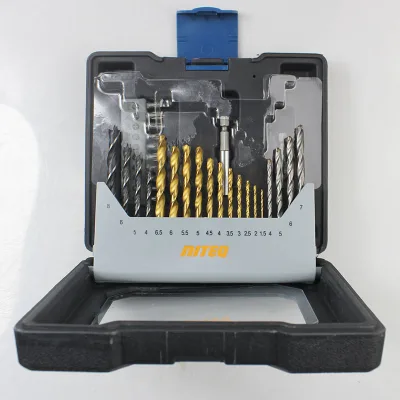
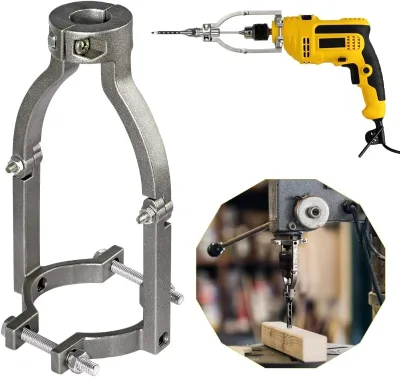
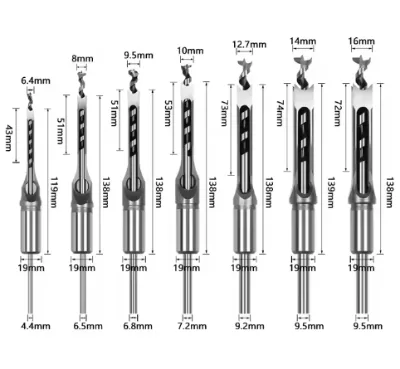
Hot Sale Square Hole Drilling Chisel Hollow Mortise Drill Bits Adaptor Set for Woodworking
$13.8146 - $15.3485
MOQ: 1 sets
Yiwu Lijin Hardware Tools Co., Ltd.
- Trading Company
- Zhejiang, China
- Lead time15 days
- Avg. response≤ 6h
Main productsHammer,valve,pvc tape,screwdriver,measure
Main marketsNorth America(20.00%), South America(15.00%), South Asia(10.00%), Southern Europe(10.00%), Western Europe(10.00%), Mid East(10.00%), Domestic Market(10.00%), Eastern Europe(10.00%), Africa(5.00%)






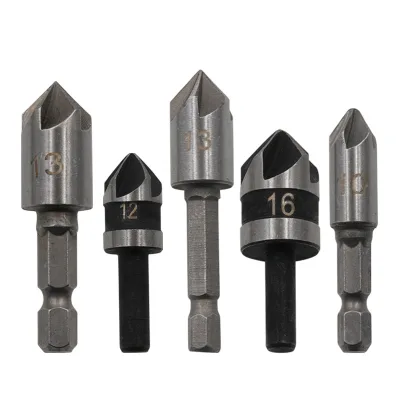
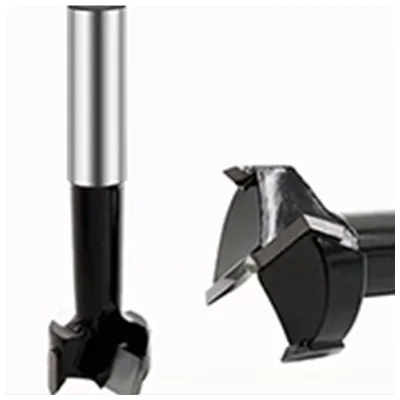
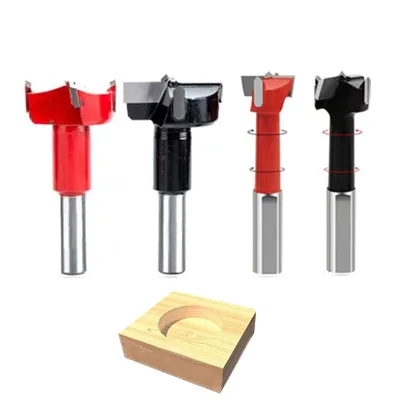
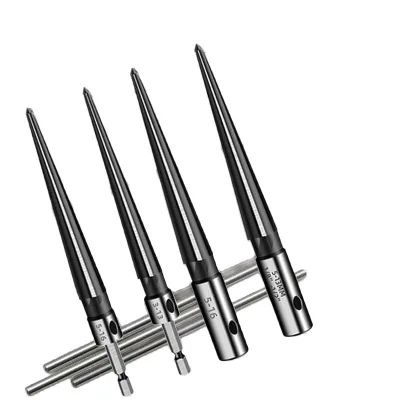
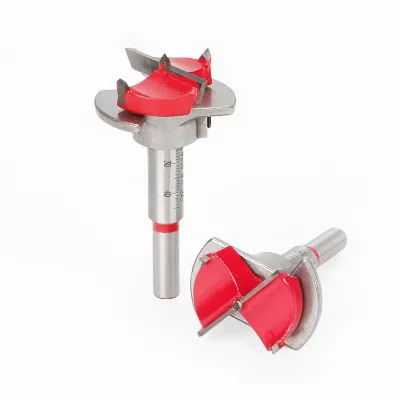
Comprehensive Sourcing Guide
Woodworking Row Drill Bit Supplier Concentration and Factory Types
The current supplier landscape for woodworking row drill bits reveals a distinct mix of manufacturing capabilities and trading structures, which significantly impacts sourcing strategy. Data indicates that the majority of available entities operate as trading companies, acting as intermediaries rather than direct producers. This structural reality means buyers often engage with firms that aggregate products from various workshops or smaller factories. However, a notable subset of suppliers identifies as both a trading company and a manufacturer or factory. This dual classification suggests the presence of integrated operations where production and sales are managed under one corporate umbrella, potentially offering greater control over quality and lead times. The presence of these hybrid entities is crucial for buyers seeking direct factory access without the markup of pure traders.
Geographic concentration plays a vital role in this supply chain, with specific regions emerging as key hubs for tool production. Evidence points to suppliers located in China Jiangsu, a region known for its robust hardware and tool manufacturing infrastructure. This concentration allows for efficient clustering of raw material suppliers, specialized machining services, and logistics networks. Buyers should prioritize suppliers from such established industrial zones, as they typically benefit from mature supply chains and skilled labor pools. While not all suppliers display explicit location data, those that do provide a clear signal of their operational base. Understanding this geographic distribution helps in assessing the reliability of the supply chain and the potential for site visits or closer collaboration with production teams.
How to Verify Woodworking Row Drill Bit Suppliers
Verification is the first critical step in mitigating risk when sourcing woodworking row drill bits, especially given the prevalence of trading companies. Buyers must rigorously check the company type declared by each supplier to determine if they are dealing with a direct manufacturer or an intermediary. Suppliers claiming to be manufacturers should be asked for proof of production facilities, such as factory audit reports or video tours. For those identified as trading companies, buyers should inquire about their upstream manufacturing partners to ensure product consistency. This distinction is vital because manufacturing capabilities directly influence the ability to customize products, manage inventory, and resolve technical issues quickly. Without this verification, buyers risk dealing with layers of middlemen that can obscure communication and increase costs.
Certification and third-party verification provide additional layers of assurance regarding supplier legitimacy and quality management systems. Some suppliers display specific system certifications, including ISO 9001, ISO 14001, and OHSAS 18001, which indicate adherence to international standards for quality, environmental management, and occupational health and safety. These certifications are particularly important for large-scale orders where compliance and consistency are paramount. Additionally, verification badges from recognized agencies like SGS serve as a strong indicator of a supplier’s credibility. Buyers should look for these badges and verify their validity through the issuing agency’s database. The presence of such verifications suggests that the supplier undergoes regular audits and maintains a certain level of operational transparency, reducing the risk of fraud or substandard production practices.
What to Compare Across Woodworking Row Drill Bit Suppliers
When evaluating multiple suppliers, response time is a key metric for assessing operational efficiency and customer service quality. Data shows a wide variance in response speeds, with some suppliers responding within hours while others take significantly longer. A rapid response time, such as under two hours, often indicates a dedicated sales team and streamlined internal processes, which are essential for resolving urgent inquiries or custom requests. Conversely, slower response times may suggest a less organized operation or a high volume of unmanaged leads. Buyers should prioritize suppliers with quick response times, as this responsiveness often correlates with better overall project management and communication throughout the order lifecycle. This metric is particularly important for time-sensitive projects where delays in communication can lead to production bottlenecks.
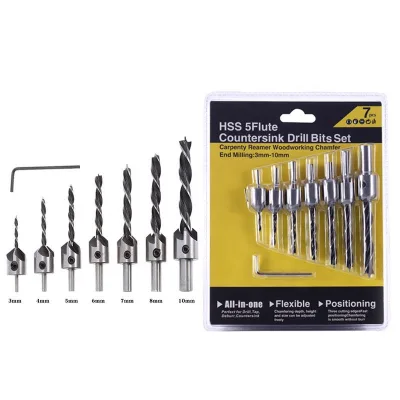
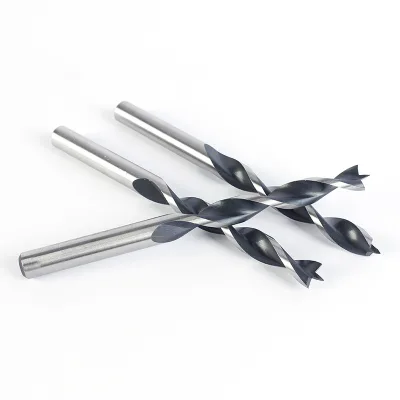
Product specifications and pricing structures must be compared meticulously to ensure value and suitability. Suppliers offer a range of materials, from high carbon steel to tungsten carbide, each with different durability and cost implications. For instance, some products are priced between $0.66 and $0.95, while others range from $1.37 to $1.86, reflecting differences in material quality and manufacturing complexity. Buyers should compare not just the unit price but also the minimum order quantity (MOQ), which can vary from 300 to 2000 pieces. Additionally, lead times are a critical factor, with some suppliers offering consistent lead times of around 23 days, while others have variable times based on seasonality. Understanding these variables allows buyers to balance cost, speed, and volume requirements effectively, ensuring they select a supplier that aligns with their specific business needs.
Common Woodworking Row Drill Bit Sourcing Risks
One significant risk in sourcing woodworking row drill bits is the inconsistency in product specifications and quality control. Since many suppliers are trading companies, they may source from multiple factories with varying standards, leading to inconsistencies in batch quality. This risk is exacerbated when buyers do not specify detailed technical requirements, such as shank type, flute design, or surface finish. For example, some products feature straight shanks while others use one-flat shanks, and mixing these without clear communication can result in incompatible tools for the buyer’s machinery. Buyers must provide precise technical drawings and specifications to avoid receiving products that do not meet their operational needs. Regular quality inspections and sample testing before bulk production are essential to mitigate this risk and ensure that the final products match the agreed-upon standards.
Another major risk is the variability in lead times and production capacity, which can disrupt supply chain planning. Some suppliers indicate lead times that are "to be negotiated" for larger orders, creating uncertainty for buyers who need to plan inventory and shipments accurately. This ambiguity can lead to delays in receiving goods, affecting downstream production schedules and customer satisfaction. Additionally, the reliance on seasonal factors, such as peak and off-peak seasons, can further complicate lead time predictions. Buyers should seek suppliers with transparent and consistent lead time commitments, preferably backed by a track record of on-time delivery. Establishing clear communication channels and setting realistic expectations regarding production schedules can help manage this risk. It is also advisable to include penalty clauses in contracts for delayed deliveries to protect against potential disruptions.
Woodworking Row Drill Bit Regional Sourcing and Logistics
Sourcing from specific industrial regions like China Jiangsu offers logistical advantages due to the concentration of manufacturing infrastructure and export services. Suppliers in this region are often well-versed in international shipping requirements and have established relationships with freight forwarders, which can streamline the export process. This proximity to major ports and logistics hubs reduces transit times and costs, making it an attractive option for buyers looking to optimize their supply chain. However, buyers must also consider the potential for regional disruptions, such as weather events or local policy changes, which could impact production and shipping. Diversifying suppliers across different regions can help mitigate these risks, ensuring a more resilient supply chain. Understanding the logistical landscape of the sourcing region is crucial for planning effective transportation and inventory management strategies.
Logistics planning must also account for packaging and handling requirements to prevent damage during transit. Woodworking row drill bits, particularly those made from brittle materials like tungsten carbide, require careful packaging to avoid breakage. Suppliers often use carton packing or tube packing, but the effectiveness of these methods varies. Buyers should verify the packaging standards used by their chosen supplier and request photos or videos of the packing process. Additionally, considering the weight and dimensions of the products, as indicated by single package sizes and gross weights, helps in calculating shipping costs and container utilization. Efficient packaging not only protects the products but also maximizes space in shipping containers, reducing overall logistics costs. Buyers should work closely with suppliers to optimize packaging solutions that balance protection and cost-efficiency.
Woodworking Row Drill Bit Commercial Terms and Order Planning
Commercial terms, including payment methods and escrow services, are critical for securing transactions and protecting buyer interests. Buyers should prioritize suppliers who offer secure payment options, such as escrow services, which hold funds until the goods are received and verified. This mechanism reduces the risk of fraud and ensures that suppliers are motivated to deliver on their promises. Additionally, understanding the payment terms, such as deposit requirements and balance payments, helps in managing cash flow and financial planning. Buyers should negotiate favorable terms that align with their financial capabilities and risk tolerance. Clear communication regarding payment schedules and methods is essential to avoid misunderstandings and ensure smooth transaction processing. Utilizing secure payment platforms can provide an additional layer of protection and peace of mind for both parties.
Order planning must consider the minimum order quantities (MOQ) and customization options offered by suppliers. MOQs can range significantly, from 300 to 2000 pieces, impacting the initial investment and inventory levels. Buyers with smaller volume requirements may need to negotiate lower MOQs or consolidate orders with other buyers to meet supplier thresholds. Customization options, such as OEM and ODM services, allow buyers to tailor products to their specific needs, but these services often come with higher MOQs and longer lead times. Buyers should assess their customization requirements against their volume capabilities to determine the most cost-effective approach. Additionally, considering the total cost of ownership, including shipping, duties, and potential returns, is essential for accurate budgeting. Effective order planning involves balancing these variables to achieve optimal value and operational efficiency.
FAQs
What is the price range for woodworking row drill bits?
Prices for these bits typically range from $0.20 to $1.86 per unit depending on material and specifications. High carbon steel options are generally more affordable, while tungsten carbide variants command higher rates. Buyers should verify exact pricing based on order volume and customization requirements before finalizing procurement decisions.
What is the minimum order quantity for these drill bits?
Minimum order quantities vary significantly by supplier and product type. Some manufacturers require a minimum of 300 pieces, while others set the threshold at 500 or even 2000 pieces per size. Buyers must check specific supplier listings to confirm the exact MOQ applicable to their desired drill bit specifications and order size.
How long does production take for these items?
Lead times depend on order volume and seasonal demand. For smaller orders under 5000 units, production typically takes around nine days during both peak and off-peak seasons. Larger orders exceeding 5000 units require negotiation for specific delivery schedules. Buyers should confirm current lead times directly with suppliers to ensure timely delivery.
Are these drill bits customizable for specific applications?
Yes, many suppliers offer customization options for woodworking row drill bits. Buyers can request specific shank types, surface finishes, and standard dimensions. Customization is often available for both high carbon steel and tungsten carbide materials. Suppliers may also provide OEM services, allowing buyers to tailor products to their exact manufacturing requirements.
What certifications do these suppliers hold?
Reputable suppliers often hold ISO 9001, ISO 14001, and OHSAS 18001 certifications. These credentials indicate adherence to quality management, environmental standards, and occupational health and safety protocols. Buyers should verify specific certifications with individual suppliers to ensure compliance with their internal procurement standards and regulatory requirements for imported tools.
Where are these woodworking drill bits manufactured?
These products are primarily manufactured in China, with specific production hubs located in regions like Jiangsu. Buyers should verify the exact place of origin for each supplier to understand logistics and shipping implications. Origin details are crucial for calculating total landed costs and ensuring compliance with import regulations in the destination country.