Source 10-30vdc photoelectric displacement sensor for distance, shape, and position
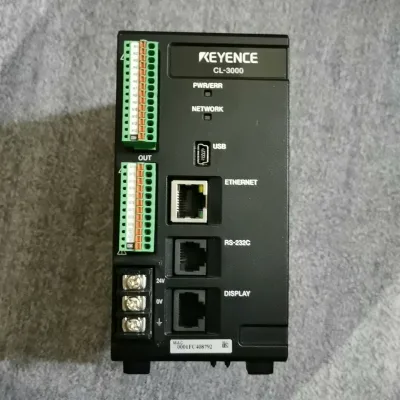
Find 30 listings for the 10-30vdc photoelectric displacement sensor to compare models like CL-3000 and Q31. Buyers can evaluate features such as response time, sensing distance, and mounting types from suppliers in Japan and China; compare the available evidence and request quotations based on your requirements.
Updated
Key considerations
Products List
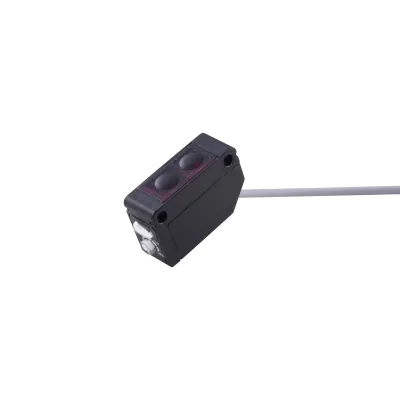
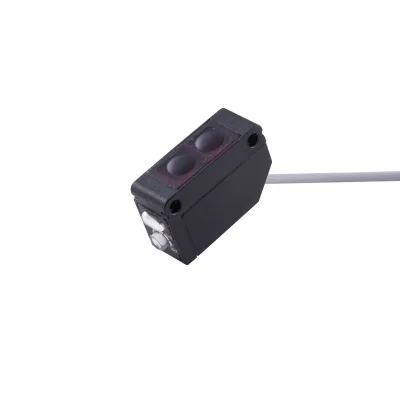
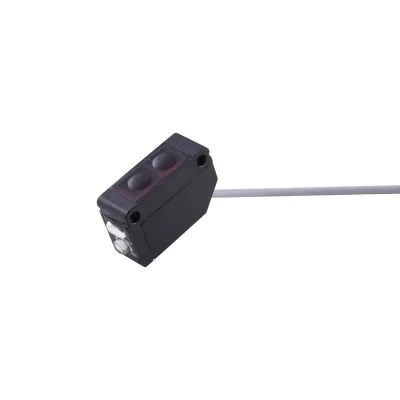
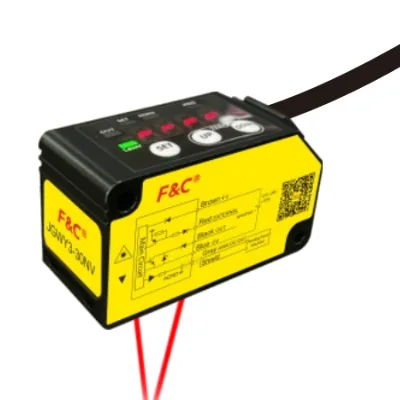


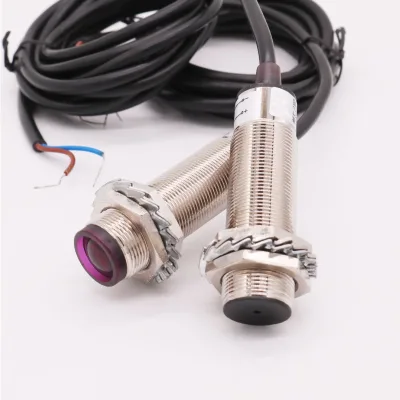
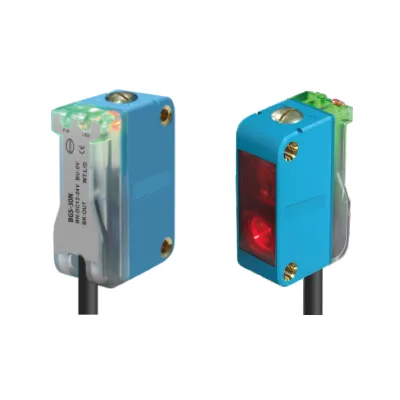
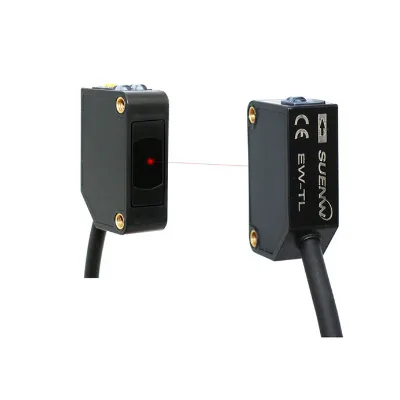
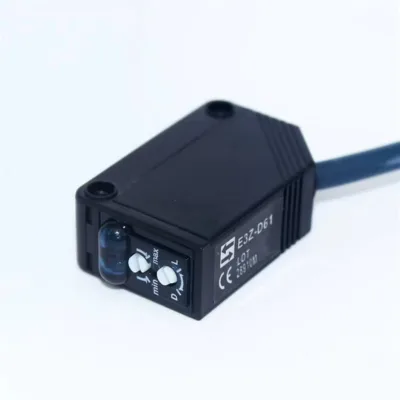
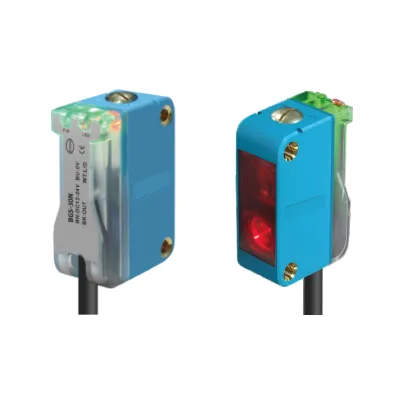


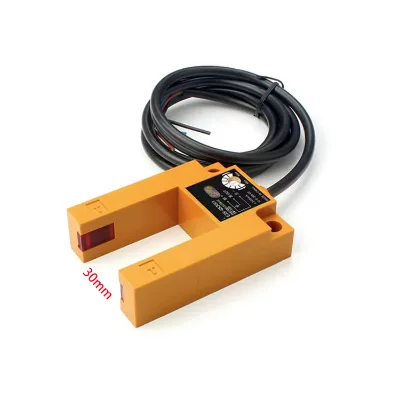
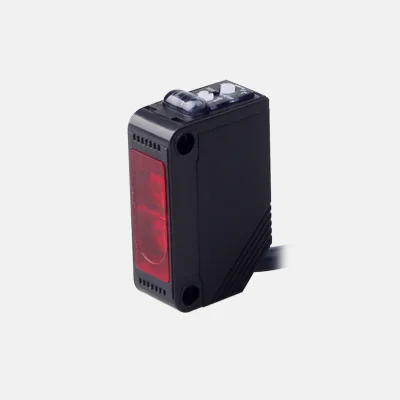
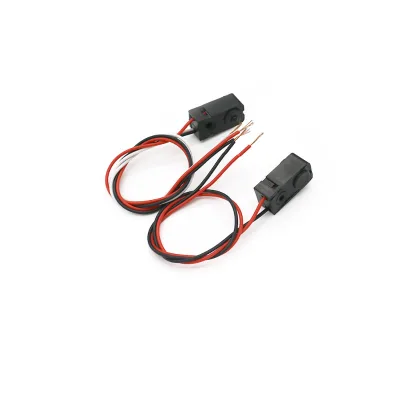

Comprehensive Sourcing Guide
10-30vdc Photoelectric Displacement Sensor Sourcing Guide
Buyers must first distinguish between general photoelectric sensors and specialized displacement units when searching for 10-30vdc models. The market contains distinct product lines where some units function strictly as proximity detectors while others, like the KEYENCE CL-3000, utilize infrared sensing to measure distance and shape with high precision. Understanding this distinction prevents the accidental procurement of standard on-off sensors that lack the necessary resolution for dimensional analysis tasks.
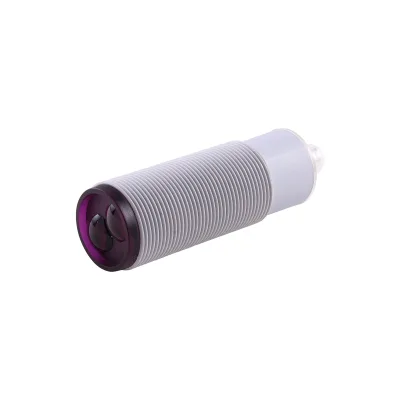
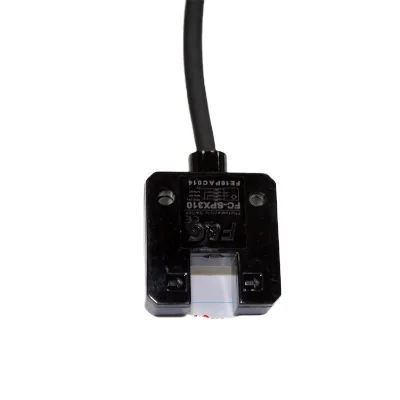
Procurement teams should verify that the specific listing explicitly states displacement capabilities rather than generic object detection. While many sensors operate within the 10v to 30v supply range, only those with laser or advanced optical theories, such as the F&C JGWY series, provide the sub-millimeter accuracy required for displacement measurement. Focusing on the theory of operation ensures the selected component matches the physical requirements of the intended application.
Product Scope and Observed Listing Signals
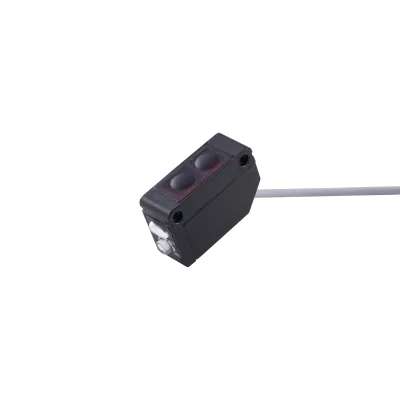
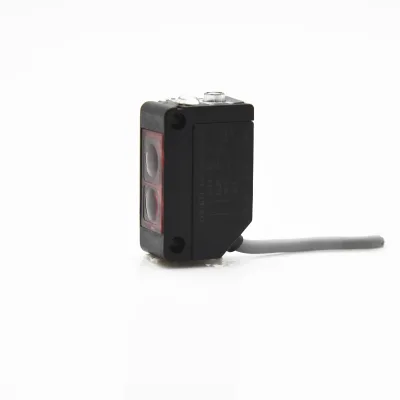
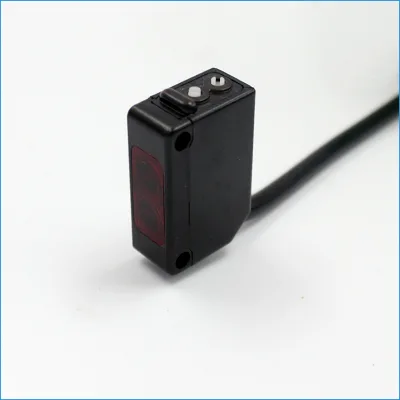
The observed product landscape reveals a wide variance in origin and series designation, ranging from Japanese manufacturing to domestic Chinese production. Listings indicate specific model numbers like the Q31 and CL-3000, which serve different functional niches within the broader category of optical sensors. Buyers must carefully cross-reference the brand name and series against their technical requirements, as the "sensor" series may differ significantly from the "Proximity sensor" series in terms of output logic and mounting style.
Listing signals often include specific physical attributes such as viewing angles and package dimensions that dictate installation feasibility. For instance, a 120-degree viewing angle or a compact single package size of 10x10x3 cm may be critical for tight machine integration. Procurement specialists should scrutinize these physical specifications to ensure the sensor fits the mechanical envelope of the target assembly without requiring extensive custom housing modifications.
Technical Specifications to Verify
Voltage supply compatibility is a primary verification step, as the 10-30vdc range is standard but not universal across all displacement units. Buyers must confirm that the operating voltage matches their power infrastructure, noting that some models specify a narrower range like 12-24 VDC while others accept the full 10-30vdc spectrum. Mismatched voltage requirements can lead to sensor failure or inconsistent performance, making this the first technical parameter to validate against the datasheet.
Response time and sensing distance are equally critical for dynamic applications where speed and precision are paramount. The market includes units with response times as fast as 0.0001s, suitable for high-speed counting or rapid positioning tasks. Additionally, the sensing range, such as the ±15mm range or 50mm distance, must align with the physical gap between the sensor and the target object to ensure reliable signal acquisition without signal loss.
Compliance and Safety Documentation
Safety documentation often references industry standards like UL 508 and EN 60947-5-2, though buyers must verify if these apply to the specific unit being purchased. While some background context mentions these standards, the actual product listings may not explicitly confirm compliance without direct manufacturer certification. Procurement teams should request current test reports or certification documents to ensure the sensor meets the safety regulations required for their specific facility or export destination.
Protection categories, such as IP67, indicate the sensor's resistance to dust and water ingress, which is vital for harsh industrial environments. Buyers should confirm that the listed protection rating matches the environmental conditions of the installation site, as lower ratings may lead to premature failure in wet or dusty areas. Verifying the protection category ensures the sensor will maintain operational integrity over its intended lifespan without frequent maintenance interruptions.
Cost Drivers and Commercial Terms
Pricing in this sector varies significantly based on the technology level, with observed ranges spanning from $1.2 to $9999 depending on the sensor's precision and brand. High-accuracy laser displacement sensors typically command a premium over standard optical proximity sensors due to their complex internal optics and calibration requirements. Buyers should analyze the cost per unit against the required accuracy to avoid over-specifying or under-specifying the component for their budget.
Minimum Order Quantities (MOQ) and lead times are key commercial factors that influence total procurement costs and project timelines. While some listings show an MOQ of 1, others may require bulk purchases or have specific constraints like an 18-month lead time for certain series. Understanding these terms early allows procurement teams to negotiate better pricing tiers and plan inventory levels to prevent production delays caused by supply chain bottlenecks.
Supplier Qualification and Quality Control
Supplier qualification requires a thorough review of the manufacturer part numbers and series consistency to ensure product authenticity. The market contains various brands like KEYENCE, Biduk, and F&C, each with distinct quality control processes and manufacturing origins. Buyers should verify that the supplier is an authorized distributor or the original manufacturer to avoid counterfeit components that may fail to meet the stated performance specifications.
Quality control checks should focus on the consistency of manufacturing dates and the accuracy of the provided technical data. Listings often mention "up-to-date" manufacturing codes, but buyers must ensure this aligns with the actual production batch to avoid receiving obsolete or degraded stock. Implementing a rigorous incoming inspection protocol helps identify any discrepancies between the ordered specifications and the physical characteristics of the delivered sensors.
Long-Term Procurement Checks
Long-term procurement success depends on monitoring the stability of the supply chain and the availability of replacement parts. Buyers should assess whether the supplier can maintain consistent stock levels for specific model numbers like the JGWY3-50NV or Q31 over extended periods. Discontinuation of popular models can force costly redesigns, so securing a reliable supply source is essential for maintaining production continuity.
Performance tracking over time is necessary to validate that the sensors continue to meet the required sensing distance and output logic. Regular audits of the installed units can reveal drift in calibration or degradation in the optical components, which may necessitate recalibration or replacement. Establishing a feedback loop with the supplier ensures that any performance issues are addressed promptly, maintaining the overall reliability of the automated systems.
FAQs
What is the operating voltage range for these sensors?
The operating voltage range is 10v to 30v DC. This specification ensures compatibility with standard industrial power supplies. It supports reliable operation in various automation environments. Users should verify their power source matches this range to prevent damage. The design accommodates typical factory electrical systems for stable performance.
Which brands offer 10-30vdc photoelectric displacement sensors?
KEYENCE and Biduk are prominent brands offering these sensors. KEYENCE provides models like the CL-3000 series. Biduk offers the Q31 series with specific mounting options. These brands ensure quality and reliability for industrial applications. Buyers can choose based on specific feature requirements and origin preferences.
How fast is the response time for these devices?
The response time is 0.0001 seconds. This rapid speed allows for high-frequency detection tasks. It is ideal for fast-moving production lines. The quick reaction ensures accurate data capture. Users benefit from minimized latency in critical sensing operations.
Can these sensors detect object distance and shape?
Yes, they are designed for sensing distance and shape. The optical sensing theory enables precise measurements. This capability is essential for quality control processes. The sensors provide accurate feedback for positioning tasks. This function supports various industrial automation and inspection needs.
What is the minimum order quantity for these sensors?
The minimum order quantity ranges from 1 to 100 units. This flexibility supports both small and large procurement needs. Buyers can order single items for testing or evaluation. Bulk orders are available for larger production requirements. The MOQ varies by supplier and specific product model.
Where are these sensors typically manufactured?
Manufacturing origins include Japan and Beijing, China. Some models are produced in Hunan, China. These locations indicate diverse supply chain sources. Buyers can select based on preferred origin or quality standards. The variety allows for flexible sourcing strategies across regions.