Source 105C PVC Insulated Electrical Cable for Underground, Industrial, Home
Compare 30 listings of 105C PVC Insulated Electrical Cable from verified Chinese manufacturers. Buyers can evaluate copper stranded conductors, PVC sheathing, and certifications like UL, CE, and RoHS for underground and industrial applications; compare the available evidence and request quotations based on your requirements.
Updated
Key considerations
Products List


UL PVC Insulated Wear Resistance Multi Core Electrical Power Cable Wire
$0.50 - $1.00
MOQ: 3000 Meters


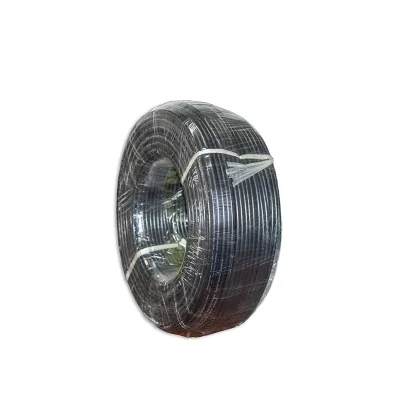


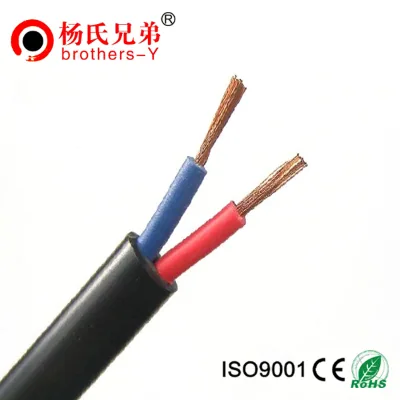
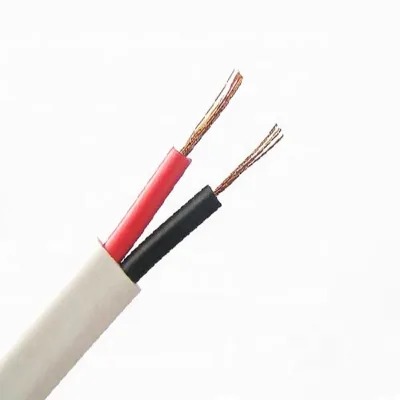


Multi-Core 2.5mm 5mm 7.5mm Electrical Cable PVC/XLPE Insulated Control Cable.
$0.50 - $15.20
MOQ: 1000 Meters

16 Cores 1mm2 2.5mm2 4mm2 PVC Control Electrical Wire Power Cores Insulated Electric Cable
$0.50 - $15.20
MOQ: 1000 Meters


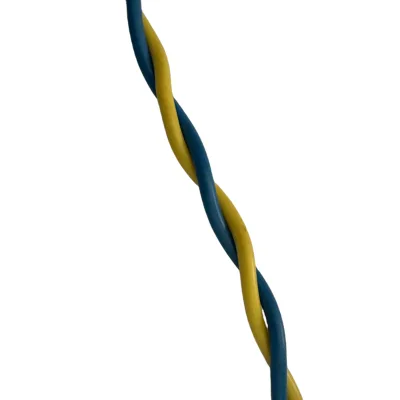

Comprehensive Sourcing Guide
105C PVC Insulated Electrical Cable Sourcing Guide
Buyers seeking 105C PVC Insulated Electrical Cable must first recognize that while specific temperature ratings are not explicitly listed in the provided product data, the material composition consistently points to PVC insulation with copper conductors. The available listings describe products as "PVC Insulated Electrical Wire Cable" and "BV Wire PVC Insulated Electrical Cable," confirming the sheath material and conductor type. Procurement teams should verify that the specific batch or model number meets the 105c thermal requirement, as the general category includes various standards like UL1028 and VDE 3188 which may have different thermal limits.
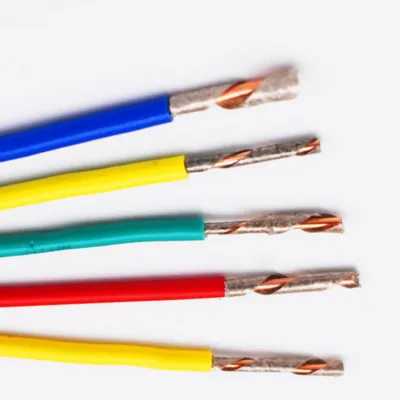
The observed product range includes stranded copper conductors with optional colors and lengths available in rolls or drums. Sourcing strategies should account for the fact that "Any Length Is Available" and "Any Color Is Available" are common attributes, allowing for significant customization. However, buyers must explicitly confirm the temperature rating during the inquiry phase, as the provided facts list certifications like RoHS and CE but do not universally guarantee the 105c rating for every listed SKU.
Product Scope and Observed Listing Signals
The market for this cable type presents a wide variety of configurations, ranging from standard UL1028 models to specialized VV Power Cables and PTFE wire cables. Listings indicate that the conductor material is consistently copper, while the sheath is typically PVC, though some entries mention PTFE for specific high-performance applications. Buyers should expect to see models such as UL 1007, 1015, and 1569, which are standard for general wiring, alongside custom models like Max-Dayuan-1 that may require specific verification of their thermal properties.
Commercial listings often highlight flexibility in packaging and quantity, with options for rolled reels, drums, or export cartons. The observed MOQ ranges from 1 to 500,000 units, suggesting that suppliers cater to both small prototype orders and large-scale industrial projects. Procurement teams must navigate this variability by clearly defining their volume needs, as the "Qty/Roll" can be 305m, 610m, or customized, directly impacting logistics and inventory management strategies.
Technical Specifications to Verify
When evaluating technical compliance, the primary focus must be on the conductor type and insulation integrity. The supplied data confirms that stranded copper is the standard conductor material, which is essential for flexibility in many applications. Buyers should verify the specific cross-sectional area, as some listings reference "4mm2 Copper Core" while others mention "30AWG~10AWG" ranges. It is critical to ensure that the specific model selected matches the electrical load requirements of the intended installation, particularly for underground applications where mechanical strength is paramount.
Insulation thickness and temperature rating are the next critical verification points, as the general category includes PVC but does not explicitly confirm the 105c rating for all items. While some standards like VDE 3188 are mentioned, the exact thermal performance must be validated against the specific product model number provided by the supplier. Buyers should request test reports or datasheets that explicitly state the maximum operating temperature to ensure the cable will not degrade under the expected thermal stress of the application.
Compliance and Safety Documentation
Certification verification is a non-negotiable step in the procurement process, as the market data shows a mix of certifications including RoHS, CCC, CE, ISO, and UL. Different product models carry different compliance profiles; for instance, some listings explicitly state UL certification, while others list VDE or RoHS as their primary environmental approval. Procurement teams must match the required certification for their target market with the specific product listing, ensuring that the "Conductor Material: Copper" and "Sheath Material: PVC" do not come with conflicting or missing safety documentation.
Third-party inspection and sample availability are key indicators of a supplier's commitment to quality assurance. The provided facts note that "Third Party Inspection: Accepted" and "Sample: Free" are available attributes, which allows buyers to validate compliance before committing to large orders. It is advisable to utilize these sample opportunities to physically test the insulation and conductor quality, ensuring that the product meets the specific regulatory standards required for the final destination market.
Cost Drivers and Commercial Terms
Pricing in this sector is highly variable, with observed ranges spanning from $0.03 to $999, reflecting differences in conductor size, insulation thickness, and certification levels. The cost is significantly influenced by the raw material price of copper and the complexity of the insulation process. Buyers should anticipate that customized orders, such as specific colors or non-standard lengths, may incur additional charges compared to standard rolled configurations. Understanding the MOQ is essential, as the range from 1 to 500,000 units suggests that unit costs will decrease substantially with higher volume commitments.
Lead times and payment terms are also critical commercial factors that vary by supplier capability. The data indicates a delivery lead time of "Within 20 Days" for some products, but this may fluctuate based on customization requirements and current production capacity. Procurement teams should clarify whether the quoted price includes packaging costs, such as drums or pallets, and confirm if the supplier offers ODM/OEM services that might affect the final commercial terms. Clear agreements on these variables prevent unexpected costs during the fulfillment phase.
Supplier Qualification and Quality Control
Supplier qualification should prioritize those who explicitly offer customization and accept third-party inspections. The presence of "Customization: Available" and "Service: ODM/OEM/Customized" indicates a supplier's ability to adapt to specific buyer needs, which is vital for specialized applications. Buyers should verify the supplier's origin, as the data points to locations like Dongguan, Guangdong, China, and ensure that their quality control processes align with international standards. A supplier's willingness to provide samples and accept external audits is a strong indicator of their reliability and transparency.
Quality control measures must extend beyond the initial sample to include ongoing production monitoring. Since the product origin is China, buyers should implement rigorous incoming quality checks to verify that the copper conductor and PVC sheath meet the specified dimensions and material properties. The ability to request specific packing methods, such as "Roll, Box" or "Carton, Glue Shaft," allows buyers to control the physical condition of the goods during transit. Establishing a clear quality agreement that references the specific model numbers and standards ensures consistency across all shipments.
Long-Term Procurement Checks
Establishing a long-term relationship requires regular audits of the supplier's ability to maintain consistent quality and compliance. Buyers should schedule periodic reviews to ensure that the "Conductor Material: Copper" and "Sheath Material: PVC" remain consistent with the original specifications, especially if the supplier sources raw materials from different vendors. Continuous verification of certifications like RoHS and UL is necessary, as regulatory requirements can change, and suppliers must demonstrate their ability to adapt to new compliance landscapes without disrupting the supply chain.
Performance tracking should include monitoring delivery lead times and the responsiveness of the supplier to customization requests. The observed "Within 20 Days" lead time should be benchmarked against actual performance to identify any delays that could impact production schedules. Additionally, buyers should maintain open communication regarding any changes in product standards or material availability. By proactively managing these relationships, procurement teams can mitigate risks and ensure a steady supply of high-quality 105c PVC insulated electrical cables for their operations.
FAQs
What certifications are available for 105C PVC Insulated Electrical Cable?
Available certifications include RoHS, CCC, CE, ISO, and UL. These approvals ensure compliance with international safety and environmental standards. The conductor material is copper, and the sheath is PVC. Buyers can verify specific certification requirements based on their regional regulations and project specifications before placing orders.
Can I customize the color and packaging of the cable?
Yes, customization is available for both color and packaging. The color can be specified by the customer, and options include optional standard colors. Packaging can be rolled in reels, packed in pallets, or customized to customer requirements using drums or export cartons. This flexibility supports diverse logistical needs.
What is the typical lead time for delivery?
The delivery lead time is typically within 20 days. This timeframe applies to standard production runs. Buyers should confirm specific schedules with suppliers, as lead times may vary based on order volume and customization requirements. Early planning helps ensure timely project completion and inventory management.
What specifications are supported for the conductor and insulation?
The cable features a copper stranded conductor and PVC insulation. Specifications include models like UL1028, UL1007, and VV Power Cable. The wire shape is round, and lengths can be any available size. These attributes support various electrical applications, ensuring reliable performance and compatibility with standard connectors.
Is third-party inspection and sample ordering accepted?
Yes, third-party inspection is accepted to ensure quality control. Free samples are also available for evaluation. Buyers can request samples to verify material quality and specifications before committing to large orders. This process helps mitigate risks and ensures the product meets specific project requirements and standards.
Where are these cables manufactured and what is the origin?
The cables are manufactured in China, with specific origins noted in Dongguan, Guangdong. This location is a major hub for electrical wire production. Buyers can source directly from these regions to benefit from established supply chains and competitive pricing. Origin details are crucial for logistics and compliance verification.