Source U Type Wire for Baling, Binding, and Fencing
Compare 30 U Type Wire options from Chinese manufacturers with varying diameters, materials, and delivery times. Buyers can evaluate galvanized iron wire for baling, binding, and fencing applications with customizable processing services; compare the available evidence and request quotations based on your requirements.
Updated
Key considerations
Products List
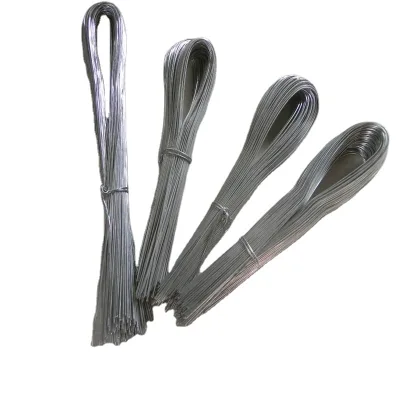
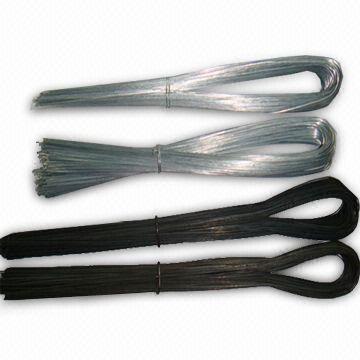
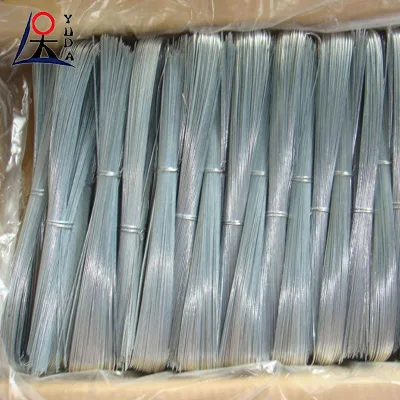
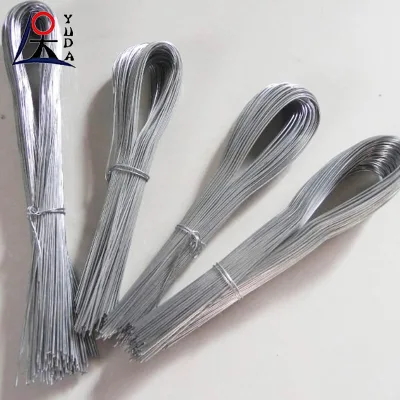
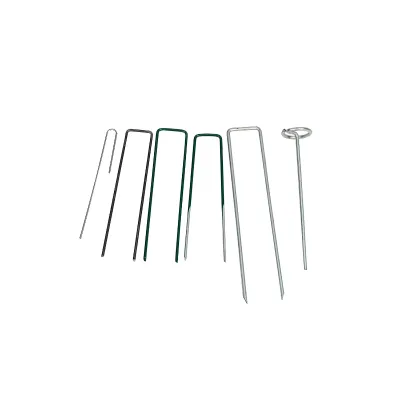

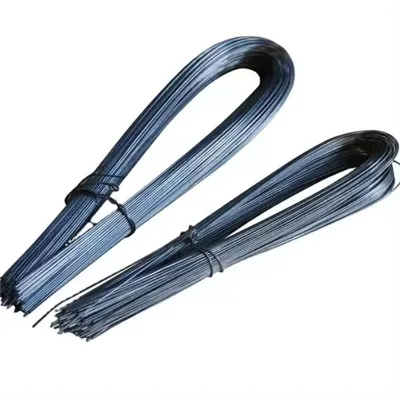
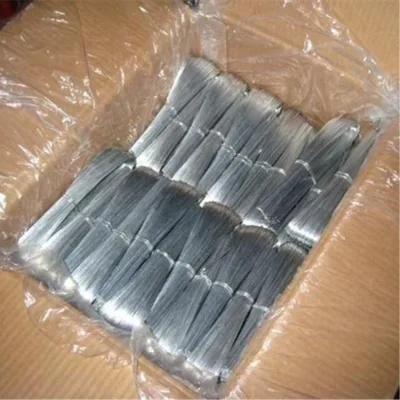
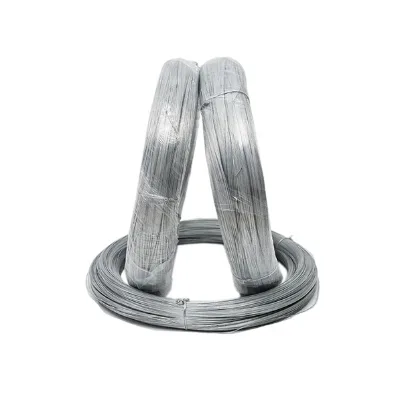




$200.00 - $3800.00
MOQ: 200 Meters




Comprehensive Sourcing Guide
U Type Wire Sourcing Guide
Sourcing U Type Wire requires a clear understanding of its dual role as both a structural fastener and a binding element in industrial applications. Buyers must distinguish between products marketed primarily for construction reinforcement and those designed for baling or agricultural use, as the mechanical properties and surface treatments vary significantly. The observed market includes options ranging from electric galvanized to hot-galvanized steel, each offering different corrosion resistance profiles. Understanding these material distinctions is the first step in aligning product selection with the specific environmental and load-bearing demands of your project.
Procurement decisions should also account for the diverse diameter ranges available, which span from fine filaments suitable for delicate mesh work to thicker gauges for heavy-duty fencing. The observed listings indicate diameters from 0.2 mm up to 20 mm, allowing for precise customization based on tensile strength requirements. Buyers should verify whether the wire is supplied in hard state or annealed conditions, as this affects its formability and final installation performance. Aligning the physical specifications with the intended application ensures that the purchased wire will perform reliably without premature failure or deformation under stress.
Product Scope and Observed Listing Signals
The current market landscape for U Type Wire features a wide variety of product names and model numbers, reflecting different manufacturer branding and specific use cases. Listings include identifiers such as SX-UTW, YUDA-336, and YUDA-9978, alongside generic descriptors like "Galvanized Iron U Type Wire" or "Loop Tie Wire." This diversity indicates that buyers cannot rely solely on model numbers for identification; instead, they must cross-reference technical attributes like diameter, material type, and surface treatment to ensure they are evaluating comparable products. The presence of multiple brand names, including SANXING, YUDA, and HLD, suggests a competitive market with various sourcing options.
Observed listing signals reveal significant variation in packaging and logistical details, which directly impact total landed cost. Single package sizes range from compact 50x10x1 cm units to larger 20x20x20 cm cartons, with gross weights varying from 0.450 kg to 100.0 kg per unit. These differences highlight the importance of verifying packing methods, such as carton or pallet packing, to determine storage and handling requirements. Buyers should also note that some listings specify "Metal Filament" thickness, while others focus on overall diameter, requiring careful attention to detail to avoid mismatches between ordered specifications and delivered goods.
Technical Specifications to Verify
Diameter and thickness are the most critical technical parameters to verify, as they directly influence the wire’s load-bearing capacity and flexibility. The observed data shows diameters ranging from 0.2 mm to 20 mm, with specific subsets like 0.5-1.5 mm or 0.5-4.5 mm being common. Buyers must confirm the exact gauge required for their application, as even minor deviations can affect the fit in pre-drilled holes or the tension in binding applications. Additionally, the cross-sectional shape is consistently reported as round, but buyers should verify if any non-standard profiles are available for specialized uses.
Surface treatment and material composition are equally vital for ensuring longevity and performance in corrosive environments. Most observed products feature galvanized coatings, with zinc coating weights ranging from 60-250G/M2, providing varying levels of protection against rust. Materials are typically described as low, medium, or high carbon steel, with options for electric or hot-dip galvanization. Buyers should also check for processing services like bending, cutting, or welding, as these can reduce secondary manufacturing costs. Verifying the status, such as hard state, ensures the wire meets the necessary rigidity requirements for the intended installation.
Compliance and Safety Documentation
Certification verification is a key step in mitigating supply chain risk, particularly for construction and infrastructure projects. The observed listings mention ISO 9001 certification, indicating that manufacturers adhere to international quality management standards. Buyers should request valid certification documents to confirm that the supplier’s quality control processes are consistently applied across production batches. While some listings reference SGS standards, buyers must clarify whether this refers to product testing or factory audit results, as the distinction impacts the reliability of the compliance claim.
Safety and regulatory compliance also depend on the specific application of the wire, such as in cages, fences, or decorative mesh. Buyers should ensure that the product meets local building codes or industry-specific safety regulations, especially if the wire will be used in public or high-traffic areas. Although UL 444 is mentioned in background context, its direct relevance to U Type Wire should be verified with the supplier. Documentation should include material test reports that confirm tensile strength, elongation, and zinc coating uniformity, providing evidence that the product performs as specified under stress.
Cost Drivers and Commercial Terms
Pricing for U Type Wire is influenced by raw material costs, particularly steel and zinc, as well as the complexity of surface treatments. The observed price range is broad, from $0.3 to $3800, reflecting differences in quantity, diameter, and coating weight. Buyers should analyze cost per unit weight rather than just the headline price, as packaging and handling fees can significantly alter the effective cost. Understanding these drivers helps in negotiating better terms and forecasting budget impacts based on market fluctuations in steel prices.
Minimum order quantities (MOQ) and lead times are critical commercial factors that affect inventory management and project timelines. Observed MOQs range from 1 to 10,000 units, offering flexibility for both small-scale and large-volume procurement. Delivery times vary from 8-14 days to over 90 days, depending on production capacity and customization requirements. Buyers should align their ordering schedule with these lead times to avoid production delays. Clarifying payment terms and shipping responsibilities is also essential to manage cash flow and logistical risks effectively.
Supplier Qualification and Quality Control
Supplier qualification begins with verifying the place of origin and manufacturing capabilities. Most observed products originate from regions like Hebei, Shandong, and Tianjin in China, which are known for steel processing. Buyers should assess the supplier’s production capacity and history to ensure they can meet volume demands consistently. Checking for additional certifications beyond ISO 9001, such as industry-specific quality marks, can provide further assurance of reliability. A thorough background check helps identify suppliers with a track record of consistent quality and timely delivery.
Quality control procedures should be explicitly defined in the purchase agreement to prevent disputes over product performance. Buyers should request samples for pre-production testing to verify diameter, coating weight, and mechanical properties. Establishing clear acceptance criteria for defects, such as uneven galvanization or incorrect bending angles, is crucial. Implementing third-party inspection services for large orders can provide an additional layer of assurance. Regular communication with the supplier regarding production progress helps identify and resolve potential issues before shipment.
Long-Term Procurement Checks
Long-term procurement success depends on establishing a robust supplier relationship and continuous performance monitoring. Buyers should conduct periodic audits of supplier quality systems and delivery performance to ensure ongoing compliance with agreed standards. Tracking metrics such as defect rates, on-time delivery percentages, and responsiveness to issues provides valuable data for supplier evaluation. Maintaining open communication channels allows for collaborative problem-solving and continuous improvement in product quality and service levels.
Adapting to market changes and technological advancements is also essential for long-term sourcing strategies. Buyers should stay informed about new materials, coatings, or processing techniques that could offer better performance or cost efficiency. Regularly reviewing product specifications against evolving industry standards ensures that the sourced wire remains compliant and competitive. Building a diversified supplier base can mitigate risks associated with single-source dependencies. By focusing on these long-term checks, buyers can secure a reliable supply chain that supports their operational goals.
FAQs
What materials are used for U Type Wire?
U Type Wire is typically manufactured from electric galvanized wire, hot-galvanized wire, or standard steel wire. These materials provide the necessary tensile strength and corrosion resistance for industrial applications. The choice of material depends on the specific environmental conditions and load requirements of the intended use case.
What certifications do U Type Wire suppliers hold?
Many U Type Wire suppliers hold ISO 9001 certification, ensuring consistent quality management systems. Some products may also be associated with SGS standards for verification. These certifications indicate that the manufacturing processes meet international quality benchmarks, providing buyers with confidence in the reliability and consistency of the supplied wire products.
What is the typical delivery time for U Type Wire?
Delivery times for U Type Wire vary by supplier and order volume. Common lead times range from 8 to 14 days for standard orders, while others may take 15 to 21 days. Some specialized or high-volume orders can require more than 90 days for production and shipping. Buyers should confirm specific timelines with their chosen vendor.
What diameters are available for U Type Wire?
U Type Wire is available in a wide range of diameters, including 0.2 mm, 0.4 mm, 0.6 mm, 0.8 mm, 1 mm, 1.2 mm, 1.5 mm, 1.8 mm, 2 mm, 2.5 mm, 3 mm, 5 mm, 8 mm, 10 mm, and 20 mm. This variety allows for precise selection based on specific structural or binding requirements.
Where are u type wires primarily manufactured?
U type wires are primarily manufactured in China, with key production hubs located in Hebei, Shandong, and Tianjin provinces. These regions have established industrial bases for steel processing and wire drawing. Buyers sourcing from these locations often benefit from mature supply chains and competitive pricing structures for bulk industrial wire products.
What surface treatments are applied to U Type Wire?
U Type Wire commonly undergoes galvanized surface treatment to enhance corrosion resistance. Zinc coating weights typically range from 60 to 250 grams per square meter. This protective layer ensures durability in outdoor or harsh environments. The wire may also be available in silver or bright finishes depending on the specific galvanization process used.