Source Armoured XLPE Insulated Power Cable for Construction, Industry, Power
Compare 30 listings of Armoured XLPE Insulated Power Cable from verified Chinese suppliers. Buyers can evaluate specifications like voltage ratings, conductor types, and certifications for construction, industrial, and power station applications; compare the available evidence and request quotations based on your requirements.
Updated
Key considerations
Products List


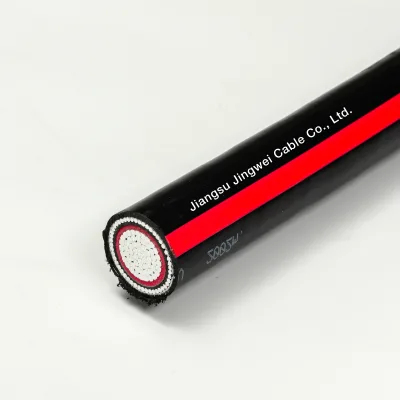
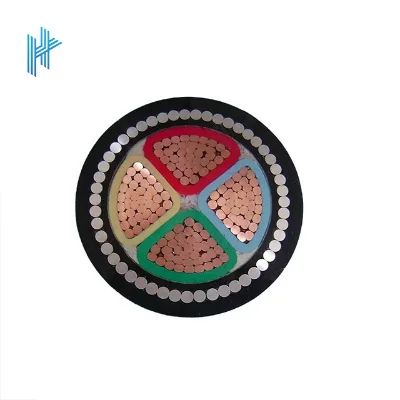
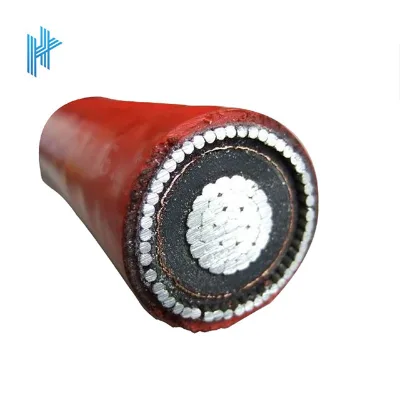
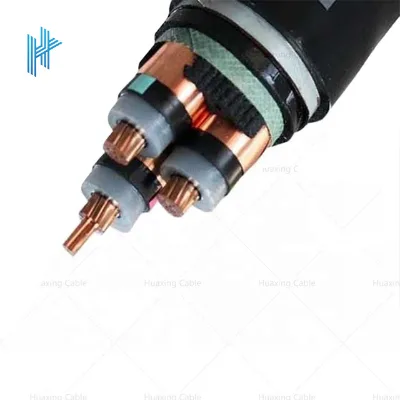
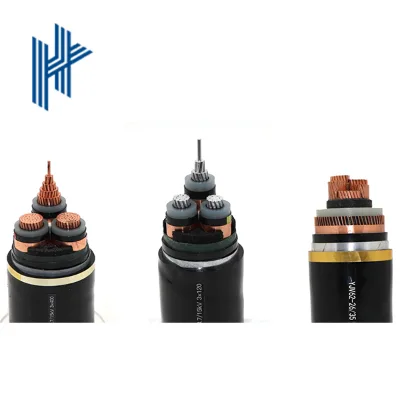
XLPE Insulated Steel Wire Armored Multi-core Electric Power Cable 6/10kV
$1.0261 - $5.1307
MOQ: 1 Minimum
Comprehensive Sourcing Guide
Armoured XLPE Insulated Power Cable Sourcing Guide
Procuring armoured XLPE insulated power cables requires a disciplined approach to technical verification and supplier qualification. These cables are engineered for demanding environments, combining the thermal stability of cross-linked polyethylene insulation with the mechanical protection of steel tape armor. Buyers must navigate a complex landscape of voltage ratings, conductor configurations, and regional standards to ensure the selected product meets specific project requirements. This guide provides a structured framework for evaluating listings, verifying technical parameters, and establishing robust commercial terms.
The sourcing process begins with a clear understanding of the product’s physical and electrical characteristics. Observed market data indicates a wide range of available configurations, from low-voltage underground applications to high-voltage overhead installations. Key variables include the number of cores, conductor material, and sheath composition. By focusing on these fundamental attributes, procurement teams can filter out irrelevant listings and identify suppliers who possess the manufacturing capability to deliver the precise specifications required for safe and efficient power distribution.
Product Scope and Observed Listing Signals
The market for armoured XLPE cables encompasses a diverse array of products tailored to different voltage levels and installation methods. Listings frequently highlight applications in construction, industrial facilities, power stations, and both underground and overhead networks. The core keyword suggests a focus on robust, mechanically protected cables, often featuring steel tape armor for enhanced durability. Buyers should observe that products are available in various core configurations, including single, two, three, four, and five cores, as well as combined configurations like 3+1 or 4+1, allowing for flexible system design.
Observed listing signals reveal significant variation in material composition and packaging. While XLPE is a common insulation material, the conductor material may be specified as bare copper or red copper wire, and the sheath is typically PVC. Packaging methods vary widely, ranging from wooden drums and pallets to steel-wooden drums and coils, which impacts logistics and handling costs. Additionally, some listings emphasize customization options for core, insulation, and jacket materials, indicating that many suppliers offer tailored solutions rather than just standard off-the-shelf products.
Technical Specifications to Verify
Verifying technical specifications is critical to ensuring the cable performs as intended under operational conditions. Buyers must confirm the rated voltage, which can range from low voltage (0.6/1 kV) to high voltage (up to 21/35 kV). The conductor type, whether solid or stranded, affects flexibility and installation ease, while the cross-sectional area, observed up to 1000 mm², determines current-carrying capacity. It is essential to verify that the steel tape armor is correctly specified for the expected mechanical stresses, such as burial depth or potential external impacts.
Further verification should include the cable’s ability to handle both AC and DC currents, as some applications may require specific electrical properties. The standard compliance, such as IEC, BS, NFC, ASTM, or CSA, must align with local regulatory requirements and project specifications. Buyers should also check the delivery time, which can be as short as 3-5 days for ready stock, or longer for custom orders. Confirming these details prevents mismatches between the ordered product and the actual installation needs, reducing the risk of project delays or safety hazards.
Compliance and Safety Documentation
Compliance with international and regional standards is non-negotiable for power cable procurement. Buyers must request and verify certification documents, with CCC, CE, ISO, and RoHS being commonly cited in the market. These certifications indicate that the manufacturer adheres to specific quality management, environmental, and safety protocols. For projects requiring specific regional standards, such as VDE for European markets or CSA for North America, buyers must explicitly confirm that the supplier can provide the necessary documentation and test reports.
Safety documentation should also include detailed material safety data sheets and compliance with environmental regulations, such as low carbon and energy-saving claims. Buyers should verify that the manufacturer conducts 100% testing on each drum, ensuring consistent quality and reliability. This rigorous testing process helps identify potential defects before the cable leaves the factory, reducing the risk of field failures. Additionally, confirming that the product origin is clearly stated, such as Hebei or Henan in China, aids in supply chain transparency and risk assessment.
Cost Drivers and Commercial Terms
Several factors influence the total cost of ownership for armoured XLPE cables, including raw material prices, manufacturing complexity, and logistics. Copper is a primary cost driver, with fluctuations in global copper prices directly impacting cable costs. The number of cores, conductor cross-section, and armor thickness also contribute to the final price. Buyers should note that observed price ranges can vary significantly, from as low as $0.01 to $999, depending on the specific configuration and order volume. Understanding these variables helps in budgeting and negotiating favorable terms.
Commercial terms, such as minimum order quantity (MOQ) and payment terms, are crucial for effective procurement. Observed MOQs range from 1 to 2000 units, offering flexibility for both small and large projects. Buyers should clarify whether the quoted price includes packaging, such as wooden drums or steel-wooden packages, and whether these costs are separate. Additionally, confirming the delivery time, whether for ready stock or custom production, is essential for project planning. Clear communication of these terms prevents unexpected costs and ensures timely delivery.
Supplier Qualification and Quality Control
Supplier qualification is a critical step in mitigating procurement risks. Buyers should assess the manufacturer’s production capabilities, including their ability to handle customization requests for core, insulation, and jacket materials. Observing that many suppliers offer OEM or ODM services indicates a level of flexibility and technical expertise. However, buyers must verify the supplier’s track record, including their experience in producing cables for specific applications like power stations or underground installations.
Quality control processes should be thoroughly evaluated, with a focus on testing protocols and inspection procedures. Buyers should confirm that the supplier conducts rigorous tests, such as 100% drum testing, to ensure product integrity. Additionally, verifying the supplier’s adherence to standards like IEC 60502, if applicable, is essential. Buyers should also inquire about the supplier’s ability to provide sample units for pre-production testing, allowing for a final verification of quality before committing to a large order.
Long-Term Procurement Checks
Long-term procurement success depends on establishing a reliable supply chain and maintaining consistent quality. Buyers should implement regular audits and performance reviews to ensure suppliers continue to meet specified standards and delivery timelines. Monitoring market trends for raw material price fluctuations allows for proactive budget adjustments and contract renegotiations. Building a strong relationship with qualified suppliers can lead to better pricing, priority production, and improved support during critical project phases.
Additionally, buyers should stay informed about evolving regulatory requirements and industry standards, ensuring that future procurements remain compliant. Regularly updating technical specifications and supplier qualifications helps adapt to changing project needs and technological advancements. By maintaining a disciplined approach to procurement, organizations can secure a steady supply of high-quality armoured XLPE cables, supporting the safe and efficient operation of their power distribution systems.
FAQs
What certifications are available for Armoured XLPE Insulated Power Cable?
These cables typically hold CCC, CE, ISO, RoHS, and VDE certifications. Such credentials ensure compliance with international safety and environmental standards. Buyers should verify specific certification requirements with the supplier before ordering to guarantee the product meets local regulatory mandates for construction and industrial applications.
Can the core configuration be customized for these power cables?
Yes, customization is available for the core, insulation, and jacket. Options include single, 2, 3, 4, 5, 3+1, 3+2, or 4+1 cores. This flexibility allows engineers to tailor the cable to specific project needs, ensuring optimal performance for underground, overhead, or power station installations.
What is the typical delivery time for ready stock items?
Ready stock items generally ship within 3 to 5 days. This rapid turnaround supports urgent construction and industrial projects. For non-stock items, lead times may vary based on customization and production schedules. Buyers should confirm availability and exact delivery windows with the supplier prior to finalizing the purchase order.
Which standards govern the manufacturing of these armoured cables?
Manufacturing follows standards such as IEC, BS, NFC, ASTM, and CSA, or as requested by the buyer. These standards ensure quality and safety for high and low voltage applications. The specific standard applied depends on the target market and project requirements, providing flexibility for global sourcing and compliance.
How are these cables packaged for safe transportation?
Cables are packaged in wooden drums, steel-wood drums, pallets, or rolls. This robust packaging protects the XLPE insulation and PVC sheath during transit. Proper packing ensures the cables arrive undamaged, ready for immediate installation in underground, overhead, or industrial settings without requiring additional protective measures.
What conductor materials are used in these power cables?
The conductors are made from bare copper or red copper wire. These materials offer excellent conductivity and durability for AC and DC applications. The stranded or solid conductor types are selected based on the specific voltage rating and mechanical requirements of the installation project.