Source air-cooled 2 stroke diesel engine for pumps, generators, and compressors
Explore 30 listings for air-cooled 2 stroke diesel engine options suitable for pumps, generators, and compressors. Compare specifications like power, weight, and starting systems from verified suppliers to find the right fit for your industrial needs; compare the available evidence and request quotations based on your requirements.
Updated
Key considerations
Products List


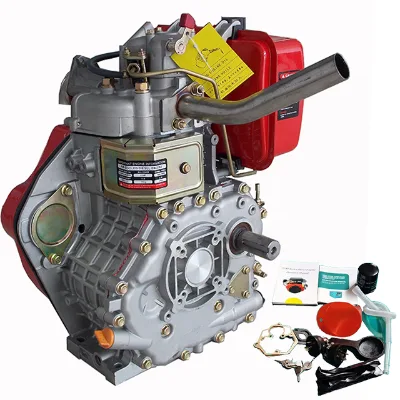
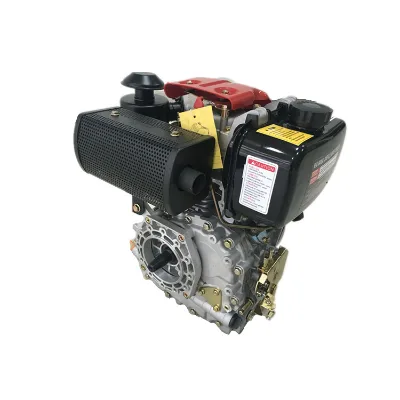
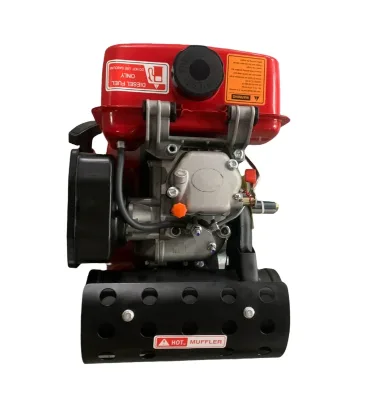
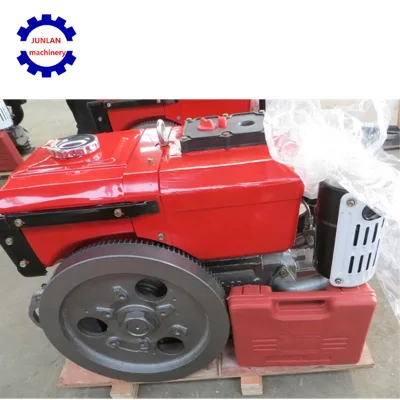


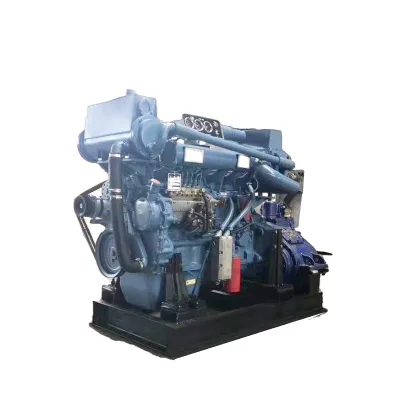
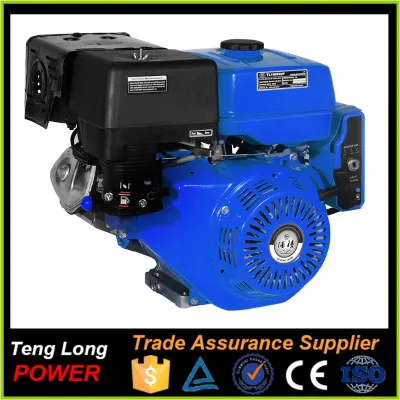

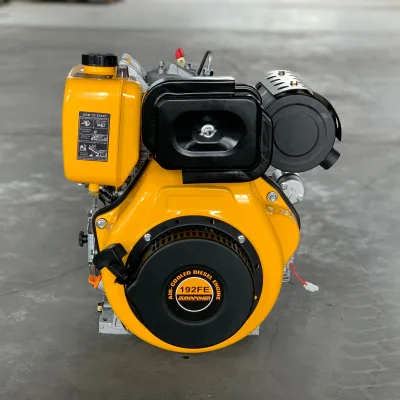

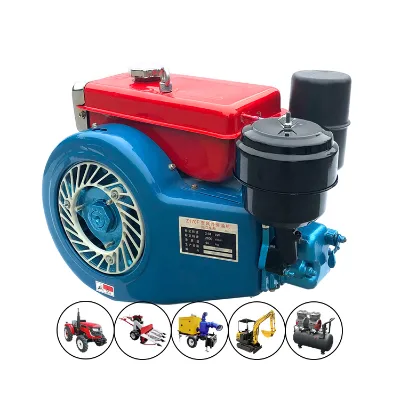
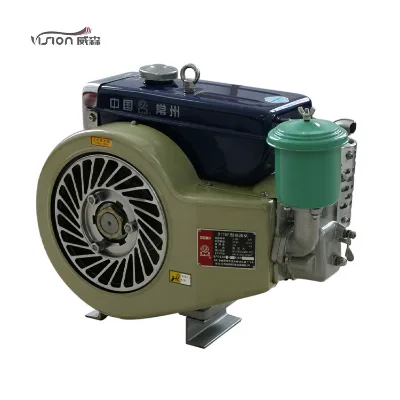
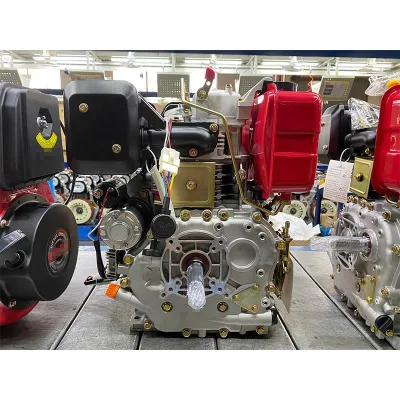
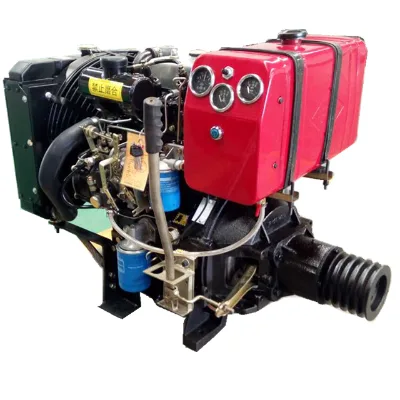
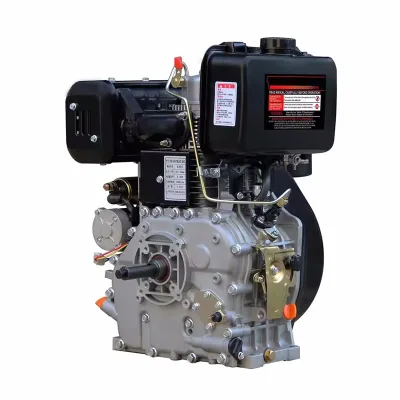
Comprehensive Sourcing Guide
Air-Cooled 2 Stroke Diesel Engine Sourcing Guide
Procuring air-cooled diesel engines requires careful attention to stroke configuration, as most industrial applications favor four-stroke designs for efficiency and emissions. The supplied data indicates a mix of products, including single-cylinder air-cooled units with electric or recoil start options. Buyers must verify if the specific engine meets their operational needs, as two-stroke diesel engines are less common in standard consumer applications due to higher fuel consumption and emission profiles.
The observed market includes engines with varying cylinder counts, from single to six-cylinders, with origins primarily in Jiangsu and Beijing, China. Key specifications such as bore, stroke, and compression ratio vary significantly across listings. For instance, some models feature a 20:1 compression ratio and air-cooling systems, while others are naturally aspirated. Understanding these technical distinctions is crucial for selecting the right power source for machinery, generators, or agricultural equipment.
Product Scope and Observed Listing Signals
The current market listings reveal a diverse range of diesel engines, with prices spanning from $73.99 to $6,145 USD. This wide variance suggests differences in power output, cylinder configuration, and brand positioning. Buyers should note that the minimum order quantity (MOQ) ranges from 1 to 20 sets, indicating flexibility for both small-scale procurement and larger industrial orders. The supply ability varies, with some suppliers offering up to 400 sets per day, while others provide 100 sets per month.
Product attributes highlight specific features such as electric start, recoil start, and air-cooling systems. The observed models include single-cylinder and four-cylinder configurations, with some explicitly labeled as four-stroke. However, the core keyword suggests a focus on two-stroke engines, which may require specific verification against the listed four-stroke models. Buyers must carefully cross-reference the engine type to ensure it matches their technical requirements, as misidentification can lead to compatibility issues with existing machinery.
Technical Specifications to Verify
When evaluating air-cooled diesel engines, critical parameters include displacement, rated power, and fuel consumption. The supplied data shows models with displacements around 0.211L and rated powers of 3.4hp to 3.8hp. Fuel consumption rates are listed at approximately 275g/kWh, which is a key metric for operational cost estimation. Buyers should verify the bore and stroke dimensions, such as 70*55mm, to ensure compatibility with specific engine mounts and cooling requirements.
Additional technical details include the starting system, which can be electric or recoil, and the cylinder arrangement, which may be L-shaped or inline. The compression ratio is a vital specification, with some models operating at 20:1. Buyers must also check the lube oil capacity, such as 0.75L, and the fuel tank capacity, which is 2.5L in some listings. These specifications directly impact maintenance intervals and operational efficiency, making accurate verification essential for long-term reliability.
Compliance and Safety Documentation
Compliance with international standards is crucial for importing diesel engines, particularly for emissions and safety. The supplied context mentions certifications such as ISO9001, ISO14001, and CE, which indicate adherence to quality and environmental management systems. Buyers should request valid certification documents to verify that the engines meet the regulatory requirements of their destination country. Non-compliant engines may face customs delays or legal penalties.
Safety documentation should include detailed user manuals, maintenance guides, and warranty terms. The observed warranty period is typically one year, which provides a baseline for supplier accountability. Buyers must ensure that the engines are brand new and come with clear packaging details, such as standard export carton boxes or wooden cases. Proper documentation ensures that the engines can be safely installed and operated, reducing the risk of accidents or premature failure.
Cost Drivers and Commercial Terms
Several factors influence the final cost of air-cooled diesel engines, including brand, cylinder count, and customization options. The observed price range reflects these variables, with higher-end models featuring multiple cylinders or advanced features commanding premium prices. Buyers should consider the total cost of ownership, including fuel efficiency and maintenance requirements, rather than just the initial purchase price. Customization availability can also impact cost, as tailored specifications may require additional manufacturing steps.
Commercial terms such as MOQ, lead time, and payment terms are critical for budgeting and planning. The supplied data indicates an MOQ of 1 set for some suppliers, offering flexibility for small orders. However, larger orders may benefit from volume discounts. Buyers should negotiate clear terms regarding shipping, including the port of dispatch, which is often Shanghai. Understanding these commercial aspects helps in avoiding hidden costs and ensuring smooth transaction processes.
Supplier Qualification and Quality Control
Supplier qualification is essential to ensure the reliability and consistency of the diesel engines. Buyers should verify the supplier’s production capacity, such as the annual yield of 15,000 sets per year, to assess their ability to meet demand. Quality control processes, including factory audits and product inspections, should be part of the due diligence. Suppliers with established certifications like ISO9001 are more likely to maintain consistent quality standards.
Communication and support are also key indicators of supplier reliability. Buyers should evaluate the supplier’s responsiveness to technical queries and their ability to provide after-sales support. The observed supply ability of 100 sets per month or 400 sets per day indicates varying production scales. Buyers must ensure that the supplier can deliver on time and provide necessary documentation, such as bills of lading and certificates of origin, to facilitate smooth customs clearance.
Long-Term Procurement Checks
Long-term procurement success depends on continuous monitoring of supplier performance and product quality. Buyers should establish key performance indicators (KPIs) such as defect rates, delivery times, and customer satisfaction scores. Regular audits and feedback loops help identify potential issues early, allowing for corrective actions before they impact operations. Maintaining a relationship with multiple suppliers can also mitigate risks associated with supply chain disruptions.
Future-proofing the procurement strategy involves staying updated on technological advancements and regulatory changes in the diesel engine industry. Buyers should consider the availability of spare parts and the supplier’s commitment to product improvement. The observed customization options suggest that suppliers can adapt to changing market needs. By focusing on long-term partnerships and continuous improvement, buyers can ensure a stable and efficient supply of air-cooled diesel engines for their operations.
FAQs
What is the weight of the KOOP air-cooled diesel engine?
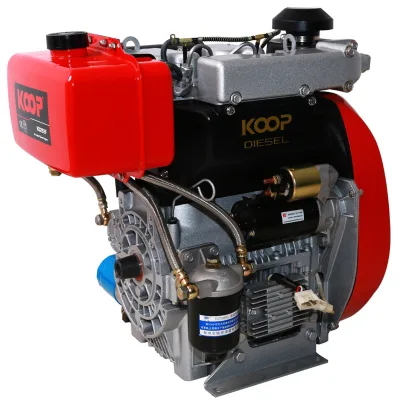
The KOOP air-cooled diesel engine weighs 78 kilograms. This specific model features a single cylinder and four-stroke design. It is manufactured in Jiangsu, China, and ships from Shanghai Port. The unit includes a one-year warranty and standard export carton packaging for safe transit.
Can I find air-cooled diesel engines with electric start options?
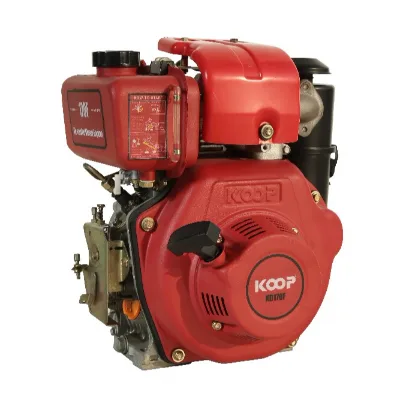
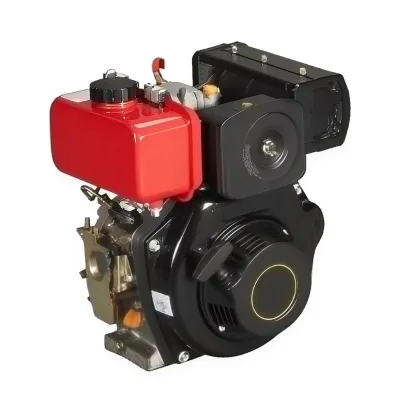
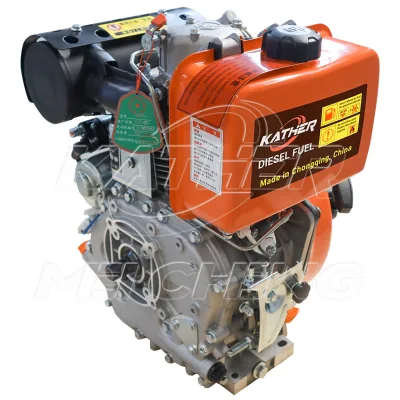
Yes, electric start options are available for air-cooled diesel engines. The KD170F and KD170FE models offer both recoil and electric starting systems. These engines have a displacement of 0.211L and a fuel tank capacity of 2.5L. They are suitable for applications requiring reliable ignition in various operational environments.
What certifications do the Beinei diesel engines hold?
Beinei diesel engines hold ISO9001, ISO14001, and CE certifications. These standards ensure quality management and environmental compliance. The engines are brand new and feature a four-stroke combustion design. They are manufactured in Beijing, China, and come with a one-year warranty for buyer assurance and long-term reliability.
What is the supply ability for the KD292F engine?
The supply ability for the KD292F engine is 100 sets per month. This model is a single-cylinder, air-cooled diesel engine with a 78KG weight. It is packaged in standard export carton boxes. The manufacturer offers a one-year warranty and ships from Shanghai Port, ensuring consistent availability for buyers.
Which air-cooled diesel engines have four-cylinder configurations?
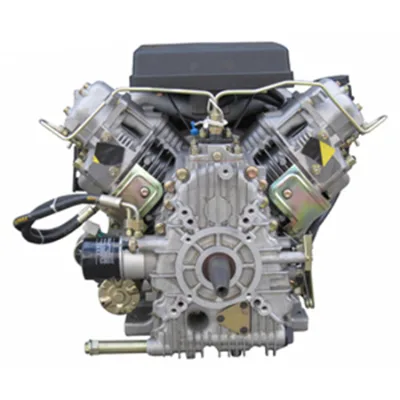
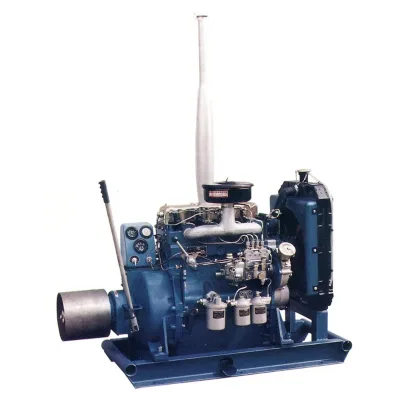
The Beinei F4L913 model features a four-cylinder configuration. It is a naturally aspirated, compression-ignition engine with a low-speed design. The unit weighs 310KG and is packaged in a wooden case. It is manufactured in Beijing, China, and offers customization options for specific industrial requirements and applications.
What is the MOQ for sourcing air-cooled diesel engines?
The minimum order quantity for sourcing these engines is one set. This applies to models like the KD292F and Beinei F4L913. Buyers can order single items for testing or small-scale deployment. The supplier offers a supply ability of up to 400 sets per day for certain models, ensuring flexible procurement options.