Source Anti-Breathable Floor Socks for Yoga, Running, and Daily Life
Compare 30 listings of anti-bacterial breathable floor socks from Zhejiang suppliers. Buyers can evaluate features like moisture wicking, anti-slip properties, and customization options for yoga, running, and daily life activities; compare the available evidence and request quotations based on your requirements.
Updated
Key considerations
Products List
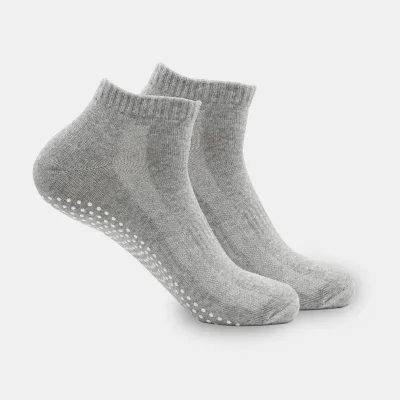
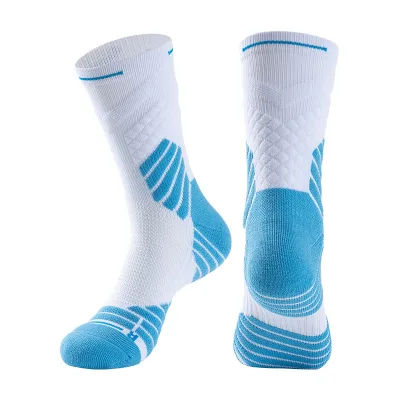
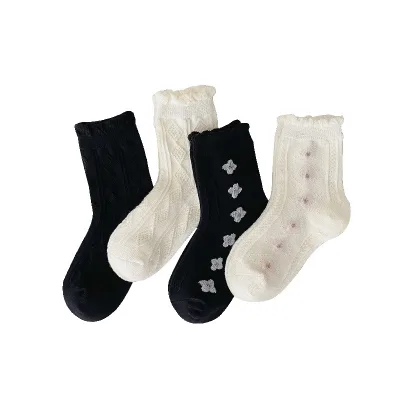


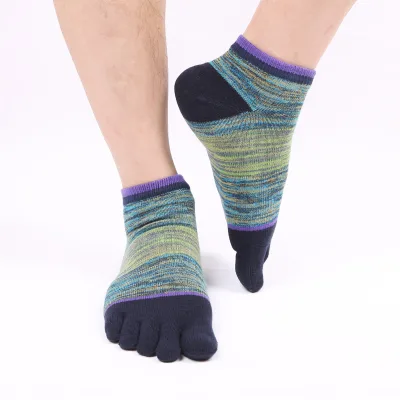
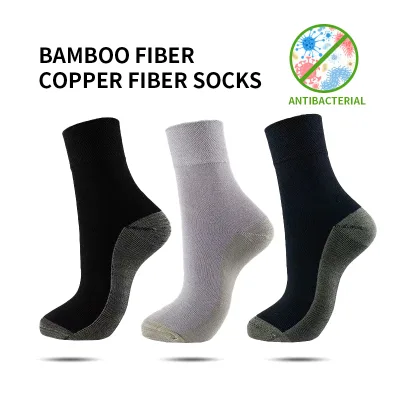
Premium Custom Cotton Ankle Socks for Men - Breathable and Anti-Bacterial
$0.60 - $2.00
MOQ: 200 Pairs


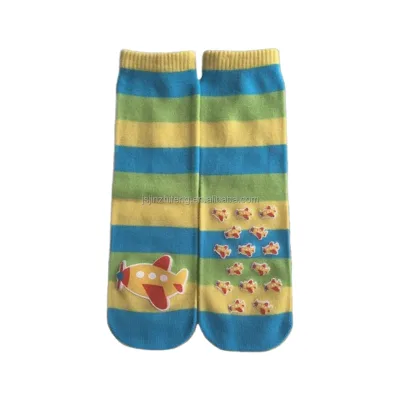

Comprehensive Sourcing Guide
Anti-Bacterial Breathable Floor Socks Sourcing Guide
Procuring anti-bacterial breathable floor socks requires a nuanced understanding of material composition and functional design, particularly when targeting specific use cases like yoga, daily life, or athletic activities. The observed market data indicates a diverse range of product attributes, with materials varying from nylon and cotton blends to polyester and spandex mixes. Buyers must carefully evaluate these material choices against their specific performance requirements, such as moisture-wicking capabilities or elasticity, to ensure the final product meets the intended use case. The presence of features like breathability and anti-bacterial properties suggests a focus on hygiene and comfort, which are critical for floor socks that are worn directly against the skin for extended periods.
Furthermore, the sourcing landscape includes various customization options, including logo placement on the cuff, body, or bottom, as well as the header card. This flexibility allows brands to create unique product identities while maintaining functional integrity. However, the variability in product specifications, such as thickness ranging from standard to thickening and sizes from M/L to specific numerical ranges like 10-13, necessitates a rigorous verification process. Buyers should prioritize suppliers who offer clear technical documentation and consistent quality control measures to mitigate the risks associated with these diverse product variations.
Product Scope and Observed Listing Signals
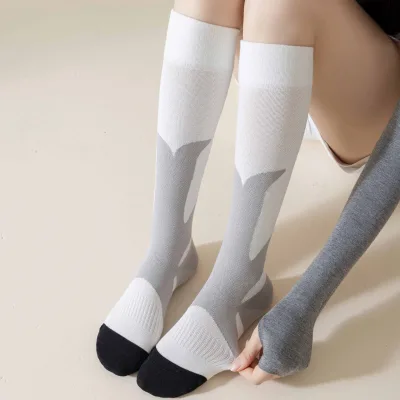
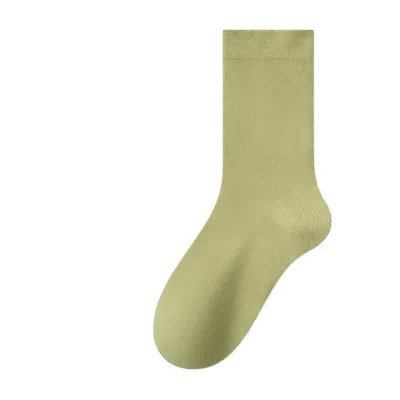
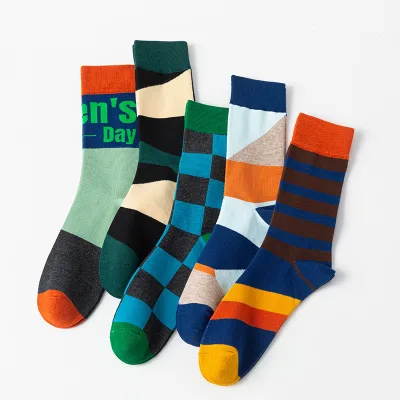
The current market signals reveal a broad spectrum of product types, including ankle socks, stockings, and regular styles, catering to both unisex and adult demographics. Key attributes observed include solid pattern types and a variety of colors such as black, white, gray, and silver. The supply type is predominantly OEM service, indicating that many manufacturers are equipped to handle custom orders, which is essential for brands seeking private label solutions. The origin of these products is largely concentrated in Zhejiang, China, a region known for its textile manufacturing capabilities, which can offer competitive pricing and efficient logistics for international buyers.
Seasonal variations are also evident, with products listed for summer, spring, autumn, and winter, suggesting that manufacturers produce inventory year-round to meet diverse demand cycles. The activity tags associated with these socks include basketball, running, yoga, soccer, and casual wear, highlighting their versatility across different lifestyle segments. Buyers should note that while many products claim features like anti-slip and quick-dry properties, the actual performance can vary based on the specific knitting techniques and material blends used. It is crucial to request samples to verify these claims, especially for products intended for high-intensity activities where performance reliability is paramount.
Technical Specifications to Verify
When evaluating technical specifications, buyers must pay close attention to the material composition, which significantly impacts the sock's durability and comfort. Common materials observed include nylon, cotton, polyester, and spandex, each offering distinct benefits such as breathability, elasticity, and moisture management. The knitting techniques, primarily knitted, contribute to the overall structure and fit of the sock, with thickness levels ranging from standard to thickening. Buyers should verify the exact percentage of each material in the blend to ensure it aligns with their quality standards, particularly for products claiming anti-bacterial or eco-friendly properties.
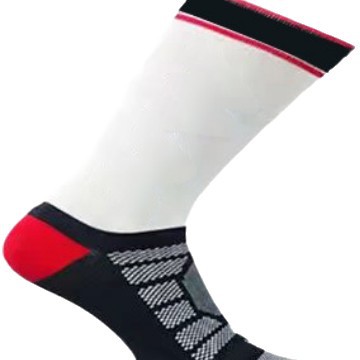
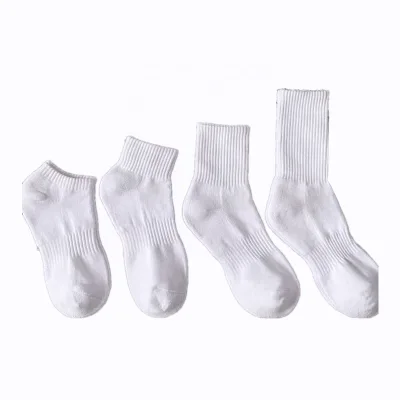
Additionally, the size specifications vary, with options including M/L, 9-11, and 10-13, which requires careful alignment with target market demographics. The height of the socks, described as low, middle, or crew, also plays a crucial role in the product's functionality and aesthetic appeal. Buyers should confirm the single volume and gross weight to ensure consistency in packaging and shipping costs. It is also important to verify the printing methods available, such as digital print, silk screen, or discharge printing, to ensure that custom designs can be executed with high quality and durability, especially for branded products.
Compliance and Safety Documentation
Compliance and safety are critical considerations when sourcing floor socks, particularly those marketed with anti-bacterial or eco-friendly claims. Buyers should request documentation that verifies the anti-bacterial properties, such as test reports from accredited laboratories, to ensure that the claims are substantiated and not merely marketing hype. Similarly, eco-friendly certifications should be validated through recognized standards, ensuring that the materials and production processes meet environmental sustainability criteria. The needle detection feature, observed in some listings, is a crucial safety measure that helps prevent physical hazards in the final product, and buyers should confirm that this process is consistently applied during manufacturing.
Furthermore, buyers must ensure that the products comply with relevant safety standards for textiles in their target markets, including restrictions on harmful substances and flammability requirements. The product codes observed, such as 659990000 and 6115950000, may relate to specific customs classifications, which can impact import duties and regulatory requirements. Buyers should work with suppliers who are transparent about their compliance status and can provide necessary documentation, such as material safety data sheets and test reports, to facilitate smooth customs clearance and market entry.
Cost Drivers and Commercial Terms
Cost drivers for anti-bacterial breathable floor socks include material costs, labor, and customization requirements. The observed price range of $0.35 to $5 USD reflects the variability in quality, material composition, and order volume. Buyers should consider the impact of MOQs, which range from 2 to 1000 units, on the unit price, as larger orders typically benefit from economies of scale. The customization options, such as logo placement and printing methods, can also influence the final cost, with more complex designs requiring additional setup and production time.
Commercial terms, including payment methods, shipping terms, and lead times, are essential factors in the procurement process. Buyers should negotiate clear terms that protect their interests, such as quality guarantees and return policies for defective products. The weight of the products, ranging from 150g to 288g, can impact shipping costs, so buyers should optimize packaging and logistics to minimize expenses. It is also important to consider the supplier's location, with Zhejiang, China, being a common origin, which may offer competitive shipping rates due to established logistics networks.
Supplier Qualification and Quality Control
Supplier qualification is a critical step in ensuring the reliability and consistency of anti-bacterial breathable floor socks. Buyers should assess suppliers based on their production capacity, quality control processes, and ability to meet customization requirements. The observed supply type, OEM service, indicates that many suppliers are capable of handling custom orders, but buyers should verify their experience and track record in producing similar products. Quality control measures, such as needle detection and material testing, should be clearly defined and consistently applied to ensure product safety and performance.
Buyers should also evaluate the supplier's communication and responsiveness, as these factors can impact the overall procurement experience. Clear and frequent communication is essential for addressing any issues that may arise during production or shipping. Additionally, buyers should consider the supplier's ability to provide samples and conduct factory audits to verify their claims. Establishing a strong relationship with a qualified supplier can lead to better pricing, improved quality, and more reliable delivery times, ultimately contributing to the success of the procurement project.
Long-Term Procurement Checks
Long-term procurement checks involve continuous monitoring of supplier performance and product quality to ensure ongoing satisfaction. Buyers should establish key performance indicators (KPIs) to track metrics such as on-time delivery, defect rates, and customer feedback. Regular audits and quality checks should be conducted to identify any potential issues early and implement corrective actions. The variability in product specifications, such as size and thickness, requires careful management to ensure consistency across orders, particularly when scaling up production.
Furthermore, buyers should stay informed about market trends and regulatory changes that may impact the sourcing of floor socks. This includes monitoring developments in material technologies, sustainability standards, and consumer preferences. By maintaining a proactive approach to procurement, buyers can mitigate risks, optimize costs, and ensure that their products remain competitive in the market. Building a resilient supply chain requires ongoing effort and collaboration with suppliers, but the benefits of a reliable and high-quality product line are significant for long-term business success.
FAQs
What materials are used in these anti-bacterial breathable floor socks?
The listed floor socks are made from nylon or cotton blends, polyester, and spandex with cotton. The knitted construction supports breathability, and the anti-bacterial and breathable features are listed product attributes. Since material compositions can vary between individual listings, buyers should confirm the exact blend for each model before ordering samples.
How can I customize the logo on anti-bacterial breathable floor socks?
Yes, customization is available through the OEM service offered by these suppliers. Logo placement options include the cuff, body, bottom, and header card, with printing methods such as digital print, silk screen printing, discharge printing, foil print, and sublimation transfer. Provide your artwork and logo position preference so factories can quote customization accurately.
What sizes are available for these floor socks?
Listed sizes include M and L, with size standards of 10-13 and 9-11 also shown on product pages. The socks are for adults and designed as a unisex product. Because sizing can differ between models and thickness levels, request a size specification sheet or sample pairs before confirming bulk production quantities.
Which activities are these anti-bacterial breathable floor socks suitable for?
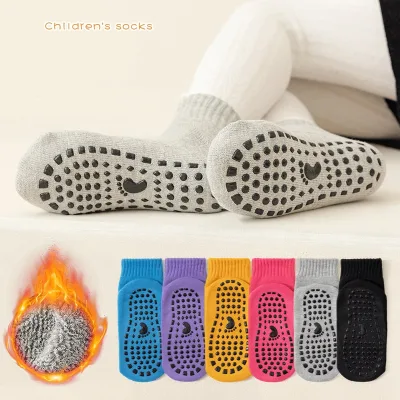
The listed socks cover basketball, running, yoga, soccer, cycling, tennis, dance, hiking, volleyball, ballet, horse riding, and daily casual use. Features such as anti-slip soles, moisture wicking, quick dry, and sweat absorption make them practical for indoor floor activities like yoga and dance. Confirm the specific feature set for each model when comparing listings.
How should I choose between low, middle, and crew heights?
Height options on the listings include low, middle, and crew. Low-cut ankle styles suit yoga, dance, and casual wear where minimal coverage is preferred. Middle and crew heights give more coverage for sports or winter use. Match the height to your activity and season, and ask suppliers which models are available in each height before ordering.
What packaging can I expect when ordering these socks?
The listed packing method is carton packaging, and logos can be printed on a header card as part of customization. Selling units are single items, and some listings show weights around 150g or 288g per unit. Confirm carton dimensions, packing quantity per carton, and header card design requirements with the factory before shipment is arranged.
Can I get a sample before placing a bulk order?
Yes, most OEM sock suppliers on these listings work with sample orders first, and minimum order quantities on the listings range from 2 to 1000 units depending on the product. Order samples to verify breathability, anti-bacterial treatment, thickness, and sizing. Sample cost and lead time should be confirmed directly with the supplier for your chosen model.
What needle detection and quality checks apply to these socks?
Needle detection is listed as a standard check on these products, which helps ensure no broken needle fragments remain from the knitting process. Additional features like snagging resistance and anti-foul are also listed. For bulk orders, ask the factory to describe its inspection process and whether third-party inspection before shipment is possible for your order.