Lace Fishnet Knee High Stockings Suppliers and Manufacturers
Explore 26 verified suppliers offering Lace Fishnet Knee High Stockings with OEM services and GRS certification. Compare response times, lead times, and MOQs to find the right partner for your order; review the available evidence before requesting comparable quotations from suitable candidates.
Updated
Suppliers List
Hangzhou Fishjumping Industry Co., Ltd.
- Verified by Intertek
- Manufacturer, Trading Company
- Lead time30 days
- Avg. response≤ 3h
Main productsSports Socks, Compression Socks, Yoga Pants, Tights, Pantyhose
Main marketsNorth America(65%), Eastern Europe(14%), Eastern Asia(6%)
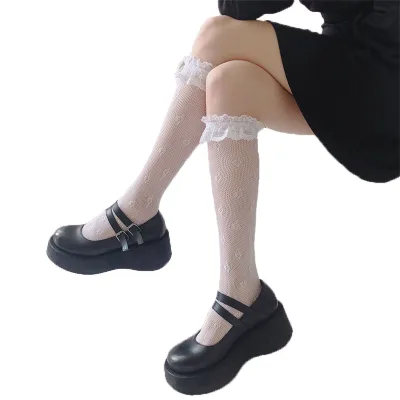
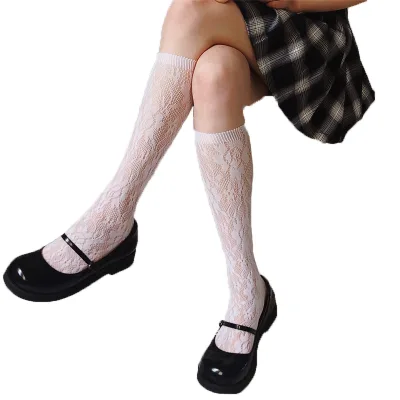
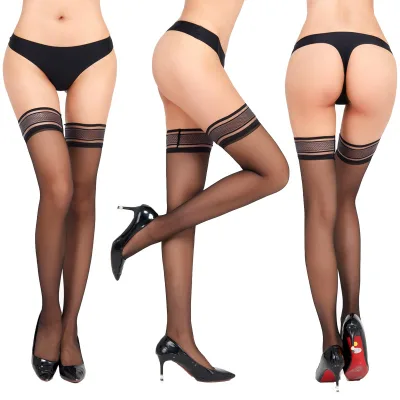
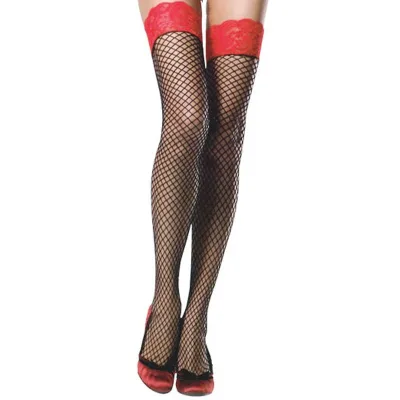
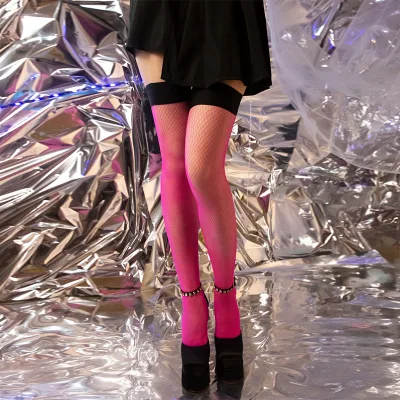
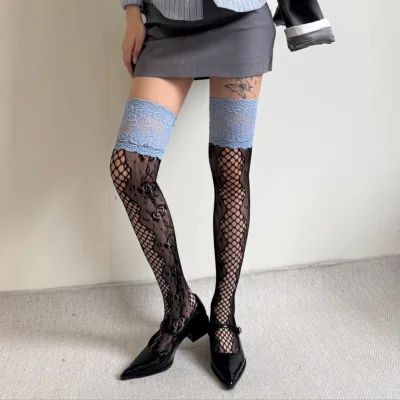
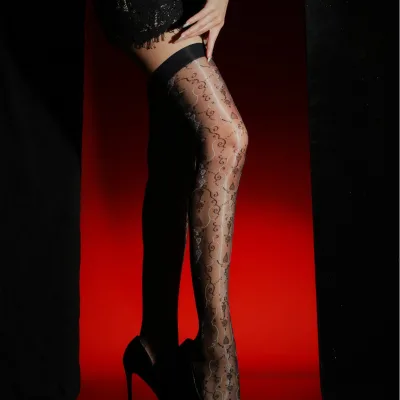
Summer Floral Women Lace Stockings Girls Knee High Fishnet Stockings Socks
$1.15 - $1.36
MOQ: 20 pairs

QUANZHOU VEKEDUO SUPPLY CHAIN MANAGEMENT CO.,LTD
- Verified by SGS
- Trading Company
- China Fujian
- Lead time30 days
- Avg. response≤ 7h
Main productsNon-Woven Bags, Apparel, Stationery, Resin Crafts, Stuffed Toys, Sport Products, Textile, Inflatable Toy
Main marketsSoutheast Asia/ Mideast,East Asia(Japan/ South Korea),Europe,North America
Jiangsu Huayi Knitting Co., Ltd.
- Verified by TüVRheinland
- Manufacturer, Trading Company
- Lead time15 days
- Avg. response≤ 5h
Main productsFishnet Stockings, Disposable Fishnet Pants, Fishnet Clothes, Fishnet Pants, Women's Skirts
Main marketsDomestic Market(60%), North America(8%), Africa(6%)
Yiwu Xingyue Knitting Co., Ltd.
- Trading Company
- Zhejiang, China
- Lead time0 days
- Avg. response≤ 5h
Main productsPantyhose,Fishnet,Stockings,Leggings,yoga pants
Main marketsNorth America(25.00%), Eastern Europe(15.00%), Eastern Asia(10.00%), Mid East(10.00%), Africa(10.00%), Southeast Asia(10.00%), Western Europe(10.00%), South Asia(5.00%), South America(5.00%)
Yiwu Zhuzhuan Knitting Co., Ltd.
- Manufacturer, Trading Company
- Zhejiang, China
- Lead time0 days
- Avg. response≤ 3h
Main productsWomen tight,pantyhose,shaper wear,fashion socks,stocking
Main marketsNorth America(30.00%), Domestic Market(12.00%), Central America(10.00%), Eastern Asia(10.00%), Northern Europe(10.00%), Eastern Europe(10.00%), Western Europe(5.00%), Mid East(5.00%), Southern Europe(2.00%), Africa(2.00%), South America(1.00%), South Asia(1.00%), Oceania(1.00%), Southeast Asia(1.00%)
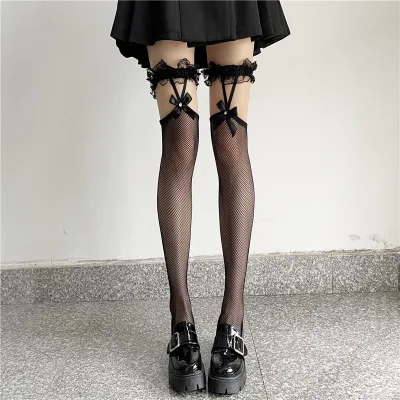
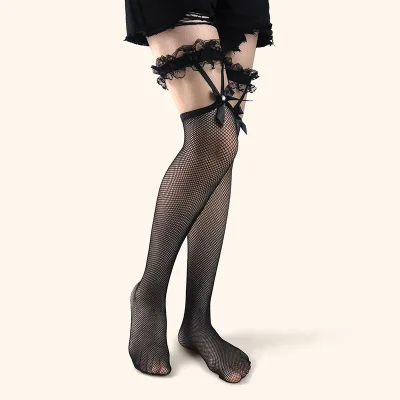
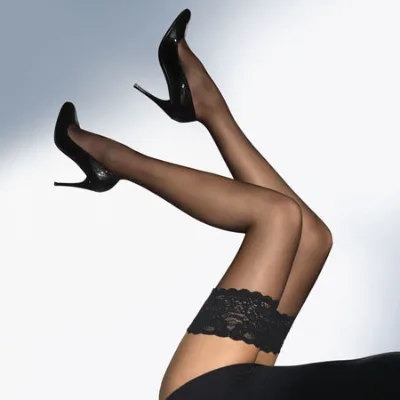
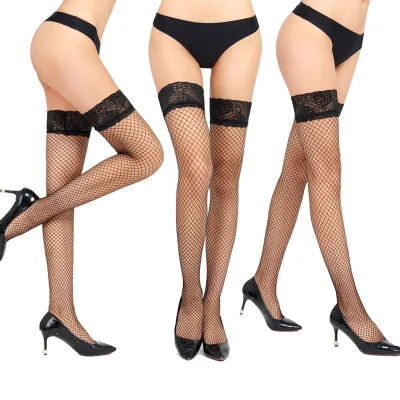
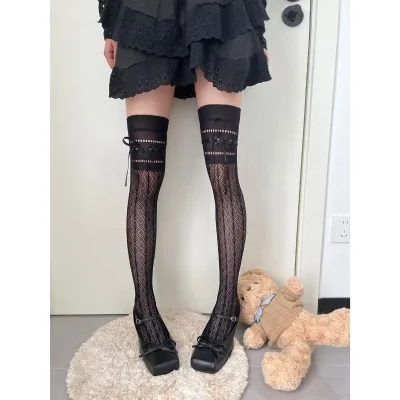
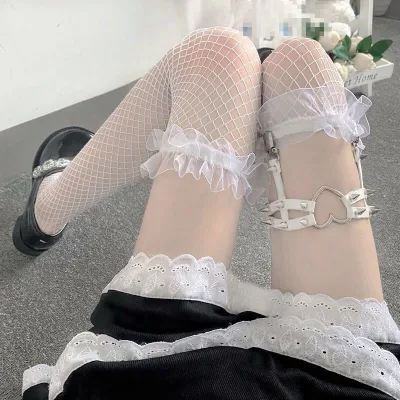
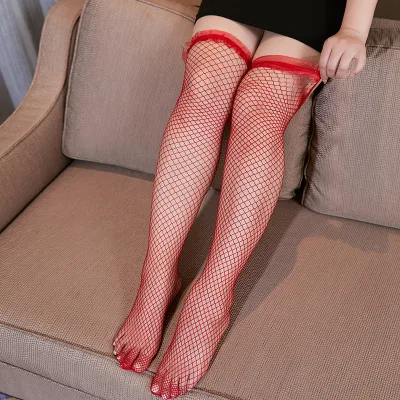
Low MOQ New Fashion Sexy Girls Over the Knee Socks Sexy Women Thigh High Fishnet Stockings
$0.8314 - $0.9962
MOQ: 3 pairs
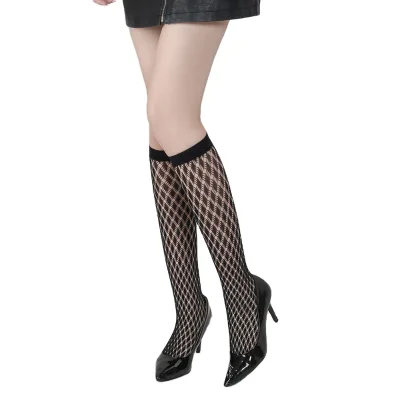
$0.55 - $0.89
MOQ: 20 pieces
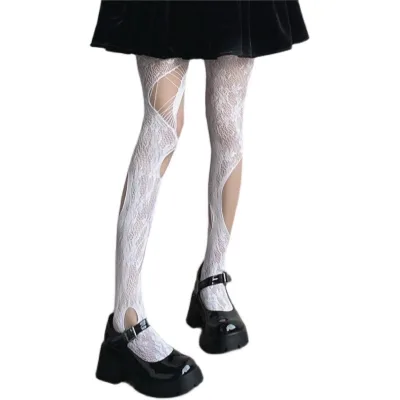
$0.70 - $0.95
MOQ: 2 Minimum

Ningbo Youkiunite Imp &Exp Co., Ltd
- Verified by CTI
- Trading Company
- China Zhejiang
- Lead time15 days
- Avg. response≤ 6h
Main productsSocks, Hat/Cap, Slippers, Shoelaces, Scarf, Gloves, Pet Products, Shoes Accessories, Garment Accessories, Shoes
Main marketsSouth America,Europe,North America
Shijiazhuang Followmee Trade Co., Ltd.
- Trading Company
- Hebei, China
- Lead time15 days
- Avg. response≤ 2h
Main productsFashion keychain,Clothing and Accessories,Fashion Sock sand Gloves,Fur balls & Tassels,Fur Product Accessories
Main marketsNorth America(40.00%), South America(15.00%), Northern Europe(7.00%), Southern Europe(7.00%), South Asia(7.00%), Africa(7.00%), Southeast Asia(7.00%), Eastern Europe(7.00%), Western Europe(2.00%), Eastern Asia(1.00%)

Sungnan Import & Export Co., Ltd.
- Verified by TUVRHEINLAND
- Combined
- China Zhejiang
- Lead time30 days
- Avg. response≤ 6h
Main productsScarf, Socks, China Scarf, Leggings, Hats, Bags, Gloves
Main marketsNorth America
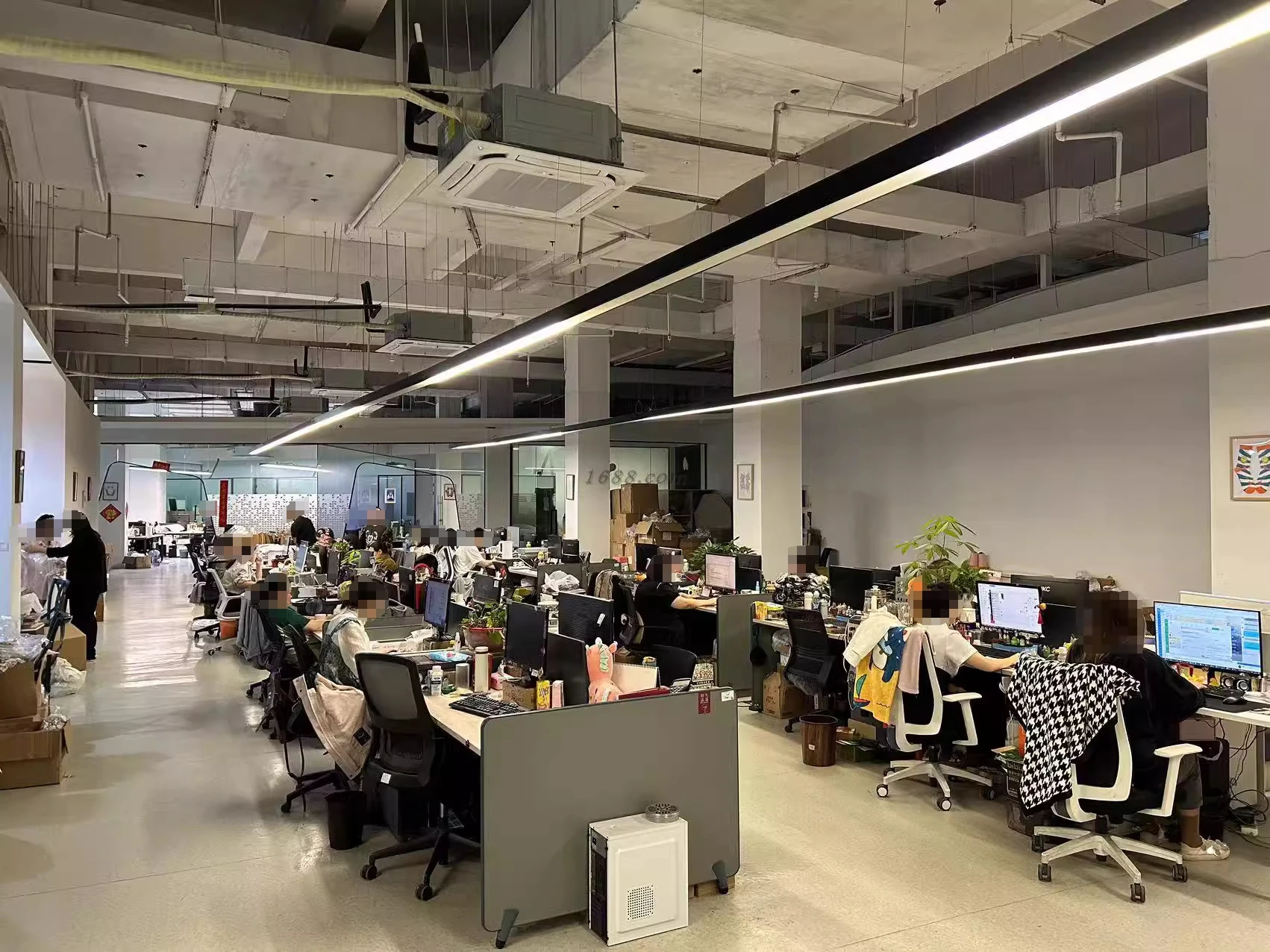
Zhuji Longyikairui Import & Export Co., Ltd.
- Trading Company
- Zhejiang, China
- Lead time45 days
- Avg. response≤ 6h
Main productssocks,pantyhoses,leggings,clothes,OEM/ODM
Main marketsNorth America(49.00%), South America(36.00%), Southeast Asia(13.00%), Northern Europe(2.00%)

Sichuan Chenhai International Trade Co., Ltd.
- Trading Company
- China Sichuan
- Lead time0 days
- Avg. response≤ 4h
Main productsSocks, Lingerie
Xinxiang Chunxiu Trading Co., Ltd.
- Trading Company
- Henan, China
- Lead time0 days
- Avg. response≤ 2h
Main productsLadies underwear,Bras,underpants,Large women's underwear,Women's sexy lingerie
Main marketsSoutheast Asia(40.00%), North America(40.00%), Domestic Market(20.00%)

- Verified by CTI
- Trading Company
- China Anhui
- Lead time23 days
- Avg. response≤ 2h
Main productsFurniture, Home Furniture
Main marketsSoutheast Asia/ Mideast
Yiwu Donghong Knitting Co., Ltd.
- Manufacturer, Trading Company
- Lead time旺季: "1 - 1000":15,"> 1000":"To be negotiated", 淡季: "1 - 1000":15,"> 1000":"To be negotiated"
- Avg. response≤ 11h
Main productsSocks, Shin Pads
Tiantai County Yipin Clothing Co., Ltd.
- Manufacturer, Trading Company
- Zhejiang, China
- Lead time15 days
- Avg. response≤ 5h
Main productsPantyhose, Body Stocking, Sexy Stocking, Underwear
Main marketsDomestic Market(40.00%), North America(15.00%), South America(15.00%), Africa(10.00%), Eastern Europe(10.00%), Southern Europe(5.00%), Northern Europe(5.00%)
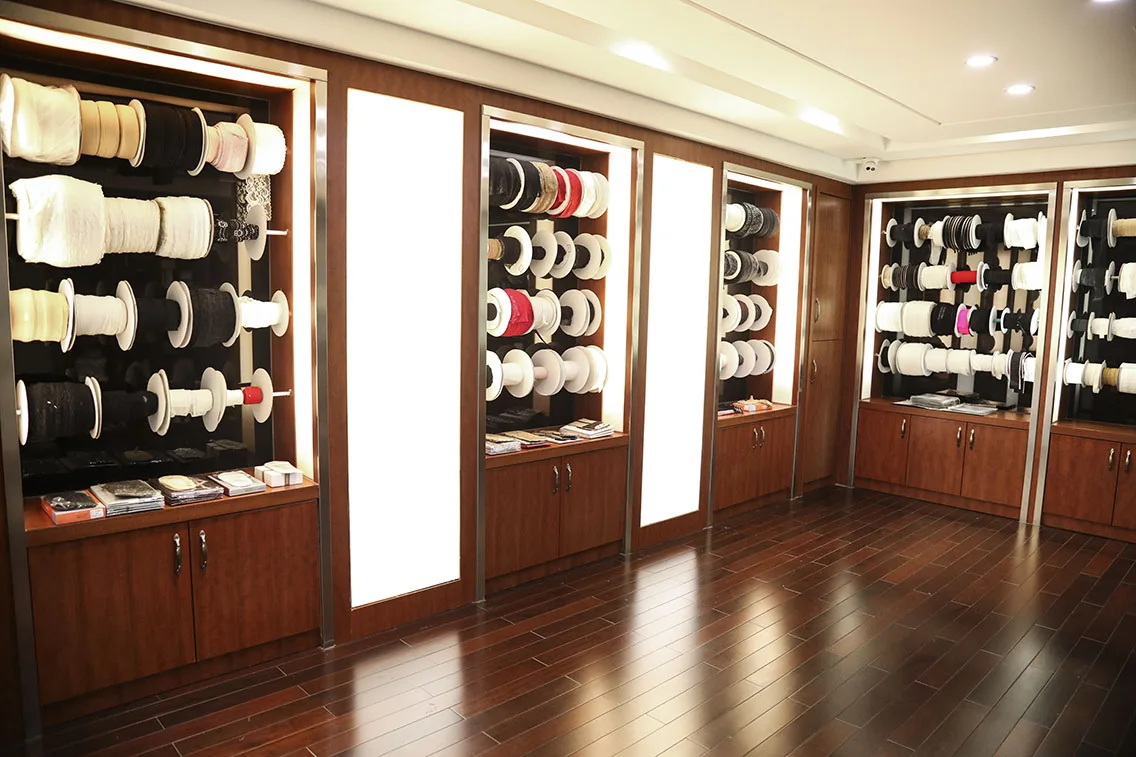
Xinchang County Yongjia Textile Co., Ltd.
- Manufacturer, Trading Company
- Zhejiang, China
- Lead time45 days
- Avg. response≤ 5h
Main productsElastic Band,Webbing,Stocking,Pantyhose,Lace trim
Main marketsEastern Europe(50.00%), North America(50.00%)
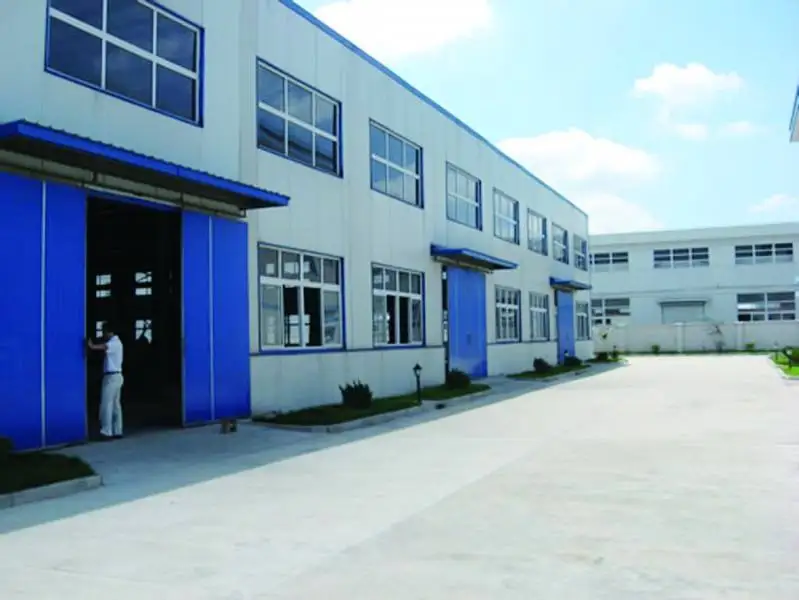
- Trading Company
- Zhejiang, China
- Lead time0 days
- Avg. response≤ 4h
Main productskeychain,bag charm,keyring,phone charm,stockings
Main marketsNorth America(40.00%), Western Europe(20.00%), Northern Europe(20.00%), Eastern Europe(10.00%), Eastern Asia(5.00%), Mid East(2.00%), South Asia(1.00%), South America(1.00%), Central America(1.00%)

Zhuji Dongling Knitting & Textile Co., Ltd.
- Combined
- China Zhejiang
- Lead time30 days
- Avg. response≤ 9h
Main productsSocks, Man Socks, Lady Socks, Sport Socks, Baby & Kids Socks, Tights, Wristband, Non-Slip Socks, Mobile Phone Pouch, Hiking Socks
Main marketsAfrica,Europe,North America

Shenzhen Weixi Chuang Industrial Co., Ltd.
- Verified by SGS
- Trading Company
- China Guangdong
- Lead time15 days
- Avg. response≤ 5h
Main productsDress, T-Shirt, Lingerie, Sport Wear, Sleepwear, Corset, Underwear, Pajamas, Bra, Bathrobe
Main marketsNorth America

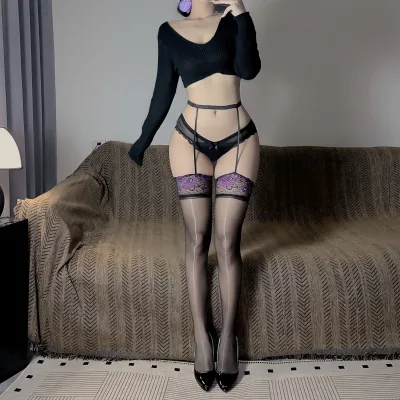
Summer Sexy Viral Lace Over-The-Knee Socks Pantyhose Women Sexy Fishnet Stockings
$0.59 - $0.99
MOQ: 50 Sets


Long Stockings Women Anti-Snag Base Layer Socks Sexy Lace Leg Beauty Pantyhose
$1.69 - $2.29
MOQ: 50 Sets

Zhejiang Junchao Knitting Hosiery Co., Ltd.
- Manufacturer, Trading Company
- Zhejiang, China
- Lead time15 days
- Avg. response≤ 5h
Main productsStockings; Pantyhose; Arm Sleeves; Women Underwear; Kids Pantyhose,Arm Sleeve
Main marketsEastern Asia(23.00%), North America(21.00%), South America(8.00%), Southeast Asia(8.00%), Northern Europe(8.00%), Domestic Market(6.00%), Southern Europe(6.00%), Eastern Europe(6.00%), Western Europe(5.00%), Central America(3.00%), Mid East(2.00%), Oceania(2.00%), Africa(1.00%), South Asia(1.00%)

- Verified by BV
- Combined
- China Zhejiang
- Lead time30 days
- Avg. response≤ 11h
Main productsMen Sock, Baby Clothes, Baby Products, Baby Romper, Sock, Baby Bibs, Cotton Socks, Women Socks, Sports Socks, Kids Wear
Main marketsEurope
Henan Huaxin Import & Export Trade Co., Ltd.
- Verified by SGS Group
- Trading Company
- Lead time6 days
- Avg. response≤ 7h
Main productsTowels, Bed Sheets, Key Chain, Plastic Bottles, Bucket Hats
Main marketsSoutheast Asia(50%), Western Europe(15%), North America(10%)

Ohyeah Trade (Xiamen) Co., Ltd.
- Verified by TUVRHEINLAND
- Trading Company
- China Fujian
- Lead time15 days
- Avg. response≤ 4h
Main productsPlus Size Lingerie, Plus Size Panty, Bra Sets, Sexy Panties, Sexy Babydoll, Bra Sets&Teddys, Corset, Sexy Costume, Bodystocking, Fishnet Stockings
Main marketsEurope,Australia,North America

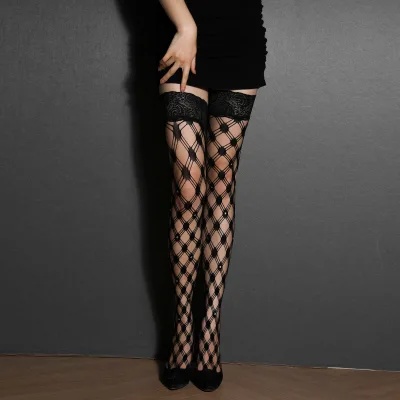
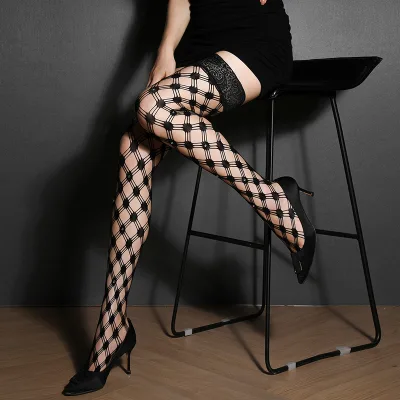
Hot Fishnets Thigh High Stockings Silicone Lace Top Stay up Sheer Hosiery Stocking
$1.54 - $2.20
MOQ: 1 Pieces

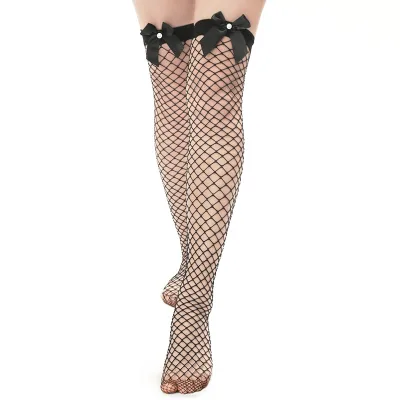
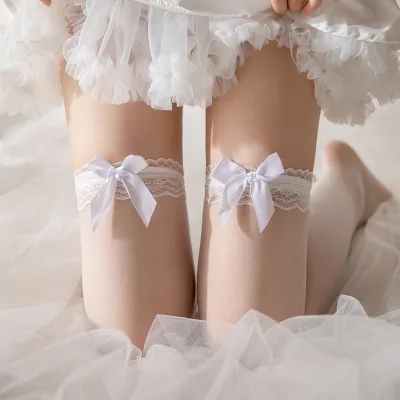
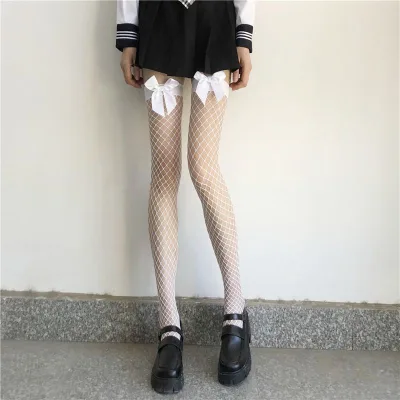
Comfortable White Floral Lace Women Sexy Black Fishnet Stockings with Bow
$1.17 - $1.62
MOQ: 10 Pieces

Multicolor High Thigh Fishnets Stockings Silicone Stay up Lace Top Sheer Hosiery
$1.24 - $1.71
MOQ: 10 Pieces


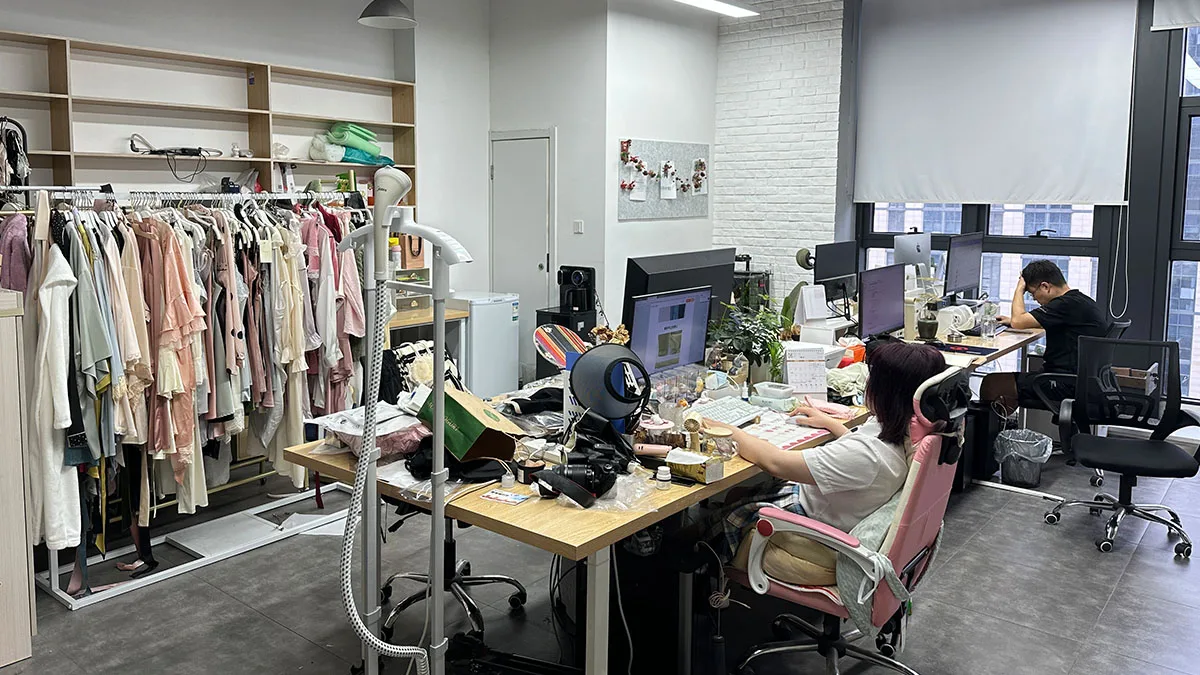
Hangzhou Domoo Technology Co., Ltd.
- Trading Company
- Zhejiang, China
- Lead time30 days
- Avg. response≤ 7h
Main productsMen and Women Sleepwear,Men Underwear,Women Panties,Nightgown,Robes
Main marketsDomestic Market(45.00%), North America(25.00%), Southeast Asia(5.00%), Oceania(5.00%), Western Europe(3.00%), Southern Europe(3.00%), Northern Europe(3.00%), Eastern Europe(3.00%), South Asia(2.00%), Central America(2.00%), Eastern Asia(2.00%), South America(2.00%)
Hangzhou M&w Technology Co., Ltd.
- Trading Company
- Zhejiang, China
- Lead time7 days
- Avg. response≤ 2h
Main productssports socks,medical compression socks,pantyhose stockings,Varicose Veins Socks,Anti embolism stockings
Main marketsNorth America(30.00%), Northern Europe(29.00%), Western Europe(25.00%), South America(5.00%), Southeast Asia(2.00%), Domestic Market(2.00%), Southern Europe(1.00%), Oceania(1.00%), Central America(1.00%), Eastern Europe(1.00%), Eastern Asia(1.00%), Africa(1.00%), Mid East(0.50%), South Asia(0.50%)
Hunan Saiqun Network Co., Ltd.
- Trading Company
- Hunan, China
- Lead time7 days
- Avg. response≤ 2h
Main productswomen clothing,Sexy Lingerie,women dresses,women sets,women underwear
Main marketsNorth America(80.00%), Western Europe(5.00%), South America(4.00%), Eastern Europe(3.00%), Southern Europe(2.00%), Mid East(2.00%), Northern Europe(2.00%), Africa(1.00%), Oceania(1.00%)

shanghai jspeed industry co.,ltd
- Trading Company
- China Shanghai
- Lead time60 days
- Avg. response≤ 5h
Main productsSwimwear, Underwear, Sportswear, Socks, Dress, Skirt, Pants, Shorts, Textile
Main marketsSouth America,Southeast Asia/ Mideast,Domestic,Europe,Australia,North America











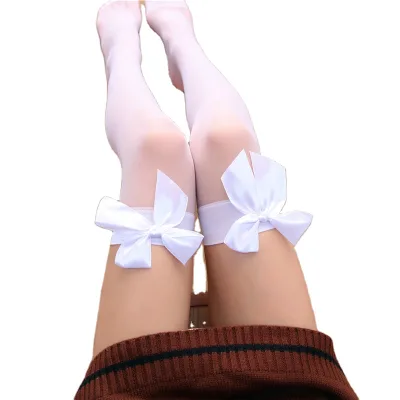
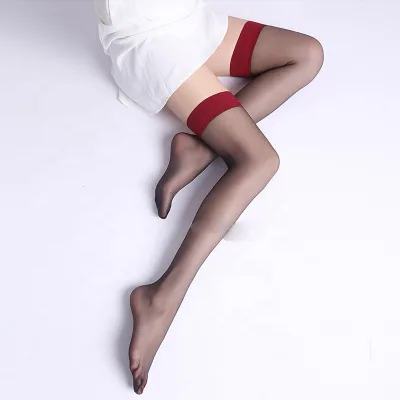
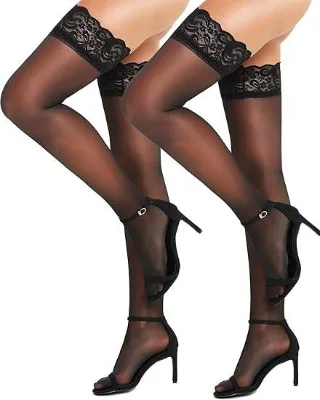
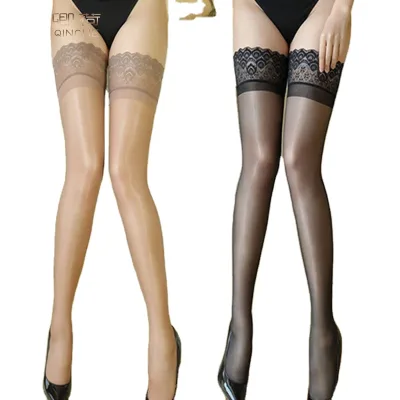








Comprehensive Sourcing Guide
Lace Fishnet Knee High Stockings Supplier Concentration and Factory Types
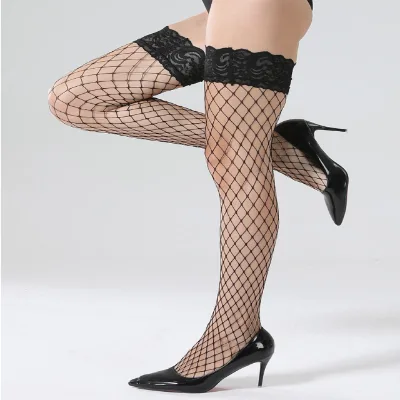
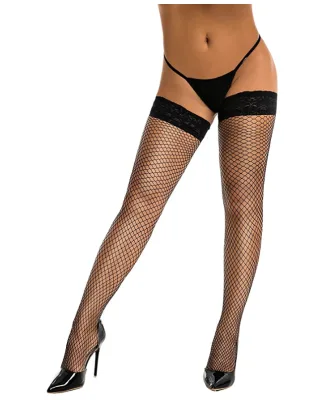
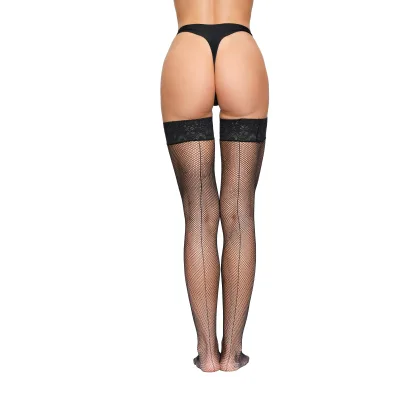
The landscape for sourcing Lace Fishnet Knee High Stockings is defined by a mix of manufacturing capabilities and trading structures, requiring buyers to distinguish between direct production sources and intermediary facilitators. Current data indicates that suppliers in this category operate primarily as either manufacturers or trading companies, each offering distinct advantages for different procurement strategies. Manufacturers typically provide deeper control over the production process, allowing for more intricate customization of lace patterns and fishnet densities, which are critical for the aesthetic quality of knee-high designs. These entities often possess the necessary machinery for knitting and sewing seamed or seamless styles, ensuring that the structural integrity of the stockings meets specific durability standards. On the other hand, trading companies may offer a broader portfolio of styles, including variations in color and pattern, such as floral or solid designs, by aggregating inventory from multiple factories. This structure can be beneficial for buyers seeking diverse SKUs without managing multiple vendor relationships, though it may introduce additional layers in the communication chain. Understanding this dichotomy is essential for aligning supplier selection with your specific operational needs, whether you prioritize direct factory engagement for cost efficiency or the flexibility of a trading partner for variety and consolidated shipping.
Geographic concentration plays a significant role in the availability and specialization of these suppliers, with Zhejiang, China, emerging as a notable hub for this specific product category. Factories located in this region often benefit from established textile ecosystems, providing easier access to raw materials like nylon and spandex blends, which are commonly used in the construction of these hosiery items. The presence of suppliers in Zhejiang suggests a mature supply chain capable of handling both standard and customized orders, including OEM services that allow for brand-specific labeling and packaging. Additionally, some suppliers may be located in other regions such as Fujian, China, contributing to a diverse geographic spread that can impact logistics and lead times. Buyers should consider the implications of these locations when evaluating potential partners, as proximity to ports and infrastructure can influence shipping efficiency and cost. It is also important to note that while some suppliers may list their origin as Zhejiang, others might operate from different areas, so verifying the actual factory location is crucial for accurate logistical planning. This geographic insight helps buyers assess the reliability of supply chains and the potential for scaling orders based on regional capacity and expertise in hosiery manufacturing.
How to Verify Lace Fishnet Knee High Stockings Suppliers
Verifying the legitimacy and capability of Lace Fishnet Knee High Stockings suppliers requires a multi-layered approach that goes beyond surface-level profile reviews. One critical step is to check for third-party verification badges, such as those provided by Intertek, which indicate that the supplier has undergone rigorous assessments of their business operations and product quality. These verifications provide a layer of confidence that the supplier is a legitimate entity with verified credentials, reducing the risk of engaging with fraudulent or unreliable partners. Additionally, buyers should scrutinize the certifications listed by suppliers, such as GRS (Global Recycled Standard), BSCI, BV, and ISO, which attest to compliance with environmental, social, and quality management standards. These certifications are particularly important for brands that prioritize sustainability and ethical sourcing, as they ensure that the manufacturing processes adhere to recognized international norms. It is also advisable to request copies of these certificates and verify their validity through the issuing bodies, ensuring that the claims made by the supplier are accurate and up-to-date. This due diligence helps in building a foundation of trust and ensures that the supplier meets the necessary regulatory and ethical requirements for your business.
Beyond certifications, evaluating the supplier's response time and communication efficiency is vital for assessing their operational readiness and customer service quality. A quick response time, such as three days or less, can indicate a well-organized team that is attentive to buyer inquiries and capable of handling time-sensitive orders. Buyers should test this by sending detailed inquiries about product specifications, customization options, and order terms to gauge the supplier's responsiveness and thoroughness. Furthermore, examining the supplier's main products and company type can provide insights into their specialization and business model. Suppliers listing sports socks, compression socks, or yoga pants alongside lace fishnet stockings may have broader manufacturing capabilities, while those focusing solely on hosiery might offer deeper expertise in this niche. It is also important to verify the supplier's establishment year and track record, although this information may not always be explicitly displayed. By combining verification of credentials with an assessment of communication and product focus, buyers can make more informed decisions and mitigate risks associated with supplier selection. This comprehensive verification process ensures that the chosen partners are not only compliant but also capable of meeting your specific business needs.
What to Compare Across Lace Fishnet Knee High Stockings Suppliers
When evaluating multiple suppliers for Lace Fishnet Knee High Stockings, comparing key operational metrics is essential to identify the most suitable partner for your business. One of the primary factors to consider is the minimum order quantity (MOQ), which can vary significantly between suppliers. For instance, some suppliers may require an MOQ of 20 pairs, making them suitable for small businesses or those testing new product lines, while others might have higher thresholds. Understanding these MOQs helps in aligning supplier capabilities with your inventory management strategy and cash flow constraints. Additionally, lead times are a critical comparison point, as they directly impact your ability to meet market demand. Suppliers may offer different lead times, such as 30 days for production, which can affect your overall supply chain planning. It is important to clarify whether these lead times include sample processing and whether expedited options are available for urgent orders. By comparing these operational metrics, buyers can select suppliers that best fit their production schedules and inventory requirements, ensuring a smoother procurement process.
Price and customization capabilities are also crucial dimensions for comparison, as they influence both the cost structure and the uniqueness of your product offering. Suppliers may offer price ranges that vary based on material quality, design complexity, and order volume. For example, prices for lace fishnet stockings might range from $0.77 to $2.05 per pair, depending on factors such as pattern type, thickness, and additional features like anti-slip properties. Buyers should request detailed quotations that break down costs by material, labor, and packaging to understand the value proposition of each supplier. Furthermore, assessing the supplier's customization options, such as OEM services, graphic processing, and customized designs, can help in differentiating your products in the market. Suppliers that offer flexible customization, including logo printing and unique packaging, can add significant value to your brand. It is also important to compare the supplier's response to specific customization requests, as this can indicate their willingness and ability to accommodate your unique requirements. By thoroughly comparing price, lead times, MOQs, and customization capabilities, buyers can make data-driven decisions that optimize both cost and product differentiation.
Common Lace Fishnet Knee High Stockings Sourcing Risks
Sourcing Lace Fishnet Knee High Stockings involves several inherent risks that buyers must proactively manage to ensure a successful procurement process. One significant risk is the variability in product quality, particularly concerning the durability and aesthetic consistency of lace and fishnet materials. Since these products often involve intricate designs and delicate fabrics, there is a higher likelihood of defects such as snags, uneven knitting, or color inconsistencies. Buyers should mitigate this risk by requesting detailed product samples before committing to large orders, allowing for a thorough inspection of the material quality and craftsmanship. Additionally, it is important to establish clear quality standards and inspection criteria with the supplier, ensuring that both parties have a shared understanding of acceptable defect rates. This proactive approach helps in identifying potential quality issues early in the process, reducing the likelihood of receiving substandard products that could damage your brand reputation. By prioritizing sample evaluation and clear quality agreements, buyers can minimize the risk of quality-related disruptions in their supply chain.
Another common risk is the potential for delays in production and shipping, which can disrupt inventory planning and customer satisfaction. Suppliers may face challenges such as raw material shortages, production bottlenecks, or logistical issues that can extend lead times beyond the agreed-upon periods. To address this, buyers should maintain open communication with suppliers and request regular updates on production status. It is also advisable to include penalty clauses in contracts for delays, providing a financial incentive for suppliers to adhere to agreed timelines. Furthermore, buyers should consider diversifying their supplier base to reduce dependency on a single source, thereby mitigating the impact of potential disruptions. This strategy ensures that alternative options are available if one supplier encounters issues, maintaining continuity in your supply chain. Additionally, verifying the supplier's shipping capabilities and logistics partnerships can provide insights into their ability to handle timely deliveries. By anticipating and planning for these risks, buyers can create a more resilient sourcing strategy that safeguards against common pitfalls in the lace fishnet stockings market.
Lace Fishnet Knee High Stockings Regional Sourcing and Logistics
Regional sourcing considerations play a pivotal role in determining the efficiency and cost-effectiveness of procuring Lace Fishnet Knee High Stockings. Suppliers located in Zhejiang, China, are often well-positioned to leverage established textile infrastructure and proximity to major ports, which can facilitate faster and more cost-effective shipping. This geographic advantage can result in shorter transit times and lower freight costs, particularly for buyers in regions with strong trade links to China. However, buyers should also consider the logistical implications of sourcing from other regions, such as Fujian, where suppliers may offer different advantages in terms of specialized manufacturing capabilities or competitive pricing. Understanding the regional distribution of suppliers helps in optimizing logistics strategies, such as selecting the most efficient shipping routes and modes of transport. Additionally, buyers should evaluate the supplier's experience with international shipping and their ability to handle customs clearance and documentation, which can impact the overall delivery timeline. By aligning regional sourcing decisions with logistical capabilities, buyers can enhance supply chain efficiency and reduce overall procurement costs.
Logistics planning also involves assessing the supplier's packaging and handling practices, which can affect product integrity during transit. Lace fishnet stockings are delicate items that require careful packaging to prevent damage, such as crushing or snagging, during shipping. Suppliers should use appropriate packaging materials, such as polybags with insert cards, and ensure that cartons are sturdy enough to protect the contents. Buyers should verify the packaging details, including dimensions and weight, to calculate shipping costs accurately and ensure compliance with carrier requirements. Furthermore, considering the environmental impact of packaging materials can be important for brands that prioritize sustainability. Some suppliers may offer eco-friendly packaging options, which can align with your brand values and appeal to environmentally conscious consumers. It is also advisable to discuss shipping terms, such as FOB or CIF, with suppliers to clarify responsibilities for freight and insurance. By carefully planning logistics and packaging, buyers can ensure that products arrive in optimal condition, maintaining quality standards and customer satisfaction. This attention to logistical details contributes to a smoother and more reliable sourcing experience.
Lace Fishnet Knee High Stockings Commercial Terms and Order Planning
Effective commercial terms and order planning are essential for managing the financial and operational aspects of sourcing Lace Fishnet Knee High Stockings. Buyers should negotiate clear payment terms that align with their cash flow management, such as using secure payment methods like escrow to protect both parties until the order is fulfilled. This approach minimizes financial risk and ensures that funds are released only upon satisfactory delivery of goods. Additionally, understanding the supplier's pricing structure, including any volume discounts or price fluctuations based on material costs, is crucial for accurate budgeting. Suppliers may offer price ranges that vary based on order quantity, so buyers should request detailed quotations that reflect their specific order volumes. It is also important to clarify any additional costs, such as mold fees for custom designs or sample charges, to avoid unexpected expenses. By establishing transparent commercial terms, buyers can maintain financial control and ensure that the procurement process remains cost-effective. This clarity in pricing and payment terms helps in building a stable and
FAQs
What is the price range for Lace Fishnet Knee High Stockings?
Prices for Lace Fishnet Knee High Stockings typically range from $0.77 to $2.05 per pair. The cost varies based on specific design features, material composition, and order volume. Buyers should expect lower unit costs for larger quantities, with minimum order quantities often set at 20 pairs. This pricing structure supports both small trial orders and bulk wholesale purchases for retail distribution.
What certifications do these stockings suppliers hold?
Suppliers for these stockings commonly hold BSCI, BV, and ISO certifications. These credentials verify compliance with social responsibility and quality management standards. Additionally, some manufacturers possess GRS certification for recycled materials. Buyers should verify specific certification documents directly with suppliers to ensure they meet their regional regulatory requirements and ethical sourcing policies before placing orders.
What is the typical lead time for production?
The standard production lead time for Lace Fishnet Knee High Stockings is approximately 25 to 30 days. This timeframe allows for material sourcing, knitting, and quality control processes. Buyers should confirm exact delivery schedules with their chosen supplier, as peak seasons or custom design requirements may extend this window. Express shipping options are available to reduce transit time after production.
Do suppliers offer OEM services for custom designs?
Yes, most manufacturers offer OEM services for custom designs. Buyers can request specific patterns, colors, and packaging details. Suppliers support light customization, sample processing, and graphic processing. This flexibility allows brands to create unique products tailored to their market. Buyers should provide detailed design specifications and discuss feasibility with the supplier to ensure the custom requirements can be met within budget and timeline constraints.
What is the minimum order quantity for these stockings?
The minimum order quantity is typically 20 pairs. This low MOQ allows buyers to test market demand with minimal risk. It is suitable for small businesses, boutiques, and online sellers. Buyers can order specific colors or styles in small batches. For larger orders, suppliers may offer better pricing tiers. Always confirm the exact MOQ with the supplier, as it can vary based on product complexity.
Where are these stockings manufactured?
These stockings are primarily manufactured in Zhejiang, China. Some suppliers may also be located in Fujian, China. These regions are known for their textile and hosiery manufacturing capabilities. Buyers should verify the specific place of origin for each product listing. Manufacturing location can impact shipping costs and lead times. Ensure the supplier provides accurate origin details for customs and compliance purposes.
What materials are used in these stockings?
Common materials include Spandex, Nylon, and Polyester blends. These fabrics provide stretch, durability, and breathability. Some products feature thin or thick constructions depending on the style. Lace and fishnet patterns are achieved through specific knitting methods. Buyers should check product specifications for exact material compositions. Material choice affects comfort, fit, and suitability for different seasons and use cases.