Source Auto Repair Bearing Puller for Vehicle Repair, Crimping, and Emergency Tools
Find 30 verified listings for Auto Repair Bearing Puller tools including hydraulic gear pullers and cross beam puller sets. Compare specifications, MOQs, and prices from suppliers in Taiwan and China to find the right equipment for vehicle repair, crimping, and emergency applications.
Updated
Key considerations
Products List
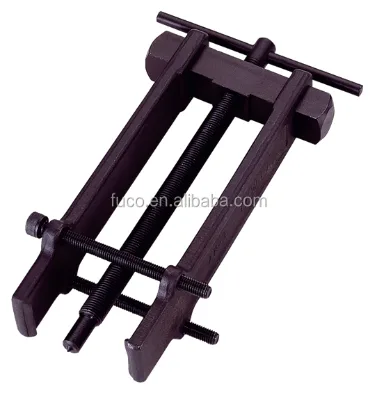


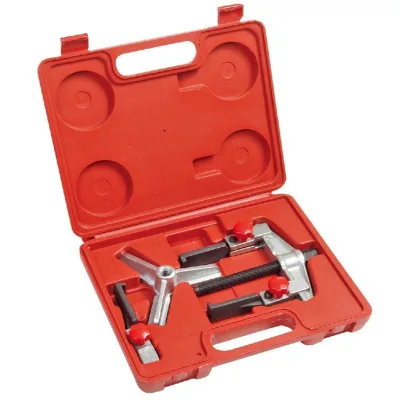
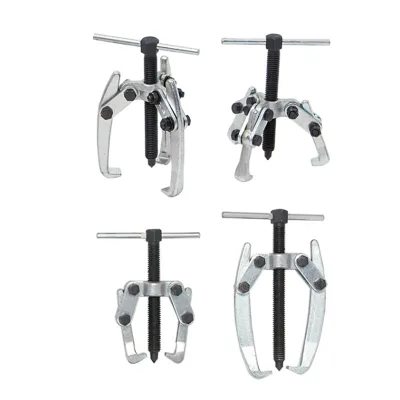
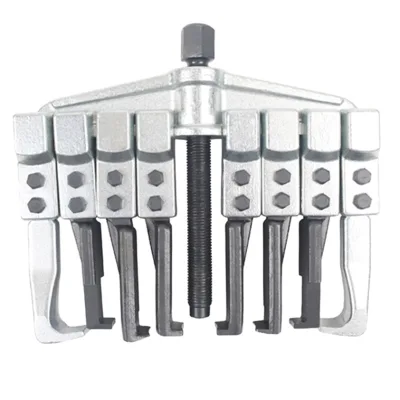
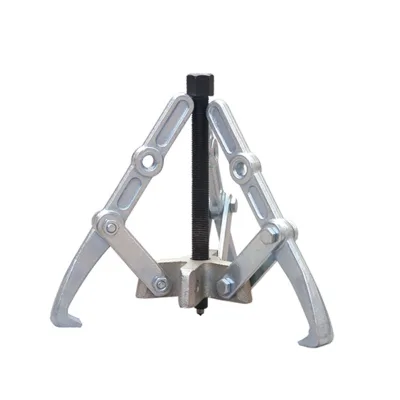
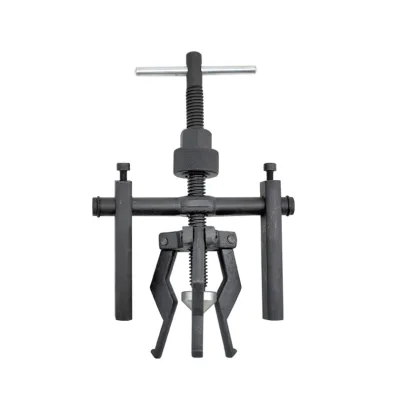
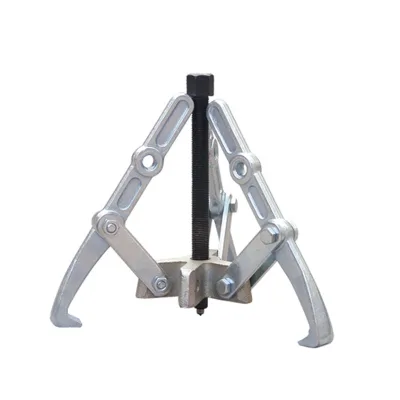
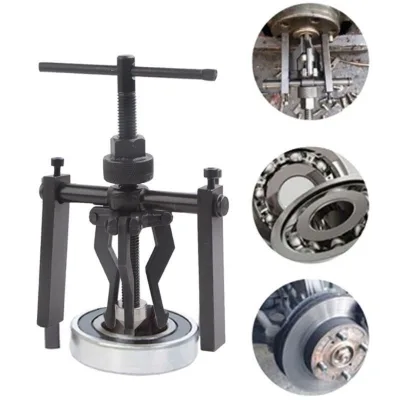

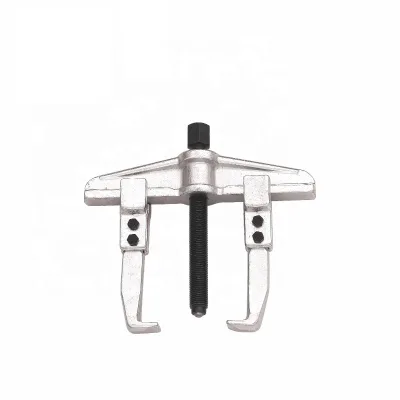
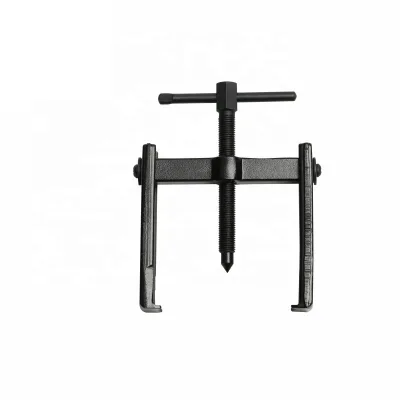
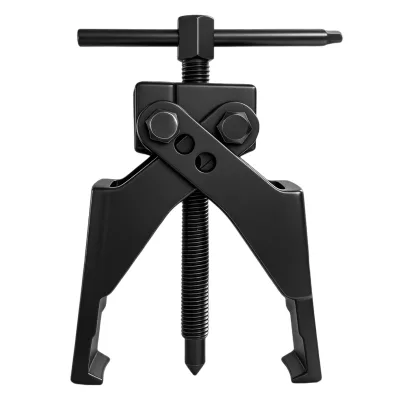
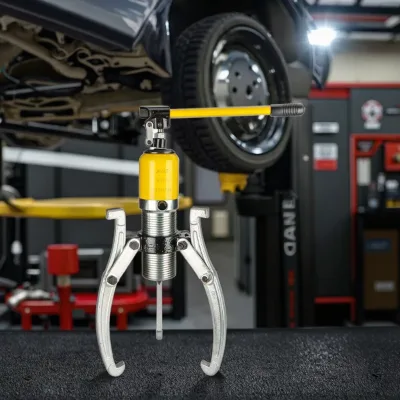
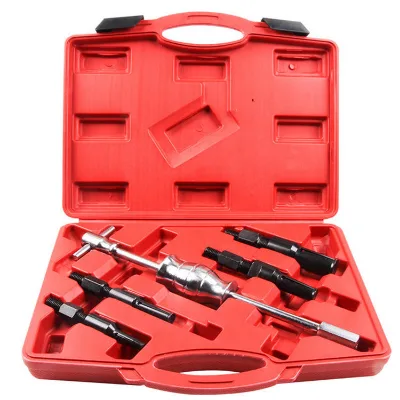


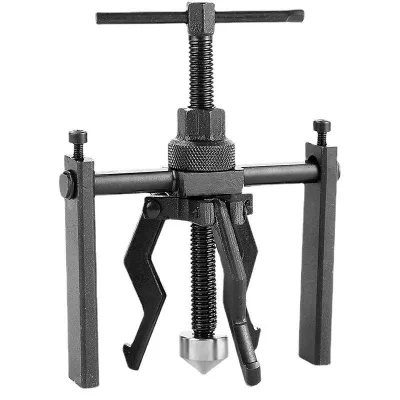
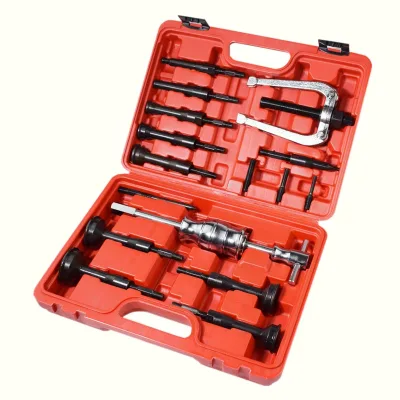
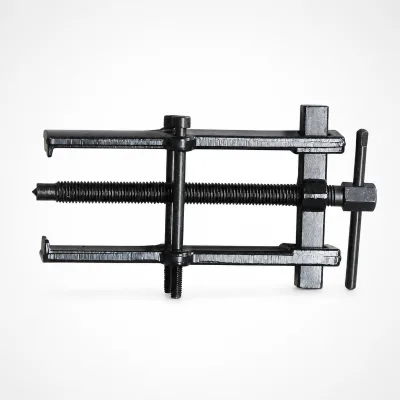


Comprehensive Sourcing Guide
Auto Repair Bearing Puller Sourcing Guide
Procurement professionals seeking hydraulic gear pullers for vehicle repair must first distinguish between general crimping tools and specialized bearing separation kits. The available market data indicates a product range spanning from single-item sliding cards to bulk carton packaging, with specific models like the VP042 and VT01653B designed for distinct mechanical tasks. Buyers should verify that the listed application explicitly matches their repair needs, as some items are categorized broadly under vehicle repair tools while others specify crimping functions or emergency use.
When evaluating listings, it is critical to confirm the specific model number and material composition before placing an order. The observed inventory includes carbon steel and CR-V options, with some sets featuring two-set bearing separators and others offering jaw pullers for quick gripping. Since customization is available for many suppliers, buyers must clearly define whether they require neutral packing, color boxes, or OEM branding to ensure the final product aligns with their internal logistics and branding requirements.
Product Scope and Observed Listing Signals
The observed product scope reveals a significant variance in packaging and unit configurations, ranging from single items in sliding blister cards to bulk sets of five pieces in BMC or carton boxes. Buyers must carefully inspect the "Selling Units" field, as some listings offer single items while others mandate a minimum order quantity of two sets for specialized kits like the cross-beam puller. This distinction directly impacts inventory planning and initial capital outlay, requiring a clear understanding of whether the supplier sells individual tools or requires bulk procurement for complete sets.
Listing signals also highlight diverse functional attributes, including squeeze functions, specific crimping ranges, and emergency tool classifications. While some products are explicitly labeled as hydraulic gear pullers, others appear under broader categories like hydraulic crimping tools with a squeeze function. Procurement teams should cross-reference the "Product Name" and "Feature" fields to ensure the tool is designed for bearing separation rather than general crimping, as the mechanical requirements for these tasks differ significantly in terms of force application and jaw geometry.
Technical Specifications to Verify
Technical verification begins with confirming the model number and standard dimensions, as the data shows specific standards ranging from 15-25mm to 14mm screw shafts. Buyers must ensure the selected model, such as 11290 or 11248, matches the physical dimensions of the bearings they intend to remove, as mismatched specifications can lead to tool failure or damage to the vehicle component. The presence of specific size ranges like 2-3/16" to 3-19/32" suggests that not all tools are universal, necessitating a precise match between the tool's capacity and the target bearing size.
Material composition and load capacity are equally critical, with observed listings specifying carbon steel, CR-V, and general steel constructions. The supply ability of 3000 pieces per month suggests a robust manufacturing base, but buyers must verify if the specific model supports the required tonnage, such as the 5T to 50T range indicated by model codes like JH5T through 50T. Additionally, the "mini spread" of 4 inches and single package sizes of 48x39x22 cm provide logistical constraints that must be accounted for in storage and transport planning.
Compliance and Safety Documentation
Compliance verification requires checking for recognized certifications such as ISO, GS, RoHS, and CE, which are explicitly listed for certain product lines. These certifications indicate that the manufacturing process adheres to international safety and environmental standards, which is essential for maintaining workplace safety and meeting regulatory requirements in various markets. Buyers should request current certification documents to confirm that the specific batch of tools being purchased maintains these standards, as product lines can vary in their compliance status even within the same supplier catalog.
Safety documentation also extends to the warranty and condition of the tools, with observed listings offering a one-year warranty on new items. This warranty period serves as a baseline guarantee for product durability and performance, protecting the buyer against premature failure or manufacturing defects. Procurement teams must ensure that the warranty terms are clearly defined in the purchase agreement, covering specific scenarios like mechanical failure during normal operation, and verify that the "Condition" is explicitly stated as new to avoid receiving refurbished or used equipment.
Cost Drivers and Commercial Terms
Cost drivers in this category are heavily influenced by the customization options and packaging requirements selected by the buyer. While the observed price range spans from 1 to 6000 USD, the final cost is often determined by whether the buyer opts for neutral packing, color boxes, or custom OEM branding. Suppliers accepting OEM and ODM requests may charge a premium for these services, so buyers should clarify if the quoted price includes branding costs or if these are separate line items to avoid unexpected budget overruns.
Commercial terms such as the minimum order quantity (MOQ) and supply ability significantly affect the total cost of ownership. With an observed MOQ ranging from 1 to 500 units and a supply ability of 3000 pieces per month, buyers must balance their immediate needs against the supplier's production capacity. For smaller orders, the unit cost may be higher due to setup fees, whereas larger orders might benefit from economies of scale, provided the supplier can meet the delivery timeline without compromising quality or lead times.
Supplier Qualification and Quality Control
Supplier qualification should focus on verifying the place of origin and the specific manufacturing capabilities indicated in the product data. The observed listings consistently cite Taiwan, China, or China as the place of origin, which can influence shipping logistics and tariff implications. Buyers must confirm the exact port of dispatch, such as the main port in Taiwan, to accurately calculate freight costs and delivery schedules, ensuring that the supply chain remains efficient and transparent throughout the procurement process.
Quality control measures must include a review of the supplier's ability to provide customization and their track record with OEM and ODM projects. The data indicates that customization is available and that suppliers accept various forms of support, including OBM, which suggests a flexible manufacturing environment. However, buyers should request samples or third-party inspection reports to validate the material quality, such as the carbon steel or CR-V composition, before committing to large orders to ensure the tools meet the rigorous demands of vehicle repair applications.
Long-Term Procurement Checks
Long-term procurement strategies should include regular audits of the supplier's update methods and communication channels. The observed "Update Method" of email suggests a reliance on digital communication for order status and product changes, which requires buyers to maintain a robust tracking system to ensure timely responses. Establishing a clear protocol for receiving updates on product availability, price changes, or specification revisions is essential for maintaining a stable supply chain and avoiding production delays in vehicle repair operations.
Finally, buyers must monitor the consistency of product standards and packaging over time to ensure long-term reliability. The observed standards, such as the 14mm screw shaft or specific crimping ranges, should remain consistent across multiple orders to prevent compatibility issues with existing inventory. Regularly reviewing the "Product Name" and "Type" fields for any shifts in categorization or function will help procurement teams adapt to market changes and ensure that the tools continue to meet the evolving needs of their vehicle repair workflows.
FAQs
What is the warranty period for FUCO hydraulic gear pullers?
The warranty period is 1 year for new condition tools. This coverage applies to the hydraulic crimping tools and bearing pullers supplied by the manufacturer. Buyers should verify specific terms during procurement to ensure the product meets their operational requirements and quality standards.
Can I request custom packaging for these vehicle repair tools?
Yes, customization is available for packaging details. Options include neutral packing, OEM packages, color boxes, or sliding blister cards. The supplier accepts OEM and ODM requests, allowing buyers to tailor the presentation to their brand identity while maintaining the standard single item selling unit structure.
What certifications do these steel bearing pullers hold?
These tools hold ISO, GS, RoHS, and CE certifications. Manufactured from steel with CR-V standards, they meet international safety and quality benchmarks. Buyers can rely on these documented credentials to ensure compliance with regional regulations and industry standards for vehicle repair and maintenance applications.
What is the minimum order quantity for these hydraulic tools?
The minimum order quantity is 2 sets for specific items like the cross beam puller set. For other products, the MOQ ranges from 1 to 500 units. Buyers should check the specific model requirements, as the supply ability supports up to 3000 pieces per month for larger orders.
Where are these auto repair bearing pullers manufactured?
These tools originate from Taiwan and China. The main port of dispatch is located in Taiwan, ensuring efficient logistics for international shipments. Buyers can expect consistent quality from these origins, with products designed for vehicle repair and crimping applications using durable steel materials.
What is the crimping range for the hydraulic gear puller?
The crimping range is 16-400mm2 for the hydraulic crimping tools. This specification allows for versatile use in various vehicle repair scenarios. The tools function by squeeze action, providing reliable performance for connecting and repairing components within the specified electrical and mechanical ranges.