Source Folding Emergency Thermal Blanket for First Aid, Camping, and Medical Use
Find 30 verified Folding Emergency Thermal Blanket options from China. Compare CE and ISO certified suppliers offering PET plastic materials, custom sizes, and OEM services for medical and outdoor applications; compare the available evidence and request quotations based on your requirements.
Updated
Key considerations
Products List
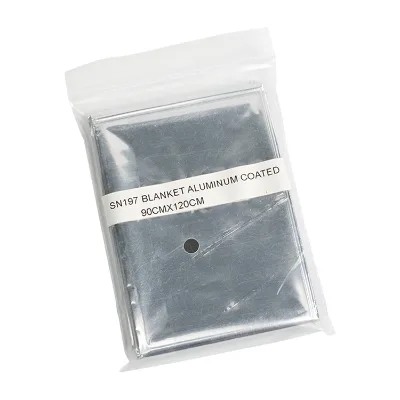
Water Proof Emergency Survival Rescue Thermal Blanket Foil Thermal Emergency Thermal Blanket
$0.01 - $0.05
MOQ: 10000 Minimum
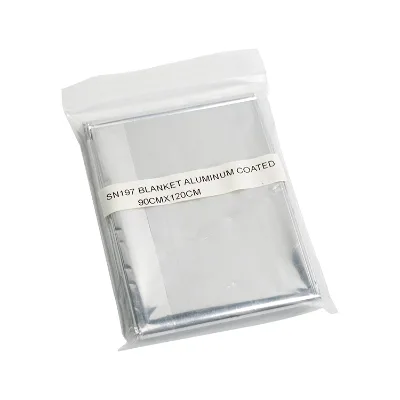
Light Weight Thermal Emergency Blanket First Aid Waterproof Emergency Thermal Blanket for Patient
$0.01 - $0.05
MOQ: 10000 Minimum
$0.0102 - $0.051
MOQ: 10 Minimum


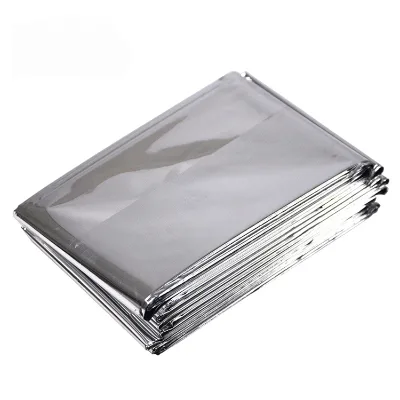
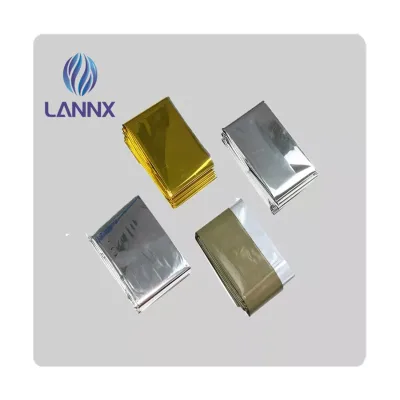
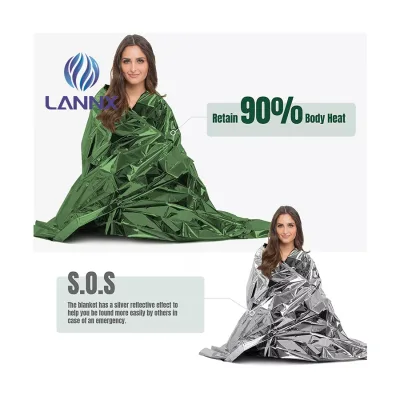
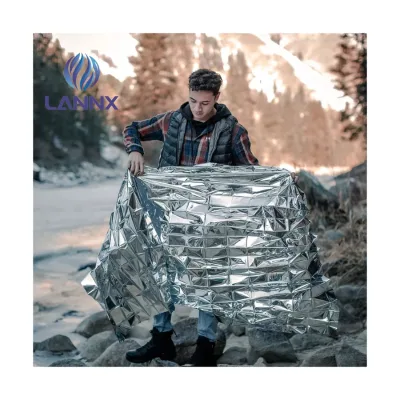


Mylar Thermal Blankets Folding Thermal Blanket First Aid Emergency Blanket
$0.265 - $0.35
MOQ: 5000 Pieces


Survival Aluminized Non-Stretch Polyester Keep Warm Heat Emergency Thermal Blanket
$0.79 - $0.87
MOQ: 1000 Pieces


2019 Survival First Aid Thermal Survival Blanket Wholesale Emergency Blanket
$0.30 - $0.35
MOQ: 500 Pieces


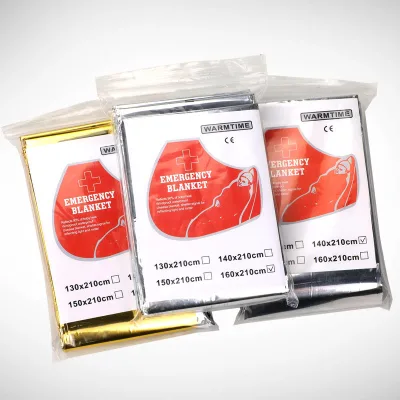
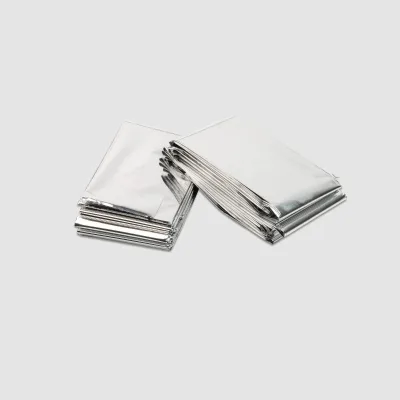
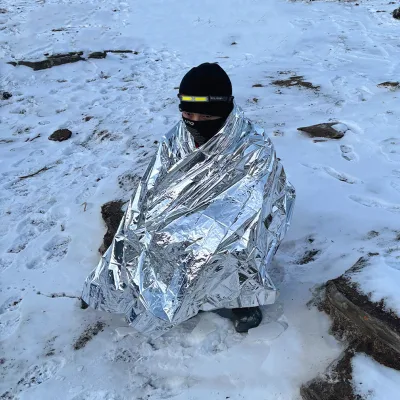
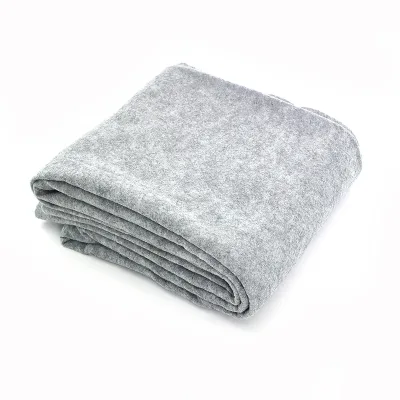
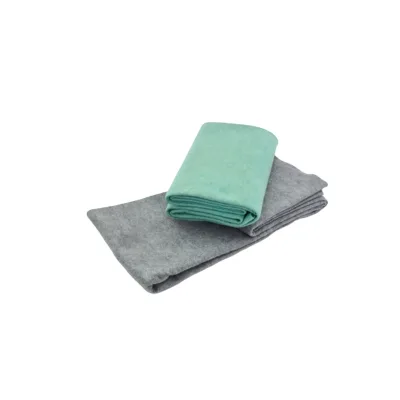
Accept Order Customize Medical Emergency Rescue Thermal Insulation Blanket
$3.3585 - $3.6936
MOQ: 10000 pieces
Comprehensive Sourcing Guide
Folding Emergency Thermal Blanket Sourcing Guide
Procurement teams must first distinguish between general survival gear and medical-grade thermal blankets, as the supplied data indicates specific classifications for emergency care instruments. The observed listings reveal a product range primarily categorized as Class I medical devices intended for single-use applications in medical institutions. Buyers should verify that the "Emergency Care" function aligns with their specific operational needs, whether for disaster relief or clinical first-aid scenarios, rather than assuming all thermal blankets meet medical standards.
The market signals suggest a diverse supply base originating from Jiangsu and Zhejiang provinces in China, offering both standard and custom dimensions. While some listings specify a shelf life of one year, others indicate a three-year duration, creating a critical variable for inventory planning. Sourcing strategies must account for these discrepancies by explicitly confirming the expected longevity of the specific batch ordered, ensuring the product remains viable throughout the intended storage period without degradation of its reflective properties.
Product Scope and Observed Listing Signals
Buyers should analyze the material composition carefully, as the data presents conflicting or varied descriptions including plastic, PET, and PET film. These materials define the thermal reflectivity and durability of the blanket, which is essential for maintaining body heat in emergency situations. Procurement officers must request physical samples to confirm the specific polymer type, as the distinction between generic plastic and medical-grade PET film can significantly impact the product's performance and safety profile in critical care environments.
The observed listing signals also highlight significant variability in packaging and logistics parameters, with single package sizes ranging from 20x10x15 cm to custom configurations. Supply abilities are noted as high, with some suppliers claiming 100,000 pieces per week, yet minimum order quantities vary drastically from single items to 200,000 units. This disparity requires buyers to clearly define their volume requirements early in the negotiation process to secure favorable terms and ensure the supplier can meet the specific scale of the procurement without compromising delivery schedules.
Technical Specifications to Verify
Verification of physical dimensions is paramount, as the standard sizes observed include 130x210 cm and 160x210 cm, with custom options available for specific needs. Buyers must confirm that the selected model number, such as GT084-100 or OFFC1363, corresponds to the exact dimensions required for their deployment scenarios. Relying on generic descriptions without validating the specific model against the required size can lead to logistical inefficiencies or inadequate coverage during emergency response operations.
Power source and operational features are another critical area for verification, with the data explicitly stating a manual power source and safety features. The product is designed as a single-use item, which necessitates a clear understanding of the disposal protocols and the material's ability to function effectively without external energy inputs. Procurement teams should ensure that the "safety" feature claims are backed by the specific construction of the blanket, particularly regarding the integrity of the reflective coating and the strength of the material under stress.
Compliance and Safety Documentation
Regulatory compliance is a complex area where the supplied data lists multiple certifications including CE, ISO, and ISO13485, alongside FDA references. Buyers must rigorously audit the specific certificates provided for the batch they intend to purchase, as the presence of a certification on a general listing does not guarantee that every unit meets the standard. It is essential to request valid, up-to-date documentation that explicitly covers the product model and its intended medical or emergency application to avoid regulatory hurdles during import or distribution.
The classification of the product as a Class I instrument further underscores the need for precise quality assurance documentation. While some listings mention ISO 13953 or EN1869 as background standards, these should not be assumed to apply without explicit confirmation from the supplier. Procurement professionals should demand evidence that the manufacturing process adheres to the specific quality certifications claimed, ensuring that the thermal blankets meet the necessary safety and performance benchmarks for their intended use in medical or survival contexts.
Cost Drivers and Commercial Terms
Pricing in this sector is highly variable, with observed ranges spanning from $0.01 to $6.41 per unit, driven largely by material quality, certification status, and order volume. The wide price differential suggests that lower-cost options may utilize different material grades or lack specific medical certifications, necessitating a cost-benefit analysis that prioritizes compliance and performance over the lowest initial price. Buyers should structure their negotiations to understand exactly what drives the price, ensuring that cost savings do not come at the expense of critical safety features or regulatory compliance.
Commercial terms such as minimum order quantities and supply capabilities significantly influence the total cost of ownership. With MOQs ranging from 1 to 200,000 pieces, smaller buyers may face higher per-unit costs or limited supplier options, while larger orders can leverage the high supply capacity of 100,000 pieces per week. It is crucial to align the order volume with the supplier's production capacity and lead times, ensuring that the commercial agreement supports the buyer's timeline without incurring penalties for delays or insufficient stock availability.
Supplier Qualification and Quality Control
Supplier qualification requires a deep dive into the origin and manufacturing capabilities, as the data points to facilities in Jiangsu and Zhejiang, China. Buyers should verify the specific factory location and its ability to maintain consistent quality across large production runs, given the high supply ability claims. The presence of OEM services and customization options indicates a flexible manufacturing base, but this flexibility must be balanced with strict quality control measures to ensure that custom orders meet the same safety and performance standards as standard products.
Quality control processes must be validated through the supplier's after-sales support and warranty provisions, which are listed as one year or three years depending on the listing. Procurement teams should establish clear protocols for handling defects or non-compliant batches, ensuring that the supplier provides online technical support and a robust warranty framework. The ability to customize packaging and product specifications is a valuable asset, but it must be accompanied by rigorous inspection procedures to maintain the integrity of the thermal blanket throughout the supply chain.
Long-Term Procurement Checks
Long-term procurement strategies must account for the shelf life variability observed in the market, which ranges from one to three years. Buyers should implement a first-in, first-out inventory management system to ensure that blankets are deployed before their expiration, particularly given the single-use nature of the product. Regular audits of stock levels and expiration dates are essential to prevent the deployment of degraded materials, which could compromise the safety and effectiveness of the emergency response efforts.
Continuous monitoring of supplier performance and certification status is vital for maintaining a reliable supply chain over time. As regulations and standards evolve, suppliers must demonstrate their ability to adapt and maintain compliance with updated requirements such as ISO13485 or FDA guidelines. Procurement teams should schedule periodic reviews of supplier documentation and product samples to ensure that the long-term partnership remains aligned with the evolving needs of the organization and the changing landscape of medical and emergency supply standards.
FAQs
What material is used for the thermal emergency blanket?
The thermal emergency blanket is primarily constructed from plastic and PET film materials. This composition ensures the product remains lightweight and durable for single-use applications. The material choice supports the reflective properties necessary for emergency survival scenarios while maintaining safety standards for medical and outdoor use.
Can I customize the size of the emergency blanket?
Yes, customization is available for the thermal emergency blanket. Standard sizes include 130x210cm and 160x210cm, but other dimensions can be tailored to specific requirements. This flexibility allows buyers to meet unique packaging or usage needs while ensuring the product fits specific emergency care protocols effectively.
What certifications does the emergency blanket hold?
The product holds CE and ISO certifications, including ISO13485 for quality management. These credentials verify compliance with international safety and quality standards for medical consumables. Buyers can rely on these documented certifications to ensure the emergency blankets meet regulatory requirements for distribution in various global markets.
What is the minimum order quantity for this product?
The minimum order quantity is typically 1000 pieces, though some listings indicate a range from 1 to 200,000 units. This flexibility accommodates both small trial orders and large-scale procurement needs. Buyers should verify specific MOQ requirements with suppliers to align with their budget and inventory planning strategies.
Where are these emergency blankets manufactured?
These thermal emergency blankets are manufactured in China, specifically in regions like Jiangsu and Zhejiang. The products are dispatched from major ports such as Shanghai Port. This location ensures efficient logistics and supply chain management for international buyers seeking reliable sourcing options for medical and survival equipment.
How long is the shelf life of the blanket?
The shelf life of the thermal emergency blanket is reported as either 1 year or 3 years depending on the specific product variant. This duration ensures the material remains effective for emergency use during storage. Buyers should check the specific product details to confirm the exact shelf life for their procurement needs.