Source Automatic Flavoring Seasoning Mixing Machine for Snacks
Find the Automatic Flavoring Seasoning Mixing Machine for 30 listings. Compare models like LJJK-300 and LJFL-100. Features include SUS304 construction, 1.1kw power, and ISOCE certification. Ideal for candy, chips, and biscuit production lines; compare the available evidence and request quotations based on your requirements.
Updated
Key considerations
Products List


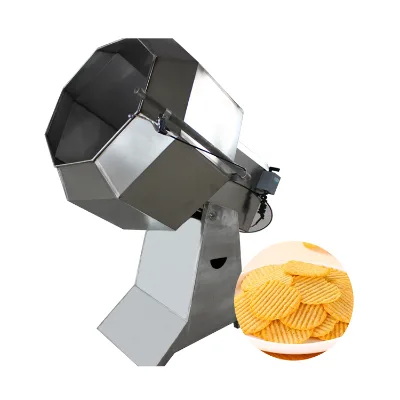
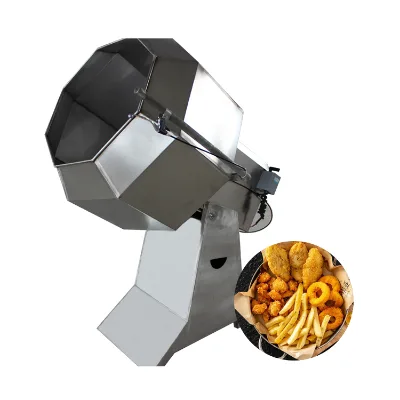
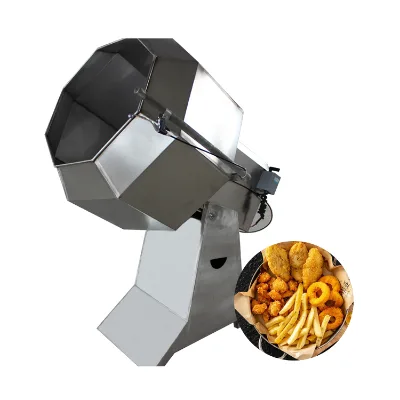
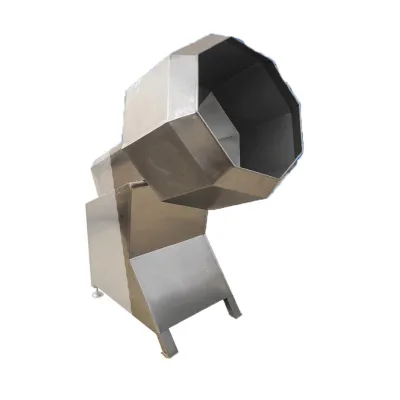
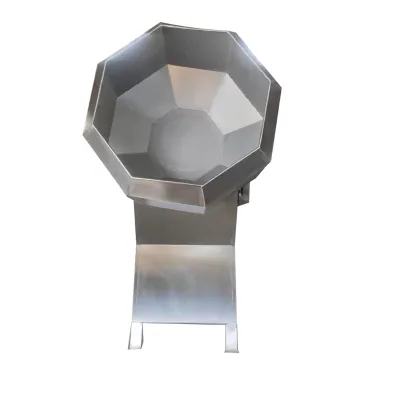
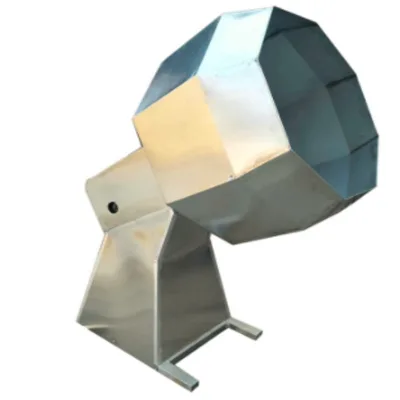
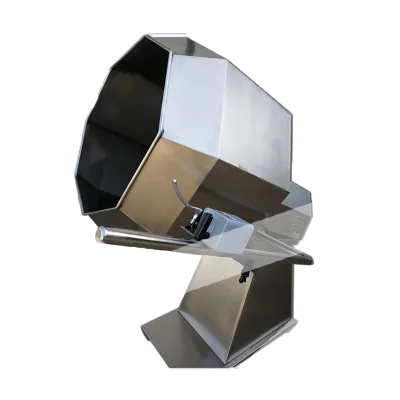
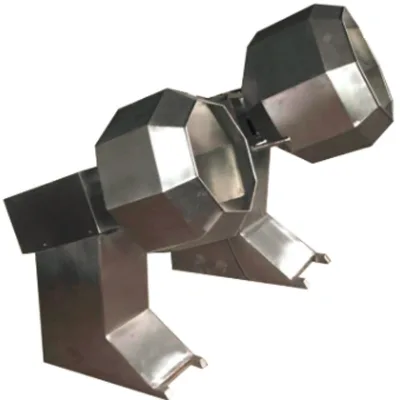
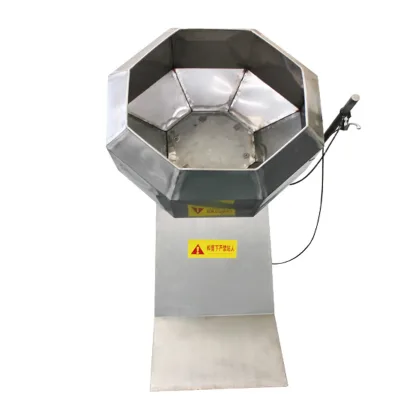


Commercial Mixer Flavor Blender Snack Groundnut Flavoring Seasoning Machine
$690.00 - $1350.00
MOQ: 1 Pieces


Efficient Snack Mixer Machine Flavoring Solutions Drum Seasoning Machines
$690.00 - $1350.00
MOQ: 1 Pieces


Commercial Peanut Snack Food Coating Mixing Flavoring Seasoning Machine
$850.00 - $1500.00
MOQ: 1 Sets


Hot Sale Potato Chips Puff Snacks Food Flavor Coating Seasoning Machine
$400.00 - $1500.00
MOQ: 1 Sets


Comprehensive Sourcing Guide
Automatic Flavoring Seasoning Mixing Machine Sourcing Guide
Buyers evaluating automatic flavoring seasoning mixing machines must first distinguish between specific functional variants like drum flouring units and general seasoning tumblers. The observed market data indicates that these machines are engineered for diverse applications, including candy, chips, biscuits, popcorn, and chocolate processing. Procurement decisions should rely on matching the specific machine function to the intended product line, as a unit optimized for concentration and drying may differ significantly from one designed solely for flavoring and mixing.
Verification of the machine's physical footprint and power requirements is critical before finalizing a purchase order. Listings show dimensions ranging from 800mm in diameter to standard configurations of 2400mm by 900mm, with power ratings varying between 0.75kw and 1.1kw. Buyers must confirm that the facility's electrical infrastructure supports the specific voltage requirements, such as 220v or 380v, and that the available floor space accommodates the machine's height and width to ensure safe and efficient operation.
Product Scope and Observed Listing Signals
The product scope for these units spans from commercial snack shop applications to large-scale factory environments, with some models explicitly marketed for home use. The observed listings highlight a strong emphasis on automation, with many units described as fully automatic or featuring high productivity as a key selling point. This suggests that buyers should prioritize machines that align with their production volume needs, ensuring the selected unit can handle the throughput required for their specific business model without becoming a bottleneck.
Material composition and construction quality are primary signals of durability and hygiene compliance in this category. Stainless steel is a frequently cited material, with specific references to SUS304 grades, which are essential for food contact safety and corrosion resistance. Buyers should verify that the entire product, including the pan and drum, utilizes these high-grade materials rather than lower-quality alternatives, as this directly impacts the machine's lifespan and its ability to meet strict food safety standards in a commercial setting.
Technical Specifications to Verify
Technical verification must begin with the core components and processing capabilities of the machine. The motor is identified as a central component, and buyers should request detailed specifications regarding its power output and reliability. Additionally, the processing method, whether it involves concentration, drying, or rotary mixing, must be confirmed to ensure it matches the specific requirements of the food item being processed. A mismatch in processing technology can lead to inconsistent product quality and inefficient operation.
Dimensional and weight specifications are equally critical for logistics and installation planning. Observed data indicates weights around 120kg and various standard dimensions, but these figures can vary by model. Buyers must confirm the exact weight and dimensions of the specific unit they intend to purchase to arrange appropriate shipping and ensure the installation site can support the load. Furthermore, the packing method, often described as wooden cases, should be verified to guarantee that the machine arrives without damage during transit.
Compliance and Safety Documentation
Compliance documentation is a non-negotiable aspect of sourcing food processing equipment, particularly regarding international standards. While some listings mention ISOCE certification, buyers must treat this as a variable attribute and request valid, current certificates for the specific model being purchased. It is essential to verify that the certification covers the specific machinery and is issued by a recognized body, ensuring that the equipment meets the safety and quality regulations of the destination market.
Safety and operational documentation should include machinery test reports and warranty details to protect the buyer's investment. The availability of test reports provides evidence that the machine has undergone rigorous performance checks before leaving the factory. Buyers should also scrutinize the warranty terms, which range from one to two years in observed listings, to understand the scope of coverage for core components and the supplier's commitment to after-sales support and maintenance.
Cost Drivers and Commercial Terms
Cost drivers in this market are heavily influenced by the level of automation and the specific customization options available. Units offering customized features or advanced automation often command higher prices, while standard models may be more affordable. Buyers should analyze the total cost of ownership, considering that higher initial costs for robust, automatic machines may result in lower long-term operational expenses due to increased productivity and reduced labor requirements.
Commercial terms such as Minimum Order Quantity (MOQ) and payment conditions significantly impact the procurement strategy. The observed data suggests an MOQ of 1 unit, which allows for flexible purchasing and testing of equipment before scaling up. However, buyers must clarify the specific payment terms and lead times associated with the order, as these can vary by supplier. Understanding these terms is vital for cash flow management and ensuring that the equipment arrives within the required timeframe for production schedules.
Supplier Qualification and Quality Control
Supplier qualification requires a thorough assessment of the manufacturer's origin and production capabilities. Many listed products originate from specific regions in China, such as Zhucheng City in Shandong Province or Henan Province. Buyers should verify the supplier's location and production history to ensure they have the capacity to deliver consistent quality. A supplier with a strong track record in these regions may offer better insights into the manufacturing process and quality control measures.
Quality control processes should be validated through the supplier's internal testing and reporting mechanisms. The provision of machinery test reports is a positive indicator, but buyers should also inquire about the supplier's internal quality assurance protocols. Ensuring that the supplier conducts regular inspections and maintains high-quality standards is essential to prevent defects and ensure that the machine performs reliably over its intended lifespan.
Long-Term Procurement Checks
Long-term procurement success depends on the availability of spare parts and the supplier's commitment to ongoing support. Buyers should confirm that the supplier maintains an inventory of critical components, such as motors and other core parts, to minimize downtime in the event of a failure. A robust supply chain for spare parts is essential for maintaining continuous production and protecting the investment in the flavoring and mixing equipment.
Finally, buyers must establish clear communication channels for technical support and maintenance guidance. The warranty period, whether one or two years, should be accompanied by detailed instructions on how to access service and what constitutes covered repairs. Establishing a reliable relationship with the supplier ensures that any operational issues can be resolved quickly, maintaining the efficiency and productivity of the flavoring and mixing process over the long term.
FAQs
What is the power consumption of the Automatic Flavoring Seasoning Mixing Machine?
The Automatic Flavoring Seasoning Mixing Machine typically operates with a power rating of 1.1kw or 0.75kw depending on the specific model selected. This electric power source ensures efficient operation for commercial snack shops and home use. The energy consumption is optimized for continuous seasoning tasks while maintaining high productivity levels for various food applications.
Can the Automatic Flavoring Seasoning Mixing Machine be customized for specific needs?
Yes, the Automatic Flavoring Seasoning Mixing Machine offers available customization options to meet specific production requirements. Buyers can request tailored specifications to suit their unique processing needs. This flexibility allows for precise adaptation to different snack types, ensuring optimal performance and integration into existing manufacturing workflows without compromising quality or efficiency.
What certifications does the Automatic Flavoring Seasoning Mixing Machine hold?
The Automatic Flavoring Seasoning Mixing Machine holds ISOCE certification, ensuring compliance with international quality and safety standards. This certification verifies that the manufacturing processes and final product meet rigorous industry requirements. Buyers can rely on this documented assurance for regulatory compliance and quality control in their food processing operations, enhancing trust and reliability.
What is the warranty period for the Automatic Flavoring Seasoning Mixing Machine?
The Automatic Flavoring Seasoning Mixing Machine comes with a warranty period of either 1 year or 2 years, depending on the supplier and model. This warranty covers core components and ensures support for any manufacturing defects. Buyers receive peace of mind knowing that their investment is protected against early failures, with clear terms for maintenance and repairs.
What is the minimum order quantity for the Automatic Flavoring Seasoning Mixing Machine?
The minimum order quantity for the Automatic Flavoring Seasoning Mixing Machine is 1 unit. This low MOQ allows buyers to test the equipment with minimal initial investment. It is ideal for small businesses or those evaluating the machine before scaling up production. The single-item selling unit provides flexibility for various procurement strategies and budget constraints.
What materials are used in the Automatic Flavoring Seasoning Mixing Machine?
The Automatic Flavoring Seasoning Mixing Machine is constructed using SUS304 stainless steel and general stainless steel materials. These materials ensure durability, corrosion resistance, and hygiene for food processing applications. The robust construction supports long-term use in commercial environments, maintaining product quality and safety standards while withstanding the demands of continuous seasoning and mixing operations.