Laser Typing Animal Ear Tag Suppliers and Manufacturers
Compare 28 verified suppliers offering Laser Typing Animal Ear Tag with varying lead times, MOQs, and certifications like ISO and SGS. Review response times and pricing to select a factory in China Zhejiang or Guangdong for your livestock tracking needs.
Updated
Suppliers List

Jiaxing U-Life Medical Device Technology Co., Ltd.
- Verified by TUVRHEINLAND
- Trading Company,Manufacturer/Factory
- China Zhejiang
- Lead time23 days
- Avg. response≤ 20h
Main productsSurgical Tape, Face Mask, Surgical Dressing, Surgical Catheter, Surgical Nail Brush, Surgical Gown, Surgical Towel, Wrapping Paper, Medical Disposables, Medical Supply
Main marketsSouth America,Eastern Europe,Mid East,Southeast Asia,Africa

Sails RFID Smart Card Technology Co., Limited
- Trading Company
- China Guangdong
- Lead time15 days
- Avg. response≤ 6h
Main productsRFID Tags, Smart Card, Ear Tag, Pet Microchip, Pigeon Ring, Security Seal, RFID Inlay, PVC Card, ID Card, RFID Reader
Main marketsSouth America,Africa,Southeast Asia/ Mideast,Europe,Australia,North America

HEBEI JUNYUE METAL PRODUCTS CO., LTD.
- Verified by BV
- Combined
- China Hebei
- Lead time30 days
- Avg. response≤ 1h
Main productsContainer Seals, Bolt Seals, Cable Seals, Plastic Seals, Meter Seals, Metal Seals, Barrier Seals, Security Void Tapes, RFID Seals
Main marketsSouth America,Africa,Southeast Asia/ Mideast,East Asia(Japan/ South Korea),Domestic,Europe,North America

- Verified by TUVRHEINLAND
- Trading Company,Manufacturer/Factory
- China Guangdong
- Lead time120 days
- Avg. response≤ 5h
Main productsRFID Card/, RFID Keyfob, RFID Wristband, RFID Animal Tag, TM iButton, RFID Label
Main marketsSouth America,Eastern Europe,Mid East,North America,Southeast Asia,Eastern Asia,Oceania,Western Europe,Africa

YANGZHOU HUAMU TECHNOLOGY CO., LTD.
- Combined
- China Jiangsu
- Lead time15 days
- Avg. response≤ 2h
Main productsEar Tag, Ear Tag Plier, Vet Syringe, Vet Syringe Needle
Main marketsDomestic,Europe

Shandong Province Qingyun County Junchuang Lock Industral Co., Ltd.
- Combined
- China Shandong
- Lead time15 days
- Avg. response≤ 2h
Main productsBolt Seal, Plastic Seal, Lead Seal, Meter Seal, Security Seal, Container Lock, Container Seal, Cable Seal, Metal Strap Seal, Container Bolt Seal
Main marketsSouth America,Southeast Asia/ Mideast,Europe,Australia,North America

Zhejiang Kangrui Apparatus Technology Co., Ltd.
- Verified by BV
- Combined
- China Zhejiang
- Lead time30 days
- Avg. response≤ 15h
Main productsSyringe, Needle, Ear Tag, Applicator, Veterinary, Drencher, Drinker, Feeder, Ai Equipments, Feeding Equipments
Main marketsSouth America,Southeast Asia/ Mideast,Domestic,Europe,Australia,North America


Hot Sale Veterinary Animals Identification Ear Tag Without Laser Printing
$0.092 - $0.097
MOQ: 10000 Sets



Dezhou Decheng Yuancheng Poultry Equipment Factory
- Manufacturer, Trading Company
- Shandong, China
- Lead time5 days
- Avg. response≤ 6h
Main productspoultry feeders,poultry drinkers,poultry equipment,livestock products,incubator relevant prodcuts
Main marketsMid East(30.00%), North America(10.00%), Africa(10.00%), Southeast Asia(10.00%), Eastern Europe(10.00%), Northern Europe(10.00%), Western Europe(5.00%), Domestic Market(5.00%), Southern Europe(4.00%), Eastern Asia(2.00%), South Asia(2.00%), South America(2.00%)

Wuxi Fofia Technology Co., Ltd.
- Manufacturer, Trading Company
- Jiangsu, China
- Lead time7 days
- Avg. response≤ 3h
Main productsAnimal ID Transponder Syringe,Ear Tag,RFID Reader,Scanner,pet microchip
Main marketsWestern Europe(11.11%), Eastern Asia(11.11%), Mid East(11.11%), Oceania(11.11%), Africa(11.11%), Southeast Asia(11.11%), Eastern Europe(11.11%), South America(11.11%), North America(11.11%)

Hornta (Langfang)Trading Co., Ltd.
- Verified by CTI
- Trading Company
- China Hebei
- Lead time30 days
- Avg. response≤ 7h
Main productsCat Litter, Cutters, Calf Feeder, Ear Tag, Drink Water Bowl, Tmr Feed Cart, Manure Collector, Pasteurizer, Cow Body Brush, Veterinary Feeding Bottle
Main marketsSouth America,Africa,Southeast Asia/ Mideast,East Asia(Japan/ South Korea),Domestic,Europe,Australia

JingZhou SynTek Smart Technology Co., Ltd.
- Combined
- China Hunan
- Lead time15 days
- Avg. response≤ 3h
Main productsRFID Cards, RFID Ear Tags, RFID Wristbands, RFID Animal Microchips, iButton Keys, iButton Probe Readers, RFID Keyfobs, RFID Epoxy Keychains, RFID Animal Readers, RFID Reader Writer Duplicators
Main marketsEurope

Cangzhou Hengyun Plastic Industry Co., Ltd.
- Manufacturer, Trading Company
- Hebei, China
- Lead time15 days
- Avg. response≤ 3h
Main productsPlastic slatted flooring,goat plastic tray,chicken cage,chicken feeder,Plastic floor panel
Main marketsSouth Asia(15.00%), Mid East(12.00%), Southeast Asia(10.00%), Africa(9.00%), South America(8.00%), Eastern Europe(7.00%), Eastern Asia(7.00%), Domestic Market(5.00%), Northern Europe(5.00%), Central America(5.00%), North America(5.00%), Oceania(5.00%), Southern Europe(3.00%), Western Europe(3.00%)
Weifang City Huide Agriculture And Animal Husbandry Technology Co., Ltd.
- Manufacturer, Trading Company
- Shandong, China
- Lead time30 days
- Avg. response≤ 3h
Main productsAnimal Ear Tag,Animal Syringe,Proportional Pump,Bull Ring,Bull Nose Ring Pliers
Main marketsSouth Asia(20.00%), Eastern Asia(20.00%), Mid East(10.00%), Oceania(10.00%), Western Europe(10.00%), Eastern Europe(10.00%), South America(5.00%), Northern Europe(5.00%), North America(5.00%), Africa(5.00%)
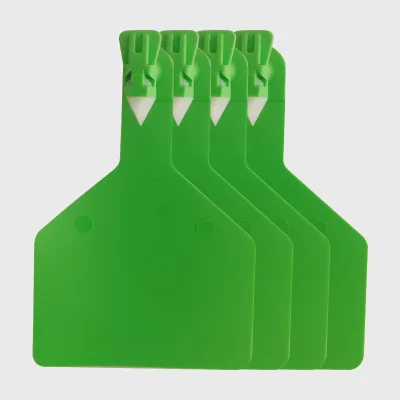
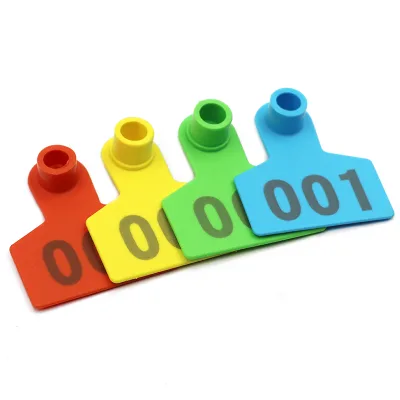
Large Ear Tag Laser Typing Digital Numbering Livestock Ear Tag Marked Identification Tag
$0.1768 - $0.2277
MOQ: 100 pieces
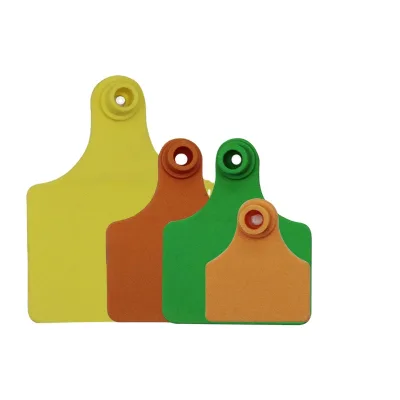
High Quality Laser Printing Farm Animal Equipment Identification Number Big Calf Cow Ear Tag for Pig
$0.1768 - $0.2277
MOQ: 100 pieces
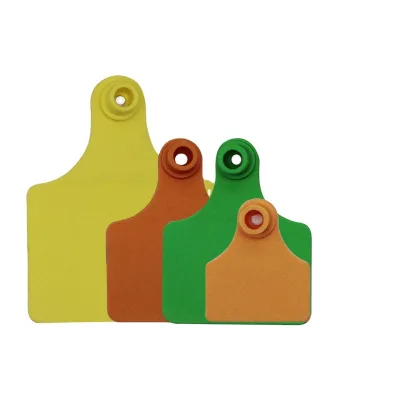
Ningbo Newland Imp. & Exp. Co., Ltd.
- Trading Company
- Zhejiang, China
- Lead time20 days
- Avg. response≤ 3h
Main productsPoultry Drinker,Poultry Feeder,Veterinary Syringe,Ear Tag,Water Bowl
Main marketsOceania(20.00%), Northern Europe(15.29%), Southern Europe(12.94%), Western Europe(11.77%), Africa(10.59%), South America(8.24%), North America(5.88%), Southeast Asia(4.71%), South Asia(2.35%), Eastern Europe(2.35%), Domestic Market(2.35%), Eastern Asia(2.35%), Mid East(1.18%)
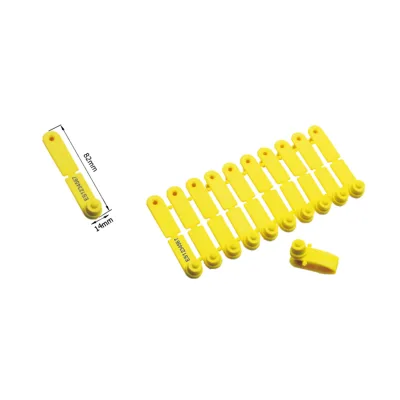
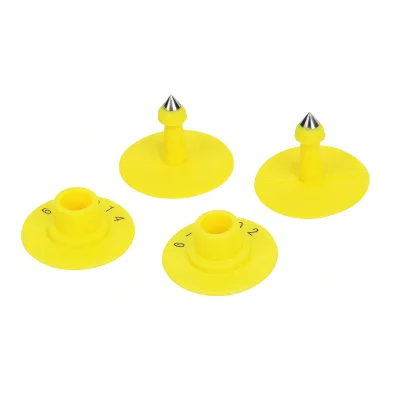
Manufacturer Farm Animal Ear Tag with Numbers Ear Marking Tag for Lamb Goat Sheep Pig
$0.0614 - $0.0716
MOQ: 1000 Minimum
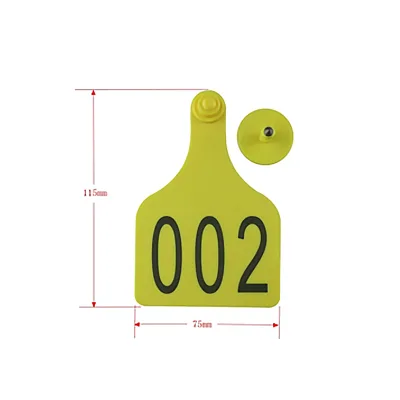
Factory Price 100pcs Cattle Sheep Ear Tag Laser Mark Animal Identification Card Cow Ear Tag
$0.0614 - $0.0716
MOQ: 1 Minimum

Shaoxing Kontaga Import& Export Co., Ltd.
- Trading Company
- Zhejiang, China
- Lead time25 days
- Avg. response≤ 5h
Main productsautomatic syringe,ear tag applicator,poultry drinker&feeder,calf feeding bottle&teat,sprayer
Main marketsAfrica(15.00%), Mid East(15.00%), Western Europe(10.00%), South America(10.00%), Southern Europe(10.00%), Eastern Europe(10.00%), Northern Europe(5.00%), Central America(5.00%), Oceania(5.00%), Eastern Asia(5.00%), North America(5.00%), South Asia(3.00%), Southeast Asia(2.00%)
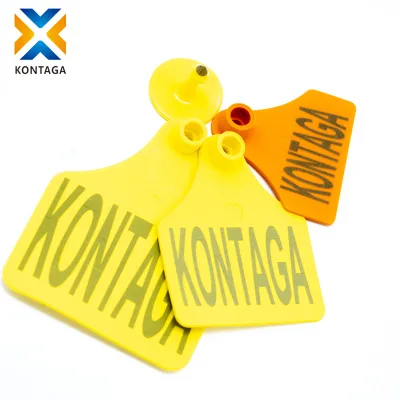
Practical Laser Printing Tpu Animal Livestock Cow Ear Tag for Ear Tag Mark Identification
$0.18 - $0.20
MOQ: 10000 pieces
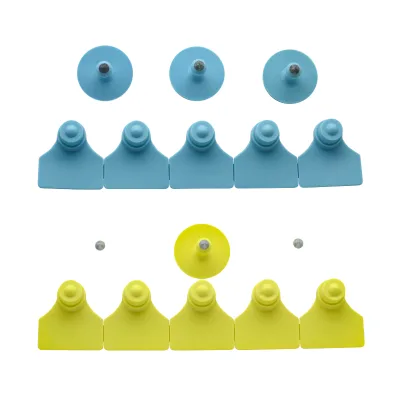
Good Quality Tpu Laser Engraved Font Earrings Animal-tracking Ear Tag for Cattle Sheep and Pig
$0.12 - $0.19
MOQ: 100 pieces
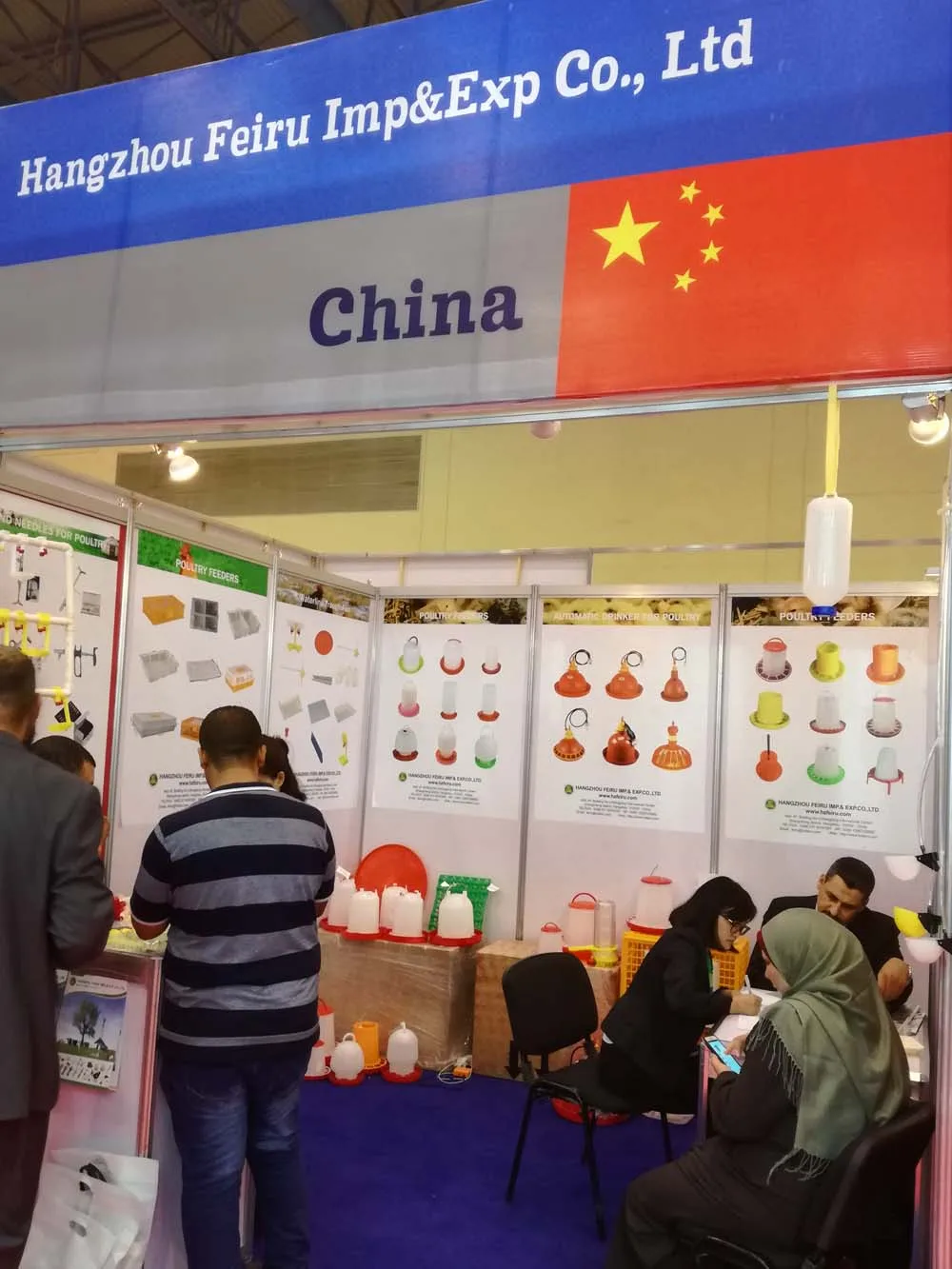
Hangzhou Feiru Import & Export Co., Ltd.
- Trading Company
- Zhejiang, China
- Lead time25 days
- Avg. response≤ 1h
Main productsVeterinary syringes,EAR TAG,NIPPLE DRINKERS,BANDAGE,POULTRY FEEDER
Main marketsSoutheast Asia(30.00%), South America(20.00%), Africa(10.00%), North America(10.00%), Western Europe(10.00%), South Asia(5.00%), Mid East(5.00%), Domestic Market(2.00%), Northern Europe(2.00%), Eastern Asia(2.00%), Eastern Europe(2.00%), Southern Europe(1.00%), Central America(1.00%)

Dezhou Tongda Incubation Equipment Factory
- Manufacturer, Trading Company
- Shandong, China
- Lead time3 days
- Avg. response≤ 10h
Main productsincubator,hatchery,farm equipment,poultry equipment,plucker machine
Main marketsAfrica(60.00%), Mid East(10.00%), Southeast Asia(5.00%), North America(5.00%), Western Europe(3.00%)
Foshan Shunde Maoduoyu Trading Co., Ltd.
- Manufacturer, Trading Company, Distributor/Wholesaler
- Guangdong, China
- Lead time0 days
- Avg. response≤ 1h
Main productsIndustrial machinery,Commercial machinery,Packaging machinery,Filling machinery,Food machinery
Main marketsNorth America(50.00%), Southeast Asia(10.00%), Mid East(10.00%), Central America(10.00%), Domestic Market(5.00%), Western Europe(5.00%), Northern Europe(3.00%), South Asia(2.00%), Oceania(1.00%), Eastern Asia(1.00%), Eastern Europe(1.00%), South America(1.00%), Africa(1.00%)
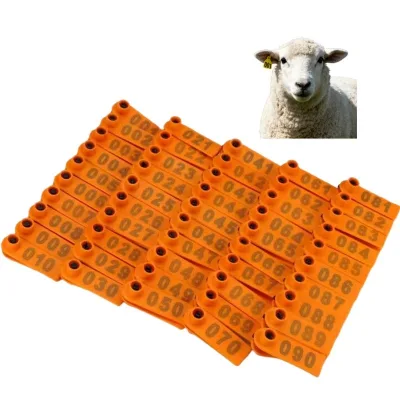
$0.0419 - $0.3985
MOQ: 1 Minimum
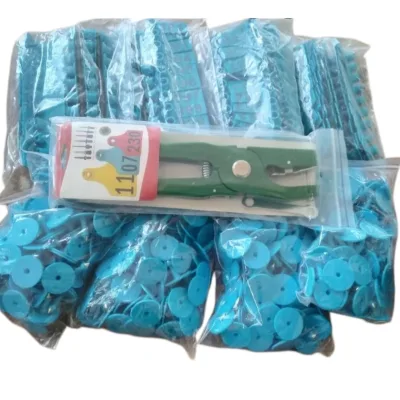
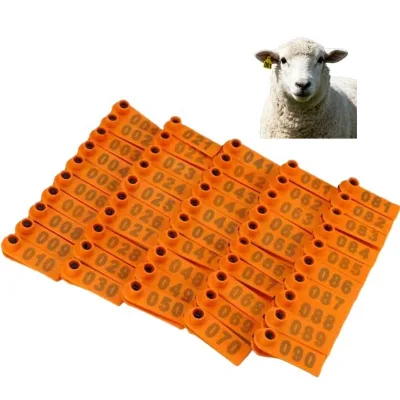
Anhui Hatai Intelligent Technology Co., Ltd.
- Verified by TüVRheinland
- Manufacturer, Trading Company
- Lead time10 days
- Avg. response≤ 2h
Main productsAnimal Ear Tag, Ear Tag Plier, Ear Tag Reader/scanner, Electronic Ear Tag, Animal Neck Collar
Main marketsMid East(28%), Africa(20%), Oceania(10%)

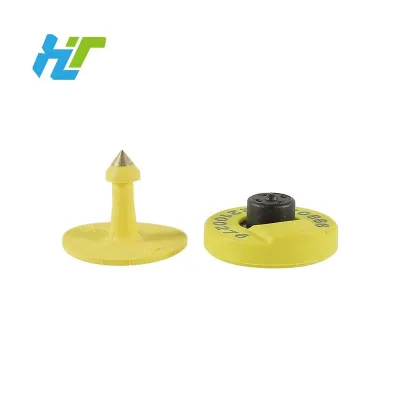
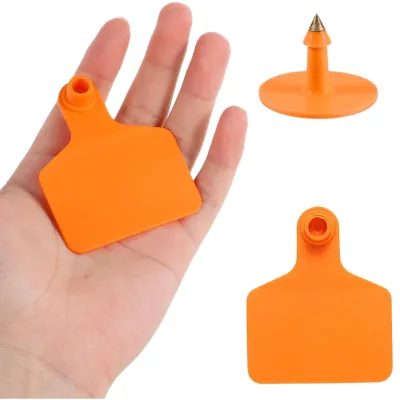
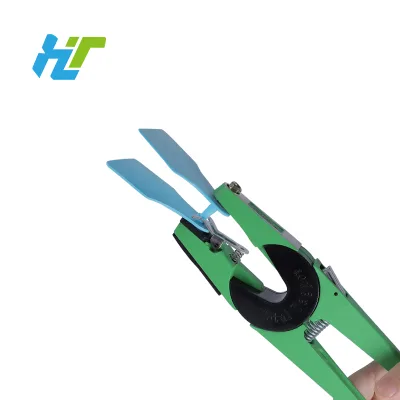
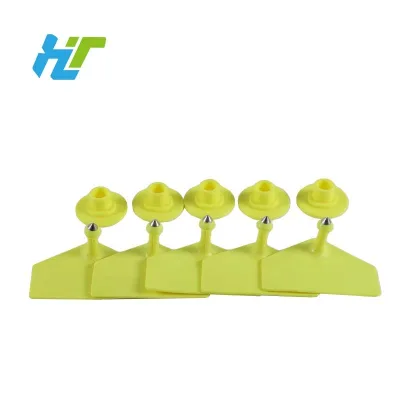
Large 60*72mm Orange Livestock Ear Tags Plastic Farm Animal ID Tags for Sheep
$0.3625
MOQ: 100 Minimum
Hebei Guanjiang Animal Husbandry Technology Co., Ltd.
- Verified by Intertek
- Trading Company
- Lead time10 days
- Avg. response≤ 2h
Main productsSlat Floor for Farm, Poultry Drinker, Poultry Feeder, Farrowing Sow Crate, Animal Ear Tags
Zhengzhou Jinhui Agricultural S&T Co., Ltd.
- Verified by SGS Group
- Manufacturer, Trading Company
- Lead time10 days
- Avg. response≤ 2h
Main productsSteel processing, Plastic products, Animal artificial breeding equipment and tools, Automation control systems
Main marketsSoutheast Asia(20%), Mid East(15%), North America(10%)
- Manufacturer, Trading Company
- Hong Kong S.A.R.
- Lead time0 days
- Avg. response≤ 3h
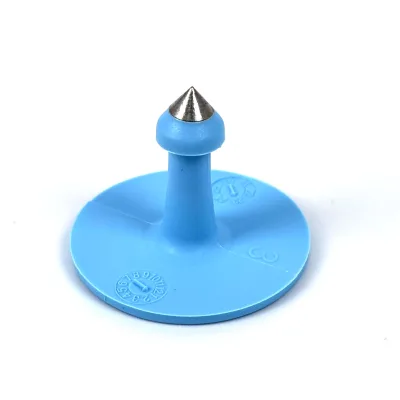
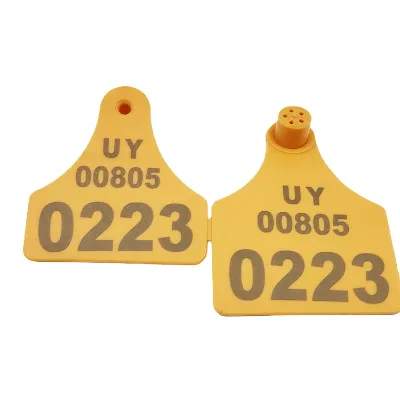
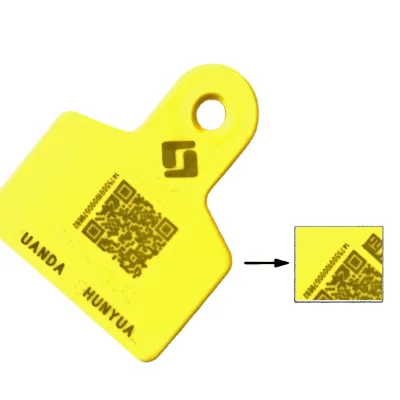
$0.7101 - $1.0291
MOQ: 100 pieces
Haixing Jiayuan Plastic Products Co., Ltd.
- Manufacturer, Trading Company
- Hebei, China
- Lead time0 days
- Avg. response≤ 12h
Main productsEar Tag,Ear label,Electronic ear tag,Livestock equipment,Plastic products
Main marketsDomestic Market(40.00%), Northern Europe(12.00%), South Asia(10.00%), North America(10.00%), Africa(8.00%), Eastern Asia(6.00%), Central America(5.00%), Southeast Asia(5.00%), Eastern Europe(4.00%)
Anhui Fulaier E-Commerce Co., Ltd.
- Verified by Intertek
- Manufacturer, Trading Company
- Lead time0 days
- Avg. response≤ 3h
Main productsDrip irrigation Fittings, irrigation dripper, irrigation sprinkler, irrigation hose & pipe, Misting System Fittings
Main marketsSouth America(25%), Southeast Asia(25%), North America(21%)
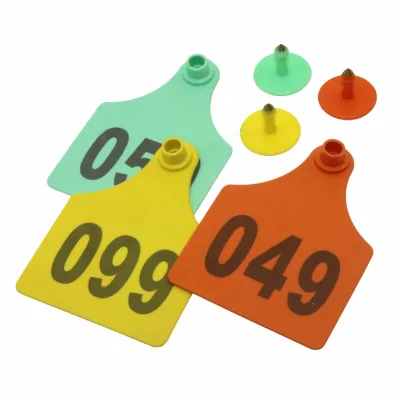
$0.1437 - $0.1648
MOQ: 200 pieces



Hebei Guanjiang Smart Agriculture And Animal Husbandry Technology Co., Ltd.
- Manufacturer, Trading Company
- Hebei, China
- Lead time20 days
- Avg. response≤ 2h
Main productsPig drinking bowl,Sow bed,Feed bowl for pigs,Pig floor,Pig fender
Main marketsSouth Asia(20.00%), Southeast Asia(20.00%), North America(20.00%), Central America(10.00%), Northern Europe(10.00%), Mid East(5.00%), South America(5.00%), Africa(2.00%), Domestic Market(2.00%), Eastern Asia(2.00%), Western Europe(1.00%), Eastern Europe(1.00%), Southern Europe(1.00%), Oceania(1.00%)
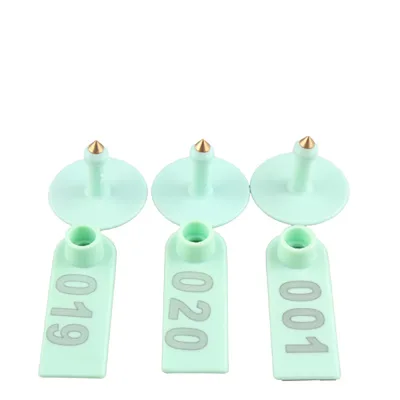
Copper Head Earrings for Animals Laser Ear Tag Customized Ear Tags for Sheep Lamb Goat
$2.31 - $2.85
MOQ: 2 bags
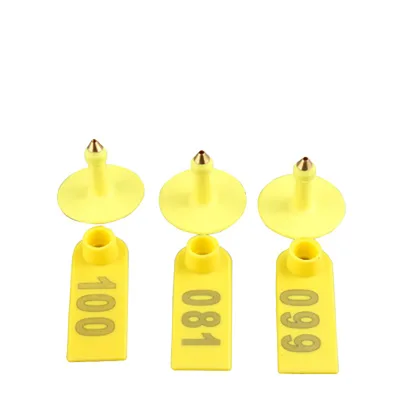
Brightly Colored Laser-Engraved Animal Ear Tags Easy to Distinguish Cable Ties
$1.0741 - $1.3422
MOQ: 5 Minimum

Luoyang Laipson Information Technology Co., Ltd.
- Manufacturer, Trading Company
- Henan, China
- Lead time5 days
- Avg. response≤ 4h
Main productsVisual Ear Tag,FDX RFID Ear Tag,HDX RFID Ear Tag,UHF RFID Ear Tag,Cattle Ear Tag
Main marketsDomestic Market(38.00%), Oceania(12.00%), North America(9.00%), South America(8.00%), Eastern Europe(6.00%), Eastern Asia(5.00%), Western Europe(4.00%), Southeast Asia(4.00%), Africa(3.00%), South Asia(3.00%), Central America(2.00%), Mid East(2.00%), Southern Europe(2.00%), Northern Europe(2.00%)
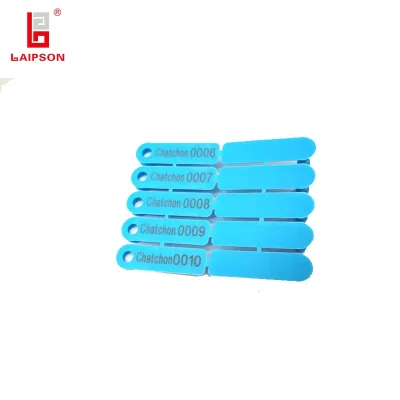
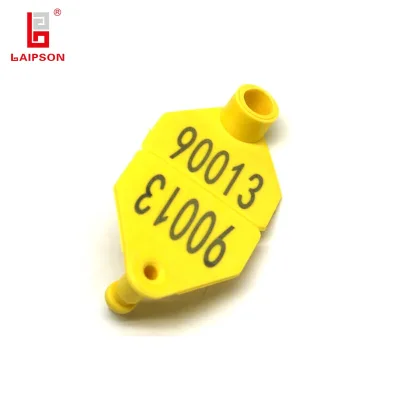
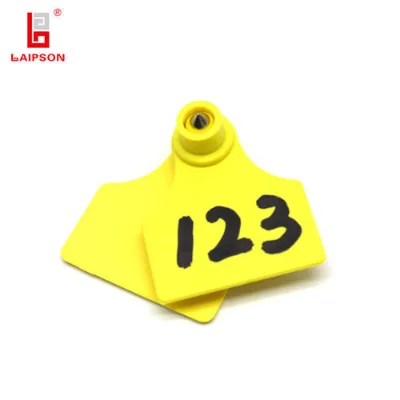
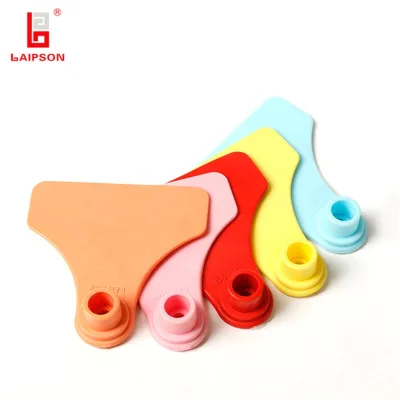
Top Quality Barcode Ear Tag Pig Rabbit and Sheep
$0.30 - $0.35

Wuhan Red Star Agro-Livestock Machinery Co., Ltd.
- Manufacturer, Trading Company
- Hubei, China
- Lead time30 days
- Avg. response≤ 5h
Main productsfarrowing crate,spiral catheter,Cast Iron slat,marking stick,nipple drinker
Main marketsSouthern Europe(30.00%), Western Europe(15.00%), North America(10.00%), Northern Europe(8.00%), South Asia(5.00%), Eastern Europe(5.00%), Eastern Asia(5.00%), Mid East(5.00%), Southeast Asia(5.00%), Africa(5.00%), Domestic Market(1.00%), Central America(1.00%), South America(1.00%), Oceania(1.00%)

Shenzhen Eartaghome Technology Co., Ltd.
- Manufacturer, Trading Company
- Guangdong, China
- Lead time0 days
- Avg. response≤ 5h
Main productsRFID Ear tag,pet microchip,RFID Reader,ear tag,RFID foot tags
Main marketsOceania(30.00%), South America(30.00%), North America(30.00%), Northern Europe(3.00%), Southern Europe(3.00%), Africa(3.00%), Western Europe(1.00%)






Comprehensive Sourcing Guide
Laser Typing Animal Ear Tag Supplier Concentration and Factory Types
Current data indicates that verified suppliers for laser typing animal ear tags are concentrated in specific Chinese provinces, with Zhejiang and Guangdong emerging as primary manufacturing hubs. Fact records show facilities in Zhejiang offering a broad range of medical disposables alongside agricultural tags, while Guangdong-based entities specialize in RFID tags, smart cards, and specific animal identification products. These locations host a mix of trading companies and manufacturers, suggesting that buyers may encounter direct factory lines or intermediaries depending on the specific supplier profile. The presence of ISO 13485 and ISO 9001 certifications in Zhejiang suggests a strong regulatory framework for medical-grade production, which often overlaps with high-precision agricultural tagging requirements.
When evaluating the factory type, buyers should distinguish between pure trading companies and those with in-house manufacturing capabilities. Some suppliers list themselves as manufacturers with OEM and own-brand capacities, such as the U-life brand, while others operate strictly as trading entities. This distinction is critical because manufacturers often provide more flexibility for customization, such as laser printing specifications or material changes, whereas trading companies may offer a wider variety of stock items but less control over the production process. Buyers must verify if the supplier claims to be a manufacturer by checking for specific production equipment details or factory audit reports, as the supply chain structure directly impacts lead times and quality control consistency for laser-typed tags.
How to Verify Laser Typing Animal Ear Tag Suppliers
Verification of Laser Typing Animal Ear Tag suppliers requires a rigorous check of third-party audit results and certification validity. Several suppliers in the current dataset have undergone verification by TUVRHEINLAND, a recognized international inspection body, which adds a layer of credibility to their operational claims. Additionally, product-specific certifications such as SGS, RoHS, and CE are frequently cited in product attributes, indicating compliance with international safety and material standards. Buyers should not rely solely on self-declared claims but must request current audit reports that specifically cover the production lines for animal ear tags. The presence of an SGS certificate for materials like TPU or plastic is a strong indicator that the raw materials meet durability and safety requirements for livestock use.
Beyond certifications, response time and verification status serve as practical indicators of supplier reliability. Data shows response times varying significantly, with some suppliers responding in under six hours while others take nearly twenty hours. A rapid response time often correlates with a dedicated sales team and efficient internal communication, which is vital when discussing custom laser printing details or urgent order adjustments. Buyers should prioritize suppliers with verified status and documented response metrics, as these factors suggest a professional operation capable of handling complex inquiries. It is essential to confirm that the verification badge is current and not expired, as outdated credentials may not reflect the supplier's actual current manufacturing capacity or quality control standards.
What to Compare Across Laser Typing Animal Ear Tag Suppliers
Comparing suppliers requires a detailed analysis of lead times, minimum order quantities, and pricing structures to ensure alignment with project needs. Lead times in the observed data range from stock availability to approximately fifteen days, with some suppliers offering a five-to-seven-day window for customized orders. Minimum order quantities vary widely, with some suppliers requiring as few as one thousand pieces while others demand ten thousand units. This variance significantly impacts the total cost of ownership and inventory management strategies. Buyers must calculate the unit price against the MOQ to determine the most cost-effective option, noting that prices can range from as low as $0.03 to over $1.80 per unit depending on the complexity of the laser printing and material specifications.
Response speed and product attributes are also critical comparison points that influence the overall sourcing decision. Suppliers with faster response times, such as those under six hours, may offer better support for troubleshooting technical issues related to laser engraving depth or QR code readability. Product attributes like material type, size, and anti-collision standards must be matched against specific livestock requirements. For instance, TPU material is preferred for flexibility, while specific dimensions like 8065mm or 7856mm must fit the target animal species. Buyers should create a comparison matrix that weighs these factors, ensuring that the selected supplier can meet both the technical specifications and the logistical constraints of the order without compromising on quality or delivery schedules.
Common Laser Typing Animal Ear Tag Sourcing Risks
One significant risk in sourcing laser typing animal ear tags is the potential mismatch between claimed customization capabilities and actual production output. While many suppliers list customization as available, the specific requirements for laser printing, such as font size, depth, or QR code density, may not be achievable on all production lines. Some product attributes indicate standard sizes and colors, which might limit the ability to produce highly customized tags without additional tooling costs. Buyers must explicitly confirm the feasibility of their specific design requirements before placing an order, as assumptions about customization availability can lead to delays or rejected shipments. The risk is heightened when dealing with trading companies that may not have direct oversight of the manufacturing process.
Another critical risk involves the consistency of material quality and certification validity over time. Although suppliers list certifications like ISO and SGS, these documents may not cover the specific batch of tags being produced. Variations in raw materials, such as the quality of TPU or plastic, can affect the durability of the ear tag and the longevity of the laser inscription. If the material certification is not batch-specific, there is a risk that the tags may degrade prematurely or fail to withstand environmental conditions. Buyers should request material test reports for the specific production run and verify that the anti-collision standards and chip types, if applicable, meet the operational needs of their livestock management systems to avoid costly replacements.
Laser Typing Animal Ear Tag Regional Sourcing and Logistics
Sourcing from China, specifically from Zhejiang and Guangdong, offers distinct logistical advantages and challenges that buyers must navigate. Suppliers in these regions benefit from established export infrastructure, yet the distance from international markets can impact shipping times and costs. The concentration of manufacturers in these provinces allows for efficient clustering of raw materials and specialized machinery, which can reduce production lead times. However, buyers must account for the variability in shipping methods and customs clearance procedures that can affect the final delivery date. Understanding the specific port of origin, such as Shenzhen or other major hubs in Guangdong, helps in estimating transit times more accurately and planning inventory levels accordingly.
Logistics planning also involves coordinating with suppliers who have different packing standards and shipping capabilities. Product attributes indicate various packing methods, ranging from poly bags and paper boxes to bulk packaging of 2500 or 5000 pieces per box. These packing configurations influence the number of containers required and the overall shipping volume. Buyers should discuss packing requirements early in the negotiation process to ensure that the tags are protected during transit and that the packaging meets the destination country's import regulations. Additionally, verifying the supplier's experience with international shipping and their ability to handle documentation like commercial invoices and packing lists is essential to prevent delays at customs and ensure a smooth supply chain flow.
Laser Typing Animal Ear Tag Commercial Terms and Order Planning
Commercial terms for laser typing animal ear tags often include specific conditions regarding samples, payment, and order planning. Some suppliers offer free samples, such as two pieces, which allows buyers to verify the quality of the laser printing and material before committing to a large order. However, the cost of shipping samples and the lead time for sample production must be factored into the overall project timeline. Payment terms and escrow services are critical for protecting both parties, and buyers should ensure that the platform or contract provides secure payment mechanisms. Understanding the sample policy and the associated costs helps in managing the initial phase of the sourcing process effectively.
Order planning must account for the minimum order quantities and the potential for volume discounts. With MOQs ranging from one thousand to ten thousand units, buyers need to forecast their demand accurately to avoid overstocking or under-ordering. The price range observed, from $0.03 to $1.80, suggests that volume purchasing can significantly reduce the unit cost. Buyers should negotiate based on their projected annual volume to secure better pricing and prioritize suppliers who offer flexible production schedules. Additionally, planning for lead times, which can vary from stock availability to fifteen days, ensures that the supply chain remains uninterrupted. Clear communication regarding order timelines and delivery expectations is essential to maintain a productive relationship with the supplier and meet market demands.
FAQs
What is the price range for laser printed animal ear tags?
Prices for laser printed animal ear tags typically range from $0.10 to $1.80 per unit depending on customization and material. Basic plastic tags start around $0.10, while specialized TPU or RFID-enabled options can reach higher price points. Buyers should verify specific pricing based on order volume and required features like laser printing or custom colors.
What is the minimum order quantity for these tags?
Minimum order quantities vary significantly by supplier and product type. Some manufacturers require a minimum of 1,000 pieces for standard laser insured tags, while others may set the threshold at 2,000 or 10,000 units. Buyers should confirm the exact MOQ with the supplier before placing an order to ensure it aligns with their inventory needs.
How long does production take for custom ear tags?
Production lead times generally range from 15 to 23 days for standard orders. Some suppliers offer faster turnaround times of five to seven days for stock items or specific customized models. Buyers should confirm the exact lead time with the supplier, as it may vary based on the complexity of the laser printing and material availability.
Which animals are these ear tags suitable for?
These ear tags are designed for a wide variety of livestock including cattle, sheep, pigs, goats, horses, and fowl. Specific models may be optimized for certain animals, such as double vane tags for cattle or smaller tags for sheep. Buyers should check the product specifications to ensure the tag size and material are appropriate for their specific animal type.
What certifications do these ear tags have?
Many suppliers offer ear tags with ISO, SGS, RoHS, and CE certifications. Some manufacturers also hold ISO 13485 or ISO 9001 system certifications. Buyers should verify the specific certifications required for their market and request documentation from the supplier to ensure compliance with local regulations and quality standards for animal identification products.
Can I get samples before placing a large order?
Samples are often available for evaluation, with some suppliers offering free samples for specific models like laser insured double vane tags. Buyers should contact the supplier to request samples and confirm any associated shipping costs or sample fees. Evaluating samples helps ensure the tag material, laser printing quality, and attachment mechanism meet your specific requirements.