High Efficiency Feed Extruder Suppliers and Manufacturers
Compare 24 verified High Efficiency Feed Extruder suppliers by response time, lead time, certifications, and capacity. Review product specs like warranty, material, and pellet size before contacting vendors for quotes; review the available evidence before requesting comparable quotations from suitable candidates.
Updated
Suppliers List
HENAN ETERNALWIN MACHINERY EQUIPMENT CO., LTD.
- Verified by SGS Group
- Trading Company
- Lead time15 days
- Avg. response≤ 1h
Main productsFeed pellet processing equipment/Floating and sinking fish feed production equipment/Pet food extruder machine line/Snack extruder machine, Wood pellet production equipment
Main marketsEastern Europe(25%), Western Europe(25%), North America(5%)

Luoyang Smartech Machinery Equipment Co., Ltd.
- Verified by SGS
- Trading Company
- China Henan
- Lead time30 days
- Avg. response≤ 10h
Main productsWood Pellet Mill, Pellet Mill, Wood Crusher Machine, Wood Grinding Machine, Wood Dryer Machine, Packaging Machine, Wood Chipper Machine
Main marketsAfrica,Southeast Asia/ Mideast,Europe,Australia

Shandong Qufu Taifeng Mechanical Equipment Co., Ltd.
- Verified by SGS
- Combined
- China Shandong
- Lead time15 days
- Avg. response≤ 6h
Main productsShredder, Crushing Machine, Plastic Shredder, Wood Crusher, Stone Hammer Mill, Jaw Crusher, Ball Mill, Wood Pellet Mill, Hydraulic Baler, Feed Pellet Machine
Main marketsAfrica,Southeast Asia/ Mideast,Europe
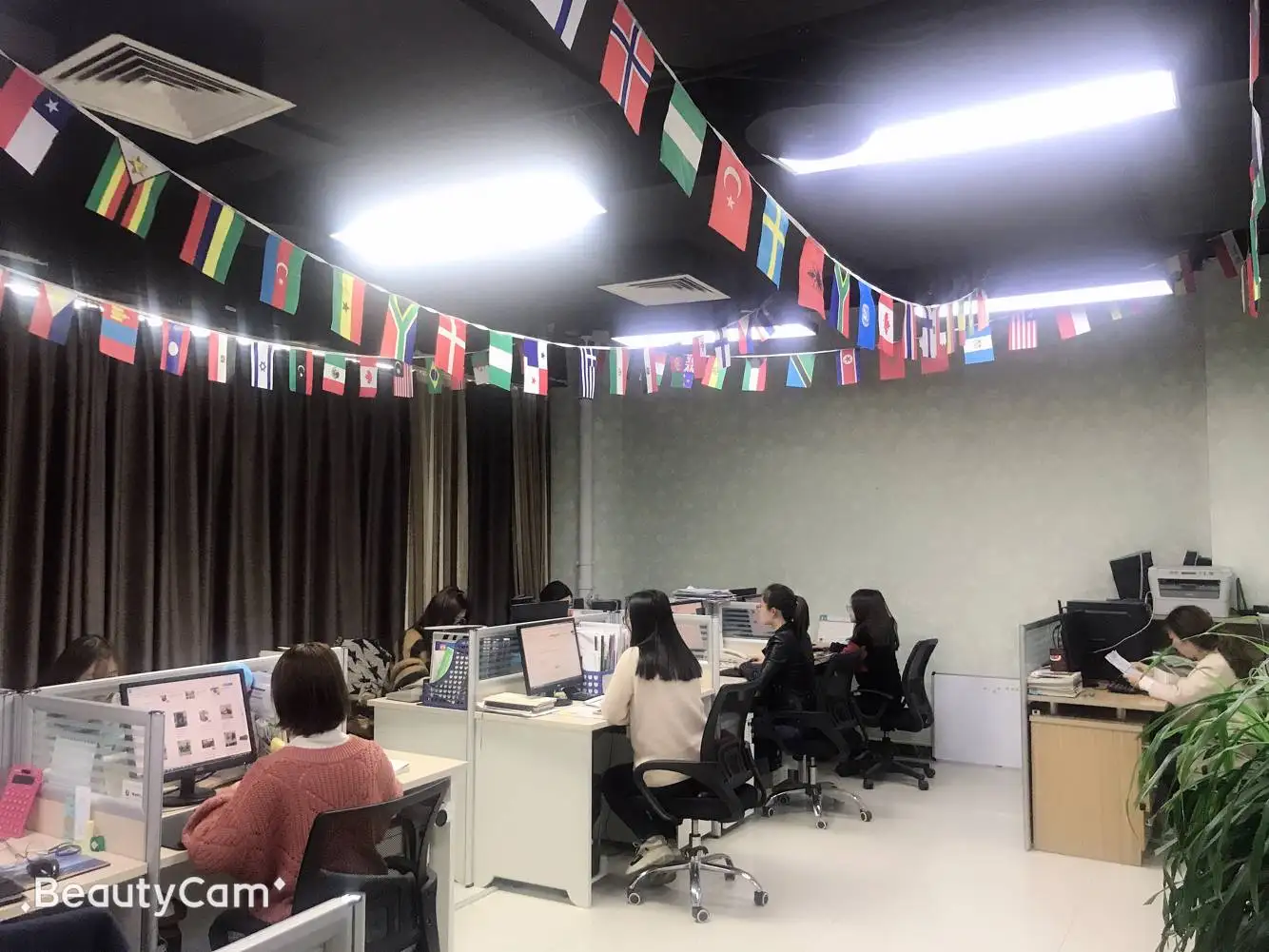
Zhengzhou Leabon Machinery Equipment Co., Ltd.
- Manufacturer, Trading Company
- Henan, China
- Lead time20 days
- Avg. response≤ 4h
Main productsPellet Making Line/ Baler Machine/ Dryer/ Packing Machine/ Crusher/ Mixer,packing machine,palletizer,TMR feed mixer,dryer machine
Main marketsEastern Europe(30.00%), Africa(12.00%), Mid East(10.00%), Southern Europe(9.00%), Southeast Asia(8.00%), South America(8.00%), Western Europe(7.00%), Eastern Asia(5.00%), Northern Europe(4.00%), North America(4.00%), South Asia(1.00%), Oceania(1.00%), Central America(1.00%)
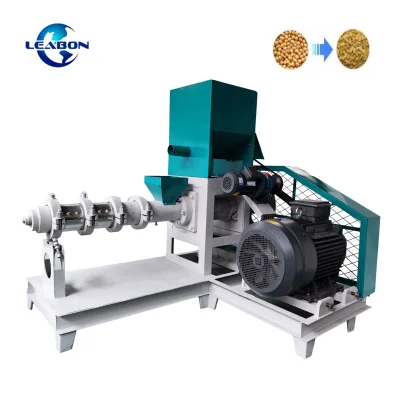
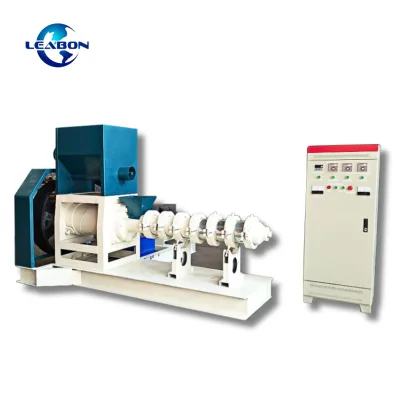
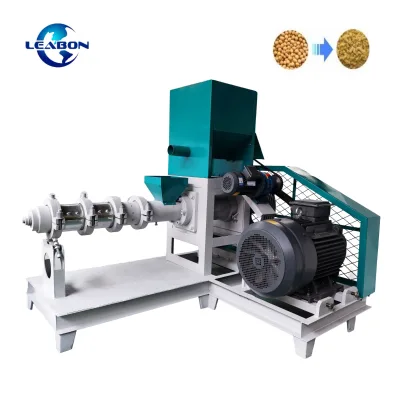
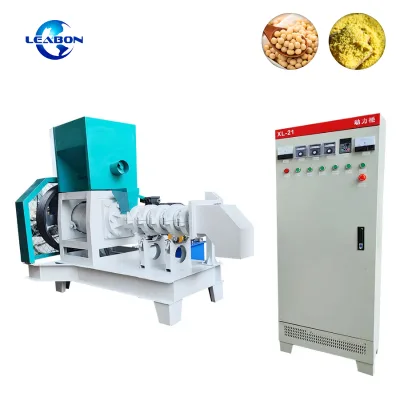
Fish Feed Extruder Production Manufacturing Raw Grain Extruder Processing Equipment Price
$3070.1885
MOQ: 1 Minimum
Luoyang Luodate Machinery Equipment Co., Ltd.
- Manufacturer, Trading Company
- Lead time旺季: "1 - 1":30,"> 1":"To be negotiated", 淡季: "1 - 1":30,"> 1":"To be negotiated"
- Avg. response≤ 3h
Main productsFeed Processing Machines, Feed Pellet Mill, Feed Production Line, Wood Pellet Mill, Biomass Pellet Production Line
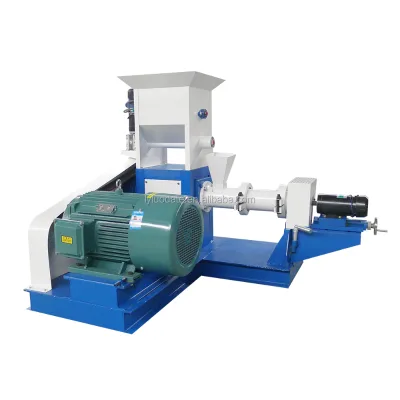
$8000.00 - $12000.00
MOQ: 1 sets
Jingjiang Qiuhong Technology Co., Ltd.
- Manufacturer, Trading Company
- Jiangsu, China
- Lead time60 days
- Avg. response≤ 3h
Main productsFeed production line,Nutrition Powder Production Line,Pulverizer,Mixer,Extruder die
Main marketsSoutheast Asia(30.00%), Northern Europe(30.00%), South Asia(20.00%), South America(10.00%), North America(10.00%)
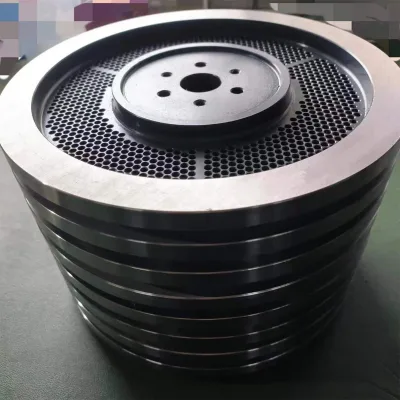
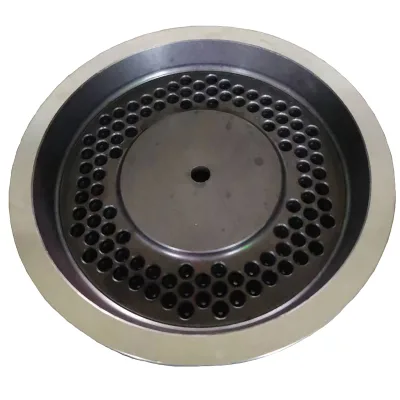
China Factory Wholesale High Output Aquatic Feed Extruder Template
$270.00 - $285.00
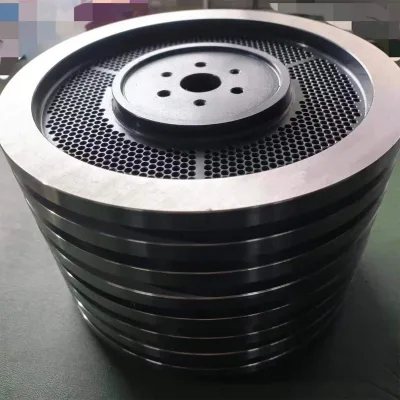
Hot Selling High Productivity Feed Extruder Template Shunt Plate
$270.00 - $285.00
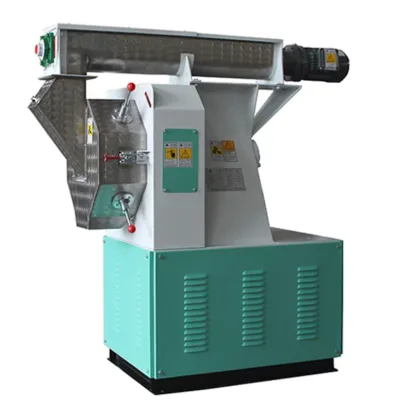
Jiaozuo Zhiyou Machinery Co., Ltd.
- Trading Company
- henan, China
- Lead time7 days
- Avg. response≤ 2h
Main productsFood machine,Farm machine,Drying machine,Pellet machine,Recycling Machine
Main marketsMid East(12.00%), Africa(11.00%), North America(10.00%), Oceania(10.00%), Southeast Asia(9.00%), Eastern Asia(8.00%), South Asia(7.00%), South America(6.00%), Southern Europe(6.00%), Northern Europe(5.00%), Eastern Europe(5.00%), Western Europe(4.00%), Domestic Market(4.00%), Central America(3.00%)
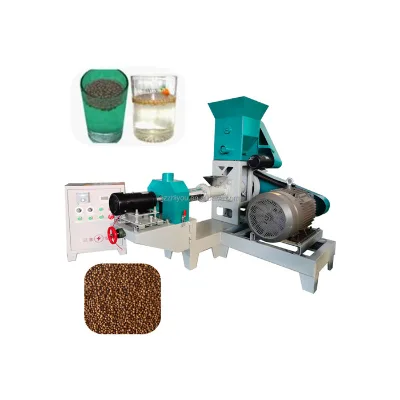
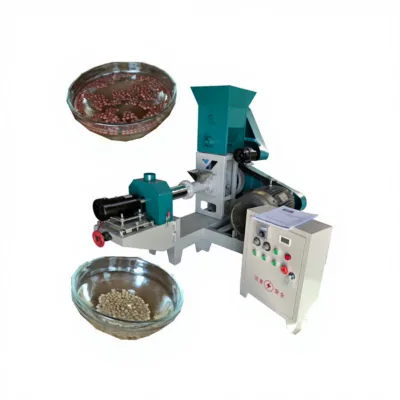
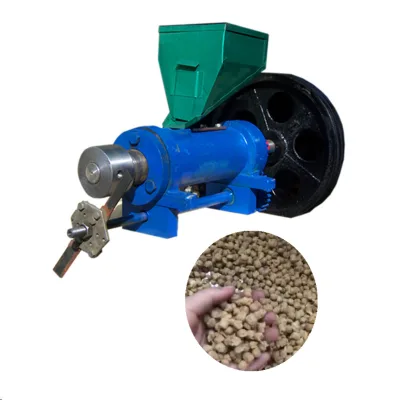
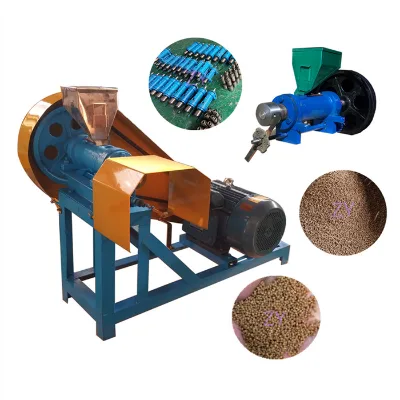
Long Using Time Pet Feed Extruder Machine Shrimp Feed Extruder
$1290.00 - $1590.00

Shandong Light M & E Co., Ltd.
- Manufacturer/Factory
- China Shandong
- Lead time0 days
- Avg. response≤ 12h
Main productsFood Machinery, Food Extruder, Foodstuff/Snacks Processing Line, Corn Flakes/Breakfast Cereals Production, Chips/Pellets Making Machine, Cheetos/Kurkure/Niknak Machine, Pet Food Making Machine, Texture Soya Protein Food Machine, Modified Starch Machine, Hamburger/Chicken Nugget Machine
Main marketsSouth America,Eastern Europe,Mid East,North America,Southeast Asia,Eastern Asia,Oceania,Western Europe,Africa

Shandong Topline Machinery Co., Ltd.
- Verified by SGS
- Combined
- China Shandong
- Lead time30 days
- Avg. response≤ 2h
Main productsExtruder Screw, Barrel, Preconditioner, Extruder Mold, Pasta Machine, Feed Pellet Machine, Shrimp Chip Extruder, Takis Production Line
Main marketsSoutheast Asia/ Mideast

Efficient Aquatic Fish Feed Processing Extruder Machine Fish Feed Machine
$1200.00 - $2000.00
MOQ: 1 Pieces


Jinan Saibainuo Extrusion Machinery Co., Ltd.
- Verified by BV
- Trading Company,Manufacturer/Factory
- China Shandong
- Lead time23 days
- Avg. response≤ 4h
Main productsPet Food Machine, Fish Feed Machine, Corn Flakes Machine, Breakfast Cereals Machine, Puff Snacks Food Machine, Textured Soya Protein Vegetable Machine, Bread Crumbs Machine, Nutritional Powder Baby Food Machine, Pasta Macaroni Machine, Bugles Chips Machine
Main marketsSouth America,Eastern Europe,Mid East,North America,Southeast Asia,Eastern Asia,Oceania,Western Europe,Africa

Shandong Arrow Machinery Co., Ltd.
- Verified by SGS
- Combined
- China Shandong
- Lead time60 days
- Avg. response≤ 5h
Main productsBreakfast Cereals Machine, Fortified Rice Machine, Textured Protein Machine, Pet Food Machine, Fish Feed Machine, Food Extruder, Snacks Machinery, Food Drying Machine, Plant Based Meat Making Machine, Vegan Meat Machine
Main marketsSoutheast Asia/ Mideast,Europe,North America


Pet Feed Machine Extruded Animal Feed Processing Machine Pet Food Making Extruder
$9999.00 - $13000.00
MOQ: 1 Sets

JINAN MT MACHINERY & EQUIPMENT CO., LTD.
- Trading Company,Manufacturer/Factory
- China Shandong
- Lead time45 days
- Avg. response≤ 2h
Main productsCorn Flakes Machine, Corn Puffs Machine, Pet Food Machine, Floating Fish Feed Machine, Fortified Rice Machine
Main marketsSouth America,Mid East,North America,Southeast Asia,Eastern Asia,Western Europe,Africa

High Quality Fish Feed Pellet Machine Animal Feed Pellet Extruder Machine
$29000.00 - $30000.00
MOQ: 1 Sets


Dongguan City Strong Machinery Co., Ltd.
- Verified by TüVRheinland
- Trading Company
- Lead time0 days
- Avg. response≤ 5h
Main productsWrapping Machines
Main marketsNorth America(15%), South America(10%), Southeast Asia(10%)
Henan Bedo Machinery Equipment Co., Ltd.
- Manufacturer, Trading Company
- Henan, China
- Lead time15 days
- Avg. response≤ 2h
Main productsWood Chipper, Wood Sawdust Machine, Wood Sawdust Briquetting Machine, Wood Pellet Production Line, Feed Pellet Production Line
Main marketsEastern Europe(40.00%), Southeast Asia(30.00%), South Asia(10.00%), South America(10.00%), Africa(10.00%)
Jinan Sunward Machinery Co., Ltd.
- Verified by SGS Group
- Manufacturer, Trading Company
- Lead time20 days
- Avg. response≤ 4h
Main productsPet food production line, Puffed food production line, Fried food production line, Nutritional rice production line, Fish feed production line
Main marketsSouth Asia(20%), Domestic Market(17%), Africa(15%)
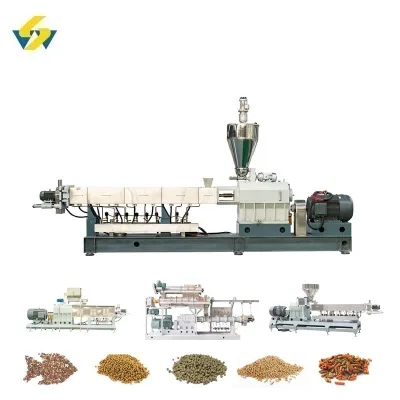
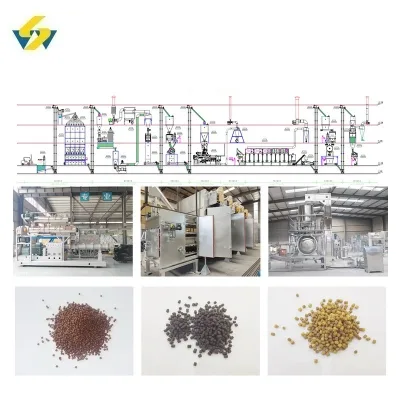
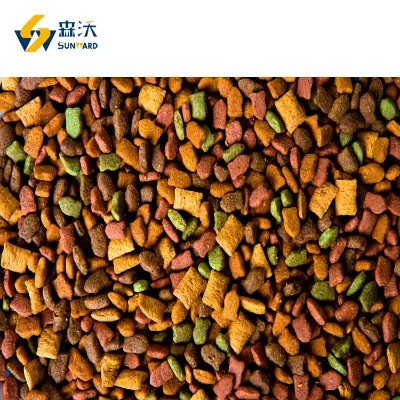
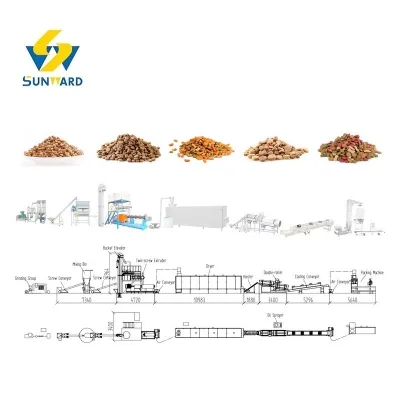
Factory Good Price Top Sale Pet Food Extruder Extruder Pet Food Processing Equipment
$31725.9323
MOQ: 1 Minimum
Jiaozuo Zhoufeng Machinery Co., Ltd.
- Trading Company
- Henan, China
- Lead time5 days
- Avg. response≤ 9h
Main productsFood machine,Farm machine,environmental protection machine,Home use machine,Biomass briquette production line
Main marketsMid East(10.00%), South Asia(10.00%), Africa(10.00%), Southeast Asia(10.00%), Domestic Market(10.00%), Central America(10.00%), North America(10.00%), South America(8.00%), Eastern Asia(7.00%), Northern Europe(5.00%), Western Europe(5.00%), Oceania(2.00%), Eastern Europe(2.00%), Southern Europe(1.00%)
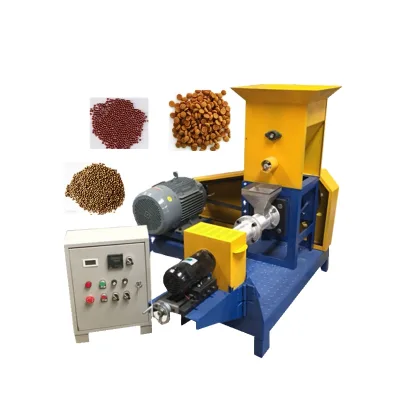
High Quality Animal Feed Pellet Making Machine Fish Dog Cat Feed Extruder Machine
$2353.4149
MOQ: 1 Minimum
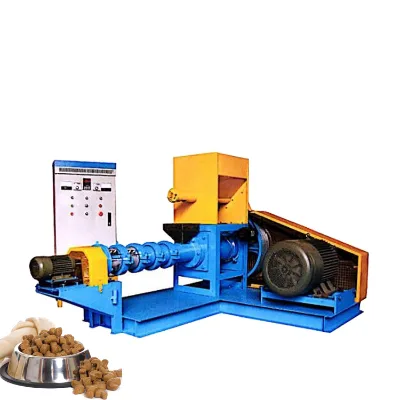

Shantou Huaxing Machinery Factory Co., Ltd.
- Verified by TUVRHEINLAND
- Combined
- China Guangdong
- Lead time60 days
- Avg. response≤ 25h
Main productsSnack Machine, Food Processing Machine, Potato Chips Production, Fryer, Dryer, Cake Depostor, Puff Snack Production Line, Single Screw Extruder, Double Screw Extruder, Pellet Snack Extruder
Main marketsSoutheast Asia/ Mideast,Europe

Zhengzhou Zhongdebao Industrial Co., Ltd.
- Verified by BV
- Trading Company,Manufacturer/Factory
- China Henan
- Lead time15 days
- Avg. response≤ 3h
Main productsWood Pellet Machine, Feed Pellet Machine, Wood Pellet Making Line, Feed Pellet Making Line, Fish&Pet Feed Pellet Making Line, Oil Press Machine, Oil Press Making Line, Feed Processing Machines
Main marketsSouth America,Eastern Europe,Mid East,North America,Southeast Asia,Eastern Asia,Oceania,Western Europe,Africa


Fish Feed Extruder/Aquafeed Extruder/Fish Food Extruder/Fish Feed Extrusion Machine
$13000.00
MOQ: 1 Pieces


Dry Type Chicken Feed Extruder Soybean Corn Extruder Fish Feed Extruder
$9000.00 - $9900.00
MOQ: 1 Pieces


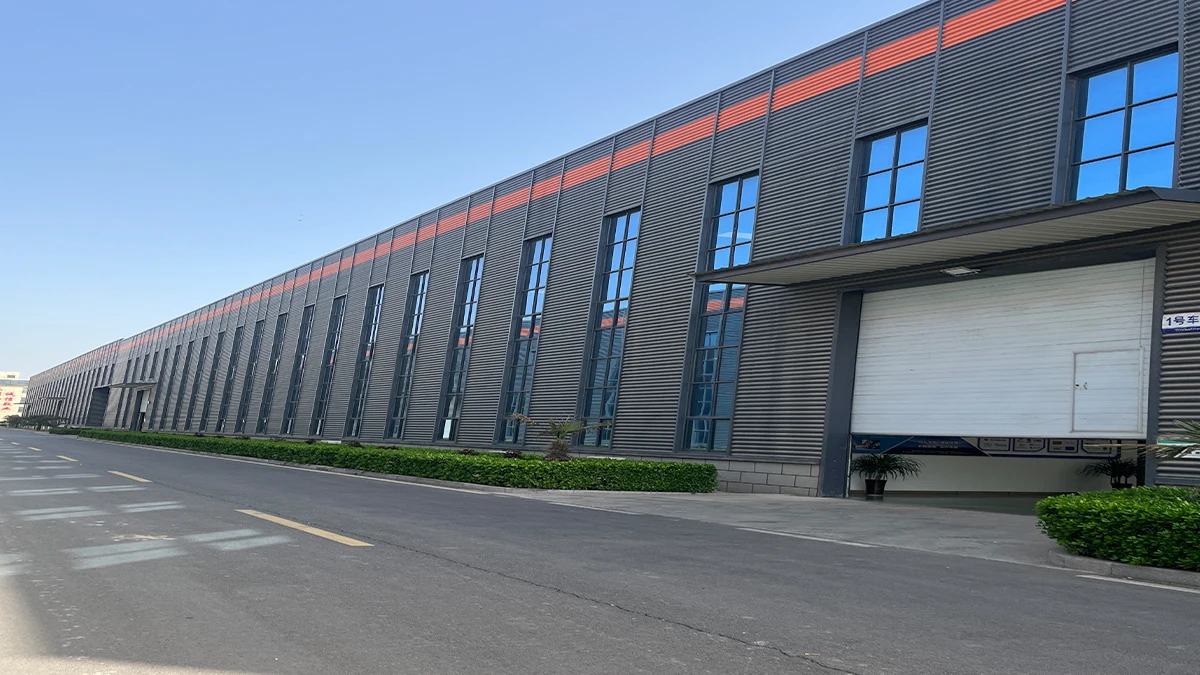
Henan Daheng Machinery CO., LTD.
- Trading Company
- Henan, China
- Lead time3 days
- Avg. response≤ 5h
Main productsFood Machine,Farm Machine,Packaging Machine,Coal and Charcoal Briquette Machine,Plastic Recycling Machine
Main marketsAfrica(30.00%), South America(25.00%), Domestic Market(15.00%), Mid East(8.00%), Eastern Asia(5.00%), Southeast Asia(3.00%), Eastern Europe(2.00%), South Asia(2.00%), Southern Europe(2.00%), Northern Europe(2.00%), Western Europe(2.00%), North America(2.00%), Oceania(2.00%)
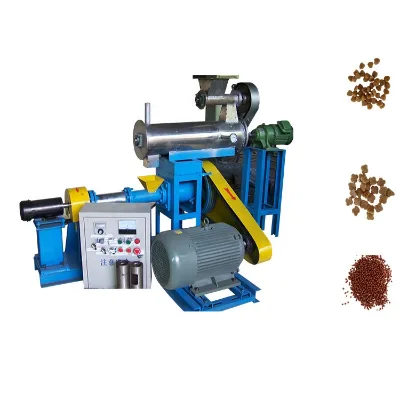
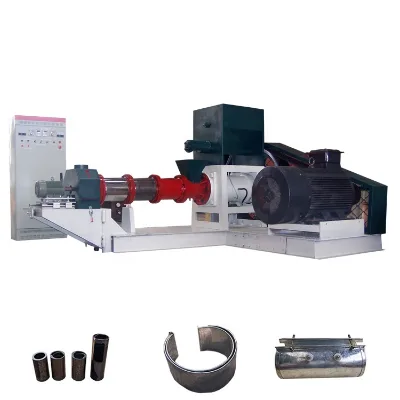
Floating Fish Feed Extruder/ Food Expanding Machine/ Animal Bulking Device
$23500.00 - $24500.00
Luoyang Smartech Machinery Equipment Co., Ltd.
- Verified by Intertek
- Trading Company
- Lead time30 days
- Avg. response≤ 5h
Main productsAnimal Feed Machine, Wood Pellet Machine, Wood Crusher, Shredder Machine, Oil Press Machine
Main marketsEastern Europe(79%), Southeast Asia(17%), Africa(4%)
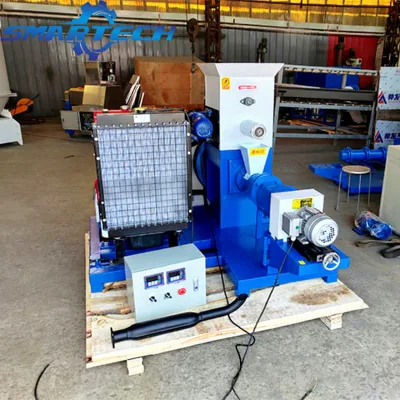
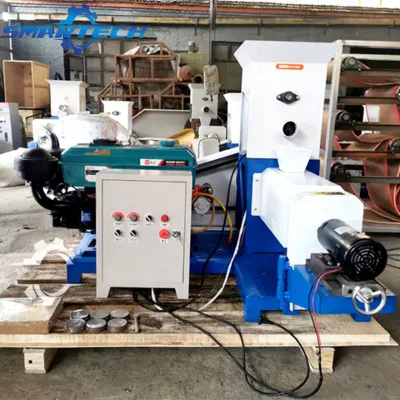
Diesel Pet Feed Extruder with Low Failure Rate and Easy Maintenance
$888.00 - $2888.00
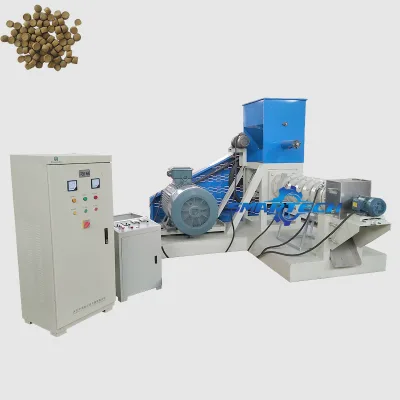
High Quality Pet Food Extruder Machine Energy Saving & Easy Operation
$888.00 - $2888.00
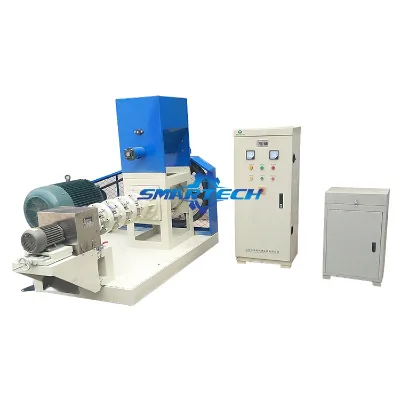
Automatic Pet Feed Processing Equipment
$888.00 - $2888.00
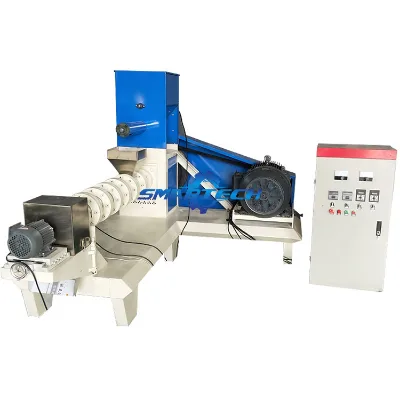
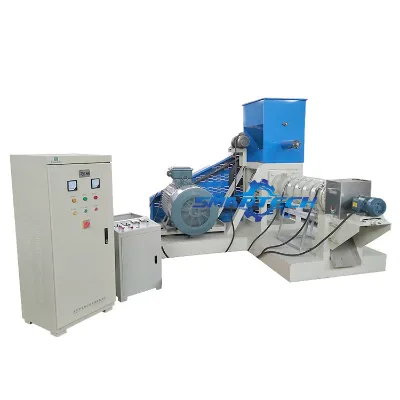
Integrated Pet Feed Production Line Complete Extrusion Processing Unit
$888.00 - $2888.00

- Verified by BV
- Manufacturer/Factory
- China Henan
- Lead time45 days
- Avg. response≤ 4h
Main productsPellet Machine, Animal Feed Pellet Production Line, Poultry Feed Plant, Hammer Mill, Feed Mixer, Feed Crusher, Feed Pelletizer, Feed Extruder, Paddle Mixer, Feed Mill Plant
Main marketsSouth America,Mid East,North America,Southeast Asia,Western Europe,Africa


Double Screw Extruder Food Machine Extruder for Pet and Aquatic Feed
$5000.00 - $200000.00
MOQ: 1 Sets
Henan Create Machinery Co., Ltd.
- Manufacturer, Trading Company
- Lead time旺季: "1 - 1":3,"2 - 10":10,"11 - 50":30,"> 50":"To be negotiated", 淡季: "1 - 1":3,"2 - 10":10,"11 - 50":30,"> 50":"To be negotiated"
- Avg. response≤ 2h
Main productsWood pellet mill production line,wood chipper,Fish feed production line

Henan Bigwin Machinery Equipment Co., Ltd.
- Manufacturer, Trading Company
- Henan, China
- Lead time30 days
- Avg. response≤ 4h
Main productsFeed pellet machine,Poultry feed pellet machinery,Feed pellet line,Crusher,Mixer
Main marketsAfrica(30.00%), South America(25.00%), Eastern Europe(10.00%), Eastern Asia(5.00%), Mid East(5.00%), Central America(5.00%), Oceania(5.00%), North America(5.00%), Southeast Asia(5.00%), Northern Europe(2.00%), South Asia(1.00%), Southern Europe(1.00%), Western Europe(1.00%)
Shandong Chenxiang Machinery Equipment Co., Ltd.
- Manufacturer, Trading Company
- Shandong, China
- Lead time7 days
- Avg. response≤ 2h
Main productsFood Trucks,Commercial Equipment and Machinery,Packaging Supplies,Cargo Bundling Services,Transportation Services
Main marketsNorth America(36.00%), Central America(16.00%), South America(15.00%), Northern Europe(13.00%), Western Europe(10.00%), Oceania(10.00%)





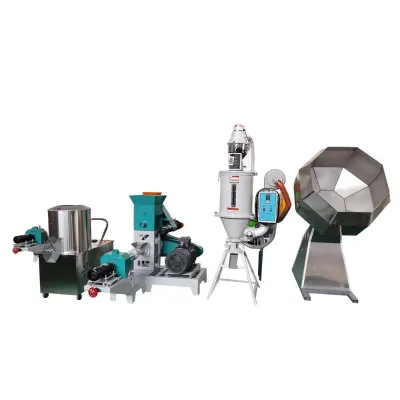
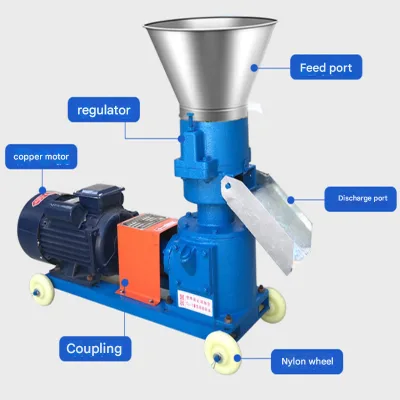
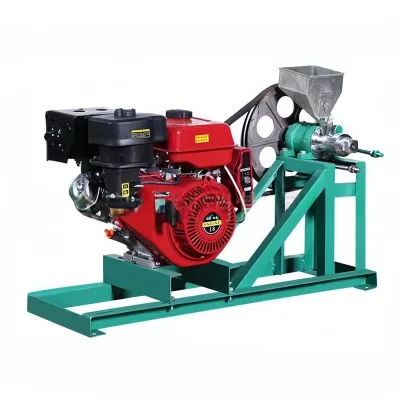
Comprehensive Sourcing Guide
High Efficiency Feed Extruder Supplier Concentration and Factory Types
The current supplier landscape for High Efficiency Feed Extruder equipment reveals a distinct mix of manufacturing capabilities and commercial structures. Analysis of the available results indicates that the primary location for these suppliers is Henan, China, a region known for its concentration of agricultural machinery production. This geographic clustering suggests a mature industrial ecosystem where supply chains for raw materials like alloy steel and specialized components are well-established. Buyers evaluating suppliers in this region should note that the presence of multiple vendors in a single province often facilitates easier comparison of technical specifications and logistical options. However, the concentration also means that buyers must carefully distinguish between genuine manufacturers and trading entities that may add layers of cost or communication delays to the procurement process.
Supplier types vary significantly across the results, with some entities identified explicitly as trading companies while others offer broader manufacturing services. One observed supplier type is a trading company, which typically sources products from various factories rather than producing them in-house. This distinction is critical for buyers seeking direct factory pricing or custom engineering support. In contrast, other suppliers in the results list main products that include wood pellet mills and wood processing equipment alongside feed extruders, suggesting a diversified manufacturing capability. These suppliers often provide OEM and ODM services, indicating they have the engineering capacity to adapt existing designs to specific buyer requirements. Understanding whether a supplier is a pure trader or a diversified manufacturer helps buyers assess the depth of technical support and the flexibility of the supply chain for future modifications or expansions.
How to Verify High Efficiency Feed Extruder Suppliers
Verification is a critical step in mitigating risk when sourcing High Efficiency Feed Extruder machinery from international suppliers. The results show that several suppliers have undergone verification by SGS Group, a globally recognized inspection and certification body. This verification status provides a baseline level of confidence regarding the supplier’s business legitimacy and operational stability. Buyers should prioritize suppliers with such third-party verifications, as it indicates that an independent party has reviewed the company’s credentials and potentially its physical facilities. However, verification alone is not a guarantee of product quality or performance. It serves as a preliminary filter to eliminate obviously fraudulent entities, but it does not replace the need for technical due diligence regarding the specific machinery being purchased.
Beyond basic verification, buyers must assess the technical certifications and compliance standards of the equipment. One supplier in the results holds CE certification, which is essential for machinery intended for use in regions with strict safety and environmental regulations, such as Europe. Buyers should explicitly request proof of CE certificates or other relevant regional standards for the specific model of feed extruder they intend to purchase. Additionally, the warranty terms provided by suppliers, such as a two-year warranty observed in some listings, serve as an indicator of the manufacturer’s confidence in their product’s durability. Buyers should verify the scope of this warranty, including whether it covers parts, labor, and on-site support. Requesting detailed documentation for these certifications and warranty terms allows buyers to ensure that the machinery will meet their operational and regulatory requirements without unexpected compliance issues.
What to Compare Across High Efficiency Feed Extruder Suppliers
When evaluating multiple suppliers for High Efficiency Feed Extruder equipment, buyers must compare a range of technical and commercial attributes to find the best fit for their operations. Key performance indicators include the production capacity, which varies significantly across different models. For instance, some suppliers offer machines with capacities ranging from 200kg to 10t/h, while others specify more precise outputs like 600-1000kg/h or 2 Ton/H. Buyers should align these capacity figures with their actual production needs to avoid underutilization or bottlenecks. Additionally, the expanding method, whether dry or wet expansion, is a crucial technical differentiator. Wet expansion is often preferred for floating fish feed due to its superior digestibility and pellet quality, while dry expansion may be suitable for other animal feeds. Comparing these technical specifications ensures that the machinery matches the specific feed formulation and end-product requirements.
Commercial terms and supplier responsiveness are equally important factors in the comparison process. Lead times observed in the results range from 15 to 30 days, which can impact project timelines and inventory planning. Buyers should also consider the response time of the supplier, with some showing rapid response capabilities while others may take longer. The minimum order quantity (MOQ) is another variable, with some suppliers offering an MOQ of just one unit, which is beneficial for small-scale operations or trial orders. Price ranges also vary widely, with some products listed from $690 to $1300, while others start at $9300 or higher. These price differences often reflect the scale, complexity, and automation level of the equipment. Buyers should request detailed quotations that break down costs for the machine, shipping, and after-sales support to make an accurate cost-benefit analysis.
Common High Efficiency Feed Extruder Sourcing Risks
Sourcing High Efficiency Feed Extruder machinery involves several potential risks that buyers must actively manage to ensure a successful procurement. One significant risk is the discrepancy between advertised specifications and actual machine performance. Suppliers may list generic capacity figures or power requirements that do not account for specific raw material variations, such as moisture content or particle size. For example, while some machines are advertised with customizable power and pellet sizes, the actual performance may degrade if the raw materials do not meet the machine’s design parameters. Buyers should request detailed technical data sheets and, if possible, video demonstrations of the machine processing their specific raw materials to verify performance claims before committing to a purchase.
Another common risk is the ambiguity in after-sales service and support. While some suppliers offer online support, the effectiveness of remote troubleshooting can be limited for complex mechanical issues. Buyers should clarify the extent of the after-sales service, including the availability of spare parts, the duration of warranty coverage, and the response time for technical assistance. The results show that some suppliers provide online support, but buyers must determine if this includes remote diagnostics, video guidance, or on-site visits. Additionally, the risk of logistical damage during shipping is non-negligible, especially for heavy machinery. Buyers should ensure that the supplier uses robust packaging, such as wooden cases, and that the shipping terms clearly define responsibility for damage during transit. Understanding these risks allows buyers to negotiate better terms and mitigate potential disruptions to their feed production operations.
High Efficiency Feed Extruder Regional Sourcing and Logistics
The geographic concentration of suppliers in Henan, China, presents both opportunities and challenges for international buyers. This region is a major hub for agricultural machinery manufacturing, offering a wide selection of feed extruder models and competitive pricing. However, buyers must carefully plan the logistics of transporting heavy machinery from this inland location to their final destination. The single package size for some machines is listed as 2300x3450x1650 cm, which requires careful consideration of container loading and freight costs. Buyers should work with suppliers who have experience in exporting similar equipment to ensure that the machinery is properly crated and secured for international shipping. The use of wooden cases, as noted in some product attributes, is a standard practice to protect the equipment from damage during transit.
Logistics planning also involves understanding the lead times and shipping methods available from the supplier. With lead times ranging from 15 to 30 days, buyers must factor in production time, customs clearance, and ocean freight duration when planning their procurement schedule. Suppliers in Henan may have established relationships with freight forwarders, which can streamline the shipping process. Buyers should request a detailed shipping quote that includes all costs, such as inland transportation from the factory to the port, ocean freight, and insurance. Additionally, buyers should verify the supplier’s ability to handle export documentation, including commercial invoices, packing lists, and certificates of origin. Efficient logistics management is crucial to ensuring that the machinery arrives on time and in good condition, minimizing downtime in the buyer’s feed production facility.
High Efficiency Feed Extruder Commercial Terms and Order Planning
Effective order planning for High Efficiency Feed Extruder machinery requires a thorough understanding of commercial terms and payment structures. The price ranges observed in the results, from as low as $690 to over $41,000, reflect the diversity of equipment available, from small-scale units to large industrial lines. Buyers should align their budget with the specific capacity and features required for their operation. It is essential to request a detailed proforma invoice that outlines the total cost, including the machine price, shipping fees, taxes, and any additional services. Buyers should also clarify the payment terms, such as the percentage required upfront and the balance due upon shipment or installation. Secure payment methods, such as escrow services, can provide an additional layer of protection for the buyer’s funds.
After-sales support and warranty terms are critical components of the commercial agreement. Suppliers offering a two-year warranty, as seen in some listings, provide a degree of assurance regarding the machine’s reliability. However, buyers must verify what is covered under the warranty, including parts replacement and labor costs. Some suppliers offer online support, but buyers should inquire about the availability of spare parts and the lead time for their delivery. Additionally, buyers should consider the total cost of ownership, including energy consumption and maintenance requirements. Machines with features like low consumption and easy operation, as highlighted in some product attributes, can reduce long-term operational costs. By carefully negotiating commercial terms and planning for after-sales support, buyers can ensure a sustainable and profitable investment in High Efficiency Feed Extruder equipment.
FAQs
What is the price range for high efficiency feed extruders?
Prices for high efficiency feed extruders typically range from $690 to $42,200 depending on capacity and features. Basic models start around $690, while advanced lines with centralized control or high output can exceed $40,000. Buyers should verify specific pricing for their required production volume and customization needs.
What is the typical lead time for these machines?
Manufacturers generally offer lead times of 15 to 30 days for high efficiency feed extruders. Some suppliers provide faster turnaround times of 15 days, while others may require up to 30 days for production and preparation. Buyers should confirm exact delivery schedules with their chosen supplier before placing orders.
What certifications do these extruders have?
Many high efficiency feed extruders carry CE system certification, ensuring compliance with European safety standards. Some suppliers are also verified by SGS Group for quality assurance. Buyers should request valid certification documents to verify that the equipment meets their local regulatory requirements and safety standards before purchase.
What is the minimum order quantity for these machines?
The minimum order quantity for high efficiency feed extruders is typically one unit. Suppliers often allow buyers to purchase single items for testing or small-scale operations. This low MOQ makes it easier for businesses to start production without committing to large initial inventory investments or bulk purchases.
Where are these feed extruders manufactured?
Most high efficiency feed extruders are manufactured in Henan, China. This region is a known hub for agricultural and food processing machinery. Buyers should verify the specific place of origin on product listings to ensure the equipment meets their logistical preferences and quality expectations for imported machinery.
What capacities are available for fish feed extruders?
Available capacities range from 180-200 kg/h up to 10 tons per hour. Models include 0-1 t/h, 2-4 t/h, and 5-7 t/h options. Buyers can select machines based on their specific production needs, with some suppliers offering customizable capacity configurations to match their operational scale and output requirements.