Commercial Heavy Duty Dough Kneader Suppliers and Manufacturers
Explore 30 verified options for Commercial Heavy Duty Dough Kneader from China Guangdong and Shanghai. Compare ISO certifications, response times, lead times, and product specifications like voltage and capacity. Contact suppliers directly to request quotes; review the available evidence before requesting comparable quotations from suitable candidates.
Updated
Suppliers List

- Verified by BV
- Combined
- China Guangdong
- Lead time15 days
- Avg. response≤ 4h
Main productsHood Type Dishwasher, Conveyor Type Dishwasher, Ultrasonic Dishwasher, Undercounter Dishwasher, Bakery Equipment, Food Processor
Main marketsSouth America,Africa,Others(foreignTradeCapacity.exportBusinessCapacityMarketOther),North America


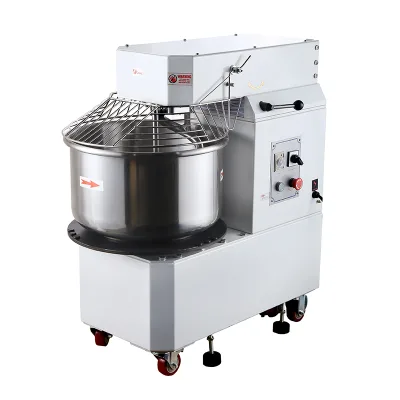
Commercial Electric Dough Mixer 220V 15L Dough Kneading Machine Heavy Duty
$220.00 - $240.00
MOQ: 1 Pieces

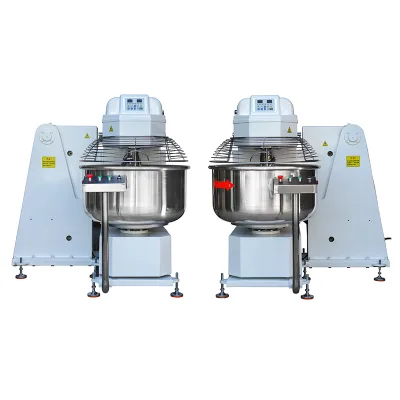
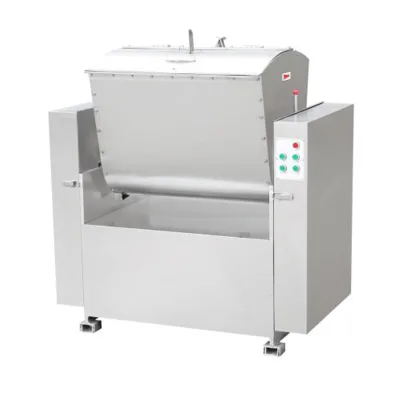
Heavy Duty Commercial Tilt Bowl Dough Mixer Industrial Bread Kneading Machine
$9520.00 - $9680.00
MOQ: 1 Pieces


Shanghai Chengtao Intelligent Equipment Co., Ltd
- Verified by SGS
- Combined
- China Shanghai
- Lead time45 days
- Avg. response≤ 1h
Main productsDumpling Machine, Siomai Machine, Kubba Machine, Maamoul Machine, Encrusting Machine, Spring Roll Machine, Samosa Machine, Bread Machine, Gyoza Machine, Wonton Machine
Main marketsAfrica,Southeast Asia/ Mideast,East Asia(Japan/ South Korea),Domestic,Europe,Australia,North America

Commercial Electric Dough Mixer Machine Heavy Duty Flour Kneading Machine
$2000.00 - $2500.00
MOQ: 1 Pieces

Commercial Electric Dough Mixer Machine Heavy Duty Spiral Dough Kneading Machine
$2000.00 - $2500.00
MOQ: 1 Pieces

20kg 30kg 50kg Commercial Dough Mixer Heavy Duty Flour Kneading Machine
$2000.00 - $2500.00
MOQ: 1 Pieces


Henan Miracle Industry Co., Ltd.
- Trading Company
- Lead time旺季: "1 - 15":10,"> 15":"To be negotiated", 淡季: "1 - 15":10,"> 15":"To be negotiated"
- Avg. response≤ 5h
Main productsLiquid egg processing machinery,Hard boiled egg machinery,Egg peeling machine,Quail egg machinery,Other egg deep processing machinery
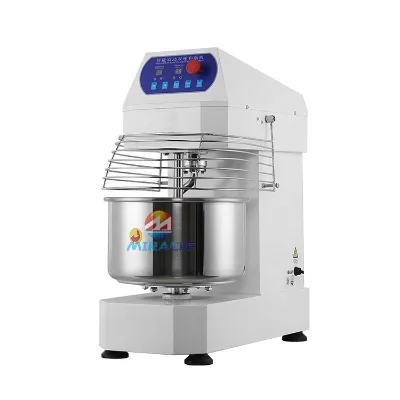
Heavy Duty Bakery Dough Mixer Commercial Flour Food Kneader Bread/ Pizza Dough Mixer Industrial
$2500.00 - $3080.00
MOQ: 1 sets
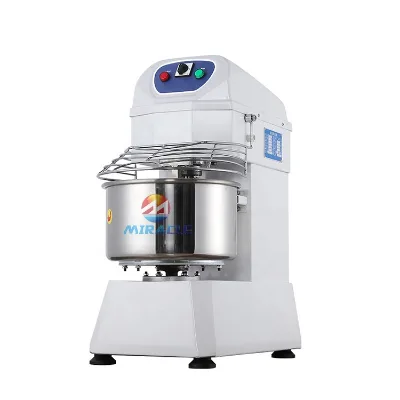

Shanghai Mooha Import & Export Co., Ltd.
- Verified by TUVRHEINLAND
- Trading Company,Manufacturer/Factory
- China Shanghai
- Lead time23 days
- Avg. response≤ 3h
Main productsAuger Filler, Powder Filler, Screw Feeder, Bucket Feeder, Net Weight Filling Machine, Liquid Filling Machine, Vffs Machine, Powder Filling Machine, Bakery Equipment, Liquid Filler
Main marketsSouth America,Eastern Europe,Mid East,North America,Southeast Asia,Eastern Asia,Oceania,Western Europe,Africa
- Verified by Intertek
- Trading Company
- Lead time7 days
- Avg. response≤ 1h
Main productsFruit Vegetable Machine, Meat Processing Machine, Pastry Bakery Machine, Snack Machine, Feed Processing Machine
- Trading Company
- Henan, China
- Lead time0 days
- Avg. response≤ 1h
Main productsFood machinery,Industrial machine,Textile machinery,Agricultural machinery,Commercial machinery
Main marketsAfrica(20.00%), North America(13.00%), Southeast Asia(12.00%), South America(12.00%), Mid East(10.00%), Central America(5.00%), South Asia(5.00%), Eastern Asia(5.00%), Eastern Europe(5.00%), Domestic Market(5.00%), Southern Europe(3.00%), Western Europe(2.00%), Oceania(2.00%), Northern Europe(1.00%)
Jiaozuo Forward Machine Co., Ltd.
- Verified by SGS Group
- Trading Company
- Lead time10 days
- Avg. response≤ 4h
Main productsChocolate Machine, Wax Melting Machine, Freeze Dry Machine, Waffle Machine, Food Grinder
Main marketsEastern Asia(20%), Southeast Asia(19%), North America(10%)

Hubei Oubei Automation Equipment Co., Ltd
- Verified by SGS
- Combined
- China Hubei
- Lead time60 days
- Avg. response≤ 7h
Main productsCake Production Line, Bread Production Line, Gas Tunnel Oven, Electric Tunnel Oven, Air Circulation Tunnel Oven, Hot Air Rotary Oven, Bakery Gas Rotary Oven, Electric Rotary Oven, Spiral Cooling Tower, Spiral Proving Tower
Main marketsDomestic

Zhengzhou Hento Machinery Co., Ltd.
- Verified by SGS
- Trading Company,Manufacturer/Factory,Group Corporation
- China Henan
- Lead time15 days
- Avg. response≤ 7h
Main productsMeat Processing Machinery, Egg Processing Machinery, Dairy Processing Machinery, Fruit & Vegetable Processing Machinery, Grain Product Making Machines, Snack Machines, Nuts Processing Machinery, Packing Machines, Drying Machines, Commodity Making Machines
Main marketsSouth America,Eastern Europe,Mid East,North America,Southeast Asia,Eastern Asia,Oceania,Western Europe,Africa

Henan Penghui Machinery And Equipment Co., Ltd.
- Manufacturer, Trading Company
- Henan, China
- Lead time3 days
- Avg. response≤ 2h
Main productsFood machinery,Agricluture machinery,Wood machinery,Recycling machinery,Plastic machinery
Main marketsAfrica(30.00%), Eastern Europe(30.00%), North America(30.00%), Mid East(10.00%)
ZHE CHENG HONGXIN MACHINRERY FACTORY
- Verified by TüVRheinland
- Manufacturer, Trading Company
- Henan, China
- Lead time15 days
- Avg. response≤ 3h
Main productsIntestine Case Cleaning Machine, Sesame Peeling Machine, Cardboard Expanding Shredder Machine, Flax Brake, Grain Thresher Machine
Main marketsDomestic Market(40%), Southeast Asia(20%), Africa(20%)
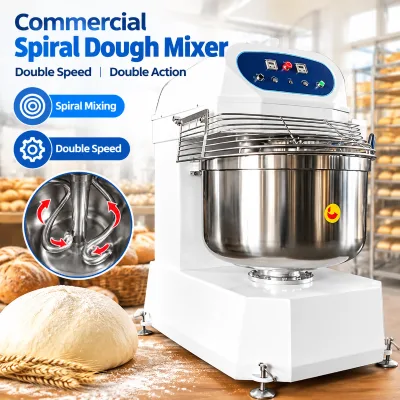
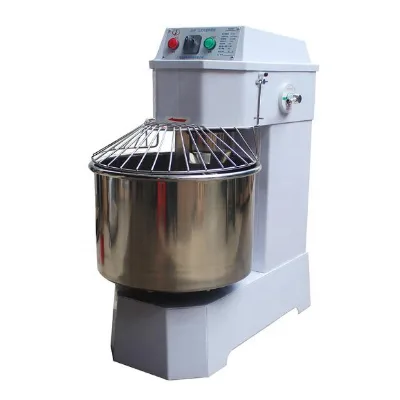
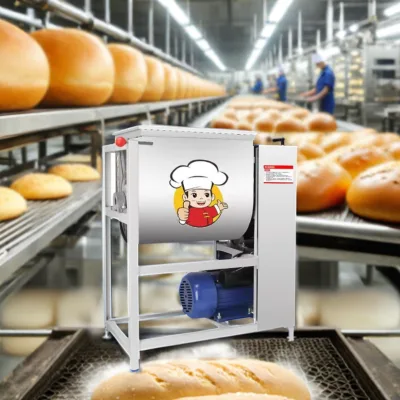
Kneading Machine Commercial Flour Mixing Machine for Home Use
$125.00 - $265.00

Zhengzhou Angtuo Machinery Equipment Co., Ltd.
- Verified by SGS
- Manufacturer/Factory
- China Henan
- Lead time15 days
- Avg. response≤ 5h
Main productsFood Machinery, Agricultural Machinery, Animal Feed Pellet Machinery, Fruit Vegetable Processing Machinery, Wood Processing Machinery
Main marketsSouth America,Eastern Europe,Mid East,North America,Southeast Asia,Eastern Asia,Oceania,Africa


Industrial Dough Mixer Machine Dough Kneader for Quick Dough Preparation
$380.00 - $488.00
MOQ: 1 Sets

Dough Kneading Machine Dough Maker Spiral Mixer for Consistent Doughs Results
$380.00 - $488.00
MOQ: 1 Pieces
Luohe Tengli Mechanical And Electrical Equipment Co., Ltd.
- Verified by SGS Group
- Manufacturer, Trading Company
- Lead time0 days
- Avg. response≤ 2h
Main productsVegetable Cutter, Packaging Machine, Pasta Machinery, Meat Machinery
Main marketsNorth America(28%), Africa(21%), Northern Europe(17%)
Luohe Juyou Commercial & Trading Co., Ltd.
- Manufacturer, Trading Company
- Lead time旺季: "1 - 5":15,"> 5":"To be negotiated", 淡季: "1 - 5":15,"> 5":"To be negotiated"
- Avg. response≤ 3h
Main productsCookie Machine, Fruit and Vegetable Machine, Automatic Stir Frying Cooker, Meat Machine

Zhengzhou Shuogui Machinery Co., Ltd
- Verified by SGS
- Trading Company
- China Henan
- Lead time15 days
- Avg. response≤ 4h
Main productsFresh Noodle Machine, Ice Cream Machine, Ice Maker, Food Dryer, Fryer, Tortilla Maker, Pizza Oven, Meat Processing Machine
Main marketsSouth America,Southeast Asia/ Mideast,North America

Commercial Restaurant Use Dough Mixer 50kg Capacity Flour Kneader for Bakery
$595.00 - $635.00
MOQ: 1 Pieces

50L Dough Kneader Bread Flour Kneading Machine Dough Mixer for Commercial Bakery
$690.00 - $720.00
MOQ: 1 set

Commercial Stainless Steel Flour Dough Mixer Bread Noodle Dough Kneader/Kneading/Mixing Machine
$273.00 - $293.00
MOQ: 1 Boxes

Hot-Selling Commercial Double Speed Dough Mixing Machine Dough Kneader/Dough Mixer
$690.00 - $720.00
MOQ: 1 set

Stable Commercial Dough Mixer Flour Dough Kneader Blender for Small Business
$273.00 - $293.00
MOQ: 1 Boxes

Commercial 50L Bread Dough Mixer Machine Easy Operation Dough Kneading Machine
$690.00 - $720.00
MOQ: 1 set

Zhengzhou Honest Machinery Co., Ltd.
- Trading Company,Manufacturer/Factory
- China Henan
- Lead time15 days
- Avg. response≤ 6h
Main productsFood Machinery, Packing Machines, Microwave Equipment, Drying Machines, Grain Product Making Machines, Commodity Making Machines, Texitle Machines, Construction Machinery
Main marketsSouth America,Eastern Europe,Mid East,North America,Southeast Asia,Eastern Asia,Oceania,Western Europe,Africa

Bakery Equipment Commercial Flour Kneader / Bread Dough Mixer / Bakery Dough Mixer Price
$1589.00 - $1999.00
MOQ: 1 set

Commercial Electric Flour Kneader / Cake Dough Mixer / Bread Dough Mixer Price
$329.00 - $429.00
MOQ: 1 set


Labor Saving Flour Kneader / Spiral Dough Mixer / Industrial Dough Mixer Price
$649.00 - $1489.00
MOQ: 1 set

Easy Operation Flour Mixer / Bread Dough Mixer / Dough Kneader Machine for Sale
$329.00 - $429.00
MOQ: 1 set
Guangzhou Maile Kitchen Baking Food Machinery Manufacturing Co., Ltd.
- Manufacturer, Trading Company
- Guangdong, China
- Lead time15 days
- Avg. response≤ 4h
Main productsBakery Equipment,fast food equipment,cooking equipment,Snack equipment,Refrigeration Equipment
Main marketsNorth America(30.00%), Western Europe(20.00%), Mid East(20.00%), Eastern Europe(20.00%), Eastern Asia(10.00%)

Xinxiang Yuji Food Machinery Co., Ltd.
- Verified by SGS
- Combined
- China Henan
- Lead time30 days
- Avg. response≤ 10h
Main productsBiscuit Prodcution Line, Croutons Production Line, Pet Food Production Line, Tiramisu Production Line, Frozen Production Line, Dough Mixer
Main marketsSouth America,Africa,Southeast Asia/ Mideast,Domestic,Europe,Australia,North America

Automatic Horizontal Dough Mixer Commercial Dough Kneader for Steamed Bun and Bread Manufacturing
$18000.00 - $19000.00
MOQ: 1 Pieces

Stainless Steel Horizontal Dough Mixer Industrial Dough Kneader Machine for Commercial Bakery Use
$11000.00 - $12000.00
MOQ: 1 Pieces

Hot Sale Dough Kneader All Stainless Steel Dough Kneading Machine Biscuit Dough Mixer
$13000.00
MOQ: 1 Pieces
Guangzhou Dongpei Kitchen Equipment Co., Ltd.
- Verified by SGS Group
- Trading Company
- Lead time2 days
- Avg. response≤ 2h
Main productsCooking Equipment, Refrigeration Equipment, Bakery Equipment, Fast Food Equipment, Buffer Equipment
Main marketsMid East(40%), North America(30%), Southeast Asia(20%)
Shenzhen Shuxiao Machinery Equipment Co., Ltd.
- Manufacturer
- Guangdong, China
- Lead time0 days
- Avg. response≤ 2h
Main productsIndustrial machinery,commercial equipment and machinery,Food & Beverage Machinery
Main marketsEastern Europe(30.00%), North America(20.00%), South America(10.00%), Domestic Market(5.00%), Northern Europe(5.00%), Western Europe(5.00%), Eastern Asia(5.00%), Mid East(5.00%), Oceania(5.00%), Africa(5.00%), Southeast Asia(5.00%)
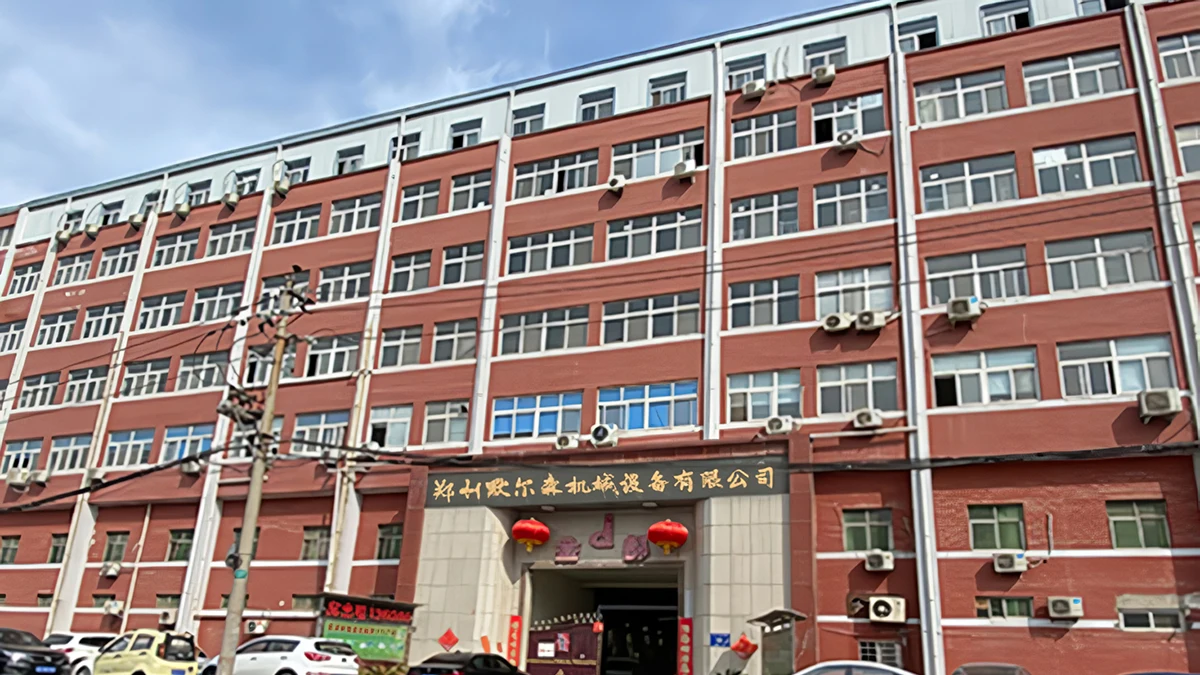
Zhengzhou Merson Machinery Co., Ltd.
- Trading Company
- Henan, China
- Lead time90 days
- Avg. response≤ 9h
Main productsnoodle machine,french fries making machine,packing machine,wafer stick machine,2.compressed biscuit machine
Main marketsMid East(15.00%), South America(10.00%), Africa(10.00%), Southeast Asia(10.00%), Western Europe(5.00%)
Henan Shanpu Machinery Equipment Co., Ltd.
- Trading Company
- Henan, China
- Lead time0 days
- Avg. response≤ 2h
Main productsoil press machine,package machine,juicer machine,Woodworking machinery,Rubber and plastic machinery
Main marketsNorth America(15.00%), Mid East(10.00%), Northern Europe(10.00%), Western Europe(10.00%), Southeast Asia(10.00%), Eastern Europe(10.00%), Southern Europe(10.00%), Oceania(5.00%), South Asia(5.00%), Africa(5.00%), South America(5.00%), Central America(2.00%), Eastern Asia(2.00%), Domestic Market(1.00%)
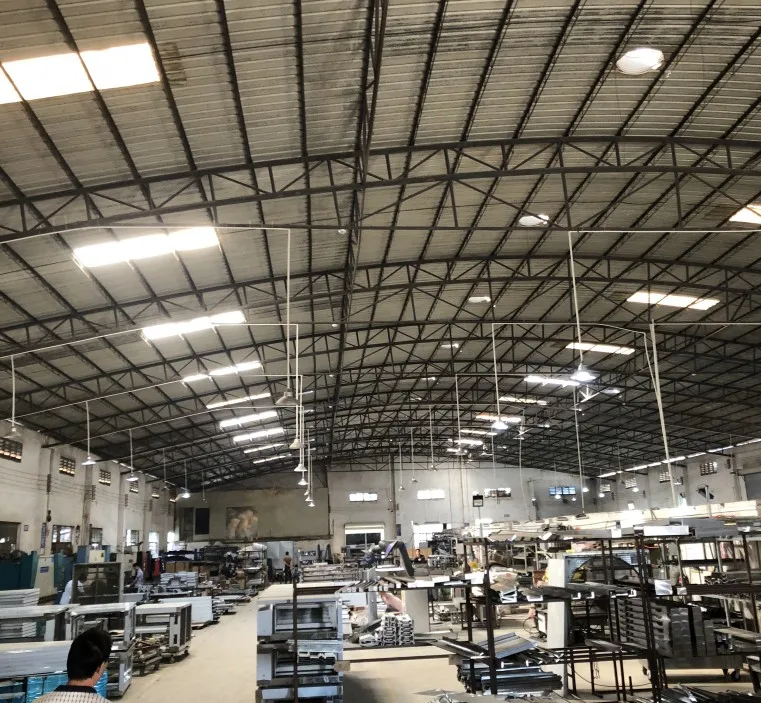
Shijiazhuang Bake Machine Tech Co., Ltd.
- Trading Company
- Hebei, China
- Lead time5 days
- Avg. response≤ 6h
Main productsBakery Machine,Bakery Production Line,Bread Making Machine,Bakery Equipment,Deck Oven
Main marketsNorth America(30.00%), Africa(15.00%), Western Europe(12.00%), Mid East(10.00%), Eastern Europe(5.00%), Northern Europe(5.00%), Central America(5.00%), Southern Europe(5.00%), South America(5.00%), Southeast Asia(3.00%), South Asia(2.00%), Domestic Market(1.00%), Eastern Asia(1.00%), Oceania(1.00%)

Guangzhou Bossmai Machinery Co., Ltd
- Verified by SGS
- Combined
- China Guangdong
- Lead time15 days
- Avg. response≤ 7h
Main productsRotary Oven, Tipping Spiral Mixer, Automatic Dough Sheeter, Dough Shape Cutting Machine, Dough Moulder, Dough Divider and Rounder, Cookie Machine
Main marketsNorth America

Electric Spiral Dough Mixer Commercial Flour Dough Mixer Mixer Machine Dough Kneader for Bakery
$461.53 - $1000.00
MOQ: 5 Pieces

Stainless Steel Material Dough Kneader Commercial Spiral Mixer Bread Dough Mixer Flour Mixer
$1595.22 - $1956.85
MOQ: 1 Pieces

High Efficiency Cake Dough Mixer Machine Dough Stand Mixer Dough/Dough Mixer Kneader for Bakery
$560.60 - $681.81
MOQ: 5 Pieces

Hebei AOCNO Baking Machinery Co., Ltd.
- Verified by SGS
- Combined
- China Hebei
- Lead time120 days
- Avg. response≤ 5h
Main productsSpiral Mixer, Oven, Bakery Equipment, Bread Production Line, Sets of Different Size Bakery Machine, Dough Divider, Moulder, Slicer, Sheeter, Proofer
Main marketsOthers(foreignTradeCapacity.exportBusinessCapacityMarketOther),North America

$20000.00 - $50000.00
MOQ: 1 Pieces

Heavy Duty Industrial Double Stirring 300kg Flour Dough Mixer Kneader Bakery Equipment Price
$20000.00 - $50000.00
MOQ: 1 Pieces
Henan Meibang Machinery Equipment Co., Ltd.
- Manufacturer
- Henan, China
- Lead time15 days
- Avg. response≤ 3h
Main productswood crusher,shredder,Airflow dryer,biomass wood pellet machine,carbonization furnace
Main marketsSouth America(12.00%), Southeast Asia(12.00%), North America(9.00%), Eastern Europe(9.00%), Domestic Market(8.00%), Africa(8.00%), Eastern Asia(7.00%), Southern Europe(7.00%), South Asia(6.00%), Central America(6.00%), Western Europe(6.00%), Mid East(5.00%), Oceania(3.00%), Northern Europe(2.00%)
Liaoyang Pharma Machinery Imp. & Exp. Co., Ltd.
- Verified by SGS Group
- Trading Company
- Lead time30 days
- Avg. response≤ 5h
Main productschemical machinery, tea bag packing machine, vacuum freeze dryer, packing machinery, Forging machinery
Main marketsMid East(20%), Central America(15%), Eastern Europe(15%)
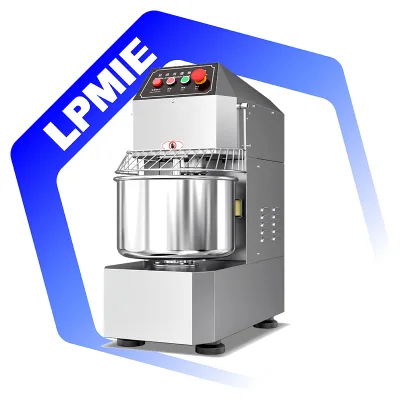
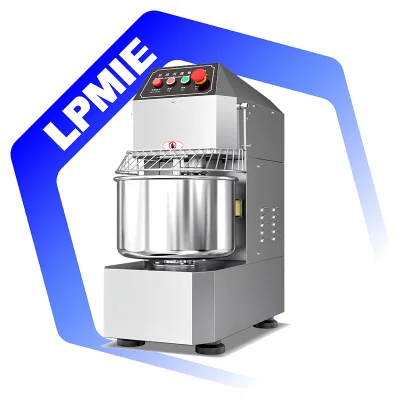
$681.3863 - $733.7998
MOQ: 1 sets
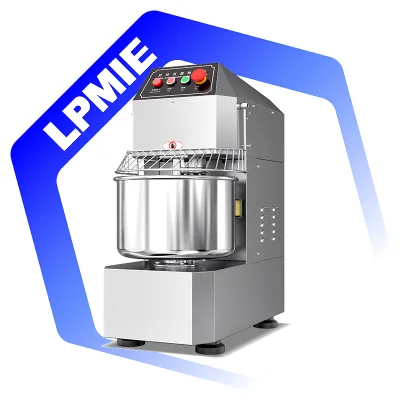
$726.1765 - $778.0462
MOQ: 1 sets

ZHUHAI QINLI MACHINERY CO.,LTD
- Verified by BV
- Combined
- China Guangdong
- Lead time30 days
- Avg. response≤ 3h
Main productsDough Divider Rounder, Baking Machine, Bread Production Line
Main marketsSoutheast Asia/ Mideast,Europe,North America
Shenzhen Hanbeter Technology Co., Ltd.
- Manufacturer
- Guangdong Province, China
- Lead time15 days
- Avg. response≤ 2h
Main productsFood & Beverage Machinery,Drying Equipments,Grain processing machine,Quick Freezing Equipment,Food Packing Machine
Main marketsNorth America(30.00%), Western Europe(15.00%), South America(10.00%), Northern Europe(10.00%), Eastern Europe(10.00%), Southern Europe(5.00%), Central America(3.00%), South Asia(3.00%), Oceania(3.00%), Mid East(3.00%), Domestic Market(2.00%), Africa(2.00%), Eastern Asia(2.00%), Southeast Asia(2.00%)
Foshan Shunde Maoduoyu Trading Co., Ltd.
- Manufacturer, Trading Company, Distributor/Wholesaler
- Guangdong, China
- Lead time0 days
- Avg. response≤ 1h
Main productsIndustrial machinery,Commercial machinery,Packaging machinery,Filling machinery,Food machinery
Main marketsNorth America(50.00%), Southeast Asia(10.00%), Mid East(10.00%), Central America(10.00%), Domestic Market(5.00%), Western Europe(5.00%), Northern Europe(3.00%), South Asia(2.00%), Oceania(1.00%), Eastern Asia(1.00%), Eastern Europe(1.00%), South America(1.00%), Africa(1.00%)
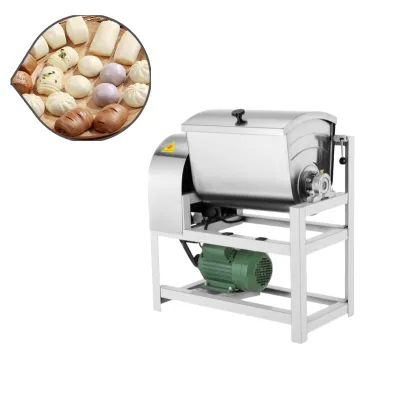
$123.3648 - $341.0676
MOQ: 1 Minimum
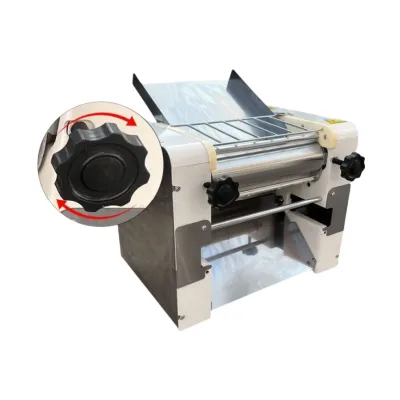
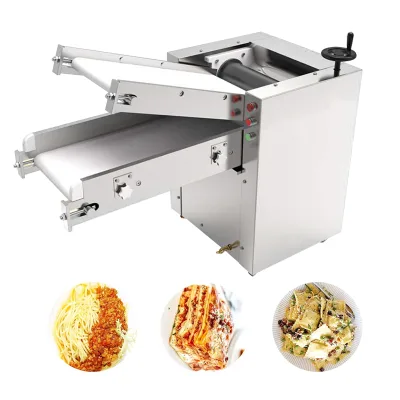
Commercial Dough Kneading and Pressing Machine with Mold Cutter for Pizza Production
$292.00
MOQ: 1 Minimum
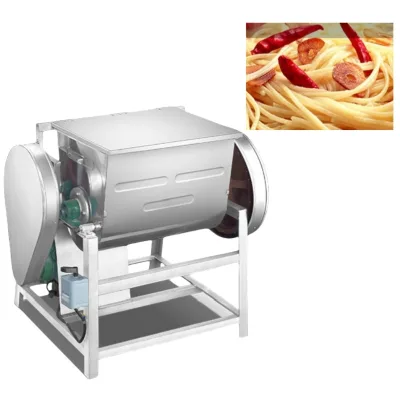
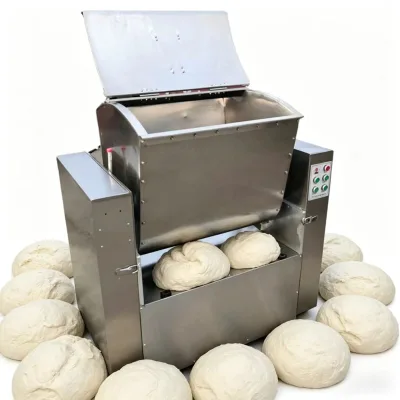
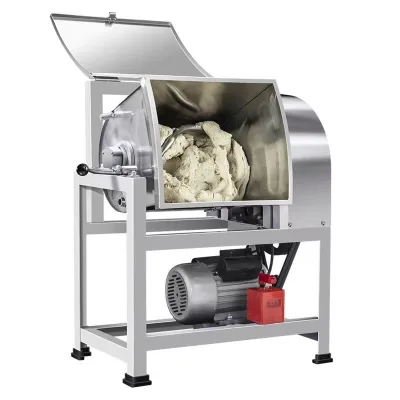
Stainless Steel Dough Kneader Horizontal Design Suitable for LargeScale Baking
$168.9789 - $575.3563
MOQ: 1 Minimum




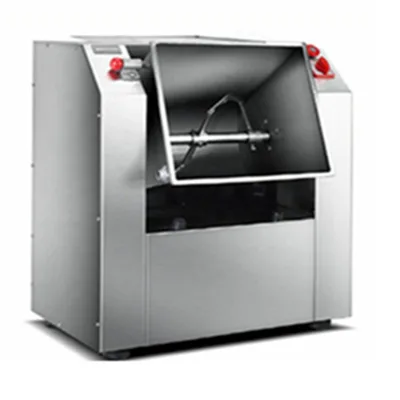
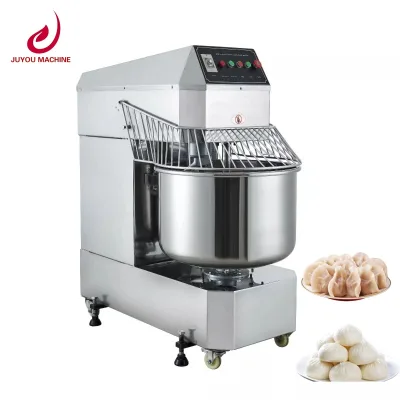
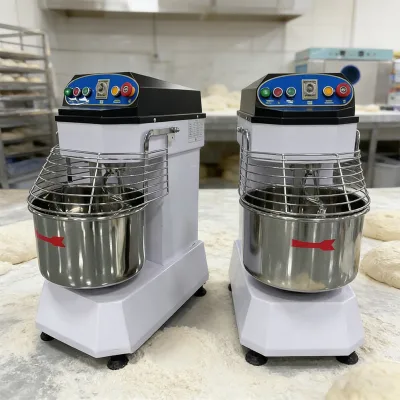
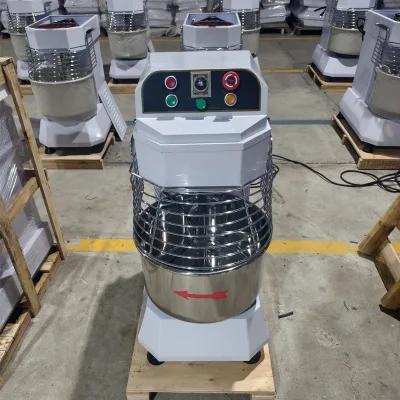



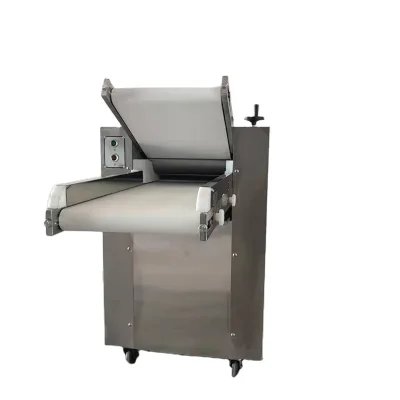
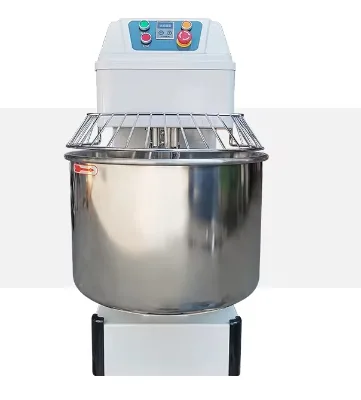
Comprehensive Sourcing Guide
Commercial Heavy Duty Dough Kneader Supplier Concentration and Factory Types
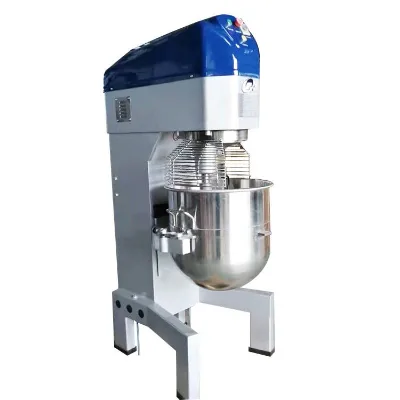
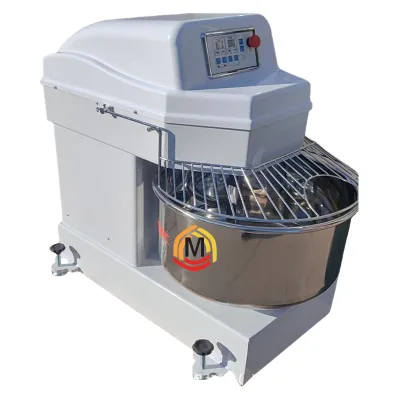
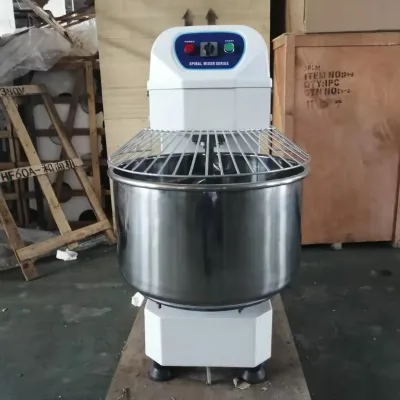
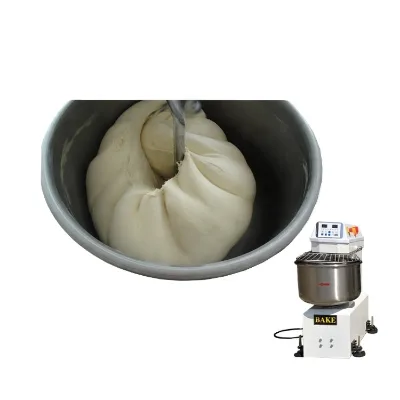
The current supplier landscape for commercial heavy duty dough kneaders reveals a distinct geographic concentration in China, specifically within the Guangdong province. This region hosts a significant number of manufacturers specializing in a diverse array of food processing equipment, including hood type, conveyor type, ultrasonic, and undercounter dishwashers alongside bakery-specific machinery. The presence of these varied product lines suggests that many factories in this cluster possess the necessary industrial infrastructure to produce heavy-duty mixing equipment, leveraging existing supply chains for motors, stainless steel components, and electrical systems. Buyers evaluating suppliers from this location can expect a high density of options, ranging from specialized bakeries equipment producers to broader food processing machinery manufacturers. This concentration facilitates easier comparison of technical specifications and manufacturing capabilities, as multiple potential partners operate within the same regional ecosystem. The Guangdong cluster appears to be a primary hub for the production of electric dough mixers with capacities ranging from small 15-liter units to large 200-liter industrial models, indicating a mature supply chain capable of handling various order sizes and complexity levels.
In terms of company structure, the available data indicates a mix of combined entity types, suggesting that many suppliers operate as both manufacturers and trading companies. This hybrid model allows for greater flexibility in sourcing, as these entities can offer original design manufacturing (ODM) and original equipment manufacturing (OEM) services while also maintaining their own brands. The ability to provide customized solutions is a key feature, with many suppliers listing customization as available for their dough kneading machines. This structural diversity means buyers can find partners who are willing to adapt standard models to specific operational needs, such as adjusting voltage requirements or modifying barrel sizes. The presence of own brand capabilities further implies that these suppliers have established quality control processes and brand identities, which can be a proxy for reliability. However, the combined nature of these businesses also requires buyers to carefully distinguish between direct factory pricing and trading company margins, ensuring that the value proposition aligns with their specific procurement goals and budget constraints.
How to Verify Commercial Heavy Duty Dough Kneader Suppliers
Verifying the legitimacy and capability of Commercial Heavy Duty Dough Kneader suppliers requires a multi-layered approach that goes beyond simple product listings. One critical step is to check for third-party verification badges, such as those provided by Bureau Veritas (BV) or SGS. In the current results, some suppliers display BV verification, which indicates that an independent agency has audited their business operations, while others may have different verification statuses. Buyers should prioritize suppliers with robust verification credentials, as these audits often cover financial stability, production capacity, and quality management systems. Additionally, examining system certifications is essential for ensuring that the manufacturing processes meet international standards. The presence of ISO9001:2015 and ISO14001:2015 certificates among some suppliers suggests a commitment to quality management and environmental responsibility, which are crucial for maintaining consistent product quality and operational efficiency. These certifications serve as a baseline for assessing the supplier's ability to deliver reliable equipment that meets regulatory requirements in various markets.
Beyond certifications, buyers should scrutinize the technical details provided in product specifications to gauge the supplier's engineering competence. For instance, detailed attributes such as voltage (e.g., 220V or 380V), power consumption (ranging from 1500W to 13kw), and motor speed (such as fast 248r/M and slow 124r/M) provide insight into the machine's performance capabilities. Suppliers that provide comprehensive data on hook speeds, barrel dimensions, and timing devices demonstrate a higher level of technical transparency. Buyers should also verify the origin of the products, with many items explicitly stating China as the origin, and check for specific model numbers like YF-J200 or JCH-100F to trace the equipment's lineage. Furthermore, assessing the supplier's response time is a practical indicator of their operational efficiency; a response time of 3.20 hours or lower suggests a responsive customer service team capable of addressing technical queries and order inquiries promptly. This responsiveness is particularly important when negotiating customizations or resolving post-sales issues, ensuring that the buyer receives timely support throughout the procurement process.
What to Compare Across Commercial Heavy Duty Dough Kneader Suppliers
When evaluating multiple suppliers for commercial heavy duty dough kneaders, buyers must compare a range of operational and logistical metrics to identify the best fit for their business needs. One of the most critical factors is the lead time, which can vary significantly between suppliers. For example, some suppliers may offer a lead time of 15 days, while others might require up to 45 days for production and delivery. This variance can impact inventory planning and order fulfillment, making it essential for buyers to align supplier lead times with their production schedules. Additionally, the minimum order quantity (MOQ) is a key consideration, with some suppliers offering an MOQ of just one unit, which is ideal for small businesses or testing new equipment, while others may have higher thresholds. Comparing these MOQs allows buyers to assess the flexibility of each supplier and determine which partner can accommodate their initial order volume without excessive financial commitment. This comparison helps in balancing the need for cost efficiency with the desire for operational flexibility.
Another vital aspect of comparison is the pricing structure and the associated product specifications. Prices for commercial dough mixers can range from approximately $220 for smaller 15-liter units to over $9,600 for large 260-liter industrial models. Buyers should analyze the price-to-capacity ratio to ensure they are getting value for money, considering factors such as power output, net weight, and gross weight. For instance, a 200L mixer with a power of 7500W might be priced differently than a 260L mixer with a 13kw motor, and understanding these differences is crucial for accurate budgeting. Furthermore, comparing the main products offered by each supplier can reveal their specialization; some may focus heavily on dough mixers, while others offer a broader range of bakery equipment. This specialization can indicate a deeper expertise in specific areas, potentially leading to better product quality and support. By systematically comparing lead times, MOQs, prices, and product specializations, buyers can make informed decisions that optimize their sourcing strategy and mitigate potential risks associated with supplier selection.
Common Commercial Heavy Duty Dough Kneader Sourcing Risks
Sourcing commercial heavy duty dough kneaders from international suppliers, particularly those located in China, introduces several potential risks that buyers must proactively manage. One significant risk is the variability in product quality and adherence to specifications. While some suppliers provide detailed technical data, such as precise voltage requirements and power ratings, there is a risk that the delivered equipment may not match these specifications exactly. This discrepancy can lead to operational inefficiencies or even safety hazards if the electrical systems are not compatible with the buyer's local infrastructure. Additionally, the customization options offered by suppliers, while attractive, can introduce complexity and potential delays if the customization process is not well-managed. Buyers must ensure that any customizations are clearly documented and agreed upon in writing to avoid misunderstandings regarding the final product's features and performance. The risk of miscommunication is further compounded by differences in language and business practices, making clear and detailed communication essential throughout the procurement process.
Another common risk is the reliability of after-sales support and warranty claims. Suppliers with longer lead times or those operating as combined entities may have less direct control over the manufacturing process, potentially affecting the consistency of quality control. Buyers should be cautious of suppliers who do not provide comprehensive warranty information or clear channels for technical support. The absence of specific certification details for some products, such as the NIL certification status observed in certain Shanghai-based suppliers, raises concerns about regulatory compliance and safety standards. Buyers must verify that the equipment meets the necessary safety and performance standards for their target market, such as CE or ISO certifications, to avoid legal and operational issues. Furthermore, the risk of logistical delays cannot be overlooked, especially when dealing with heavy machinery that requires specialized shipping arrangements. Buyers should plan for potential delays and ensure that their supply chain is resilient enough to handle disruptions, maintaining continuity of operations even if supplier performance varies.
Commercial Heavy Duty Dough Kneader Regional Sourcing and Logistics
The geographic location of suppliers plays a crucial role in determining the logistics and shipping costs associated with commercial heavy duty dough kneaders. Most of the observed suppliers are located in China, with a notable concentration in the Guangdong province and some presence in Shanghai. Guangdong is a major manufacturing hub known for its efficient logistics networks and proximity to major ports, which can facilitate faster and more cost-effective shipping for heavy machinery. Buyers sourcing from this region can benefit from established supply chains and experienced freight forwarders who specialize in handling industrial equipment. However, the distance between the supplier's location and the buyer's destination will significantly impact shipping times and costs. For buyers in regions far from China, such as North America or Europe, the logistics chain must account for ocean freight transit times, customs clearance procedures, and inland transportation to the final destination. Understanding these logistical factors is essential for accurate cost estimation and delivery planning.
In addition to shipping costs, buyers must consider the packaging and handling requirements for heavy duty dough mixers. Products are often packed in wooden boxes or standard export packages to protect them during transit, as seen in the specifications for various models. The gross weight of these machines can be substantial, ranging from hundreds of kilograms to over a ton for large industrial units, which necessitates careful planning for loading and unloading at both the origin and destination ports. Buyers should ensure that their receiving facility has the necessary equipment, such as forklifts or cranes, to handle the delivered machinery safely. Furthermore, the packaging size, which can be quite large for high-capacity mixers, must be considered when planning storage and installation space. By carefully evaluating the regional logistics capabilities of suppliers and the specific packaging requirements of the equipment, buyers can minimize the risk of damage during transit and ensure a smooth delivery process. This proactive approach to logistics planning helps in maintaining operational efficiency and reducing unexpected costs associated with shipping and handling.
Commercial Heavy Duty Dough Kneader Commercial Terms and Order Planning
Effective order planning for commercial heavy duty dough kneaders requires a thorough understanding of the commercial terms offered by suppliers, including payment conditions, delivery terms, and customization policies. Buyers should carefully review the pricing structures, which can vary based on the machine's capacity, power, and features. For example, prices for different models range from around $220 for smaller units to over $9,600 for large industrial mixers, reflecting the significant differences in manufacturing costs and complexity. It is crucial for buyers to negotiate clear payment terms that align with their cash flow management strategies, such as using escrow services to secure transactions until the goods are received and inspected. Additionally, buyers should clarify any customization fees and the impact of customizations on the lead time and overall cost. Suppliers that offer ODM and OEM services may have different pricing models for customized orders, so understanding these nuances is essential for accurate budgeting.
Furthermore, buyers must plan for the installation and commissioning of the equipment, which may require technical support from the supplier. Some suppliers provide detailed specifications, including voltage requirements and power connections, but buyers should confirm whether installation services are included or available as an add-on. The response time of the supplier, which can be an indicator of their support quality, should also be considered when evaluating the overall service offering. A supplier with a quick response time is more likely to provide timely assistance during the installation and initial operation phases. Additionally, buyers should inquire about the availability of spare parts and the warranty period for the equipment.
FAQs
What is the price range for commercial heavy duty dough kneaders?
Prices for these machines typically range from $220 to $9,680 depending on capacity and power. Smaller 15L units cost around $220-$240, while large 260L industrial models reach nearly $9,680. Buyers should verify specific pricing based on their required flour capacity and voltage requirements.
What are the typical lead times for these dough mixers?
Manufacturers generally offer lead times of 15 to 45 days for production and shipping. Some suppliers provide faster turnaround times of 15 days, while others may require up to 45 days. Buyers should confirm exact delivery schedules with their chosen supplier before placing orders.
Do suppliers offer customization options for these dough kneaders?
Yes, many suppliers provide customization services including OEM and ODM capabilities. Some models allow for customized voltage, power, and barrel sizes. Buyers seeking specific industrial configurations should verify available customization options directly with manufacturers to ensure the machine meets their unique production needs.
What certifications are available for commercial dough mixing equipment?
Common certifications include ISO9001:2015, ISO14001:2015, CE, and SGS verification. Some suppliers hold BV verification status. Buyers should request valid certification documents to ensure the equipment meets international safety and quality standards for commercial food processing environments.
What is the minimum order quantity for these machines?
The minimum order quantity is typically one unit for most commercial dough kneaders. This allows buyers to purchase single units for testing or small-scale operations. Bulk discounts may apply for larger orders, so buyers should inquire about tiered pricing structures with suppliers.
Where are these commercial dough mixers manufactured?
These machines are primarily manufactured in China, specifically in Guangdong and Shanghai regions. Buyers should verify the exact origin of each product to understand shipping logistics and potential import duties. Chinese manufacturers often provide competitive pricing and extensive customization options for global buyers.