Source Automatic Weighing and Packaging Machine for Wheat, Corn, and Rice
Find 30 automatic weighing and packaging machines suitable for grains and granular materials. Compare models like MH-10 and MCTB-1000 with varying speeds and capacities for wheat, corn, and rice applications; compare the available evidence and request quotations based on your requirements.
Updated
Key considerations
Products List


Weighing and Filling Packaging Machine Bag Feeding and Packaging Machine
$12000.00 - $150000.00
MOQ: 1 Sets


Good Quality Weighing and Packaging Automatic Vertical Packing Machine
$3500.00 - $25000.00
MOQ: 1 Sets


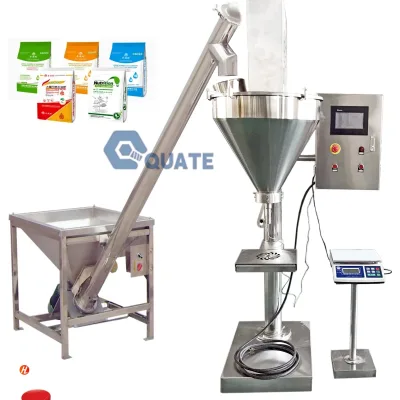
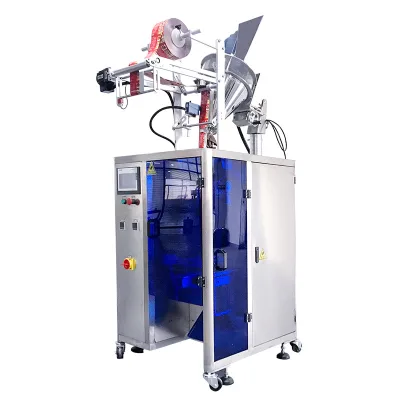
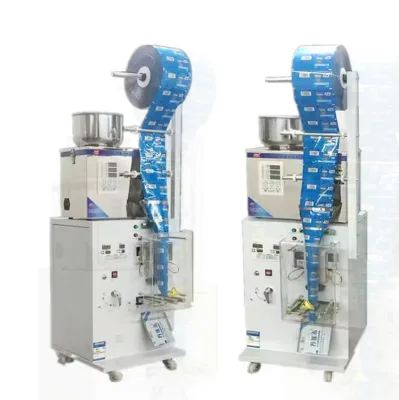


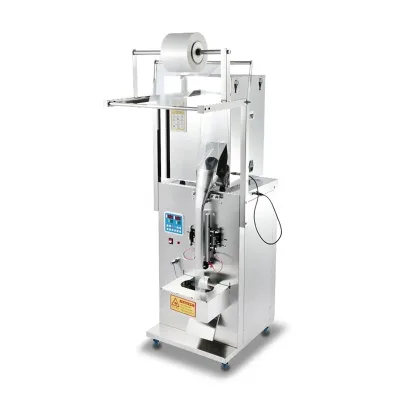
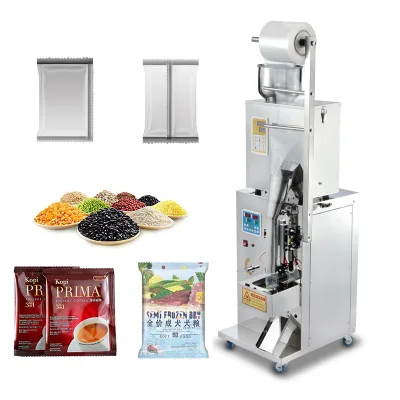
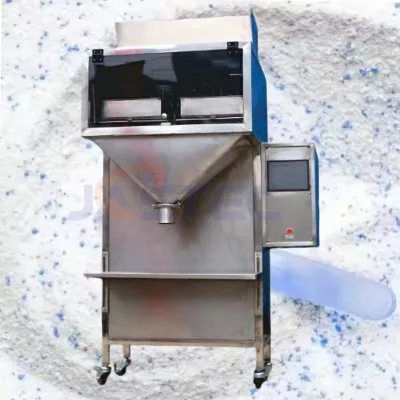
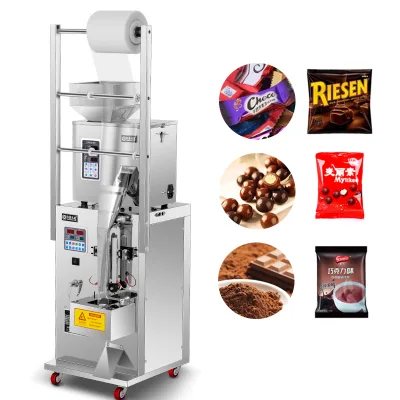


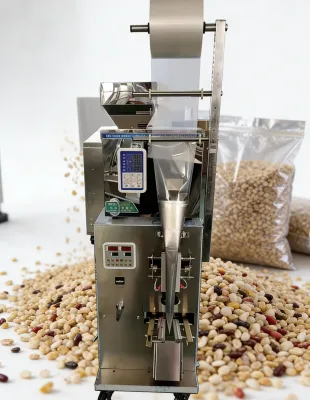
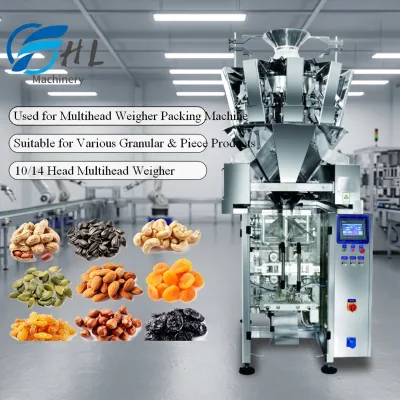
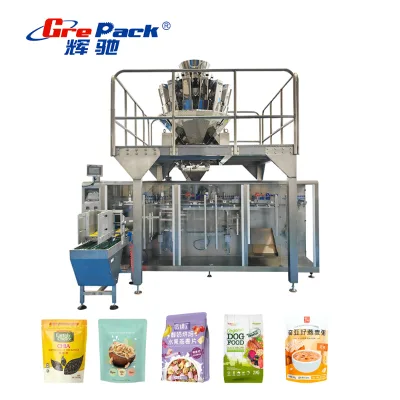
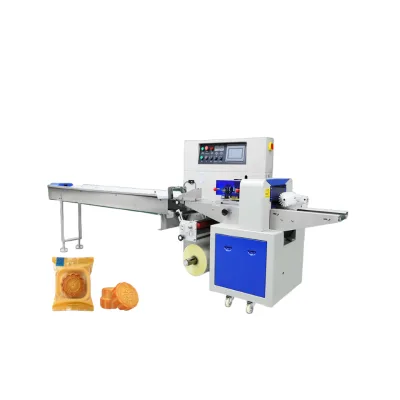

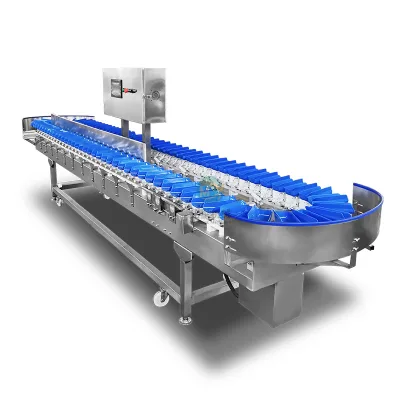
Comprehensive Sourcing Guide
Automatic Weighing and Packaging Machine Sourcing Guide
Buyers must first distinguish between semi-automatic and fully automatic configurations, as the observed market offers both distinct operational tiers. The available data indicates a clear split where some units operate with semi-automatic grading while others are fully automatic, directly impacting labor requirements and throughput consistency. Selecting the correct grade depends on whether the facility prioritizes initial capital expenditure savings or long-term operational efficiency and reduced human intervention.
Procurement decisions should also account for the specific filling principles and drive systems observed in current listings. Many units utilize atmospheric pressure filling combined with pneumatic and electric drives, which suits granular materials like wheat seeds and grains. However, buyers must verify if the specific machine model supports the required multi-head valve configuration and rotary structure to ensure compatibility with their existing production line layout and material flow rates.
Product Scope and Observed Listing Signals
The observed product range spans a wide price spectrum from 200 to 150,000 USD, reflecting significant variations in capacity and automation levels. Listings indicate capacities reaching 10 tons per hour for specific seed applications, while other models focus on bagging speeds between 5 and 60 bags per minute. Buyers should correlate these performance metrics with their actual production volume needs rather than assuming all listed machines offer identical throughput capabilities.
Material compatibility is a critical signal when evaluating product scope, as machines are designed for specific granular forms like wheat, sorghum, and maize. The data confirms suitability for PP, CPP, OPP, and BOPP films, alongside various packaging containers lifted pneumatically. Procurement teams must verify that the selected unit's forming species and sealing functions align with the specific packaging materials and bag dimensions required for their final product presentation.
Technical Specifications to Verify
Technical verification must begin with the voltage and power source requirements, as observed units support a broad range from 110V to 440V. Buyers need to confirm that the electric power source matches their facility's electrical infrastructure to avoid costly retrofitting or transformer installation. Additionally, the drive system, often a combination of pneumatic and electric components, must be compatible with the plant's compressed air supply and electrical stability standards.
Dimensional constraints and structural design are equally vital for integration into existing factory floors. Observed specifications include standard dimensions such as 52008001300mm for larger rotary units and compact models around 960340630mm. Buyers should measure their available floor space and ceiling height to ensure the machine fits, while also checking the maximum packaging length of 1200mm to confirm it accommodates their largest bag sizes without modification.
Compliance and Safety Documentation
Safety and compliance documentation should prioritize the presence of recognized certifications like TUV Co, which indicates adherence to specific international safety standards. While some background context mentions CE, buyers must request explicit, verifiable certificates for the specific model being purchased rather than relying on general market assumptions. Ensuring the machine meets the safety protocols of the destination country is essential for legal operation and insurance coverage.
Documentation review must also extend to the machine's operational standards and material safety data. The listed standard dimensions and specific model numbers like MH-10 or MCTB-1000 serve as reference points for verifying that the delivered unit matches the ordered specifications. Buyers should require a full technical manual that details the zero gravity table settings and vertical hoist operations to ensure safe maintenance and troubleshooting procedures are available on-site.
Cost Drivers and Commercial Terms
Cost drivers are heavily influenced by the automatic grade and the complexity of the filling valve head configuration. Multi-head systems and rotary structures typically command higher prices due to increased precision and speed, whereas single-head or semi-automatic units offer a lower entry point. Buyers should analyze the total cost of ownership, including energy consumption and maintenance frequency, rather than focusing solely on the initial purchase price observed in the 200 to 150,000 USD range.
Commercial terms regarding packaging and shipping must be clarified, as observed listings vary between standard packaging and wooden crates. The origin location, primarily Shijiazhuang City, China, impacts logistics costs and lead times, which can fluctuate based on global shipping conditions. Procurement teams should negotiate clear Incoterms that define responsibility for freight, insurance, and customs clearance to prevent unexpected expenses upon delivery.
Supplier Qualification and Quality Control
Supplier qualification requires verifying the origin and manufacturing capabilities of the provider, with Shijiazhuang City identified as a key production hub. Buyers should request proof of the supplier's ability to deliver customized solutions, as customization is listed as an available attribute for many units. Confirming the supplier's track record with similar machinery ensures they can handle the specific technical nuances of granular material handling and bagging.
Quality control protocols must be established before production begins, focusing on the machine's adjustable features and efficiency claims. Since efficiency is listed as high, buyers should request performance test data or references from previous clients to validate these claims. Establishing a clear acceptance criteria based on the observed packing speed and volume capacity ensures the delivered machine meets the operational expectations set during the sourcing phase.
Long-Term Procurement Checks
Long-term procurement success depends on verifying the availability of spare parts and the durability of critical components like the feed cylinder structure. The multi-room feeding and pneumatic lifting structures are complex systems that require regular maintenance, so buyers must ensure the supplier provides a comprehensive parts list and local support network. Without a reliable supply chain for spare parts, downtime can significantly impact overall production efficiency.
Buyers should also plan for future scalability by checking if the machine's speed and capacity can be upgraded or if the system allows for modular expansion. The observed adjustable features and customizable options suggest potential for adaptation, but this must be confirmed in the contract. Establishing a long-term relationship with a supplier who understands the specific application fields of seeds and grains ensures ongoing technical support and potential upgrades as production needs evolve.
FAQs
What is the capacity of the Automatic Weighing and Packaging Machine?
The Automatic Weighing and Packaging Machine offers a capacity of 10t/H based on wheat seed. This throughput supports efficient processing for grains and granular materials. The system is designed to handle applications involving wheat, sorghum, maize, and pulses. It ensures consistent output for agricultural and food processing operations requiring reliable high-volume handling capabilities.
Can the Automatic Weighing and Packaging Machine be customized?
Yes, the Automatic Weighing and Packaging Machine features available customization options. Buyers can select from white, blue, or customizable colors to match facility branding. The equipment supports various packaging materials including PP, CPP, OPP, and BOPP films. This flexibility allows adaptation to specific production line requirements and aesthetic preferences for diverse industrial environments.
What is the packing speed of the Automatic Weighing and Packaging Machine?
The Automatic Weighing and Packaging Machine operates at a speed of 15-30 bags per minute. This rate ensures efficient throughput for medium-scale production lines. The system utilizes a rotary structure with multi-head filling valves for precision. It is suitable for weighing and bagging granular materials like seeds and grains with consistent accuracy.
What certifications does the Automatic Weighing and Packaging Machine have?
The Automatic Weighing and Packaging Machine holds TUV Co certification. This indicates compliance with specific quality and safety standards for industrial equipment. The machine is available in both semi-automatic and automatic grades. Buyers can verify these credentials to ensure the equipment meets regulatory requirements for their specific manufacturing or processing facilities.
What is the voltage range for the Automatic Weighing and Packaging Machine?
The Automatic Weighing and Packaging Machine supports a voltage range of 110V to 440V. This wide range accommodates various electrical infrastructure setups globally. The drive system combines pneumatic and electric components for reliable operation. This flexibility ensures the machine can be integrated into different factory power systems without requiring extensive electrical modifications.
What is the origin of the Automatic Weighing and Packaging Machine?
The Automatic Weighing and Packaging Machine originates from Shijiazhuang City, China. This location is a known hub for industrial machinery manufacturing. The products are packed in standard or wooden packaging for safe transport. Buyers sourcing from this region can expect established supply chains and competitive logistics options for international delivery.