Source Automatic Wood Finger Jointing Machine for Board Joining
Find 30 automatic wood finger jointing machines with varying specifications like 220V or 380V voltage and 15kw motor power. Compare models such as MXB3515 and ELA 150A for woodworking processes including finger joint teeth creation and board connecting; compare the available evidence and request quotations based on your requirements.
Updated
Key considerations
Products List


High Speed Automatic Finger Joint Jointer Machine Woodworking Jointing Machine
$38000.00 - $50000.00
MOQ: 1 Sets


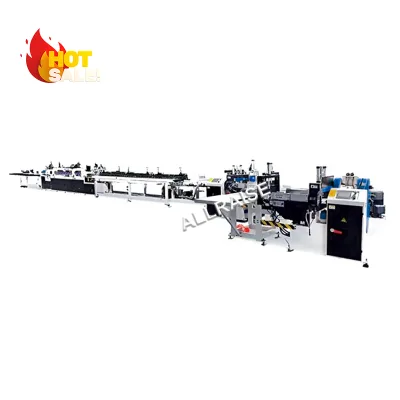
High Efficiency Finger Joint Machine Full Automatic Wood Finger Joint Line
$38000.00 - $50000.00
MOQ: 1 Sets


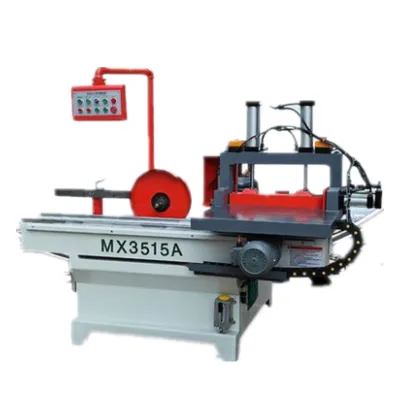
$2511.9882 - $3024.6387
MOQ: 1 sets
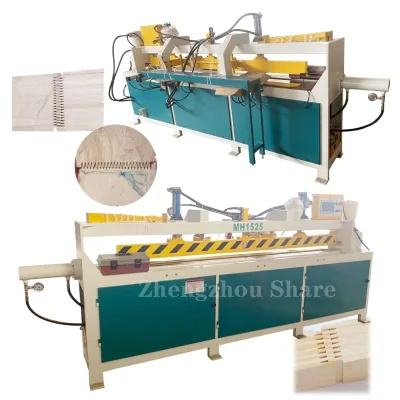
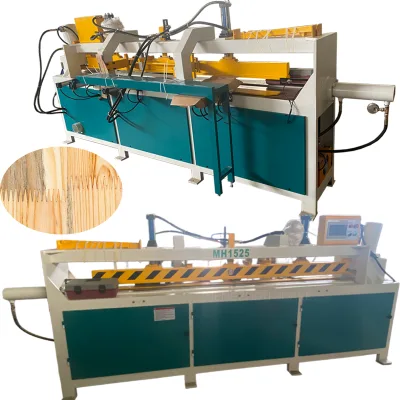
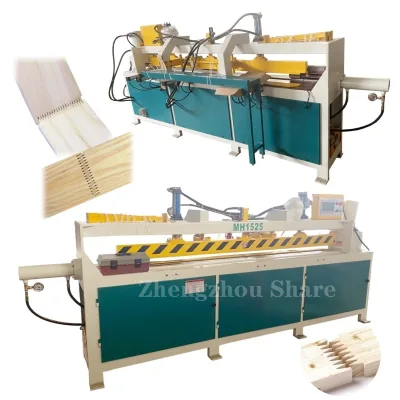
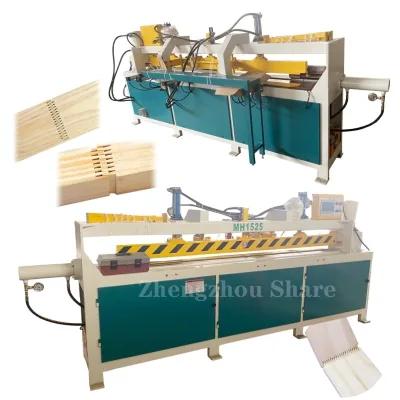
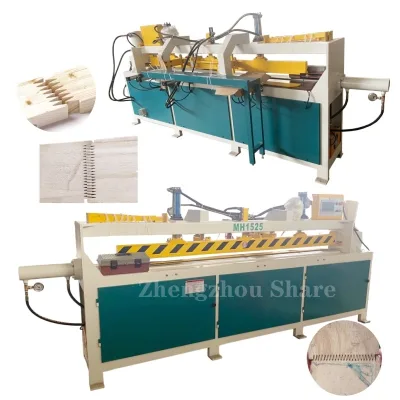
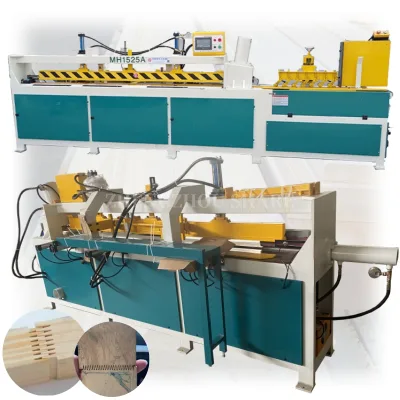


Comprehensive Sourcing Guide
Automatic Wood Finger Jointing Machine Sourcing Guide
Procuring an Automatic Wood Finger Jointing Machine requires a clear understanding of the specific automation level and throughput capabilities needed for your woodworking facility. The market offers a range of solutions, from semi-automatic lines to fully automatic systems, each designed to optimize board connecting processes. Buyers must first define their production volume and the types of wood materials they intend to process, as these factors directly influence the selection of the appropriate machine model. The core function of these machines is to create precise finger joints, which are essential for creating strong, seamless connections in engineered wood products.
The observed product landscape includes various models such as the MXB3515, ELA 150A, and SR-JMJ, indicating a diverse range of technical configurations available to buyers. These machines are primarily manufactured in China and are often exported in standard wooden packages or containers to ensure safe transit. Understanding the distinction between different machine types, such as those with specific feeding lengths or pressing thicknesses, is crucial for aligning equipment with your existing production line. This guide provides the necessary framework to evaluate these options based on verified technical and commercial data.
Product Scope and Observed Listing Signals
The current market listings for automatic wood finger jointing machines reveal a significant variation in product specifications and operational characteristics. Buyers will encounter machines with varying power sources, predominantly electrical, and voltage requirements that include both 220V and 380V options. The observed power ratings range from smaller units with 1.5kw+1.5kw configurations to larger systems with 42.75kw power consumption, reflecting differences in motor capacity and processing speed. It is essential to verify the specific power requirements of your facility to ensure compatibility with the selected machine, as mismatched voltage or power levels can lead to operational inefficiencies or equipment damage.
Weight and physical dimensions are also critical factors in the product scope, with observed weights ranging from 600 Kg to 670 Kg for certain models. The standard dimensions for some units are listed as 522048001600mm, highlighting the substantial footprint required for installation. Additionally, the customization options available for these machines allow buyers to tailor specific features to their unique production needs. The presence of core components like motors and the availability of warranty periods, typically one year, provide a baseline for assessing the reliability and support structure of the equipment. Buyers should carefully review these physical and operational attributes to ensure the machine fits within their spatial and logistical constraints.
Technical Specifications to Verify
When evaluating technical specifications, buyers must focus on the precise working dimensions and processing capabilities of the finger jointing machine. Key parameters include the maximum working width, which can vary from 120mm to 150mm, and the maximum working thickness, often capped at 70mm or 100mm depending on the model. The feeding length is another critical specification, with observed ranges extending from 150-850mm to 2500mm, directly impacting the length of boards that can be processed in a single cycle. Verifying these dimensions against your standard board sizes is essential to avoid bottlenecks or the need for additional processing steps.
The pressing thickness and shaping thickness capabilities also play a vital role in determining the machine's versatility. Some models offer a pressing thickness range of 30-100mm, while others may have different shaping parameters. The motor power, often specified as 15kw*2 for certain automatic lines, indicates the robustness of the jointing mechanism. Buyers should also consider the condition of the machine, with new units being the standard offering, and the specific function of making finger joint teeth, which is the primary output. Ensuring that the machine's technical specifications align with your production requirements will help in selecting a unit that delivers consistent quality and efficiency.
Compliance and Safety Documentation
Compliance with international safety and quality standards is a non-negotiable aspect of sourcing industrial woodworking machinery. The CE certification is a common requirement for machines exported to many regions, indicating adherence to European health, safety, and environmental protection standards. Buyers must verify that the supplier provides valid CE certificates and other relevant documentation for the specific model being purchased. This documentation should include detailed technical files, risk assessments, and declarations of conformity, which are essential for regulatory compliance in the buyer's home country.
In addition to certification, safety features integrated into the machine design are crucial for protecting operators. Buyers should inquire about the presence of emergency stop buttons, protective guards, and interlock systems that prevent operation when safety covers are open. The electrical components, including motors and control panels, should meet relevant electrical safety standards to prevent hazards such as short circuits or overheating. Requesting comprehensive operation and maintenance manuals is also advisable, as these documents provide critical information on safe handling, routine maintenance, and troubleshooting procedures. Ensuring that all safety documentation is complete and up-to-date helps mitigate risks and ensures a safe working environment.
Cost Drivers and Commercial Terms
The cost of an Automatic Wood Finger Jointing Machine is influenced by several factors, including the level of automation, power consumption, and the complexity of the jointing mechanism. Observed price ranges in the market span from 1300 to 50000 USD, reflecting the wide variety of models and capabilities available. Higher-priced units typically offer greater automation, higher throughput, and more advanced features, while lower-cost options may be semi-automatic or have limited processing capacities. Buyers should align their budget with their production needs, considering both the initial purchase price and the long-term operational costs.
Commercial terms such as minimum order quantity (MOQ), packaging, and warranty are also significant considerations. The observed MOQ is often 1, allowing for flexible purchasing options for small to medium-sized enterprises. Packaging methods, including standard export wooden packages and containers, affect shipping costs and the risk of damage during transit. Warranty periods, typically one year, provide a safety net against manufacturing defects, but buyers should clarify the scope of coverage and the process for claiming warranty services. Understanding these commercial terms helps in negotiating favorable deals and managing total cost of ownership effectively.
Supplier Qualification and Quality Control
Selecting a qualified supplier is critical to ensuring the reliability and performance of the Automatic Wood Finger Jointing Machine. Buyers should verify the supplier's manufacturing capabilities, including their production facilities, quality control processes, and experience in the woodworking machinery industry. Requesting references from previous clients and reviewing case studies can provide insights into the supplier's reputation and the performance of their machines in real-world applications. Additionally, suppliers should be able to provide detailed technical specifications and support documentation, demonstrating their expertise and commitment to customer service.
Quality control measures implemented by the supplier, such as pre-shipment inspections and testing procedures, are essential for ensuring that the machine meets the agreed-upon standards. Buyers should inquire about the specific tests conducted on the machine, including performance tests for jointing accuracy and durability. The availability of customization options allows suppliers to tailor the machine to specific requirements, but buyers must ensure that these customizations do not compromise the machine's overall quality or safety. Establishing a clear communication channel with the supplier for ongoing support and maintenance is also advisable to address any issues that may arise after installation.
Long-Term Procurement Checks
Long-term procurement success depends on the availability of spare parts and the quality of after-sales support. Buyers should confirm the supplier's inventory of spare parts, including motors, blades, and electronic components, to minimize downtime in case of repairs. The lead time for delivering spare parts is a critical factor, as delays can significantly impact production schedules. Additionally, the supplier should offer comprehensive training and technical support to ensure that operators can use the machine efficiently and safely. Establishing a service contract or support agreement can provide peace of mind and ensure timely assistance when needed.
Regular maintenance and performance monitoring are also essential for extending the lifespan of the finger jointing machine. Buyers should develop a preventive maintenance schedule based on the manufacturer's recommendations, including routine cleaning, lubrication, and inspection of critical components. Tracking the machine's performance metrics, such as jointing accuracy and throughput, can help identify potential issues early and optimize operational efficiency. By focusing on long-term procurement checks, buyers can ensure that their investment in an Automatic Wood Finger Jointing Machine delivers sustained value and supports their woodworking operations effectively.
FAQs
What is the power consumption of the Automatic Wood Finger Jointing Machine?
The Automatic Wood Finger Jointing Machine typically consumes 42.75kw of power, with specific models featuring dual 15kw motors. This electrical power source ensures efficient operation for high-volume woodworking processes. Buyers should verify the exact voltage requirements, which are often 220V or 380V, to match their facility's infrastructure before installation.
Can the Automatic Wood Finger Jointing Machine be customized for specific needs?
Yes, customization is available for the Automatic Wood Finger Jointing Machine to suit various production requirements. Manufacturers offer tailored solutions for pressing thickness ranging from 30-100mm and shaping thickness up to 150mm. This flexibility allows businesses to adapt the equipment for different wood materials and joint specifications without compromising on efficiency or output quality.
What certifications does the Automatic Wood Finger Jointing Machine have?
The Automatic Wood Finger Jointing Machine holds CE certification, ensuring compliance with European safety and quality standards. This certification is crucial for buyers importing machinery from China to other regions. It guarantees that the core components, such as the motor, meet rigorous operational benchmarks, providing peace of mind regarding regulatory adherence and machine reliability.
How much does the Automatic Wood Finger Jointing Machine weigh?
The Automatic Wood Finger Jointing Machine weighs approximately 670kg, while other models may weigh around 600kg. This weight reflects the sturdy construction needed for stable finger jointing operations. Buyers must account for this mass when planning factory floor space and logistics, as the standard export wooden package or container packing requires appropriate handling equipment for safe installation.
What is the warranty period for the Automatic Wood Finger Jointing Machine?
The Automatic Wood Finger Jointing Machine comes with a 1-year warranty covering core components like the motor. This warranty supports buyers by providing assurance against manufacturing defects during the initial operational phase. It is advisable to review the specific terms with the supplier to understand coverage details, ensuring that maintenance and potential repairs are handled efficiently within the warranty period.
What is the maximum working width for the Automatic Wood Finger Jointing Machine?
The maximum working width for the Automatic Wood Finger Jointing Machine varies by model, with some supporting up to 150mm and others up to 130mm. This dimension determines the board size compatibility for finger jointing applications. Buyers should select a model that aligns with their typical material dimensions to maximize throughput and minimize setup adjustments during continuous woodworking production runs.