Source Biodegradable High Pigmented Cosmetic Glitter for Nail, Eye, Lipstick
Compare 30 listings of Biodegradable High Pigmented Cosmetic Glitter suitable for nail art, eye makeup, and lipstick applications. Buyers can review specifications like particle size, color options, and certifications from verified suppliers in China; compare the available evidence and request quotations based on your requirements.
Updated
Key considerations
Products List


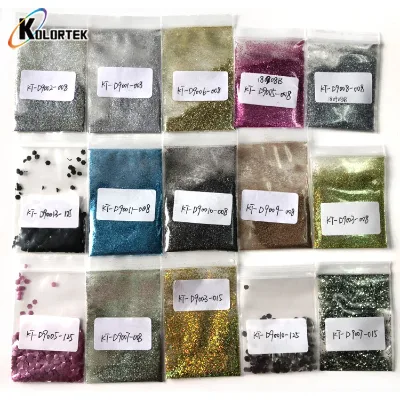
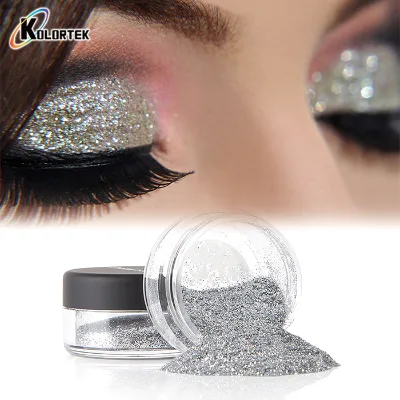
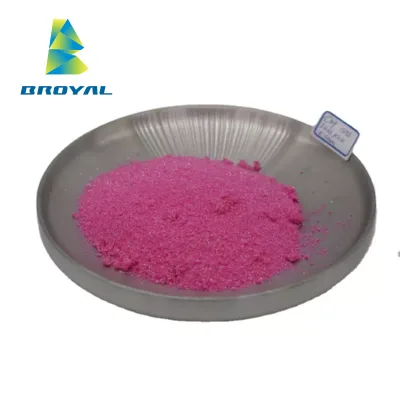
Private Label Cosmetic Eye Glitter Loose Powder Pigment Glitter Eyeshadow
$0.85 - $1.55
MOQ: 1000 Minimum
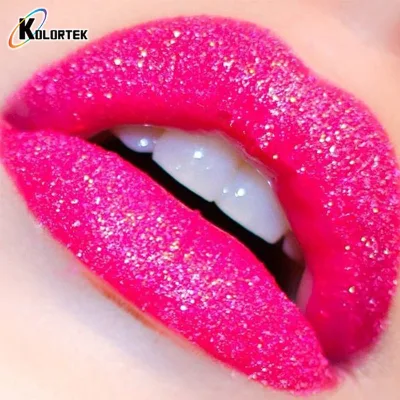
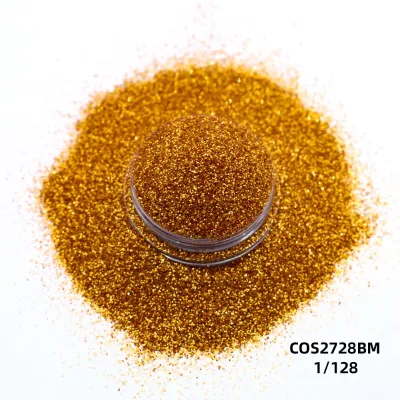
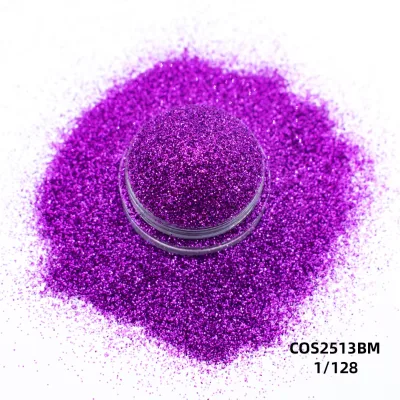
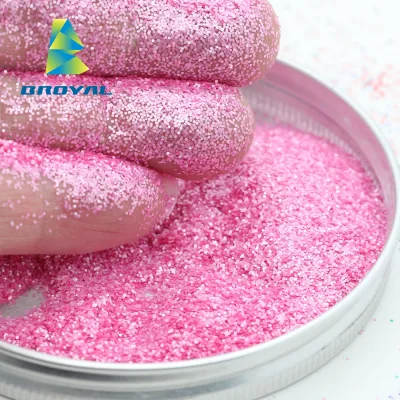
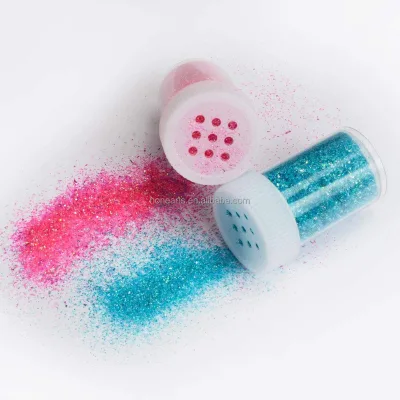
Factory Direct Bulk Wholesale Non-Toxic Fine Glitter Powder for Makeup
$8.2145 - $9.2413
MOQ: 1 kilograms


Comprehensive Sourcing Guide
Biodegradable High Pigmented Cosmetic Glitter Sourcing Guide
Procuring Biodegradable High Pigmented Cosmetic Glitter requires a strategic approach that balances aesthetic performance with environmental compliance. Buyers must navigate a market where synthetic alternatives are increasingly being replaced by cellulose-based materials to meet sustainability goals. The core challenge lies in verifying that the glitter truly degrades under specific conditions while maintaining the high pigment load necessary for vibrant cosmetic applications. This guide provides evidence-based insights to help procurement teams make informed decisions, ensuring that the selected materials align with both brand values and regulatory requirements.
The sourcing landscape for these specialized pigments is defined by distinct technical attributes and commercial terms. Observed listings indicate a wide range of product models, from loose glitter powders to specialized eyeshadow pigments, each with unique particle sizes and packaging requirements. Understanding these variations is critical for selecting the right material for specific end-use cases, whether for lipstick, nail polish, or eye makeup. This guide outlines the key factors to consider, including technical specifications, compliance documentation, and supplier qualification processes, to facilitate a successful procurement strategy.
Product Scope and Observed Listing Signals
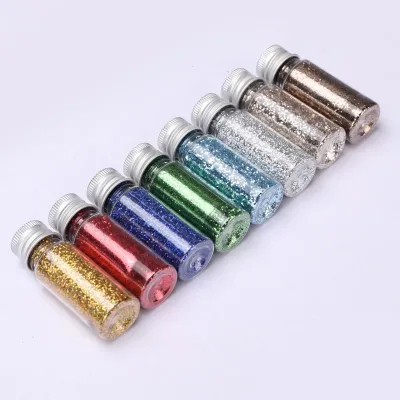
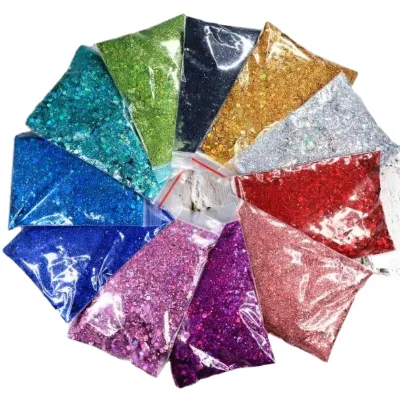
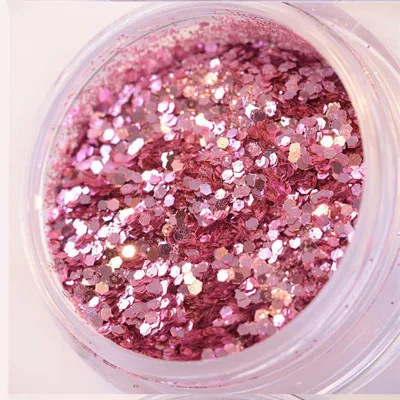
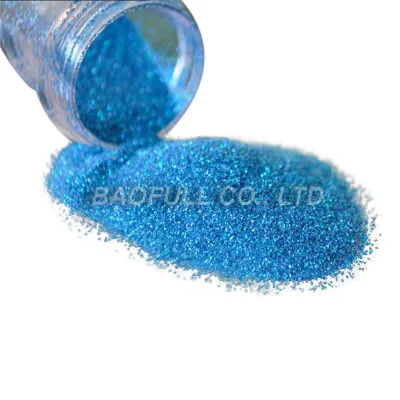
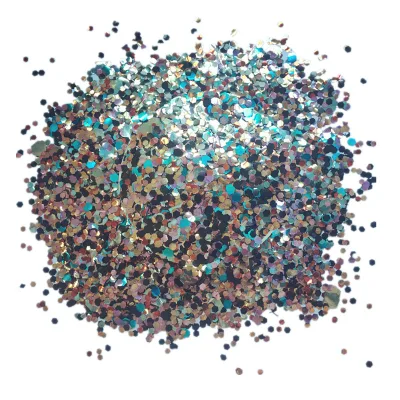
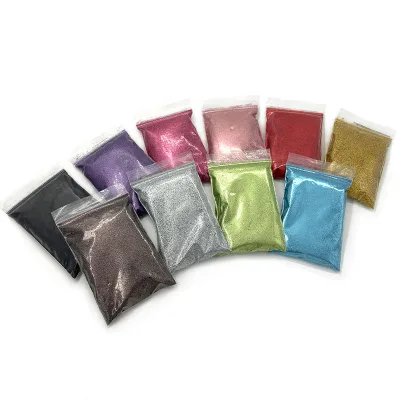
The product scope for biodegradable cosmetic glitter encompasses a variety of forms, primarily loose glitter powders and specialized pigments designed for cosmetic applications. Observed listings highlight products with specific model numbers, such as KT-BXXX-008 and KT-96XXF-008, which indicate different formulations and particle sizes. These products are often marketed under brand names like KOLORTEK and are available in multiple colors, including yellow, blue, red, and green, as well as multi-colored options. The material composition is typically cellulose, which supports the biodegradable claim, and the products are often described as non-toxic and odorless, appealing to eco-conscious consumers.
Commercial signals from the market suggest a flexible supply chain with options for customization and private labeling. Buyers can expect to find suppliers who accept custom logos and offer OEM and ODM services, allowing for brand-specific product development. The observed minimum order quantities (MOQ) range from 1 to 1000 units, providing flexibility for both small-scale testing and large-volume production. Pricing varies significantly, with observed ranges from $0.85 to $225, reflecting differences in particle size, packaging, and order volume. These signals indicate a mature market with diverse supplier capabilities and competitive pricing structures.
Technical Specifications to Verify
Verifying technical specifications is crucial for ensuring that the biodegradable glitter meets the performance requirements of cosmetic formulations. Key attributes to verify include particle size, which can range from 5-25um to 200 microns, depending on the desired aesthetic effect. The mesh size, often listed as 200, 400, or 600, is another critical parameter that affects the texture and application of the glitter. Buyers should also confirm the solubility properties, as some products are insoluble, which is typical for cosmetic glitter to ensure stability in various formulations.
Additional technical details to verify include the physical form and packaging specifications. Products are typically supplied as loose powders, with standard packaging of 25 kg per color, although special packing options are available. The single package size and gross weight, such as 10X10X10 cm and 0.5 kg or 5.500 kg, are important for logistics and storage planning. Buyers should also check the EINECS and CAS numbers, such as 232-674-9 and 9004-34-6, to ensure accurate identification and regulatory compliance. These specifications help in selecting the right product for specific cosmetic applications.
Compliance and Safety Documentation
Compliance and safety documentation are essential for ensuring that biodegradable cosmetic glitter meets regulatory standards in target markets. Buyers should verify that suppliers provide Material Safety Data Sheets (MSDS), Technical Data Sheets (TDS), and Certificates of Analysis (COA) for each product batch. These documents provide critical information on the chemical composition, handling instructions, and quality control measures, ensuring that the product is safe for use in cosmetics. Certifications such as FDA, EEC, SGS Approval, and REACH are also important indicators of compliance with international safety and environmental standards.
In addition to product-specific documentation, buyers should confirm the supplier’s adherence to broader regulatory frameworks. The presence of EINECS numbers, such as 613-211-3 and 65997-17-3, helps in verifying the chemical identity and regulatory status of the ingredients. Buyers should also check for any specific claims regarding biodegradability and ensure that these are supported by relevant test data or certifications. This due diligence helps mitigate risks associated with non-compliance and ensures that the products can be legally marketed in various regions.
Cost Drivers and Commercial Terms
Cost drivers for biodegradable cosmetic glitter include the raw material composition, particle size, and packaging requirements. Cellulose-based materials, which are biodegradable, may have different cost structures compared to synthetic alternatives. The complexity of achieving high pigmentation while maintaining biodegradability can also influence pricing. Buyers should consider the MOQ and pricing tiers, as larger orders often result in lower unit costs. The observed price range of $0.85 to $225 reflects these variations, with higher prices typically associated with specialized formulations or smaller order quantities.
Commercial terms such as customization options, private labeling, and shipping logistics also impact the total cost of ownership. Suppliers offering OEM and ODM services may charge additional fees for custom packaging or branding. Buyers should negotiate clear terms regarding lead times, payment methods, and return policies to avoid unexpected costs. The availability of spot goods can also affect pricing and delivery schedules, providing flexibility for urgent orders. Understanding these commercial dynamics helps buyers optimize their procurement strategy and manage costs effectively.
Supplier Qualification and Quality Control
Supplier qualification is a critical step in ensuring the reliability and consistency of biodegradable cosmetic glitter supplies. Buyers should assess the supplier’s production capabilities, quality control processes, and track record in the cosmetic industry. Verifying certifications such as FDA, EEC, SGS, and REACH is essential to confirm compliance with international standards. Buyers should also request samples to evaluate the product’s quality, including its color consistency, particle size distribution, and biodegradability claims. This hands-on verification helps ensure that the supplier can meet the specific requirements of the buyer’s formulations.
Quality control measures should be clearly defined and agreed upon with the supplier. Buyers should establish protocols for incoming inspection, including checks for physical attributes, chemical composition, and packaging integrity. Regular audits of the supplier’s facilities can provide additional assurance of quality and compliance. Buyers should also consider the supplier’s ability to provide technical support and address any issues that may arise during production. A robust supplier qualification process helps mitigate risks and ensures a stable supply of high-quality biodegradable glitter.
Long-Term Procurement Checks
Long-term procurement checks are necessary to maintain the quality and compliance of biodegradable cosmetic glitter over time. Buyers should establish a schedule for regular re-verification of supplier certifications and product specifications. This includes checking for updates in regulatory requirements and ensuring that the supplier remains compliant with any changes. Buyers should also monitor market trends and technological advancements in biodegradable materials to stay informed about potential improvements or alternatives. This proactive approach helps ensure that the procurement strategy remains aligned with evolving industry standards and consumer expectations.
Continuous communication with suppliers is vital for addressing any issues that may arise and fostering a collaborative relationship. Buyers should provide feedback on product performance and work with suppliers to resolve any quality concerns. Regular reviews of commercial terms and pricing can help identify opportunities for cost savings or improved service levels. By maintaining a long-term perspective, buyers can build a resilient supply chain that supports their brand’s sustainability goals and ensures the consistent availability of high-quality biodegradable cosmetic glitter.
FAQs
What certifications are available for Biodegradable High Pigmented Cosmetic Glitter?
The product holds FDA, EEC, SGS Approval, and REACH certifications. These credentials ensure compliance with international safety and environmental standards for cosmetic applications. Buyers can request Technical Data Sheets, Material Safety Data Sheets, and Certificates of Analysis to verify quality and regulatory adherence before placing orders.
Can I customize the logo on Biodegradable High Pigmented Cosmetic Glitter?
Yes, the supplier accepts private logos and offers OEM and ODM services. Buyers can provide their own branding for the packaging or product labeling. This customization option allows brands to maintain unique identity while sourcing high-quality, biodegradable glitter for cosmetics, nail art, or holiday supplies.
What is the minimum order quantity for Biodegradable High Pigmented Cosmetic Glitter?
The minimum order quantity ranges from 1 to 1000 units depending on the specific product variant and packaging requirements. This flexible MOQ supports both small-scale testing and bulk procurement. Buyers should confirm exact quantities with the supplier to ensure availability and optimal pricing for their specific cosmetic glitter needs.
Where is the Biodegradable High Pigmented Cosmetic Glitter manufactured?
The product originates from Huaian, Jiangsu, China. This location serves as the primary place of origin for the manufacturing process. Buyers sourcing from this region benefit from established supply chains and verified production capabilities for biodegradable cosmetic glitter, ensuring consistent quality and reliable delivery schedules for global markets.
What particle sizes are available for Biodegradable High Pigmented Cosmetic Glitter?
Available particle sizes include 100 and 200 microns, as well as finer meshes of 200, 400, and 600. Some variants also offer sizes between 5-25um and 10-60um. These options allow precise selection for different cosmetic applications, from coarse decorative effects to smooth eyeshadow pigments and nail art finishes.
Is the Biodegradable High Pigmented Cosmetic Glitter safe for cosmetic use?
Yes, the product is described as non-toxic and suitable for cosmetic applications including eyes, nails, and lips. It is made from cellulose and is biodegradable. The material is odorless and comes with comprehensive technical data including MSDS and TDS, ensuring safety and compliance for direct cosmetic formulation and use.