Find bling non-slip car coaster for dash mats, cup holders, and gear shifters
Source 30 bling non-slip car coaster options from verified suppliers offering customization and varied materials like silicone and ceramic. Compare specifications, pricing, and MOQs to find the ideal accessory for vehicle interiors.
Key considerations
Products List


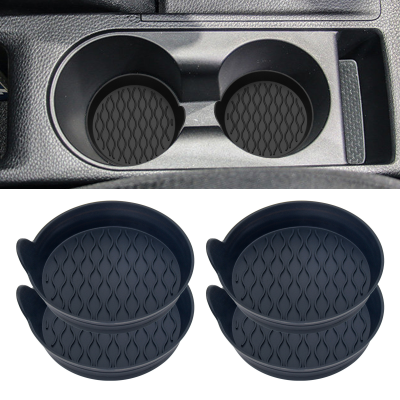
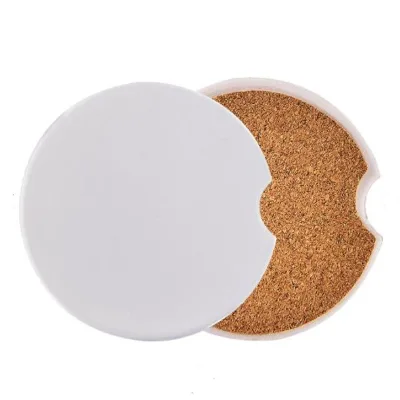
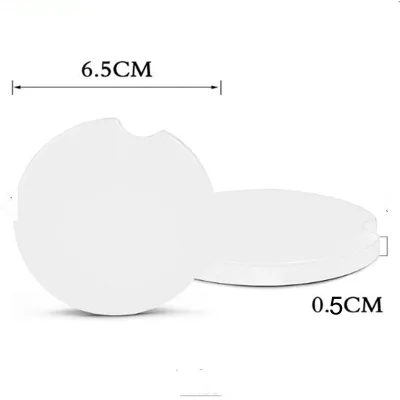
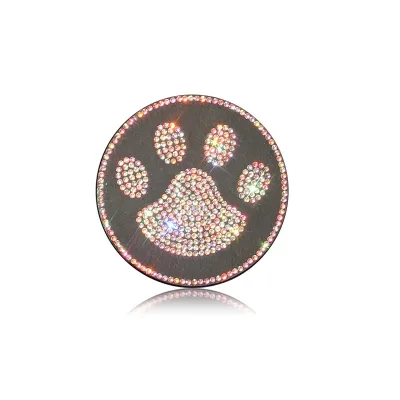







Comprehensive Sourcing Guide
Strategic Sourcing Guide for Bling Non-Slip Car Coasters
Understanding Product Attributes and Material Variations
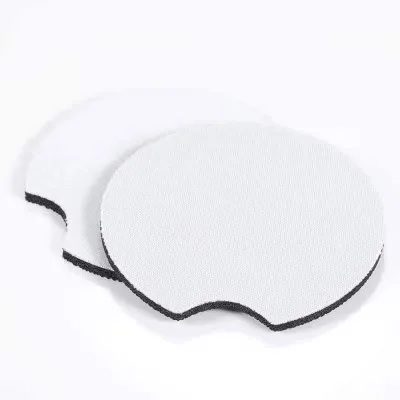
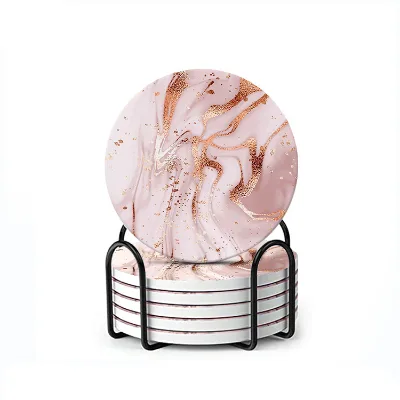
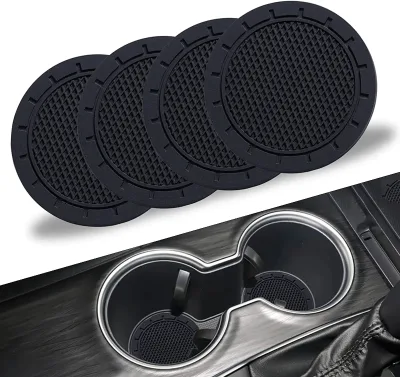
When sourcing "bling non-slip car coasters," buyers must first navigate a complex landscape of material definitions and physical attributes observed in the current market. The term "bling" often implies a decorative finish, yet the underlying product specifications reveal a diverse range of base materials. The supplied data indicates that products in this category are frequently manufactured from Silicone Rubber, Natural Rubber, or Ceramic. For instance, specific listings identify the material as Silicone Rubber, while others specify Natural Rubber or a composite of NBR, FKM, EPDM, and Cr Silicone. This variation is critical because the "non-slip" performance is directly tied to the friction coefficient of the base material. Silicone and natural rubber generally offer superior grip on dashboard surfaces compared to hard ceramics, which may require a rubberized backing to achieve the same non-slip effect.
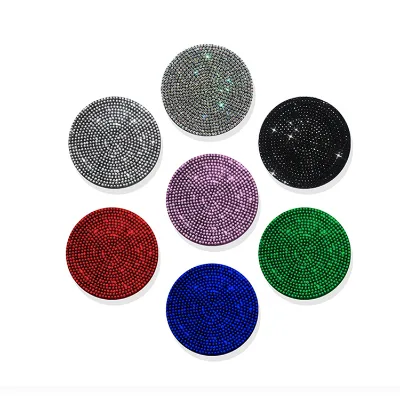
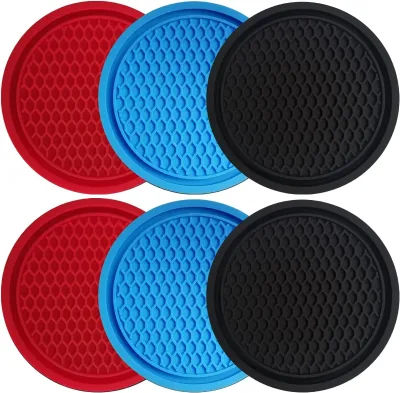
The physical form of these coasters also varies significantly. While some products are described as "Granules" or "Powdered Rubber" in their raw state, the finished goods appear as solid units. The observed shapes include round designs with diameters exceeding 600mm in industrial contexts, though automotive-specific units are typically much smaller, with dimensions such as 8.11.7cm or 6.50.5cm. The thickness of these units is another key variable, with some specifications noting a thickness of 5 mm, while others list sizes like 6.5*0.3cm. Buyers must verify that the "bling" aesthetic does not compromise the structural integrity required for a non-slip function. The color palette is equally diverse, with observed options including Black, Gray, Pink, Blue, and White. This suggests that the "bling" element is likely achieved through surface treatments, embedded glitter, or specific molding techniques rather than a change in the core material composition.
Technical Specifications and Customization Capabilities
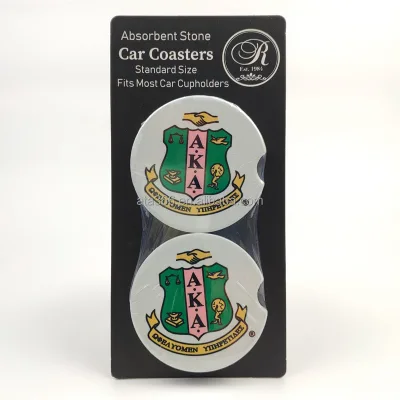
Customization is a dominant feature in the car coaster market, allowing buyers to tailor products to specific brand identities or functional requirements. The data confirms that OEM (Original Equipment Manufacturer) services are widely available, with suppliers explicitly welcoming customized orders. This extends to the product model numbers, which vary from generic codes like "133" and "SD-M17" to specific identifiers such as "MJ854152656RM" and "QITCOC." The ability to customize is not limited to branding; it encompasses the product standard, which is often listed as "customize" or "customized." This flexibility allows buyers to request specific dimensions, such as the 6.50.5cm or 8.11.7cm sizes observed, or to alter the thickness to meet specific dashboard clearance needs.
The customization process often involves modifying the logo, with "Cutomized" (Customized) logos being a standard offering. Buyers can also influence the style, with options ranging from "Classic" to "Custom design." The packaging is another area where customization is prevalent. While standard packaging includes boxes, cartons, and blister plastic, suppliers often accommodate specific requests such as "100 PCS/Plastic Bag, 10 Bags/Carton." This level of detail is essential for buyers who need to optimize shipping volume or meet specific retail display requirements. Furthermore, the product application is noted as "Industry," suggesting that these coasters may be used in broader contexts beyond just personal vehicles, potentially including commercial fleets or industrial machinery dashboards. The "Eco-Friendly" feature observed in some listings indicates that sustainable material sourcing or manufacturing processes are available, which can be a significant differentiator in modern procurement strategies.
Compliance, Certification, and Safety Verification
While the provided data highlights features like "Oil Resistance" and "Eco-Friendly" status, it does not explicitly list specific international safety certifications or compliance standards for the car coasters. This absence requires buyers to exercise due diligence when evaluating potential suppliers. In the automotive interior accessories sector, products must often comply with regulations regarding flammability, volatile organic compounds (VOCs), and material safety. Buyers should verify if the silicone rubber or natural rubber used meets specific automotive industry standards, such as those related to heat resistance and chemical stability. The "Oil Resistance" attribute is a functional claim that should be validated through independent testing, especially for coasters placed near engine compartments or areas prone to fluid spills.
The origin of the products is another critical factor for compliance. The data indicates that products originate from China, with specific provinces like Fujian and Shandong mentioned. Sourcing from these regions requires a thorough understanding of the local regulatory environment and the supplier's ability to provide documentation proving compliance with the destination country's import standards. For example, if the target market is the European Union, buyers must ensure the materials do not contain restricted substances under REACH regulations. Similarly, for the United States, compliance with CPSIA (Consumer Product Safety Improvement Act) may be necessary if the products are marketed towards children or contain small parts. The "Sample Time" of 5-7 working days suggests that buyers can request physical samples to conduct their own in-house testing for non-slip performance and material safety before committing to a large order.
Cost Drivers and Pricing Dynamics
The pricing for bling non-slip car coasters is influenced by several variables, including material costs, customization complexity, and order volume. The observed price range in the market spans from $0.05 to $2.32 USD. This wide disparity suggests that the final price is heavily dependent on the specific material selected and the level of customization required. Silicone rubber and ceramic materials typically command higher prices than standard natural rubber due to their durability and aesthetic appeal. The "bling" aspect, which may involve additional processing steps like glitter embedding or specialized coating, can also drive up the unit cost.
Minimum Order Quantity (MOQ) is a significant cost driver. The data shows an MOQ range from 10 to 5000 pieces, with specific listings citing 1000 pcs or 5000 pcs as standard thresholds. Buyers with smaller budget constraints may find the lower MOQ options more accessible, though the unit price will likely be higher. Conversely, larger orders can leverage economies of scale to reduce the per-unit cost, potentially bringing the price closer to the lower end of the observed range. Payment terms, including TT, PayPal, Western Union, and Moneygram, offer flexibility but may also impact the overall cost structure depending on the transaction fees and currency exchange rates involved. The "Freely" sample policy is a positive indicator for cost management, allowing buyers to validate product quality without incurring sample costs, which can reduce the risk of purchasing substandard inventory.
Supplier Evaluation and Operational Capabilities
Evaluating suppliers for car coaster procurement requires a focus on their operational flexibility and service capabilities. The data indicates that suppliers offer "OEM Customized Services," which is a strong indicator of their ability to meet specific buyer requirements. The presence of multiple product models and the ability to customize standards suggest that these suppliers are experienced in handling diverse orders. However, buyers should verify the supplier's capacity to maintain consistent quality across large production runs, especially when dealing with complex designs like "bling" finishes.
The location of the suppliers, primarily in Fujian and Shandong, China, provides insight into their logistical capabilities. These regions are known for their manufacturing hubs, which can facilitate efficient production and shipping. However, buyers should also consider the lead times and the supplier's ability to manage supply chain disruptions. The "Sample Time" of 5-7 working days is a useful metric for assessing the supplier's responsiveness. Additionally, the variety of packaging options, from boxes to cartons to blister plastic, indicates that suppliers are prepared to handle different shipping and retail requirements. Buyers should request references or case studies to confirm the supplier's track record in delivering on time and meeting quality expectations.
Quality Control and Long-Term Procurement Considerations
Ensuring consistent quality in bling non-slip car coasters requires a robust quality control (QC) strategy. Buyers should implement a multi-stage QC process that includes pre-production sample approval, in-process inspections, and final random inspections. The "Oil Resistance" and "Non-Slip" features must be verified through standardized testing methods to ensure they meet the buyer's specifications. The "Eco-Friendly" claim should also be substantiated with relevant documentation or third-party test reports.
Long-term procurement considerations involve building a sustainable relationship with suppliers who can adapt to changing market demands. The ability to customize models, colors, and packaging is a significant advantage for buyers looking to differentiate their products. However, buyers must also consider the potential for supply chain volatility and the need for backup suppliers. The wide range of MOQs and payment options provides flexibility, but buyers should negotiate terms that protect their interests, such as clear definitions of quality standards and penalties for non-compliance. By focusing on these strategic elements, buyers can secure a reliable supply of high-quality bling non-slip car coasters that meet their specific business needs.
Comparative Analysis of Product Specifications
To facilitate better decision-making, the following table summarizes the key specifications observed in the market for bling non-slip car coasters. This comparison highlights the diversity in materials, sizes, and customization options available to buyers.
| Attribute | Observation A | Observation B | Observation C | Observation D |
|---|---|---|---|---|
| Material | Silicone Rubber | Natural Rubber | Ceramic | NBR/FKM/EPDM/Cr Silicone |
| Form | Powdered Rubber | Granules | Solid Unit | Solid Unit |
| Size | 8.1*1.7cm | 6.5*0.5cm | 6.5*0.3cm | >600mm (Industrial) |
| Thickness | 5 mm | N/A | N/A | N/A |
| Shape | Round | Round | Round | Round |
| Color | Black, Gray, Pink, Blue | White | White | N/A |
| MOQ | 1000 PCS | 5000 PCS | 1000 PCS | 10-5000 |
| Packing | Box | Carton | Blister Plastic | 100 PCS/Plastic Bag |
| Customization | Available | Available | Available | Available |
| Origin | China | Fujian | Shandong, China | China |
| Feature | Oil Resistance | Eco-Friendly | N/A | N/A |
This table underscores the importance of specifying exact requirements when sourcing. Buyers should not assume that all products in the category share the same attributes. Instead, they must clearly define their needs regarding material, size, and customization to ensure they receive products that align with their brand and functional requirements. By leveraging the available customization options and verifying the technical specifications, buyers can effectively navigate the complex market for bling non-slip car coasters.
FAQs
What materials are used for bling non-slip car coasters?
Common materials include silicone rubber, natural rubber, and ceramic. Some listings also specify composite types like NBR, FKM, EPDM, or Cr Silicone to ensure durability and grip on dashboard surfaces.
Can I customize the logo and design for these coasters?
Yes, OEM customized services are widely available for logo, style, and product standards. Buyers can request specific models and shapes while suppliers accommodate custom packaging requirements like boxes or blister plastic.
What is the typical MOQ for ordering bling non-slip car coasters?
The minimum order quantity ranges from 10 to 5000 pieces depending on the supplier. Specific listings often cite thresholds of 1000 or 5000 pieces, with lower MOQs potentially affecting the unit price.
How long does it take to receive samples for these coasters?
Sample time is typically 5 to 7 working days for most suppliers. Many vendors offer free samples to allow buyers to verify quality, non-slip performance, and material safety before placing a large order.
Where are these car coasters primarily manufactured?
Products originate from China, with specific manufacturing hubs located in Fujian and Shandong provinces. Buyers should verify local regulatory compliance and shipping capabilities when sourcing from these regions.
What payment methods are accepted for these orders?
Accepted payment methods include TT, PayPal, Western Union, and Moneygram. These options provide flexibility for international transactions, though buyers should consider transaction fees and currency exchange rates.