Source breathable anti-bacterial kids socks for school, sports, and daily wear
Find 30 options for breathable anti-bacterial kids socks suitable for school, sports, and daily wear. Compare features like cotton material, ankle and knee styles, and non-slip bottoms from verified Chinese manufacturers; compare the available evidence and request quotations based on your requirements.
Updated
Key considerations
Products List


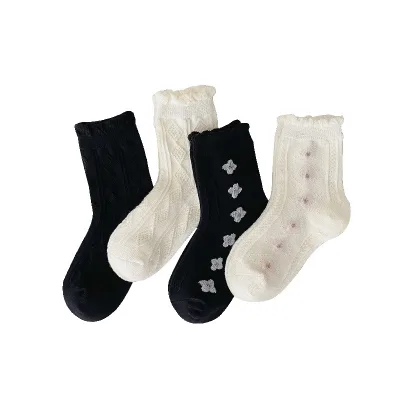
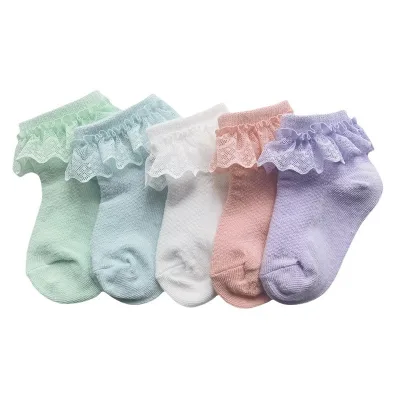
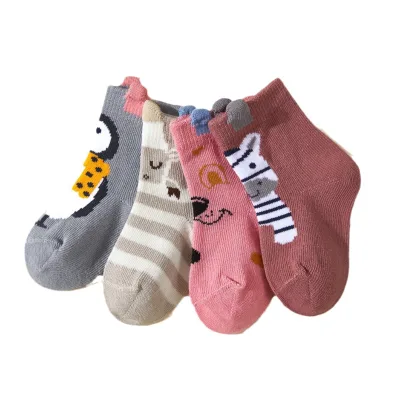


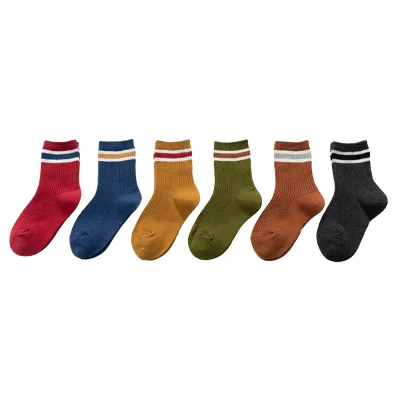
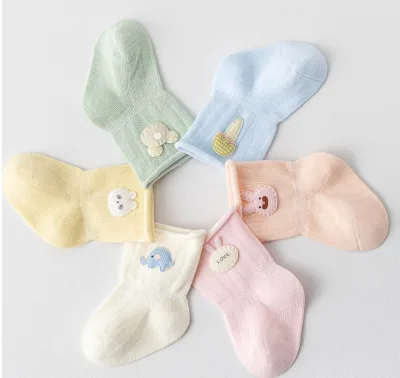

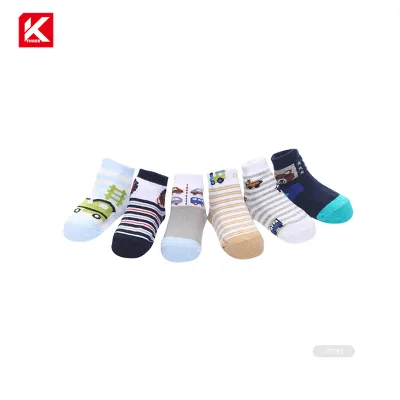
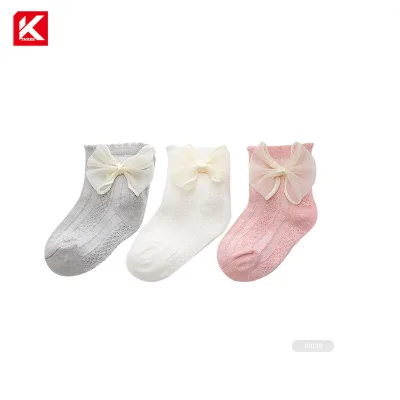


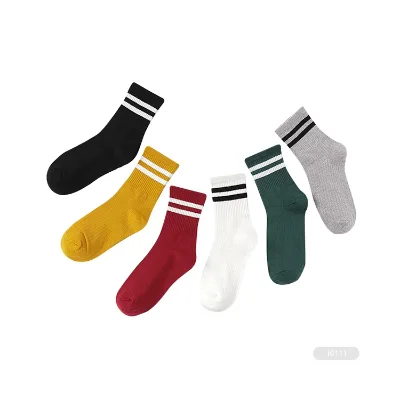
Kids Breathable Stripe Soft Socks Children Knee High Long School Uniform Socks
$1.50 - $2.00
MOQ: 1200 Pairs


Comprehensive Sourcing Guide
Breathable Anti-Bacterial Kids Socks Sourcing Guide
Sourcing breathable anti-bacterial kids socks requires balancing material science with practical durability, as children’s feet are prone to moisture buildup and rapid growth. The primary objective is to select fabrics that actively manage sweat while resisting odor-causing bacteria, ensuring comfort during active play. Buyers must prioritize natural fibers like cotton, which offer inherent breathability, over synthetic blends that may trap heat. This guide focuses on identifying suppliers who can deliver consistent quality in terms of elasticity, thickness, and fit for various age groups, from babies to pre-teens.
Procurement teams should also consider the specific design features that enhance functionality, such as non-slip bottoms for safety and reinforced heels for longevity. The market offers a wide range of styles, including ankle, knee-high, and mid-calf options, each serving different seasonal and activity-based needs. Understanding these variations is crucial for creating a product line that appeals to diverse customer segments. By focusing on verified supplier capabilities and clear technical specifications, buyers can mitigate risks associated with poor quality control and inconsistent product performance in the competitive children’s apparel sector.
Product Scope and Observed Listing Signals
The current market landscape for children’s socks reveals a diverse array of product attributes tailored to specific consumer needs. Listings frequently highlight features such as breathability, eco-friendliness, and anti-slip properties, which are critical for parent satisfaction. Observed product models range from specific identifiers like A-12 to descriptive codes such as Child Socks-001B and Baby Socks-052U, indicating a high degree of customization and variety. These signals suggest that suppliers are equipped to handle both standard and bespoke orders, catering to brands that require unique design elements or specific branding integrations.
Material composition is another key signal, with cotton being a dominant choice due to its softness and moisture-wicking capabilities. Listings also indicate variations in thickness, from normal to thickening options, allowing buyers to source products suitable for different seasons, particularly spring and autumn. Additionally, patterns such as animal designs, cartoon characters, and jacquard technology are commonly available, appealing to the aesthetic preferences of young consumers. These observed signals provide a foundation for understanding the breadth of options available, enabling buyers to make informed decisions based on their target market’s specific preferences and functional requirements.
Technical Specifications to Verify
When evaluating potential suppliers, it is essential to verify the technical specifications that directly impact product performance and user experience. Key attributes to confirm include the sock’s height, which can range from ankle to knee-high, and the elasticity level, with high elasticity being a common feature to ensure a secure fit. Buyers should also check the size options, which may include standard sizes like S or free sizes, to ensure they align with their target demographic’s sizing needs. Additionally, the weaving method, typically knitted for comfort and stretch, should be confirmed to guarantee the desired texture and durability.
Further verification should focus on the packaging and standardization details, such as the packing quantity per bag and the carton specifications, which affect logistics and storage efficiency. For instance, some listings specify 10 pairs per OPP bag and 1000 pairs per carton with a volume of 0.13 CBM, providing clarity on shipping calculations. Buyers must also assess the customization options available, including OEM services and printing methods like heat-transfer printing, to ensure the supplier can meet specific branding requirements. Confirming these technical details upfront helps prevent discrepancies between ordered and delivered goods, ensuring a smoother procurement process.
Compliance and Safety Documentation
Ensuring that children’s socks meet strict safety and compliance standards is paramount to protecting young consumers and avoiding legal liabilities. Buyers must request documentation that verifies the absence of harmful substances, such as formaldehyde or heavy metals, which can be present in textiles if not properly processed. Although specific certification names are not provided in the current data, suppliers should be able to demonstrate adherence to relevant international safety standards for children’s apparel. This includes verifying that the materials used are non-toxic and hypoallergenic, reducing the risk of skin irritation or allergic reactions in sensitive young users.
Additionally, buyers should inquire about the supplier’s quality control processes and any third-party testing conducted on the final products. Documentation should confirm that the socks have been tested for colorfastness, shrinkage, and tensile strength to ensure they withstand regular washing and wear. For products claiming anti-bacterial properties, buyers must request evidence of the efficacy of these treatments, ensuring they are safe for prolonged skin contact. By prioritizing comprehensive compliance documentation, buyers can build trust with their customers and maintain a reputable brand image in the competitive children’s apparel market.
Cost Drivers and Commercial Terms
Understanding the cost drivers and commercial terms is crucial for effective budgeting and negotiation in the sourcing of children’s socks. The price range observed in the market varies significantly, reflecting differences in material quality, design complexity, and order volume. Buyers should note that customization options, such as OEM services and specific printing methods, may incur additional costs. Furthermore, the minimum order quantity (MOQ) can impact pricing, with larger orders typically benefiting from economies of scale. It is important to clarify these terms early in the sourcing process to avoid unexpected expenses.
Lead times and sample order policies are also significant commercial factors that influence procurement planning. Some suppliers offer support for sample orders with a lead time of seven days, allowing buyers to evaluate product quality before committing to larger purchases. Buyers should also consider the supplier’s location, with many originating from regions like Zhejiang, China, which may affect shipping costs and delivery times. By carefully analyzing these commercial terms, buyers can optimize their supply chain efficiency and ensure that their procurement strategy aligns with their financial and operational goals.
Supplier Qualification and Quality Control
Evaluating supplier qualifications and quality control measures is essential to ensure consistent product quality and reliable delivery. Buyers should assess the supplier’s production capabilities, including their ability to handle various styles, sizes, and customization requests. It is important to verify that the supplier has a robust quality control system in place, with regular inspections at various stages of production. This includes checking for defects in stitching, pattern alignment, and material consistency, which can affect the overall durability and appearance of the socks.
Additionally, buyers should inquire about the supplier’s experience in exporting to their target markets and their familiarity with international trade regulations. A supplier with a proven track record of meeting compliance standards and delivering on time is more likely to provide a seamless procurement experience. Buyers may also consider requesting references or case studies from previous clients to gauge the supplier’s reliability and customer service quality. By thoroughly vetting suppliers, buyers can mitigate risks and establish long-term partnerships that support their business growth and customer satisfaction.
Long-Term Procurement Checks
Establishing long-term procurement checks is vital for maintaining product quality and supplier performance over time. Buyers should implement regular audits and performance reviews to ensure that suppliers continue to meet agreed-upon standards and specifications. This includes monitoring key performance indicators such as on-time delivery rates, defect rates, and responsiveness to issues. By tracking these metrics, buyers can identify potential problems early and take corrective actions to prevent disruptions in the supply chain.
Furthermore, buyers should maintain open communication channels with their suppliers to foster collaboration and continuous improvement. Regular feedback sessions can help address any concerns and explore opportunities for innovation or cost reduction. It is also important to stay updated on industry trends and regulatory changes that may impact product requirements. By proactively managing supplier relationships and staying informed about market developments, buyers can ensure a resilient and efficient procurement process that supports their long-term business objectives.
FAQs
What materials are used for breathable anti-bacterial kids socks?
Cotton is the primary material used for these breathable anti-bacterial kids socks. The product features high elasticity and comes in various colors like blue, purple, and turquoise. These socks are designed for children aged 8 to 12 years and include animal patterns or cartoon characters for appeal.
How can I customize the design of these socks?
Customization is available for these breathable anti-bacterial kids socks through OEM services. You can request specific patterns, colors, or packaging options like OPP bags. The manufacturer supports heat-transfer printing and offers various styles including ankle, knee, and free size options to meet your specific branding needs.
What is the lead time for sample orders?
The lead time for sample orders is typically 7 days for these breathable anti-bacterial kids socks. This support allows buyers to quickly evaluate product quality before placing larger orders. The manufacturer is located in Zhejiang, China, and offers flexible packing options such as 10 pairs per OPP bag.
Which sizes are available for these kids socks?
Available sizes include S, Free Size, and specific ranges like 35-38 or 39-42 for these breathable anti-bacterial kids socks. The product features ankle, knee, and middle heights suitable for different age groups. Custom sizing is also an option to ensure a perfect fit for your target demographic.
Can I find suppliers with low MOQ requirements?
Yes, suppliers offer MOQs ranging from 1 to 2000 pairs for these breathable anti-bacterial kids socks. This flexibility allows small businesses to start with minimal inventory. The standard packing is 1000 pairs per carton, but custom packing arrangements can be discussed directly with the manufacturer in China.
What features make these socks suitable for kids?
These breathable anti-bacterial kids socks feature non-slip bottoms, soft textures, and keep-warm properties. They are designed with high elasticity and come in eco-friendly materials. The product includes animal patterns and cartoon characters, making them attractive and comfortable for boys, girls, and babies aged 8 to 12 years.
How are these socks packaged for shipment?
Socks are typically packed in OPP bags containing 10 pairs per bag. For bulk shipments, the standard is 1000 pairs per carton with a volume of 0.13 cubic meters. Customized packaging solutions are available upon request to meet specific logistical or branding requirements for your business.