Source Jacquard Fuzzy Thermal Socks for Winter, Indoor, and Daily Use
Find 30 verified suppliers offering Jacquard Fuzzy Thermal Socks designed for winter warmth and daily comfort. Compare features like seamless knitting, custom logos, and non-slip functions to select the right pair for indoor or floor use; compare the available evidence and request quotations based on your requirements.
Updated
Key considerations
Products List
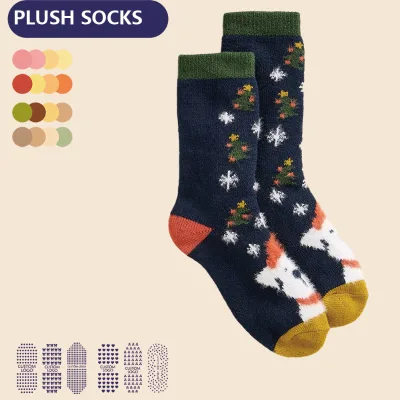
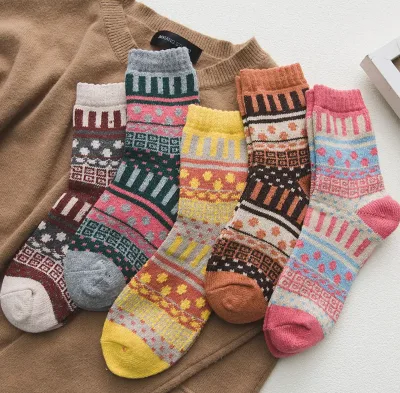
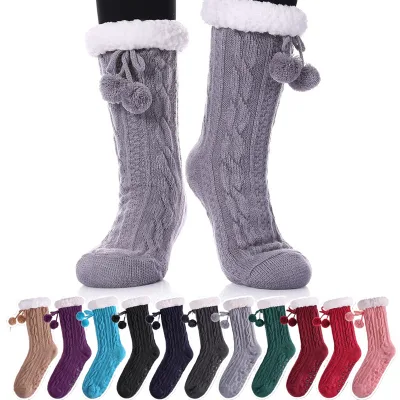
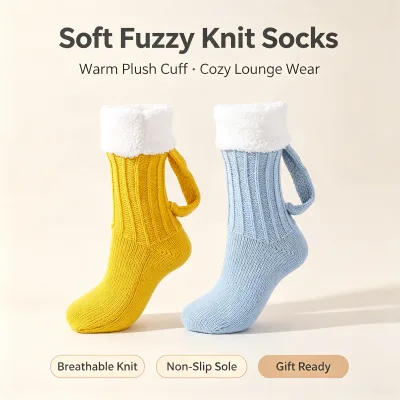
Custom Plush Socks Christmas Socks Grip Anti Slip Thermal Jacquard Cozy Socks
$0.6656 - $0.9729
MOQ: 100 pairs
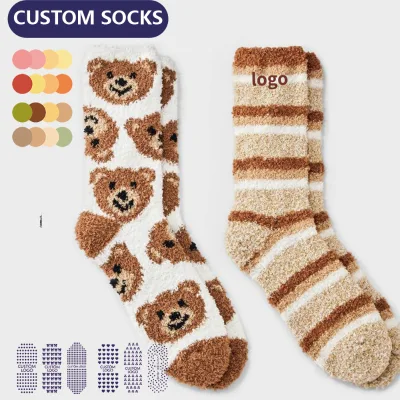
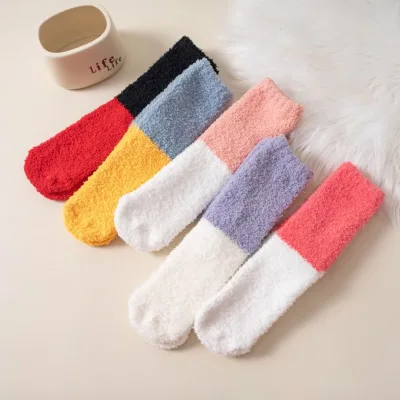
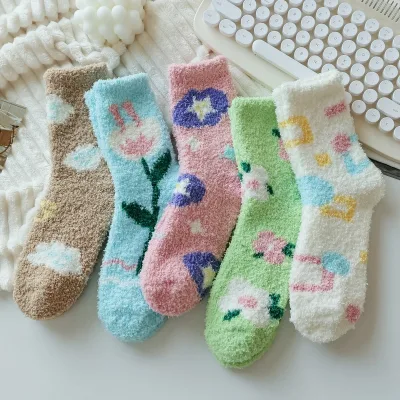

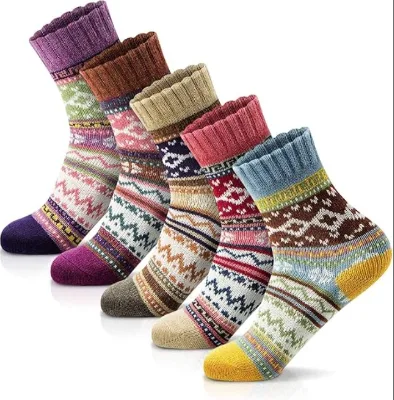
Winter Thick Warm Thermal Fuzzy Jacquard Wool Nordic Socks for Women Ladies
$0.37 - $0.60
MOQ: 500 Pieces




Comprehensive Sourcing Guide
Jacqard Fuzzy Thermal Socks Sourcing Guide
Procurement teams targeting Jacquard Fuzzy Thermal Socks must first distinguish between seamless knitted variants and woven constructions, as the supplied data indicates both weaving methods exist in the current market. Buyers should verify whether the specific listing supports the "Thermo" feature alongside "Breathable" claims, since these attributes often appear in conflicting product profiles for winter wear. The observed material composition ranges from Spandex/Nylon blends to pure Cotton, requiring strict definition of the fiber ratio to ensure the desired warmth and elasticity for the intended application.
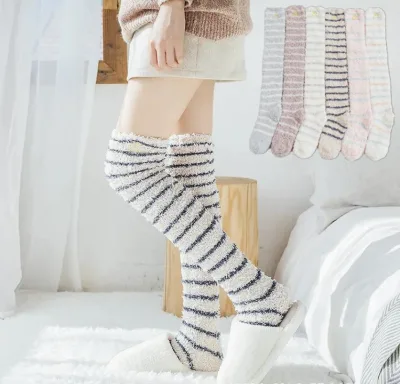
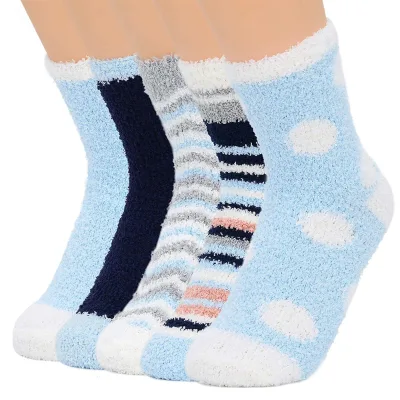
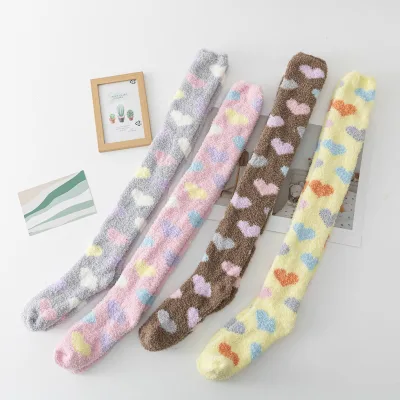
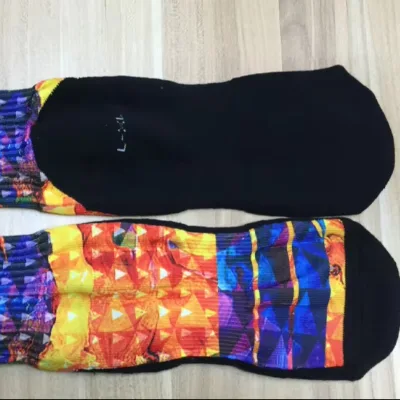
Sourcing strategies must account for the diverse customization options available, including printed patterns like floral or striped designs and customizable logos positioned on the body, cuff, or bottom. While some listings support OEM services with single-item selling units, others require minimum order quantities of 500 pieces, creating a significant barrier for small-batch buyers. It is critical to confirm if the supplier offers the "7 days sample order lead time" support, as this capability directly impacts the speed of product validation before committing to larger production runs.
Product Scope and Observed Listing Signals
The observed product listings reveal a wide spectrum of seasonal applications, primarily focused on winter usage for daily indoor comfort and floor protection. Buyers must carefully cross-reference the "Keep Warm" and "Comfortable" application tags with the actual thickness specifications, which range from standard to thick, to ensure the product meets the specific thermal requirements of the target market. The gender classification varies between women-specific and unisex options, necessitating a clear definition of the target demographic before initiating any supplier engagement.
Listing signals also highlight the availability of customized colors, including specific codes like a1 through a5, alongside standard colored options. However, the presence of "Other" as a material category alongside specific blends suggests that some listings may lack detailed fiber transparency. Procurement teams should scrutinize the "One Size" specification against the "Ankle" length requirement, as these dimensions may not align with all consumer expectations for fit and coverage in the thermal sock segment.
Technical Specifications to Verify
Technical verification must begin with the needle detection capability, which is explicitly marked as "Yes" in the supplied facts, ensuring a baseline level of quality control for defect detection during manufacturing. Buyers should confirm that the "Laser" processing technique is applied correctly to the jacquard patterns, as this method influences the durability and texture of the fuzzy surface. The "Standard" and "Thick" thickness variations require physical sampling to validate the actual insulation properties, as these terms are subjective without standardized testing data.
The weaving method presents a critical divergence, with some products listed as "Knitted" and others as "Woven," which fundamentally alters the fabric's drape and thermal retention. Procurement teams must verify the "Seamless" technical claim against the actual construction, as seamless knitting is often preferred for comfort but may differ significantly from traditional woven thermal socks. Additionally, the "Single gross weight" of 0.080 kg serves as a useful benchmark for logistics planning, but buyers should confirm if this weight includes the packaging or represents the product alone.
Compliance and Safety Documentation
Safety documentation should prioritize the "Needle detection" confirmation, which acts as a primary safeguard against metal contamination in the finished textile goods. While the supplied context mentions "Eco-Friendly" features, buyers must request specific certification documents to validate these claims, as the term is used broadly without attached standard references in the provided data. The "Needle detection" attribute is a strong indicator of a supplier's commitment to safety, but it should be complemented by formal test reports for flammability and chemical safety relevant to winter apparel.
Compliance verification also extends to the "prod_standard" which is listed as "as photos," a vague descriptor that requires clarification. Buyers should insist on a detailed specification sheet that matches the physical sample to the photographic representation to avoid discrepancies in the final delivery. The "Non-slip" function is a key safety feature for floor applications, yet the absence of specific friction coefficient data means this claim must be verified through independent testing before it can be relied upon for commercial liability protection.
Cost Drivers and Commercial Terms
Cost structures are heavily influenced by the minimum order quantity (MOQ), which ranges from 15 to 800 units across different listings, with a specific observation of 500 units for certain customized items. Buyers with lower volume needs must navigate the "In-Stock Items" availability versus the "Oem Service" requirements, as customizing logos and patterns typically incurs higher per-unit costs and longer lead times. The "Single item" selling unit suggests flexibility for sampling, but bulk pricing tiers are likely to vary significantly based on the chosen material blend and weaving complexity.
Commercial terms must address the "7 days sample order lead time" support, which can accelerate the development cycle but may come with premium pricing for expedited production. The "OPP Bag or Custom" packing option introduces variable costs depending on the branding requirements, and buyers should clarify if custom packaging is included in the base price or charged separately. Additionally, the "Support" for Nylon material indicates a specific supply chain dependency that could affect cost stability if raw material prices fluctuate during the production cycle.
Supplier Qualification and Quality Control
Supplier qualification should focus on the "Place of Origin" being Zhejiang, China, a region known for textile manufacturing but requiring verification of the specific factory's capacity and history. The "Customized Logo" and "Accept Customized Logo" attributes indicate a willingness to adapt, but buyers must assess the supplier's ability to maintain consistency across large batches, especially when dealing with complex jacquard patterns. The "Regular" style classification suggests a standard offering, but the "Customization: Available" tag implies that the supplier can deviate from standard designs, which requires robust quality control protocols.
Quality control processes must include a rigorous check of the "Logo position" on the body, cuff, or bottom to ensure alignment and durability. The "Single package size" of XX cm is a placeholder that requires immediate clarification to prevent shipping errors and storage issues. Buyers should implement a pre-shipment inspection that specifically targets the "Needle detection" results and the "Thermo" feature performance, ensuring that the final product matches the "as photos" standard without deviation in color or texture.
Long-Term Procurement Checks
Long-term procurement strategies must account for the "Season: Winter" designation, which creates cyclical demand patterns that can strain supply chains if not managed proactively. Buyers should establish a rolling forecast that aligns with the "7 days sample order lead time" to ensure rapid response to market trends while maintaining inventory levels for peak seasons. The "Daily" usage application suggests a high turnover rate, making reliable supplier relationships and consistent quality essential for maintaining brand reputation over time.
Continuous monitoring of the "Material" composition is vital, as the mix of Spandex, Nylon, and Cotton can shift based on supplier sourcing strategies. Buyers should regularly audit the "Feature" claims, such as "Breathable" and "Eco-Friendly," to ensure they remain valid as production methods evolve. Finally, the "Age: Adults" specification requires ongoing validation to ensure the product sizing and comfort levels remain appropriate for the target demographic as consumer preferences and sizing standards change.
FAQs
Can I customize the logo on these thermal socks?
Yes, customized logos are accepted for these Jacquard Fuzzy Thermal Socks. The logo can be placed on the body, cuff, bottom, or header card. This OEM service allows for brand integration. Buyers should note that customization is available for both in-stock items and custom orders, ensuring brand visibility across different sock styles and materials.
What is the sample order lead time for these socks?
The sample order lead time is 7 days. This support for quick sampling allows buyers to verify quality before bulk production. The socks are made from spandex and nylon blends with seamless knitting. This rapid turnaround facilitates efficient product evaluation for winter casual wear applications, ensuring the thermo feature meets specific comfort requirements.
What materials are used to make these thermal socks?
These socks are primarily made from a blend of spandex and nylon. Some variations may include cotton or other materials for specific comfort levels. The seamless knitting technique ensures durability and a smooth fit. This material composition supports the thermo feature, providing warmth for daily indoor use while maintaining breathability and comfort for adult wearers.
What is the minimum order quantity for these socks?
The minimum order quantity varies, with observed values ranging from 15 to 800 units. Some listings specify an MOQ of 500 for customized orders. This flexibility allows buyers to start with smaller test batches or larger bulk purchases. The pricing range is also variable, typically between 0.3 and 3.8 USD per pair depending on the order size and customization.
Where are these thermal socks manufactured?
These socks are manufactured in Zhejiang, China. The production origin is consistently listed as China for these items. Factories in this region specialize in seamless knitting and custom logo application. Buyers can expect standard thickness ankle-length designs suitable for winter use. The location supports efficient logistics for global sourcing of casual and indoor thermal sock products.
Are these socks suitable for daily indoor use?
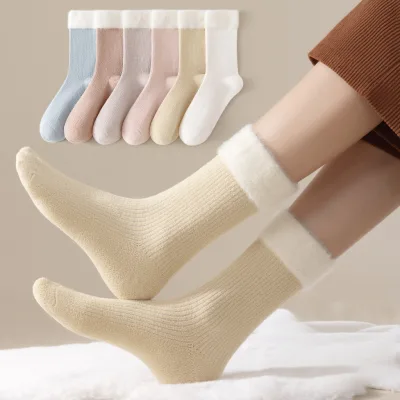
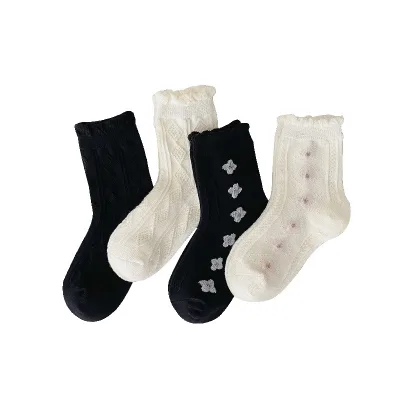
Yes, these socks are designed for daily and indoor use. They feature a thermo function to keep feet warm on floors. The casual style and comfortable fit make them ideal for everyday wear. Available in various colors and patterns, including floral and striped designs, they offer practical warmth and style for adults seeking cozy indoor footwear solutions.