Source CE Certified Heating Patch for Neck, Shoulder, and Knee
Source CE Certified Heating Patch options from 30 verified listings. Compare specifications including temperature ranges, materials like iron powder, and certifications such as CE and ISO13485 for neck, shoulder, and knee applications; compare the available evidence and request quotations based on your requirements.
Updated
Key considerations
Products List


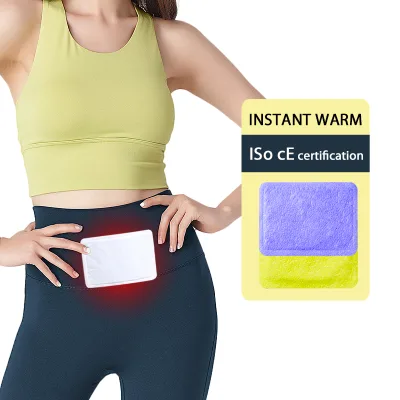
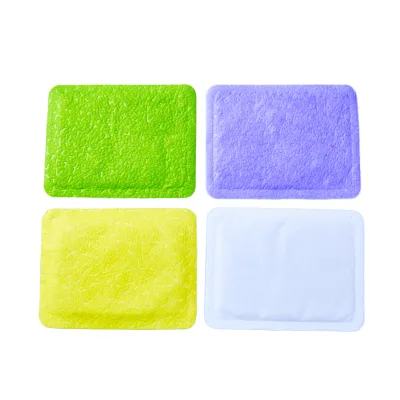
Heat Pads Warm Patches Heat Patches Detachable Design Heat Therapy Patch
$0.25 - $0.35
MOQ: 10000 Pieces


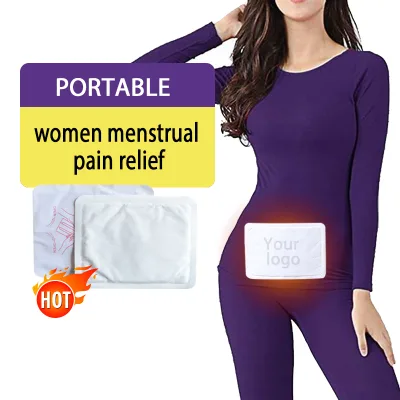
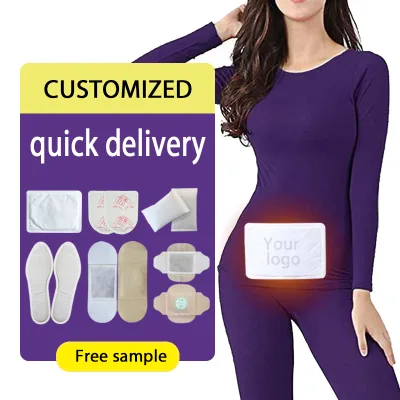
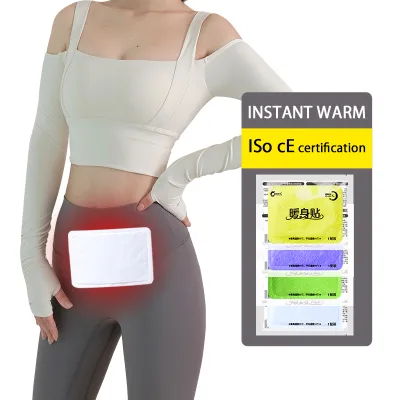
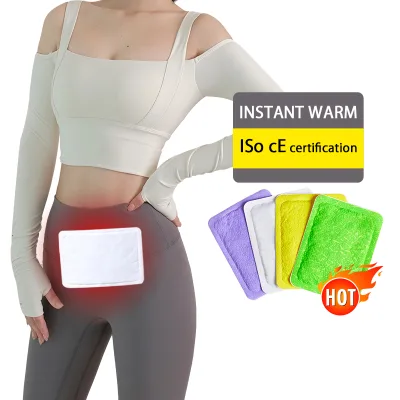
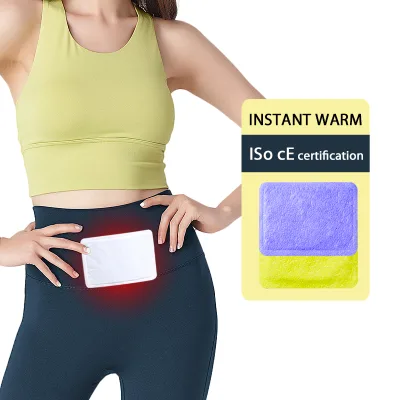
Multifunctional Self Heating Heat Packs Heating Transfer Patch Outdoor Provide Warmth
$0.0512 - $0.0716
MOQ: 1000 pieces





Comprehensive Sourcing Guide
CE Certified Heating Patch Sourcing Guide
Procuring CE certified heating patches requires a disciplined approach to verifying both product efficacy and regulatory compliance. Buyers must distinguish between general wellness devices and those classified as medical rehabilitation supplies, as the certification pathways differ significantly. The observed market data indicates a wide range of specifications, from basic thermal packs to specialized patches with air-activated ingredients. Understanding these distinctions is critical for selecting the right supplier who can provide valid CE documentation and meet specific therapeutic claims.
This guide focuses on evidence-based sourcing strategies for heating patches, leveraging observed product attributes such as material composition, temperature ranges, and durability metrics. By aligning procurement requirements with verified technical specifications, buyers can mitigate risks associated with non-compliant products. The following sections detail how to evaluate product scope, verify technical parameters, ensure regulatory adherence, manage costs, qualify suppliers, and establish long-term quality controls for these thermal therapy products.
Product Scope and Observed Listing Signals
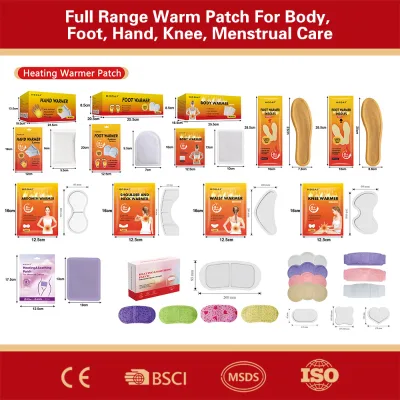
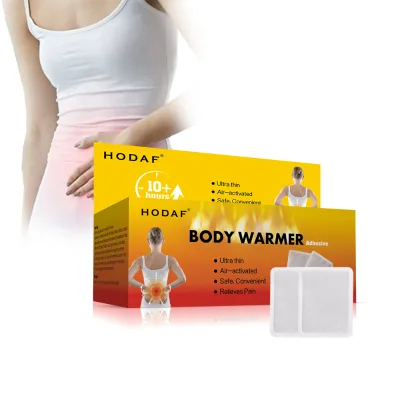
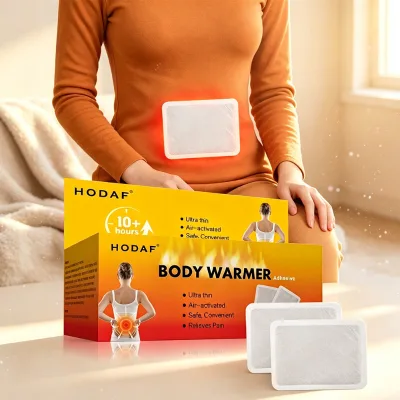
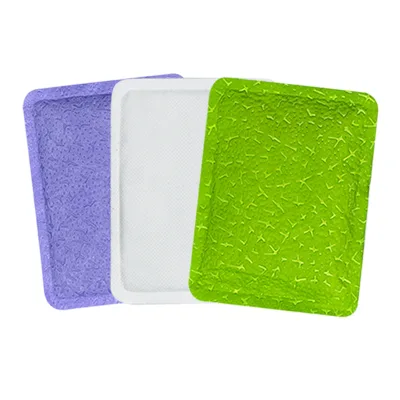
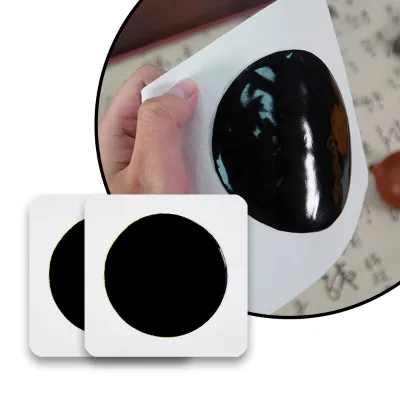
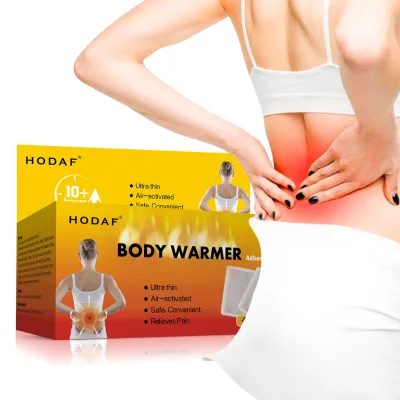
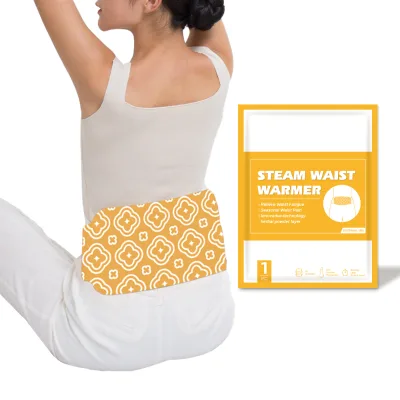
The observed product landscape includes heating patches designed for various body parts, including the neck, shoulder, waist, stomach, abdomen, back, and knee. Some listings specify use for the uterus period, indicating a niche application for menstrual comfort. The shapes are predominantly irregular, allowing for better contouring to body curves, while materials typically consist of iron powder, activated carbon, vermiculite, and salt. These components suggest an air-activated mechanism that generates heat through oxidation, a common feature in disposable thermal patches.
Durability and heat duration vary across listings, with observed ranges from 8 to 12 hours and some claims up to 10 or 12 hours. Temperature outputs are critical, with observed ranges spanning 39-43°C, 43-48°C, and 50-60°C. Buyers should note that higher temperature ranges may require stricter safety controls to prevent burns. The products are generally described as disposable, easy to use, and breathable, utilizing spunlace or PP non-woven films. These features highlight the importance of verifying comfort and skin safety alongside thermal performance.
Technical Specifications to Verify
Technical verification must begin with material composition and physical dimensions. Observed models include JB0407, Jb0301, Zg0101, JB0604, Jb0204, and JB0602, with standard sizes ranging from 140*70mm to 390x200mm. Weight specifications vary significantly, from 23±5g to 55-65g per piece, impacting shipping costs and user experience. Buyers should confirm the exact weight and dimensions for their specific order, as these affect packaging efficiency and retail presentation. The adhesive types, such as PE or spunlace, also influence skin compatibility and retention during movement.
Temperature control is a vital technical parameter. The observed max temperature ranges are 39-43°C, 43-48°C, and 50-60°C. Buyers must verify that the selected temperature range aligns with the intended therapeutic use and safety standards for the target market. Additionally, the shelf time of 3 years and lead times of 3 days for molds and 7 days for proofing are key operational metrics. Understanding these timelines helps in planning inventory and managing customer expectations for custom packaging and product availability.
Compliance and Safety Documentation
Regulatory compliance is paramount for CE certified products. The observed certifications include CE, Mhra, Cfs, and ISO13485. ISO13485 indicates a quality management system specific to medical devices, which is crucial if the product is marketed as a rehabilitation therapy supply. Buyers must request valid certificates and verify their authenticity with the issuing bodies. The presence of multiple certifications suggests a robust compliance framework, but each certificate must be relevant to the specific product model and intended use.
Safety documentation should include test reports for temperature stability, adhesive hypoallergenicity, and material safety. The use of iron powder and activated carbon requires verification that these materials meet safety standards for skin contact. Buyers should ensure that the supplier provides clear instructions for use and warnings regarding temperature limits to prevent thermal injuries. Proper labeling in the target language and inclusion of batch numbers for traceability are also essential for regulatory compliance and post-market surveillance.
Cost Drivers and Commercial Terms
Cost structures for heating patches are influenced by material costs, customization requirements, and order volume. The observed price range is $0.04 to $0.6 per unit, reflecting variations in size, material quality, and packaging complexity. Customization options, such as branded packaging or specific dimensions, can increase costs. Buyers should negotiate based on volume tiers, as larger orders typically yield better unit prices. The final price should account for packaging requirements, which can be customized according to client needs.
Minimum Order Quantities (MOQ) range from 10 to 50,000 units, offering flexibility for both small trials and large-scale production. Lead times for production are generally short, with mold creation taking 3 days and proofing 7 days. However, bulk production lead times should be confirmed with the supplier. Buyers should also consider shipping costs, which can be significant due to the weight and volume of the products. Clear commercial terms regarding payment methods, delivery schedules, and return policies are essential for a smooth procurement process.
Supplier Qualification and Quality Control
Supplier qualification involves assessing manufacturing capabilities and quality control processes. Buyers should verify the supplier’s location, with Jiangsu, China being a common origin for these products. This region is known for its manufacturing infrastructure, but buyers must conduct due diligence to ensure the supplier meets international standards. Requesting samples is crucial to evaluate product quality, including heat generation, adhesive strength, and material comfort. The brand name Meilan is observed, indicating established players in the market.
Quality control checks should include random sampling from production batches to verify weight, dimensions, and temperature output. Suppliers should provide a quality assurance plan that outlines inspection points and acceptance criteria. Buyers should also assess the supplier’s ability to handle custom packaging and branding requirements. Communication efficiency and responsiveness are key indicators of a reliable partner. Establishing a clear feedback loop for any quality issues ensures continuous improvement and maintains product consistency over time.
Long-Term Procurement Checks
Long-term procurement success depends on continuous monitoring of product performance and regulatory changes. Buyers should track customer feedback regarding product efficacy and safety to identify any emerging issues. Regular audits of supplier quality systems and certification validity are necessary to maintain compliance. The shelf time of 3 years allows for flexible inventory management, but buyers should monitor expiration dates to avoid stock obsolescence. Building a strong relationship with the supplier can facilitate better pricing and priority production during peak seasons.
Market trends and competitor analysis should inform ongoing procurement strategies. Observing new product models and features, such as improved temperature control or eco-friendly materials, can provide competitive advantages. Buyers should stay informed about regulatory updates in their target markets, especially regarding medical device classifications and labeling requirements. Continuous improvement initiatives, such as optimizing packaging for sustainability or enhancing user experience, can drive long-term value. Regular review of commercial terms and supplier performance ensures a resilient and efficient supply chain.
FAQs
What certifications do these heating patches hold?
These heating patches hold CE, Mhra, Cfs, and ISO13485 certifications. They are classified as Rehabilitation Therapy Supplies. This ensures compliance with international medical device standards. Buyers can verify these credentials for regulatory approval in target markets. The certifications support their use in therapeutic applications across various regions.
What are the main ingredients in the patches?
The main ingredients include Iron Powder, Activated Carbon, Vermiculite, and Salt. These materials facilitate air-activated heat generation. The composition ensures consistent temperature output for therapeutic use. Buyers should note these specific components when evaluating product safety and efficacy for their supply chain needs.
How long do the heating patches remain effective?
The heating patches provide heat for 8 to 12 hours. They maintain temperatures between 39-43℃, 43-48℃, or 50-60℃. This duration supports extended therapeutic sessions. The shelf time is 3 years, ensuring long-term storage viability. Buyers can rely on this consistent performance for patient comfort and treatment efficacy.
Can the packaging be customized for branding?
Yes, customization is available for packaging requirements. The final price depends on the client's specific package needs. Buyers can request tailored designs to match their brand identity. This flexibility allows for unique market positioning. The customization options ensure that the product aligns with specific retail or promotional strategies.
What are the typical specifications for these patches?
Specifications vary by model, including sizes like 140*70mm, 290*95mm, and 390x200mm. Weights range from 23±5g to 55-65g per piece. Models include JB0407, Jb0301, and Zg0101. These dimensions cater to different body parts like neck, waist, and knee. Buyers can select sizes based on specific therapeutic application requirements.
Where are these heating patches manufactured?
These heating patches are manufactured in Jiangsu, China. The origin indicates a established production hub for such medical supplies. Buyers can leverage this location for sourcing logistics. The manufacturing base supports consistent quality control and supply chain stability for international orders.