Source CE Inflatable Face Mask for Security, Welding, and Dust Protection
Source CE Inflatable Face Mask options from 30 verified listings. Compare materials like cotton, silk, and non-woven fabrics, along with features such as 3-ply construction, melt-blown filters, and valve types. Evaluate specifications including GB2626-2006 standards and origin locations in China for your procurement needs.
Updated
Key considerations
Products List


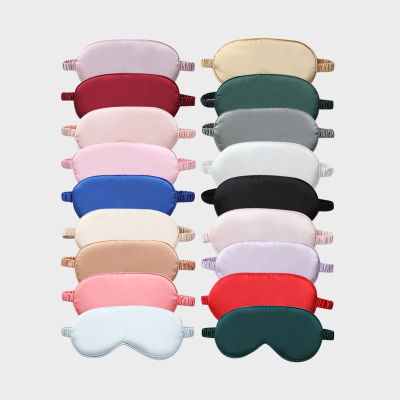


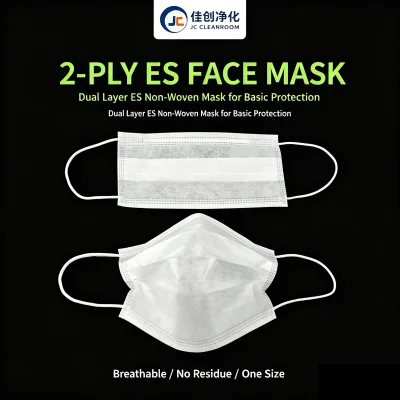
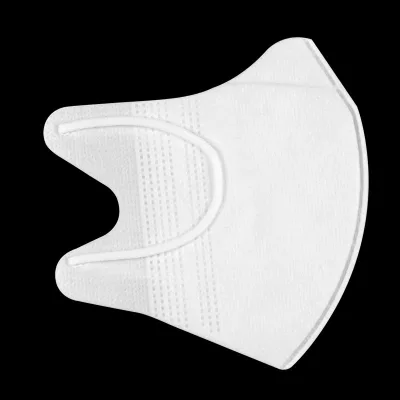


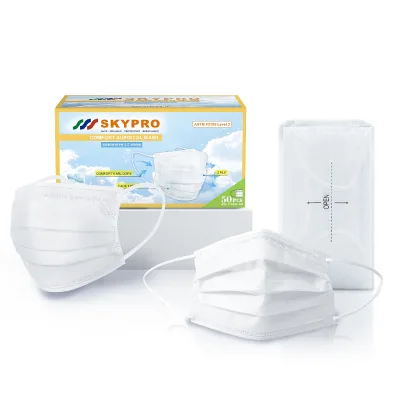
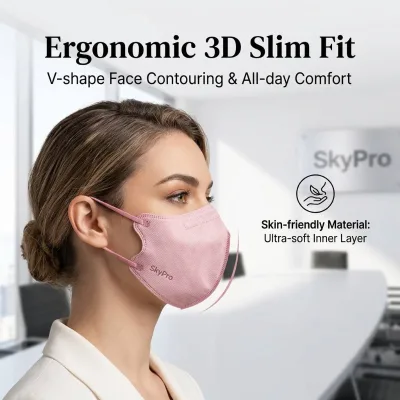
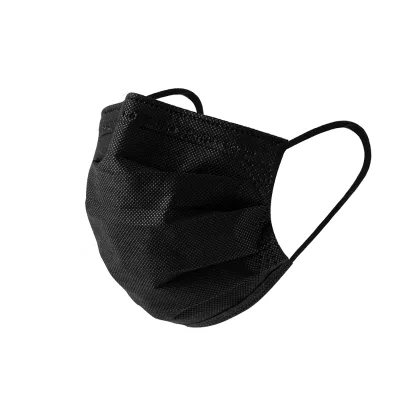
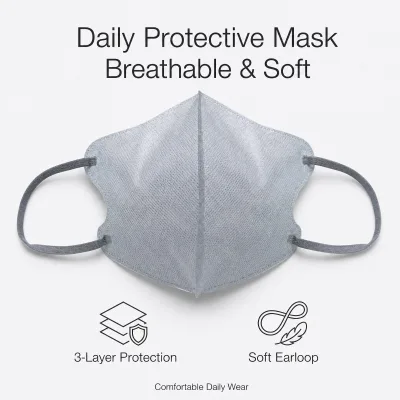




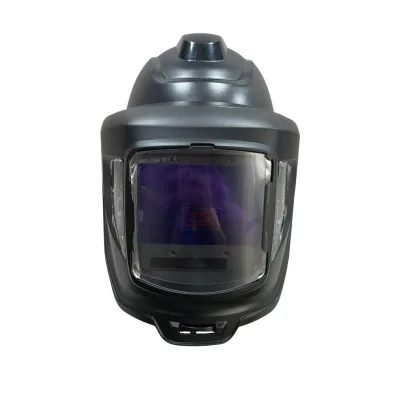

Comprehensive Sourcing Guide
CE Inflatable Face Mask Sourcing Guide
The term "CE Inflatable Face Mask" often appears in broad procurement searches, yet the supplied product data reveals a distinct market reality where inflatable variants are not the primary observed category. Current listings predominantly feature disposable non-woven, cotton, and silk masks with specific ply counts ranging from three to five layers. Buyers must carefully distinguish between general respiratory protection and specialized inflatable designs, as the available inventory focuses heavily on flat, earloop, and valved respirator styles rather than air-filled structures.
Procurement strategies should prioritize verifying the actual construction method against the search query, as the observed products include standard dust masks, welding masks, and security masks with melt-blown intermediate layers. The data indicates a strong presence of products originating from China, specifically Qingdao and Zhejiang, with models like DM010V and XR-FM-0107 representing the current catalog. Sourcing teams must align their technical requirements with these observed attributes to avoid confusion between standard disposable units and the specific inflatable niche requested.
Product Scope and Observed Listing Signals
The observed product scope is dominated by disposable respiratory protection units rather than inflatable mechanisms, with materials ranging from non-woven fabrics to cotton and silk. Listings frequently specify a three-ply or four-ply construction, often incorporating a melt-blown intermediate layer for filtration efficiency. Buyers should note that the "Safe-Type" and "Dust Mask" classifications are common, alongside specialized applications such as welding and security, which dictate the specific material and structural requirements for the final product.
Commercial signals indicate a wide variance in packaging and unit definitions, with some items sold as single units while others are packed in bulk cartons containing up to 2000 pieces. The observed price range spans from 0.01 to 135 USD, reflecting differences in material quality, filtration ratings, and packaging complexity. Procurement teams must scrutinize the "Selling Units" and "prod_packing" fields to ensure the order quantity aligns with the specific packaging configuration, such as 1000 pieces per carton or 50 pieces per bag, to avoid logistical mismatches.
Technical Specifications to Verify
Technical verification must begin with the filtration rating and layer composition, as the data highlights specific standards like N95, KN95, and FFP2 alongside a Q/JC 001-2024 respirator filter class. Buyers should confirm whether the product includes an exhalation valve, as the observed inventory contains both valved and non-valved respirators, which significantly impacts comfort and breathability for the end user. The presence of a "melt brown fabric" standard or a "5 layers" specification requires explicit confirmation to ensure the filtration performance matches the intended safety application.
Dimensional and structural specifications are equally critical, with observed sizes ranging from 13.418.4 cm to larger industrial dimensions like 5238*30 cm. The "prod_standard" field often lists custom sizes or specific carton dimensions, necessitating a direct check against the buyer's storage and distribution requirements. Additionally, the "prod_model" identifiers such as MJ or DM010V serve as unique reference points for quality consistency, and buyers should request physical samples to validate the claimed shape, whether flat or valved, against the actual product received.
Compliance and Safety Documentation
While the search term implies a need for CE certification, the supplied facts only list CE as a low-confidence background element without confirming its presence on specific items. Buyers must treat this as a verification requirement rather than an inherent attribute, requesting valid test reports and certification documents from the supplier before finalizing any order. The observed standard GB2626-2006 is explicitly mentioned for certain masks, providing a concrete benchmark for respiratory protection in the Chinese market, but this does not automatically equate to CE compliance for European markets.
Safety documentation should also address the specific application of the mask, such as welding or security, which may require additional protective features beyond standard filtration. The "Intermediate Interlayer" of melt-blown fabric is a key technical detail that influences the mask's ability to meet safety claims, and buyers should verify that the supplier can provide batch-specific test results for this component. Without explicit certification data in the product listing, the procurement process must include a rigorous audit of the supplier's quality management system to ensure the product meets the necessary regulatory thresholds.
Cost Drivers and Commercial Terms
Cost structures in this market are heavily influenced by the material composition, with non-woven, cotton, and silk options presenting different price points within the observed 0.01 to 135 USD range. The complexity of the packaging, such as the difference between a standard carton and a color box containing 10 pieces, also impacts the unit cost and overall logistics expenses. Buyers should analyze the "Single gross weight" and "Single package size" to calculate accurate freight costs, as these factors can significantly alter the landed cost of the product.
Minimum Order Quantities (MOQ) vary widely, ranging from 2 to 500,000 units, which requires careful alignment with the buyer's inventory strategy and cash flow. The "prod_packing" specifications, such as 1500 bags per carton or 200 pieces per carton, dictate the minimum viable order size for efficient shipping. Procurement teams must negotiate terms that balance the MOQ requirements with the need for product variety, ensuring that the commercial agreement accommodates the specific packaging configurations observed in the supplier's catalog.
Supplier Qualification and Quality Control
Supplier qualification should focus on verifying the "Place of Origin," as the data points to specific manufacturing hubs like Guangdong, Zhejiang, and Qingdao in China. Buyers must confirm that the supplier has the capacity to maintain consistent quality across different material types, from cotton to non-woven fabrics, and that they can adhere to the specific "prod_standard" requirements listed in the product data. The presence of a brand name like "JC" suggests established manufacturing lines, but independent verification of their production capabilities is essential.
Quality control protocols must address the variability in product attributes, such as the "Shape" being flat or the "Type" being disposable versus valved. Buyers should implement a sampling plan that tests for the integrity of the melt-blown layer and the durability of the earloops or elastic components. Given the wide range of observed specifications, a robust inspection process is necessary to ensure that the delivered goods match the technical descriptions, particularly regarding the filtration rating and the presence or absence of an exhalation valve.
Long-Term Procurement Checks
Long-term procurement success depends on establishing a clear feedback loop regarding product performance and compliance updates. Buyers should regularly review the "prod_standard" and "prod_model" fields to ensure that the supplier is not shifting to lower-quality alternatives or changing specifications without notice. The dynamic nature of respiratory protection standards means that the observed GB2626-2006 or Q/JC 001-2024 classifications may evolve, requiring ongoing dialogue with the supplier to maintain regulatory adherence.
Sustainability and supply chain resilience are also critical factors for long-term partnerships, especially given the reliance on specific materials like non-woven and melt-blown fabrics. Buyers should assess the supplier's ability to scale production to meet fluctuating demand, considering the observed MOQ range of 2 to 500,000 units. Establishing a clear communication channel for quality issues and ensuring that the supplier can provide consistent documentation for certifications like CE will secure a stable supply chain for future procurement cycles.
FAQs
What materials are used for these face masks?
The available face masks are manufactured using cotton, silk, and non-woven materials. These options provide different comfort levels and filtration properties for various applications. Buyers can select the material that best suits their specific needs for safety and breathability.
Can these masks be customized for specific requirements?
Yes, customization is available for these face masks. Buyers can request specific sizes, packaging configurations, and branding options to meet their unique business needs. This flexibility allows for tailored solutions that align with specific market demands and regulatory standards.
What is the typical packaging format for orders?
The masks are typically packed in carton boxes with varying quantities per carton. Options include 1000 pieces per carton, 2000 pieces per carton, or 1500 bags per carton. This standardized packaging ensures efficient shipping and storage for bulk orders.
Are these masks suitable for adult use?
Yes, these face masks are explicitly designed for adult application. They feature standard sizing and ergonomic designs to ensure a proper fit for adult users. The products are intended for general security and dust protection purposes in professional or daily settings.
What certifications do these masks hold?
The products are associated with CE certification and comply with standards such as GB2626-2006. These certifications indicate adherence to specific safety and quality benchmarks. Buyers should verify the exact certification status for each specific product model before finalizing procurement decisions.