Liquid Hand Sanitizing Gel Suppliers and Manufacturers
Source 19 verified suppliers for Liquid Hand Sanitizing Gel. Compare dimensions including China Shandong and Guangdong origins, 15-60 day lead times, MOQs from 1,000 to 20,000 units, and certifications like GMPC and SGS. Review product specs and request quotes to streamline procurement.
Updated
Suppliers List

Shandong Retouch Wash and Sterilize Technology Co., Ltd.
- Verified by TUVRHEINLAND
- Combined
- China Shandong
- Lead time15 days
- Avg. response≤ 10h
Main productsDisinfectant, Hand Sanitizer, Povidone Iodine Disinfectant, Hydrogen Peroxide Disinfectant, Surface Disinfectant, Endoscope Disinfectant, Medical Instrument Disinfenctant, Medical Consumables, Quick Biological Reader, Sterilizing Biological Indicato
Main marketsSouth America,Africa,Southeast Asia/ Mideast,Australia


Alcohol Hand Wash Hand Sanitizer Waterless Sanitizer Gel 75% Alcohol Hand Sanitizer Gel
$1.00 - $1.50
MOQ: 1000 Pieces

Alcohol Hand Sanitizer 75% Antibacterial Alcohol Hand Sanitizer Hand Wash Gel
$1.50 - $1.80
MOQ: 1000 Pieces

Shenzhen Lantern Science Co., Ltd.
- Verified by SGS Group
- Manufacturer, Trading Company
- Lead time60 days
- Avg. response≤ 8h
Main productsSkin Care, Body Care, Hair Care, Hand Care, Lip Care
Main marketsDomestic Market(46%), North America(25%), Western Europe(12%)
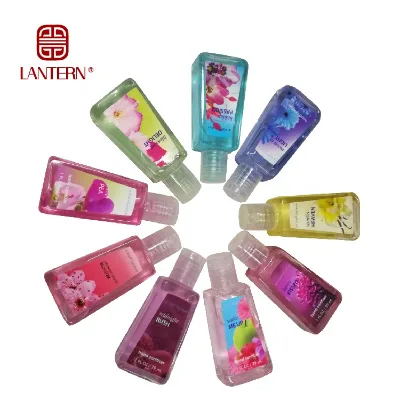
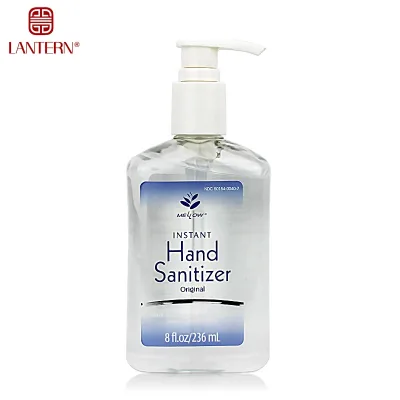
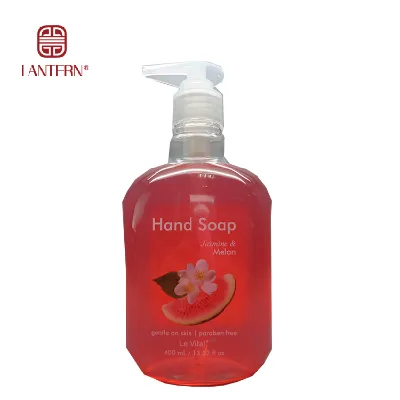
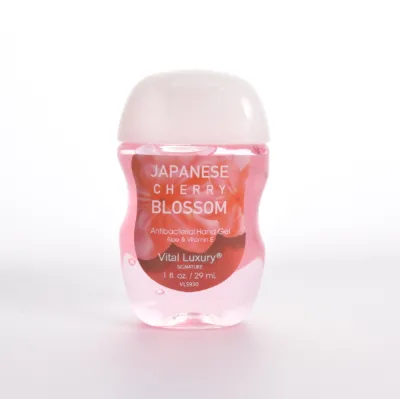
High Quality Factory Price Disinfectant Hand Gel Pocket Size Antibacterial Hand Sanitizer
$0.2577 - $0.5153
MOQ: 5000 pieces

Hangzhou Huiji Biotechnology Co., Ltd.
- Verified by BV
- Combined
- China Zhejiang
- Lead time30 days
- Avg. response≤ 12h
Main productsShampoo, Detergent, Dish Washing, Hand Liquid Soap, Air Freshener, Conditioner, Urinal Block, Shower Gel, Glass Cleaner, Floor Cleaner
Main marketsSouth America,Africa,Southeast Asia/ Mideast,East Asia(Japan/ South Korea),Domestic,Europe,Australia,North America

Anhui Jinye Industrial Co., Ltd.
- Verified by SGS
- Trading Company,Manufacturer/Factory
- China Anhui
- Lead time120 days
- Avg. response≤ 5h
Main productsFace Mask, Nitrile Glove, PE Glove, PE Apron, CPE Gown, Coveralls, Disposable Isolation Gown, Shoe Cover, Lab Coat, Clip Cap
Main marketsSouth America,Eastern Europe,Mid East,North America,Southeast Asia,Eastern Asia,Oceania,Western Europe,Africa


Hand Sanitizer Gel - Hand Sanitizer with Alcohol, Gel Hand Sanitizer, Large Hand Sanitizer with Pump
$0.40 - $1.90
MOQ: 10000 Pieces
Fujian Blue-Touch Products Inc.
- Verified by TüVRheinland
- Manufacturer, Trading Company
- Lead time20 days
- Avg. response≤ 6h
Main productsDishwashing Liquid, Laundry Detergent, Household Cleaner, Hand Wash, Glue Trap
Main marketsSoutheast Asia(35%), North America(25%), Mid East(15%)
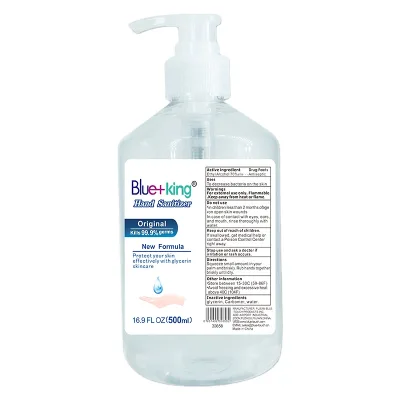
Customized Liquid Alcohol Hand Sanitizer Gel for Sterilization Scentless 500ml
$0.2052 - $1.2314
MOQ: 1 Minimum
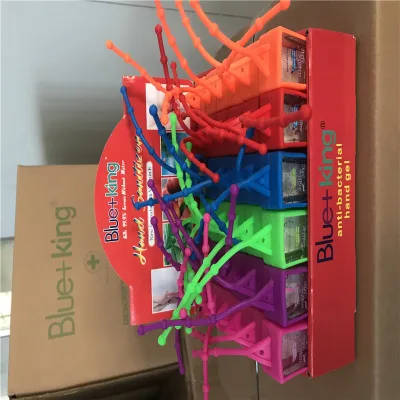
Hand Sanitize Gel 75% Waterless 99.99% Pocket Waterless Hand Gel Gel
$0.2981 - $0.5123
MOQ: 24 Minimum
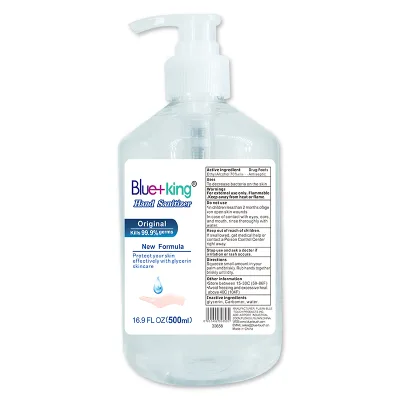
$0.3086 - $0.5138
MOQ: 10 Minimum
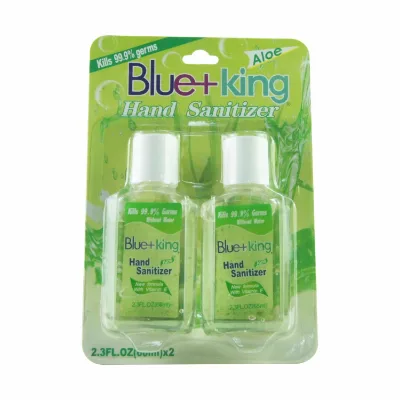
2020 New 68ml Waterless Hand Sanitizer Gel Waterless with Certificate 75% Ethyl Alcohol
$0.4105 - $0.5123
MOQ: 200 Minimum
Dongguan Frisylen Biotechnology Co., Ltd.
- Manufacturer
- Guangdong, China
- Lead time15 days
- Avg. response≤ 1h
Main productsHAND SANITIZER GEL,Hand Sanitizer Spray,Silicone Products,Plastic products,silicone houseware
Main marketsEastern Europe(30.00%), North America(30.00%), Southeast Asia(20.00%), South America(20.00%)
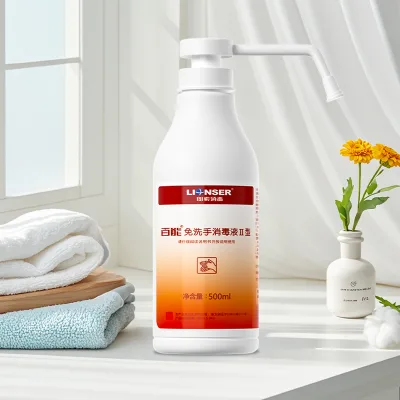
Lionser Medical Disinfectant (hangzhou) Co., Ltd.
- Manufacturer, Trading Company
- Zhejiang, China
- Lead time0 days
- Avg. response≤ 5h
Main productsPet Shampoo,Disinfectant Effervescent Tablets,Liquid Hand Soap,Hand Sanitizer Gel,Alcohol-based Disinfectant Solution
Main marketsDomestic Market(25.00%), North America(17.00%), Eastern Asia(15.00%), Western Europe(9.00%), Northern Europe(7.00%), South America(5.00%), Southeast Asia(5.00%), Mid East(5.00%), Southern Europe(4.00%), Eastern Europe(2.00%), South Asia(2.00%), Africa(2.00%), Central America(1.00%), Oceania(1.00%)
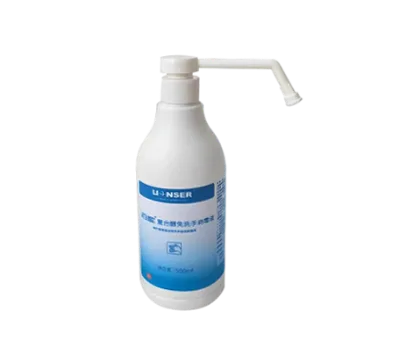
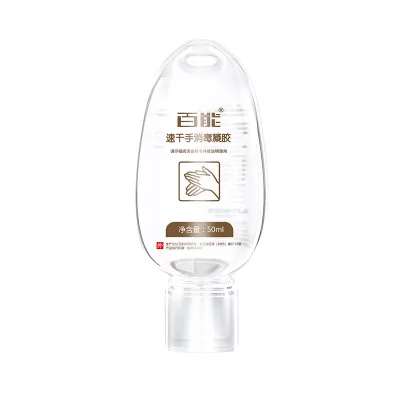
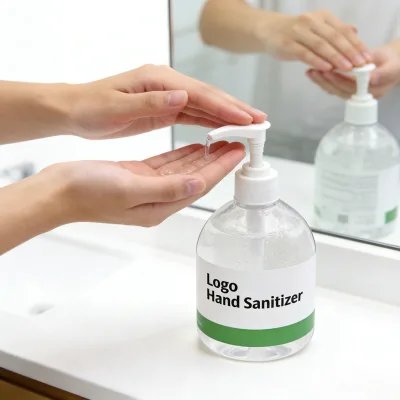
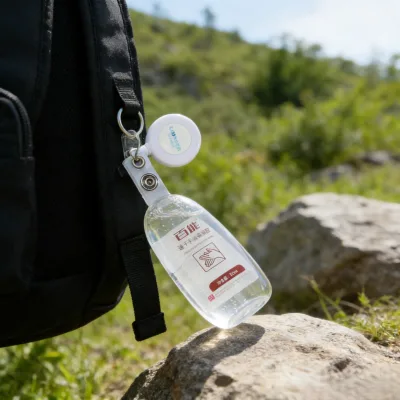
Lionser 50ml Mini Hand Sanitizer Gel Antibacterial Portable Hand Sanitizing Bottle
$1.889
MOQ: 500 Minimum
Dongguan Bonhere Plastic Products Co., Ltd.
- Manufacturer, Trading Company
- Guangdong, China
- Lead time7 days
- Avg. response≤ 3h
Main productsHand sanitizer,Hand sanitizer spray mist,Hand sanitizer holders,Sunscreen,Lip balm
Main marketsSouth America(16.00%), Domestic Market(12.00%), Southeast Asia(10.00%), Eastern Asia(9.00%), South Asia(8.00%), Central America(8.00%), Western Europe(7.00%), Africa(6.00%), Northern Europe(6.00%), North America(5.00%), Oceania(4.00%), Eastern Europe(4.00%), Southern Europe(3.00%), Mid East(2.00%)
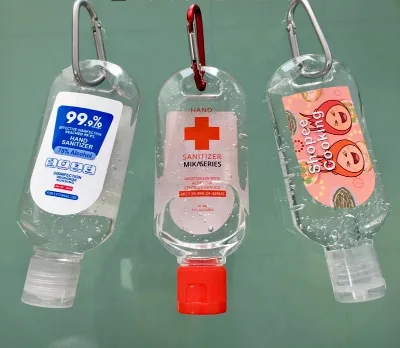
$0.34 - $0.39
MOQ: 1000 pieces
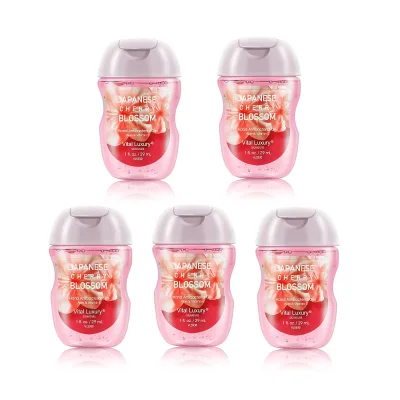
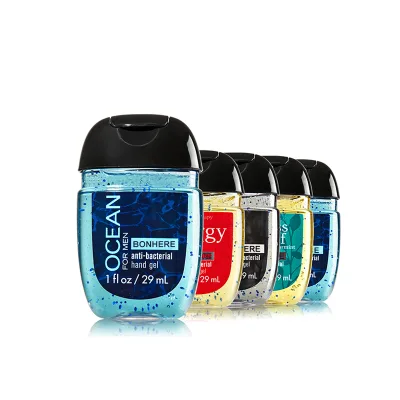
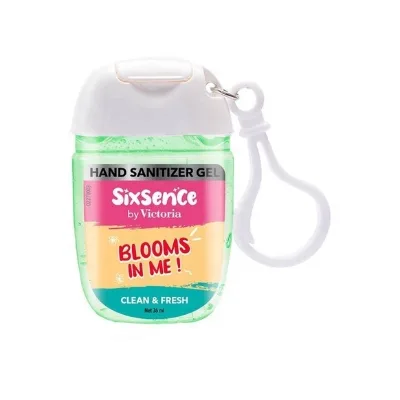
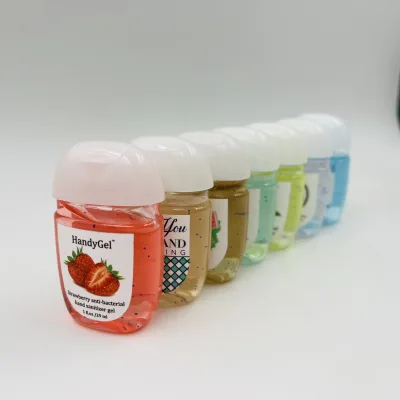
30ml Travel Size Scented Portable Hand Sanitizer Gel with Food Grade 68% Alcohol
$0.23 - $0.39
MOQ: 1000
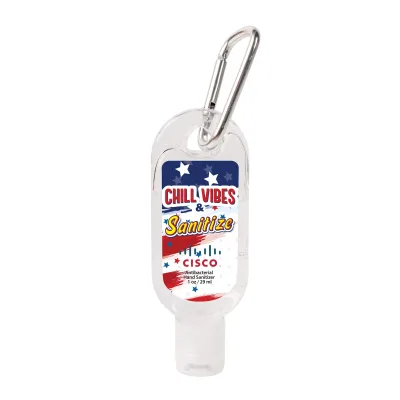
Travel Hand Sanitizer Pocket Anti Bacterial Sanitizer Cleanser Hand Gel + Clip
$0.39 - $0.49
MOQ: 1000

Wuhan Snow Medical Disinfectant Co., Ltd.
- Manufacturer
- China Hubei
- Lead time23 days
- Avg. response≤ 4h
Main productsDisinfectant, Opa Solution, Glutaraldehyde Solution, Hand Sanitize Liquid and Gel, Povidone Iodine Solution, Iodophor, Iodine Tincture, Qac Disinfectant, Hydrogen Peroxide Solution, Citric Acid Concentrate
Main marketsDomestic


Customized Alcohol Based Moisturizing Hand Sanitizer Gel with Dispenser 500ml
$1.29 - $1.49
MOQ: 10000 Pieces

Custom Small Instant Disinfecting Liquid Gel Alcohol Hand Sanitizer Antibacterial
$0.60 - $2.00
MOQ: 10000 Pieces


Jinjiang Jiaxing Import and Export Co., Ltd.
- Verified by CTI
- Manufacturer/Factory
- China Fujian
- Lead time120 days
- Avg. response≤ 2h
Main productsShoes, Slipper, Clothes, Promotion Gifts, Silicone Products, Outdoor Sports Products, Bags, Fashion Accessories, Consumer Electronics
Main marketsSouth America,Eastern Europe,Mid East,North America,Southeast Asia,Eastern Asia,Oceania,Western Europe,Africa
Henan Hengchun Industrial Co., Ltd.
- Verified by SGS Group
- Manufacturer, Trading Company
- Lead time5 days
- Avg. response≤ 3h
Main productsOEM/ODM Dietary Supplements, Gummies/Capsules/Tablets/Powder, Shilajit Serises, Slimming Tea and Coffee, Hand Sanitizer
Main marketsDomestic Market(60%), North America(40%)

Guangzhou Mebamy Cosmetics Co., Ltd.
- Verified by TUVRHEINLAND
- Manufacturer/Factory
- China Guangdong
- Lead time15 days
- Avg. response≤ 1h
Main productsFace Serum, Soap, Face Cream, Sunscreen, Eyelash Growth Serum, Teeth Whitening, Face Mask, Facial Cleanser, Essential Oil, Hair Care Series
Main marketsNorth America,Western Europe

Zhejiang Jifu Daily Chemical Co., Ltd
- Verified by SGS
- Combined
- China Zhejiang
- Lead time30 days
- Avg. response≤ 2h
Main productsDetergent, Laundry Detergent, Shampoo, Liquid Hand Soap, Hand Sanitizer, Softner, Shower Gel, Body Wash, Dishwash Detergent, Conditioner
Main marketsSouth America,Africa,East Asia(Japan/ South Korea),Domestic,Australia,North America

Yangzhou Aplus Amenities International Co., Ltd.
- Verified by TUVRHEINLAND
- Combined
- China Jiangsu
- Lead time30 days
- Avg. response≤ 3h
Main productsHotel Amenity, Hotel Linen, Hotel Slipper, Hotel Soap, Hotel Shampoo, Hotel Shower Gel, Hotel Leather Products, Hotel Resin Tray, Plastic Tube, Plastic Bottle
Main marketsSoutheast Asia/ Mideast,Domestic,North America

SUZHOU LONGLIFU IMP. & EXP. CO., LTD.
- Verified by TUVRHEINLAND
- Manufacturer/Factory
- China Jiangsu
- Lead time23 days
- Avg. response≤ 10h
Main productsDaily Chemicals, Skin Care Products, Hair Care Products, Oral Care, Household Cleaning Products, Cosmetics, Animal Care, Perfume, Pet Care Products
Main marketsSouth America,Mid East,Southeast Asia,Eastern Asia,Western Europe,Africa

500ml Private Label Wash Free Disinfectant Moisture Alcohol Hand Sanitizer Gel
$1.00 - $1.10
MOQ: 10000 Pieces


500ml 75% Alcohol Moisture Disinfectant Hand Sanitizer Gel Ce Certification
$1.10 - $1.30
MOQ: 10000 Pieces

30ml Wash Free Disinfectant Alcohol Hand Sanitizer Gel Ce Certification
$0.15 - $0.25
MOQ: 10000 Pieces

5L Moisture Disinfectant Alcohol Hand Sanitizer Gel Ce Certification with Vitamin E
$7.10 - $7.50
MOQ: 10000 Pieces
Bath Concept Cosmetics (dongguan) Co., Ltd.
- Manufacturer, Trading Company
- Lead time旺季: "1 - 5000":25,"> 5000":"To be negotiated", 淡季: "1 - 5000":25,"> 5000":"To be negotiated"
- Avg. response≤ 3h
Main productsSunscreen, Sex Lubricants, Lip Balm, Hand Soap, Pet Supplies
Shijiazhuang Brightgail Daily Chemical Co., Ltd.
- Verified by SGS Group
- Manufacturer, Trading Company
- Lead time35 days
- Avg. response≤ 2h
Main productsLaundry Detergent, Dishwashing Detergent, Laundry Soap, Laundry Powder, Grease Cleaner
Main marketsDomestic Market(100%)
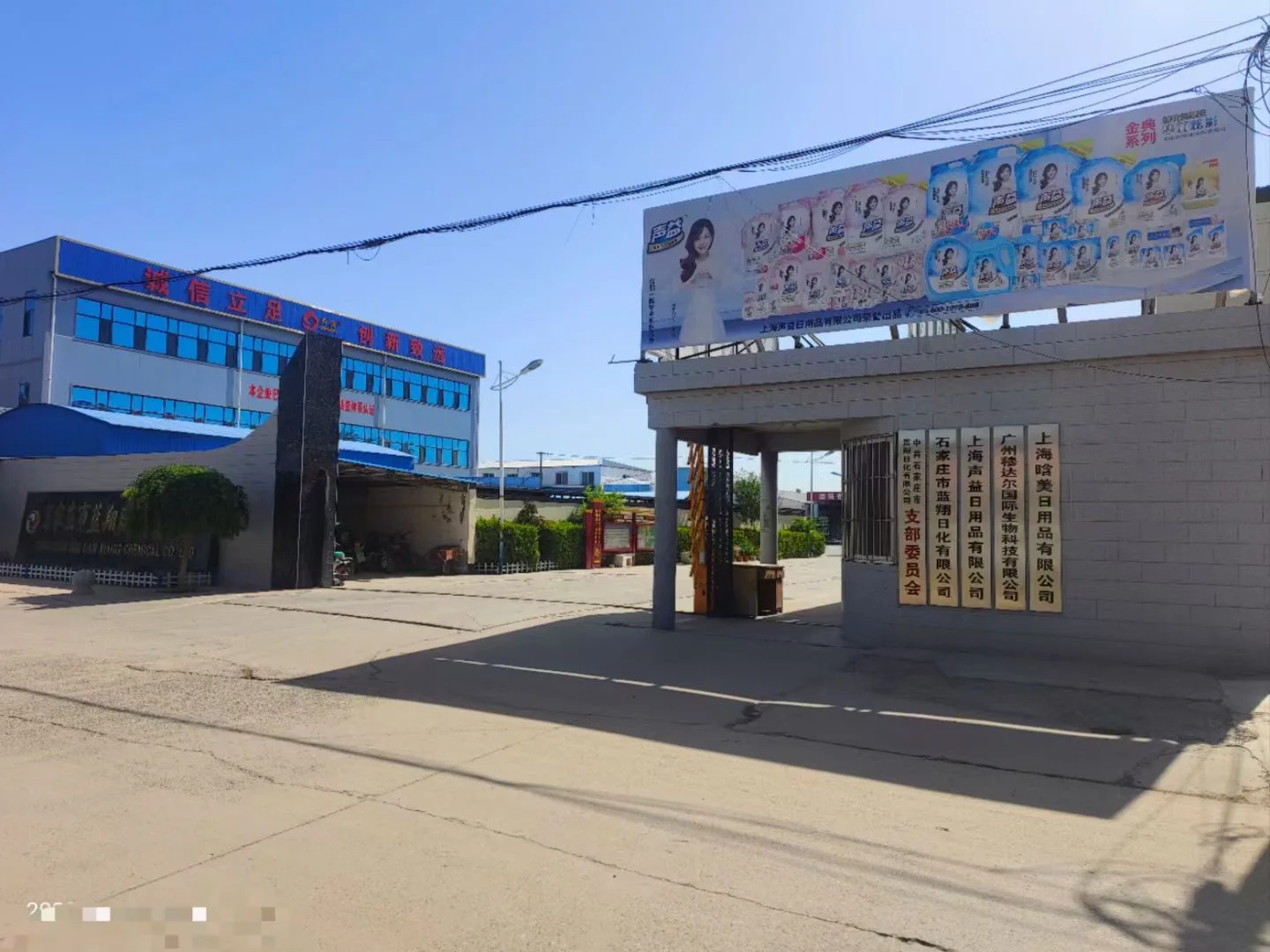
Shijiazhuang Lanxiang Daily Chemical Co., Ltd.
- Manufacturer, Trading Company
- Hebei, China
- Lead time15 days
- Avg. response≤ 1h
Main productsdetergent powder,detergent liquid,dishwashing liquid,laundry soap,dishwashing soap
Main marketsAfrica(25.00%), Southeast Asia(25.00%), Mid East(25.00%), South America(15.00%), Domestic Market(10.00%)
Henan Liuhe Pharmaceutical Group Co., Ltd.
- Verified by SGS Group
- Manufacturer, Trading Company
- Lead time10 days
- Avg. response≤ 1h
Main productssterilize tablets, disinfectant, hand sanitizer, laundry detergent, toiletries
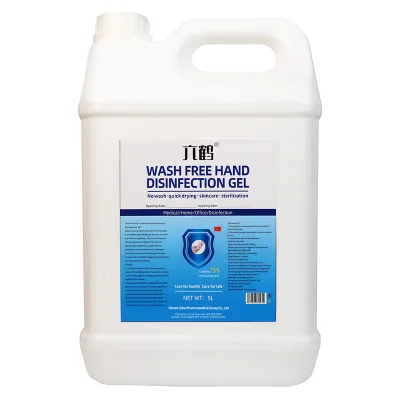
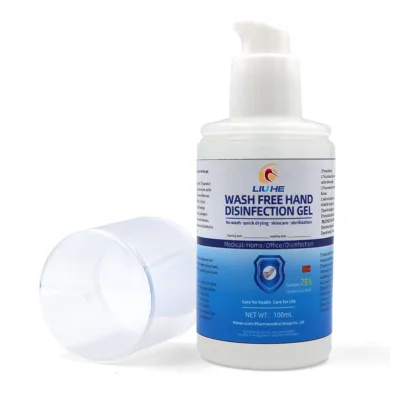
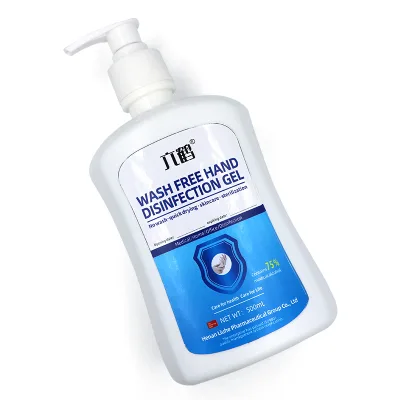
$0.7655 - $0.9018
MOQ: 10000 pieces
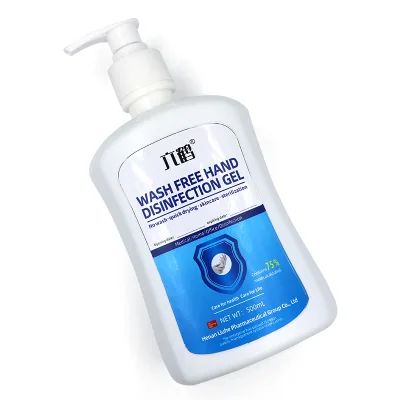
OEM&ODM Wholesale 99.99% Antibacterial Hand Sanitizer Gel China Factory Customized & Stock
$0.77 - $1.0261
MOQ: 10000 pieces






Comprehensive Sourcing Guide
Liquid Hand Sanitizing Gel Supplier Concentration and Factory Types
The current supplier landscape for Liquid Hand Sanitizing Gel reveals a diverse mix of manufacturing capabilities and operational models. Data indicates that suppliers are primarily located in China, with specific mentions of Shandong and Guangdong provinces as key production hubs. This geographic concentration suggests established industrial clusters where raw material sourcing and logistics infrastructure support large-scale production. Buyers should recognize that these regions often host both dedicated manufacturers and trading companies, each offering distinct advantages in terms of pricing flexibility and supply chain management. The presence of combined company types, including those that operate as both manufacturers and trading entities, provides buyers with options to negotiate directly with production facilities or leverage the broader networks of trading partners.
Supplier types vary significantly, ranging from pure manufacturers to combined entities that handle both production and sales. Some suppliers specialize in OEM and ODM services, allowing for extensive customization of product formulations, packaging, and branding. Others focus on light customization or sample processing, catering to buyers who need rapid prototyping or smaller initial orders. The availability of own brand capabilities further indicates that many suppliers are equipped to handle private label projects, which is crucial for businesses looking to establish their market presence. Understanding these factory types helps buyers align their sourcing strategy with their specific needs, whether they require high-volume production with strict quality control or flexible manufacturing for niche market products.
How to Verify Liquid Hand Sanitizing Gel Suppliers
Verification is a critical step in ensuring the reliability and legitimacy of potential suppliers. Buyers should prioritize suppliers who have undergone third-party verification processes, such as those conducted by TÜV Rheinland or SGS Group. These verifications provide an additional layer of confidence regarding the supplier’s business operations and compliance with international standards. It is essential to check the verification status directly on the supplier’s profile, as this information serves as a tangible indicator of their commitment to transparency and quality assurance. Suppliers with verified credentials are generally more likely to adhere to agreed-upon specifications and delivery schedules, reducing the risk of fraud or substandard products.
In addition to third-party verification, buyers should assess the supplier’s response time and communication efficiency. A response time of under ten hours, as observed in some supplier profiles, indicates a high level of operational readiness and customer service commitment. Quick responses often correlate with better project management and faster issue resolution. Buyers should also look for suppliers who provide detailed product attributes and certifications, such as MSDS, GMP, ISO, and FDA compliance. These certifications are particularly important for Liquid Hand Sanitizing Gel, as they ensure that the products meet safety and efficacy standards. By combining verification checks with an evaluation of communication speed and documentation quality, buyers can build a more robust supplier shortlist.
What to Compare Across Liquid Hand Sanitizing Gel Suppliers
When evaluating multiple suppliers, it is crucial to compare key operational metrics such as lead times, minimum order quantities (MOQs), and pricing structures. Lead times can vary significantly, with some suppliers offering as little as fifteen days while others may require up to sixty days. This variance can impact inventory planning and market responsiveness, so buyers must align their supplier choice with their sales cycle and stock requirements. Similarly, MOQs range from one thousand units to ten thousand or more, depending on the product type and customization level. Understanding these thresholds helps buyers determine which suppliers can accommodate their order sizes without incurring excessive costs or facing stockouts.
Pricing and product specifications are also vital comparison points. Prices for Liquid Hand Sanitizing Gel can range from approximately one dollar to over two dollars per unit, depending on factors such as alcohol concentration, packaging, and volume. Buyers should compare not just the unit price but also the total cost of ownership, including shipping and customization fees. Product attributes like effect efficiency, type of disinfectant, and available volumes (e.g., 100ml, 500ml, 5L) should be matched against specific market demands. Additionally, comparing the supplier’s main products and certifications, such as GMPC or system certifications, can reveal their expertise and focus areas. A comprehensive comparison across these dimensions ensures that buyers select suppliers who offer the best value and fit for their specific business needs.
Common Liquid Hand Sanitizing Gel Sourcing Risks
One of the primary risks in sourcing Liquid Hand Sanitizing Gel is the variability in product quality and efficacy. Some product listings may claim inefficient effects or lack detailed ingredient specifications, which can lead to regulatory non-compliance or customer dissatisfaction. Buyers must be vigilant in verifying the actual alcohol content and antibacterial properties of the gel, as these are critical for its intended use. Inconsistent formulations can result from poor quality control processes, so it is essential to request samples and conduct independent testing before placing large orders. This due diligence helps mitigate the risk of receiving products that do not meet safety standards or market expectations.
Another significant risk is the potential for supply chain disruptions, particularly when dealing with suppliers who have long lead times or limited production capacity. Suppliers with lead times exceeding forty-five days may struggle to meet urgent demand, leading to stockouts and lost sales opportunities. Additionally, reliance on a single supplier or a limited number of suppliers in a specific region can expose buyers to geopolitical or logistical risks. Buyers should diversify their supplier base and maintain open communication channels to stay informed about potential delays. By proactively identifying and addressing these risks, buyers can build a more resilient supply chain and ensure consistent product availability.
Liquid Hand Sanitizing Gel Regional Sourcing and Logistics
Sourcing from specific regions like China offers advantages in terms of cost efficiency and manufacturing scale, but it also introduces logistical complexities. Buyers must consider the impact of shipping distances, customs procedures, and import regulations on their overall supply chain. Products originating from Shandong and Guangdong provinces benefit from established port infrastructure, which can facilitate faster export processes. However, buyers should still plan for potential delays due to global shipping constraints or regional disruptions. Understanding the logistics landscape helps buyers estimate accurate delivery times and budget for associated costs, such as freight and insurance.
Logistics planning should also account for the specific packaging requirements of Liquid Hand Sanitizing Gel, which may include bottles, cartons, or larger containers like gallons and five-liter jugs. Proper packaging is essential to prevent leakage and ensure product integrity during transit. Buyers should work with suppliers who have experience in exporting similar products and can provide guidance on optimal packaging solutions. Additionally, considering the environmental impact of packaging materials and adhering to destination country regulations is crucial. By integrating logistics considerations into their sourcing strategy, buyers can minimize risks and ensure that products arrive in good condition and on time.
Liquid Hand Sanitizing Gel Commercial Terms and Order Planning
Commercial terms, including payment methods, escrow services, and return policies, play a significant role in protecting buyer interests. Buyers should prioritize suppliers who offer secure payment options and participate in escrow programs, which provide financial protection until the goods are received and verified. Clear commercial terms help prevent disputes and ensure that both parties understand their obligations. Buyers should also negotiate favorable terms for customization, such as logo printing and packaging design, to align with their branding strategies. Understanding these terms allows buyers to manage cash flow and reduce financial risks associated with international trade.
Order planning requires careful consideration of production cycles, inventory levels, and market demand fluctuations. Buyers should establish a reorder point based on lead times and sales velocity to avoid stockouts. Collaborating with suppliers on forecasted demand can help optimize production schedules and reduce lead times. Additionally, buyers should plan for seasonal variations in demand, which may require adjusting order quantities or timing. By integrating commercial terms with strategic order planning, buyers can create a sustainable sourcing model that supports business growth and customer satisfaction. This holistic approach ensures that sourcing activities are aligned with overall business objectives and operational capabilities.
FAQs
What is the price range for Liquid Hand Sanitizing Gel?
Liquid Hand Sanitizing Gel prices typically range from $0.40 to $2.00 per unit depending on volume and customization. Smaller 30ml portable bottles start around $0.40, while larger 500ml or 5L containers cost between $1.00 and $2.00. Final pricing depends on order quantity and specific formulation requirements.
What is the minimum order quantity for hand sanitizer?
Minimum order quantities vary significantly by product type and volume. Standard alcohol-based gels often require 1,000 to 10,000 units, while specialized or smaller formats may demand 20,000 units. Custom organic or moisturizing variants typically start at 5,000 pieces. Buyers should confirm exact MOQs based on their chosen packaging size.
How long does production take for hand sanitizer orders?
Production lead times generally range from 15 to 60 days depending on the supplier and order complexity. Some manufacturers offer faster turnaround times of 15 days for standard alcohol disinfectants, while others with broader customization needs may require up to 60 days. Buyers should verify specific delivery schedules with their chosen supplier.
Can I customize the hand sanitizer with my own logo?
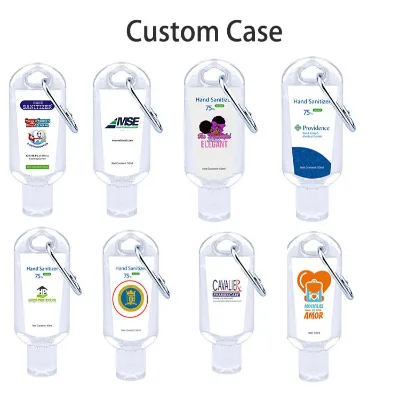
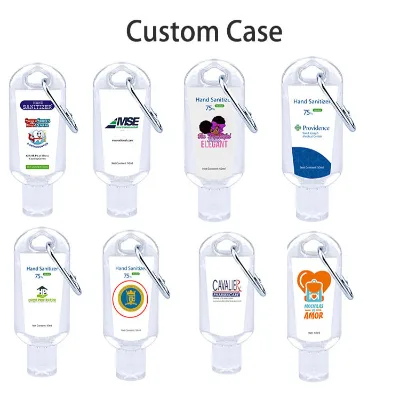
Yes, customization is widely available for Liquid Hand Sanitizing Gel. Suppliers offer OEM and ODM services, allowing for custom logos, packaging designs, and specific fragrance options. Many manufacturers support graphic processing and tailored volume requirements, ensuring the final product aligns with your brand identity and market positioning.
Where are Liquid Hand Sanitizing Gel manufacturers located?
Manufacturers of Liquid Hand Sanitizing Gel are primarily located in China, with significant production hubs in Shandong and Guangdong provinces. These regions host both combined trading companies and dedicated manufacturers specializing in medical consumables and personal hygiene products. Buyers can source from verified suppliers in these key industrial areas.
What certifications do hand sanitizer suppliers hold?
Suppliers often hold various certifications including GMPC, ISO, FDA, and MSDS. Verification services like SGS Group and TÜV Rheinland also validate supplier credentials. Buyers should request specific certification documents to ensure compliance with local regulatory standards and quality requirements for medical or personal care products.