Disposable Medical Hooded Caps Suppliers and Manufacturers
Source 24 verified suppliers for Disposable Medical Hooded Caps. Compare key dimensions including CE and ISO13485 certifications, lead times, and MOQs. Contact suppliers directly to request samples and pricing details; review the available evidence before requesting comparable quotations from suitable candidates.
Updated
Suppliers List

Xiantao Topmed Nonwoven Protective Products Co., Ltd.
- Verified by BV
- Combined
- China Hubei
- Lead time23 days
- Avg. response≤ 5h
Main productsSurgical Gown, Surgical Pack, Surgical Drape, Lsolation Gown, Lab Coat, Disposable Coverall, Bed Sheet, Disposable Cap, Face Mask, Dental Bib
Main marketsSouth America,Europe,North America

Suzhou Upline Medical Products Co., Ltd.
- Verified by SGS
- Trading Company,Manufacturer/Factory
- China Jiangsu
- Lead time30 days
- Avg. response≤ 7h
Main productsFeeding Bag, Urine Bag, Surgical Drape, Combi Connector, Wound Protector, Anesthesia Breathing Bag, Disposable Cotton Stockinette, Gauze Swab, Infrared Forehead & Ear Thermometer
Main marketsSouth America,Eastern Europe,Mid East,North America,Southeast Asia,Eastern Asia,Oceania,Western Europe,Africa
Hubei Yinshun Protective Equipment Co., Ltd.
- Manufacturer
- Lead time旺季: "1 - 50000":20,"50001 - 200000":30,"200001 - 1000000":40,"> 1000000":"To be negotiated", 淡季: "1 - 50000":20,"50001 - 200000":30,"200001 - 1000000":40,"> 1000000":"To be negotiated"
- Avg. response≤ 5h
Main productsDisposable Medical Face Mask/Isolation Gown/Shoes Cover/Medical Cap
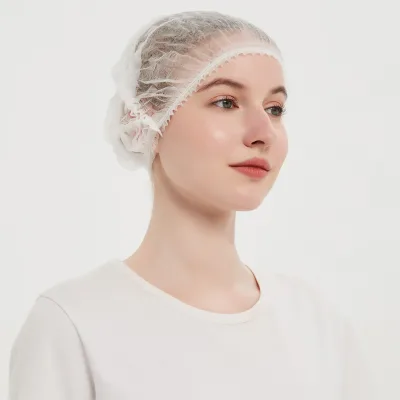
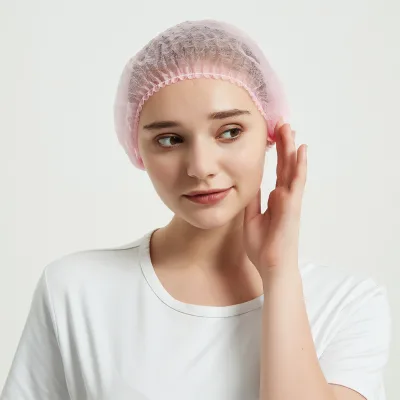
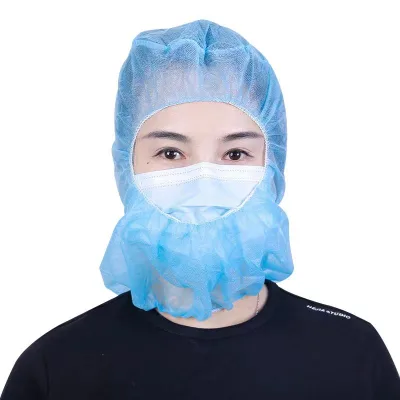
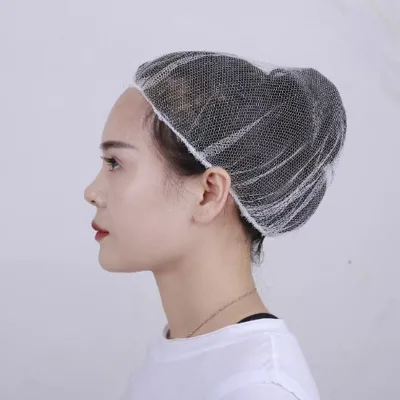
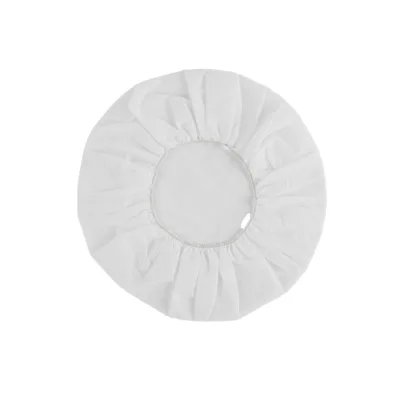
Cheap Factory Price Disposable pp Non-woven Fabrics 12G Nursing Caps Space
$0.029 - $0.099
MOQ: 2000 Minimum
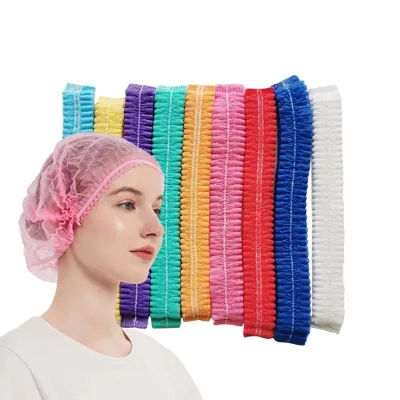
$0.01 - $0.0247
MOQ: 50000 Minimum

Wellmien Healthcare Tech. (Suzhou) Co., Ltd.
- Verified by BV
- Trading Company
- China Jiangsu
- Lead time15 days
- Avg. response≤ 3h
Main productsUnderpads, Surgical Pack, Wound Care, Emergency Blanket, Face Masks, Surgical Masks, Shoe Cover, First Aid Product, Emergency Transfer Sheet, Body Bag
Main marketsSouth America,Southeast Asia/ Mideast,Europe
Xiantao Generalcare Protection Products Co., Ltd.
- Manufacturer, Trading Company
- Hubei, China
- Lead time7 days
- Avg. response≤ 4h
Main productsdisposable pedicure liner,disposable mob cap,disposable clip cap,disposable face mask,disposable coveralls
Main marketsSouth Asia(15.00%), North America(15.00%), Eastern Asia(10.00%), Northern Europe(10.00%), Western Europe(10.00%), South America(10.00%), Africa(6.00%), Southern Europe(6.00%), Central America(5.00%), Eastern Europe(5.00%), Oceania(3.00%), Southeast Asia(3.00%), Mid East(2.00%)
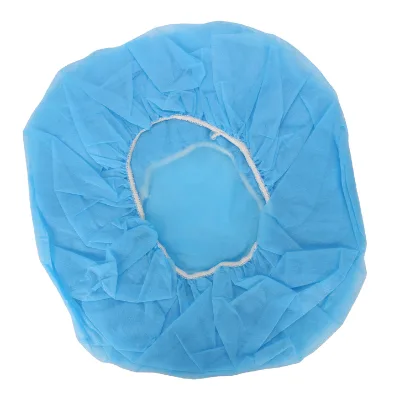
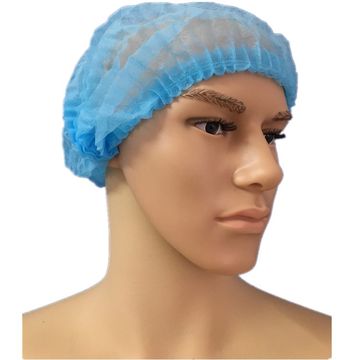
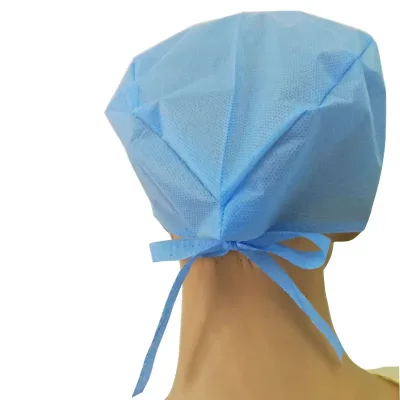
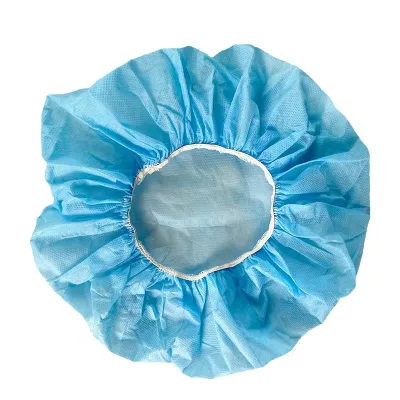
Hot Sale High Quality Sms Bouffant Cap Disposable Nonwoven Mob/clip/strip/bouffant Cap Head Cap
$0.01 - $0.03
MOQ: 200000

Wuhan Raytex Protection Co., Ltd.
- Verified by SGS
- Manufacturer/Factory
- China Hubei
- Lead time90 days
- Avg. response≤ 7h
Main productsShoe Cover, Disposable Coverall, Face Mask, Bouffant Cap, Lab Coat, Surgical Gown, Overshoes, Mob Cap, Hood, Respirator
Main marketsSouth America,Eastern Europe,Mid East,North America,Southeast Asia,Eastern Asia,Oceania,Western Europe,Africa


Disposable Doctor Operation Cap Non Woven Adjustable Cap Custom Operation Room Cap
$0.02 - $0.04
MOQ: 100000 Pieces

Hubei Wanli Protective Products Co., Ltd.
- Verified by SGS Group
- Manufacturer, Trading Company
- Lead time15 days
- Avg. response≤ 4h
Main productsDisposable Coverall, Surgical Gown, Isolation Gown, Face Mask, Nonwoven Fabric
Main marketsDomestic Market(30%), Western Europe(15%), Northern Europe(10%)
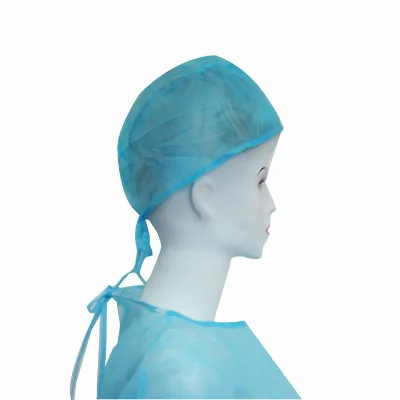
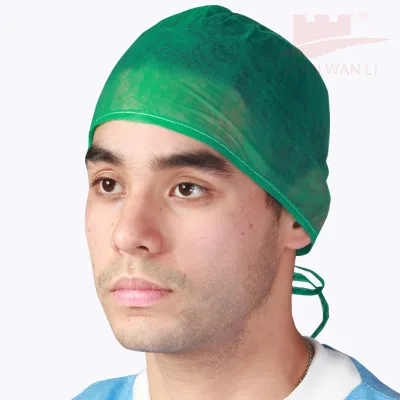
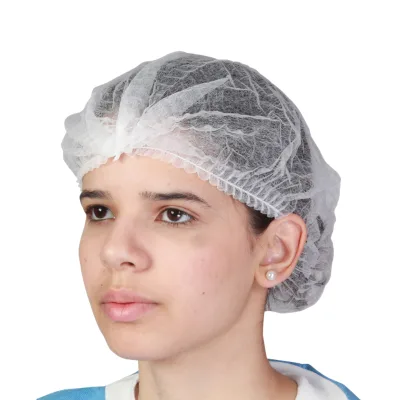
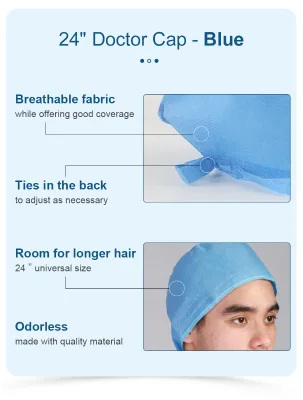
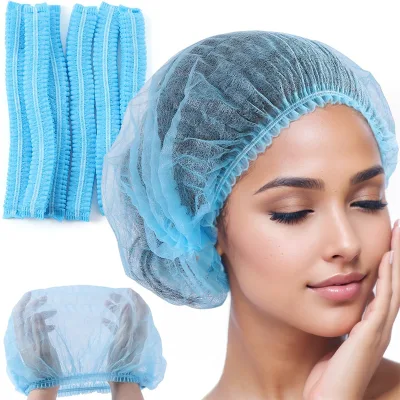
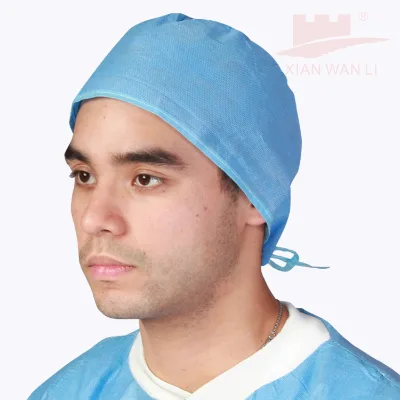
Food Factory Protective Doctor Caps With Ties PP Non-woven Medical Surgeon Hood Disposable Hood Cap
$0.02 - $0.03
MOQ: 100000 Minimum
Hubei Mediunion Medical Products Co., Ltd.
- Manufacturer
- Hubei, China
- Lead time10 days
- Avg. response≤ 5h
Main productssurgical gown,surgical kit,surgical drapes,isolation gown,coverall
Main marketsWestern Europe(45.00%), Northern Europe(23.00%), Mid East(18.00%), North America(8.00%), South America(6.00%)
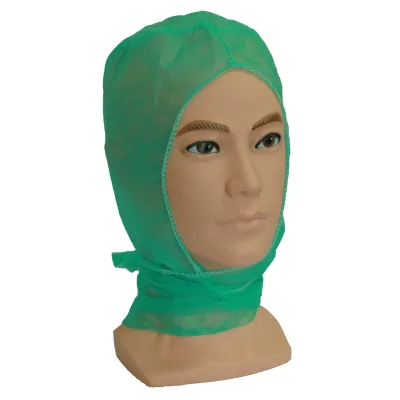
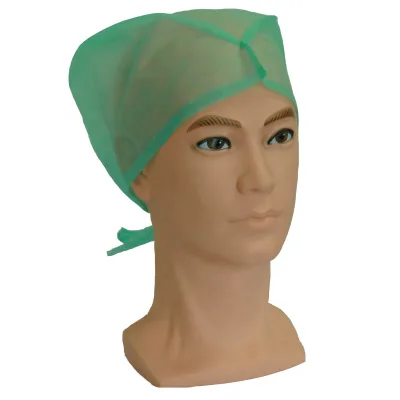
Medical Disposable Surgical Non Woven Bouffant Cap Doctor Nurse Bouffant Cap
$0.01 - $0.015
MOQ: 100000 Minimum

Anhui Lin-Med Imp & Exp Co., Ltd.
- Trading Company
- Anhui, China
- Lead time10 days
- Avg. response≤ 5h
Main productsface mask,isolation gown,surgical gown,clip cap,coverall
Main marketsSouth America(30.00%), North America(30.00%), Southeast Asia(20.00%), Mid East(10.00%), Africa(10.00%)
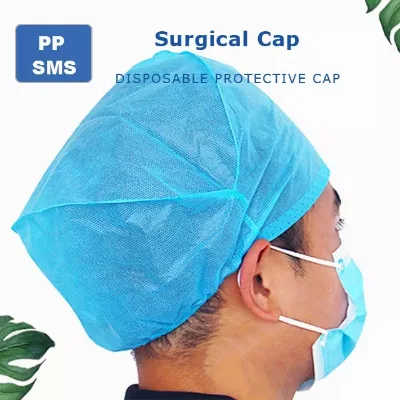
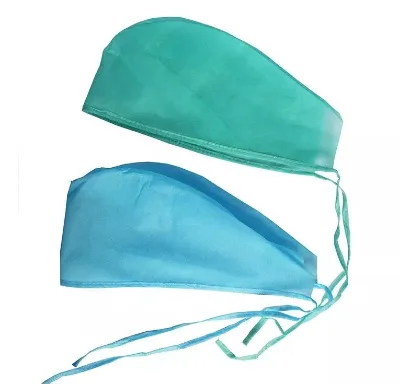
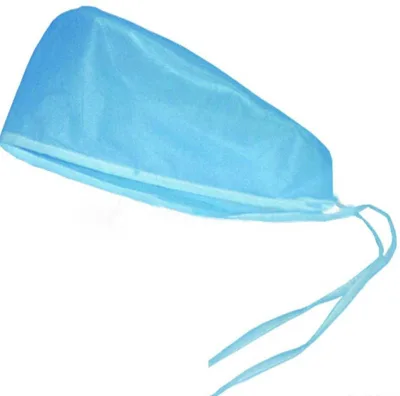
Disposable Medical Non Woven Head Cover Blue Green Surgical Doctor Hat Nurse Caps
$0.0104 - $0.0311
MOQ: 100 Minimum

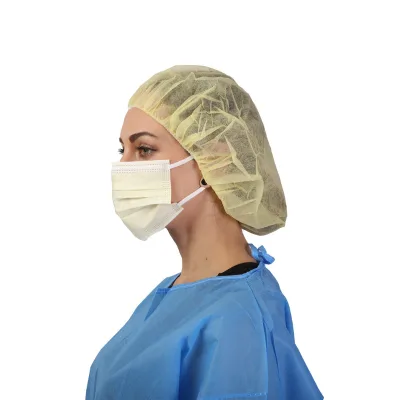
Disposable Non Woven Clip Cap Mob Nurse Hats Pleated Polypropylene Cap Cofias Plisada
$0.0103
MOQ: 100000 Minimum
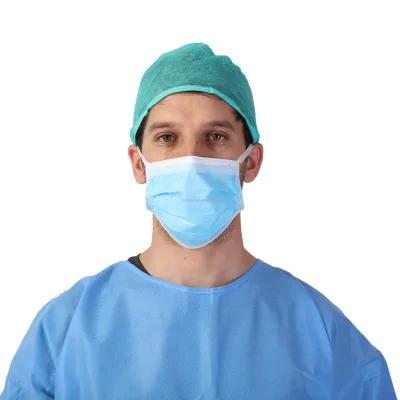
CE ISO13485 Medical Disposable PP Surgical Cap Doctor Nurse Bouffant Cap Used in Hospital
$0.0082 - $0.0134
MOQ: 2 Minimum

Ningbo Yingmed Medical Instruments Co., Ltd.
- Verified by TUVRHEINLAND
- Trading Company,Manufacturer/Factory
- China Zhejiang
- Lead time23 days
- Avg. response≤ 16h
Main productsSurgical Gloves, Alcohol Pads, Surgical Mask, Syringe, IV Set, Bandage, Urine Bag, Oxygen Mask, Nebulizer Mask, Surgical Suture
Main marketsMid East,Southeast Asia,Western Europe,Africa

Changzhou Operson Medical Devices Co.,Ltd.
- Verified by SGS
- Combined
- China Jiangsu
- Lead time30 days
- Avg. response≤ 18h
Main productsWounder Plaster, Catheter, Surgical Suture, Medical Consumables, Wounder Dressing, Surgical Disposables, Surgical Equipment, Bandage, First Aid Kit, Syringe
Main marketsDomestic
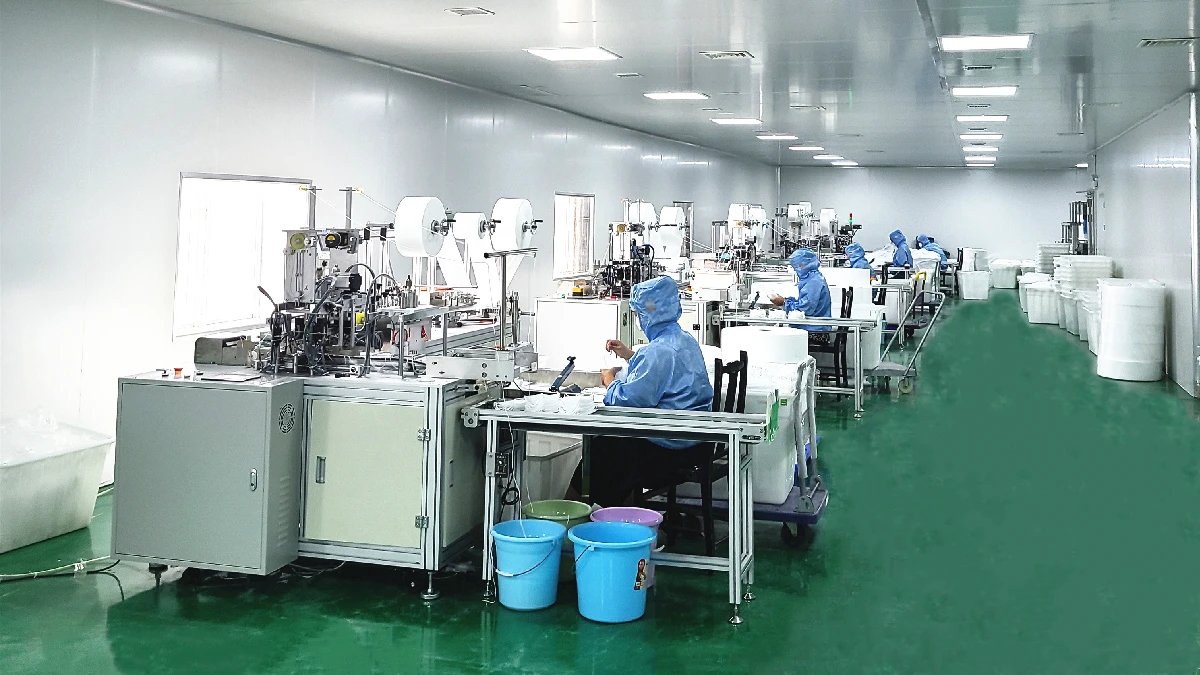
Hubei Yazhi Hygiene Products Co., Ltd.
- Manufacturer
- Hubei, China
- Lead time30 days
- Avg. response≤ 3h
Main productsFace Mask,Cap,Protective Clothes,Isolation Gown,Shoe Cover
Main marketsNorth America(30.00%), Southern Europe(13.00%), Northern Europe(13.00%), Eastern Europe(12.00%), Western Europe(12.00%), Domestic Market(10.00%), Southeast Asia(10.00%)
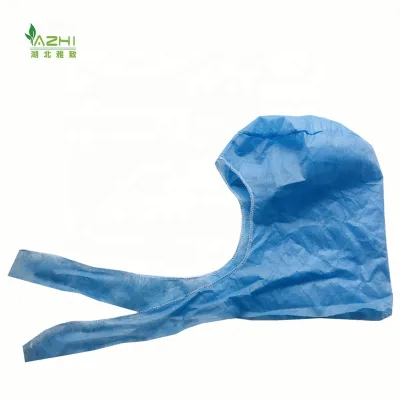
Disposable Non Woven Hospital Surgeon Cap Medical Doctor Hood Cap With Tie
$0.01 - $0.15
MOQ: 90000 Minimum
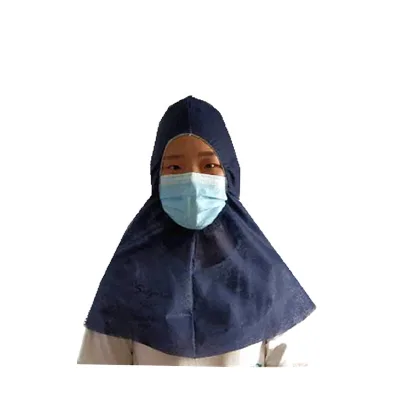
Single Use Shoulder Cap/covers Disposable Surgical Hood Dark Blue Hooded Caps
$0.01 - $0.15
MOQ: 90000 Minimum
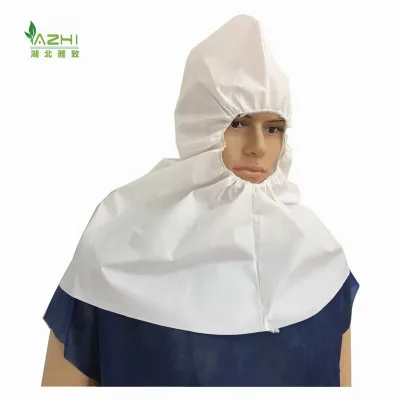
$0.01 - $0.15
MOQ: 90000 Minimum
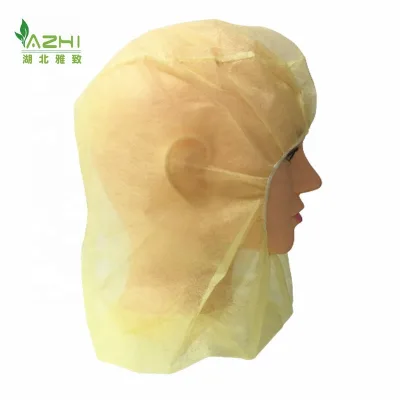
Supplier China Disposable Yellow Balaclava Hood Hat Nonwoven Warm Hooded Space Caps
$0.1543
MOQ: 90000 Minimum
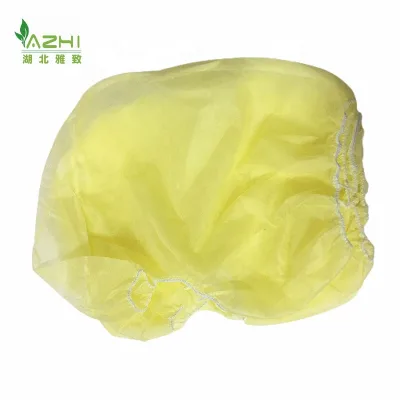
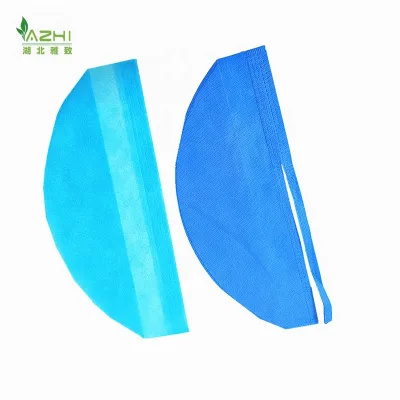
Medical Bouffant Cap Disposable Nurse Hat machine made Non Woven doctors Cheap SMS Caps with ties
$0.01 - $0.15
MOQ: 90000 Minimum

Xiantao Lingyang Plastic Co., Ltd.
- Manufacturer
- Hubei, China
- Lead time30 days
- Avg. response≤ 5h
Main productsIsolation Gown,Disposable Shoe Cover,Disposable Bed Sheet,Disposable Bouffant Cap,Disposable Coverall
Main marketsWestern Europe(35.00%), Southeast Asia(15.00%), North America(10.00%), Northern Europe(5.00%), Southern Europe(5.00%), Eastern Europe(5.00%), Mid East(5.00%), Oceania(5.00%), Africa(5.00%), South America(4.00%), South Asia(3.00%), Eastern Asia(2.00%), Central America(1.00%)

Hubei Yi-Ya Protective Products Co., Ltd.
- Manufacturer
- Hubei, China
- Lead time20 days
- Avg. response≤ 4h
Main productsCoverall,Face Mask,Surgical Gown,Shoe Cover,Cap
Main marketsEastern Asia(20.00%), South America(15.00%), Eastern Europe(10.00%), Domestic Market(5.00%), South Asia(5.00%), Southern Europe(5.00%), Northern Europe(5.00%), Central America(5.00%), North America(5.00%), Western Europe(5.00%), Mid East(5.00%), Oceania(5.00%), Africa(5.00%), Southeast Asia(5.00%)
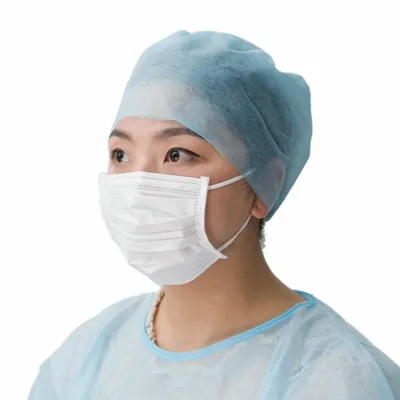
$0.0084 - $0.0105
MOQ: 10000 Minimum
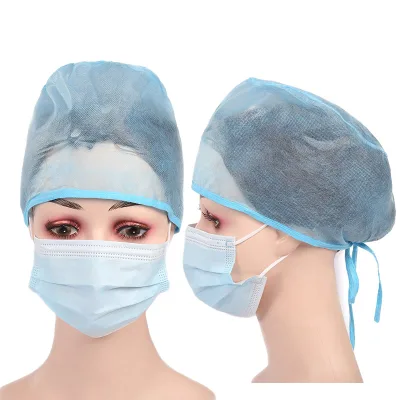
Disposable PP Nonwoven SMS Medical Doctor Head Cover Disposable Doctor Cap with Tie on
$0.009 - $0.0185
MOQ: 10000 Minimum
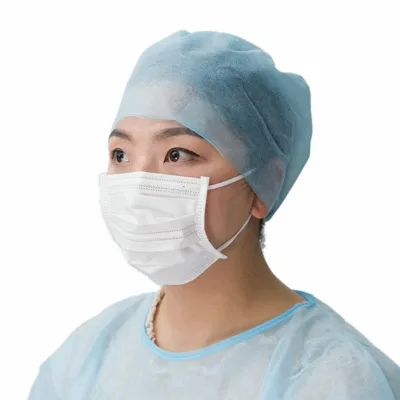
Factory Provide Disposable Elastic Band Nonwoven Cap Head Covers or Surgical Cap with Elastic Strip
$0.0092 - $0.0189
MOQ: 10000 Minimum
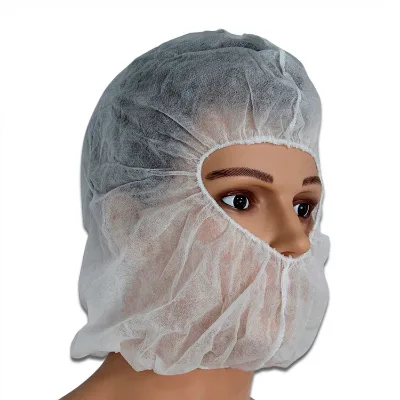
Disposable Hood Cap Non Woven Blue Bouffant Hoods With Elastic Band Polypropylene Hooded Caps
$0.016 - $0.031
MOQ: 20000 Minimum

- Verified by BV
- Manufacturer/Factory
- China Hubei
- Lead time23 days
- Avg. response≤ 19h
Main productsDisposable Medical Supplies, Disposable Nonwoven Products, Disposable Polyethylene Products, Disposable Paper Consumables
Main marketsSouth America,Eastern Europe,Mid East,North America,Southeast Asia,Eastern Asia,Oceania,Western Europe,Africa

Hangzhou Xinrui Medical Device Co., Ltd.
- Verified by TUVRHEINLAND
- Trading Company
- China Zhejiang
- Lead time15 days
- Avg. response≤ 3h
Main productsDisposable Gloves, Face Masks, Isolation Gown, Surgical Gown, Face Shield, Goggles, Manual Resuscitator, CPAP Mask, CPR Mask, Oxygen Mask
Main marketsSoutheast Asia/ Mideast

Hubei Mingerkang Health & Safety Appliances Co., Ltd.
- Verified by SGS
- Trading Company,Manufacturer/Factory
- China Hubei
- Lead time23 days
- Avg. response≤ 5h
Main productsFace Mask, Shoe Cover, Protective Clothing, Isolation Gown, Bouffant Cap, Surgical Gown, Lab Coat, Disposable Coverall, Disposable Face Mask, Medical Face Mask
Main marketsSouth America,Eastern Europe,Mid East,North America,Southeast Asia,Eastern Asia,Oceania,Western Europe,Africa


Hot Supplier Disposable Head Cap, Nonwoven Nurse Caps with Cheap Price
$0.008 - $0.012
MOQ: 10000 Pieces

Yangzhou Super Union Medical Material Co., Ltd.
- Combined
- China Jiangsu
- Lead time15 days
- Avg. response≤ 9h
Main productsGauze Swab, Sterile Gauze Sponge, Lap Sponge, Non Woven Sponge, Gauze Roll, Sterile Non Woven Swab, Paraffin Gauze, Gauze Bandage, Triangel Bandage, Cotton Wool
Main marketsSouth America,Africa,Others(foreignTradeCapacity.exportBusinessCapacityMarketOther),Southeast Asia/ Mideast,East Asia(Japan/ South Korea),Domestic,Europe,Australia,North America
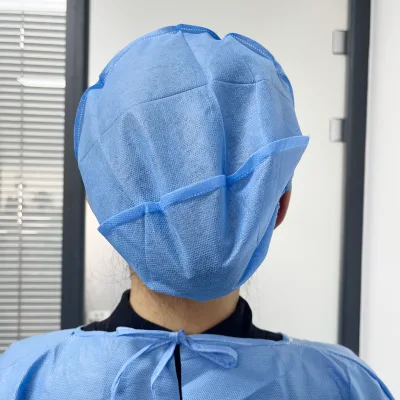
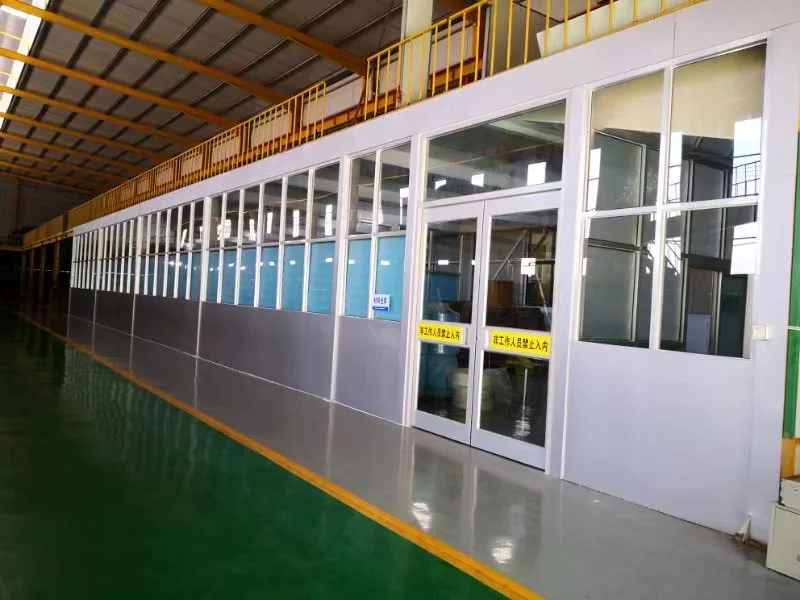
Jining Jianda Medical Device Technology Co., Ltd.
- Verified by Intertek
- Manufacturer, Trading Company
- Lead time15 days
- Avg. response≤ 2h
Main productsSurgical pack, Surgical gown, Medical surgical mask, Underpad, Wound dressing
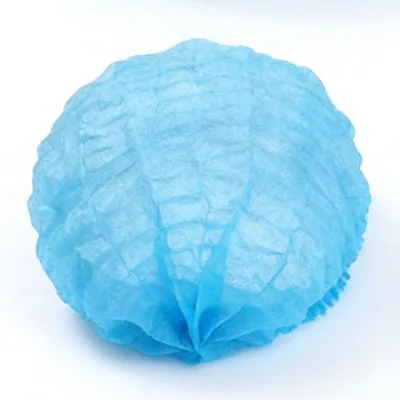
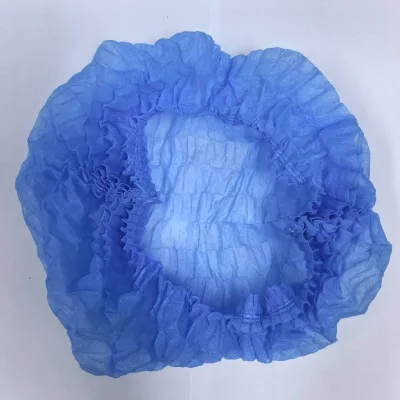
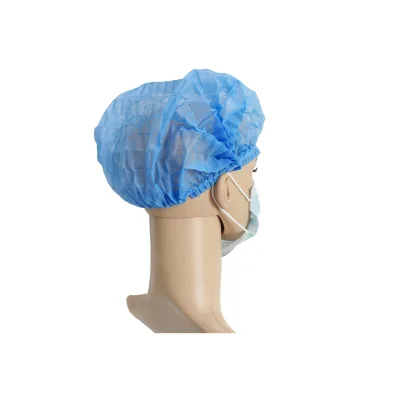
$0.02 - $0.03
MOQ: 2500 pieces
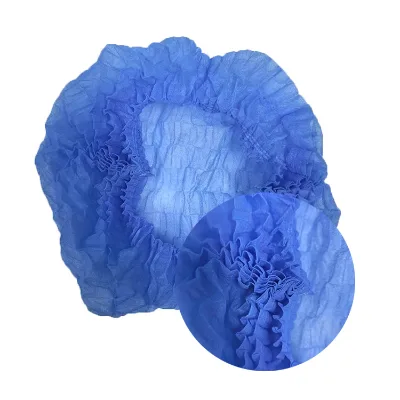
Jinan Huayutianshun Hotel Supplies Co., Ltd.
- Manufacturer, Trading Company
- Shandong, China
- Lead time10 days
- Avg. response≤ 3h
Main productsPaper Doily, Non-woven Mop Cap, Non-woven Shoe Cover, Three Layers Face Mask, Independent Packaging PE Gloves
Main marketsEastern Europe(30.00%), Mid East(20.00%), Western Europe(10.00%), Northern Europe(10.00%), North America(5.00%), South America(5.00%), Oceania(5.00%), Eastern Asia(5.00%), Africa(5.00%), Southeast Asia(5.00%)
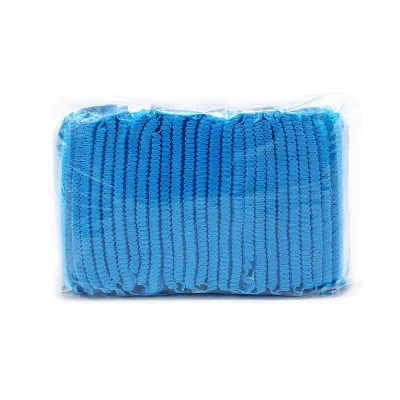
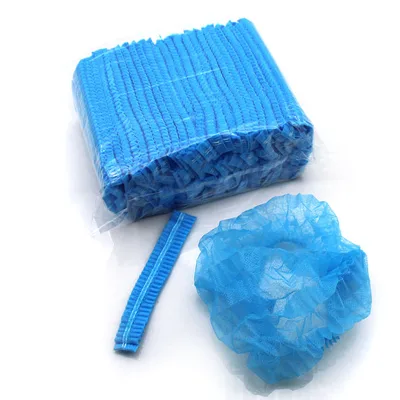
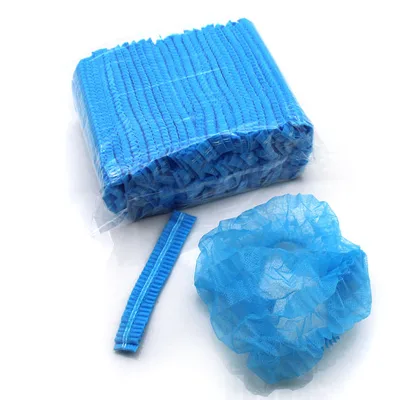
Factory OEM 21'' Disposable Surgical Caps Nonwoven Clip Mob Cap
MOQ: 500 Minimum
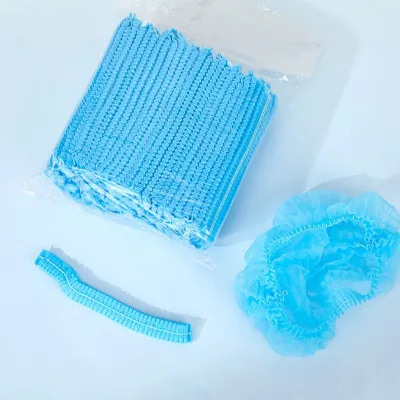

Hubei Qianjiang Kingphar Medical Material Co., Ltd.
- Combined
- China Hubei
- Lead time30 days
- Avg. response≤ 10h
Main productsGauze Swabs, Laparotomy Sponge, Sterile Gauze Ball, Gauze Roll, Non Woven Swabs, Mask, Bandage, Sterile Cotton Ball, Cotton Dental Wool, Disposable Facial Towel
Main marketsEurope


Disposable High Quality and Affordable Non-Woven Nurse Cap, Disposable Doctor Cap
$0.002
MOQ: 100000 Pieces

Hubei Yunge Protection Products Co., Ltd.
- Manufacturer
- Hubei, China
- Lead time15 days
- Avg. response≤ 1h
Main productsdisposable Protective Clothing,Medical Gown,Isolation Gown,Wet Wipes,Non Woven Products
Main marketsMid East(80.00%), Northern Europe(10.00%), South America(10.00%)
Hebei Dianya Medical Technology Co., Ltd.
- Verified by SGS Group
- Trading Company
- Lead time30 days
- Avg. response≤ 2h
Main productsHousehold Medical Devices, Medical Consumables, Professional Medical Devices
Main marketsAfrica(40%), North America(15%), Mid East(15%)
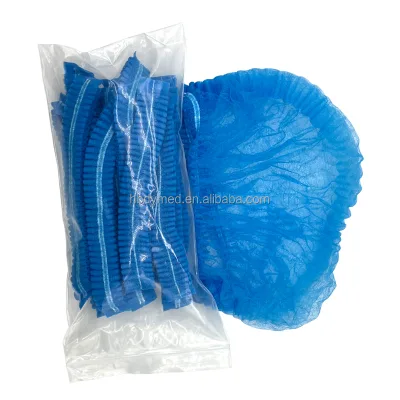
Unisex Tie Back Closure Blue Soft Non-Woven Medical Surgical Doctors Caps Breathable Disposable Caps
$0.6696 - $0.9782
MOQ: 100 bags
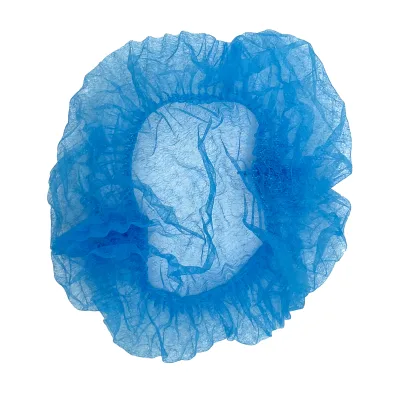
Personal Care Disposable Clip Cap Surgical Non Woven Clip Cap Disposable White Blue Clip Cap
$0.65 - $0.95
MOQ: 100 bags
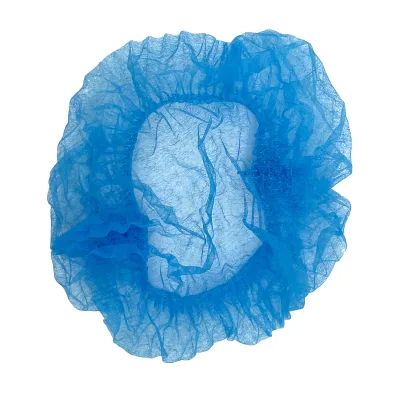
Medical Disposable Non-woven Fabric Sterile Surgical Hat Factory Direct Sales Surgical Cap
$0.0206 - $0.361
MOQ: 500 pieces

Shijiazhuang Yide Medical Device Manufacturing Co., Ltd.
- Combined
- China Hebei
- Lead time15 days
- Avg. response≤ 13h
Main productsPortable Suction Machine, Anti-Bedsore Air Mattress, Nebulizer, Isolation Gown, Isolation Shoe Cover, Protective Clothing, Infrared Thermometer, Digital Thermometer, Medical Mask, Pulse Oximeter
Main marketsSouth America,Africa,Southeast Asia/ Mideast,East Asia(Japan/ South Korea),Domestic,Europe,Australia






Comprehensive Sourcing Guide
Disposable Medical Hooded Caps Supplier Concentration and Factory Types
The current supplier landscape for Disposable Medical Hooded Caps reveals a distinct geographic concentration in China, with specific manufacturing hubs identified in Hubei and Jiangsu provinces. Suppliers in Hubei are often categorized as combined entities, indicating a blend of trading and manufacturing capabilities, while those in Jiangsu frequently present as either trading companies or direct manufacturers. This structural diversity means buyers must carefully distinguish between pure factories and intermediaries, as the operational model directly impacts pricing flexibility and communication efficiency. The presence of verified entities in these regions suggests a mature industrial ecosystem capable of supporting large-scale production runs for medical consumables. Understanding this regional distribution allows procurement teams to target specific clusters known for medical device output, thereby reducing the risk of engaging with unverified or less specialized vendors.
Within these clusters, the types of companies vary significantly in their core competencies and service offerings. Some suppliers specialize in a broad range of surgical consumables, including gowns, drapes, and caps, leveraging shared production lines to offer competitive pricing on hooded caps. Others focus more narrowly on specific items like feeding bags or thermometers, potentially offering deeper expertise in niche medical applications. The verification status of these suppliers, such as BV or SGS certifications, provides an additional layer of assurance regarding their operational legitimacy. Buyers should prioritize suppliers who explicitly state their company type, as this information is crucial for determining whether they can handle custom orders, provide OEM services, or maintain strict quality control standards required for medical-grade products.
How to Verify Disposable Medical Hooded Caps Suppliers
Verifying the legitimacy and capability of suppliers requires a multi-step approach that goes beyond simple profile reviews. First, buyers should confirm the supplier’s verification status, looking for credentials from recognized third-party agencies like BV or SGS. These verifications often include on-site audits that assess the factory’s production capacity, quality management systems, and financial stability. Additionally, checking for specific system certifications such as ISO 13485 is critical, as this standard is specifically designed for medical device manufacturers and ensures that the supplier adheres to rigorous quality management practices. Suppliers who display these certifications are more likely to have the infrastructure necessary to produce consistent, high-quality Disposable Medical Hooded Caps that meet international regulatory requirements.
Beyond certifications, buyers must scrutinize the supplier’s response time and communication efficiency, as these metrics often reflect their operational maturity. A response time of around 4.45 hours, for instance, indicates a responsive team that can address inquiries and resolve issues promptly, which is vital for maintaining supply chain continuity. Buyers should also verify the supplier’s ability to provide product evidence, such as detailed specifications, material compositions, and sterilization methods. For hooded caps, it is essential to confirm whether the product is sterilized via ethylene oxide or remains non-sterilized, as this affects storage, handling, and end-use applications. Requesting samples and verifying their quality against stated specifications is another crucial step in the verification process, ensuring that the physical product matches the supplier’s claims.
What to Compare Across Disposable Medical Hooded Caps Suppliers
When evaluating multiple suppliers, buyers should compare key operational metrics such as lead time, minimum order quantity (MOQ), and pricing structures to determine the best fit for their needs. Lead times can vary significantly, with some suppliers offering production cycles of 23 days while others may require up to 30 days. This difference can impact inventory management and order fulfillment strategies, making it essential to align supplier capabilities with project timelines. Similarly, MOQs can range from 10,000 to 100,000 units, depending on the supplier’s production scale and customization requirements. Buyers with smaller volume needs may need to seek suppliers with lower MOQs, while those planning large-scale deployments can leverage higher volumes for better pricing.
Pricing is another critical factor, with costs varying based on material quality, customization options, and order volume. For example, basic disposable caps may start at very low price points, while specialized hooded caps with custom branding or specific material weights may command higher prices. Buyers should also compare the customization options available, such as logo printing, color variations, and packaging configurations. Suppliers that offer flexible customization can help buyers differentiate their products in the market, but this may come with higher MOQs or longer lead times. Additionally, comparing the range of main products offered by each supplier can provide insights into their overall expertise and reliability, as suppliers with a diverse portfolio may have more robust supply chains and quality control processes.
Common Disposable Medical Hooded Caps Sourcing Risks
One of the primary risks in sourcing Disposable Medical Hooded Caps is the potential discrepancy between claimed certifications and actual product compliance. Buyers must ensure that the suppliers’ stated certifications, such as CE or ISO 13485, are valid and applicable to the specific products being ordered. There is a risk that some suppliers may use generic certification claims that do not cover all product variations or manufacturing sites. To mitigate this, buyers should request detailed documentation and verify the scope of each certification with the issuing body. Additionally, buyers should be cautious of suppliers who do not provide clear information about their sterilization processes, as improper sterilization can lead to product contamination and regulatory non-compliance.
Another significant risk is the variability in product quality and consistency across different production batches. Even with established suppliers, there can be fluctuations in material quality, stitching integrity, or packaging standards. Buyers should implement strict quality control measures, including pre-shipment inspections and random sampling, to ensure that the products meet their specifications. It is also important to consider the supplier’s capacity to handle large orders without compromising quality, as some suppliers may struggle to maintain consistency during peak production periods. Buyers should also be aware of potential logistical risks, such as delays in shipping or customs clearance, which can disrupt supply chains and impact project timelines.
Disposable Medical Hooded Caps Regional Sourcing and Logistics
Sourcing from specific regions in China, such as Hubei and Jiangsu, offers logistical advantages due to their proximity to major ports and transportation hubs. Suppliers in these areas often have established relationships with shipping carriers, which can facilitate faster and more reliable delivery of goods. The loading ports mentioned, such as Shanghai and Wuhan, provide convenient access to international shipping routes, reducing transit times and costs for buyers. However, buyers must also consider the potential impact of regional disruptions, such as weather events or local policy changes, on supply chain stability. Diversifying suppliers across different regions can help mitigate these risks and ensure a more resilient supply chain.
Logistics planning should also account for the specific packaging and handling requirements of Disposable Medical Hooded Caps. These products are often lightweight but bulky, requiring efficient packaging to minimize shipping costs and protect the goods during transit. Buyers should work with suppliers to optimize packaging configurations, such as using compact cartons or vacuum-sealed bags, to reduce volumetric weight. Additionally, buyers should consider the impact of customs regulations and import duties in their destination countries, as these can affect the total landed cost of the products. Working with suppliers who have experience in international shipping and can provide necessary documentation, such as certificates of origin and compliance certificates, can streamline the customs clearance process and reduce delays.
Disposable Medical Hooded Caps Commercial Terms and Order Planning
Commercial terms and order planning are critical components of successful sourcing, requiring careful negotiation and alignment with supplier capabilities. Buyers should clearly define their order quantities, delivery schedules, and payment terms to avoid misunderstandings and ensure smooth transactions. It is important to establish clear communication channels with suppliers to address any issues that may arise during production or shipping. Buyers should also consider the supplier’s flexibility in handling changes to order specifications or quantities, as this can be crucial for adapting to market demands or project changes. Establishing a long-term partnership with a reliable supplier can provide stability and consistency in product quality and pricing.
Order planning should also include a robust risk management strategy, including contingency plans for potential supply chain disruptions. Buyers should maintain a buffer stock of critical products to mitigate the impact of unexpected delays or shortages. Additionally, buyers should regularly review and update their supplier base to ensure they have access to competitive pricing and high-quality products. It is important to stay informed about industry trends and regulatory changes that may impact the sourcing of Disposable Medical Hooded Caps. By proactively managing these factors, buyers can build a resilient and efficient supply chain that supports their business objectives and meets the needs of their end customers.
FAQs
What materials are Disposable Medical Hooded Caps typically made from?
Most Disposable Medical Hooded Caps are made from lightweight polypropylene nonwoven fabric, often 10-30 grams per square meter. Some listings in current results reference PP nonwoven construction for surgical and bouffant caps. Buyers should confirm the exact fabric weight and whether SMS material is offered for the specific hooded style they need before ordering.
What is the typical minimum order quantity for disposable medical caps?
Minimum order quantities in the current supplier results range from 10,000 pieces to 100,000 pieces, depending on the cap model. Hooded variants may carry different MOQs than standard bouffant or doctor caps. Confirm the MOQ in writing with each supplier, and ask whether sample quantities are available before committing to a full production order.
How long does production and delivery usually take?
Lead times listed in current supplier results are roughly 23 to 30 days from order confirmation. Actual timing depends on order size, customization, and shipping method to your destination port. Request a written production schedule, confirm the loading port in China, and factor in freight and customs clearance time when planning your delivery window.
Are disposable surgical caps available with certifications?
Yes, several products in the current results list CE and ISO 13485 certification for disposable surgical and nurse caps. One supplier also holds SGS verification while another is BV verified. Always request copies of the actual certificates for the specific hooded cap model you intend to purchase, since certification applies per product, not per catalog.
Can disposable medical caps be customized with logos?
Yes, logo printing is listed as available for several disposable cap products in the current results, and customization is marked available across multiple listings. Suppliers also offer OEM and ODM services. Ask for a printed sample or photo proof before mass production, and confirm any additional setup fees, printing colors, and minimum quantities for branded orders.
Do disposable caps come sterile or non-sterile?
Both options appear in the current results. Some doctor cap products are supplied non-sterilized, while others indicate ethylene oxide sterilization availability. The right choice depends on your clinical application, as hooded caps for general hygiene often do not require sterilization. Specify your requirement clearly and verify how sterilization status is labeled on packaging and documentation.
How quickly do suppliers typically respond to inquiries?
Average response times in the current supplier results are approximately 4.45 to 6.5 hours. Faster responses usually indicate better communication during production and shipping stages. When comparing suppliers, send identical inquiry details to several at once and track how quickly and completely each one answers questions about MOQ, lead time, and customization.
What packaging options are common for disposable medical caps?
Common packing in the current results is 100 pieces per bag and 1,000 pieces per carton, with some products packed in bulk. Hooded caps may use different configurations, so confirm packing details before ordering. Check carton dimensions and gross weight to calculate container loading, and ask whether inner bags can be labeled with your own branding.