Source China Alumina Ball for Adsorbent, Catalyst, and Desiccant
Explore 30 listings for China Alumina Ball products suitable for chemical engineering, industrial ceramics, and adsorption applications. Compare specifications like purity, size, and bulk density to find the right supplier for your needs; compare the available evidence and request quotations based on your requirements.
Updated
Key considerations
Products List


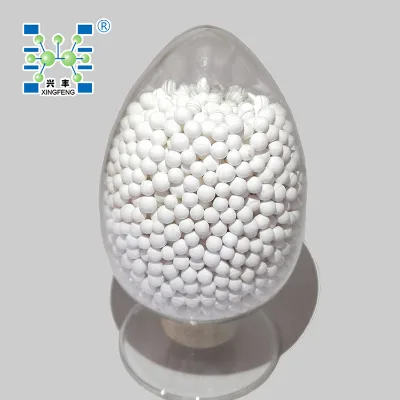
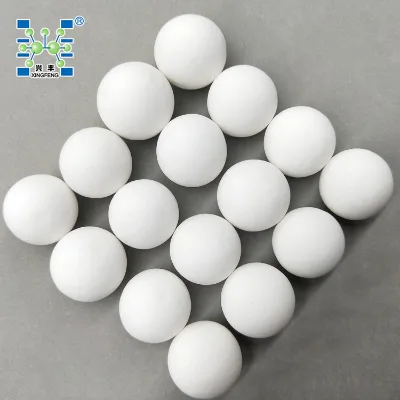
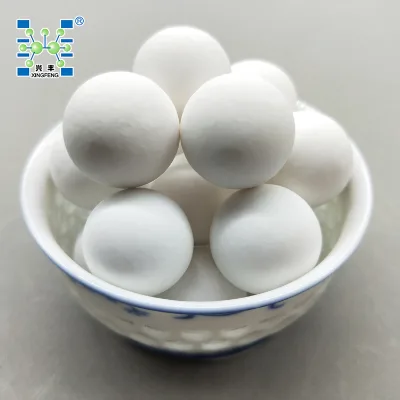
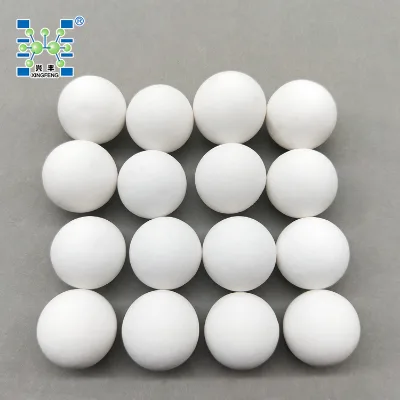

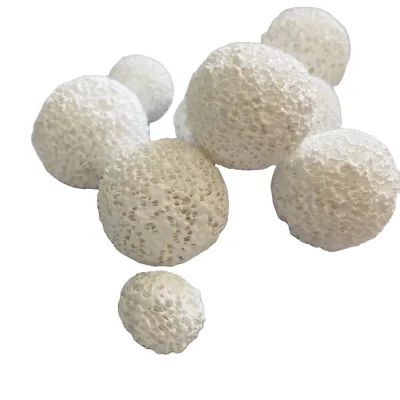


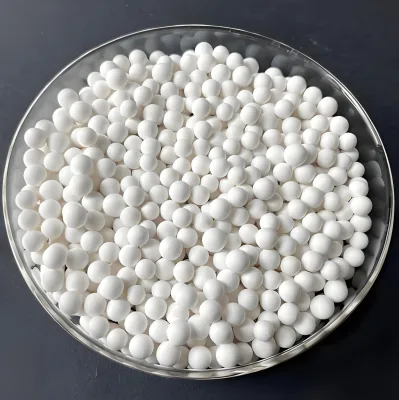


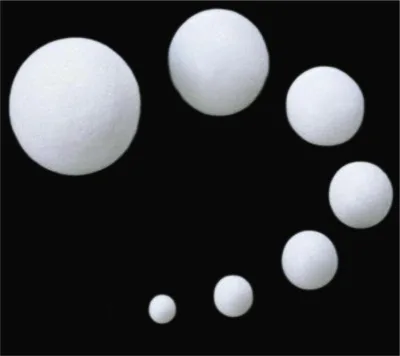
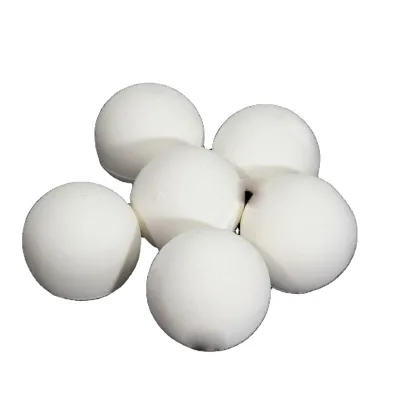
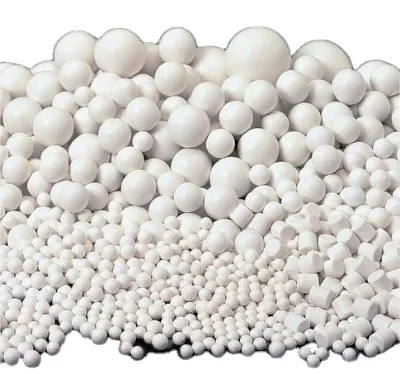
$414.0898 - $1035.2244
MOQ: 2 Minimum
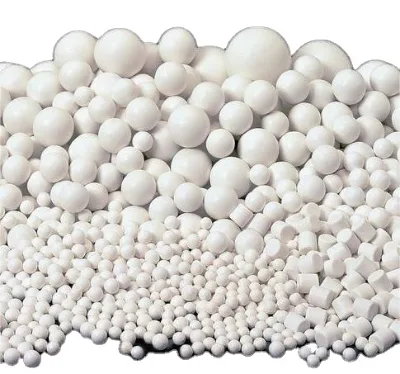
High-quality 95% Acid and Alkali Resistant Alumina Ceramic Balls to Improve the Grinding Rate
$400.00 - $1000.00
MOQ: 2 Minimum
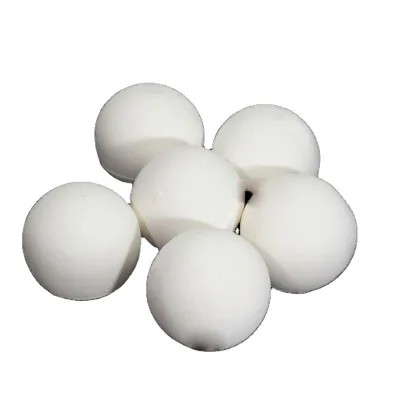
High Hardness Density Large Alumina Balls High Aluminum Content for Cement Industry
$400.00 - $1000.00
MOQ: 2 Minimum
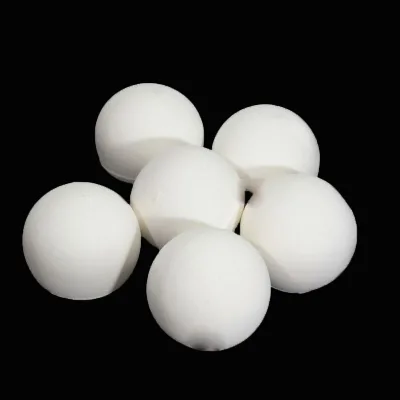

Comprehensive Sourcing Guide
China Alumina Ball Sourcing Guide
Sourcing alumina balls from China requires a disciplined approach to verifying material composition and supplier capabilities. The market offers a wide range of products, from activated alumina desiccants to high-purity ceramic spheres, each serving distinct industrial functions. Buyers must distinguish between adsorbents used for drying and catalysts used in chemical engineering processes. Understanding these fundamental differences prevents specification errors that can lead to operational failures in downstream applications.
Procurement teams should focus on suppliers who provide transparent technical data sheets and consistent manufacturing standards. The observed market includes products with varying purity levels, bulk densities, and particle sizes. Establishing clear communication channels with manufacturers ensures that specific requirements, such as water absorption rates or thermal stability, are met. This guide outlines the critical steps for evaluating suppliers and selecting the right alumina ball product for your specific industrial needs.
Product Scope and Observed Listing Signals
The current market landscape for alumina balls in China features a diverse array of product types, primarily categorized by their chemical composition and intended use. Listings frequently highlight activated alumina balls, which serve as effective adsorbents and desiccants, alongside tabular alumina and ceramic balls designed for industrial applications. These products are often described with specific physical attributes, such as white color, spherical shape, and insolubility in water, which are critical for buyers assessing suitability for their processes.
Observed listing signals indicate a strong emphasis on customization and bulk supply capabilities. Suppliers commonly offer products in plastic woven bags, jumbo bags, or steel drums, with packaging weights typically around 25kg net per bag. The presence of multiple model numbers, such as KA401 or KS-AA01, suggests that manufacturers maintain extensive inventories of different grades and sizes. Buyers should note that while many listings claim high purity or specific certifications, these attributes must be verified through direct supplier communication and sample testing.
Technical Specifications to Verify
Verifying technical specifications is paramount when sourcing alumina balls, as performance varies significantly based on material density and particle size. Key parameters to confirm include bulk density, which can range from 0.68-0.72 g/ml for activated alumina to 1.9-2.2 g/cm3 for ceramic variants. Buyers must also check the particle size distribution, with common sizes including 3-5mm, 3-6mm, and larger diameters up to 50mm. Ensuring the correct size is crucial for maintaining proper flow dynamics and contact efficiency in adsorption or catalytic beds.
Additional technical factors include water absorption rates, LOI (Loss on Ignition), and maximum operating temperatures. For instance, some activated alumina products specify water absorption of less than 0.5% and LOI between 4-7%, while others may support temperatures up to 350℃. Purity levels are another critical specification, with some products claiming over 93% or 99% alumina content. Buyers should request detailed test reports to validate these figures, as discrepancies can impact the efficiency and lifespan of the alumina balls in industrial applications.
Compliance and Safety Documentation
Compliance with international quality standards is a key indicator of supplier reliability and product consistency. Many Chinese manufacturers hold ISO 9001:2015 or ISO 9001:2008 certifications, which demonstrate a commitment to quality management systems. Buyers should request copies of these certificates to verify their validity and ensure they cover the specific products being sourced. Additionally, checking for CAS numbers, such as 1314-28-1 for aluminum oxide, helps confirm the chemical identity of the material.
Safety documentation, including Material Safety Data Sheets (MSDS), is essential for handling and storage purposes. Alumina balls are generally described as innocuous and odorless, but proper documentation ensures safe handling procedures are followed. Buyers should also inquire about any specific industry certifications required for their application, such as food-grade or pharmaceutical-grade approvals if applicable. Ensuring all necessary compliance documents are in place before placing orders mitigates regulatory risks and facilitates smoother customs clearance.
Cost Drivers and Commercial Terms
Several factors influence the cost of alumina balls, including raw material quality, manufacturing complexity, and order volume. Higher purity levels and specialized shapes, such as precise spherical ceramics, typically command higher prices compared to standard activated alumina desiccants. Buyers should consider the total cost of ownership, which includes shipping, packaging, and potential replacement costs due to premature degradation. Understanding these cost drivers helps in negotiating favorable terms and selecting the most economical option for long-term use.
Commercial terms such as MOQ (Minimum Order Quantity), lead times, and payment conditions are critical for procurement planning. Observed MOQs range from 1 to 100 units, offering flexibility for both small-scale testing and large-scale industrial purchases. Delivery times are often quoted as within one week, indicating efficient production and logistics capabilities. Buyers should clarify these terms early in the negotiation process to avoid delays and ensure alignment with their supply chain requirements.
Supplier Qualification and Quality Control
Evaluating supplier qualifications involves assessing their production capacity, quality control processes, and track record. Suppliers with high supply abilities, such as 10,000 tons per year, are better equipped to handle large orders and maintain consistent product quality. Buyers should request information about the supplier’s manufacturing facilities, including equipment used for drying and shaping the alumina balls. Static drying methods, for example, may be preferred for certain applications to prevent particle damage.
Quality control measures, such as regular sampling and testing, are essential for ensuring product consistency. Buyers should inquire about the supplier’s inspection protocols, including checks for bulk density, purity, and particle size distribution. Requesting pre-shipment samples allows for independent verification of specifications before committing to large orders. Establishing a strong relationship with a reliable supplier ensures ongoing quality assurance and reduces the risk of receiving substandard materials.
Long-Term Procurement Checks
Long-term procurement success depends on continuous monitoring of supplier performance and product quality. Regular audits of supplier facilities and quality control processes help maintain high standards and identify potential issues early. Buyers should establish key performance indicators (KPIs) to track delivery times, product consistency, and responsiveness to issues. These metrics provide a quantitative basis for evaluating supplier reliability and making informed decisions about future orders.
Building a diversified supplier base can mitigate risks associated with single-source dependencies. Engaging with multiple suppliers allows for comparative assessments and negotiation leverage. Additionally, staying updated on industry trends and technological advancements in alumina ball manufacturing can provide competitive advantages. By maintaining a proactive approach to supplier management and quality assurance, buyers can ensure a stable and efficient supply of alumina balls for their industrial operations.
FAQs
What is the purity level of the activated alumina balls?
The activated alumina balls have a purity level greater than 93%. This high purity ensures effective adsorption performance for chemical engineering applications. The material is certified under ISO 9001:2015 standards, guaranteeing consistent quality. It is insoluble in water and innocuous, making it safe for industrial use. The product features a white color and no odor, suitable for various desiccant needs.
Can these alumina balls be customized for specific sizes?
Yes, customization is available for these alumina ceramic balls. Suppliers offer various model numbers including sizes like 3-5mm, 3-6mm, and up to 50mm. The bulk density ranges from 0.68 to 0.72 g/ml or 1.9-2.2 g/cm3 depending on the specific type. Buyers can select from sphere or ball shapes. This flexibility allows for tailored solutions in industrial ceramic and catalyst applications.
What is the maximum operating temperature for these balls?
The maximum operating temperature for these adsorbent balls is less than or equal to 350 degrees Celsius. This thermal stability makes them suitable for high-temperature chemical industry processes. The material is made from alumina ceramic, ensuring durability under heat. The LOI is between 4-7%, indicating stable composition. This temperature limit supports reliable performance in various engineering environments without degradation.
How are the alumina balls packaged for shipment?
The alumina balls are packaged in plastic woven bags with a net weight of 25kg each. Alternative packaging options include steel drums, jumbo bags, and plastic bags. This versatile packaging ensures safe transport and storage. The product is dispatched from ports in China, such as Shanghai or Shenzhen. The supply ability is up to 10,000 tons per year, supporting large-scale orders with reliable delivery.
What certifications do these alumina balls hold?
These alumina balls are certified under ISO 9001:2015 standards. Some listings also mention ISO 9001:2008 certification. This certification confirms adherence to quality management systems. The product is manufactured in Jiangxi, China, by brands like XingFeng. The certification ensures consistent quality for chemical engineering and industrial ceramic applications. Buyers can rely on these standards for procurement compliance and quality assurance.
What is the lead time for ordering these balls?
The delivery time for these alumina balls is within one week. This quick lead time supports urgent procurement needs in the chemical industry. The product is available from suppliers in China with a high supply ability. Buyers can expect efficient processing and dispatch from ports like Shanghai. This fast turnaround helps minimize downtime in industrial operations requiring adsorbents or catalysts.