Source China Lanzhou Silica Fume for Cement, Electronics, and Water Treatment
Find 30 verified listings for China Lanzhou Silica Fume from Chinese manufacturers. Compare key attributes such as purity, density, and packaging options to identify suitable industrial grade and electron grade materials for cement, electronics, and water treatment applications; compare the available evidence and request quotations based on your requirements.
Updated
Key considerations
Products List
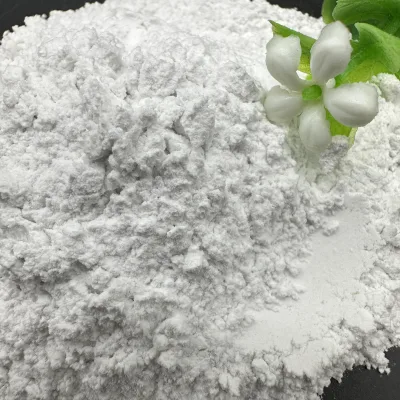
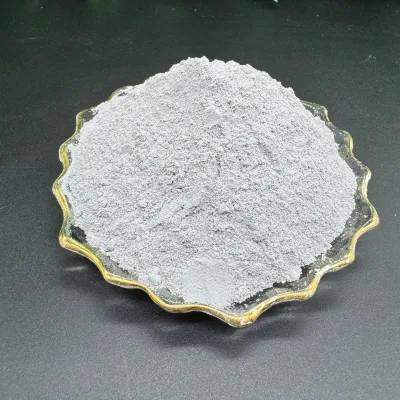
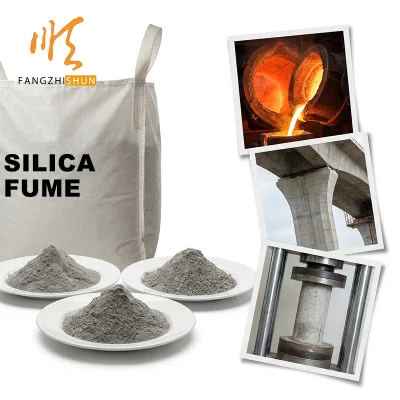
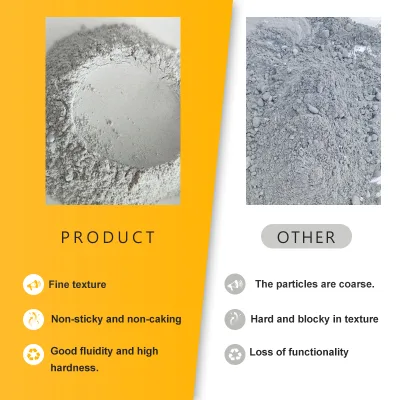
Silica Fume for Cement silicon dioxide Silica Fume Per kg food grade
$11.6844 - $13.5614
MOQ: 10 kilograms




Comprehensive Sourcing Guide
China Lanzhou Silica Fume Sourcing Guide
Procurement professionals targeting silica fume from China must first distinguish between general silicon dioxide products and specific microsilica grades suitable for high-performance concrete. The supplied data indicates that while some listings originate from Hebei and Jiangsu provinces, the specific keyword "Lanzhou" does not appear in the verified product attributes, suggesting buyers should verify the exact manufacturing origin rather than assuming a specific city. This distinction is critical because regional variations in raw material sources can significantly impact the chemical purity and particle morphology required for industrial applications.
Buyers must carefully align their technical requirements with the observed product classifications, which range from industrial grade to electron grade silicon dioxide. The available listings show diverse applications including cement, fluidizing agents, and electronic integrated circuits, yet the specific suitability for Lanzhou-based projects depends on verifying the actual place of origin against the purchase order. Relying solely on the keyword without confirming the supplier's actual production location can lead to sourcing materials that do not meet the specific structural or chemical demands of the intended construction or manufacturing project.
Product Scope and Observed Listing Signals
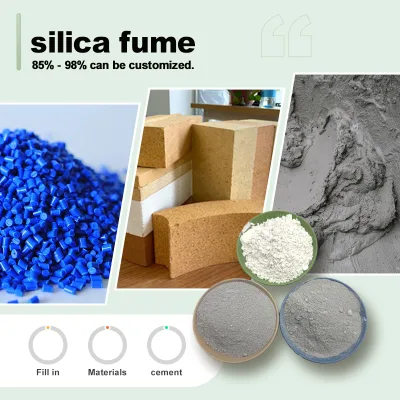
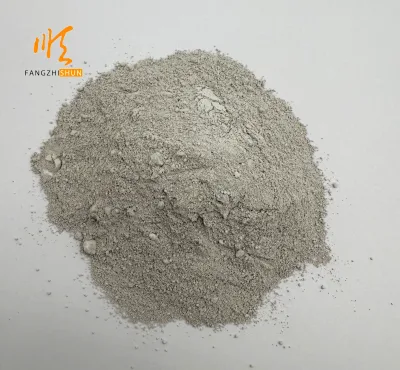
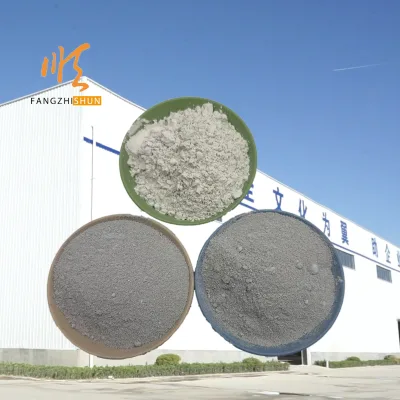
The market for silica fume in China presents a wide spectrum of product forms, ranging from gray or off-white powders to white silicon dioxide with high whiteness ratings. Observed listings reveal that products are often categorized by their primary application, such as cement additives, water treatment chemicals, or plastic auxiliary agents, with purity levels varying between 98% and 99.9%. Buyers should expect to encounter variations in bulk density and particle size, as some data points indicate an original particle size of about 12 nm while others list bulk densities around 40 g/L, necessitating a clear definition of the required physical state.
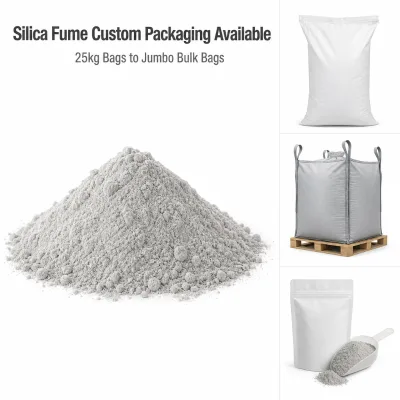
Commercial signals in the current market show significant variability in packaging and minimum order quantities, with single package sizes ranging from 10 kg paper bags to 25 kg bags and MOQs starting as low as one unit. The selling units are frequently listed as single items, which may indicate that suppliers are willing to accommodate small trial orders, though larger industrial contracts likely require different terms. Procurement teams must scrutinize the "Other Names" field, as terms like "Hydrophilic silica" or "Microsilica" may refer to the same chemical substance but imply different processing methods or surface treatments that affect performance in specific end-use scenarios.
Technical Specifications to Verify
When evaluating technical specifications, the chemical composition is the primary determinant of product suitability, with silicon dioxide (SiO2) content being the most critical metric. The provided data highlights a product with 95% SiO2 content and low impurities such as 1% Fe2O3 and 0.2% MgO, which are essential for high-strength concrete applications where iron content can cause discoloration or structural weakness. Buyers must verify that the specific batch they intend to purchase matches these purity thresholds, as the presence of other oxides like CaO at 0.1% can also influence the reactivity and setting time of the final cementitious mixture.
Physical properties such as hardness, melting point, and density provide further insight into the material's durability and processing requirements. Listings indicate a hardness of 9 and a melting point of 1750℃, suggesting a robust material capable of withstanding high-temperature environments, while a density of 2.65g/cm3 is standard for silica fume used in structural reinforcement. It is imperative to confirm the CAS number, as the data shows multiple entries including 68611-44-9 and 69012-64-2, which may correspond to different silica forms or hydration states that require distinct handling and storage protocols to maintain product integrity.
Compliance and Safety Documentation
Safety and compliance documentation for silica fume procurement must address the specific hazards associated with fine particulate matter, particularly regarding respiratory protection and dust control. While the supplied context mentions certifications like REACH and ISO standards, these are listed as low-confidence background information and should not be assumed as verified attributes for any specific supplier. Buyers must explicitly request current safety data sheets (SDS) that confirm the material is handled according to industrial safety standards, ensuring that the storage instructions, such as keeping the product in a cool, dry place, are strictly followed to prevent clumping or degradation.
Regulatory compliance extends to the grade standard, with available data specifying "Industrial Grade" and "Electron Grade" classifications that dictate the permissible impurity levels for different industries. For applications in integrated circuits or electronic components, the electron grade designation implies stricter controls on trace metals and particle size distribution compared to standard industrial cement additives. Procurement teams should verify that the supplier can provide documentation proving the product meets the specific grade standard required by the end-user's industry regulations, rather than relying on general claims of compliance without supporting test reports.
Cost Drivers and Commercial Terms
The pricing structure for silica fume is heavily influenced by the purity level, particle size, and the specific grade standard required for the application. Observed price ranges in the market span from $0.08 to $230, a variance that likely reflects differences between raw industrial grade material and highly purified electron-grade silicon dioxide. Buyers must understand that the lower end of this range typically corresponds to bulk industrial applications where minor impurities are acceptable, while the higher prices are associated with specialized grades used in electronics or high-performance coatings where strict quality control is mandatory.
Commercial terms such as minimum order quantity (MOQ) and packaging specifications play a significant role in the total cost of ownership and logistics planning. The data indicates an MOQ range of 1 to 500 units, offering flexibility for small-scale testing but potentially higher per-unit costs for larger orders if the supplier does not offer volume discounts. Additionally, the single gross weight of packages, ranging from 1.000 kg to 3.000 kg, affects shipping calculations and handling requirements, making it essential for buyers to calculate the total landed cost including freight, insurance, and customs duties before finalizing a purchase agreement.
Supplier Qualification and Quality Control
Supplier qualification for silica fume requires a rigorous assessment of the manufacturer's production capabilities and their ability to maintain consistent chemical and physical properties. The supplied facts list several brand names such as CHAOKUN, EV, and KEMELE, but these should be treated as observations rather than endorsements of specific quality levels. Buyers must verify the supplier's track record in producing materials with the specific model numbers and grade standards observed, ensuring that the production process includes adequate quality control measures to prevent batch-to-batch variability in SiO2 content and particle size.
Quality control protocols should include regular testing of key attributes like whiteness, bulk density, and chemical composition to ensure they remain within the specified tolerances. The data shows a whiteness rating of 90 and a purity of 99.9% for certain products, which are critical metrics for applications where visual appearance or chemical reactivity is paramount. Procurement teams should request third-party test reports that validate these attributes for the specific batch being purchased, rather than relying on general product descriptions, to mitigate the risk of receiving substandard material that could compromise the integrity of the final product.
Long-Term Procurement Checks
Establishing a long-term procurement strategy for silica fume involves continuous monitoring of supply chain stability and the supplier's ability to meet evolving technical requirements. Buyers should regularly review the supplier's adherence to the stated grade standards and verify that the place of origin remains consistent, as shifts in production location can introduce unforeseen variations in raw material quality. Maintaining a relationship with a supplier who can provide consistent documentation and adhere to the specified storage and handling guidelines is essential for ensuring the reliability of the supply chain over time.
Future procurement checks must also include an evaluation of the supplier's responsiveness to customization requests and their capacity to scale production as demand increases. The data indicates that customization is available for some products, suggesting that suppliers may be willing to adapt their offerings to meet specific project needs. However, buyers must ensure that any customizations are clearly defined in the contract and that the supplier has the technical expertise to execute these changes without compromising the core quality attributes of the silica fume, such as its refractive index or melting point.
FAQs
What is the purity level of industrial grade silica fume from China?
Industrial grade silica fume typically offers a purity of 98% to 99.9%. This high purity ensures effective performance in cement and concrete applications. Buyers should verify specific batch certificates to confirm the exact SiO2 content meets their project requirements for durability and strength enhancement.
Which specifications are available for silica fume model CH-352?
Model CH-352 features a refractive index of 2 and a hardness of 9. It contains 95% SiO2 with low Fe2O3 and MgO levels. This specification makes it suitable for specialized cement applications where high whiteness and chemical stability are required for optimal material performance.
Can suppliers customize silica fume packaging for bulk orders?
Yes, customization is available for packaging solutions. Standard options include 10 kg paper bags or 25 kg bags depending on the manufacturer. Buyers can request specific packaging configurations to suit their logistics needs, ensuring safe transport and efficient handling of the fine powder material during shipping.
What is the typical density of microsilica used in electronics?
Microsilica used in electronic applications generally has a density of 2.65g/cm3. This specific gravity is crucial for integrated circuit manufacturing and chemical applications. Buyers should confirm the electron grade standard to ensure the material meets the precise requirements for high-tech industrial processes.
Where are silica fume manufacturers primarily located in China?
Manufacturers are primarily located in Hebei and Jiangsu provinces. These regions host factories producing various grades including industrial and electron grade silica fume. Sourcing from these areas allows buyers to access established supply chains and competitive pricing for bulk chemical material orders.
What is the minimum order quantity for silica fume products?
The minimum order quantity ranges from 1 to 500 units depending on the supplier. Small trial orders may start at 1 unit, while larger industrial contracts often require higher volumes. Buyers should check specific supplier listings to determine the exact MOQ applicable to their desired product specifications.