Source China Mainland Copper Sulphate for Agriculture Industry Mining
Compare 30 listings for China Mainland Copper Sulphate with varying purity from 90% to 99% and industrial or agricultural grades. Buyers can review specifications like CAS 7758-99-8 and packaging options from suppliers in Hebei, China; compare the available evidence and request quotations based on your requirements.
Updated
Key considerations
Products List


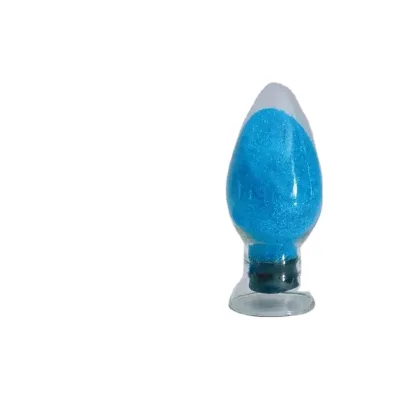
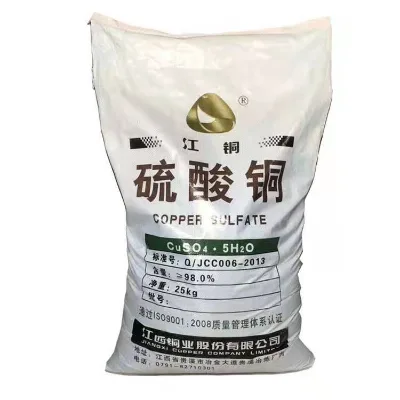
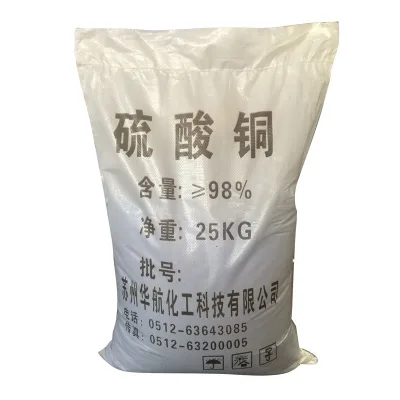
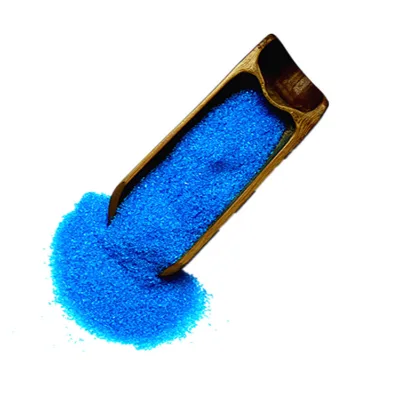
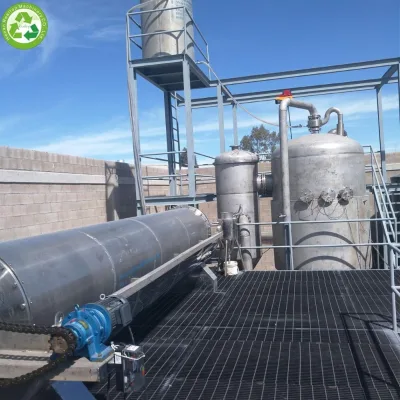
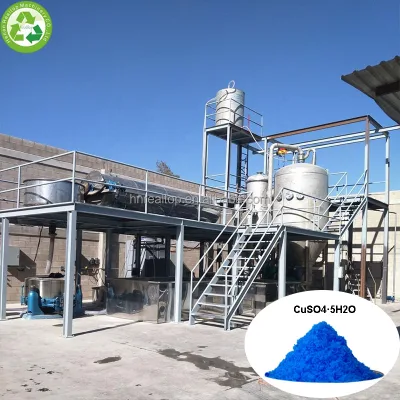
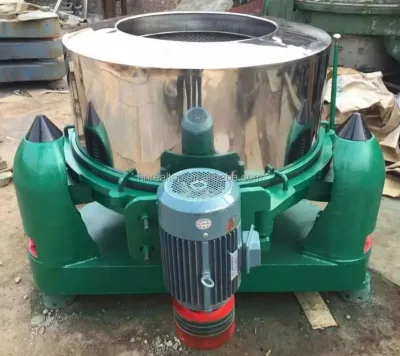
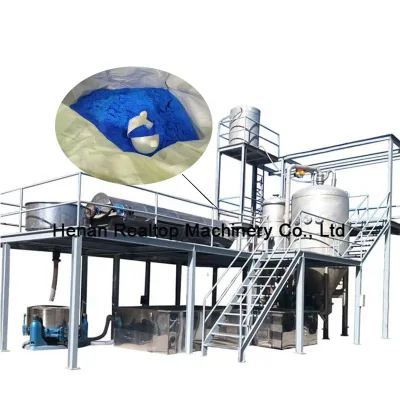
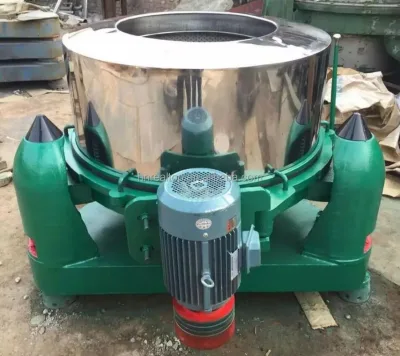
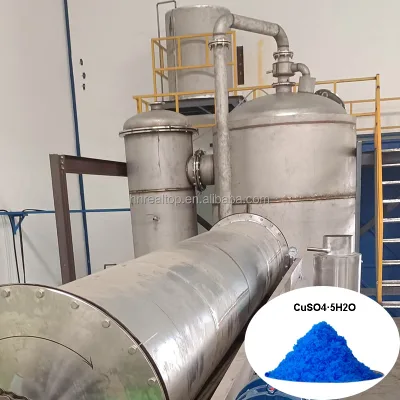


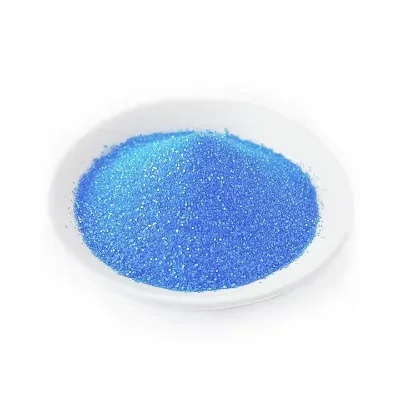
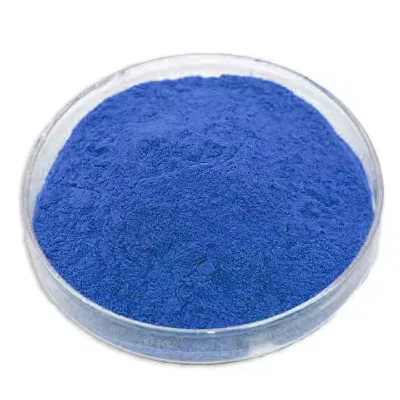
Water Treatment High Purity Copper Sulphate Best Price CuSO4 Free Sample
$240.00 - $280.00
MOQ: 20 metric
Comprehensive Sourcing Guide
China Mainland Copper Sulphate Sourcing Guide
Sourcing copper sulphate from China mainland suppliers requires a disciplined approach to verifying product specifications, compliance documentation, and commercial terms. This guide provides evidence-based procurement strategies for buyers seeking high-purity industrial, agricultural, or food-grade copper sulphate pentahydrate. By focusing on verified attributes such as purity levels, packaging standards, and origin locations, buyers can mitigate risks associated with inconsistent quality and regulatory non-compliance.
The following sections detail critical verification steps for technical specifications, safety documentation, and supplier qualification. Buyers are advised to cross-reference observed listing signals with actual product data to ensure alignment with their specific operational needs. This structured approach ensures that procurement decisions are grounded in factual product attributes rather than marketing claims, leading to more reliable supply chain outcomes.
Product Scope and Observed Listing Signals
Observed market listings for copper sulphate from China mainland sources indicate a diverse range of product grades, including industrial, agricultural, and food-grade classifications. Buyers should note that purity levels vary significantly, with observed specifications ranging from 90% to 99% minimum copper sulphate content. Some listings highlight specific copper content percentages, such as 25.2% or 25%, which are critical for applications requiring precise chemical composition. The appearance of the product is typically described as granular or powder, with colors ranging from blue to white or grayish-white, depending on the grade and processing method.
Packaging options observed in the market include 25kg woven bags with plastic lining, 25kg/Bag, and bulk options like 1200kg bags. These packaging variations cater to different logistical needs, from small-scale laboratory use to large-scale industrial applications. Buyers must verify the specific packaging requirements for their intended use, as improper packaging can lead to product degradation or contamination. Additionally, some listings mention customization availability, suggesting that suppliers may offer tailored solutions for specific purity or packaging needs, which should be confirmed through direct supplier communication.
Technical Specifications to Verify
Technical verification of copper sulphate products should focus on key attributes such as molar mass, density, and solubility. Observed data indicates a molar mass of approximately 249.685 g/mol and a density of 2.286 g/cm³, which are standard physical properties for copper sulphate pentahydrate. Solubility in water is a critical characteristic, ensuring the product's suitability for various applications, including electroplating and agriculture. Buyers should request detailed technical data sheets to confirm these properties, as variations can impact product performance in specific industrial processes.
Purity and grade standards are paramount in technical verification. Listings often specify grade standards such as industrial, agricultural, or food grade, with purity levels ranging from 90% to 99%. Buyers must ensure that the selected grade aligns with their application requirements, as food-grade products require stricter purity and safety standards compared to industrial grades. Additionally, verifying the CAS number (7758-99-8 or 7758-98-7) and EINECS number (231-847-6) is essential for accurate product identification and regulatory compliance.
Compliance and Safety Documentation
Compliance with international standards is crucial for importing copper sulphate from China. Observed certifications include ISO, RoHS, CIQ, and CCIC, which indicate adherence to quality management and environmental standards. Buyers should verify the validity and scope of these certifications, as they provide assurance of product quality and safety. RoHS compliance, in particular, is important for applications involving electronics or consumer goods, ensuring that the product meets restrictions on hazardous substances.
Safety documentation, including Material Safety Data Sheets (MSDS), is essential for handling and storage. Buyers must ensure that suppliers provide up-to-date MSDS documents, detailing handling precautions, storage conditions, and emergency response procedures. Proper storage in cool, dry places is recommended to maintain product stability and prevent degradation. Additionally, verifying the product's classification as a sulphate and understanding its potential hazards is critical for safe transportation and usage in industrial settings.
Cost Drivers and Commercial Terms
Cost drivers for copper sulphate procurement include purity levels, packaging requirements, and order quantities. Observed price ranges vary widely, reflecting differences in product grade and supplier pricing strategies. Buyers should consider the total cost of ownership, including shipping, handling, and potential tariffs, rather than focusing solely on the unit price. Minimum Order Quantities (MOQs) observed in the market range from 1 to 20 units, offering flexibility for small-scale buyers while potentially offering volume discounts for larger orders.
Commercial terms such as payment methods, delivery times, and sample availability are critical for successful procurement. Some suppliers offer free samples, allowing buyers to test product quality before committing to large orders. Buyers should negotiate clear terms regarding delivery schedules and quality assurance protocols to mitigate risks associated with supply chain disruptions. Understanding the supplier's advantage, such as favorable pricing or customization capabilities, can also influence procurement decisions and long-term supplier relationships.
Supplier Qualification and Quality Control
Supplier qualification involves assessing the supplier's reputation, production capabilities, and quality control processes. Buyers should prioritize suppliers with verified certifications and a track record of consistent product quality. Observing supplier locations, such as Hebei, China, can provide insights into regional manufacturing strengths and logistical advantages. Buyers should request references or case studies to evaluate the supplier's experience in supplying copper sulphate to similar industries.
Quality control measures, including pre-shipment inspections and third-party testing, are essential for ensuring product consistency. Buyers should establish clear quality acceptance criteria and request detailed inspection reports before finalizing orders. Collaborating with suppliers on continuous improvement initiatives can enhance product quality and reliability over time. Additionally, verifying the supplier's ability to provide customization and meet specific purity or packaging requirements is crucial for long-term procurement success.
Long-Term Procurement Checks
Long-term procurement success requires regular audits and performance evaluations of suppliers. Buyers should establish key performance indicators (KPIs) to monitor product quality, delivery reliability, and customer service. Regular communication with suppliers can help identify potential issues early and foster a collaborative relationship. Buyers should also stay informed about regulatory changes and market trends that may impact copper sulphate procurement, ensuring that their sourcing strategies remain aligned with industry best practices.
Continuous improvement in procurement processes, including supplier diversification and risk management, is essential for mitigating supply chain disruptions. Buyers should consider developing contingency plans for potential supply shortages or quality issues. Additionally, leveraging technology for supply chain visibility and data analytics can enhance decision-making and operational efficiency. By maintaining a proactive approach to supplier management, buyers can ensure a stable and reliable supply of high-quality copper sulphate for their operations.
FAQs
What certifications are available for copper sulphate from China?
Suppliers typically provide ISO, RoHS, CIQ, and CCIC certifications for their copper sulphate products. These documents verify that the manufacturing processes and final materials meet international quality and safety standards. Buyers should request these certificates to ensure compliance with their specific regulatory requirements and supply chain audits.
What is the typical purity range for industrial copper sulphate?
The standard purity for industrial copper sulphate ranges from 90% to 99%. Some specific grades offer a minimum purity of 99%, while others may list 96% or 98% as standard options. The copper content is generally around 25.2%, ensuring the material meets the necessary chemical specifications for various industrial applications.
How is copper sulphate packaged for shipping and storage?
Products are commonly packed in 25kg woven bags with plastic lining or standard 25kg bags. Larger shipments may utilize 1200kg bags for efficiency. The packaging is designed to maintain product integrity during transit. Storage should occur in a cool, dry place to prevent moisture absorption, as the substance dissolves easily in water.
Can buyers request customization for copper sulphate specifications?
Yes, customization is available for many copper sulphate orders. Buyers can often specify desired purity levels, such as 90%, 96%, 98%, or 99% minimum. Packaging requirements and specific grade standards, including industrial or agricultural grades, can also be tailored to meet unique operational needs or regulatory constraints in different markets.
What is the minimum order quantity for copper sulphate?
The minimum order quantity typically ranges from 1 to 20 units, depending on the supplier and specific product configuration. This flexibility allows buyers to test samples or place smaller initial orders. Larger quantities are available for bulk industrial needs, with pricing and lead times often adjusted based on the total volume ordered.
Where is the primary origin of this copper sulphate?
The primary place of origin is Hebei, China. This region is a known hub for chemical manufacturing and distribution. Buyers sourcing from this location benefit from established supply chains and competitive pricing. The products are exported globally, meeting various international standards and certifications required for cross-border trade and industrial use.