Source Fruity Soy Wax Scented Candles for Home, Yoga, and Travel
Find 30 Fruity Soy Wax Scented Candle options from China. Compare features like burn time, scent strength, and container materials to select the right supply for home decor, yoga sessions, or travel needs; compare the available evidence and request quotations based on your requirements.
Updated
Key considerations
Products List


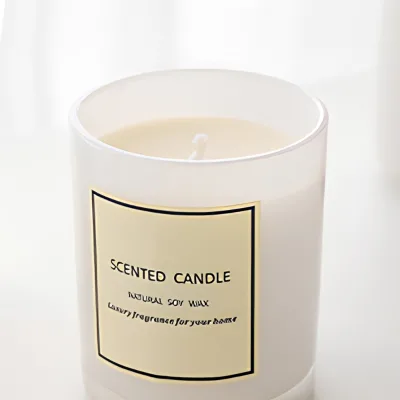


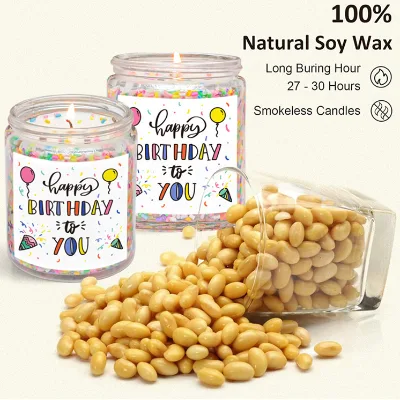
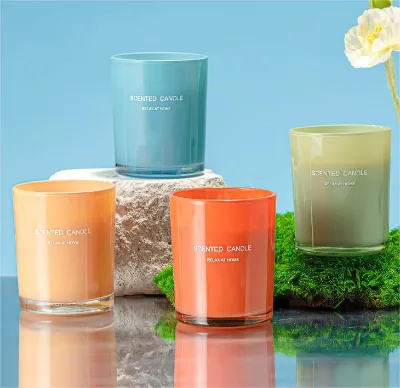


Premium Neutral Scented Candle Black Glass Candle Soy Wax Scented Candle
$1.24 - $1.39
MOQ: 100 Pieces




Comprehensive Sourcing Guide
Fruity Soy Wax Scented Candle Sourcing Guide
Sourcing fruity soy wax scented candles requires a careful balance between aesthetic appeal, functional performance, and supply chain reliability. Buyers must navigate a market where product attributes vary significantly across listings, from container materials to burn times. The core keyword highlights a specific niche where natural wax bases meet vibrant, fruit-inspired fragrances, appealing to consumers seeking both ambiance and a fresh olfactory experience. Understanding the observed listing signals is the first step in filtering viable suppliers from those with inconsistent or misleading product data.
Procurement teams should focus on verifying the specific characteristics that define quality in this category, such as wax composition, wick type, and scent strength. The observed data indicates a range of options, including soybean wax blends and cotton wicks, with burn times varying from eight to twenty-four hours. By anchoring decisions in these tangible specifications, buyers can avoid common pitfalls associated with vague product descriptions. This guide provides a structured approach to evaluating suppliers, ensuring that the final product meets both functional requirements and brand standards for consistency and safety.
Product Scope and Observed Listing Signals
The observed product scope for fruity soy wax scented candles reveals a diverse array of configurations available in the current market. Listings indicate that products are often categorized under broader types such as soy wax scented candles or jar candles, with specific models like bv and candle appearing in the data. The material composition frequently cites soybean wax, which is a key differentiator for buyers seeking cleaner-burning alternatives to paraffin. Additionally, the presence of glass containers in some listings suggests a premium segment, while others may utilize different vessel materials, requiring careful verification of the exact product specifications before placing orders.
Fragrance profiles and usage scenarios further define the scope, with fruity scents being a prominent feature alongside other options like lemon, lavender, and frankincense. The intended applications span from home decor and meditation to travel and odor removal, indicating versatility in end-use. Buyers should note that while some listings highlight a moderate scent strength, others may imply stronger diffusion depending on the fragrance percentage, which is observed at 3% in some cases. Understanding these variations helps in aligning product selection with target market preferences, ensuring that the chosen candles deliver the expected sensory experience and functional benefits for the end consumer.
Technical Specifications to Verify
Technical verification begins with confirming the physical dimensions and weight parameters, which directly impact packaging efficiency and shipping costs. Observed sizes range from small formats measuring 3 to 6 inches to specific dimensions like 8 by 25 centimeters, with wax weights noted at 140 grams and gross weights at 310 grams. Buyers must ensure that the supplier provides precise measurements for both the candle itself and the container, as discrepancies can lead to inventory management issues. Additionally, the processing method, whether mold or filling, affects the final product's finish and consistency, so verifying the manufacturing process is essential for maintaining quality control standards.
Burn time and wick type are critical performance indicators that require explicit confirmation from the supplier. While some listings suggest burn times of eight, ten, or even twenty-four hours, these figures can vary based on wax composition and wick quality. The wick type is often specified as cotton, which is standard for clean burning, but buyers should request test data or samples to validate these claims. Furthermore, the fragrance percentage, observed at 3% in some cases, influences the scent throw and longevity, so verifying this ratio ensures that the product meets the desired intensity levels for the target market.
Compliance and Safety Documentation
Compliance and safety documentation are paramount when sourcing scented candles, as they involve flammable materials and chemical fragrances. Buyers must request safety data sheets and test reports that verify the candle meets relevant fire safety standards, such as those governing burn stability and container integrity. Although specific certification statuses like ISO 9001 are mentioned in background contexts, buyers should not assume compliance without direct verification from the supplier. It is crucial to ensure that the supplier can provide up-to-date documentation that confirms the product's adherence to international safety regulations, particularly for markets with strict consumer protection laws.
In addition to safety standards, buyers should verify the regulatory compliance of the fragrance ingredients used in the fruity soy wax candles. This includes ensuring that the fragrances are free from restricted substances and comply with labeling requirements in the destination market. The supplier should be able to provide ingredient lists and safety assessments for the scents, such as the fruity notes observed in the listings. By prioritizing these documentation checks, buyers can mitigate risks associated with product recalls or regulatory penalties, ensuring a smooth entry into the market and maintaining consumer trust in the brand's safety and quality standards.
Cost Drivers and Commercial Terms
Cost drivers for fruity soy wax scented candles include raw material prices, manufacturing complexity, and packaging requirements. The use of soybean wax and glass containers can influence the base cost, while the fragrance percentage and scent complexity add to the material expenses. Buyers should analyze the cost structure to understand how these factors impact the final price, noting that observed price ranges in the market vary from 0.5 to 10 USD per unit. Understanding these drivers helps in negotiating favorable terms and identifying opportunities for cost optimization without compromising on quality or safety standards.
Commercial terms, including minimum order quantities and lead times, are critical for supply chain planning. Observed minimum order quantities range from 20 to 1000 pieces, with some listings specifying 500 pieces as a standard MOQ. Buyers must align their order volumes with these requirements to avoid excess inventory or production delays. Additionally, lead times can vary based on the supplier's capacity and the customization options requested, such as specific scents or packaging designs. Establishing clear commercial terms and maintaining open communication with the supplier ensures that production schedules are met and that the supply chain remains resilient to potential disruptions.
Supplier Qualification and Quality Control
Supplier qualification involves a thorough assessment of the manufacturer's capabilities, including their production processes and quality control systems. Buyers should verify that the supplier has experience in producing soy wax candles and can consistently meet the specified technical requirements. This includes checking their facility for proper handling of raw materials and adherence to good manufacturing practices. The observed processing methods, such as mold and filling, should be evaluated for their ability to produce uniform and high-quality products. By conducting on-site audits or requesting detailed process documentation, buyers can gain confidence in the supplier's ability to deliver consistent results.
Quality control measures must be established to ensure that each batch of fruity soy wax candles meets the agreed-upon standards. This includes implementing incoming material inspections, in-process checks, and final product testing for burn performance and scent accuracy. Buyers should define clear acceptance criteria for attributes such as wax color, fragrance strength, and container integrity. Regular quality audits and feedback loops with the supplier help in identifying and addressing any deviations promptly. By prioritizing rigorous quality control, buyers can maintain product consistency and protect their brand reputation in the competitive scented candle market.
Long-Term Procurement Checks
Long-term procurement checks focus on sustaining supplier performance and adapting to market changes over time. Buyers should establish regular review cycles to assess the supplier's reliability, including on-time delivery rates and product quality trends. This ongoing monitoring helps in identifying potential issues early and fostering a collaborative relationship with the supplier. Additionally, buyers should stay informed about changes in raw material costs and regulatory requirements that may impact the production of fruity soy wax candles. By maintaining a proactive approach to supplier management, buyers can ensure a stable and efficient supply chain that supports their business growth.
Continuous improvement initiatives should be encouraged to enhance product offerings and operational efficiency. Buyers can work with suppliers to explore new fragrance innovations or sustainable packaging solutions that align with evolving consumer preferences. Regular communication and joint planning sessions can facilitate the introduction of new products and the optimization of existing ones. By fostering a partnership based on mutual trust and shared goals, buyers can leverage the supplier's expertise to stay competitive in the market. This long-term perspective ensures that the procurement strategy remains agile and responsive to changing business needs and market dynamics.
FAQs
What materials are used in these scented candles?
These candles are crafted from soybean wax, providing a clean burn suitable for home decor and yoga. The wicks are made of cotton to ensure steady combustion. Some variants feature glass containers, while others are jar types. The wax color is naturally white, and the scent strength is moderate, making them ideal for meditation and fresh air needs.
Can these candles be customized for specific brands?
Yes, customization is available for these fruity soy wax scented candles. Buyers can request specific packaging options, such as standard export cartons with damp-proof bags or cartons containing 70 pieces. The products originate from Zhejiang, China, and support various usage scenarios including travel, odor removal, and beauty applications, allowing for tailored sourcing solutions.
What is the typical burn time for these candles?
The burn time varies by model, with some candles lasting up to 8 hours and others up to 10 hours or 24 hours. These durations depend on the specific product model and wax weight, such as 140g variants. The moderate scent strength ensures a pleasant aroma throughout the burning period, suitable for prayer rooms, gyms, and cars.
What scents are available for these soy wax candles?
Available scents include fruity options like lemon, as well as lavender, frankincense, vanilla, rose, ocean, and jasmine. The fruity fragrance profile is highlighted in several models. These scents are designed for uses such as health care, decoration, and everyday use, providing a tranquilizing effect and fresh air enhancement for various indoor environments and personal care routines.
What is the minimum order quantity for these candles?
The minimum order quantity is 500 pieces for certain models, while other listings indicate ranges between 20 and 1000 pieces. This flexibility allows buyers to test market demand or place larger bulk orders. The products are packed in cartons, with specific counts like 70 pieces per carton, facilitating efficient logistics and storage for international trade transactions.
Where are these fruity soy wax candles manufactured?
These candles are manufactured in Zhejiang, China. The production process involves molding and filling techniques to create soy wax scented candles. The origin ensures access to established supply chains for soybean wax and cotton wicks. This location supports the production of various sizes, from small to medium, catering to global demand for home lighting and decorative items.