Source Door And Window Aluminum Profile for Building, Doors, Windows
Explore 30 verified options for Door And Window Aluminum Profile suitable for building, doors, and windows. Compare specifications like alloy grade, surface finishing, and customization availability from suppliers in China; compare the available evidence and request quotations based on your requirements.
Updated
Key considerations
Products List


High Quality Aluminum Profile for Doors and Windows, Door Profiles Aluminum
$3000.00 - $3500.00
MOQ: 500 kg


Extrusion Custom Quality Aluminum Profile for Aluminium Window and Door
$3000.00 - $3500.00
MOQ: 500 kg

Factory Customize Aluminum Profiles Extrusion Profiles for Door and Window
$3000.00 - $3500.00
MOQ: 500 kg

Aluminum Profile for Doors and Windows Frame Profile Window with Best Price
$3000.00 - $3500.00
MOQ: 500 kg


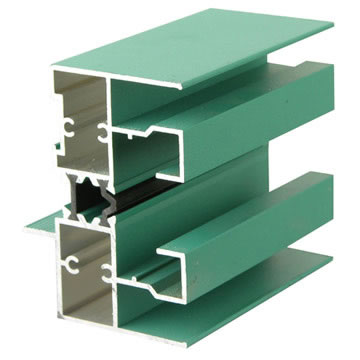

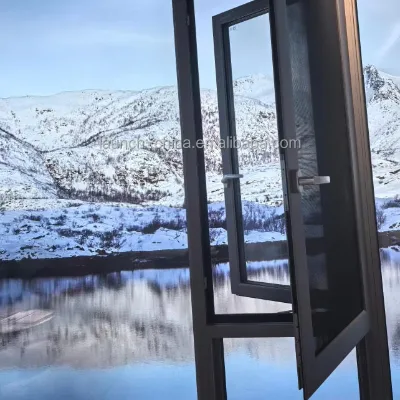
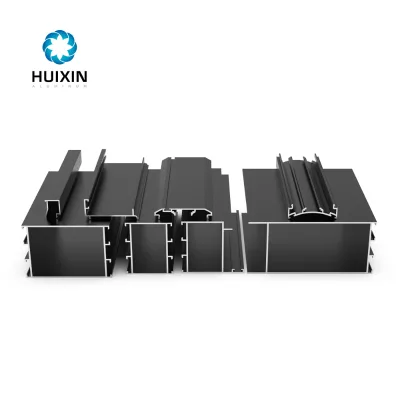


Aluminum Frame Profile Aluminium Door Window Profiles Extrusion Profile
$3100.00 - $3300.00
MOQ: 25 Tons


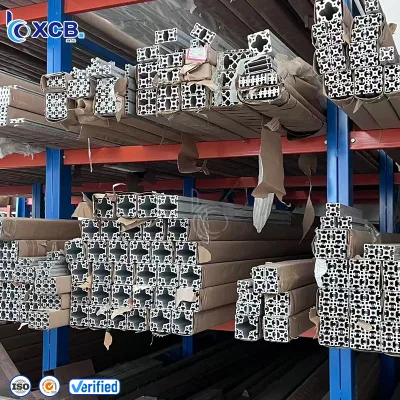

Comprehensive Sourcing Guide
Door And Window Aluminum Profile Sourcing Guide
Sourcing door and window aluminum profiles requires a disciplined approach to verifying material integrity, dimensional accuracy, and surface finish quality. Buyers must navigate a market where product attributes vary significantly across suppliers, necessitating strict adherence to observed specifications rather than general assumptions. The following guide outlines the critical verification steps for procurement professionals seeking reliable industrial and architectural aluminum solutions.
This document synthesizes available product-page facts and web-search context to provide actionable procurement advice. It focuses on tangible evidence such as alloy grades, temper conditions, and certification statuses. By aligning purchasing decisions with these verified data points, buyers can mitigate supply chain risks and ensure that the final installed products meet structural and aesthetic requirements.
Product Scope and Observed Listing Signals
The observed market for door and window aluminum profiles encompasses a wide range of industrial, decorative, and transport applications. Listings indicate that products are available in various series, including the 70 Series and 90 Series, which cater to specific architectural needs. The material composition is predominantly aluminum alloy, with specific grades like 6063 and 6061 frequently cited as the base material for these profiles.
Surface finishing options are diverse, ranging from mill finish and anodizing to powder coating and wood-grain transfer. Colors such as silver, white, black, champagne, and brown are commonly offered to match design aesthetics. Buyers should verify that the chosen surface treatment aligns with the environmental conditions of the installation site, as finishes like powder spraying provide enhanced durability against weathering and corrosion.
Technical Specifications to Verify
Dimensional accuracy is paramount when sourcing aluminum profiles for construction projects. The observed diameter range spans from 5mm to 220mm, allowing for versatile design applications. Lengths are typically available in standard sizes such as 2m, 3m, 5m, and 6m, or can be customized up to 8m based on customer requirements. It is essential to confirm that the supplier can maintain tight tolerances across these varying lengths to ensure seamless assembly.
Alloy composition and temper conditions directly influence the mechanical properties of the profiles. The 6000 Series alloys, including models like 6060, 6061, 6063, and 7075, offer a balance of strength and workability. Temper grades such as T3 and T5 are commonly specified, providing the necessary hardness for window and door frames. Buyers must request mill test reports to verify that the actual alloying ingredients match the declared specifications.
Compliance and Safety Documentation
Certification status serves as a primary indicator of a supplier’s commitment to quality management systems. Many observed listings highlight compliance with CE and ISO standards, including ISO 9001:2008 and SGS certifications. These credentials suggest that the manufacturing processes are monitored and audited, reducing the risk of inconsistent product quality. Buyers should request valid certification documents to ensure they remain current and applicable to the specific products being ordered.
Standards such as SGS and BV are frequently mentioned as benchmarks for quality verification. Additionally, some contexts reference EN 14351-1, which pertains to window and door performance criteria. While specific standard adherence should be confirmed with the supplier, the presence of these references indicates a focus on international quality benchmarks. Procurement teams should ensure that all documentation is translated and legally valid in the destination country.
Cost Drivers and Commercial Terms
Pricing for aluminum profiles is influenced by raw material costs, processing complexity, and order volume. The observed price range in USD spans from $1 to $4,156, reflecting the diversity of product types and quantities. Minimum order quantities (MOQ) typically range from 1 to 500 units, offering flexibility for both small trials and large-scale projects. Buyers should negotiate pricing based on total tonnage or linear meterage to achieve better economies of scale.
Delivery times and payment terms are critical components of the commercial agreement. A common lead time observed is 25 days, though this can vary based on customization requirements and production capacity. Suppliers with a monthly production capability of 4,000 tons, such as those under the Tengyu brand, may offer more reliable scheduling for large orders. Clear definition of Incoterms and packaging standards, such as export wooden pallets or PE film protection, is essential to prevent damage during transit.
Supplier Qualification and Quality Control
Evaluating supplier capabilities involves assessing their manufacturing processes and quality control measures. Advanced deep processing techniques like CNC, drilling, milling, cutting, and welding are available to meet custom design needs. Buyers should verify that the supplier has the technical expertise to execute these processes accurately, ensuring that complex profiles meet precise engineering drawings. Factory audits can provide insights into the efficiency and consistency of these operations.
Packaging standards play a crucial role in protecting profiles during shipping. Common practices include the use of export standard wooden pallets, PE film, PVC film, PE foam, craft paper, and carton boxes. These measures help prevent scratches and deformation, which are common issues with aluminum surfaces. Buyers should specify packaging requirements in the purchase order to ensure that the products arrive in pristine condition, ready for installation.
Long-Term Procurement Checks
Establishing a long-term relationship with aluminum profile suppliers requires ongoing performance monitoring. Regular quality audits and sample testing should be conducted to ensure consistency over time. Buyers should track defect rates and delivery performance to identify potential issues early. Maintaining open communication with the supplier regarding any changes in alloy composition or surface treatment processes is vital for maintaining product integrity.
Continuous improvement initiatives should be encouraged to enhance product performance and cost efficiency. Suppliers may offer new models or improved finishes, such as enhanced wood-grain transfer techniques, which can add value to the final product. Buyers should stay informed about industry trends and technological advancements to make informed decisions. By fostering a collaborative partnership, procurement teams can secure a reliable supply of high-quality door and window aluminum profiles.
FAQs
What certifications do the aluminum profiles have?
The profiles hold CE and ISO certifications, including ISO9001:2008 verified by SGS. These standards ensure quality management and product safety for industrial and window applications. Buyers can rely on these documented certifications for compliance in various international markets without needing additional third-party verification.
Which alloy grades are available for these profiles?
Available alloy grades include the 6000 Series, specifically 6061, 6063, 7075, and 6082. These materials are selected for their strength and corrosion resistance. The specific grade depends on the application, such as window doors or heat sinks, ensuring optimal performance for structural and decorative needs.
Can I request custom sizes and lengths for orders?
Yes, customization is available with lengths ranging from 1 meter to 8 meters or as required. The diameter can also be customized between 5mm and 220mm. This flexibility allows buyers to meet specific project dimensions without needing secondary processing, streamlining the installation process significantly.
What surface finishing options are offered for the profiles?
Surface finishing includes powder spraying, anodizing, mill finish, and wood-grain transfer. These treatments provide durability and aesthetic variety in colors like silver, white, black, and brown. The choice depends on the desired look and environmental exposure, ensuring the profile suits both indoor and outdoor applications effectively.
How long is the delivery time for standard orders?
The standard delivery time is approximately 25 days after order confirmation. This timeline applies to typical production runs and may vary based on customization requirements. Buyers should plan their project schedules accordingly to ensure timely receipt of materials for construction or manufacturing projects.
Where are these aluminum profiles manufactured and shipped from?
Profiles originate from manufacturing facilities in Henan and Guangdong, China. The products are packed using export standard wooden pallets or factory standard packing to ensure safe transit. This location allows for efficient logistics and competitive shipping rates to international destinations for bulk industrial orders.
What is the minimum order quantity for purchasing profiles?
The minimum order quantity ranges from 1 unit up to 500 units depending on the specific product and configuration. Trial orders are accepted, allowing buyers to test quality before committing to larger volumes. This flexibility supports both small-scale projects and large industrial procurement needs effectively.