Source China Molybdenum for Thermal Power, Metallurgy, and Industry
Compare 30 verified listings for China Molybdenum products including rods, powders, and targets. Buyers can evaluate purity, dimensions, and specifications from suppliers in Hunan and Henan for industrial applications; compare the available evidence and request quotations based on your requirements.
Updated
Key considerations
Products List
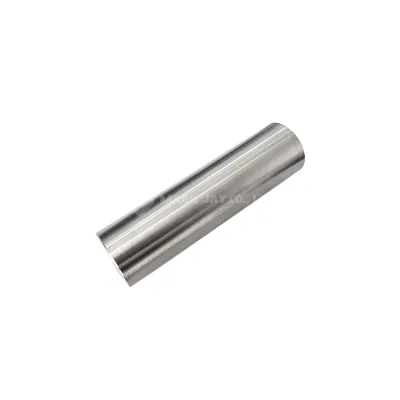
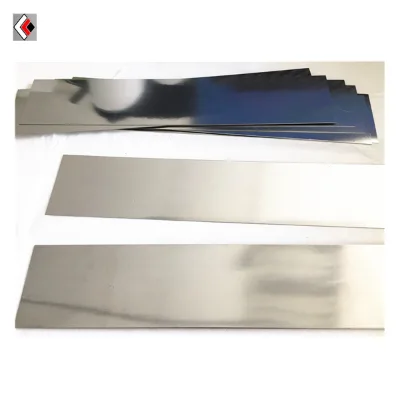
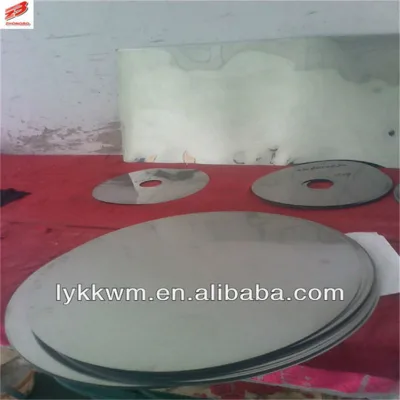
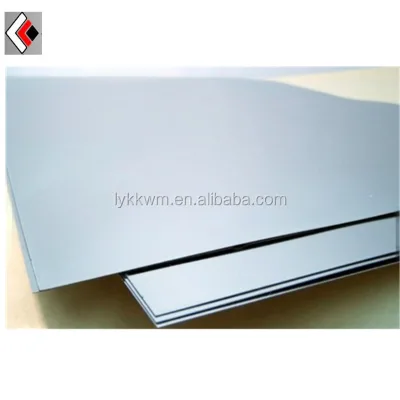
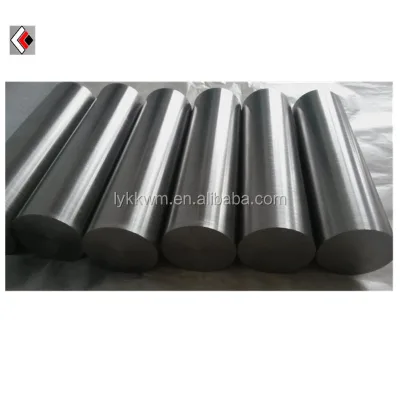
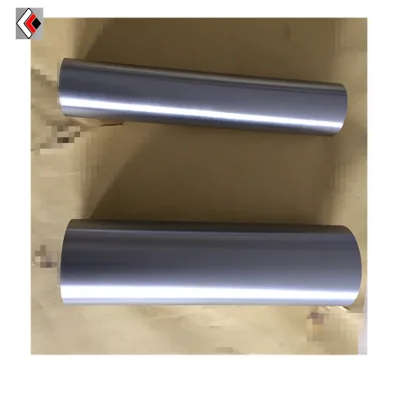


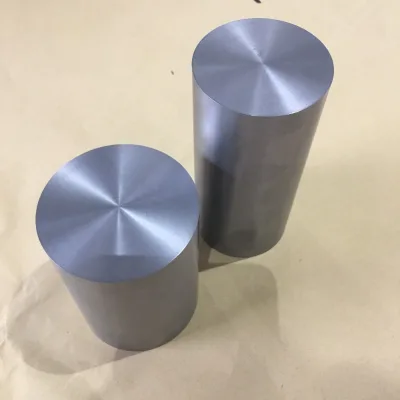
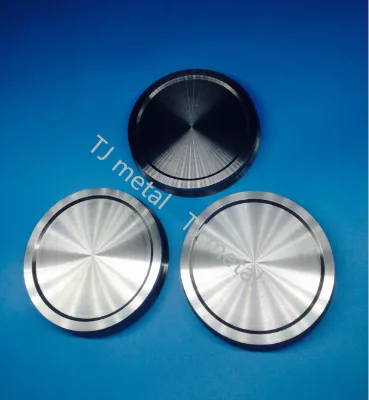
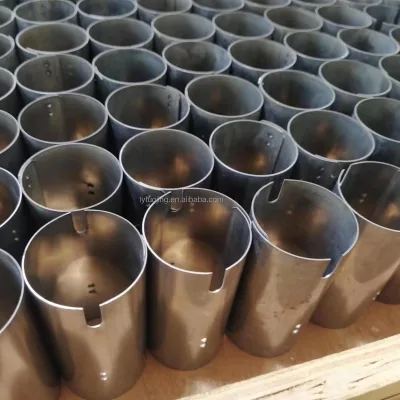
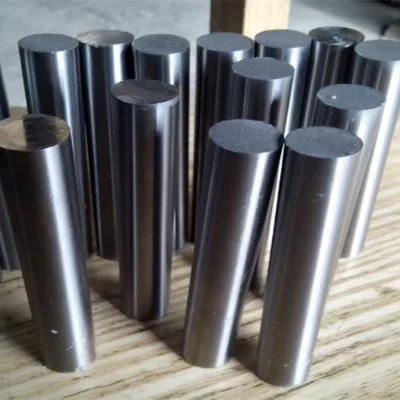
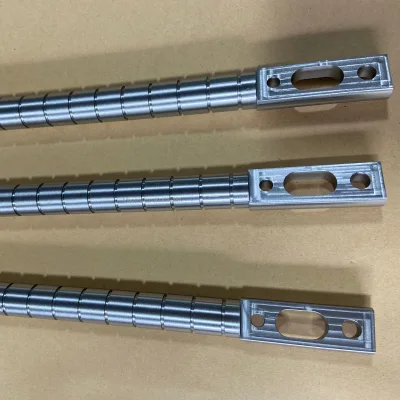
Molybdenum Alloy Electrode Mo-la Electrode Molybdenum Lanthanum Electrode
$51.7274 - $72.4178
MOQ: 10 Minimum

Comprehensive Sourcing Guide
China Molybdenum Sourcing Guide
Sourcing molybdenum products from China requires a disciplined approach to verifying material purity, processing methods, and supplier capabilities. The market offers a diverse range of items, from high-purity rods and targets to ferromolybdenum powders and alloy ingots. Buyers must navigate varying standards such as ASTM B386 and GB, ensuring that the selected product aligns with specific industrial requirements. This guide provides evidence-based insights to help procurement professionals make informed decisions while avoiding common pitfalls associated with material specification mismatches.
Understanding the distinct product categories is essential for effective sourcing. Listings indicate products ranging from 99.95% pure molybdenum rods to TZM molybdenum targets and ferromolybdenum powders. Each category serves different industrial needs, from metallurgical machinery to thermal power plants. Procurement teams should clearly define their application requirements before engaging with suppliers, as the processing methods, such as cold rolling or powder production, significantly impact the final product's performance and suitability for end-use applications.
Product Scope and Observed Listing Signals
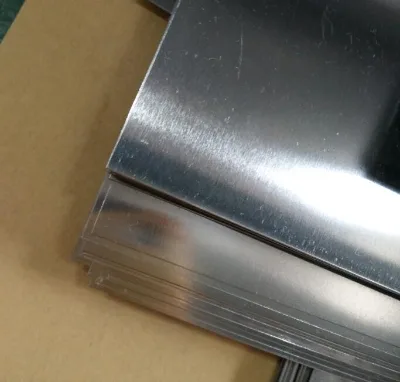
The observed product landscape includes polished 99.95% pure molybdenum rods, TZM molybdenum targets, and ferromolybdenum powders with varying granularities. Listings show materials originating from Hunan and Henan provinces, with some products specified for global markets. The shape attributes vary significantly, including sheets, rods, and powders, indicating a broad manufacturing capability. Buyers should note that while some products are described as sheets, others are explicitly rods or powders, requiring careful attention to the specific shape attribute for each item to ensure compatibility with existing manufacturing processes.
Price and minimum order quantity (MOQ) ranges observed in the market are wide, reflecting the diversity of product types and purity levels. Prices range from approximately $4.93 to over $47,000, while MOQs vary from 1 to 3,000 units. This variance suggests that buyers can find options for both small-scale testing and large-volume industrial procurement. However, the wide price range necessitates a thorough comparison of specifications, as lower prices may correspond to different purity levels, such as 99.5% versus 99.95%, or different forms like ingots versus precision rods.
Technical Specifications to Verify
Verifying material composition is critical, as listings specify purities such as 99.95% minimum for molybdenum rods and ferromolybdenum powders with content levels around 60% or 55%. Density values are also key indicators, with observed values around 10.2 g/cm³ for pure molybdenum and ≥10.15 g/cm³ for other variants. Buyers must confirm these physical properties through supplier documentation or third-party testing, as deviations can impact the performance of components in high-temperature or high-stress environments. The melting point of molybdenum is noted as 2610°C, a crucial parameter for applications involving thermal stress.
Processing methods and surface finishes also require verification. Some products are described as cold-rolled and polished, while others are presented as powders with specific mesh sizes, such as -60 mesh or -80 mesh. Granularity for powders can range from 1-3.5μm to 60-200 mesh, and ingot sizes may vary from 10-50mm to 1-100mm. Buyers should ensure that the processing method aligns with their manufacturing needs, as cold-rolled sheets may offer different mechanical properties compared to cast ingots or fine powders used in sintering processes.
Compliance and Safety Documentation
Standards compliance is a primary concern, with listings referencing ASTM B386, GB standards, and ISO9001:2015 quality management systems. Buyers must verify which specific standards apply to their purchased items, as ASTM and GB standards may have different testing protocols and acceptance criteria. The presence of ISO9001:2015 indicates a supplier's commitment to quality management, but it does not guarantee that every product batch meets specific material standards. Procurement teams should request certificates of analysis (CoA) that explicitly reference the applicable standard for the specific material grade being purchased.
Packaging and labeling requirements are also important for compliance and logistics. Products are described as being packed in steel drums with inner plastic bags, vacuum-packed in iron drums, or packed in buckets on plates. These packaging methods are designed to protect the material from contamination and moisture, which is particularly critical for high-purity molybdenum and ferromolybdenum powders. Buyers should ensure that the packaging specifications meet their storage and handling requirements, and that labeling includes all necessary information, such as material grade, batch number, and net weight, to facilitate traceability and regulatory compliance.
Cost Drivers and Commercial Terms
Several factors influence the cost of molybdenum products, including purity level, processing complexity, and packaging requirements. Higher purity levels, such as 99.95%, typically command higher prices compared to lower purity variants. Additionally, specialized processing methods like cold rolling or the production of fine powders with specific mesh sizes can increase manufacturing costs. Buyers should consider the total cost of ownership, including shipping and handling, as packaging choices can impact logistics costs and product protection during transit.
Commercial terms, including MOQ and lead times, vary significantly across suppliers and product types. Observed MOQs range from 1 to 3,000 units, allowing for flexibility in order sizes. However, buyers should negotiate terms that align with their inventory management strategies and production schedules. It is advisable to clarify lead times and payment terms upfront, as these can impact cash flow and supply chain reliability. Understanding the cost drivers and commercial terms helps buyers make informed decisions that balance cost efficiency with supply chain stability.
Supplier Qualification and Quality Control
Supplier qualification involves verifying the manufacturer's capabilities and quality control processes. Listings indicate origins in Hunan and Henan provinces, with some suppliers offering customization services. Buyers should assess the supplier's ability to meet specific technical requirements, such as custom dimensions or specific purity levels. Requesting samples and conducting independent testing is a recommended step to verify material properties before placing large orders. This due diligence helps mitigate the risk of receiving products that do not meet specified standards.
Quality control measures should be clearly defined in the purchase agreement. Buyers should inquire about the supplier's testing protocols, including how they verify purity, density, and granularity. For powder products, ensuring consistent mesh size distribution is crucial for applications like metal smelting. Suppliers with ISO9001:2015 certification may have more robust quality management systems, but buyers should still request specific test reports for each batch. Establishing clear quality acceptance criteria and inspection procedures helps ensure that the received products meet the required specifications.
Long-Term Procurement Checks
Long-term procurement success depends on establishing a reliable supply chain and maintaining consistent quality. Buyers should monitor supplier performance over time, tracking metrics such as on-time delivery, product consistency, and responsiveness to issues. Regular audits of supplier facilities and quality control processes can help identify potential risks early. Building a strong relationship with suppliers can also facilitate better communication and problem-solving, ensuring that any deviations from specifications are addressed promptly.
Continuous market monitoring is essential to stay informed about price trends and technological advancements in molybdenum products. Buyers should regularly review their sourcing strategies to ensure they are leveraging the best available options. Engaging with multiple suppliers can provide competitive pricing and reduce dependency on a single source. Additionally, staying updated on industry standards and regulations helps ensure that procurement practices remain compliant and aligned with evolving market demands, supporting long-term operational efficiency and cost-effectiveness.
FAQs
What is the purity of polished molybdenum rods from China?
Polished molybdenum rods typically offer a minimum purity of 99.95%. These products are often manufactured using cold rolling processes to achieve a polished surface finish. The material density is generally around 10.2g/cm³, ensuring high quality for industrial applications requiring precise material specifications and consistent performance standards.
Which standards apply to molybdenum products manufactured in China?
Molybdenum products from China often comply with international standards like ASTM B386 or domestic standards such as GB. Manufacturers may also adhere to ISO9001:2015 for quality management. These standards ensure that the material meets specific mechanical and chemical requirements, providing buyers with confidence in the product's reliability and consistency for various industrial uses.
Can I customize the dimensions of molybdenum sheets or rods?
Yes, customization is available for many molybdenum products, including sheets and rods. Buyers can request specific dimensions tailored to their project needs. This flexibility allows for precise fitting in applications such as thermal power plants or metallurgical machinery. Suppliers typically accommodate these requests to ensure the final product meets exact engineering specifications.
What is the melting point of pure molybdenum material?
Pure molybdenum has a high melting point of approximately 2610 degrees Celsius. This property makes it ideal for high-temperature applications in industries like construction machinery and cement plants. The material retains its strength and structural integrity even under extreme heat, ensuring durability and safety in demanding industrial environments where thermal resistance is critical.
How is ferromolybdenum powder packaged for international shipping?
Ferromolybdenum powder is typically packed in steel drums with an inner plastic bag to prevent moisture absorption. Some variants are vacuum-packed in iron drums weighing 25 or 50 kg. This secure packaging ensures the powder remains stable and uncontaminated during transit, protecting the product's quality and ensuring it arrives in optimal condition for metal smelting applications.
What are the common applications of molybdenum targets and rods?
Molybdenum targets and rods are widely used in industrial sectors such as thermal power plants, cement plants, and metallurgical machinery. They are also applied in construction machinery and loader equipment. Their high density and thermal stability make them suitable for components requiring resistance to wear and high temperatures, supporting efficient operation in heavy industrial settings.