Source eco-friendly 3-in-1 spatula and brush set for baking, cooking, and cleaning
Compare 30 listings of the eco-friendly 3-in-1 spatula and brush set from verified suppliers in China. Buyers can evaluate silicone and metal options with custom colors and OEM services for kitchen and baking applications; compare the available evidence and request quotations based on your requirements.
Updated
Key considerations
Products List
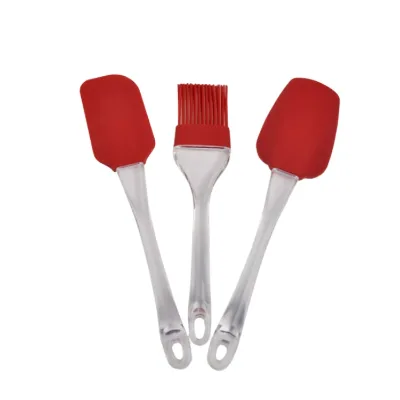

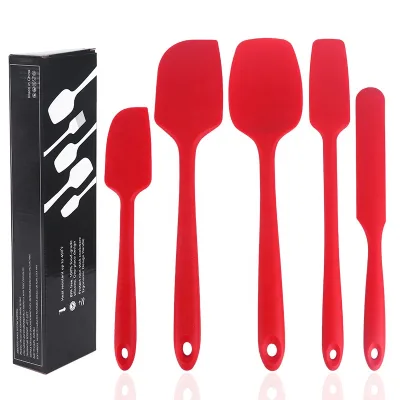
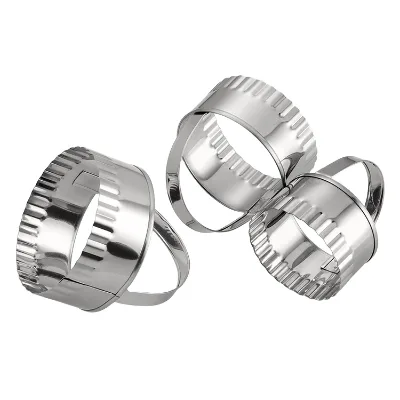
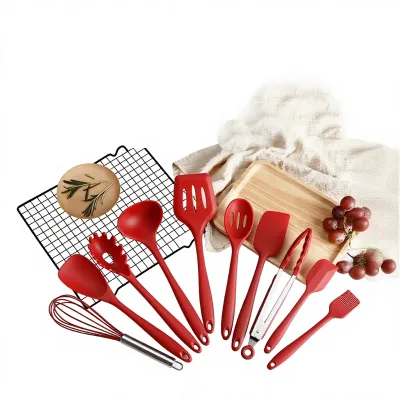
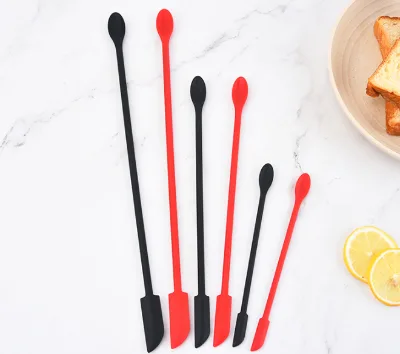


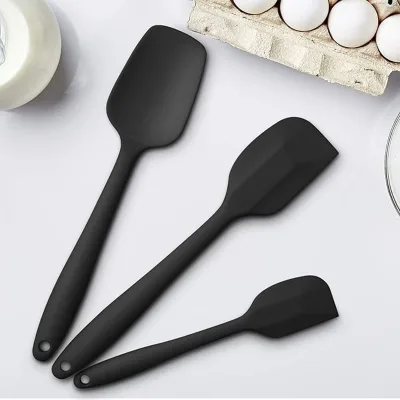
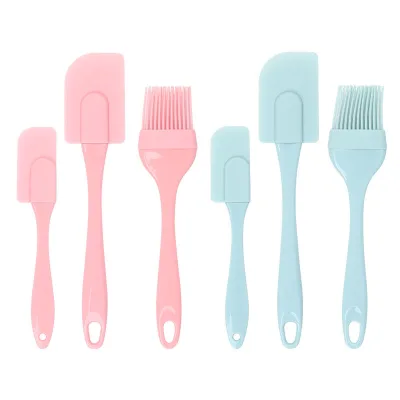
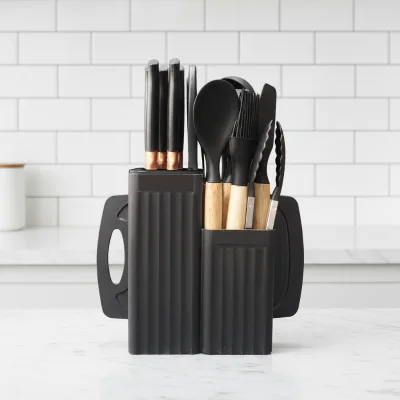


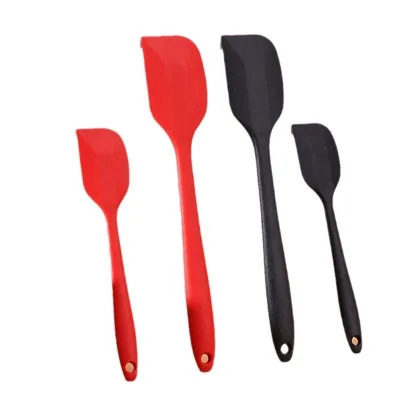
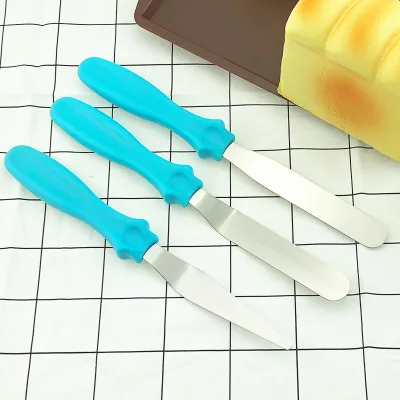
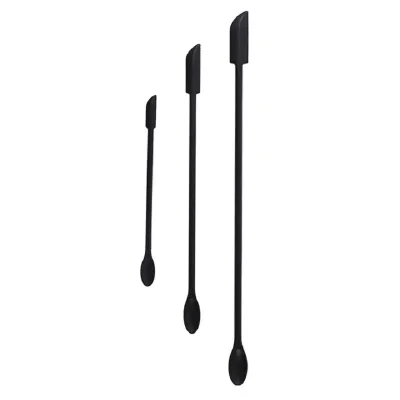


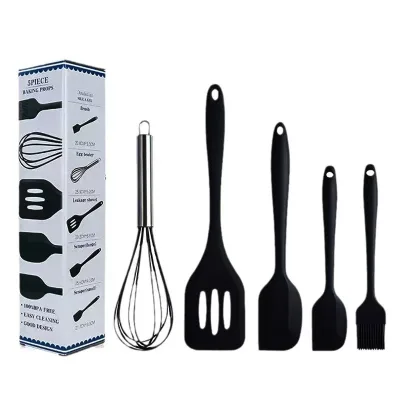
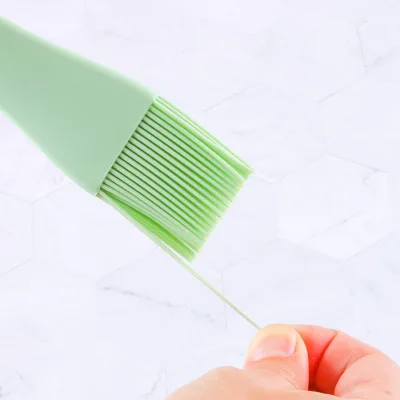

Comprehensive Sourcing Guide
Eco-Friendly 3-in-1 Spatula and Brush Set Sourcing Guide
Procuring eco-friendly kitchen utensils requires a strategic approach to balancing sustainability claims with functional durability. Buyers must distinguish between marketing terminology and verified material composition, particularly when sourcing silicone-based tools. The market offers various configurations, from single-piece items to comprehensive sets, each presenting different logistical and quality control challenges. Understanding the specific attributes of the product line is essential for aligning procurement goals with supplier capabilities.
This guide focuses on the intersection of eco-friendly design and multi-functional utility, specifically examining spatulas and brushes. Sourcing decisions should be driven by clear technical specifications and verified supply chain transparency. By adhering to evidence-based verification steps, buyers can mitigate risks associated with material safety and production consistency. The following sections provide a structured framework for evaluating suppliers and products in this specialized category.
Product Scope and Observed Listing Signals
The current market landscape for kitchen and dining tools reveals a diverse range of offerings, with observed price points ranging from $0.26 to $8.90 USD. This wide variance suggests significant differences in material quality, packaging complexity, and order volume commitments. Buyers should note that the minimum order quantity (MOQ) typically spans from 1 to 1000 units, allowing for both trial orders and large-scale procurement. These signals indicate a flexible market where customization and volume discounts play crucial roles in final pricing structures.
Product attributes frequently highlight eco-friendly features and specific material compositions, such as 100% food-grade silicone or metal variants. Listings often specify model numbers like HH727, 774, and 773, alongside various color options including red, silver, and mixed colors. Some products are marketed as complete sets, such as a 10-piece spoon and spatula set or a 5-piece color box set. These variations require careful scrutiny to ensure the selected product meets the specific functional and aesthetic requirements of the target market.
Technical Specifications to Verify
Material composition is the primary technical factor to verify, with many listings specifying 100% food-grade silicone as the core material. This material is often associated with a temperature resistance range of -40℃ to 230℃, which is critical for kitchen utensil safety and performance. Buyers must confirm that the silicone meets food-contact standards and is free from harmful additives. Additionally, some products may feature metal components or non-stick coatings, requiring separate verification of their durability and safety profiles.
Packaging and dimensional specifications also require close attention, as they impact shipping costs and retail presentation. Observed data includes single package sizes such as 16x16x16 cm and 7.5x7.5x0.8 cm, with gross weights varying from 0.100 kg to 3.0 kg. Packaging methods range from simple polybag and carton combinations to customized color box sets. Verifying these details ensures accurate freight calculation and aligns the product with retail shelf requirements, preventing unexpected logistical expenses.
Compliance and Safety Documentation
Safety compliance is paramount when sourcing kitchen utensils, particularly those intended for direct food contact. Buyers should request documentation verifying that materials meet relevant food-grade standards, although specific certification names should be confirmed with the supplier. The presence of eco-friendly claims necessitates verification of the manufacturing process and material sourcing to ensure these assertions are substantiated. Without proper documentation, eco-friendly labels may lack credibility in regulated markets.
Temperature resistance and chemical stability are key safety metrics that should be validated through third-party testing reports. Suppliers should provide evidence that their products withstand the stated temperature range without degrading or releasing harmful substances. Additionally, buyers should inquire about any specific regional compliance requirements, such as REACH or other local standards, to ensure the products can be legally sold in the destination market. Clear compliance documentation reduces legal risks and enhances brand trust.
Cost Drivers and Commercial Terms
Several factors influence the final cost of eco-friendly kitchen utensils, including material selection, customization options, and order volume. Customized colors and packaging, such as specific color box sets, often incur additional setup fees and higher per-unit costs. The supply ability of suppliers, noted as up to 100,000 pieces per day, can affect pricing through economies of scale. Buyers should negotiate terms that reflect their volume commitments and customization requirements to secure competitive pricing.
Lead times and payment terms are critical commercial considerations that impact cash flow and inventory management. Sample lead times are typically around three days, while bulk delivery may take up to 30 days. Understanding these timelines helps buyers plan their inventory replenishment cycles effectively. Additionally, the port of dispatch, often Ningbo or Shanghai, should be considered when calculating total landed costs, including freight and insurance. Clear commercial terms prevent misunderstandings and ensure smooth transaction processes.
Supplier Qualification and Quality Control
Supplier qualification involves verifying the manufacturer's location, production capacity, and quality management systems. Many suppliers are located in regions like Zhejiang, Jiangsu, and Guangdong in China, each offering different advantages in terms of supply chain efficiency and specialization. Buyers should assess the supplier's ability to handle OEM and ODM requests, as this indicates flexibility and technical capability. A robust quality control process is essential to maintain consistency across large production runs.
Quality control measures should include pre-production samples, in-process inspections, and final random inspections. Buyers should establish clear acceptance criteria for material quality, dimensional accuracy, and packaging integrity. Regular communication with the supplier regarding production status and any potential issues is crucial for maintaining quality standards. Implementing a structured quality control plan helps identify and rectify defects early, reducing the risk of receiving substandard products.
Long-Term Procurement Checks
Long-term procurement success depends on continuous monitoring of supplier performance and market trends. Buyers should regularly review supplier delivery times, product quality, and responsiveness to ensure they meet evolving business needs. Tracking changes in material costs and regulatory requirements helps anticipate potential impacts on pricing and compliance. Maintaining a diversified supplier base can mitigate risks associated with single-source dependencies and supply chain disruptions.
Sustainability practices should be evaluated periodically to ensure they align with corporate social responsibility goals. Buyers should inquire about the supplier's efforts to reduce waste, use renewable energy, or source materials responsibly. Engaging in long-term partnerships with suppliers who share these values can enhance brand reputation and customer loyalty. Regular audits and feedback loops foster a collaborative relationship that drives continuous improvement and mutual growth.
FAQs
What material is used for eco-friendly 3-in-1 spatula and brush sets?
These utensils are crafted from 100% food grade silicone, ensuring safety for direct food contact. This material is inherently eco-friendly and easy to clean, making it ideal for kitchen use. The silicone construction allows the tools to withstand temperatures ranging from -40℃ to 230℃ without degrading, providing reliable performance for various cooking and baking tasks.
Can I customize the color of the spatula and brush set?
Yes, customization is available for these kitchen utensils. Buyers can select specific colors, such as red or silver, or request mixed color options to match their brand identity. The supplier welcomes OEM and ODM requests, allowing for tailored packaging and product designs to meet specific market requirements and aesthetic preferences.
What is the typical lead time for samples of these tools?
The sample lead time is three days, allowing for quick evaluation of product quality and design. This rapid turnaround helps buyers assess the eco-friendly silicone material and functionality before committing to larger orders. Bulk delivery typically occurs within thirty days after order confirmation, ensuring timely supply for inventory needs.
What is the minimum order quantity for these kitchen utensils?
The minimum order quantity ranges from one to one thousand pieces, offering flexibility for different business sizes. This wide MOQ range accommodates both small trial orders and large bulk purchases. Buyers can choose single item units or sets, depending on their specific distribution channels and customer base requirements.
Where are these silicone kitchen utensils manufactured?
These products originate from China, with specific manufacturing locations in Zhejiang, Jiangsu, and Guangdong provinces. This regional concentration supports a supply ability of 100,000 pieces per day. The goods are dispatched via Ningbo or Shanghai ports, facilitating efficient global logistics and export operations for international buyers.
Are these spatula and brush sets suitable for high-temperature baking?
Yes, the food grade silicone material is heat resistant up to 230℃. This temperature tolerance makes the tools safe for use in ovens and with hot cookware. The non-stick and eco-friendly features ensure that baked goods release easily, while the durable construction withstands repeated use in demanding kitchen environments.