Source Eco Friendly Sustainable Cutting Board for Kitchen Use
Find 30 Eco Friendly Sustainable Cutting Board options from China. Compare plastic, bamboo, and wood materials with features like anti-skidding surfaces and customizable sizes for kitchen chopping needs. Explore square designs, textured finishes, and OEM color options to meet specific food preparation requirements.
Updated
Key considerations
Products List


$1.28 - $3.56
MOQ: 1000 Pieces


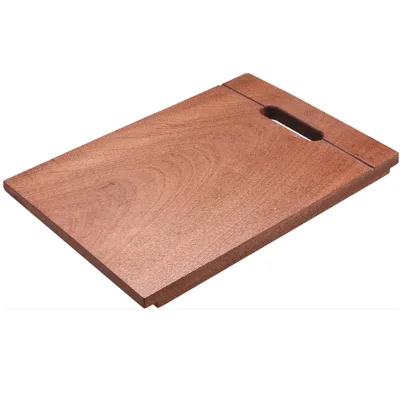
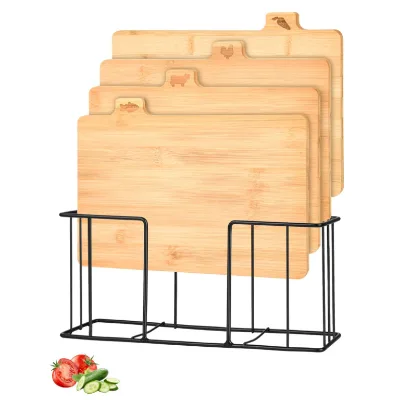
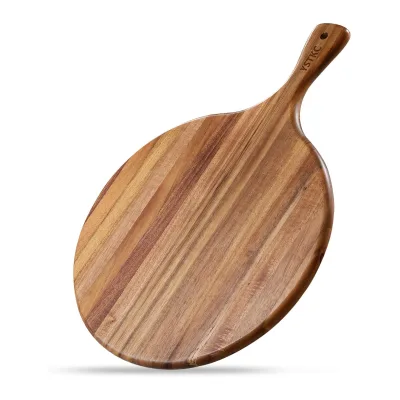


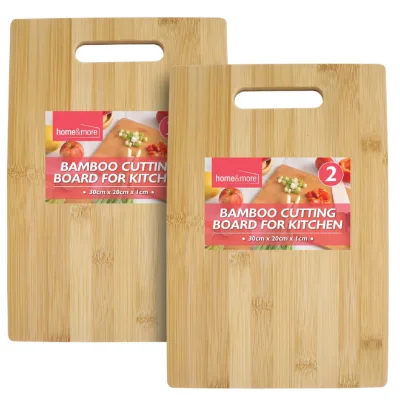



Comprehensive Sourcing Guide
Eco Friendly Sustainable Cutting Board Sourcing Guide
Procuring eco-friendly sustainable cutting boards requires a nuanced understanding of material science and supply chain transparency. Buyers must distinguish between genuinely sustainable options, such as bamboo or recycled plastics, and those merely marketed with green terminology. The core keyword highlights a growing demand for kitchenware that minimizes environmental impact without compromising durability or hygiene. This guide focuses on verifying claims through observable product attributes and supplier documentation rather than accepting marketing slogans at face value.
The sourcing landscape for these items is diverse, ranging from single-material boards to complex sets with integrated racks. Observations indicate that materials like plastic, bamboo, and wood are prevalent, each offering distinct sustainability profiles. Buyers should prioritize suppliers who provide clear evidence of responsible sourcing, such as FSC-certified wood or food-grade recycled polymers. Understanding the specific composition of the board is the first step in ensuring that the procurement aligns with corporate sustainability goals and regulatory requirements.
Product Scope and Observed Listing Signals
The observed product range includes chopping boards and racks with attributes such as anti-skidding, antibacterial, and anti-friction properties. Materials identified in listings include plastic, bamboo, and wood, with plastic types specifically noted as PE. Shapes vary from square to customizable dimensions, with standard sizes like 30020015mm and 40030013mm appearing frequently. These physical specifications suggest a market focused on practical kitchen utility, where surface textures like grid or orange peel patterns enhance grip and food preparation efficiency.
Color options are extensive, including white, red, blue, green, yellow, and brown, with customization available for OEM orders. This flexibility allows buyers to align products with brand identities or kitchen color schemes. The presence of double-sided designs and set configurations indicates a trend toward versatile, space-saving kitchen solutions. Buyers should verify if the "eco-friendly" claim applies to the entire product lifecycle, including packaging, which is often described as carton or export pallet ready.
Technical Specifications to Verify
Technical verification begins with material density and structural integrity. Observed data points to a plastic density of 0.96g/cm3, a critical metric for assessing buoyancy and material quality. Buyers must confirm if bamboo or wood boards meet specific hardness and moisture resistance standards to prevent warping or cracking. The surface finish, whether textured or smooth, impacts both hygiene and usability, requiring validation through tactile inspection or supplier-provided test reports.
Dimensional accuracy is another key technical factor. Standard models like Okay-257, Okay-318, and Okay-319 offer specific size references, but customization is widely available. Buyers should request detailed technical drawings for custom orders to ensure compatibility with existing kitchen equipment or storage solutions. Additionally, the design style, often described as modern, should be evaluated for ergonomic suitability and aesthetic appeal in target markets.
Compliance and Safety Documentation
Safety compliance is non-negotiable for food-contact products. Listings mention certifications such as ISO, CE, FDA, and SGS, which are essential for market access in various regions. Buyers must verify the validity of these certificates and ensure they cover the specific materials used, such as PE plastic or treated bamboo. Food-grade certification is particularly crucial to guarantee that no harmful chemicals leach into food during chopping or slicing activities.
Antibacterial and anti-friction properties add functional value but require scientific backing. Buyers should request test results demonstrating the efficacy of these features, especially for antibacterial claims. Documentation should also cover the manufacturing process, including whether handmade or industrial methods are used, as this can affect consistency and safety. Ensuring that all safety documentation is up-to-date and region-specific prevents regulatory hurdles during importation.
Cost Drivers and Commercial Terms
Cost structures are influenced by material choice, customization level, and order volume. Observed price ranges span from 0.99 to 29.59 USD, reflecting the diversity from basic plastic boards to premium bamboo sets. MOQs vary from 1 to 1000 units, offering flexibility for small businesses and large retailers alike. Buyers should analyze the cost per unit against the expected lifespan and performance of the board to determine true value.
Customization options, including color, size, and packaging, often incur additional costs. Buyers must clarify whether these fees are one-time setup charges or recurring per-unit costs. Lead times and shipping terms, such as carton or palletizing, also impact the total landed cost. Negotiating bulk discounts and favorable payment terms can significantly improve margins, especially for high-volume orders of standard models.
Supplier Qualification and Quality Control
Supplier qualification involves assessing production capabilities and quality management systems. Buyers should verify if suppliers have experience in exporting to their target markets and understand local regulations. Factory audits, whether remote or on-site, can reveal insights into production hygiene, material storage, and waste management practices. Suppliers offering OEM services should demonstrate robust design and engineering support to ensure product consistency.
Quality control protocols must be clearly defined before production begins. Buyers should specify acceptance criteria for defects, such as surface imperfections or dimensional deviations. Requesting pre-shipment samples is a critical step to validate quality against agreed specifications. Establishing a clear communication channel for addressing quality issues ensures that problems are resolved promptly, minimizing disruption to supply chains.
Long-Term Procurement Checks
Long-term success depends on continuous monitoring of supplier performance and product sustainability. Buyers should track key metrics such as defect rates, delivery reliability, and customer feedback. Regular reviews of supplier certifications ensure ongoing compliance with evolving safety and environmental standards. Building a strong relationship with suppliers can lead to better pricing, priority production, and access to new sustainable materials.
Sustainability efforts should be reviewed periodically to align with changing corporate goals. Buyers can encourage suppliers to adopt greener practices, such as using recycled packaging or renewable energy in production. Providing feedback on product performance helps suppliers improve future designs. By maintaining a proactive approach to procurement, buyers can ensure that their eco-friendly cutting board sourcing strategy remains effective and competitive in the long run.
FAQs
What certifications do the cutting boards have?
The cutting boards hold ISO, Food Grade, CE, FDA, and SGS certifications. These ensure the products meet international safety and quality standards for kitchen use. Buyers can verify these credentials when sourcing from suppliers in China who offer customizable options.
Which materials are available for these boards?
Available materials include plastic, bamboo, and wood. Specific plastic types like PE are used for certain models. Buyers can choose based on their preference for eco-friendly properties or specific durability requirements while selecting from various colors and designs.
Can I customize the size and color of the board?
Yes, customization is available for color, size, and OEM requirements. Buyers can select from white, red, blue, green, yellow, or brown options. Standard dimensions like 300*200*15mm are offered, but custom sizes are also accepted to meet specific project needs.
What is the minimum order quantity for these products?
The minimum order quantity ranges from 1 to 1000 units depending on the supplier and product model. This flexibility allows buyers to test the market with small orders or fulfill large commercial demands. Specific MOQs vary by the chosen material and customization level.
How are the products packed for shipping?
Products are packed in cartons, with options for export pallets or palletizing. This ensures safe transport and protection during international shipping. The packaging is customizable to meet specific buyer requirements while maintaining the integrity of the eco-friendly cutting boards during transit.
What surface textures are offered for the boards?
Surface textures include grid patterns and orange peel finishes. These designs provide anti-skidding and anti-friction properties for better safety during food preparation. The textured surfaces are available on both single and double-sided boards made from plastic, bamboo, or wood.
Are samples available for testing before bulk orders?
Free samples of 100*100mm are available for testing purposes. This allows buyers to evaluate the quality, texture, and material of the eco-friendly cutting boards before committing to a larger purchase. Buyers should contact suppliers directly to arrange sample requests.