Source Kitchen Tweezers for Home, Kitchen, and Commercial Use
Find 30 verified Kitchen Tweezers from Chinese manufacturers. Compare stainless steel models with varying sizes, customizations, and MOQs for home, restaurant, and buffet applications. Explore different packing options, weights, and standard lengths to select the right tool for your specific needs in professional or domestic settings.
Updated
Key considerations
Products List


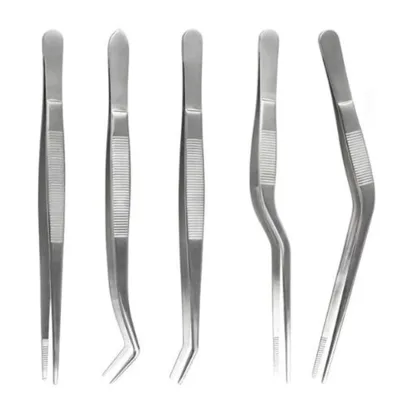


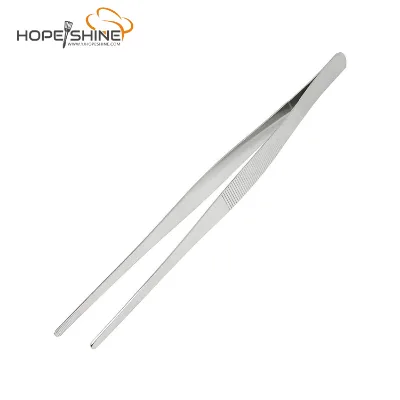

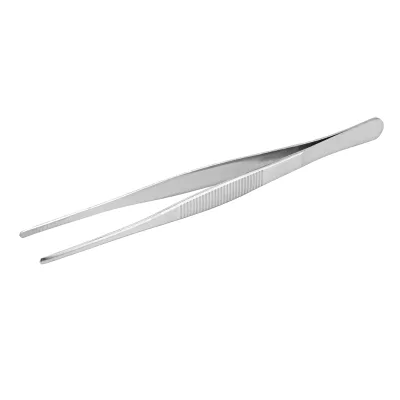
Professional Stainless Steel Dailing Use Carboard Packing Kitchen Tweezers
$0.10 - $2.50
MOQ: 1000 Pieces
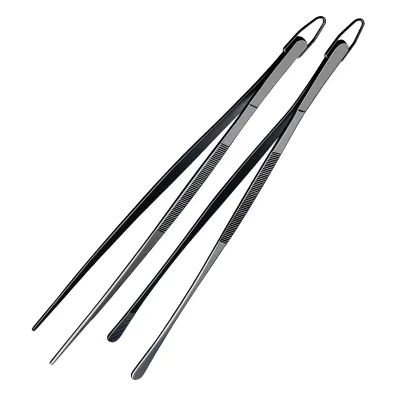
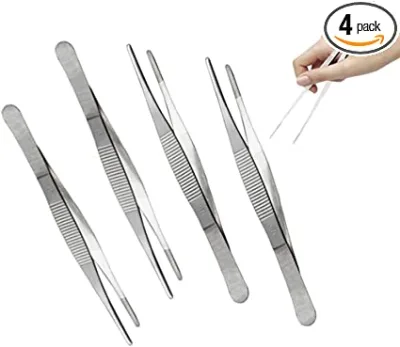
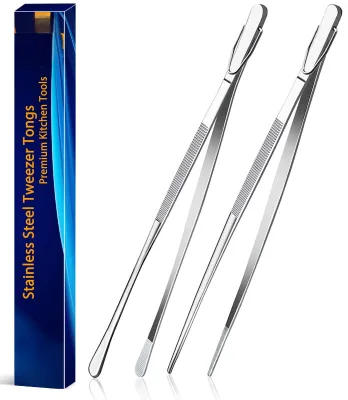
OEM 2 Pcs 12 Inch Food Tweezer Tongs Stainless Steel Kitchen Tweezer Cooking Tweezers
$0.50 - $3.00
MOQ: 2000 Minimum
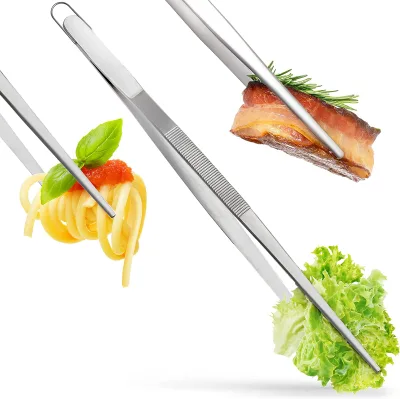
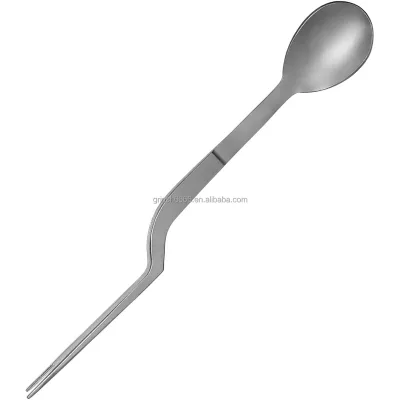


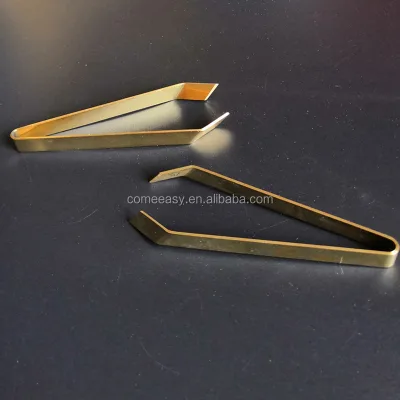
Kitchenware Chef Tweezers: Cooking, Tea Set Accessory & Chopstick Clip Tongs
$1.89 - $2.05
MOQ: 1000 Pieces
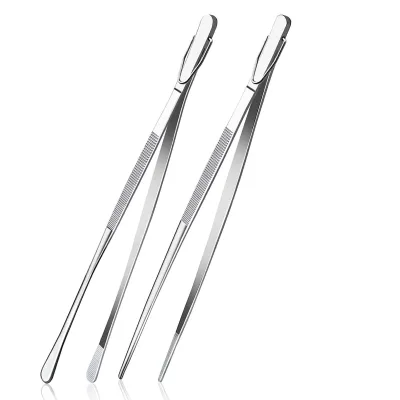
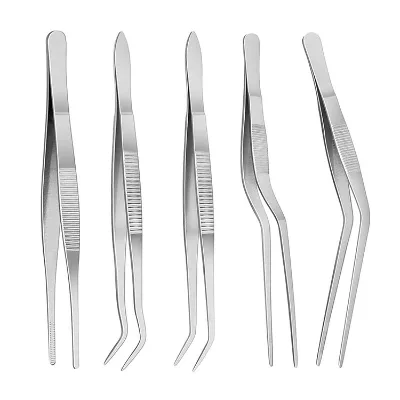
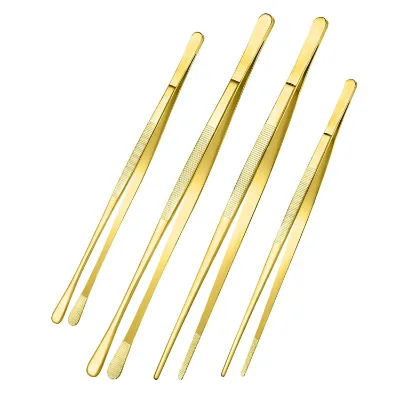
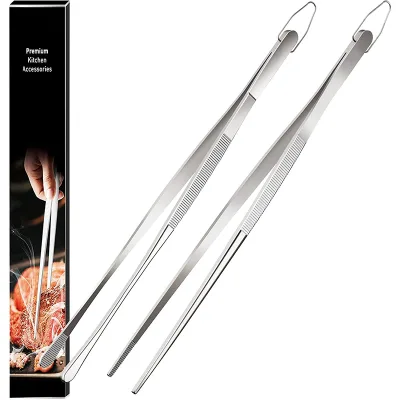
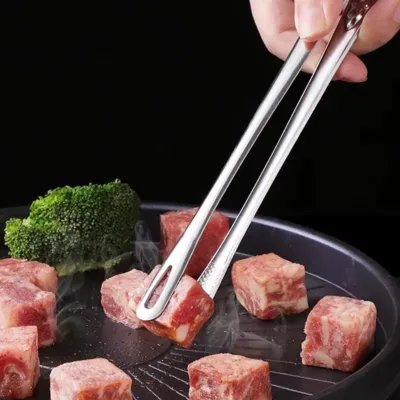
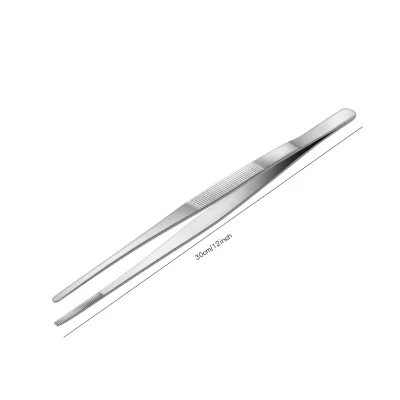
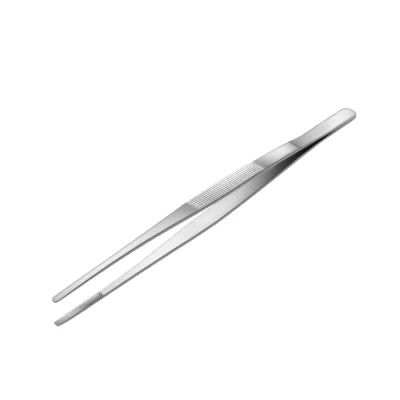
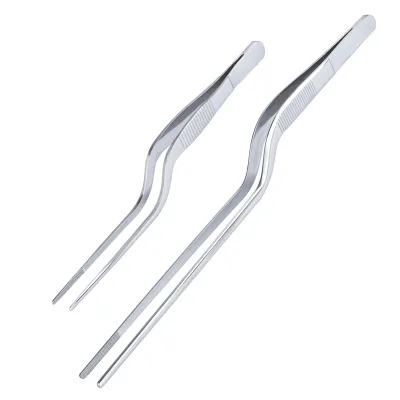
Comprehensive Sourcing Guide
Kitchen Tweezers Sourcing Guide
Sourcing Kitchen Tweezers requires a clear understanding of the specific operational needs within your facility, whether for high-volume commercial kitchens or specialized home culinary applications. The market offers a diverse range of tools designed for precision handling, from delicate garnishing to robust food service tasks. Buyers must distinguish between products intended for light, everyday home use and those built for the rigorous demands of restaurant buffets and professional cooking environments. This distinction is critical for ensuring durability and performance over time.
The available inventory includes various models such as the Kitchen Chef Tweezers-033A and Home Kitchen-045W, indicating a split between specialized professional tools and general household items. Some listings highlight features like being eco-friendly or lightweight, which may appeal to specific brand positioning or sustainability goals. Understanding these nuances helps procurement teams align their purchases with the actual workflow requirements, preventing the acquisition of tools that are either over-engineered for simple tasks or under-built for heavy commercial use.
Product Scope and Observed Listing Signals
The current market landscape for Kitchen Tweezers reveals a wide spectrum of product attributes, with observed prices ranging from $0.1 to $6 USD. This significant variance suggests that buyers will encounter everything from basic, single-use style tools to higher-end, durable stainless steel options. The minimum order quantities (MOQ) also vary substantially, ranging from as low as 5 pieces to 2000 pieces, catering to both small boutique orders and large-scale industrial procurement needs. This flexibility allows buyers to test market response or fulfill large inventory requirements without excessive upfront capital commitment.
Product descriptions frequently mention customization options, with many suppliers offering OEM services and customized standards. For instance, models like BF2228 and BF2227-1 are listed with specific dimensions such as 300mm and 210mm, respectively, highlighting the importance of size verification. Additionally, packaging methods differ, with some items packed individually in polybags while others use export cartons or mail-order packing. These logistical details directly impact storage efficiency and shipping costs, making them essential factors in the total cost of ownership calculation for any procurement decision.
Technical Specifications to Verify
When evaluating technical specifications, the material composition is a primary concern, with stainless steel being a dominant feature across many listings. Buyers should verify the specific grade of stainless steel to ensure resistance to corrosion and staining, which is vital for tools frequently exposed to water and acidic foods. Dimensions also play a crucial role, with observed sizes including 12-inch models and specific lengths like 210mm or 300mm. Selecting the correct length ensures ergonomic handling and prevents awkward maneuvering in tight kitchen spaces or deep pots.
Weight and balance are often overlooked but critical for user comfort during prolonged use. Listings indicate weights ranging from 83g to 1.5kg, with some products described as "light" or having specific single gross weights. It is essential to confirm whether the weight refers to the tool itself or the packaged unit, as this affects shipping calculations and user fatigue. Furthermore, features such as "durable kitchen tools" or "eco-friendly" claims should be substantiated by physical inspection or supplier documentation to ensure they align with your quality standards and operational expectations.
Compliance and Safety Documentation
Compliance with safety standards is non-negotiable for kitchenware, particularly when tools come into direct contact with food. While some listings mention CE certification, buyers must verify the scope and validity of these certifications to ensure they meet the regulatory requirements of their target market. It is also important to inquire about additional certifications such as FDA or LFGB compliance, which are often required for food-contact materials in various international jurisdictions. Relying solely on generic claims without documented proof can expose the procurement team to significant legal and reputational risks.
Documentation should also cover the manufacturing standards and quality control processes employed by the supplier. Although some products list OEM standards, buyers should request detailed information on how these standards are enforced during production. This includes inquiries about material safety data sheets and any relevant testing reports that confirm the absence of harmful substances. Ensuring that all compliance documentation is up-to-date and verifiable helps maintain brand integrity and ensures that the sourced products meet the highest safety benchmarks for consumer and professional use.
Cost Drivers and Commercial Terms
Several factors influence the final cost of Kitchen Tweezers, with material quality, customization, and order volume being primary drivers. Stainless steel construction typically commands a higher price point than plastic alternatives, but offers superior longevity and hygiene. Customization options, such as branding or specific packaging requirements, can also add to the unit cost. Buyers should negotiate clearly on whether these customization fees are included in the quoted price or billed separately to avoid unexpected expenses during the procurement process.
Commercial terms, including MOQ and lead times, significantly impact cash flow and inventory management. With MOQs ranging from 5 to 2000 pieces, buyers can tailor their orders to match their sales velocity and storage capacity. Sample times of 1-2 days suggest that suppliers are responsive, allowing for quick validation of product quality before committing to larger orders. It is advisable to clarify payment terms, shipping responsibilities, and return policies for defective items to ensure a smooth transaction and mitigate financial risk associated with bulk purchases.
Supplier Qualification and Quality Control
Supplier qualification is a critical step in ensuring the reliability of your supply chain. Buyers should assess the supplier’s production capacity, quality control systems, and track record in the kitchenware industry. Locations such as Liaoning and Guangdong in China are noted as origins for many products, indicating established manufacturing hubs. However, geographic origin alone does not guarantee quality, so it is essential to conduct thorough due diligence, including reviewing past client feedback and verifying business credentials.
Quality control measures should be explicitly defined in the purchase agreement. This includes specifying acceptable defect rates, inspection protocols, and the right to conduct third-party audits. Given the variation in product attributes, such as the difference between "Home" and "Commercial" usage classifications, buyers must ensure that the supplier can consistently meet the specified performance criteria. Implementing a robust quality assurance process helps prevent the receipt of substandard products and ensures that the Kitchen Tweezers perform reliably in your specific operational environment.
Long-Term Procurement Checks
Long-term procurement success depends on establishing a sustainable relationship with suppliers who can adapt to changing market demands. Regular performance reviews should be conducted to assess product consistency, delivery reliability, and customer service responsiveness. This ongoing evaluation helps identify potential issues early, allowing for corrective actions before they impact your operations. Building a partnership based on mutual trust and clear communication fosters a more resilient supply chain capable of handling fluctuations in demand or supply chain disruptions.
Additionally, buyers should stay informed about industry trends and technological advancements in kitchen tool design. This includes monitoring for new materials, ergonomic improvements, or sustainability initiatives that could enhance product value. By maintaining a proactive approach to supplier management and market analysis, procurement teams can ensure that their Kitchen Tweezers sourcing strategy remains competitive and aligned with evolving business goals. Continuous improvement and adaptation are key to maintaining high standards of quality and efficiency in the long run.
FAQs
What materials are used for Kitchen Tweezers?
Kitchen Tweezers are primarily constructed from stainless steel to ensure durability and hygiene. This material choice supports eco-friendly usage in home and commercial settings. The silver finish provides a professional appearance suitable for buffet equipment. Stainless steel construction allows for easy cleaning and long-term reliability in high-volume kitchen environments.
Can Kitchen Tweezers be customized for branding?
Yes, customization is available for Kitchen Tweezers to meet specific branding needs. Buyers can request OEM packaging and customized standards to align with their corporate identity. This flexibility allows businesses to tailor the product appearance and packaging details. Customization options ensure that the final product reflects the buyer's unique market positioning and requirements.
What is the typical MOQ for Kitchen Tweezers?
The minimum order quantity for Kitchen Tweezers varies by supplier and product model. Some models have an MOQ of just 5 pieces, while others require 2000 pieces. This range accommodates both small trial orders and large commercial purchases. Buyers should check specific product listings to determine the exact MOQ applicable to their desired model and specifications.
Which certifications do Kitchen Tweezers typically hold?
Kitchen Tweezers often hold CE certification, indicating compliance with European health, safety, and environmental protection standards. This certification is crucial for selling products in regulated markets. Buyers should verify specific certification documents with suppliers to ensure regulatory compliance. CE marking provides assurance of product quality and adherence to established manufacturing standards for kitchen tools.
Where are Kitchen Tweezers typically manufactured?
Kitchen Tweezers are typically manufactured in China, with origins in regions like Liaoning and Guangdong. These locations offer established supply chains for stainless steel kitchenware production. Buyers can source products directly from these manufacturing hubs to benefit from competitive pricing. The geographic concentration of suppliers facilitates efficient logistics and consistent quality control for international orders.
What sizes are available for Kitchen Tweezers?
Kitchen Tweezers are available in various sizes, including S size and 12-inch lengths. Specific models may have standard lengths of 210mm or 300mm to suit different tasks. Single package sizes also vary, such as 18x10x5 cm or 32x8x5 cm. Buyers should select the size that best fits their specific culinary applications and storage requirements.