Source Electric Non-Stick Waffle Cone Maker for Hotels, Restaurants, Cafes
Find 30 electric non-stick waffle cone maker options from verified suppliers. Compare specifications, prices, and customization features for commercial kitchen equipment needs. These units offer high productivity, long service life, and multifunctional capabilities suitable for various food service applications including hotels, restaurants, and cafes.
Updated
Key considerations
Products List

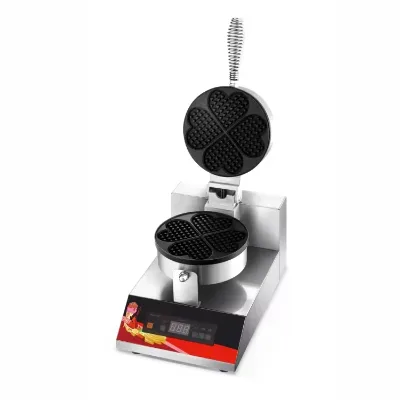
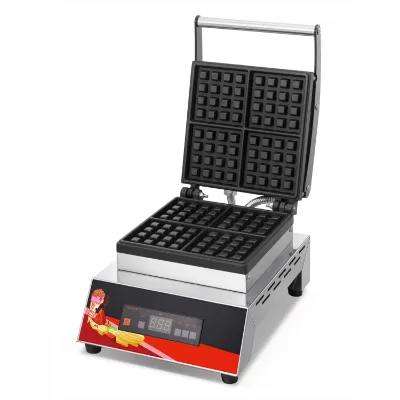
Heavy-Duty Electric Commercial Waffle and Cone Maker Stainless Steel Non-Stick Coating
$58.2152 - $81.9323
MOQ: 20 Minimum
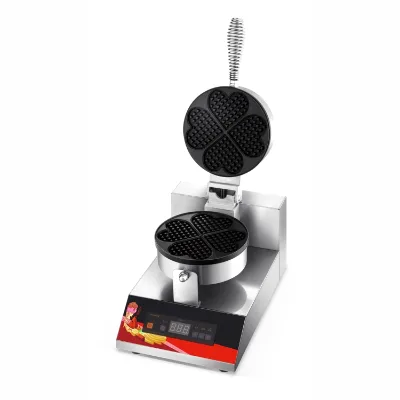
Professional Round Waffle and Cone Maker Non-stick Belgian Waffle Iron Commercial Grade
$42.8894 - $91.3491
MOQ: 20 Minimum

Non-Stick Double Egg Waffle Maker Waffle Cone Maker Belgian Waffle Maker
$800.00 - $1100.00
MOQ: 1 Pieces

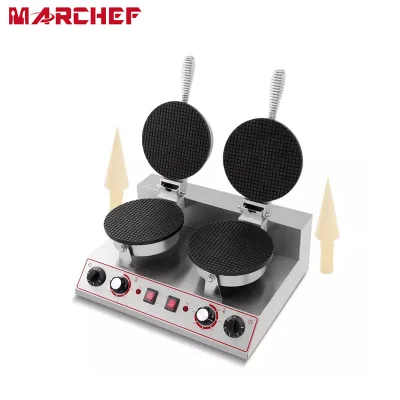
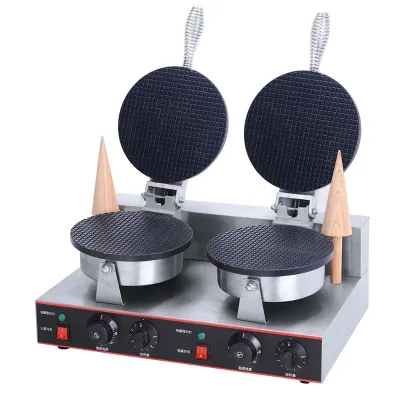
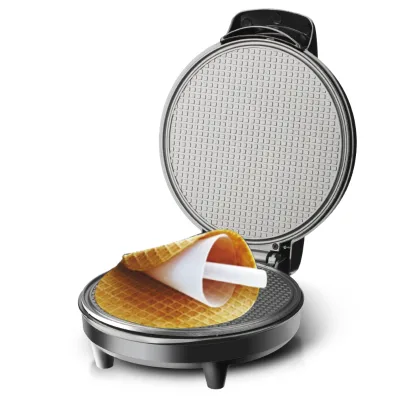

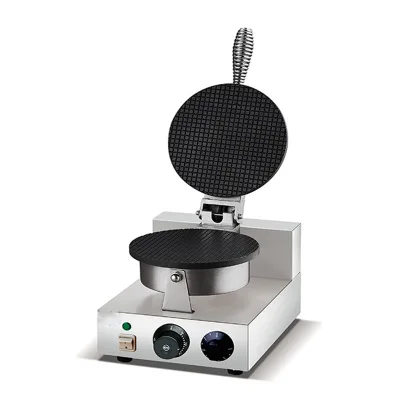


Commercial Customize Mould Square Electric Ice Cream Cone Maker Waffle Maker
$65.00 - $75.00
MOQ: 10 Pieces

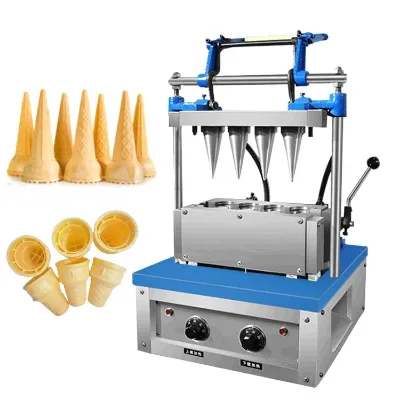
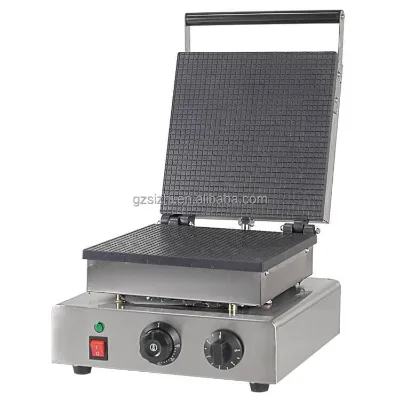

Commercial Ice Cream Waffle Cone Maker Electric Cone Baker Waffle Machine
$88.00 - $149.00
MOQ: 5 Pieces

Hot Sale Double Head Electric Ice Cream Cone Machine Waffle Cone Maker
$100.00 - $148.00
MOQ: 5 Pieces


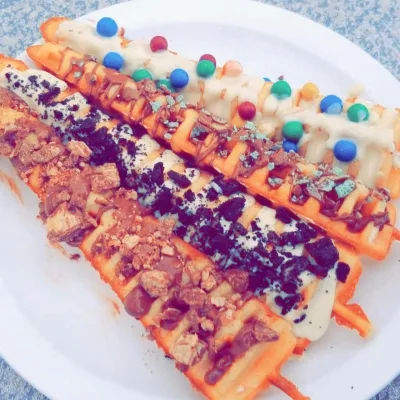
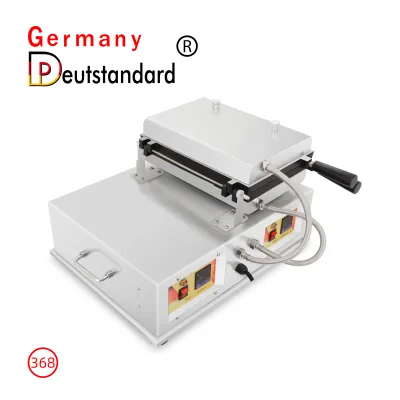
Comprehensive Sourcing Guide
Electric Non-Stick Waffle Cone Maker Sourcing Guide
Sourcing electric non-stick waffle cone makers requires careful evaluation of commercial-grade equipment designed for high-volume production environments. The observed market data indicates a product range that includes specialized units such as the LIBERMANN brand, which are explicitly marketed for commercial hotel kitchen equipment and restaurant applications. These machines are characterized by their electric power source and heating mechanisms, ensuring consistent thermal processing for dough conversion. Buyers must distinguish between standard waffle makers and those specifically engineered for cone formation, as the latter often feature unique mold geometries and double-head configurations to maximize output. The presence of customization options suggests that suppliers can tailor packaging and potentially operational features to meet specific brand or logistical requirements.
The procurement landscape for these devices shows a significant variation in pricing, ranging from approximately $8.16 to $8,000 USD, which reflects differences in build quality, automation level, and brand reputation. Minimum order quantities (MOQ) typically span from one unit to one hundred, offering flexibility for both small-scale bakeries and large industrial facilities. Key selling points frequently highlighted by suppliers include long service life, high productivity, and lightweight designs that facilitate easy operation. These attributes are critical for commercial kitchens where downtime directly impacts revenue. Understanding the specific model numbers, such as the LW series, helps buyers align their technical requirements with available inventory, ensuring that the selected equipment meets the desired throughput and spatial constraints of their facility.
Product Scope and Observed Listing Signals
The current market listings reveal a diverse array of electric waffle cone makers, primarily constructed from stainless steel to ensure durability and hygiene in commercial settings. Observed specifications indicate dimensions such as 429240261mm and 350260220mm, with weights ranging from 6kg to 15kg, suggesting a variety of form factors suitable for different counter spaces. The power consumption is generally listed around 1.2kW or 1kW, operating on 220V electricity, which is standard for many international commercial kitchens. These machines are often described as multifunctional, capable of handling various baking tasks beyond just cones, which adds value for versatile food service operations. The "double head" remark on some listings points to designs that allow for simultaneous cooking, significantly enhancing efficiency during peak service hours.
Packaging and origin details provide additional context for logistics planning, with most units originating from China and shipped in carton packaging. Single package sizes vary, with dimensions like 43X50X27 cm and 35X26X22 cm indicating the physical footprint buyers must account for in their receiving and storage areas. The condition is consistently listed as new, and warranties typically cover one year, offering a baseline of protection for the initial investment. Keywords such as "easy operate" and "high productivity" are prevalent, signaling that user-friendly interfaces and rapid production cycles are primary value propositions. Buyers should verify if the non-stick coating is explicitly mentioned in the product description, as this feature is crucial for preventing dough adhesion and simplifying the cleaning process, which is a major operational concern in high-volume environments.
Technical Specifications to Verify
When evaluating technical specifications, buyers must prioritize the voltage and power compatibility of the equipment with their local electrical infrastructure. While 220V is commonly observed, some listings mention "Other" voltage options, necessitating explicit confirmation to avoid operational failures or safety hazards. The heating method is specified as electricity heating, but the uniformity of heat distribution across the molds is a critical performance factor that should be verified through supplier documentation or third-party reviews. The material composition is predominantly stainless steel, which offers corrosion resistance and ease of sanitation, but buyers should inquire about the grade of steel and the quality of the non-stick coating to ensure longevity and food safety. Model numbers like LW-102 through LW-108 and LW-2204 represent different configurations, so understanding the specific mechanical differences between these variants is essential for selecting the right tool for the job.
Dimensional accuracy and weight are vital for spatial planning and structural support in the kitchen. The observed dimensions, such as 330225250mm for the standard and 429240261mm for specific models, must be cross-referenced with the available counter space and clearance requirements. The weight of the units, ranging from 6.5kg to 15kg gross, affects both installation stability and potential relocation needs. Buyers should also verify the automatic grade, as some listings describe the product as manual despite being electric, which may refer to the loading or unloading process rather than the heating mechanism. Understanding whether the machine requires manual intervention for every step or if it features semi-automatic features can significantly impact labor costs and workflow efficiency. Clarifying these technical nuances prevents mismatches between expected and actual operational capabilities.
Compliance and Safety Documentation
Compliance with regional safety standards is a non-negotiable aspect of sourcing commercial kitchen equipment. The CE certification is a key indicator of conformity with European health, safety, and environmental protection standards, which is crucial for buyers operating in or exporting to regions that mandate such certifications. Buyers must request valid certification documents and verify their authenticity with the issuing body to ensure that the equipment meets all regulatory requirements. Additionally, electrical safety certifications such as UL or ETL may be required depending on the destination market, so it is essential to confirm which specific safety marks are included with the product. The absence of clear certification information should be treated as a red flag, potentially indicating substandard manufacturing practices or non-compliance with international safety norms.
Documentation regarding the materials used in construction is equally important for food safety and hygiene compliance. Stainless steel components should be verified for food-grade quality, ensuring that they do not leach harmful substances into the food during the thermal processing phase. Buyers should ask for material safety data sheets (MSDSDs) or declarations of conformity for the non-stick coatings used on the molds, as these coatings must withstand high temperatures without degrading or releasing toxic fumes. Warranty terms, typically listed as one year, should be clearly defined in the contract, specifying what components are covered and the process for claiming repairs or replacements. Understanding the after-sales service provisions, such as the availability of engineer support, is also critical for maintaining compliance and operational continuity in the event of equipment failure.
Cost Drivers and Commercial Terms
The price range of $8.16 to $8,000 USD for electric waffle cone makers is driven by several key factors, including the complexity of the machine, the quality of materials, and the brand reputation. High-end models with advanced features such as precise temperature control, automated feeding mechanisms, or superior non-stick coatings command higher prices. Conversely, basic models with manual operation and standard stainless steel construction are available at the lower end of the spectrum. Buyers should analyze the cost per unit produced over the machine's lifespan, considering factors like energy efficiency and maintenance requirements, rather than focusing solely on the initial purchase price. The customization options available, such as branded packaging or specific voltage configurations, may also influence the final cost, so these should be factored into the total cost of ownership calculation.
Commercial terms, including minimum order quantities (MOQ) and lead times, play a significant role in the procurement strategy. MOQs ranging from one to one hundred units allow for flexible purchasing, enabling buyers to test smaller batches before committing to larger orders. However, bulk purchases may offer economies of scale, reducing the per-unit cost. Lead times can vary based on the customization level and supplier capacity, so it is essential to establish clear delivery schedules in the contract. Payment terms should be negotiated to balance risk, with options like letters of credit or escrow services providing security for both parties. Buyers should also consider the costs associated with shipping and import duties, which can significantly impact the total landed cost, especially for international transactions.
Supplier Qualification and Quality Control
Selecting a reliable supplier is critical for ensuring the quality and reliability of electric waffle cone makers. Buyers should conduct thorough due diligence on potential suppliers, verifying their business licenses, manufacturing capabilities, and track record in the industry. Requesting references from previous clients and reviewing online feedback can provide insights into the supplier's reliability and customer service quality. It is also important to assess the supplier's ability to provide consistent quality across batches, as variations in manufacturing can lead to performance issues in the field. Suppliers who offer customization services should demonstrate a robust quality control process to ensure that custom specifications are met without compromising the overall integrity of the product.
Quality control measures should be implemented throughout the procurement process, from initial sampling to final delivery. Buyers should request pre-shipment inspections to verify that the products meet the agreed-upon specifications, including dimensions, weight, and functional performance. Testing the non-stick coating's durability and the heating element's consistency is essential to ensure long-term reliability. Establishing clear quality standards and acceptance criteria in the purchase agreement helps mitigate the risk of receiving substandard products. Additionally, buyers should inquire about the supplier's warranty and after-sales support policies, ensuring that they have access to technical assistance and replacement parts if issues arise. Building a strong relationship with a qualified supplier can lead to better pricing, priority service, and continuous improvement in product quality.
Long-Term Procurement Checks
Long-term procurement success depends on regular monitoring of supplier performance and product reliability. Buyers should establish key performance indicators (KPIs) to track metrics such as on-time delivery, product defect rates, and responsiveness to service requests. Regular audits of the supplier's quality management systems can help identify potential issues before they impact operations. Maintaining open communication with the supplier allows for timely resolution of any problems and fosters a collaborative relationship focused on continuous improvement. Buyers should also stay informed about industry trends and technological advancements, as new features or materials may offer opportunities to enhance efficiency or reduce costs in future purchases.
Reviewing the total cost of ownership over time is essential for evaluating the true value of the investment. This includes considering energy consumption, maintenance costs, and the frequency of part replacements. Buyers should document any recurring issues or performance degradations to inform future purchasing decisions. If a supplier consistently fails to meet quality or service standards, buyers should be prepared to explore alternative suppliers. Building a diversified supplier base can reduce dependency on a single source and provide greater flexibility in managing supply chain risks. By proactively managing these long-term factors, buyers can ensure that their electric waffle cone makers continue to support their operational goals efficiently and cost-effectively.
FAQs
What is the power source for this waffle cone maker?
The power source is electric, specifically using electricity heating with a voltage of 220V. This unit operates at 1.2kW or 1kW depending on the specific model selected. It is designed for commercial hotel kitchen equipment usage to ensure reliable performance.
Can I request customized packaging for this product?
Yes, customized packaging is available for this waffle cone maker. The standard packing is a carton, but buyers can request specific customized packaging options to meet their branding or logistical needs. This flexibility supports various commercial distribution requirements effectively.
Which certifications does this equipment hold?
This equipment holds the CE certification, ensuring it meets specific safety and quality standards. The product is manufactured in China and features a stainless steel material construction. Buyers can rely on these documented attributes for compliance in their target markets.
What is the warranty period for this machine?
The warranty period for this machine is one year. After-sales service is provided by engineers to assist with any operational issues. This support ensures long service life and high productivity for users in commercial settings like hotels and restaurants.
How does the customization feature work for this maker?
Customization is available for this waffle cone maker to suit specific buyer requirements. The product is listed as customized and offers features like large capacity and lightweight design. Buyers can specify dimensions or other attributes to align with their unique operational needs.
What is the minimum order quantity for this item?
The minimum order quantity ranges from 1 to 100 units depending on the specific supplier and configuration. This flexibility allows buyers to start with small batches or order larger quantities for commercial expansion. Prices vary within the observed range of 8.16 to 8000 USD.
Which models are available for this waffle cone maker?
Available models include LW-102, LW-103, LW-104, LW-105, LW-107, LW-108, and LW-2204. These models feature different dimensions and capacities, such as 429*240*261mm or 350*260*220mm. Each model is designed for efficient kitchen usage cooking in various commercial environments.