semi-automatic drip coffee machine Suppliers and Manufacturers
Source 29 verified semi-automatic drip coffee machine suppliers from Jiangsu and Zhejiang. Compare lead times, MOQs, and response speeds to find the right partner. Review product specs and request quotes today; review the available evidence before requesting comparable quotations from suitable candidates.
Updated
Suppliers List
Wuxi Suxinlianke Iternational Trade Co., Ltd.
- Trading Company
- Jiangsu, China
- Lead time15 days
- Avg. response≤ 2h
Main productshousehold appliances,Kitchen household appliances,Small household appliances,Furniture products,Household department store
Main marketsWestern Europe(90.00%), Southeast Asia(10.00%)
Xuzhou Solam Electrical Appliances Co., Ltd.
- Trading Company
- Jiangsu, China
- Lead time20 days
- Avg. response≤ 2h
Main productsHome Appliances,washing machines,water dispenser,air fryer,rice cooker
Main marketsNorth America(30.00%), Southeast Asia(25.00%), Western Europe(15.00%), Domestic Market(10.00%), South Asia(5.00%), Eastern Europe(5.00%), Africa(4.00%), South America(3.00%), Mid East(3.00%)
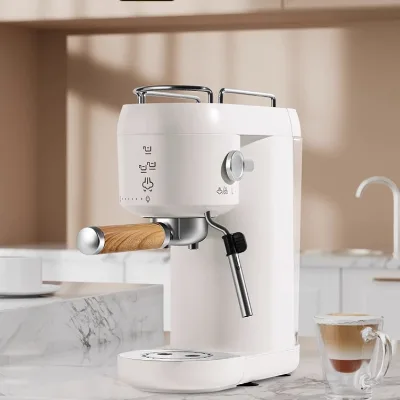
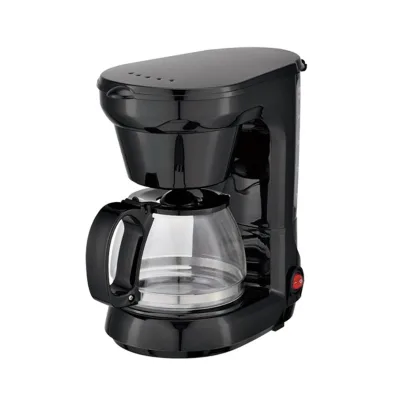
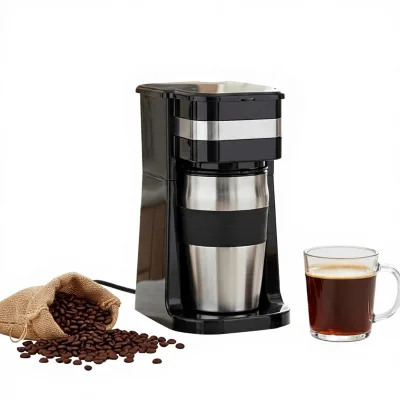
Coffee Machine Italian Automatic Drip Coffee Machine American Milk Tea Machine Coffee Pot
$8.00 - $9.00
MOQ: 2 pieces
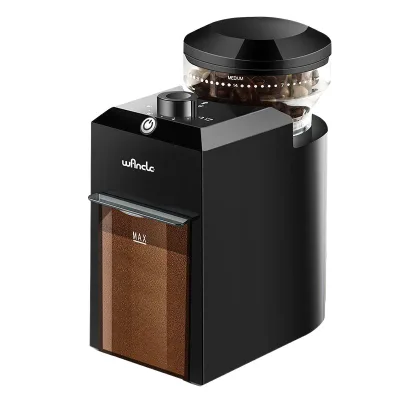
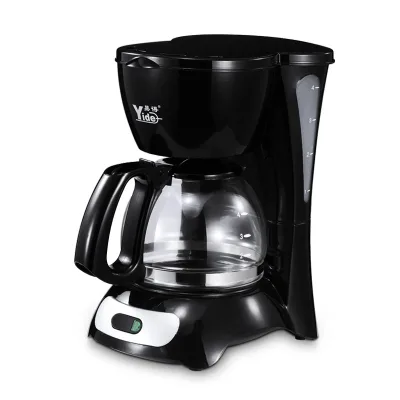
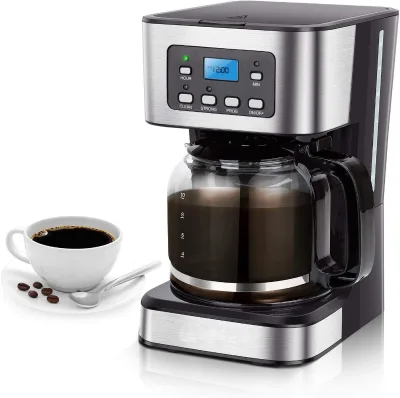
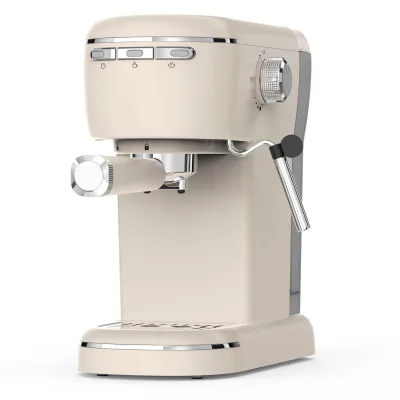
Stainless Steel Coffee Machine Is Easy to Clean, Drip Coffee Making, Energy-saving and Insulation
$62.20 - $67.60
MOQ: 200 pieces

Sunbird Technology Development Co., Limited
- Manufacturer/Factory
- China Guangdong
- Lead time45 days
- Avg. response≤ 11h
Main productsBBQ Grill, Free Standing Oven, Coffee Maker, Rice Cookers, Induction Cookers, Gas Cookers, Electric Oven, Pizza Oven, Deep Fryer, Bread Maker
Main marketsSouth America,Eastern Europe,Mid East,North America,Southeast Asia,Eastern Asia,Oceania,Western Europe,Africa
Zunyi Henghui Supply Chain Technology Co., Ltd.
- Trading Company
- Guizhou, China
- Lead time0 days
- Avg. response≤ 2h
Main productsDrinkware & Accessories, Scooters, Sports Shoes, Home Appliance, Automotive
Main marketsNorth America(24.00%), South America(16.00%), South Asia(13.00%), Southeast Asia(12.00%), Africa(9.00%), Eastern Asia(8.00%), Mid East(6.00%), Western Europe(3.00%), Southern Europe(3.00%), Eastern Europe(3.00%), Northern Europe(2.00%), Oceania(1.00%)

Shanghai Prime Technology Co., Ltd.
- Verified by SGS
- Trading Company
- China Shanghai
- Lead time45 days
- Avg. response≤ 2h
Main productsCoffee Machine Bread Machine, Blender Food Processor Juicer, Air Fryer Hair Dryer Ect.
Main marketsSouth America,Eastern Europe,Mid East,North America,Southeast Asia,Eastern Asia,Oceania,Western Europe,Africa


Premium Semi-Automatic Drip Coffee Maker Machine for Coffeeemaker Perfect Brews
$7.68 - $10.68
MOQ: 500 Pieces


Semi-Automatic Drip Coffee Maker Machine Coffeemaker with Easy Cleanup Design
$7.68 - $10.68
MOQ: 500 Pieces


American Drip Coffee Machine 110V Milk Tea Maker Automatic Coffee Maker with Cup
$6.35 - $10.88
MOQ: 500 Pieces
Henan Zlovy Enterprise Co., Ltd.
- Trading Company
- Henan, China
- Lead time1 days
- Avg. response≤ 8h
Main productsCoffee Pot,Coffee Tools,Water Bottle,Home Appliances,Baking Tools
Main marketsNorth America(35.00%), Western Europe(20.00%), Mid East(20.00%), Southeast Asia(15.00%), South America(10.00%)

Shanghai BM Industrial Co., Ltd.
- Verified by SGS
- Trading Company,Manufacturer/Factory
- China Shanghai
- Lead time38 days
- Avg. response≤ 10h
Main productsSilicone Sealant, PU Foam, PU Sealant, Silicone Adhesive, PU Adhesive, Waterproof Coating, Sealant Gun, Caulking Gun
Main marketsSouth America,Eastern Europe,Mid East,North America,Southeast Asia,Eastern Asia,Oceania,Western Europe,Africa


Automatic Coffee Machine Hot Sell Kitchen Appliance Commercial Automatic Coffee Machine
$21.00 - $25.00
MOQ: 500 Pieces

Turkish Coffee Maker Hot Sell Kitchen Appliance Commercial Automatic Coffee Machine
$21.00 - $25.00
MOQ: 500 Pieces

Coffee Maker Hot Sell Kitchen Appliance Automatic Turkish Coffee Machine Maker
$21.00 - $25.00
MOQ: 500 Pieces

Zhengzhou Estarlink coffee Co., Ltd
- Trading Company
- Henan, China
- Lead time0 days
- Avg. response≤ 6h
Main productsCoffee Grinder,Coffee Pot,Coffee Machine,Coffee Makers,Coffee Tools
Main marketsNorth America(21.00%), Mid East(17.00%), Western Europe(15.00%), Oceania(10.00%), Southeast Asia(10.00%), Domestic Market(7.00%), Northern Europe(5.00%), Eastern Asia(5.00%), South America(4.00%), Eastern Europe(3.00%), Southern Europe(3.00%)
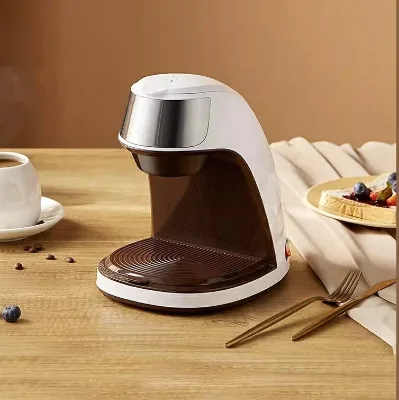
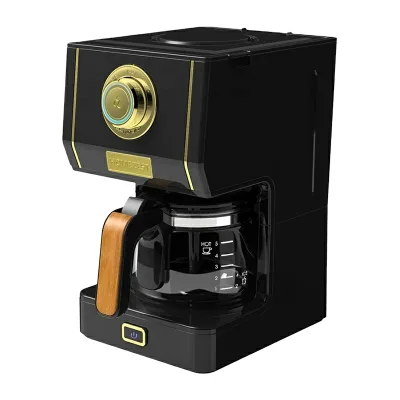
$36.8629 - $53.2456
MOQ: 2 pieces

Ningbo Jewin Electrical Appliances Co., Ltd.
- Verified by BV
- Trading Company,Manufacturer/Factory
- China Zhejiang
- Lead time23 days
- Avg. response≤ 5h
Main productsAir Fryer, Air Fryer Oven, Water Filter, Water Dispenser, Blender, Stand Mixer, Juicer, Ice Maker, Coffee Maker, Washing Machine
Main marketsSouth America,Eastern Europe,Mid East,North America,Southeast Asia,Eastern Asia,Oceania,Western Europe,Africa

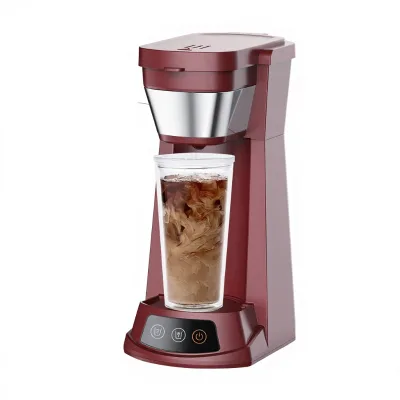
Electric Drip Coffee Machine 0.6L 4 Cups Semi-Automatic Household Coffee Maker
$5.00 - $5.70
MOQ: 1002 Pieces


Beijing Haoyue Weiye Science & Technology Co., Ltd.
- Trading Company
- Lead time旺季: "1 - 1":60,"> 1":"To be negotiated", 淡季: "1 - 1":60,"> 1":"To be negotiated"
- Avg. response≤ 5h
Main productsCoffee machine, Soy milk maker, Air fryer, Vacuum sealer

Ningbo Sinolink Appliance Co., Ltd.
- Trading Company
- China Zhejiang
- Lead time0 days
- Avg. response≤ 22h
Main productsBlender, Juicer, Food Processor, Chopper

Anhui Huining International Trade Co., Ltd.
- Verified by SGS
- Combined
- China Anhui
- Lead time30 days
- Avg. response≤ 7h
Main productsCoffee Maker, Commercial Water Boilers, Food Container, Plastic Cup, Thermostat, Disposable, Home Appliance, Electric Appliance, Kitchen Appliance, Home Appliance Parts
Main marketsSouth America,Africa,Southeast Asia/ Mideast,Europe,North America

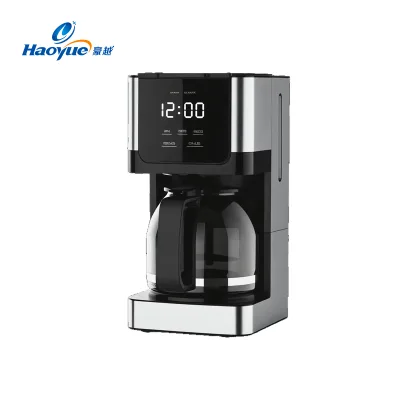
Automatic Drip Coffee Maker 12cups Digital Control Coffee Machine with Keep Warm Function
$11.00 - $11.50
MOQ: 1200 Pieces

Electric Filter Coffee Machine Drip Coffee Maker Anti-Drip Function with Reusable Filter
$5.30 - $6.20
MOQ: 1000 Pieces
- Trading Company
- ZheJiang, China
- Lead time45 days
- Avg. response≤ 3h
Main productsSmall Kitchen Appliances,Refrigerators & Freezers,Heating & Cooling Appliances
Main marketsNorth America(28.50%), Eastern Asia(11.00%), Western Europe(9.30%), Eastern Europe(8.00%), Northern Europe(7.00%), Central America(6.50%), South America(6.00%), Southern Europe(6.00%), Domestic Market(5.20%), South Asia(3.00%), Southeast Asia(3.00%), Mid East(3.00%), Oceania(2.00%), Africa(1.50%)
Ningbo Lingmingdo Electric Appliance Co., Ltd.
- Manufacturer, Trading Company
- Zhejiang, China
- Lead time25 days
- Avg. response≤ 21h
Main productsCoffee Machine, Blander, Air Fryer, Ice Maker
Main marketsWestern Europe(40.00%), Northern Europe(15.00%), Eastern Europe(15.00%), North America(10.00%), Domestic Market(10.00%), South Asia(5.00%), Southern Europe(5.00%)
Luoyang Longart Textile Co., Ltd.
- Trading Company
- Henan, China
- Lead time60 days
- Avg. response≤ 8h
Main productsCOFFEE MAKER,COFFEE MACHINE,EXPRESSO COFFEE MAKER,coffee grinder,food processer
Main marketsEastern Europe(20.00%), North America(20.00%), Western Europe(15.00%), South America(10.00%), Central America(8.00%), Southern Europe(7.00%), Mid East(5.00%), Northern Europe(4.00%), Eastern Asia(3.00%), South Asia(2.00%), Oceania(2.00%), Southeast Asia(2.00%), Africa(2.00%)
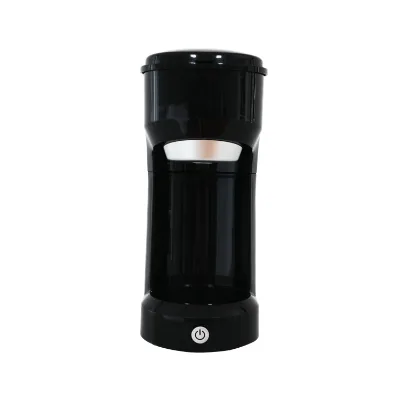
Smart Coffee Machine Drip Coffee Maker Machine Single Cup Smart Coffee Machine
$10.00 - $18.00
MOQ: 3400 pieces

- Verified by TUVRHEINLAND
- Trading Company
- China Zhejiang
- Lead time30 days
- Avg. response≤ 9h
Main productsVacuum Cleaner, Garment Steamer, Window Cleaner, Steam Cleaner, Low Sugar Cooker, Air Fryer, Floor Srubber, Robot Vacuum Cleaner, Wet Dry Hardfloor Washer, Pet Vacuum Cleaner
Main marketsSouth America,Southeast Asia/ Mideast,Europe

JIANGMEN LONG TERM TRADING CO.,LTD
- Trading Company,Manufacturer/Factory
- China Guangdong
- Lead time45 days
- Avg. response≤ 8h
Main productsBlender, Ceiling Fan, Juicer, Food Processor, Food Chopper, Hand Mixer and Stand Mixer, Meat Grinder, Coffee Maker, Ice Crusher Blender, Hand Blender
Main marketsSouth America,Eastern Europe,Mid East,North America,Southeast Asia,Eastern Asia,Oceania,Western Europe,Africa

$25.30 - $25.50
MOQ: 1000 Pieces

400W Coffee Maker Americano Coffee Maker Machine for Home Use Automatic Drip Coffee Maker
$5.70 - $5.90
MOQ: 500 Pieces

$13.50 - $14.00
MOQ: 1000 Pieces
Ningbo Hiking Electric Appliance Co., Ltd.
- Verified by TüVRheinland
- Trading Company
- Lead time40 days
- Avg. response≤ 5h
Main productsAir Fryer, Juicers, Popcorn Maker, Food Processor, Hair Dryer
Main marketsWestern Europe(38%), North America(21%), Eastern Europe(8%)
$3.6891 - $5.0221
MOQ: 1 pieces
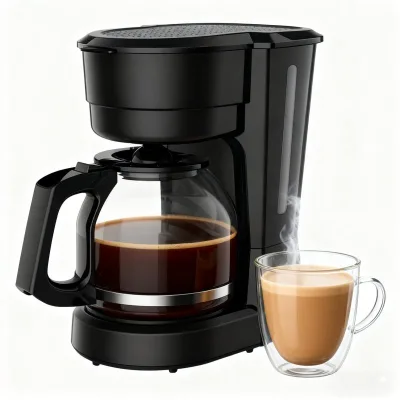
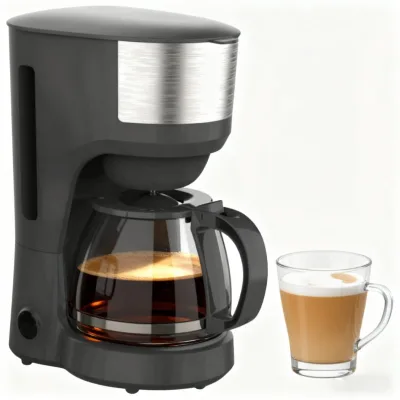
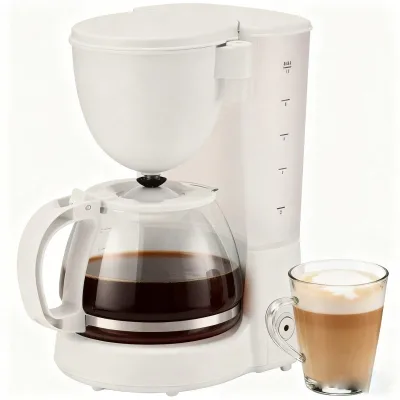
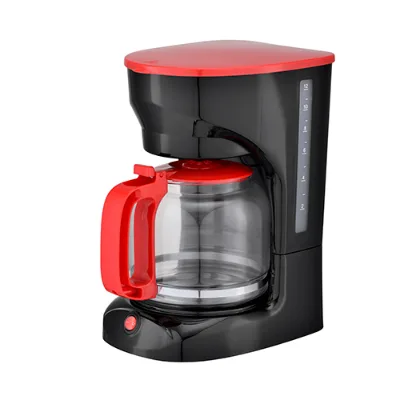
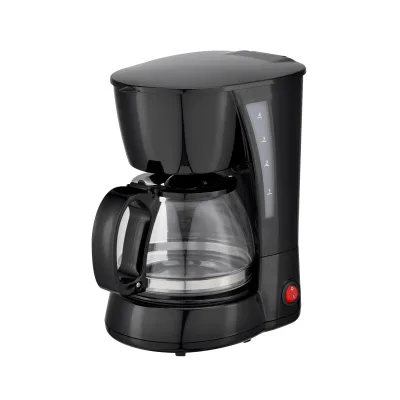
12-14 Cup 1.8L Automatic Drip Brewing Machine Reusable Filter Non-Stick Warm Plate Coffee Maker
$8.1427 - $8.6514
MOQ: 1 sets

Ningbo Mingni Import And Export Co., Ltd.
- Verified by SGS
- Manufacturer/Factory
- China Zhejiang
- Lead time23 days
- Avg. response≤ 3h
Main productsWindow Handle, Door Handle, Hinge, Gas Cooker Knob, Oven Knob, Name Plate, Cabinet Handle, Bathroom Hardware, Auto Parts
Main marketsSouth America,Eastern Europe,North America,Western Europe


Portable Automatic Travel Drip Capsule Portable Coffee Espresso Machine
$30.00 - $38.00
MOQ: 100 Pieces

Hangzhou True Technology Co., Ltd.
- Trading Company
- Lead time旺季: "1 - 5":20,"6 - 100":30,"101 - 500":45,"> 500":"To be negotiated", 淡季: "1 - 5":20,"6 - 100":30,"101 - 500":45,"> 500":"To be negotiated"
- Avg. response≤ 3h
Main productsFully automatic coffee machine, Coffee vending machine, Semi-automatic coffee machine, Capsule coffee machine, Coffee grinder
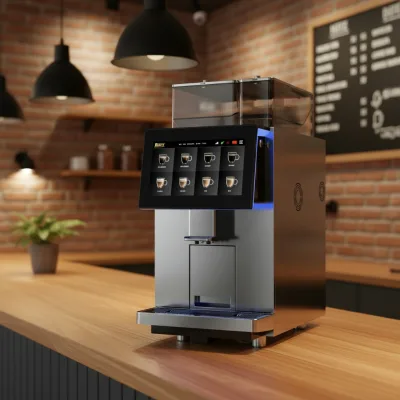
High-efficiency Fully Automatic Coffee Machine
$2230.00 - $4680.00
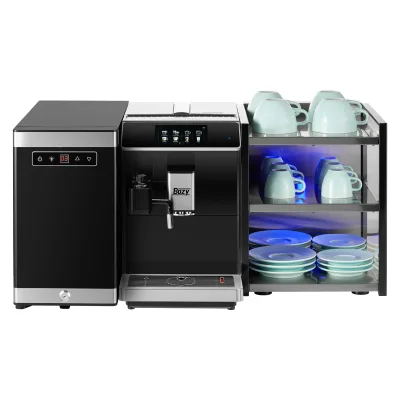
Bean to Cup Coffee Machine, Latte, Coffee ,Italian Coffee
$329.00 - $395.00

Hangzhou Yile Shangyun Robot Technology Co., Ltd.
- Verified by BV
- Combined
- China Zhejiang
- Lead time30 days
- Avg. response≤ 3h
Main productsVending Machine, Coffee Vending Machine, Coffee Machine, Instant Coffee Dispenser, Snack Vending Machine, Combo Vending Machine, Coffee Maker, Beverage Vending Machine, Ice Maker, Charging Piles
Main marketsSouth America,Southeast Asia/ Mideast,Europe,North America


Premium Bean to Cup Coffee Machine with Integrated Chiller and Canisters
$2550.00 - $2650.00
MOQ: 1 Pieces
Ningbo Boruoli Electric Appliance Co., Ltd.
- Trading Company
- Zhejiang, China
- Lead time25 days
- Avg. response≤ 6h
Main productsCoffee Grinder,Mini Chopper,Personal Blender
Main marketsNorth America(60.00%), Western Europe(10.00%), Southeast Asia(10.00%), Northern Europe(10.00%), Southern Europe(5.00%), Eastern Europe(5.00%)
Shenzhen Haomin Technology Limited
- Verified by TüVRheinland
- Trading Company
- Lead time10 days
- Avg. response≤ 3h
Main productsAutomatic Cotton Candy Machine, Automatic Popcorn Machine, Automatic Ice Cream Machine, Protein Shake Vending Machine, Coffee Vending Machine
Main marketsNorth America(25%), South America(20%), Mid East(15%)
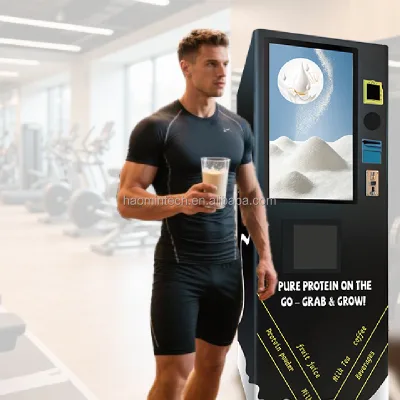
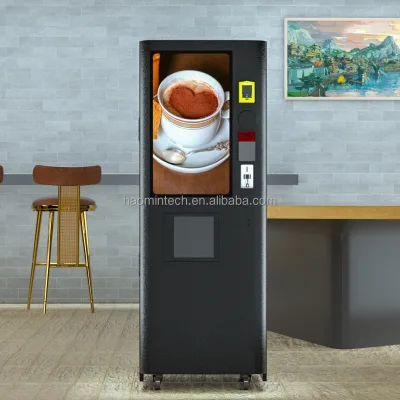
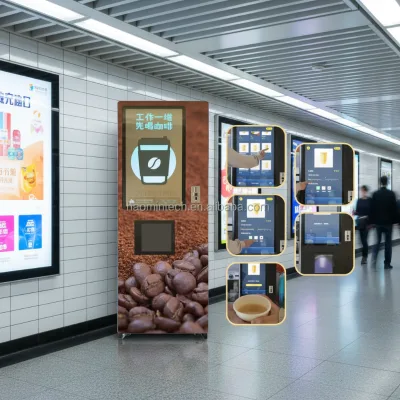
Automatic Coffee Machine with 1 Year Warranty
$1900.00 - $2280.00

Ningbo Longbank Intelligence Appliance Co., Ltd.
- Trading Company
- China Zhejiang
- Lead time23 days
- Avg. response≤ 5h
Main productsCoffee Machine, Air Fryer, Infant Appliance, Cleaning Appliance, Water Appliance, Seasonal Appliance, Other Small Kitchen Appliance
Main marketsSouth America,Eastern Europe,Mid East,North America,Southeast Asia,Eastern Asia,Oceania,Western Europe,Africa

Dongyi Yangshan Mechanical Equipment Co., Ltd.
- Verified by TUVRHEINLAND
- Manufacturer/Factory
- China Guangdong
- Lead time23 days
- Avg. response≤ 16h
Main productsCoffee Roaster, Coffee Machine, Coffee Roaster Machine, 20kg Coffee Roaster Machine, Coffee Roasting Machine, Industrial Coffee Roaster, Electric Coffee Roaster, Espresso Coffee Machine, Professional Coffee Machine, Automatic Coffee Machine
Main marketsSouth America,Eastern Europe,Mid East,North America,Southeast Asia,Eastern Asia,Oceania,Western Europe,Africa

Coffee Machine with Temperature Control and High-Pressure Brew System
$819.00 - $1298.00
MOQ: 1 Pieces


Markevina Technology (Shenzhen) Co., Ltd.
- Verified by BV
- Trading Company,Manufacturer/Factory
- China Guangdong
- Lead time30 days
- Avg. response≤ 2h
Main productsSmall Home Appliances, Electricity and Power Equipment Manufacturing, Machinery and Production Line
Main marketsSouth America,Eastern Europe,Mid East,North America,Southeast Asia,Eastern Asia,Oceania,Western Europe,Africa

1.2L Full-Automatic Electric Drip Coffee Maker for Coffee Bean and Coffee Power
$50.00 - $80.00
MOQ: 10 Pieces

1.2L Full-Automatic Electric Drip Coffee Maker Coffee Bean Coffee Power Making Machine
$50.00 - $100.00
MOQ: 100 Pieces

1.2L Full-Automatic Electric Drip American Coffee Maker Machine with Special Steaming System
$50.00 - $80.00
MOQ: 10 Pieces
Zhongshan Chenyi Technology Co., Ltd.
- Manufacturer, Trading Company
- Guangdong, China
- Lead time45 days
- Avg. response≤ 5h
Main productsJuicer,Blender,Milk Frother,Coffee Grinder,Mixer
Main marketsNorth America(20.00%), Western Europe(18.00%), Mid East(12.00%), South America(10.00%), Southeast Asia(8.00%), Eastern Europe(8.00%), Eastern Asia(5.00%), Northern Europe(5.00%), South Asia(4.00%), Southern Europe(4.00%), Oceania(3.00%), Central America(1.00%), Domestic Market(1.00%), Africa(1.00%)
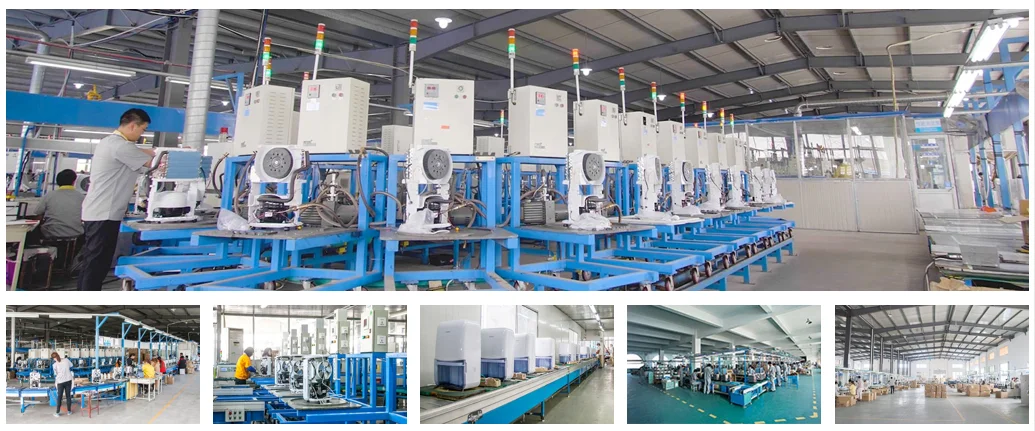
- Trading Company
- Beijing, China
- Lead time20 days
- Avg. response≤ 5h
Main productsHousehold Appliances
Main marketsNorth America(80.00%), Western Europe(5.00%), Southeast Asia(5.00%), Eastern Europe(5.00%), South America(5.00%)
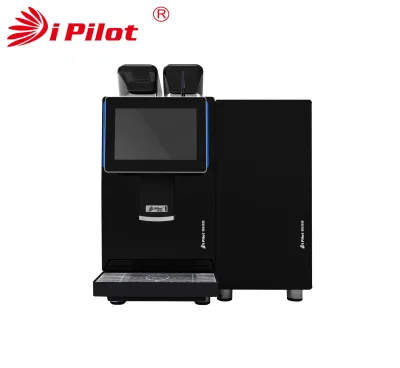
Changzhou Pilot Electronic Co., Ltd.
- Verified by SGS Group
- Manufacturer, Trading Company
- Lead time7 days
- Avg. response≤ 6h
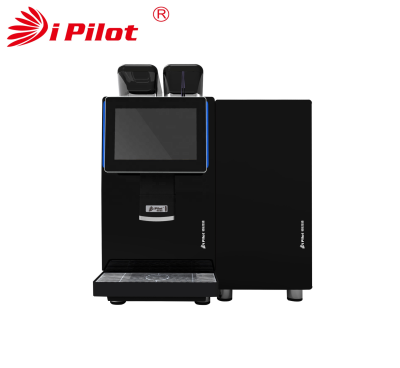
Main productsIntelligent Espresso Coffee Machine, Intelligent Instant Beverage Machine, Intelligent Juice Machine, Intelligent Tea Dispenser, Intelligent Hot Water Dispenser
Main marketsSoutheast Asia(40%), South America(25%), Northern Europe(15%)




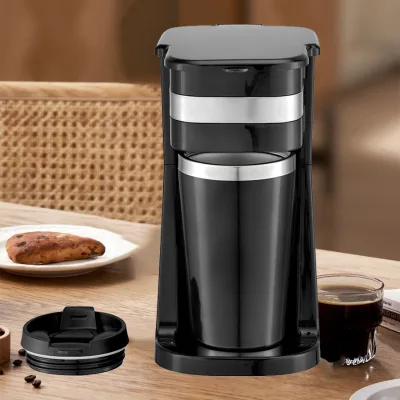
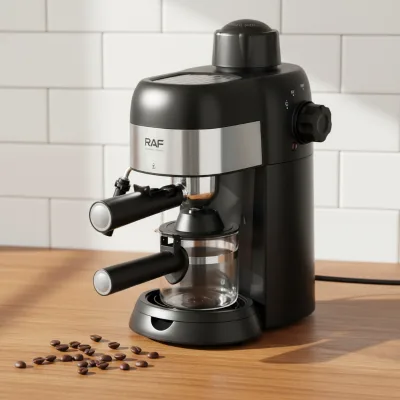
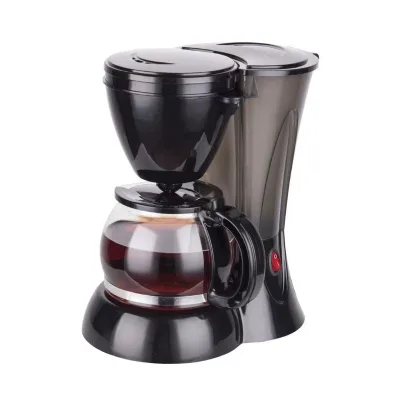


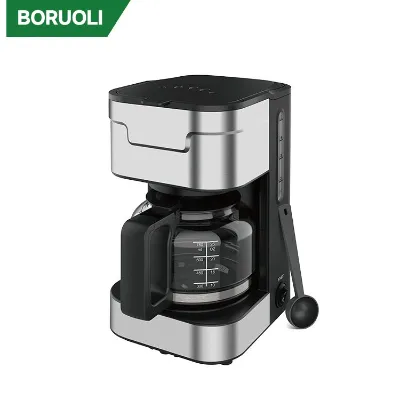
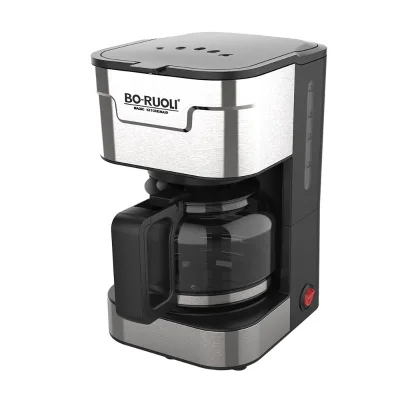


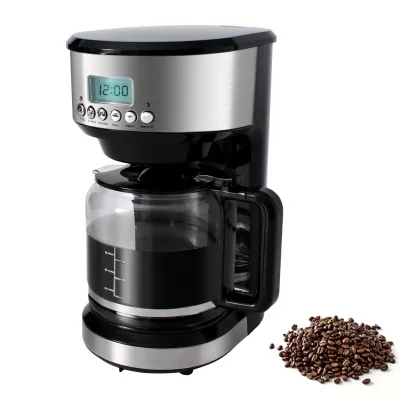
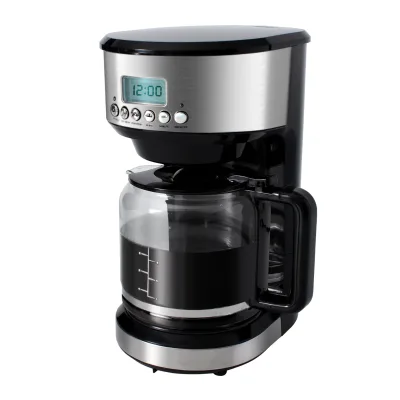
Comprehensive Sourcing Guide
Semi-Automatic Drip Coffee Machine Supplier Concentration and Factory Types
The current supplier landscape for semi-automatic drip coffee machines reveals a distinct concentration of manufacturing and trading entities within Jiangsu, China, which serves as a primary hub for this specific product category. This regional clustering suggests a mature supply chain ecosystem where components, assembly lines, and logistics networks are optimized for small kitchen appliances. Buyers evaluating suppliers should recognize that while Jiangsu is a confirmed location for some offerings, other products may originate from Zhejiang, China, indicating a broader regional distribution of manufacturing capabilities across eastern China. Understanding this geographic spread is crucial for assessing shipping costs, lead times, and the potential for factory audits. The presence of suppliers in these specific provinces often correlates with established industrial zones dedicated to home appliances, providing buyers with access to a variety of production scales, from small batch customizations to larger volume commercial production runs.
In terms of company structure, the market features a mix of Trading Companies and direct manufacturers, each offering distinct advantages for sourcing semi-automatic drip coffee machines. Trading companies often provide a broader catalog of related products, such as household appliances, kitchen household appliances, and small household appliances, allowing buyers to consolidate orders for multiple item types. This consolidation can simplify logistics and reduce overall procurement complexity. Conversely, direct manufacturers may offer more specialized expertise in specific machine types, such as fully automatic or semi-automatic models, and might provide greater flexibility in private mold customization. Buyers should carefully distinguish between these entity types when reviewing supplier profiles, as the trading company model may involve additional layers of communication and markup, while direct factories might have stricter minimum order quantities and less flexibility in product variety.
How to Verify Semi-Automatic Drip Coffee Machine Suppliers
Verifying the legitimacy and capability of semi-automatic drip coffee machine suppliers requires a systematic approach to checking response times, product evidence, and operational transparency. A key indicator of supplier reliability is their response time, with some suppliers demonstrating a rapid response capability of just two days, which is critical for timely negotiations and issue resolution. Buyers should prioritize suppliers who maintain this level of responsiveness, as it often reflects a well-organized sales and support team. Additionally, examining the detailed product evidence provided, such as specific model numbers like CM6629T or CM6688T, can help assess the supplier's product depth and technical accuracy. Suppliers that provide comprehensive specifications, including power ratings, dimensions, and material compositions, are generally more transparent and reliable than those with vague or incomplete product listings.
Beyond response speed, buyers must verify the authenticity of product claims by cross-referencing detailed attributes with industry standards. For instance, checking the rated voltage range, such as 111V ~ 240V or specific 220V configurations, ensures compatibility with target markets. Suppliers should also provide clear information on warranty periods, with some offering three years for certain models and others providing one year, which impacts long-term cost of ownership. It is essential to verify the place of origin listed for each product, as discrepancies between the supplier's location and the product's origin can indicate drop-shipping or third-party sourcing arrangements. Buyers should request additional documentation, such as test reports or certification details, to confirm that the semi-automatic drip coffee machines meet safety and performance standards for their intended regions, ensuring that the supplier's claims are substantiated by verifiable data.
What to Compare Across Semi-Automatic Drip Coffee Machine Suppliers
When comparing suppliers, buyers should focus on key operational metrics such as lead times, minimum order quantities (MOQ), and after-sales service provisions to determine the best fit for their business needs. Lead times vary significantly, with some suppliers offering a fifteen-day turnaround while others require twenty days, which directly impacts inventory planning and market launch schedules. Buyers must align their order volumes with the supplier's MOQ, which can range from as low as two units for certain models to higher thresholds for others, affecting cash flow and storage requirements. Additionally, comparing the after-sales service offerings is crucial; some suppliers provide free accessories or spare parts, while others offer no after-sales support, which can influence customer satisfaction and return rates in the end market.
Another critical comparison point is the product specifications and customization options available from different suppliers. Buyers should evaluate the housing materials, such as stainless steel or PP, and the specific functions offered, including programmable features, temperature control, and self-cleaning capabilities. The capacity of the coffee machine, ranging from 1.2L to 2L, and the number of cups it can serve, from 3 to 15 cups, must match the target customer profile. Furthermore, comparing the packaging types, such as gift boxes or corrugated boxes, and the single package dimensions helps in calculating shipping costs and storage efficiency. Buyers should also assess the style and design options, such as Italian or American styles, to ensure the product aligns with their brand identity and market positioning, ensuring that the selected supplier can deliver a product that meets both functional and aesthetic requirements.
Common Semi-Automatic Drip Coffee Machine Sourcing Risks
One of the primary risks in sourcing semi-automatic drip coffee machines is the potential mismatch between product specifications and actual performance, particularly regarding power consumption and voltage compatibility. Suppliers may list a power rating of 1000W or 200W, but the actual energy efficiency and performance under load can vary, leading to customer complaints or regulatory non-compliance in certain markets. Buyers must verify the rated frequency, such as 50-60Hz or 50Hz, to ensure the machine operates correctly in their target region. Additionally, the type of coffee machine, whether fully automatic or semi-automatic, must be clearly defined to avoid misunderstandings about the level of user intervention required, which can impact customer satisfaction and return rates if the product does not meet expectations.
Another significant risk is the inconsistency in warranty and after-sales support, which can leave buyers vulnerable to high maintenance costs and reputational damage. While some suppliers offer a three-year warranty and free accessories, others provide only a one-year warranty with no after-sales service, shifting the burden of repair and replacement to the buyer. This disparity can lead to unexpected expenses and logistical challenges, especially for international buyers who may face difficulties in sourcing replacement parts or technical support. Buyers should also be cautious of suppliers who do not disclose their establishment year or provide limited information about their company history, as this can make it difficult to assess their long-term stability and reliability. Verifying the supplier's track record and financial health can help mitigate these risks and ensure a more secure sourcing partnership.
Semi-Automatic Drip Coffee Machine Regional Sourcing and Logistics
Sourcing semi-automatic drip coffee machines from Jiangsu, China, offers logistical advantages due to the region's well-developed infrastructure and proximity to major ports, which can reduce shipping times and costs. Buyers should consider the single package size and gross weight of the products, such as 28X19X31 cm and 6.000 kg for certain models, when planning logistics and warehousing. These dimensions directly impact the number of units that can be shipped per container, affecting overall freight costs and inventory turnover rates. Additionally, the packaging type, whether gift box or corrugated box, influences the protection of the products during transit and the ease of handling at the destination, which can reduce damage rates and associated losses.
For buyers sourcing from other regions, such as Zhejiang, China, it is essential to evaluate the local logistics capabilities and shipping routes to ensure timely delivery. The place of origin listed for each product should be cross-referenced with the supplier's location to identify any potential discrepancies that could affect shipping efficiency. Buyers should also consider the plug type, such as EU, UK, or US, as this may require additional adapters or modifications, impacting the final product cost and customer experience. By carefully analyzing the logistical details provided by suppliers, buyers can optimize their supply chain, reduce lead times, and ensure that the semi-automatic drip coffee machines reach the market in optimal condition, minimizing delays and enhancing customer satisfaction.
Semi-Automatic Drip Coffee Machine Commercial Terms and Order Planning
Commercial terms for semi-automatic drip coffee machines often include specific pricing structures and payment conditions that buyers must carefully evaluate to ensure profitability and cash flow stability. Some suppliers offer price ranges, such as $62.20 to $70.30 per unit, which can vary based on order volume and customization requirements. Buyers should negotiate these terms to secure favorable pricing, especially for larger orders, while also considering the MOQ, which can be as low as two units for certain models. Understanding the payment terms, such as deposit requirements and balance payments, is crucial for managing financial risk and ensuring that the supplier is committed to fulfilling the order. Buyers should also clarify any additional costs, such as tooling fees for private molds, which can significantly impact the total cost of ownership.
Order planning for semi-automatic drip coffee machines requires a strategic approach to inventory management and market launch timing. Buyers should align their order quantities with the supplier's lead times, which can range from fifteen to twenty days, to ensure timely delivery and avoid stockouts. Additionally, considering the time to market for new models, such as 2024, can help buyers stay competitive by introducing the latest features and designs to their customers. Buyers should also plan for after-sales support by securing a reliable supply of spare parts and accessories, which can be provided by the supplier or sourced separately. By carefully managing these commercial terms and order planning aspects, buyers can optimize their procurement process, reduce costs, and enhance their market position in the semi-automatic drip coffee machine segment.
FAQs
What is the typical lead time for semi-automatic drip coffee machines?
Manufacturers in Jiangsu, China typically require 15 to 20 days to produce and ship semi-automatic drip coffee machines. This timeframe accounts for production scheduling and quality checks. Buyers should confirm exact delivery dates with suppliers before placing orders to ensure alignment with project timelines.
What is the minimum order quantity for these coffee machines?
Suppliers often set a minimum order quantity of just two units for semi-automatic drip coffee machines. This low threshold allows buyers to test product quality and market response with minimal initial investment. It is ideal for small businesses or retailers looking to diversify their appliance inventory efficiently.
How quickly do suppliers respond to sourcing inquiries?
Most suppliers listed respond to inquiries within two days. This rapid response ensures that buyers receive timely information regarding pricing, specifications, and availability. Quick communication helps streamline the negotiation process and allows for faster decision-making when evaluating potential manufacturing partners for coffee equipment.
What warranty periods are offered for drip coffee machines?
Warranty periods for semi-automatic drip coffee machines typically range from one to three years. Some models offer free accessories or spare parts during the warranty period. Buyers should verify specific warranty terms with the supplier to understand coverage details and after-sales service support.
What power specifications do these machines usually have?
Semi-automatic drip coffee machines generally operate with power ratings between 200 and 1000 watts. They support rated voltages from 110V to 240V, making them suitable for various international markets. Buyers should check plug types and voltage compatibility to ensure safe operation in their target regions.
Are these machines suitable for commercial or hotel use?
Many semi-automatic drip coffee machines are designed for hotel, commercial, and household applications. Features like automatic insulation and programmable settings make them versatile for high-volume environments. Buyers should confirm the specific application suitability with suppliers to ensure the machine meets their operational requirements.