Source European Standard Gas Stove for home, camping, table
Find 30 European Standard Gas Stove options for home, camping, and table use. Buyers can compare specifications like ignition mode, burner count, certifications, and material types from verified suppliers in China to ensure compliance with safety standards; compare the available evidence and request quotations based on your requirements.
Updated
Key considerations
Products List
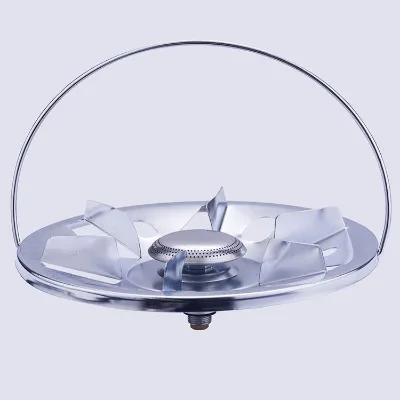
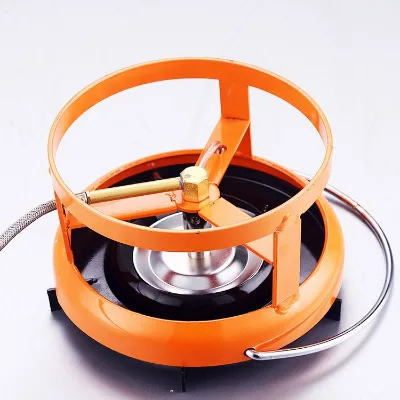

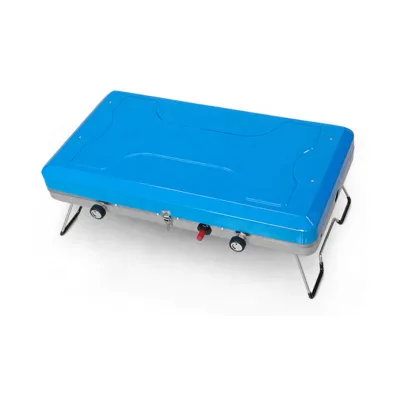
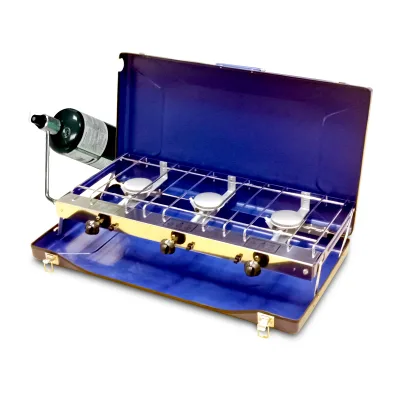


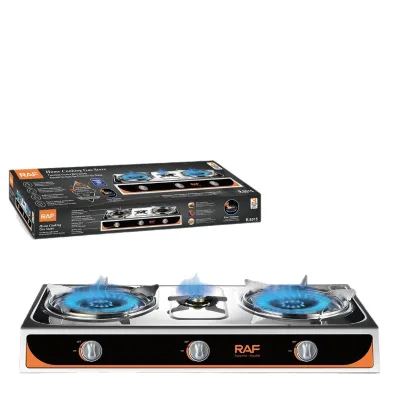


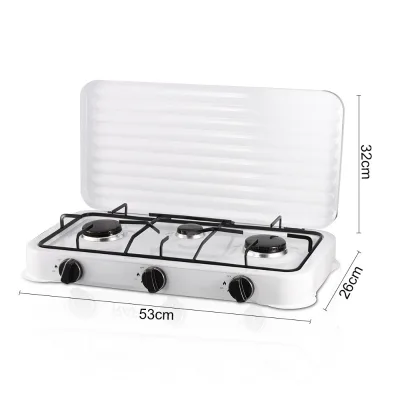
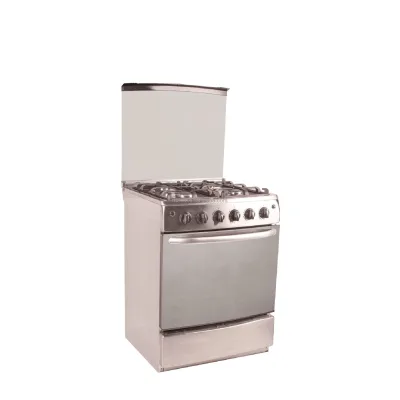
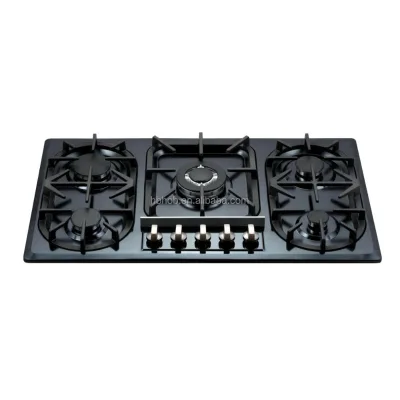
Built in 5 burner Black Stainless Steel Gas Stove with Cast Iron Suppotrt
$58.00 - $100.00
MOQ: 100 Minimum


Commercial Stainless Steel Engineering Type Stove and Gas Dual Gas Stove
$150.00 - $240.00
MOQ: 10 Sets
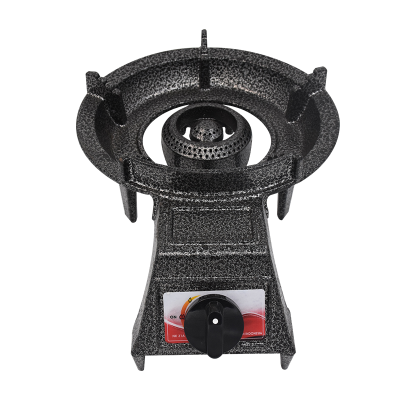
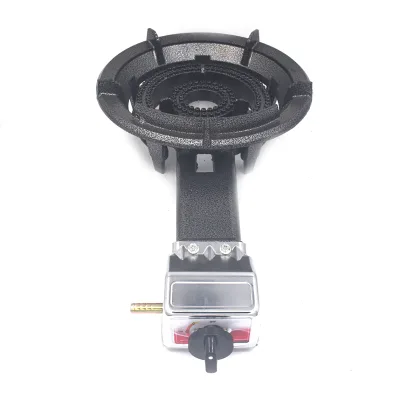
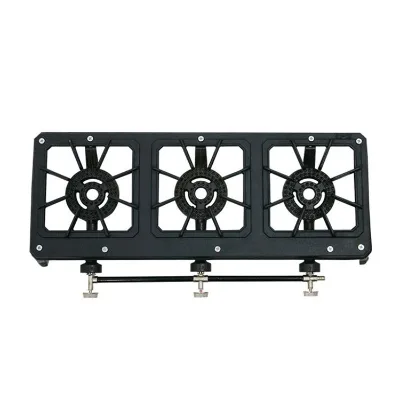
Comprehensive Sourcing Guide
European Standard Gas Stove Sourcing Guide
Procuring gas cooking appliances that align with European regulatory frameworks requires a disciplined approach to supplier verification and technical validation. Buyers must navigate a complex landscape where product listings often mix portable camping units with built-in kitchen installations, creating significant confusion regarding applicable safety standards. The core challenge lies in distinguishing between general gas appliances and those specifically engineered to meet the rigorous EN 30 and EN 437 standards mandated for residential use within the European Union. Without clear differentiation, procurement teams risk acquiring units that lack the necessary certification for legal sale or safe operation in target markets.
This guide provides a structured framework for evaluating suppliers based on observable listing data and verified technical attributes. It emphasizes the critical importance of matching product specifications with intended application environments, whether for outdoor camping, portable kitchen use, or permanent built-in installations. By focusing on concrete evidence such as material composition, ignition modes, and declared certifications, buyers can mitigate the risk of non-compliance. The following sections detail the specific verification steps required to ensure that sourced gas stoves meet both performance expectations and regulatory obligations.
Product Scope and Observed Listing Signals
Market listings for gas stoves reveal a wide spectrum of product types, ranging from single-burner portable units to multi-burner built-in cooktops. Observed data indicates that suppliers offer products with varying burner configurations, including single-cooker and multi-cooker setups, often constructed from materials like stainless steel, chrome, or tempered glass. These physical attributes directly influence the appliance’s durability and suitability for specific environments, such as home kitchens, camping sites, or commercial table applications. Buyers must carefully examine these material and structural details to ensure the product aligns with their operational requirements and aesthetic preferences.
The diversity in product features extends to ignition systems and fuel types, with options including manual ignition, electronic ignition, and pulse-jet ignition mechanisms. Fuel sources are predominantly listed as LPG or liquefied gas, which is critical for compatibility with existing infrastructure in target markets. Additionally, packaging types vary from color boxes to corrugated boxes, reflecting different logistical needs and protection levels during transit. Understanding these variations allows buyers to assess the total cost of ownership, including shipping efficiency and product protection, while ensuring the selected unit meets the specific functional demands of the end-user.
Technical Specifications to Verify
Technical verification begins with confirming the ignition mode and power source compatibility, as these factors dictate user experience and safety. Listings show a mix of manual and electronic ignition systems, with some advanced models featuring pulse-jet ignition for reliability. Buyers must verify that the gas type, typically LPG, matches the local supply infrastructure to prevent operational failures. Additionally, the number of burners, ranging from single to five-burner configurations, should align with the intended cooking volume and kitchen layout. Ensuring these core technical parameters are correctly specified prevents costly mismatches between the product and the end-user’s needs.
Material composition and installation type are equally critical for long-term performance and safety. Stainless steel bodies and cast iron pan supports are common indicators of durability, while tempered glass panels offer a modern aesthetic but require careful handling. Installation options vary from portable and slide-in designs to built-in configurations, each requiring specific kitchen modifications. Buyers should verify that the product’s dimensions and mounting requirements match their kitchen specifications. Furthermore, checking for features like self-cleaning functions or steam ovens can add value but must be balanced against complexity and maintenance requirements.
Compliance and Safety Documentation
Compliance with European standards is non-negotiable for gas appliances sold in the EU market. Buyers must request explicit documentation confirming adherence to EN 30-1, EN 30-2, and EN 437 standards, which govern safety and performance for gas cooking appliances. While some listings mention certifications like CE, CB, RoHS, and UL, buyers must verify that these apply specifically to gas combustion safety and not just electrical components. The presence of standards such as BV and SGS indicates third-party verification, but the specific scope of these tests must be clarified to ensure full regulatory coverage.
Documentation should also include detailed test reports from accredited laboratories, covering flame failure devices, gas leakage tests, and thermal efficiency ratings. Buyers should insist on seeing the actual certificate numbers and validity dates to avoid expired or fraudulent claims. For products targeting specific regions like the Middle East or Africa, additional certifications such as SASO may be required. Ensuring that all compliance documents are current and applicable to the specific model number is essential for avoiding customs delays and legal liabilities in the destination market.
Cost Drivers and Commercial Terms
Cost structures for gas stoves are influenced by material quality, burner count, and certification levels. Stainless steel and tempered glass models typically command higher prices due to manufacturing complexity and durability. Buyers should analyze the price range, which can vary significantly from low-cost portable units to premium built-in systems, to understand the value proposition. Minimum order quantities (MOQs) also play a crucial role, with some suppliers offering flexible terms for single items while requiring bulk purchases for customized or certified models. Understanding these commercial terms helps in budgeting and negotiating favorable payment conditions.
Packaging and logistics costs are additional factors that impact the total landed cost. Products packaged in export-standard cartons with foam protection may incur higher shipping costs but reduce the risk of damage during transit. Buyers should evaluate the trade-off between lower unit prices and higher logistics expenses, especially for heavy items like multi-burner cooktops. Additionally, customization options, such as OEM branding or specific color finishes, may incur setup fees or increase MOQs. Clarifying these commercial details upfront prevents unexpected costs and ensures accurate total cost of ownership calculations.
Supplier Qualification and Quality Control
Supplier qualification requires a thorough assessment of manufacturing capabilities and quality control processes. Buyers should verify the supplier’s place of origin, with Zhejiang and Guangdong being common manufacturing hubs in China, known for their industrial expertise. Checking for OEM/ODM capabilities indicates the supplier’s flexibility in meeting specific design requirements. Additionally, assessing the supplier’s history with international markets, particularly the Middle East and Africa, can provide insights into their experience with diverse regulatory environments and customer expectations.
Quality control measures should include in-process inspections and final random inspections before shipment. Buyers should request evidence of production line audits and testing protocols for each batch. For customized orders, verifying the supplier’s ability to maintain consistency across different production runs is crucial. Establishing clear communication channels for addressing defects or non-conformities ensures that issues are resolved promptly. Building a relationship with suppliers who prioritize quality and transparency reduces the risk of receiving substandard products and enhances long-term procurement stability.
Long-Term Procurement Checks
Long-term procurement success depends on continuous monitoring of product performance and supplier reliability. Buyers should establish feedback loops with end-users to identify any recurring issues with ignition, gas flow, or material durability. Regularly reviewing supplier performance metrics, such as on-time delivery rates and defect percentages, helps in making informed decisions about future orders. Additionally, staying updated on changes in European standards and certification requirements ensures that sourced products remain compliant over time. Proactive engagement with suppliers regarding product improvements and new technologies can also enhance the competitive edge of the sourced appliances.
Maintaining a diverse supplier base mitigates the risk of supply chain disruptions and provides leverage in negotiations. Buyers should periodically re-evaluate their supplier portfolio to ensure it aligns with evolving market demands and regulatory landscapes. Documenting all interactions, specifications, and compliance certificates creates a robust audit trail for future reference. By implementing these long-term checks, buyers can sustain a reliable supply of high-quality gas stoves that meet both functional and regulatory standards, ensuring customer satisfaction and business growth.
FAQs
What certifications are available for European Standard Gas Stove products?
Certifications vary by manufacturer and model. Some units hold CB, CE, RoHS, Saso, UL, and Ur marks. Others may list only Other certifications. Buyers should verify specific compliance documents with the supplier before ordering to ensure the product meets local regulatory requirements for the intended destination market.
Which ignition modes are offered for these gas cooktops?
Manufacturers provide Manual Ignition, Electronic Ignition, and Pulse-Jet Ignition options. The choice depends on the specific model and price point. Manual ignition is common for portable units, while electronic or pulse-jet systems are often found in built-in or multi-burner configurations. Select the mode that best fits your operational needs.
Can I customize the design of a European Standard Gas Stove?
Customization is available for many models. Suppliers offer OEM and ODM services, allowing for brand name adjustments and specific feature requests. Buyers can often choose from various colors, materials like stainless steel or tempered glass, and burner configurations. Contact the manufacturer directly to discuss your specific customization requirements and minimum order quantities.
What is the typical price range for these gas stoves?
Prices range from approximately 0.47 to 2558 USD per unit. The cost depends heavily on the number of burners, material quality, and certification level. Portable single-burner units are generally lower priced, while built-in multi-burner stainless steel models command higher prices. Request detailed quotes to understand the final cost for your specific quantity.
Where are these gas stoves typically manufactured?
Most units originate from China, specifically Zhejiang and Guangdong provinces. These regions are known for their manufacturing capabilities in kitchen appliances. Buyers should confirm the exact place of origin with the supplier, as this can impact shipping logistics, lead times, and potential tariffs depending on the final destination country.
What packaging types are used for shipping these cooktops?
Packaging varies by product type. Portable units often use Color Boxes or Corrugated Boxes. Larger built-in models may be packed in Export Standard Cartons with Foam for protection. The packaging ensures safe transit and is designed to prevent damage during handling. Verify the specific packaging details with the supplier to ensure adequate protection for your shipment.