2 Burner Electric Ceramic Stove with Timer Suppliers and Manufacturers
Source 2 Burner Electric Ceramic Stove with Timer options from 26 verified suppliers in China. Compare key dimensions including ISO certifications, OEM/ODM capabilities, lead times, and pricing. Request quotes to evaluate specifications and MOQs for your procurement needs; review the available evidence before requesting comparable quotations from suitable candidates.
Updated
Suppliers List

Zhejiang Haoda Electrical Appliance Co., Ltd.
- Combined
- China Zhejiang
- Lead time30 days
- Avg. response≤ 3h
Main productsFloor Cleaner, Deep Fryer, Infrared Ceramic Cooker, Electric Hotplate, Electric Buffet Warmer, Electric BBQ, Electric Chopper, Vacuum Cleaner, Air Fryer
Main marketsSoutheast Asia/ Mideast,Europe,North America


Vitroceramic Glass Appliance Infrared Ceramic Electric Stove Two Burners Infrared Cooker
$5.85 - $6.25
MOQ: 1000 Pieces


2 Burner Electrical Stove Portable Ceramic Cooktops Electric Ceramic Cookers Home
$20.00 - $30.00
MOQ: 500 Pieces


Zhongshan Longstar Electrical Appliance Co., Ltd.
- Verified by BV
- Combined
- China Guangdong
- Lead time30 days
- Avg. response≤ 8h
Main productsInduction Cooker, Infrared Cooker
Main marketsSoutheast Asia/ Mideast

Dongguan Jinsen Craft Technology Co., Ltd.
- Verified by TUVRHEINLAND
- Trading Company,Manufacturer/Factory
- China Guangdong
- Lead time23 days
- Avg. response≤ 2h
Main productsKitchen Household Appliances, Kitchenware, Blender, Air Fryer, Meat Grinder, Stainless Steel Pot, Breakfast Machine, Electric Fan Solar Fans, Vacuum Cup, Vacuum Bottle
Main marketsSouth America,Eastern Europe,Mid East,North America,Southeast Asia,Eastern Asia,Oceania,Western Europe,Africa

Zhongshan Daofey Electrical Co., Ltd.
- Verified by TUVRHEINLAND
- Combined
- China Guangdong
- Lead time30 days
- Avg. response≤ 7h
Main productsInduction Cooker, Infrared Cooker, Built in Cooker, Induction Cooktop, Ceramic Cooker, Built Induction Cooker, Built Ceramic Cooker, Hot Plate
Main marketsOthers(foreignTradeCapacity.exportBusinessCapacityMarketOther),Europe


High-Power Electric Stove with Infrared Heating for Quick Meals Infrared Cooker
$10.00 - $12.00
MOQ: 1000 Pieces

Compact Electric Stove with Infrared Technology for Efficient Cooking Ceramic Cooker
$10.00 - $12.00
MOQ: 1000 Pieces

2000W 2200W Ceramic Infrared Cookware Electric Stove for Cooking Electric Cooker
$10.00 - $12.00
MOQ: 1000 Pieces
Xuzhou Solam Electrical Appliances Co., Ltd.
- Trading Company
- Jiangsu, China
- Lead time20 days
- Avg. response≤ 2h
Main productsHome Appliances,washing machines,water dispenser,air fryer,rice cooker
Main marketsNorth America(30.00%), Southeast Asia(25.00%), Western Europe(15.00%), Domestic Market(10.00%), South Asia(5.00%), Eastern Europe(5.00%), Africa(4.00%), South America(3.00%), Mid East(3.00%)
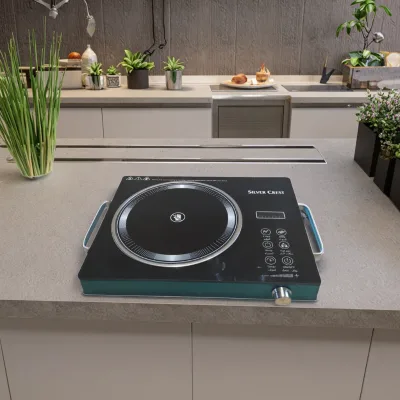
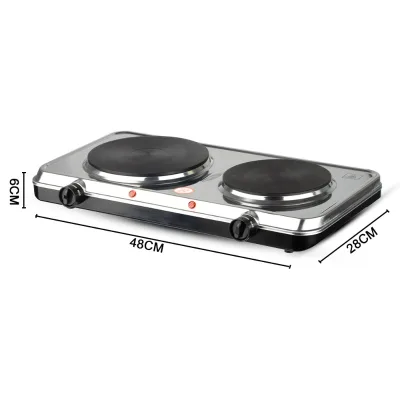
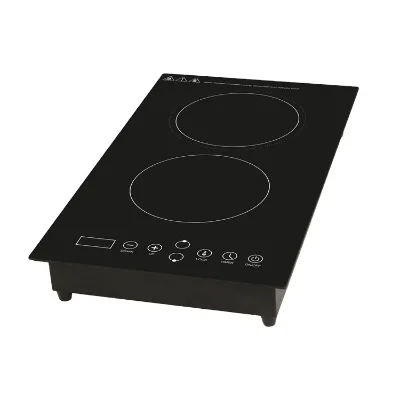
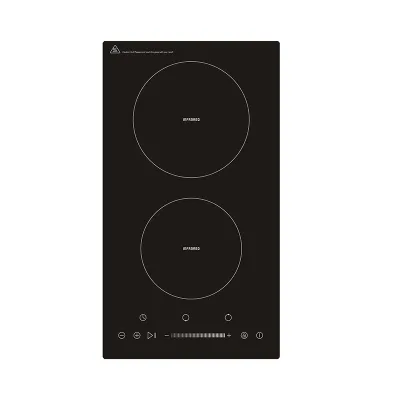
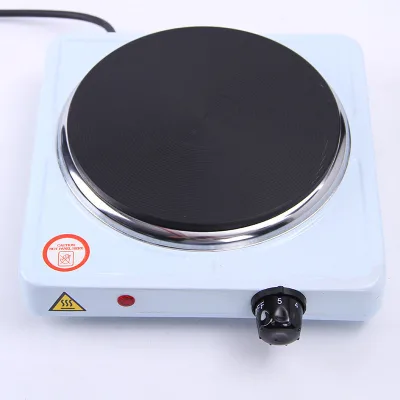
$39.00 - $44.50
MOQ: 1 pieces

- Verified by BV
- Combined
- China Guangdong
- Lead time15 days
- Avg. response≤ 4h
Main productsHood Type Dishwasher, Conveyor Type Dishwasher, Ultrasonic Dishwasher, Undercounter Dishwasher, Bakery Equipment, Food Processor
Main marketsSouth America,Africa,Others(foreignTradeCapacity.exportBusinessCapacityMarketOther),North America
Zhongshan Jiaye Electric Appliance Co., Ltd.
- Verified by SGS Group
- Manufacturer, Trading Company
- Lead time40 days
- Avg. response≤ 3h
Main productsGas Hob, Gas Stove, Gas Cooker, Gas Cooktop, Electric Hob
Main marketsSouth America(30%), Western Europe(20%), Southeast Asia(10%)
Foshan Zilong Electrical Appliances Co., Ltd.
- Manufacturer
- Guangdong, China
- Lead time35 days
- Avg. response≤ 4h
Main productselectric infrared cooker,induction cooker,Gas stove,camping stove,outdoor stove
Main marketsSoutheast Asia(50.00%), Western Europe(20.00%), South America(20.00%), North America(10.00%)
Zhongshan Amor Electrical Appliance Co., Ltd.
- Trading Company
- Guangdong, China
- Lead time40 days
- Avg. response≤ 2h
Main productsInduction cooker,Infrared cooker,Induction cooktop,Hop plate,solar cooker
Main marketsSoutheast Asia(50.00%), North America(20.00%), Western Europe(10.00%), South America(10.00%), Eastern Europe(10.00%)
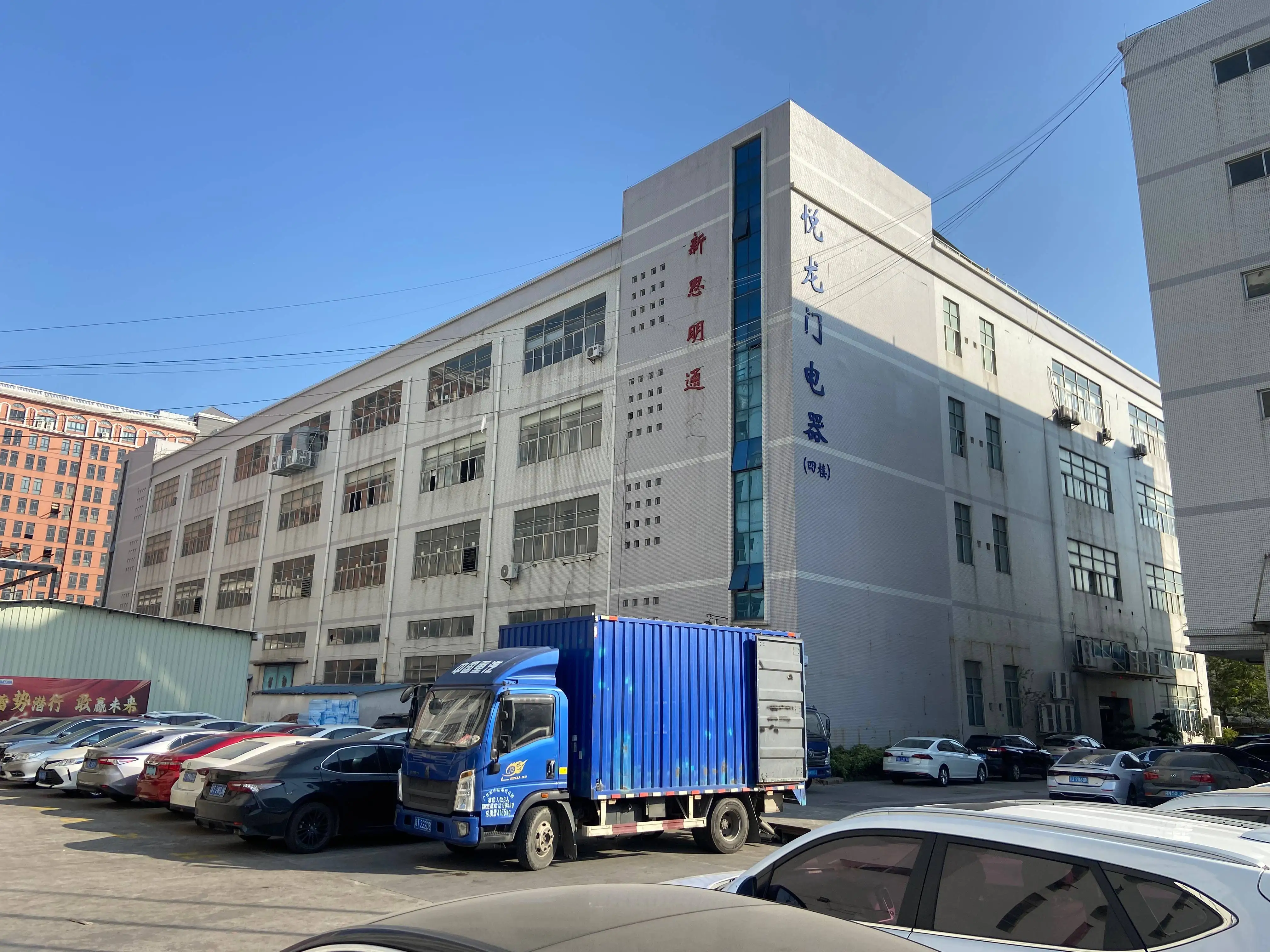
Zhongshan Elomen Electric Appliance Co., Ltd.
- Manufacturer
- Guangdong, China
- Lead time45 days
- Avg. response≤ 2h
Main productsInduction Cooker, Ceramic Cooker
Main marketsDomestic Market(80.00%), Western Europe(10.00%), Mid East(5.00%), Southeast Asia(5.00%)
HK JDY INTERNATIONAL CO., LIMITED
- Trading Company
- Hong Kong S.A.R.
- Lead time0 days
- Avg. response≤ 3h
Main productsEspresso Machines,Electric Toothbrush,Air Fryers,Juicers,hair straightener
Main marketsDomestic Market(60.00%), North America(10.00%), Southeast Asia(10.00%), Mid East(10.00%), Northern Europe(10.00%)
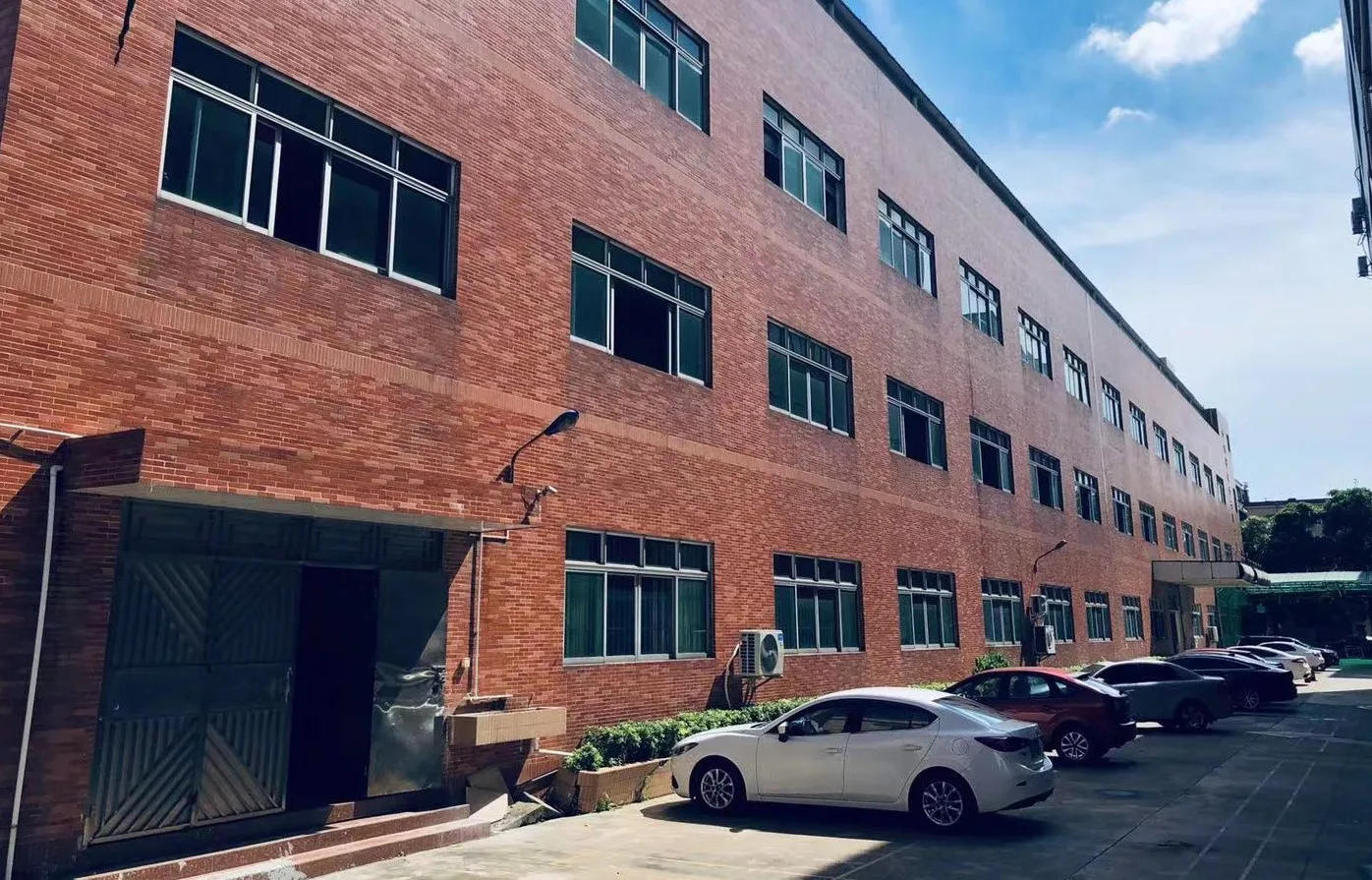
Foshan Yutaole Electric Appliance Factory
- Manufacturer
- Guangdong, China
- Lead time30 days
- Avg. response≤ 2h
Main productsInduction cooker,electric ceramic hob,infrared ceramic hob,electric stove,PCBA
Main marketsNorthern Europe(35.00%), Western Europe(25.00%), Southern Europe(10.00%), South America(10.00%), Africa(5.00%), Southeast Asia(5.00%), Eastern Europe(5.00%), Mid East(5.00%)

Foshan Zerra Appliance Co., Ltd.
- Verified by SGS
- Combined
- China Guangdong
- Lead time30 days
- Avg. response≤ 7h
Main productsGas Stove, Gas Hob, Gas & Electric Mixed Series, Water Heater, Range Hood, Built in Oven, Microwave Oven, Hardware, Home Appliance
Main marketsAfrica,Europe,North America

OEM Electric Infrared Cooker Glass Ceramic Hot Plates 2200W Electric Stove with China Best Price
$6.90 - $8.50
MOQ: 500 Pieces


OEM Customized Electric Infrared Cooker Portable Ceramic Stove with Low Price
$6.90 - $8.50
MOQ: 500 Pieces

Hot Sale Electric Stove Infrared Ceramic Glass Plate Cooker Top Cooking Stove Ceramic Cooker
Negotiable
MOQ: 300 Pieces
DOPEN INTERNATIONAL CO., LIMITED
- Manufacturer, Trading Company
- Hong Kong S.A.R.
- Lead time30 days
- Avg. response≤ 6h
Main productsinduction cooktop,electric cooktop,induction hob,electric hob,hybrid cooktop
Main marketsSoutheast Asia(30.00%), North America(30.00%), Western Europe(10.00%), Mid East(10.00%), South America(10.00%), Eastern Europe(10.00%)
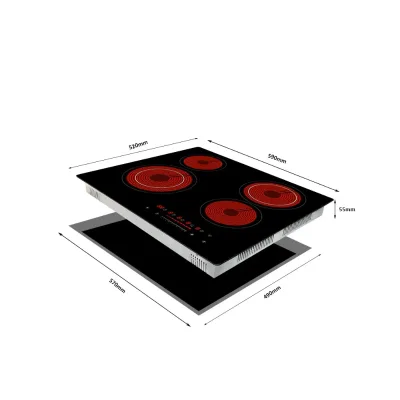
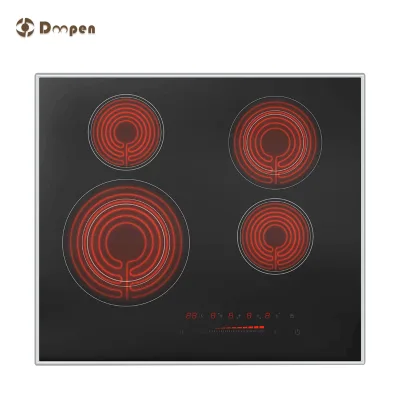
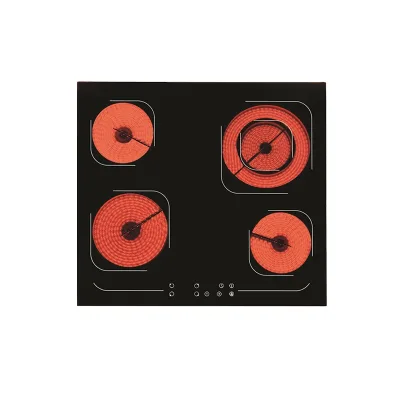
Sensor Touch 4-Burner Ceramic Hob Electric Stove with AL Frame Built-in
$73.35 - $89.90
MOQ: 100 pieces
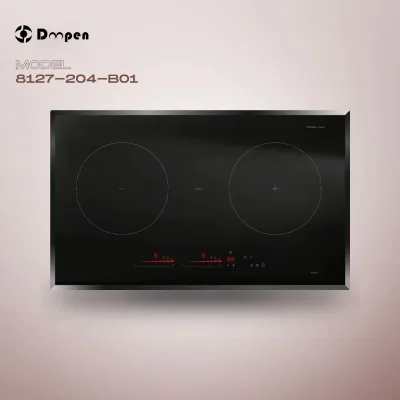
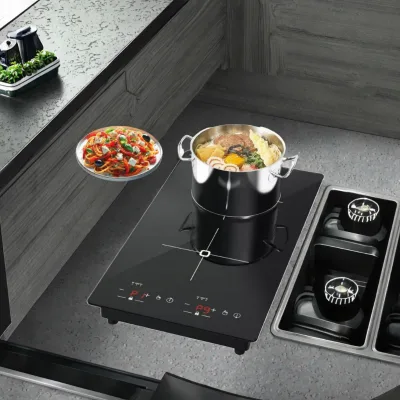
Auto Switch off Function Double Stove Easy to Clean Built in Induction Cooker
$126.8162 - $146.5673
MOQ: 100 pieces
Zhongshan Lawe Electric Appliance Co., Ltd.
- Verified by SGS Group
- Manufacturer, Trading Company
- Lead time35 days
- Avg. response≤ 3h
Main productsBlender, Meat Grinder, Juicer, Air Fryer, Coffee Maker
Main marketsNorth America(40%), Western Europe(25%), Southeast Asia(15%)

FOSHAN KITCHENSTAR ELECTRICAL APPLIANCES CO., LTD.
- Combined
- China Guangdong
- Lead time30 days
- Avg. response≤ 9h
Main productsInduction Hob
Main marketsSoutheast Asia/ Mideast,Europe,North America


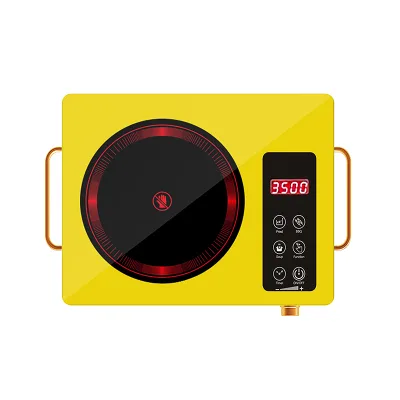
2200W Electric Ceramic Stove Single Burner Touch and Knob Control Infrared Cooker
$96.00
MOQ: 500 Pieces


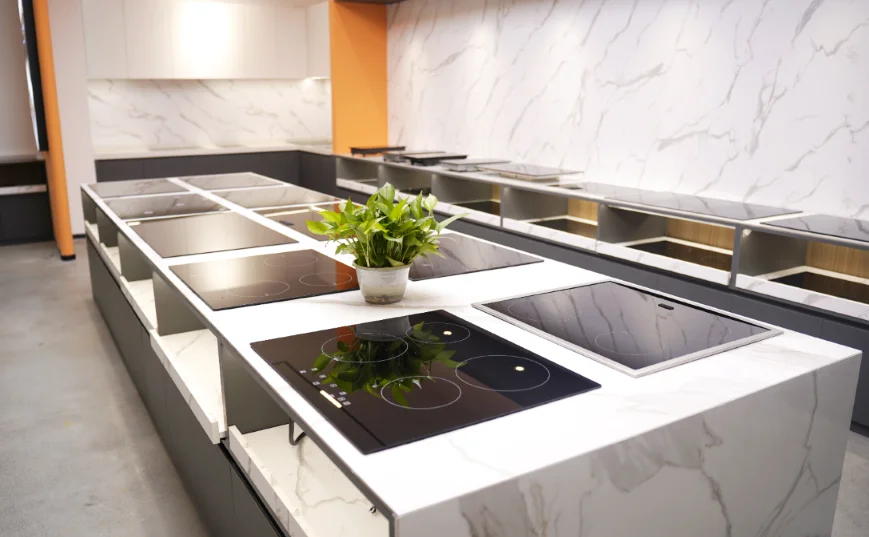
Hot Sales Induction Cooktop Electric Stove 1000W Built-in 3 Burner Ceramic Cooker Hob
$20.63 - $83.53
MOQ: 50 Pieces

Foshan Classy-Cook Electrical Technology Co., Ltd.
- Manufacturer, Trading Company
- Guangdong, China
- Lead time35 days
- Avg. response≤ 9h
Main productsInduction Hob, Ceramic Hob
Main marketsWestern Europe(50.00%), North America(20.00%), South America(20.00%), Eastern Europe(3.00%), Southeast Asia(3.00%), Africa(2.00%), Mid East(2.00%)

ZHONGSHAN AI LI PU ELECTRICAL APPLIANCE CO., LTD.
- Verified by TUVRHEINLAND
- Combined
- China Guangdong
- Lead time30 days
- Avg. response≤ 10h
Main productsInduction Cooker, Infrared Cooker, Halogen Cooker, Electric Pressure Cooker, Rice Cooker, Kettle, Commercial Induction Cooktop, Double Burns Induction Cooker, Double Burns Infrared Cooker, Four Burns Induction Cooker
Main marketsDomestic


2000W Sensor Touch Control Electric ceramic stove Electric Infrared Cooker 4 digital LED display
$17.00 - $18.00
MOQ: 1000 Pieces
Shenzhen H-One Electrical Appliances Co., Ltd.
- Verified by Intertek
- Manufacturer, Trading Company
- Lead time30 days
- Avg. response≤ 9h
Main productsInduction Cooker, Ceramic Hob, Sous Vide, Controller, Curtain Motor
Main marketsSoutheast Asia(80%), North America(11%), Southern Europe(4%)
Shenzhen Lianxinyuan E-Commerce Co., Ltd.
- Manufacturer, Trading Company, Distributor/Wholesaler, Other
- Guangdong, China
- Lead time3 days
- Avg. response≤ 1h
Main productsTraffic tools,charger,Electronic products,integrated circuit,Solar products
Main marketsNorth America(30.00%), Northern Europe(15.00%), South America(15.00%), South Asia(10.00%), Southern Europe(10.00%), Eastern Europe(10.00%), Western Europe(10.00%)
Zhongshan Fengye Electrical Appliances Co., Ltd.
- Verified by SGS Group
- Manufacturer, Trading Company
- Lead time30 days
- Avg. response≤ 7h
Main productsHot Plate, Infrared Cooker, Deep Fryer, Raclette Grill, Smokeless Grill
Main marketsEastern Asia(52%), Western Europe(18%), Mid East(8%)
Guangdong Built Electronic Appliance Manufacture Co., Ltd.
- Verified by Intertek
- Manufacturer, Trading Company
- Lead time60 days
- Avg. response≤ 7h
Main productsRangehood, Built-in Oven, Built-in Gas Hob, Built-in Induction Hob, Built-in BBQ Grill
Main marketsSoutheast Asia(50%), Mid East(30%), South America(5%)
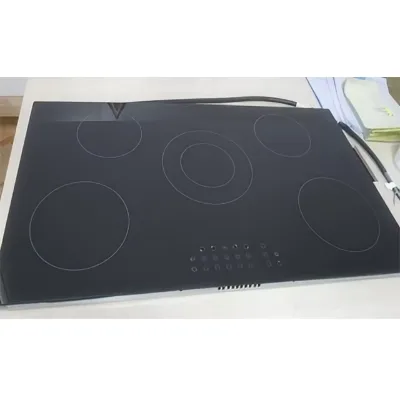
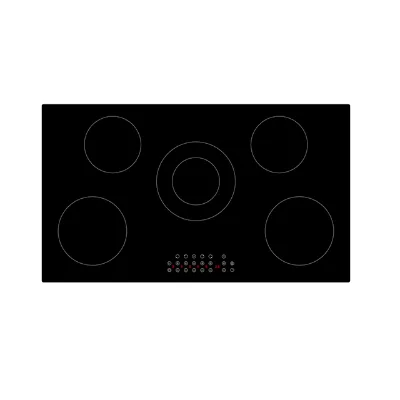
90cm Electric Stove 5 Cooking Zones Ceramic Cooker Built-in Radiant Stove Top
$266.7668
MOQ: 100 Minimum
90cm Electric Stove 5 Cooking Zones Ceramic Cooktop Built-in Radiant Stove Top
$266.7668
MOQ: 1 Minimum
Jinxi (guangzhou) Commercial And Trade Development Co., Ltd.
- Trading Company, Distributor/Wholesaler, Other
- Guangdong, China
- Lead time20 days
- Avg. response≤ 3h
Main productsfan,floor fan,desk fan,Handheld fan,table lamp
Main marketsSouth Asia(10.00%), Central America(10.00%), Southeast Asia(10.00%), Mid East(10.00%), South America(10.00%), North America(10.00%), Domestic Market(5.00%), Oceania(5.00%), Southern Europe(5.00%), Northern Europe(5.00%), Africa(5.00%), Western Europe(5.00%), Eastern Asia(5.00%), Eastern Europe(5.00%)
$9.1678 - $9.8973
MOQ: 1 pieces
Zhongshan Eastar Electrical Appliance Co., Ltd.
- Verified by TüVRheinland
- Manufacturer, Trading Company
- Lead time35 days
- Avg. response≤ 5h
Main productsMilk Frother, Vacuum Sealer, Food Warming Plate, Hot Plate, Toaster
Main marketsWestern Europe(40%), North America(15%), Oceania(10%)
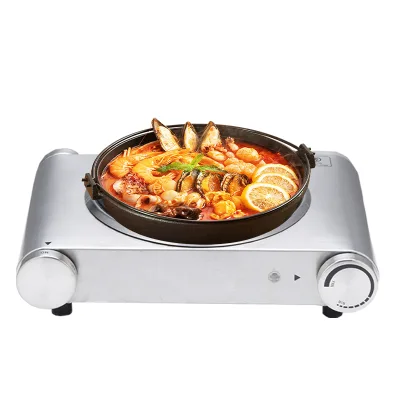
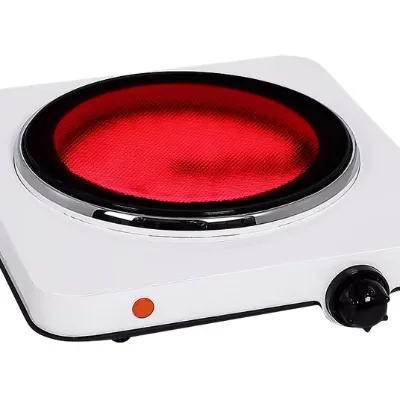
Manufacturer 1200W Electric Ceramic Stove Portable High-temperature Resistance Electric Ceramic
$14.00 - $15.00
MOQ: 3000

- Verified by BV
- Trading Company,Manufacturer/Factory
- China Liaoning
- Lead time15 days
- Avg. response≤ 3h
Main productsBlender, Air Fryer, Rice Cooker, Dough Mixer, Coffee Machine, Meat Grinder, Electric Kettle, Breakfast Machine, Smart TV, Interactive Board
Main marketsSouth America,Eastern Europe,Mid East,North America,Southeast Asia,Eastern Asia,Oceania,Western Europe,Africa

$9.25 - $10.57
MOQ: 1000 Pieces


$30.56 - $34.93
MOQ: 1000 Pieces

Guangdong Webo Technology Co., Ltd.
- Verified by TUVRHEINLAND
- Manufacturer/Factory
- China Guangdong
- Lead time30 days
- Avg. response≤ 7h
Main productsHeating Element, Radiant Heater, Hot Plate, Rotary Switch, Cast Iron Pan Support, Transfomer, Heating Tube, Ceramic Glass
Main marketsSouth America,Eastern Europe,Mid East,North America,Southeast Asia,Eastern Asia,Oceania,Western Europe,Africa

Electric Ceramic Stove Dual Haliant/Radiant Hot Plate Single Burner Portable Ceramic Cooktop
$5.16 - $5.80
MOQ: 200 Pieces


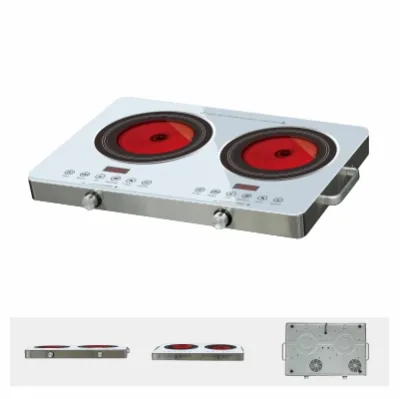
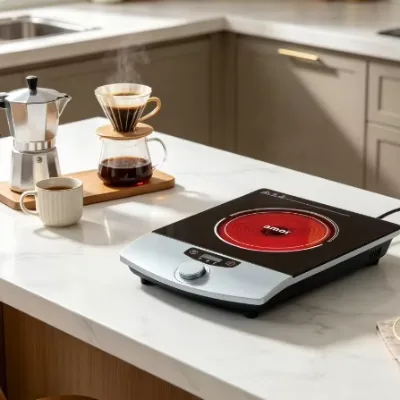
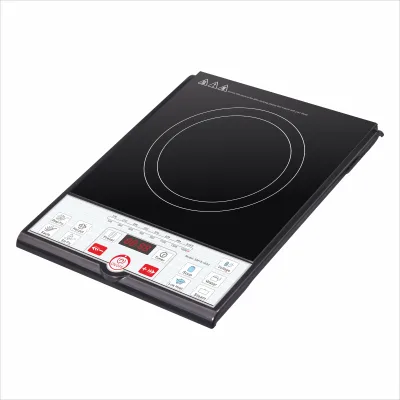
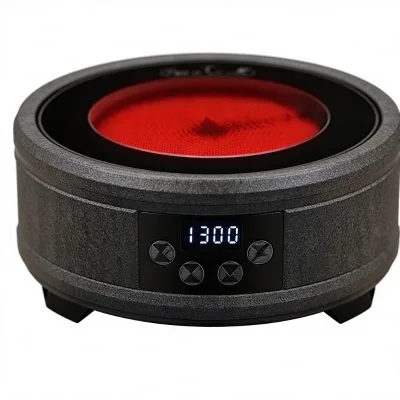
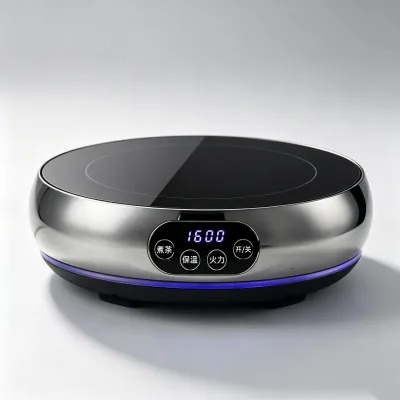
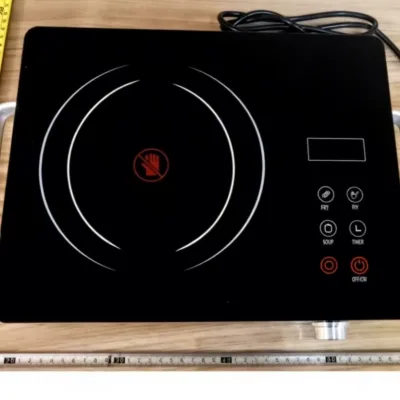
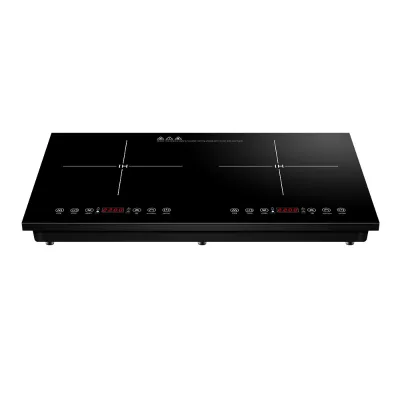
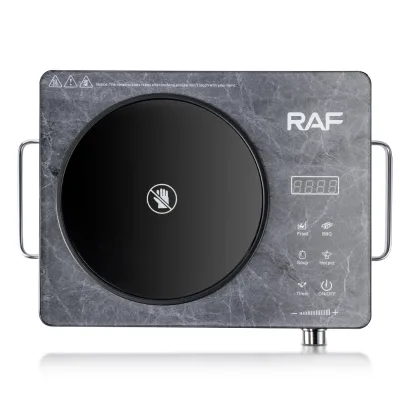
Comprehensive Sourcing Guide
2 Burner Electric Ceramic Stove with Timer Supplier Concentration and Factory Types
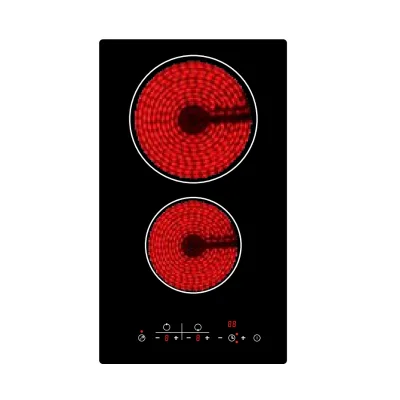
Suppliers offering the 2 Burner Electric Ceramic Stove with Timer are concentrated in China's small kitchen appliance manufacturing belt, with the results showing companies located in Zhejiang and Guangdong. Zhejiang-based suppliers in these results list main product ranges that span infrared ceramic cookers, electric hotplates, deep fryers, air fryers and floor cleaners, which signals diversified appliance factories rather than single-product specialists. Company type is shown as "Combined," indicating firms that mix manufacturing with trading functions, so buyers should ask which items are produced in-house and which are sourced from partner workshops before assuming direct factory control over a ceramic cooktop line.
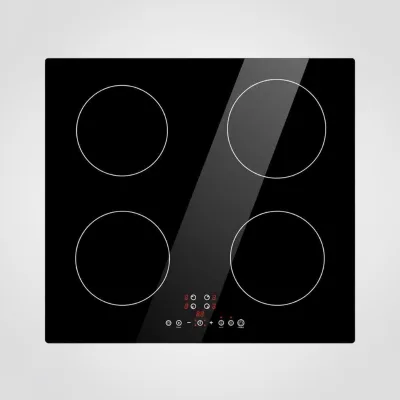
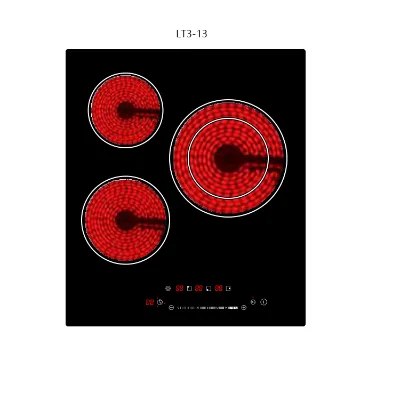
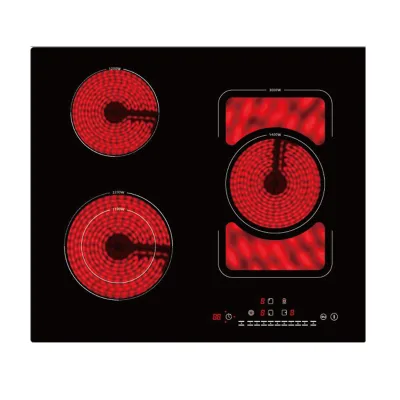
Within the observed product data, two-burner models appear alongside single-burner units and larger 2800W ceramic stoves, confirming that the category sits inside a broader infrared and ceramic cooktop portfolio. Model families such as HD6206A, HD6202C, HD2001A, HD6105A and HD1001A cover portable one and two-burner configurations, which suggests established tooling for the format rather than experimental production. When your target supplier is not in a location confirmed by evidence, identify clusters independently by checking where a company's listed cooktop models are manufactured, requesting factory addresses, and comparing whether the supplier's product origin fields consistently point to a stable production region rather than shifting between listings.
How to Verify 2 Burner Electric Ceramic Stove with Timer Suppliers
Verification should start with the credentials actually displayed in supplier results rather than assumptions. In the current data, one combined-type supplier holds ISO9001:2015 and ISO14001:2015 system certificates, covering quality management and environmental management respectively; these are system-level certifications and do not by themselves prove product compliance for a ceramic cooktop, so ask separately for product-level approvals. The observed listings reference ETL/GS/CB/CE/EMC/LVD/RoHS approvals on specific models, which you should confirm as valid certificates tied to the exact model number and rating you intend to order, since approvals are model-specific and can lapse.
Beyond documents, validate operational behavior. Response time is a measurable signal: the results show a supplier answering in roughly 2.83 hours on average, and you can test any candidate by timing replies to a technical question about timer functions, voltage variants or glass panel material. Confirm customization capability directly, because the listings state customization is available, but you should require evidence such as previous OEM samples, control panel modification examples or timer module options. Request the factory's ODM/OEM capacity in writing, since one supplier's data explicitly lists both. Finally, verify the entity behind the listing: check business license scope, whether the company type "Combined" means a trading arm handles your order, and whether the production site matches the stated Zhejiang or Guangdong location through a live video audit or third-party inspection visit.
What to Compare Across 2 Burner Electric Ceramic Stove with Timer Suppliers
Build a comparison grid using dimensions the supplier pages actually expose. Lead time appears in the results as 30 days, which gives you a benchmark for standard production; compare every candidate against this figure and note whether timer-equipped variants require longer scheduling than standard burners. MOQ varies by model in the observed data: 500 pieces on one two-burner ceramic stove and 1000 pieces on a vitroceramic glass infrared model, so record the MOQ attached to the specific timer configuration you need instead of assuming a company-wide minimum. Response time, such as the observed 2.83-hour average, is a fair proxy for export-team staffing and should be logged per supplier.
Compare product specifications side by side, because they differ sharply within this category. The data shows two-burner units at 1200W+800W or 1700/2800W with 220-240V or 120V options, tempered glass or ceramic/glass panels, electronic ignition labeling, and product sizes from roughly 475mm to 670mm wide. Price bands also spread widely, from single-burner units listed near $3.55–$3.95 up to two-burner stoves at $25.50–$29.50, so normalize quotes by burner count, power rating and glass type. Also compare main product breadth — some suppliers list air fryers, vacuum cleaners and buffet warmers alongside cooktops — since a focused appliance maker may offer deeper engineering support than a broad catalog trader. Not every supplier displays every attribute; treat missing fields as questions, not negatives.
Common 2 Burner Electric Ceramic Stove with Timer Sourcing Risks
The most common risk is assuming a displayed approval covers your exact configuration. Model HD6206A lists ETL/GS/CB/CE/EMC/LVD/RoHS approvals, but a customized timer module, different wattage split or alternate glass thickness can fall outside the certified build. Require the certificate file, check the model and rating printed on it, and confirm any deviation triggers re-testing before shipment. A second risk is specification drift: the results show both 220-240V50/60Hz and 120V60Hz variants of the same model family, so mixing market versions in one order without clear labeling leads to unusable stock in destination markets.
Packaging and container math create quieter losses. Observed carton configurations range from 3 to 5 pieces per carton, with 20FT loading from roughly 1200 pieces on wider two-burner units up to 1850 pieces, and net/gross weight spreads of about one kilogram per carton. If your supplier misstates carton dimensions or you ignore the glass-plate protection requirements of a 5602804mm panel, breakage rates rise and container utilization drops. Another risk is conflating infrared ceramic technology with induction: the observed category sits under induction cookers in the catalog tree, yet these are electric infrared units with coiled or ceramic heating plates, and buyers ordering for induction-specific retail claims will face returns. Finally, customization is listed as available, but without a signed specification sheet covering timer behavior, knob type and panel material, you have no recourse when samples and bulk goods diverge.
2 Burner Electric Ceramic Stove with Timer Regional Sourcing and Logistics
The evidence places relevant suppliers in Zhejiang and Guangdong, two provinces that anchor China's small kitchen appliance exports. Zhejiang's cluster in the observed data combines ceramic cooktops with fryers, hotplates and cleaners, which typically means shared component suppliers, mold makers and glass cutters within regional reach — a practical advantage when you need timer modules or replacement tempered glass panels quickly. Guangdong's inclusion among supplier locations gives you a second candidate region, so sourcing strategy should not assume a single province; request the actual production address for each quoted model rather than the registered office city.
Logistically, plan around the packing data that suppliers publish. Two-burner models in the results pack 3 or 5 pieces per carton with carton sizes near 515505300mm or 670300355mm, and 40HQ loading of roughly 2850 to 4390 pieces depending on model. Because ceramic glass is the dominant cost and damage driver, require corner protection, foam separation and drop-test documentation before approving packaging, and confirm whether the quoted price includes gift box and carton as the observed prod_packing fields indicate. The listed 30-day lead time is a reasonable planning baseline, but add time for timer-specific QC and, for North American orders, the 120V variant lead position. Get the destination port and consolidation options in writing early, since multi-supplier loads mixing cooktops with heavier appliances change your freight calculation significantly.
2 Burner Electric Ceramic Stove with Timer Commercial Terms and Order Planning
Structure commercial terms around the figures the results actually display. Price bands for comparable ceramic cooktops run from about $16.50–$18.00 for a two-burner 2000W-class unit, $25.50–$29.50 for a 2800W model, down to $11.90–$13.10 and $5.85–$6.25 for smaller configurations, so anchor negotiations to burner count, wattage and glass type rather than a single "stove" price. Confirm whether quoted prices are FOB and which port, and whether the MOQ shown — 500 pieces on one two-burner model, 1000 on another — applies to your chosen timer variant or only to the base configuration. Payment structure, escrow availability and sample fees are not evidenced on these pages, so put each in writing before committing.
Order planning should sequence validation before volume: approve a pre-production sample of the exact model, including timer function, panel material and the correct 120V or 220-240V rating, then schedule the 30-day production window the results suggest as a benchmark. Record the certification scope — the observed ETL/GS/CB/CE/EMC/LVD/RoHS references and the supplier's ISO9001:2015 and ISO14001:2015 system certificates — in your purchase specification so replacements must match. Agree inspection timing at mid-production and pre-shipment, with AQL sampling on glass integrity, heating performance and timer accuracy. Finally, plan reorders against the container capacities shown (for example, 1200–4390 pieces per 20FT to 40HQ depending on model) so your annual volume matches realistic loading rather than optimistic assumptions.
FAQs
What is the price range for 2 burner electric ceramic stoves?
The price range for these stoves typically falls between $16.50 and $30.00 per unit. This variation depends on specific features such as power output, material quality, and included certifications. Buyers should verify exact pricing based on order volume and customization requirements before finalizing procurement decisions.
What is the minimum order quantity for these ceramic cookers?
The minimum order quantity varies by model, generally starting at 500 units for some portable electric cookers. Other models may require a minimum of 1000 pieces. Buyers must check the specific product listing to confirm the exact MOQ applicable to their desired specifications and supplier terms.
How long does production take for these electric stoves?
Standard lead times for manufacturing these electric ceramic stoves are approximately 30 days. This duration allows for quality control and packaging preparation. Buyers should confirm specific delivery schedules with suppliers, as rush orders or custom OEM/ODM requirements may extend the production timeline beyond the standard period.
Are these stoves customizable for private labeling?
Yes, customization is available for many of these electric ceramic cookers. Suppliers offer OEM and ODM services, allowing for tailored designs and branding. Buyers can request specific materials, voltages, or packaging options. It is essential to discuss customization details and associated costs directly with the supplier during negotiations.
What certifications do these electric stoves typically hold?
These electric ceramic stoves often hold certifications such as CE, RoHS, CB, ETL, GS, EMC, and LVD. Additionally, suppliers may possess ISO9001:2015 and ISO14001:2015 system certifications. Buyers should verify that the specific product model meets the regulatory standards required for their target market before placing an order.
Where are these ceramic cookers manufactured?
These electric ceramic cookers are manufactured in China, specifically in regions like Zhejiang and Guangdong. These areas are known for their robust manufacturing capabilities in home appliances. Buyers can expect efficient logistics and supply chain support from these established industrial hubs when sourcing these kitchen appliances for international distribution.