Heat Resistant Silicone Microwave Cover Suppliers and Manufacturers
Compare 23 verified suppliers offering heat resistant silicone microwave covers with varying lead times, certifications, and MOQs. Review response times and product specifications to select a manufacturer or factory that fits your sourcing needs; review the available evidence before requesting comparable quotations from suitable candidates.
Updated
Suppliers List

Zhong Xing Da (Hangzhou) Import & Export Co., Ltd.
- Verified by SGS
- Manufacturer/Factory
- China Zhejiang
- Lead time45 days
- Avg. response≤ 5h
Main productsCooking, Cookware, Waterfun, Fishing, Camping, RV
Main marketsSouth America,Eastern Europe,North America,Western Europe

Multi Purpose Folding Silicone Dish Cover Heat Resistant Microwave Kitchen Accessory
$1.22 - $1.58
MOQ: 200 Pieces

Small Kitchen Microwave Cover Folding Silicone Heat Resistant Multi Functional Food Cover
$1.22 - $1.58
MOQ: 200 Pieces

Small Kitchen Microwave Cover Folding Silicone Heat Resistant Multi Functional Food Cover
$1.22 - $1.58
MOQ: 200 Pieces

Heat Resistant Silicone Dish Cover Folding Multi Functional Small Kitchen Microwave Oven Cover
$1.22 - $1.58
MOQ: 200 Pieces

Microwave Oven Food Cover Folding Silicone Heat Resistant Multi Functional Small Kitchen Cover
$1.22 - $1.58
MOQ: 200 Pieces

Green Earth Homeware (Huizhou) Co., Ltd.
- Verified by SGS Group
- Trading Company
- Lead time0 days
- Avg. response≤ 3h
Main productsSilicone Kitchen Utensils, Silicone Ice Cream Container, Silicone Foldable Water Bottle, Silicone Baby Plate, Silicone Baking Mold
Main marketsNorth America(50%), Eastern Europe(10%), Western Europe(10%)
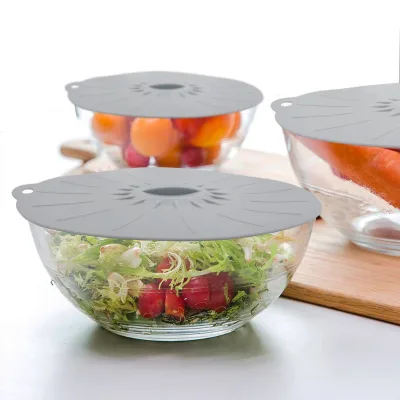
$1.2568 - $1.4935
MOQ: 500 pieces
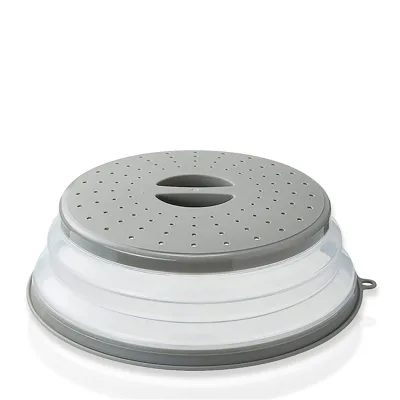
$1.1789 - $1.7017
MOQ: 500 pieces
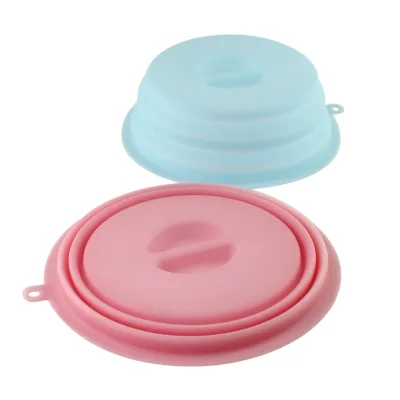

Xiamen Flying Silicone Rubber Co., Ltd.
- Verified by TUVRHEINLAND
- Trading Company,Manufacturer/Factory
- China Fujian
- Lead time23 days
- Avg. response≤ 12h
Main productsSilicone Rubber Auto Parts, Silicone Rubber Keypad, Silicone Rubber Gasket, Silicone Rubber O-Ring, Silicone Rubber Valve, Silicone Rubber Kitchenware, Plastic Injection Parts, Silicone Rubber Gifts, Silicone Medical Accessories, LSR Baby Care
Main marketsSouth America,Eastern Europe,North America,Southeast Asia,Western Europe


Universal Keeping Food Fresh Heat Resistant Expandable Reusable Silicone Covers
$0.25 - $1.466
MOQ: 500 Sets


Reusable Suction Seal Heat Resistant Microwave Lids for Cups/Bowls/Plate/Pots/Pan
$0.50 - $1.033
MOQ: 1000 Pieces
Yangjiang Echoes Industrial Co., Ltd.
- Trading Company
- Guangdong, China
- Lead time25 days
- Avg. response≤ 3h
Main productsKitchen Utensils,Nylon Kitchen utensils,Silicone Kitchen Utensils,Silicone Kitchen Gadgets,Nylon Kitchen Gadgets
Main marketsNorth America(30.00%), Northern Europe(12.00%), Southern Europe(9.00%), Southeast Asia(9.00%), Western Europe(8.00%), Africa(8.00%), Oceania(6.00%), Eastern Europe(6.00%), Mid East(5.00%), South America(3.00%), Eastern Asia(2.00%), South Asia(1.00%), Central America(1.00%)
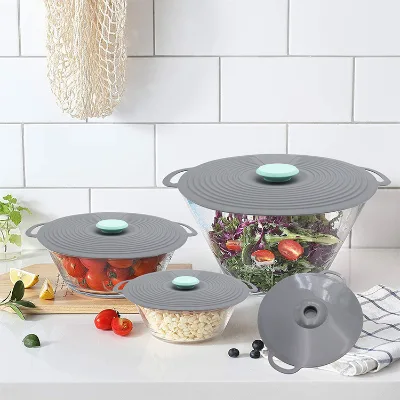
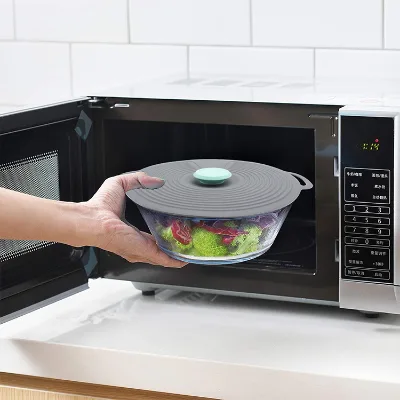
Kitchen Silicone Fresh-Keeping Cover, Anti-overflow Sealing Silicone Pot Cover for Kitchen Cooking
$4.00 - $4.05
MOQ: 1500 sets
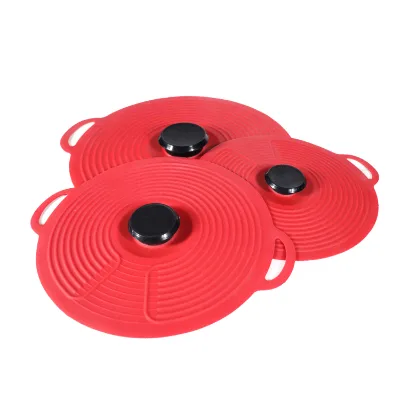
Shenzhen Hafly Technology Co., Ltd.
- Verified by SGS Group
- Manufacturer, Trading Company
- Lead time15 days
- Avg. response≤ 2h
Main productsKitchen Ware, Baby Products, Table Ware, Travel Silicone Products, Personal Care
Main marketsNorth America(26%), Western Europe(24%), Northern Europe(12%)
Dongguan Haotian Silicone Technology Co., Ltd.
- Verified by TüVRheinland
- Manufacturer, Trading Company
- Lead time15 days
- Avg. response≤ 4h
Main productsSilicone Rubber Parts, Silicone Protective Cover, Silicone Gifts, Silicone Houseware, Silicone Mat
Main marketsDomestic Market(30%), North America(20%), Eastern Europe(20%)
Zhangzhou Evermore New Material Technology Co., Ltd.
- Manufacturer
- Fujian, China
- Lead time0 days
- Avg. response≤ 8h
Main productsSilicone Cube Tray, Silicone Mat, Silicone Bath Brush, Silicone Pet Bowl, Silicone Baby Pacificer
Main marketsDomestic Market(100.00%)

Dongguan Chengda Rubber and Plastic Co., Ltd
- Verified by SGS
- Trading Company,Manufacturer/Factory
- China Guangdong
- Lead time23 days
- Avg. response≤ 4h
Main productsSilicone Products, Machnie Part, Silicone Gifts, Silicone Bag, Medicial Products, Silicone Bra, Custom Silicone Product, Silicone Toy
Main marketsEastern Europe

OEM ODM Leak-Proof Dustproof Silicone Microwave Cover Silicone Suction Pot Covers
$4.50 - $4.90
MOQ: 10 Sets

4 Set Different Sizes Silicone Lid Covers - Microwave Silicone Pot Cover, Bowl Cover, Cup Cover
$4.50 - $4.90
MOQ: 10 Sets

4 Sizes Food Grade Microwave Safe Silicon Food Cover Silicone Stretch Lids
$1.35 - $1.60
MOQ: 10 Pieces

Milesun Rubber & Plastic Technology Co., Ltd.
- Verified by CTI
- Manufacturer/Factory
- China Guangdong
- Lead time23 days
- Avg. response≤ 12h
Main productsRubber Components, Rubber Damper/Shock Absorber/Sheet, Rubber-Metal Components, Sealing Ring, Home Appliance Rubber and Metal Components, Power Tool Rubber and Metal Components, Auto Rubber and Metal Components, Sanitary Rubber and Metal Components, Kitchen Ware / Daily Use Rubber Products, Food Grade Rubber Products/Toy
Main marketsSouth America,Eastern Europe,Mid East,North America,Southeast Asia,Eastern Asia,Oceania,Western Europe,Africa
EGO Sourcing Hangzhou Co., Ltd.
- Verified by Intertek
- Trading Company
- Lead time20 days
- Avg. response≤ 3h
Main productsKitchen Gadgets, Cookware, Bakeware, Household Cleaning, Kitchen Storage
Main marketsWestern Europe(70%), South America(15%), North America(15%)
Dongguan Baishun Plastic Products Co., Ltd.
- Manufacturer, Trading Company
- Guangdong, China
- Lead time7 days
- Avg. response≤ 6h
Main productsSilicone Kitchen Utensils,PVC Figures,Silicone Ice Mold Tray,Silicone Luggage Tag,PVC Bar Mat
Main marketsNorth America(30.00%), Western Europe(20.00%), South Asia(15.00%), Southern Europe(10.00%), Northern Europe(10.00%), Eastern Europe(5.00%), South America(5.00%), Southeast Asia(5.00%)
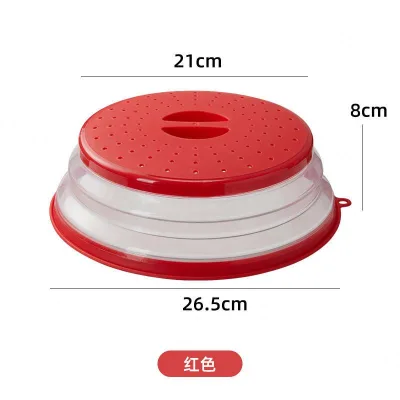
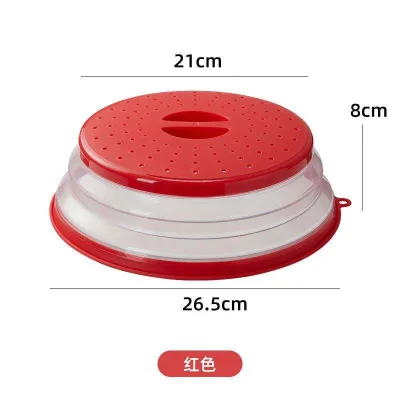
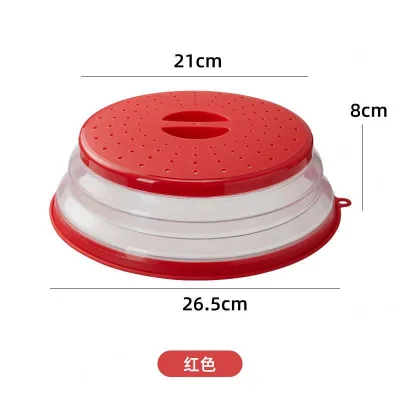
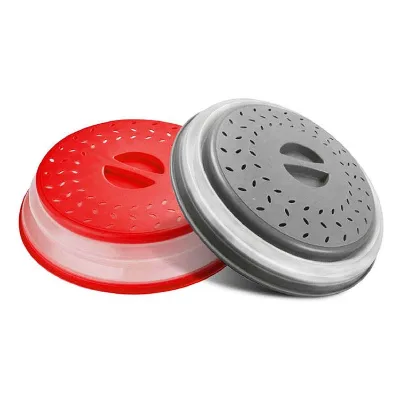
$0.92 - $1.20
MOQ: 100 pieces

Shanghai Mec Buc Industry Co., Ltd.
- Trading Company
- Shanghai, China
- Lead time7 days
- Avg. response≤ 6h
Main productsHome,Kitchen
Main marketsNorth America(50.00%), Southern Europe(10.00%), Northern Europe(10.00%), Eastern Asia(10.00%), Mid East(10.00%), South America(10.00%)
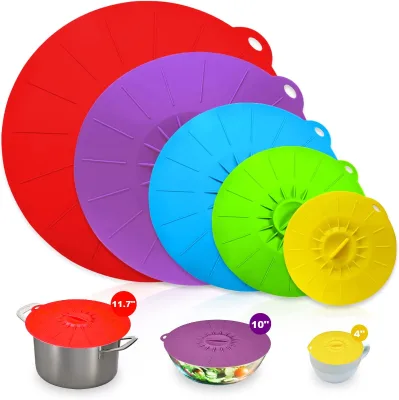
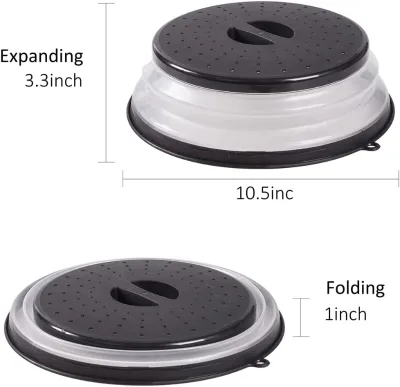
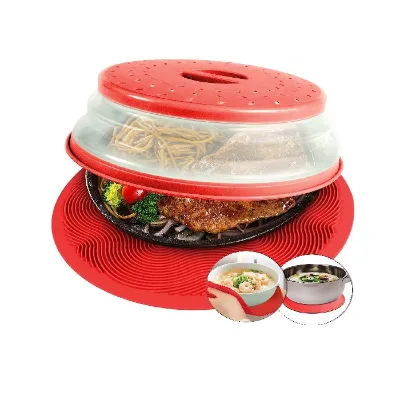
$2.6859 - $2.999
MOQ: 200 sets
Hunan Double Bulls Gifts Co., Ltd.
- Trading Company
- Hunan, China
- Lead time15 days
- Avg. response≤ 8h
Main productsSTATIONERY PRODUCT,SPORTS PRODUCTS,PLASTIC TOYS,PLASTIC PRODUCTS,CLOTHING PRODUCTS
Main marketsSoutheast Asia(20.00%), Eastern Europe(20.00%), South America(15.00%), North America(15.00%), Southern Europe(10.00%), Western Europe(10.00%), Oceania(2.00%), Africa(2.00%), Domestic Market(1.00%), South Asia(1.00%), Eastern Asia(1.00%), Northern Europe(1.00%), Central America(1.00%), Mid East(1.00%)
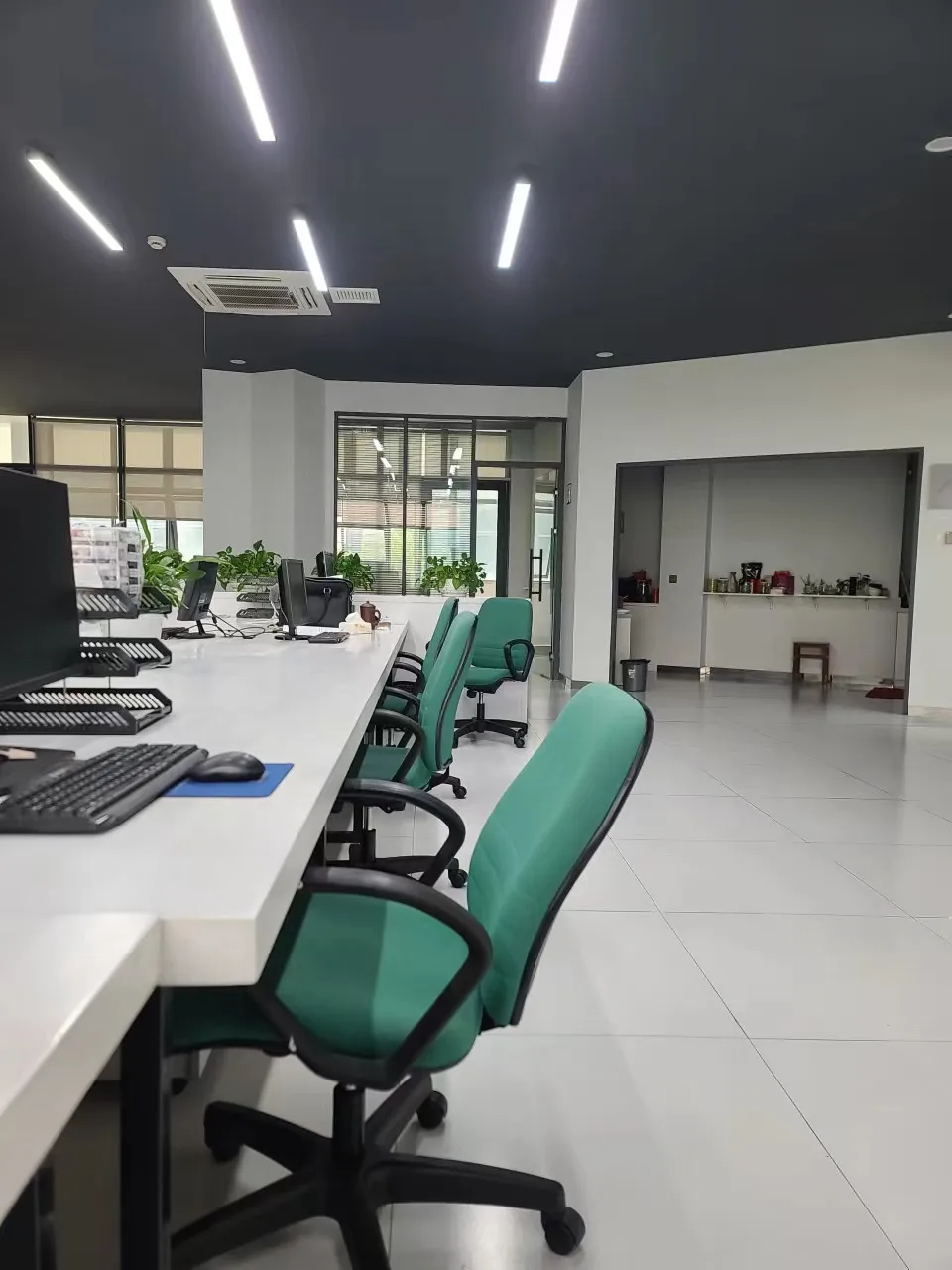
Zhoushan Leheng Import And Export Co., Ltd.
- Trading Company
- Zhejiang, China
- Lead time15 days
- Avg. response≤ 12h
Main productsGeneral merchandise,Kitchen and bathroom supplies,Clothing and accessories,Maternity supplies and toys,Jewelry
Main marketsNorth America(30.00%), Western Europe(15.00%), Southeast Asia(10.00%), Northern Europe(10.00%), Oceania(10.00%), Southern Europe(10.00%), Eastern Europe(5.00%), Mid East(5.00%), South America(3.00%), Eastern Asia(2.00%)
Jiangmen Jialilong Silicone And Rubber Product Factory
- Verified by Intertek
- Manufacturer, Trading Company
- Lead time10 days
- Avg. response≤ 3h
Main productsSilicone Box, Silicone Kitchenware, Silicone Baby Product, Silicone Outdoor Collapsible Cups, Silicone Bakeware & Ice Moulds
Main marketsDomestic Market(21%), North America(15%), Southeast Asia(12%)

- Manufacturer/Factory
- China Henan
- Lead time15 days
- Avg. response≤ 10h
Main productsRibbons and Printed Ribbons, Sticker Label, Hang String Seal /Seal Tags/ Hang Tags String, Cotton Tape, Silicone Products, Nail Files, Lanyard
Main marketsSouth America,Eastern Europe,Mid East,North America,Southeast Asia,Eastern Asia,Oceania,Western Europe,Africa

- Verified by SGS
- Combined
- China Fujian
- Lead time15 days
- Avg. response≤ 1h
Main productsSilicone Keypad, Silicone Toy, Silicone Band, Silicone Pipe, Silicone Mouthguard, Silicone Handle
Main marketsAfrica

$0.31 - $1.68
MOQ: 1000 Pieces

Jiangmen Tops Silicone & Plastic Products Co., Ltd.
- Verified by TüVRheinland
- Manufacturer, Trading Company
- Lead time15 days
- Avg. response≤ 5h
Main productsSilicone Kitchenware, Silicone Household Products, Silicone Baking Products, Silicone Storage Products, Silicone Baby Products
Main marketsNorth America(60%), Western Europe(10%), Domestic Market(10%)
Shenzhen Feiaoda Technology Co., Ltd.
- Manufacturer, Trading Company
- Lead time旺季: "1 - 1000":20,"1001 - 5000":23,"> 5000":"To be negotiated", 淡季: "1 - 1000":20,"1001 - 5000":23,"> 5000":"To be negotiated"
- Avg. response≤ 2h
Main productsSilicone Lunch Bento Box, Silicone Kitchenware Set, Silicone Water Bottle Products, Silicone Baby Feeding Products, Silicone Pet Products
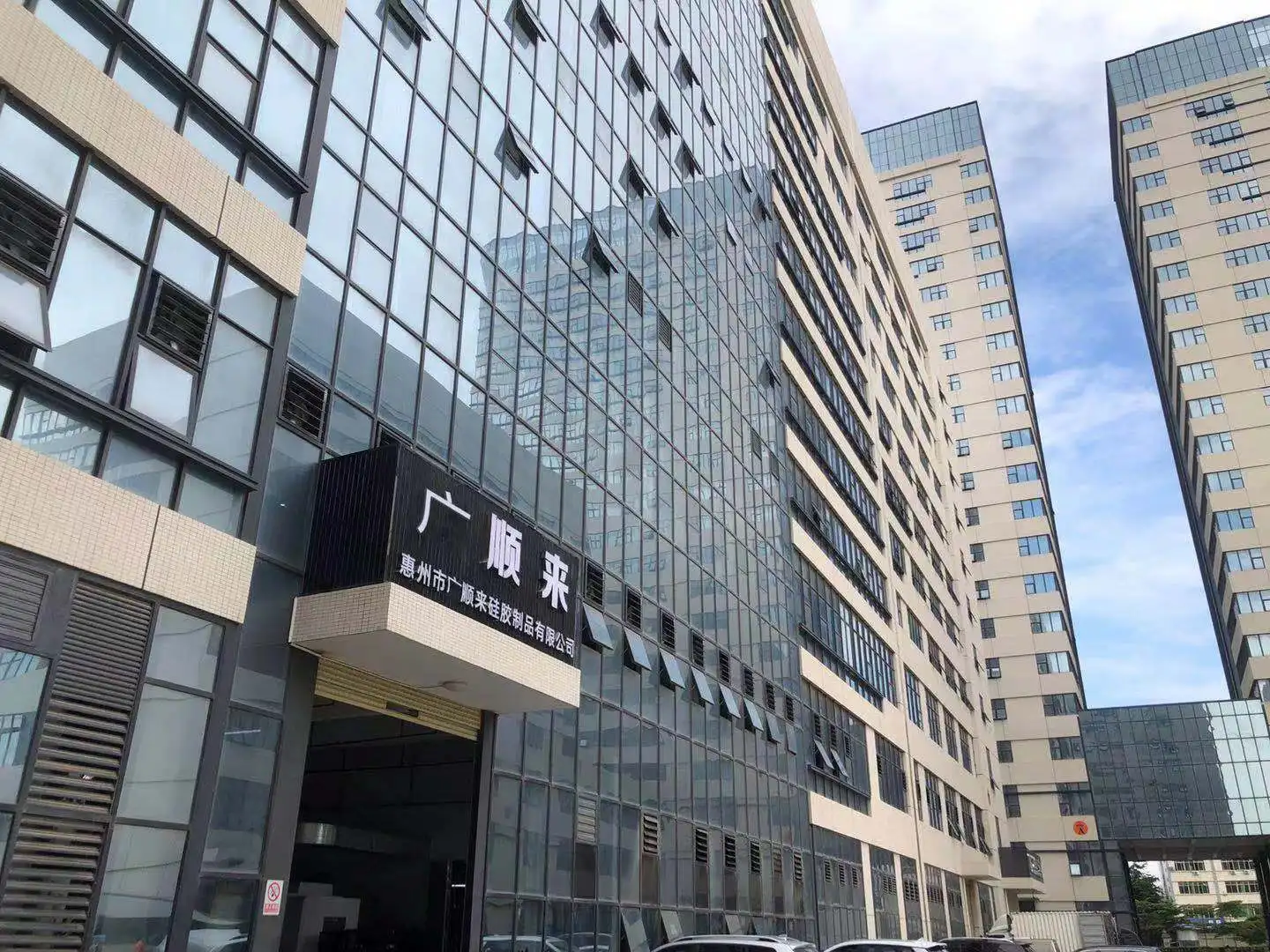
Huizhou Guangshunlai Industrial Co., Ltd.
- Trading Company
- Guangdong, China
- Lead time0 days
- Avg. response≤ 2h
Main productssilicone washing gloves,silicone cake mold,silicone ice cube tray,silicone bakeware,silicone kitchen accessories
Main marketsNorthern Europe(30.00%), North America(30.00%), Western Europe(10.00%), South America(5.00%), Eastern Europe(5.00%)
Wuyi Jucheng Industry And Trade Co., Ltd.
- Verified by TüVRheinland
- Manufacturer, Trading Company
- Lead time30 days
- Avg. response≤ 4h
Main productsSilicone Lunch Box, Silicone Mold, Silicone Tool, Baby Product, Pet Product
Main marketsWestern Europe(25%), Domestic Market(20%), North America(15%)

YONGKANG HOMESHINE SILICONE PRODUCTS CO., LTD.
- Combined
- China Zhejiang
- Lead time23 days
- Avg. response≤ 25h
Main productsGlass Lid
Main marketsSouth America,East Asia(Japan/ South Korea),Domestic,Europe,North America


Kitchen G Type Tempered Silicone Glass Microwave Cover Lid with Steam Holes and S/S Ring
$1.50 - $3.00
MOQ: 1500 Pieces

Microwave Oven Safe Square Silicone Rim Tempered Glass Cooking Pot Lids
$1.45 - $2.85
MOQ: 1500 Pieces

Silicone Rim Microwave Safe Tempered Glass Pot Cover Lid for Different Kinds of Pot
$0.83 - $0.90
MOQ: 1500 Pieces
Ningbo Bright Commodity Co., Ltd.
- Trading Company
- Zhengjiang, China
- Lead time30 days
- Avg. response≤ 9h
Main productsfood container,Refrigerator Organizer
Main marketsNorth America(50.00%), Northern Europe(20.00%), Western Europe(20.00%), Eastern Asia(5.00%), South America(5.00%)
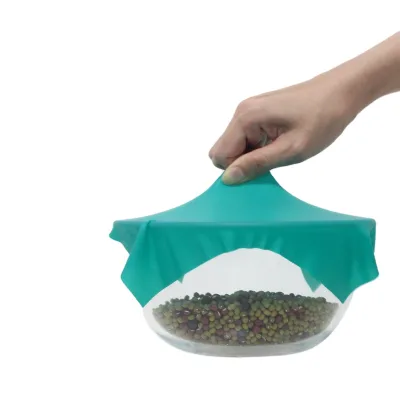




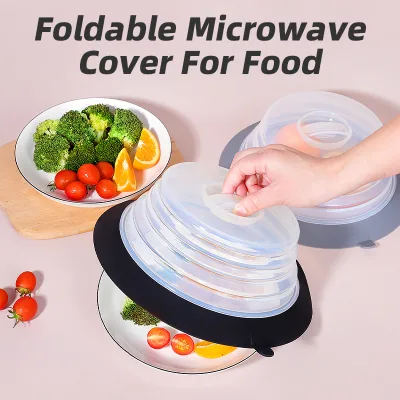
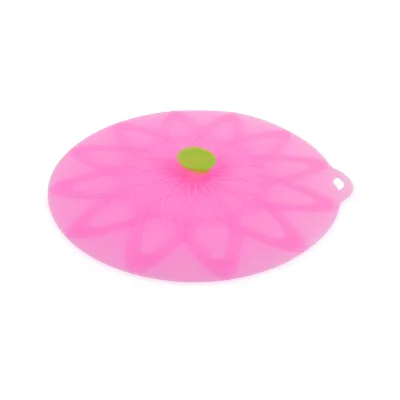
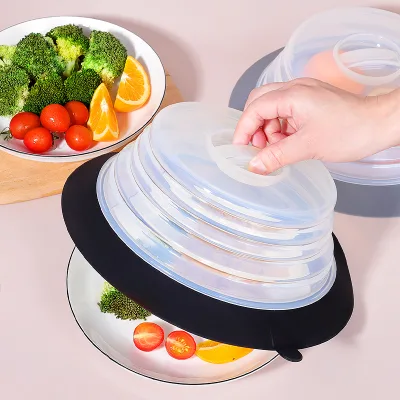
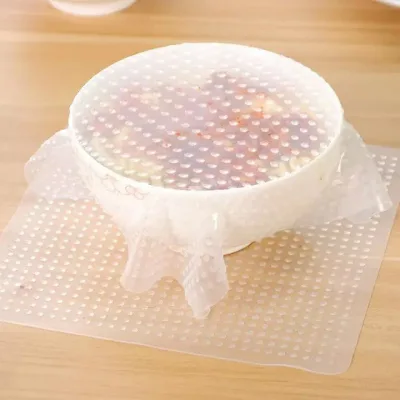
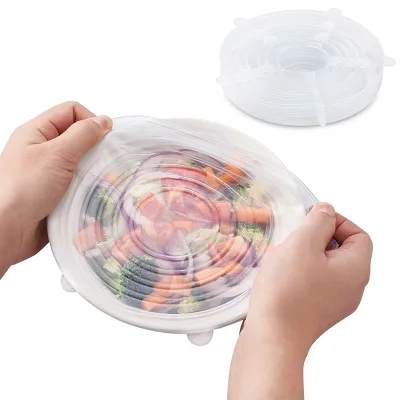
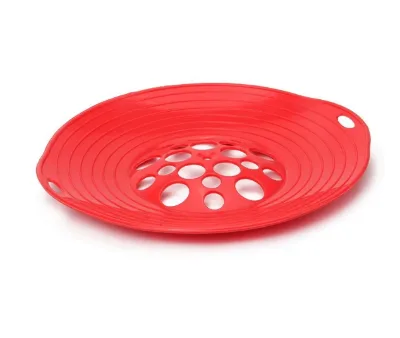
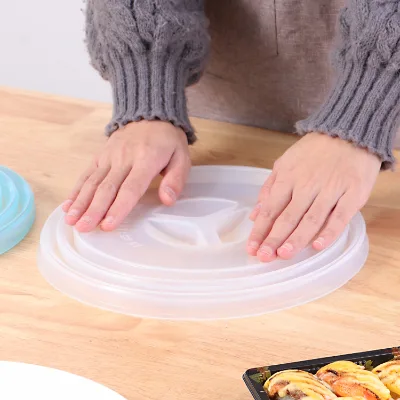
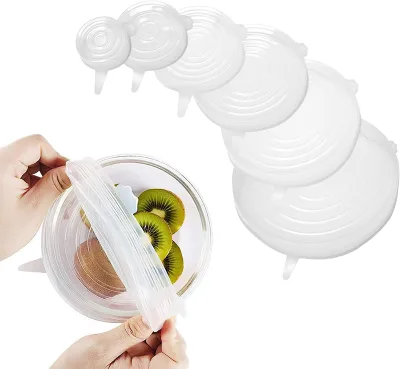
Comprehensive Sourcing Guide
Heat Resistant Silicone Microwave Cover Supplier Concentration and Factory Types
The current supplier landscape for heat resistant silicone microwave covers reveals a distinct split between manufacturing entities and trading companies, each offering different operational advantages for buyers seeking specific production capabilities. Evidence indicates that manufacturers are primarily located in China, with specific clusters identified in Zhejiang and Guangdong provinces, while other suppliers operate from Fujian. These manufacturing facilities often possess established production lines capable of handling both OEM and ODM requests, allowing for significant customization of product designs and branding. For instance, some factories highlight their ability to produce own brands alongside custom orders, suggesting a mature infrastructure for private label development. This concentration in specific Chinese provinces provides buyers with a clear geographic focus when evaluating potential partners, as these regions are known for their specialized silicone processing and kitchenware manufacturing expertise. The presence of verified manufacturers like those in Zhejiang suggests a robust local supply chain for raw materials and finished goods, which can streamline the sourcing process for large-volume orders.
In contrast, trading companies and hybrid entities also play a significant role in this market, often bridging the gap between international buyers and domestic factories. Some suppliers identify as both trading companies and manufacturers, offering a broader range of product lines that may extend beyond just microwave covers to include other silicone kitchenware items. These entities may provide more flexible service models, such as sample processing and light customization, which can be advantageous for buyers testing new markets or requiring smaller initial batches. The diversity in company types means buyers must carefully assess whether they need the direct factory control and potentially lower costs associated with pure manufacturers or the logistical support and product variety offered by trading companies. Understanding this distinction is crucial for aligning supplier selection with specific business goals, whether that involves strict quality control oversight or rapid access to a diverse catalog of related kitchen accessories.
How to Verify Heat Resistant Silicone Microwave Cover Suppliers
Verifying the credibility and compliance of suppliers requires a close examination of their certification portfolios and third-party verification status, as these indicators directly impact product safety and supply chain reliability. Many manufacturers in this sector hold critical quality management certifications such as ISO 9001 and BSCI, which demonstrate adherence to international standards for production processes and social responsibility. Additionally, specific product certifications like LFGB, SGS, and RoHS are frequently cited, ensuring that the silicone materials used are food-grade and free from harmful substances like BPA. Buyers should prioritize suppliers who explicitly display these certifications, as they provide tangible proof of material safety and manufacturing consistency. The presence of verification badges from reputable agencies like SGS or TÜV Rheinland further strengthens a supplier’s credibility, offering an independent layer of assurance regarding their business operations and product quality. These verifications are particularly important for heat resistant silicone products, as they must withstand high temperatures without degrading or releasing toxic fumes.
Beyond certifications, buyers should assess the responsiveness and operational transparency of potential suppliers to gauge their reliability as long-term partners. Response times vary significantly across the market, with some suppliers indicating rapid reply rates while others may take longer to engage, which can impact project timelines and communication efficiency. It is also essential to review the supplier’s verification status, such as whether they are verified by SGS Group or other recognized bodies, to ensure their business claims are substantiated. Buyers should look for detailed product attributes that confirm material composition, such as explicit mentions of food-grade silicone or specific temperature resistance ranges, rather than relying on generic descriptions. Engaging with suppliers who provide comprehensive product specifications and clear customization options can help identify those with the technical expertise to meet specific quality requirements. This due diligence process helps mitigate risks associated with unverified claims and ensures that the selected supplier can deliver products that meet regulatory standards in the buyer’s target market.
What to Compare Across Heat Resistant Silicone Microwave Cover Suppliers
When evaluating multiple suppliers, comparing key operational metrics such as lead times, minimum order quantities, and pricing structures is essential for determining the best fit for your procurement strategy. Lead times can vary considerably, with some manufacturers indicating production periods of around 45 days, while others may offer faster turnaround times or have zero lead time for stock items, depending on their inventory and production capacity. Minimum order quantities also differ, ranging from 200 pieces for certain folding silicone covers to 500 pieces for other variants, allowing buyers to align orders with their storage capabilities and market demand. Pricing is another critical factor, with costs fluctuating based on material quality, customization requirements, and order volume; for example, prices may range from approximately $1.17 to $1.70 per unit for standard covers, while simpler suction lids may be priced lower. Buyers should request detailed quotes that break down these costs to understand the total landed cost, including shipping and potential tariffs, to make informed financial decisions.
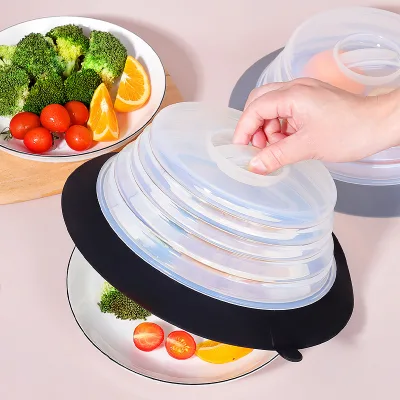
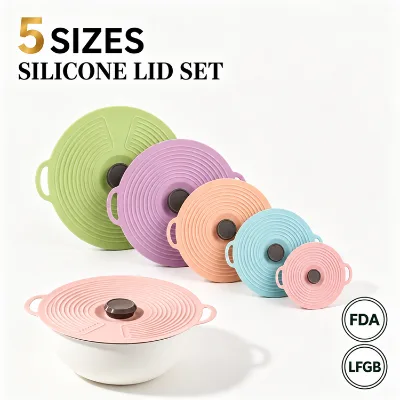
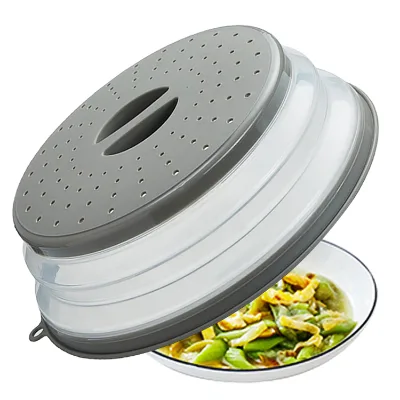
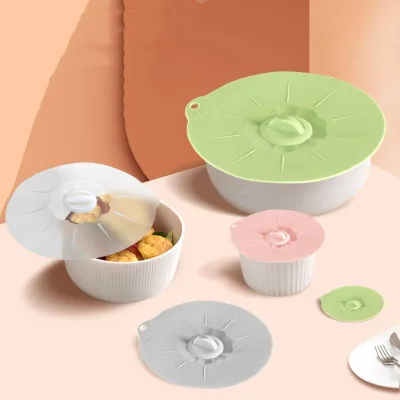
In addition to cost and volume, comparing the range of customization options and product specifications can reveal which suppliers offer the most flexibility for brand differentiation. Some suppliers provide extensive customization services, including logo printing, color variations, and packaging options, which are vital for creating unique product offerings. The material composition should be closely scrutinized, with a preference for suppliers who specify the use of high-quality silicone and polypropylene components to ensure durability and safety. Product dimensions and features, such as foldability, handle design, and heat resistance levels, should be compared to ensure they meet the functional needs of your target customers. Suppliers who offer a wide array of colors and sizes, such as eight different sizes for suction lids, provide greater versatility for diverse kitchenware applications. By systematically comparing these attributes, buyers can identify suppliers that not only offer competitive pricing but also possess the technical capabilities to support their specific product development and branding objectives.
Common Heat Resistant Silicone Microwave Cover Sourcing Risks
One of the primary risks in sourcing heat resistant silicone microwave covers is the potential discrepancy between claimed material quality and actual product performance, which can lead to customer dissatisfaction and regulatory issues. Buyers must be cautious of suppliers who do not provide clear evidence of food-grade certification or temperature resistance limits, as inferior silicone may degrade or release harmful chemicals when exposed to high heat. The risk is compounded if suppliers lack transparent verification from reputable third-party agencies, making it difficult to validate their claims about material safety and manufacturing standards. Additionally, inconsistencies in product dimensions and specifications, such as variations in diameter or height, can cause compatibility issues with different types of cookware and microwave ovens. Buyers should insist on receiving physical samples to test the actual product before committing to large orders, ensuring that the material feels robust and the design functions as advertised. This hands-on verification is crucial for identifying any potential defects or quality issues that may not be apparent from product descriptions alone.
Another significant risk involves supply chain disruptions and communication barriers, which can delay deliveries and impact inventory management. Suppliers with longer response times or unclear communication channels may struggle to provide timely updates on production status or address issues that arise during manufacturing. The variability in lead times, from zero days for stock items to 45 days for custom orders, requires careful planning to avoid stockouts or excess inventory. Furthermore, the reliance on overseas manufacturing introduces logistical complexities, including potential delays in shipping and customs clearance, which can affect the overall delivery timeline. Buyers should establish clear communication protocols and request regular updates from their suppliers to mitigate these risks. It is also advisable to work with suppliers who have a proven track record of reliable delivery and responsive customer service, as this can help ensure a smoother procurement process. By proactively addressing these potential pitfalls, buyers can reduce the likelihood of disruptions and maintain a stable supply of high-quality microwave covers.
Heat Resistant Silicone Microwave Cover Regional Sourcing and Logistics
Sourcing heat resistant silicone microwave covers from China offers access to a mature manufacturing ecosystem with established logistics networks, but buyers must navigate regional differences to optimize their supply chain. Suppliers are concentrated in specific provinces such as Zhejiang, Guangdong, and Fujian, each offering distinct advantages in terms of production capacity and logistical efficiency. Zhejiang-based manufacturers often benefit from proximity to major ports and industrial clusters, facilitating efficient export operations for large-volume orders. Guangdong suppliers, known for their advanced manufacturing capabilities, may offer faster turnaround times and a wider range of customization options, making them suitable for buyers requiring rapid production cycles. Fujian-based entities, which may operate as both trading companies and manufacturers, can provide a broader product portfolio and flexible service models. Understanding these regional nuances allows buyers to select suppliers that align with their specific logistical needs and production timelines, ensuring a more streamlined sourcing process.
Logistics planning is critical when importing silicone kitchenware from China, as shipping costs and transit times can significantly impact the overall cost structure. Buyers should consider the weight and dimensions of the products, as folding silicone covers are relatively lightweight but may require careful packaging to prevent damage during transit. The use of carton packaging is common, but buyers should verify the packaging standards to ensure they meet the requirements for international shipping and retail display. Additionally, buyers should factor in the potential for customs duties and import taxes, which can vary depending on the destination country and the specific product classification. Working with suppliers who have experience in international shipping and can provide accurate documentation can help streamline the customs clearance process. By carefully planning the logistics and selecting suppliers with robust export capabilities, buyers can minimize transit delays and ensure that their products arrive in optimal condition, ready for distribution to end consumers.
Heat Resistant Silicone Microwave Cover Commercial Terms and Order Planning
Effective order planning for heat resistant silicone microwave covers requires a strategic approach to managing minimum order quantities, payment terms, and production schedules to ensure business continuity. Buyers should carefully evaluate the MOQs offered by different suppliers, as these can range from 200 to 500 pieces, influencing the initial investment and inventory levels. For new market entrants, starting with lower MOQs may be preferable to test market response before scaling up production, while established brands may benefit from larger orders to achieve economies of scale. It is also important to negotiate clear payment terms that protect both parties, such as using escrow services or milestone-based payments, to mitigate financial risks. Suppliers who offer flexible payment options and transparent pricing structures can help buyers manage cash flow more effectively, ensuring that funds are allocated efficiently throughout the procurement cycle. This financial planning is essential for maintaining a healthy balance between inventory costs and sales revenue.
Production scheduling and lead time management are equally critical components of order planning, as delays can disrupt supply chains and impact customer satisfaction. Buyers should establish realistic timelines based on the supplier’s stated lead times, accounting for potential variations due to customization requirements or seasonal demand fluctuations. Regular communication with suppliers regarding production progress can help identify and address any issues early, preventing last-minute surprises. Additionally, buyers should consider the impact of holidays and peak seasons on production capacity, planning orders accordingly to avoid delays. By integrating these commercial terms and logistical considerations into a comprehensive order plan, buyers can optimize their sourcing strategy, reduce risks, and ensure a steady supply of high-quality heat resistant silicone microwave covers to meet market demand. This proactive approach to order management fosters stronger supplier relationships and enhances overall operational efficiency.
FAQs
What is the typical lead time for these covers?
Manufacturers in China Zhejiang report a standard lead time of 45 days for production. Suppliers in Guangdong China list a lead time of 0 days, indicating immediate availability for stock items. Buyers should confirm specific timelines with the supplier before placing orders.
What are the minimum order quantities for silicone covers?
Minimum order quantities vary significantly by supplier. Some factories require a minimum of 200 pieces, while others set the threshold at 500 pieces. Buyers must check the specific product listing to determine the exact MOQ required for their order volume.
What certifications do these suppliers hold?
Suppliers hold various certifications including ISO 9001, BSCI, and SGS verification. Some manufacturers also possess EU NO 10/2011, CE, and LFGB certifications. Buyers should verify specific compliance documents to ensure the products meet their regional safety and quality standards.
What is the price range for these items?
Prices for heat resistant silicone microwave covers range from approximately 0.10 to 1.70 per unit. Specific listings show prices between 1.22 and 1.58, or 1.25 and 1.49. Costs depend on customization, material grade, and order quantity.
What materials are used in these covers?
Products are primarily made from food-grade silicone, with some listings specifying silicone PP or plastic materials. The covers are designed to be heat resistant, reusable, and flexible. Buyers should verify the exact material composition to ensure suitability for microwave and dishwasher use.
Can suppliers provide custom branding or OEM services?
Many manufacturers offer OEM and ODM services with available customization options. Buyers can request custom logos, colors, and packaging. Some suppliers also provide graphic processing and light customization to meet specific brand requirements and market needs.