Conductive Silicone Rubber Gasket Suppliers and Manufacturers
Find 30 verified suppliers offering Conductive Silicone Rubber Gasket options with varying lead times, certifications, and response speeds. Compare dimensions like ISO9001:2015 status, location in China or Taiwan, and pricing to source the right fit for your project today.
Updated
Suppliers List

Ningbo Yombo Rubber & Plastic Products Co., Ltd.
- Combined
- China Zhejiang
- Lead time30 days
- Avg. response≤ 20h
Main productsPlastic Products, Rubber Products, Silicon Rubber Products, Rubber Roof Flashing, Roof Flashing, Rubber Seal, Master Flash, Rubber Auto Parts, Rubber Parts, Plastic Parts
Main marketsDomestic,Europe,Australia,North America
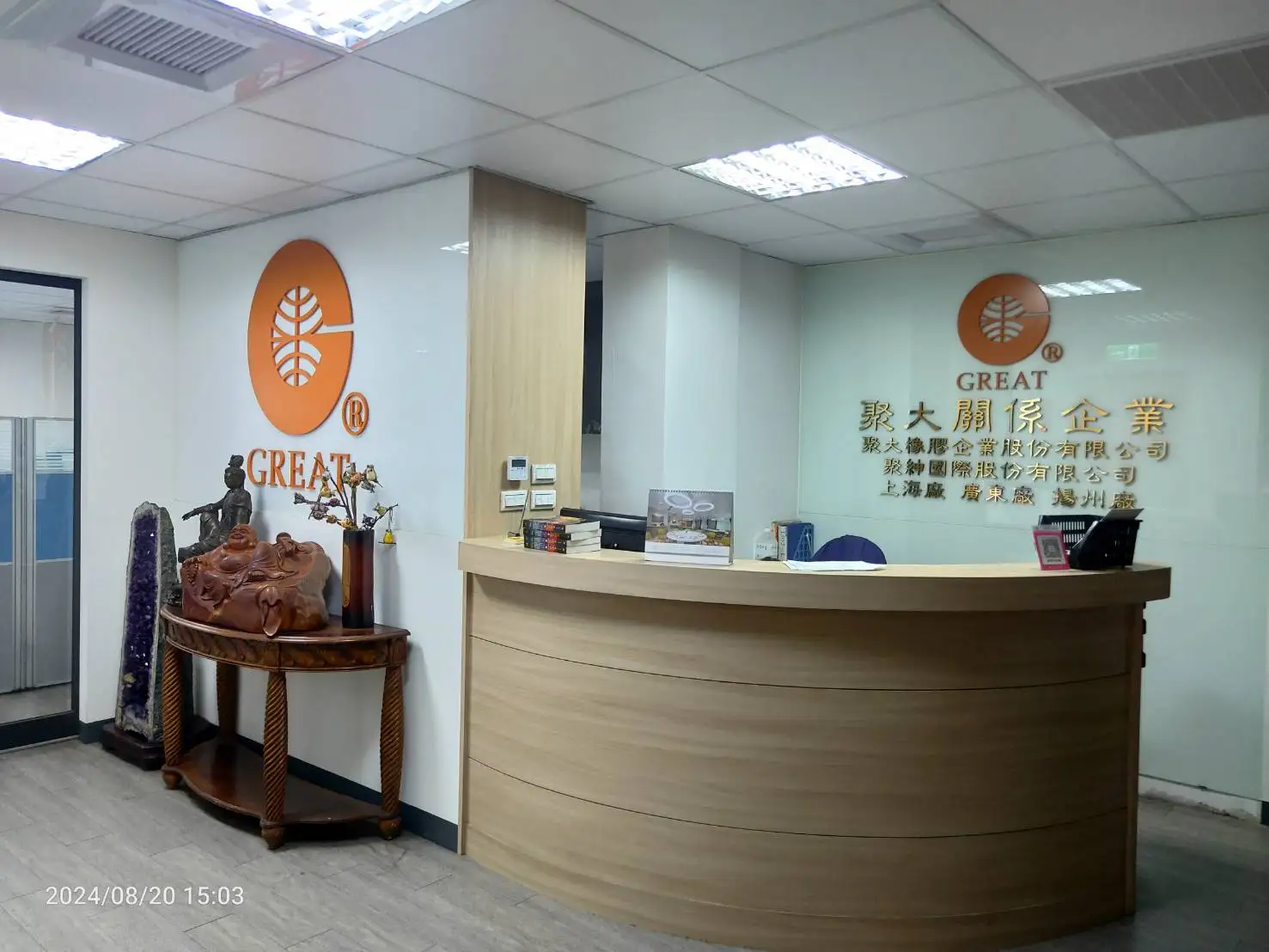
- Manufacturer, Trading Company
- Taiwan, China
- Lead time30 days
- Avg. response≤ 7h
Main productsRubber Keypad,Membrane Switch,Zebra Connector,O-ring,Portable Device Case
Main marketsNorth America(25.00%), Western Europe(20.00%), Domestic Market(20.00%), Mid East(15.00%), Southeast Asia(15.00%), Eastern Asia(5.00%)

Qingdao Protech Rubber&Plastic Co., Ltd.
- Verified by TUVRHEINLAND
- Trading Company
- China Shandong
- Lead time15 days
- Avg. response≤ 16h
Main productsRubber O Rings, Rubber Gaskets, Injection Molded Plastic Parts, Silicone Rubber Profile, Metal Products, ABS Plastic Bush, Rubber Products, Custom Injection Plastic Parts, Self-Fusing Silicone Tape, Plastic Cover
Main marketsSouth America,Southeast Asia/ Mideast,Europe,North America

Suzhou Honychem Specialties Manufacture Co., Ltd.
- Verified by BV
- Trading Company,Manufacturer/Factory
- China Jiangsu
- Lead time15 days
- Avg. response≤ 3h
Main productsSilicone Seal, Rubber Seal, Silicone Parts, Silicone Tube, Rubber O Ring, Silicone Keyboard, Silicone Rubber Keyboard Button, Rubber Gasket, Silicone Rubber, Rubber Parts
Main marketsSouth America,Eastern Europe,Mid East,North America,Southeast Asia,Eastern Asia,Oceania,Western Europe,Africa

QINGDAO GOFAI RUBBER & PLASTIC PRODUCTS CO., LIMITED
- Verified by BV
- Combined
- China Shandong
- Lead time15 days
- Avg. response≤ 5h
Main productsResilient Sound Isolation Clip, Marine Rubber Fender, USB RJ45 HDMI DVI VGA PS2 SATA 2.0 Dust Cover, Dva Rubber Vibration Dumping, 3m Self Adhesive Rubber Pad, Washing Anti-Vibration Pads, Dock Fender, Tug Boat Fender, Ship Fender, Mooring Bollard
Main marketsSoutheast Asia/ Mideast,East Asia(Japan/ South Korea),Europe,Australia,North America


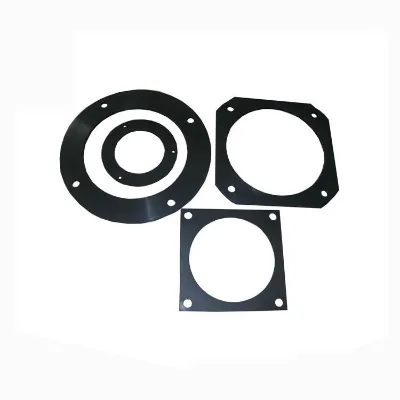
Rubber Gasket Silicone Rubber Gasket Heat Resistant Silicone Rubber Gasket Seals
$0.10
MOQ: 100000 Pieces

Hebei Sanyong New Material Technology Co., Ltd.
- Verified by TüVRheinland
- Manufacturer, Trading Company
- Lead time15 days
- Avg. response≤ 3h
Main productsSilicone Seal, Custom Gasket, Rubber Oil Seal, Seal Part, Seal Oring
Main marketsDomestic Market(50%), North America(5%), Eastern Europe(5%)

Xiamen Neway Rubber & Plastic Products Co., Ltd.
- Verified by BV
- Combined
- China Fujian
- Lead time15 days
- Avg. response≤ 3h
Main productsPlastic Injection Molding, Plastic Parts, Silicone Rubber Parts, Gasket Seals, Rubber Grommet, Mould, O Ring, Extrusion Strip, Metal Parts, Suction Cup
Main marketsSouth America,Africa,Southeast Asia/ Mideast,East Asia(Japan/ South Korea),Europe,Australia,North America


High Quality Silicone Rubber Molded Custom Nonstandard Silicone Rubber Gasket
$0.10 - $0.95
MOQ: 1 Pieces

- Trading Company
- Fujina, China
- Lead time14 days
- Avg. response≤ 7h
Main productsRubber o-ring,Custom Rubber Parts,Rubber Seal Ring,Rubber gasket,Rubber washer
Main marketsNorth America(46.00%), South America(23.00%), Eastern Europe(14.00%), South Asia(8.00%), Southeast Asia(8.00%), Mid East(3.00%), Southern Europe(3.00%), Domestic Market(2.00%), Central America(2.00%), Western Europe(1.00%), Africa(1.00%), Oceania(1.00%), Northern Europe(1.00%), Eastern Asia(1.00%)
Haining Lele Rubber Product Factory
- Manufacturer
- Zhejiang, China
- Lead time12 days
- Avg. response≤ 5h
Main productsrubber seal,rubber o ring,rubber industrial part,silicon gift,silicon kitchenware
Main marketsNorth America(27.00%), Domestic Market(13.00%), Eastern Europe(10.00%), Western Europe(8.00%), Eastern Asia(7.00%), Southern Europe(6.00%), Southeast Asia(5.00%), Oceania(5.00%), South America(5.00%), Central America(4.00%), Africa(3.00%), Mid East(3.00%), Northern Europe(2.00%), South Asia(2.00%)
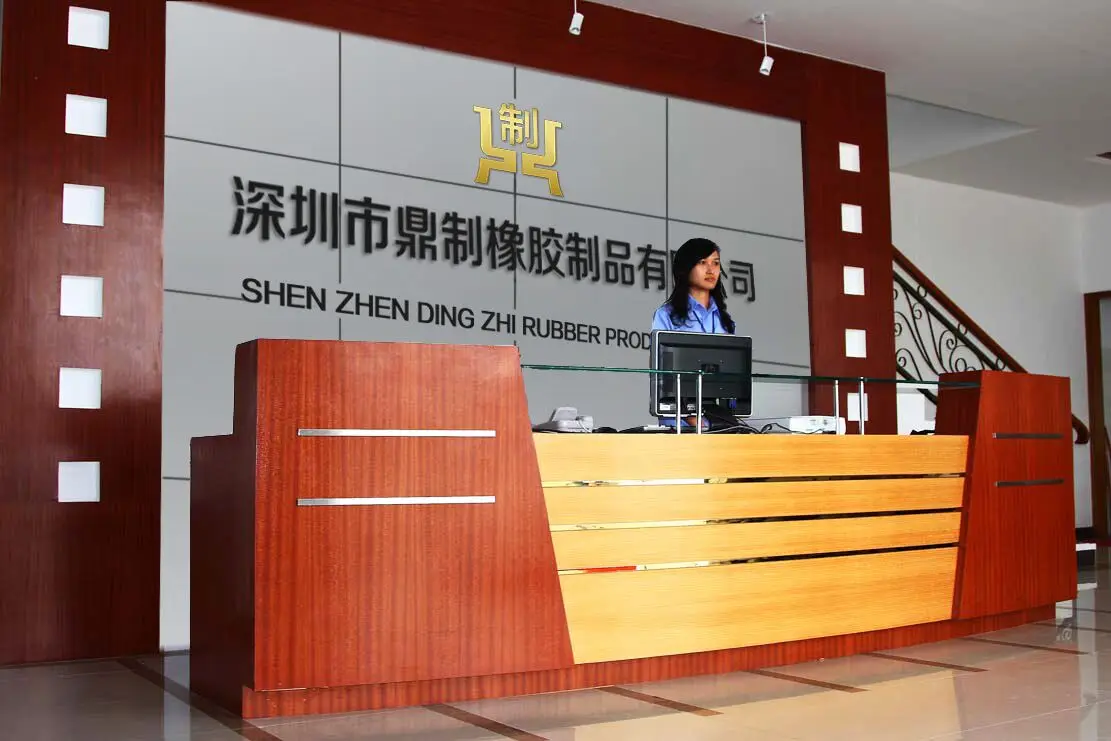
Shenzhen Dingzhi Rubber Products Co., Ltd.
- Manufacturer, Trading Company, Distributor/Wholesaler
- Guangdong, China
- Lead time5 days
- Avg. response≤ 6h
Main productsSilicone sheet,O-ring,Silicone foam string,Silicone sucker,Latex sheet
Main marketsDomestic Market(20.00%), South Asia(15.00%), South America(10.00%), Southern Europe(10.00%), Northern Europe(10.00%), Central America(10.00%), Western Europe(10.00%), North America(10.00%), Eastern Asia(5.00%)

Dongguan Chengda Rubber and Plastic Co., Ltd
- Verified by SGS
- Trading Company,Manufacturer/Factory
- China Guangdong
- Lead time23 days
- Avg. response≤ 4h
Main productsSilicone Products, Machnie Part, Silicone Gifts, Silicone Bag, Medicial Products, Silicone Bra, Custom Silicone Product, Silicone Toy
Main marketsEastern Europe

Hangzhou Bright Rubber Plastic Product Co., Ltd.
- Verified by TUVRHEINLAND
- Manufacturer/Factory
- China Zhejiang
- Lead time15 days
- Avg. response≤ 4h
Main productsCustom EPDM/NBR/Silicone Rubber Molding Parts, Custom Nylon/ABS Plastic Injection Molding Parts, Silicone Extrusion Profiles/Tube/Strip, Spong Silicone Extrusion Profiles/Tube/Strip, Rubber Extrusion Profiles/Sealing/Tube/Strip, Rubber Bumper/Shock Absorber/Buffer/Damper, Rubber Seal/Gasket/Ring/O-Ring/Base, Rubber Cushion/Grommet/Bushing/Spacer/Hose/Grip, Plastic Extrusion Profiles/Sealing/Tube/Strip, Metal Parts
Main marketsSouth America,Eastern Europe,Mid East,North America,Southeast Asia,Eastern Asia,Oceania,Western Europe,Africa


Customized Molded High Temperature Resistance Rubber Seal Silicone Rubber Gasket
$0.10 - $100.00
MOQ: 100 Pieces


High Precision Rubber Parts Oil Resistant Silicone Rubber Gasket for Sealing
$0.10 - $10.00
MOQ: 100 Pieces


Milesun Rubber & Plastic Technology Co., Ltd.
- Verified by CTI
- Manufacturer/Factory
- China Guangdong
- Lead time23 days
- Avg. response≤ 12h
Main productsRubber Components, Rubber Damper/Shock Absorber/Sheet, Rubber-Metal Components, Sealing Ring, Home Appliance Rubber and Metal Components, Power Tool Rubber and Metal Components, Auto Rubber and Metal Components, Sanitary Rubber and Metal Components, Kitchen Ware / Daily Use Rubber Products, Food Grade Rubber Products/Toy
Main marketsSouth America,Eastern Europe,Mid East,North America,Southeast Asia,Eastern Asia,Oceania,Western Europe,Africa

- Verified by BV
- Manufacturer/Factory
- China Zhejiang
- Lead time23 days
- Avg. response≤ 4h
Main productsRubber Sealing Profile, Silicone Extrusion, Silicone Profile, EPDM Gasket, HVAC Gasket, Sealing Gasket, Pipe Fitting Gasket, Rubber Moulding, Rubber Washer, Sewer Pipe Gasket
Main marketsSouth America,Eastern Europe,Mid East,North America,Western Europe
Dongguan Guizhiyuan Technology Co., Ltd.
- Manufacturer, Trading Company
- Guangdong, China
- Lead time0 days
- Avg. response≤ 2h

Jiangyin No.3 Rubber Manufacturer Co., Ltd.
- Verified by BV
- Combined
- China Jiangsu
- Lead time23 days
- Avg. response≤ 11h
Main productsO Ring, Oil Seal, Skeleton Oil Seal, Silicone Oil Seal O-Ring, Fluorine Oil Seal O-Ring, Various Rubber Seals, Rubber Gasket, Y Type Circle, U-Seal Ring
Main marketsSouth America,Africa,Southeast Asia/ Mideast,East Asia(Japan/ South Korea),Domestic,Europe,Australia,North America


Professional customized high reputation wear resistant sealing rubber gasket
$7.90 - $8.00
MOQ: 10 Pieces


Julu County Hengfeng Seal Factory
- Verified by BV
- Combined
- China Hebei
- Lead time15 days
- Avg. response≤ 9h
Main productsSealing Gasket, Metal Coated Gasket, Copper Seal Gasket, Oil Seal, Filter Element, Rubber Gasket, O-Ring, Asbestos Gasket, Non-Asbestos Gasket, Stainless Steel Washer
Main marketsDomestic

Quanzhou Shengda Rubber Products Co., Ltd.
- Verified by TUVRHEINLAND
- Combined
- China Fujian
- Lead time15 days
- Avg. response≤ 3h
Main productsO Ring, Toilet Seat Hinge Top Fix Rubber Well Nut, Rubber Seal, Silicone Gasket, Silicone Washer
Main marketsEurope
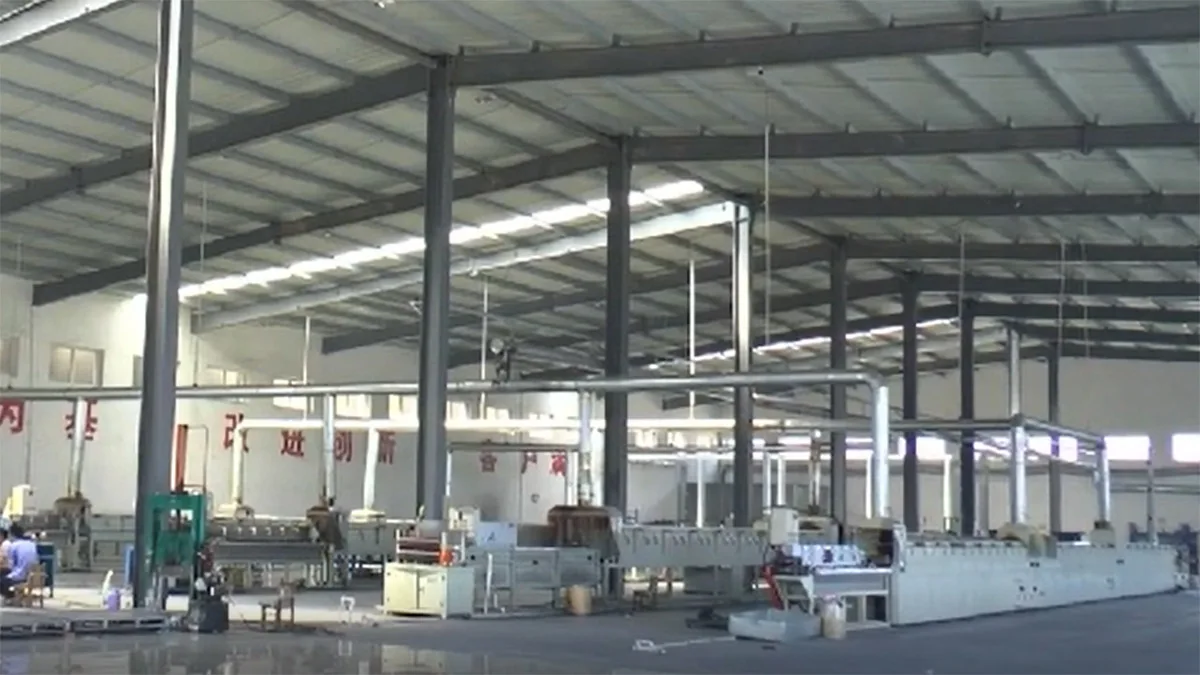
TIANJIN WORTAI INTERNATIONAL TRADE CO., LTD.
- Trading Company
- Tianjin, China
- Lead time5 days
- Avg. response≤ 2h
Main productspile weather strip,shower door seals,silicone seal strip,wooden door seals,fire door seals
Main marketsDomestic Market(20.00%), Southern Europe(10.00%), Northern Europe(10.00%), Mid East(10.00%), North America(5.00%), South Asia(5.00%), Southeast Asia(5.00%), Eastern Europe(5.00%), Central America(5.00%), Western Europe(5.00%), Eastern Asia(5.00%), South America(5.00%), Oceania(5.00%), Africa(5.00%)
Hengshui Huake Rubber & Plastic Co., Ltd.
- Verified by SGS Group
- Manufacturer, Trading Company
- Lead time30 days
- Avg. response≤ 3h
Main productsPTFE, Sludge Scraper, Rubber Products, Rubber Sheets, Plastic Products
Main marketsDomestic Market(91%), Mid East(3%), Eastern Europe(2%)
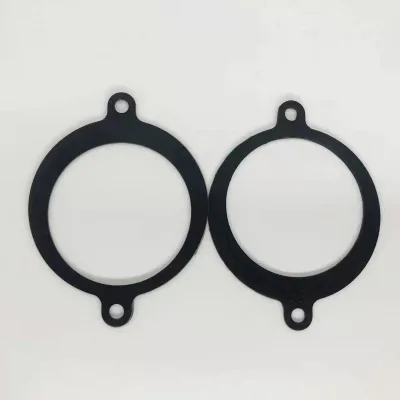
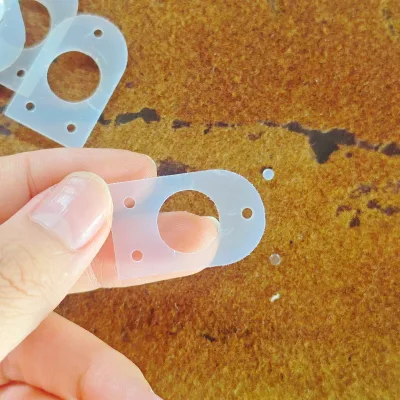
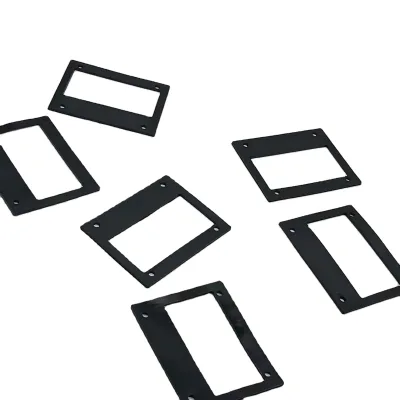
Silicone Rubber Special-shaped Gaskets, Processed with Holes, Silicone Rubber Sealing Parts
$0.1026 - $0.3086
MOQ: 500 pieces
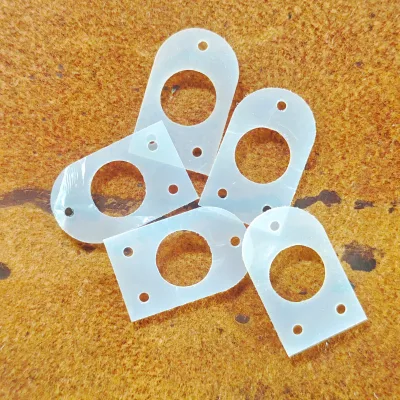
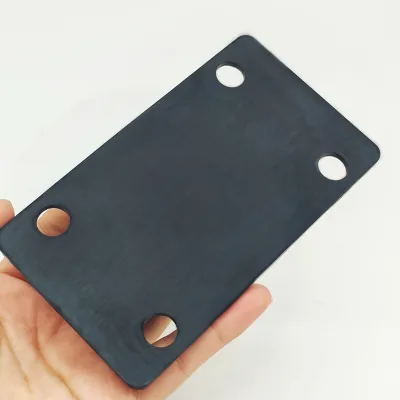
Perforated Silicone Rubber Gasket, Wear-resistant, Durable and Heat-resistant
$0.1032 - $0.3101
MOQ: 500 pieces
Hangzhou Bright Rubber Plastic Product Co., Ltd.
- Manufacturer, Trading Company
- Zhejiang, China
- Lead time15 days
- Avg. response≤ 3h
Main productsrubber molding parts,rubber extrusion profile,Injection molded plastic parts,plastic extrusion profile,rubber seal
Main marketsNorth America(35.00%), Domestic Market(20.00%), Western Europe(15.00%), Oceania(10.00%), Northern Europe(10.00%), South America(5.00%), Southern Europe(3.00%), Central America(1.00%), Eastern Europe(1.00%)

Ningbo Boman Mechanical & Technology Co., Ltd.
- Manufacturer/Factory
- China Zhejiang
- Lead time15 days
- Avg. response≤ 7h
Main productsOil Seal, O Ring, Customize Molded Rubber Part, Bonded Seal, Extrusion Strip, Rubber Ball, Valve Stem Seal, Rubber Product, Plastic Products, Silicone Product
Main marketsSouth America,Eastern Europe,Mid East,North America,Southeast Asia,Eastern Asia,Western Europe

Qingdao Senseco Materials Co., Ltd.
- Manufacturer
- China Shandong
- Lead time15 days
- Avg. response≤ 17h
Main productsO Ring, Oil Seal, Rubber Seal, Rubber Damper, Damper, Silica Rubber Seal, Magnetic Rubber, Rubber Gasket, Rubber Product, Damping Rubber
Main marketsEurope,Australia,North America
Julu County Minghang Machinery Parts Business Department
- Trading Company
- Hebei, China
- Lead time0 days
- Avg. response≤ 4h
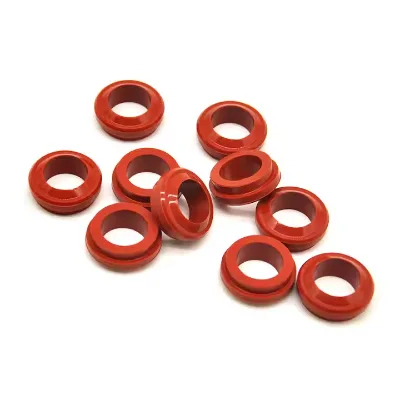
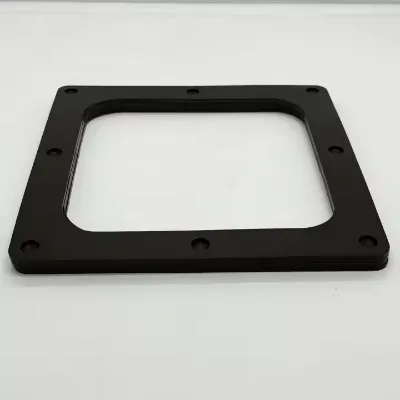
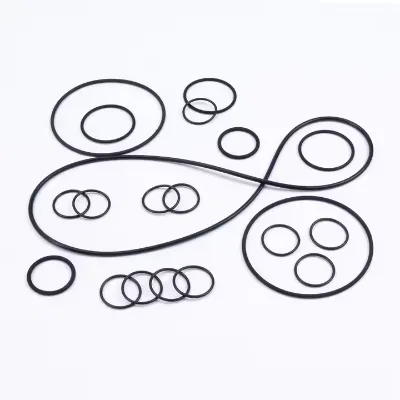
High Quality Top Grade Rubber Gaskets Flange Gasket Seal Manufacturer Provides High Quality Seals
$0.0832 - $0.1573
MOQ: 1000 units

Shanghai Hairen Rubber Products Co., Ltd.
- Verified by SGS
- Combined
- China Shanghai
- Lead time30 days
- Avg. response≤ 5h
Main productsRubbe Product, Rubber Shock Absorber, Silicone Rubber Product, Rubber Seal, Silicone Product, O Ring
Main marketsEast Asia(Japan/ South Korea),Domestic,North America

Hebei Xianghe Rubber & Plastic Products Co., Ltd.
- Verified by CTI
- Combined
- China Hebei
- Lead time15 days
- Avg. response≤ 1h
Main productsRubber Seal Strip, Weather Strip, Silicone Seal, EPDM Seal, Rubber Seal, Molding Rubber Parts, Oil Seal, Rubber Gasket, O-Ring
Main marketsDomestic


High Temperature Resistant Silicone Rubber Gasket for Industrial Sealing Applications
$0.10 - $0.90
MOQ: 1000 Meters
Changshu Kangxiang Electronic Technology Co., Ltd.
- Verified by TüVRheinland
- Manufacturer, Trading Company
- Lead time15 days
- Avg. response≤ 6h
Main productsSilicone Rubber Seals, Silicone Patches, Silicone Rubber Hose, Silicone Rubber Automative Parts, Rubber Keypads
Main marketsNorth America(30%), Southeast Asia(20%), Domestic Market(20%)
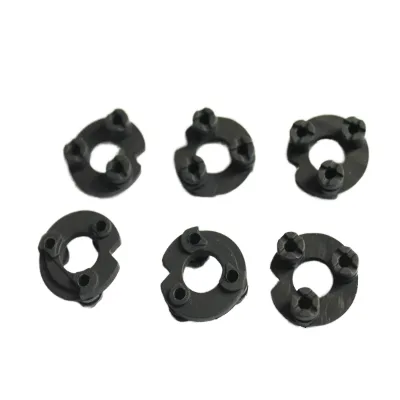
$0.8239 - $1.0306
MOQ: 100 pieces
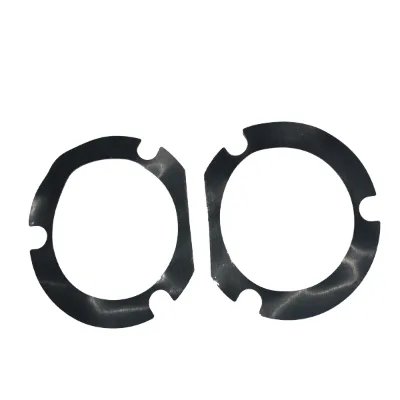
$0.3086 - $0.5138
MOQ: 100 pieces
$0.0621 - $0.1035
MOQ: 1000 pieces
Hangzhou Dingcai Rubber And Plastic Products Co., Ltd.
- Manufacturer, Trading Company
- Zhejiang, China
- Lead time20 days
- Avg. response≤ 9h
Main productsElectronic Accessories,Hardware Accessories,Rubber Products,Silicone Products
Main marketsDomestic Market(100.00%), Central America(40.00%), Western Europe(20.00%), North America(20.00%), Africa(10.00%)

Anhui Boom Auto Parts Co., Ltd.
- Verified by SGS
- Combined
- China Anhui
- Lead time30 days
- Avg. response≤ 17h
Main marketsNorth America
Tianjin King Seal Trading Co., Ltd.
- Verified by TüVRheinland
- Trading Company
- Lead time10 days
- Avg. response≤ 4h
Main productsRubber Diaphragm, Gasket Washer, Other Hardware, Rubber O Ring, Rubber Oil Seal
Main marketsOceania(14%), North America(12%), Western Europe(12%)












Comprehensive Sourcing Guide
Conductive Silicone Rubber Gasket Supplier Concentration and Factory Types
The current supplier landscape for conductive silicone rubber gaskets reveals a distinct geographic concentration in China, with Zhejiang and Shandong provinces emerging as primary manufacturing hubs. Suppliers located in Zhejiang, such as those in Ningbo, often operate as combined entities that blend manufacturing capabilities with trading functions, allowing them to offer a broad spectrum of rubber and plastic products including silicon rubber gaskets and roof flashing. This dual nature provides buyers with access to diverse product lines, from standard O-rings to specialized industrial seals, while maintaining the logistical advantages of established export infrastructure. The presence of ISO9001:2015 and IATF16949 certifications among these Zhejiang-based suppliers indicates a mature industrial ecosystem capable of meeting stringent quality management standards required for automotive and electronic applications. Buyers evaluating this region should note that the "Combined" company type suggests a flexibility in production models, potentially offering both OEM and ODM services, which is crucial for custom conductive gasket specifications.
In contrast, suppliers in Shandong province present a different operational profile, with some entities identified specifically as trading companies verified by TÜV Rheinland. This verification adds a layer of third-party assurance regarding business legitimacy and operational transparency, which can be a significant differentiator for buyers seeking reliable partners in a market dominated by mixed supplier types. Additionally, the presence of suppliers from Taiwan, China, introduces a regional variation in manufacturing focus, with some entities specializing in membrane switches and portable device cases, suggesting a potential alignment with high-precision electronic component sealing needs. The diversity in company types—ranging from pure manufacturers to trading companies and combined operations—means that buyers must carefully assess the actual production capabilities behind the listed main products. While Zhejiang suppliers often highlight their own brand and customization availability, Shandong and Taiwan suppliers may offer different value propositions related to verification status or niche product expertise, requiring buyers to look beyond general location data to understand the specific factory dynamics.
How to Verify Conductive Silicone Rubber Gasket Suppliers
Verifying the authenticity and capability of Conductive Silicone Rubber Gasket suppliers requires a multi-layered approach that goes beyond basic profile reviews. Buyers should prioritize suppliers who display third-party verification badges, such as the TÜV Rheinland certification observed in Shandong-based trading companies, as these indicate a higher level of operational scrutiny and business legitimacy. For manufacturers in Zhejiang, checking for specific system certifications like ISO9001:2015 and IATF16949 is essential, particularly if the gaskets are intended for automotive or critical industrial applications where quality consistency is non-negotiable. These certifications are not merely decorative; they represent adherence to rigorous management systems that directly impact the reliability of the conductive silicone material properties and the precision of the molding processes. Buyers must actively request copies of these certificates and verify their validity through the issuing bodies, ensuring that the certifications are current and cover the specific product lines of interest, such as silicon gaskets or rubber seals.
Beyond certifications, buyers should scrutinize the supplier's response time and communication efficiency as indicators of operational health and customer service quality. Data shows that response times can vary significantly, with some suppliers averaging around 19.45 hours while others respond within 7 hours, a difference that can impact project timelines and issue resolution speed. A faster response time often correlates with a more agile supply chain and dedicated customer support teams, which are critical when dealing with custom conductive gasket specifications that may require rapid prototyping or urgent adjustments. Additionally, buyers should verify the supplier's production capacity and customization capabilities by reviewing their listed main products and asking for detailed information on their OEM/ODM processes. Suppliers claiming "Own brand, ODM, OEM" capabilities should be asked to provide case studies or references that demonstrate their ability to handle complex conductive material formulations and precise dimensional tolerances, ensuring that their technical expertise aligns with the buyer's specific engineering requirements.
What to Compare Across Conductive Silicone Rubber Gasket Suppliers
When evaluating multiple suppliers for conductive silicone rubber gaskets, buyers must systematically compare key operational metrics to identify the most suitable partner for their specific needs. Lead time is a critical factor, with some suppliers indicating a standard lead time of 30 days, which must be weighed against the urgency of the project and the complexity of the conductive material formulation. Buyers should also closely examine the Minimum Order Quantity (MOQ) requirements, which can range from 100 pieces for certain silicon gaskets to 10,000 pieces for other rubber products, influencing inventory costs and cash flow management. Price is another vital comparison point, with unit costs varying significantly based on material grade, customization level, and order volume; for instance, some rubber gaskets may be priced as low as $0.10 per unit, while specialized silicon products may carry higher price points around $11.80, reflecting differences in material conductivity and manufacturing complexity.
In addition to cost and volume, buyers should compare the supplier's product attributes and customization options to ensure alignment with technical specifications. Attributes such as cross-section shape, material type (e.g., Silicone Rubber vs. EPDM), and application suitability (e.g., Vehicle, Household Appliance, Electronic Product) must be meticulously matched to the buyer's design requirements. Suppliers offering "Available" customization should be evaluated on their ability to provide samples and technical support during the design phase, as conductive gaskets often require precise tuning of conductivity levels and compression set properties. Furthermore, buyers should assess the supplier's packaging and shipping details, such as export packing standards and port of dispatch (e.g., Ningbo), which can impact logistics costs and delivery reliability. By creating a comparison matrix that includes lead time, MOQ, price, customization capabilities, and logistical details, buyers can make data-driven decisions that balance cost efficiency with quality assurance and supply chain resilience.
Common Conductive Silicone Rubber Gasket Sourcing Risks
Sourcing conductive silicone rubber gaskets from international suppliers introduces several risks that buyers must proactively manage to ensure product quality and supply continuity. One significant risk is the variability in material composition, as conductive silicone requires specific fillers to achieve desired electrical properties, and inconsistencies in formulation can lead to performance failures in electronic applications. Buyers must verify that suppliers use high-quality raw materials and have robust quality control processes in place, as indicated by certifications like ISO9001:2015. Without proper verification, there is a risk of receiving gaskets that do not meet the specified conductivity thresholds or compression set requirements, leading to costly rework or product recalls. Additionally, the risk of intellectual property infringement exists when working with suppliers offering OEM/ODM services, particularly if proprietary conductive material formulations or custom designs are involved, necessitating strong legal protections and clear contractual agreements.
Another common risk is the discrepancy between sample quality and mass production output, which can be exacerbated by long lead times and complex supply chains. Suppliers with lead times of 30 days or more may face challenges in maintaining consistent quality over extended production runs, especially if raw material batches vary or if production capacity is strained. Buyers should mitigate this risk by implementing strict incoming quality inspection protocols and requesting regular production updates or third-party inspection reports. Furthermore, logistical risks associated with shipping from regions like Zhejiang or Shandong, including potential port delays or customs clearance issues, can impact delivery schedules. Buyers should establish clear communication channels with suppliers to monitor production progress and shipping status, and consider using escrow services or other payment protections to safeguard against non-delivery or quality disputes. By anticipating these risks and implementing robust mitigation strategies, buyers can ensure a smoother sourcing experience and maintain the integrity of their supply chain.
Conductive Silicone Rubber Gasket Regional Sourcing and Logistics
The geographic location of suppliers significantly influences logistics strategies and cost structures for Conductive Silicone Rubber Gasket sourcing. Suppliers based in Zhejiang province, particularly those in Ningbo, benefit from proximity to major shipping ports, which facilitates efficient export operations and reduces inland transportation costs. This logistical advantage is crucial for buyers requiring timely delivery of gaskets, as Ningbo's port infrastructure supports high-volume container shipping to global destinations. Buyers sourcing from this region should leverage the established export networks to negotiate favorable freight terms and ensure reliable shipping schedules. Additionally, the concentration of rubber and plastic manufacturers in Zhejiang creates a competitive environment that can drive down logistics costs through economies of scale and optimized supply chain coordination. Buyers should also consider the impact of regional trade policies and tariffs when sourcing from China, as these factors can affect the total landed cost of the gaskets.
In contrast, sourcing from Shandong or Taiwan introduces different logistical considerations, such as varying port efficiencies and regional trade agreements. Suppliers in Shandong, while potentially offering verified trading services, may have different logistical footprints compared to Zhejiang-based manufacturers, requiring buyers to assess the specific shipping routes and transit times. Taiwan-based suppliers, with their focus on electronic components, may offer specialized packaging and handling services suitable for sensitive conductive gaskets, but buyers must evaluate the shipping costs and lead times associated with this region. Regardless of the source region, buyers should work closely with suppliers to optimize packaging solutions, such as export cartons or custom packaging, to minimize damage during transit and reduce volumetric weight charges. By understanding the logistical nuances of each sourcing region, buyers can develop tailored shipping strategies that balance cost efficiency with delivery reliability, ensuring that conductive silicone rubber gaskets arrive at their destination in optimal condition and on schedule.
Conductive Silicone Rubber Gasket Commercial Terms and Order Planning
Effective commercial terms and order planning are essential for managing the procurement of conductive silicone rubber gaskets and ensuring a successful supplier relationship. Buyers should negotiate clear payment terms that align with production milestones, such as using escrow services to protect payments until goods are shipped and verified. This approach mitigates financial risk and builds trust with suppliers, particularly when dealing with custom orders that require significant upfront material and tooling investments. Additionally, buyers should establish detailed specifications for conductive gaskets, including conductivity levels, compression set, and dimensional tolerances, to avoid misunderstandings and ensure that the final product meets engineering requirements. Clear communication of these specifications during the initial inquiry phase helps suppliers provide accurate quotes and lead times, facilitating better order planning and inventory management.
Order planning should also account for the supplier's production capacity and lead times, which can vary based on order volume and customization complexity. For instance, suppliers with a 30-day lead time may require advance notice for large orders, while those with faster response times might accommodate urgent requests more effectively. Buyers should develop a rolling forecast with suppliers to ensure consistent production scheduling and avoid stockouts or excess inventory. Furthermore, buyers should consider the supplier's after-sales support and warranty policies, as these terms can impact long-term cost efficiency and operational continuity. By establishing robust commercial terms and proactive order planning processes, buyers can create a stable and predictable supply chain for conductive silicone rubber gaskets, reducing operational disruptions and enhancing overall procurement efficiency. This strategic approach ensures that buyers can scale their operations effectively while maintaining high standards of quality and service.
FAQs
What certifications do suppliers hold?
Suppliers in Zhejiang hold ISO9001:2015 and IATF16949 certifications. These credentials verify quality management systems for rubber and plastic components. Buyers should request valid certificates to ensure compliance with automotive and industrial standards before placing orders.
What is the typical lead time?
The standard lead time is 30 days for production. This duration applies to most rubber gasket and silicone seal orders. Buyers should confirm specific timelines with suppliers, as rush orders or complex customizations may require additional processing time.
What are the minimum order quantities?
Minimum order quantities vary by product type. Silicone gaskets require 100 units, while rubber gaskets need 1000 units. Some specialized items have higher thresholds, such as 10,000 units. Buyers should verify MOQs for specific models to plan inventory effectively.
Where are the suppliers located?
Manufacturers are located in Zhejiang, Shandong, and Taiwan. Zhejiang suppliers offer Ningbo port dispatch. Shandong suppliers hold TÜV Rheinland verification. Buyers can filter by region to reduce shipping costs and align with local logistics preferences.
What materials are used for gaskets?
Common materials include silicone rubber, EPDM, and NBR. Silicone options provide temperature resistance for valves and pumps. EPDM is available in black, gray, or brick colors. Buyers should specify material requirements to ensure compatibility with their application environment.
What is the response time?
Response times range from 7 to 19.45 hours. Faster responses indicate active trading companies or manufacturers with dedicated support teams. Buyers should prioritize suppliers with quicker reply rates to ensure efficient communication during the sourcing and negotiation process.