Source Frameless LED RGB Gaming Monitor for Computer, Advertising, Graphic Design
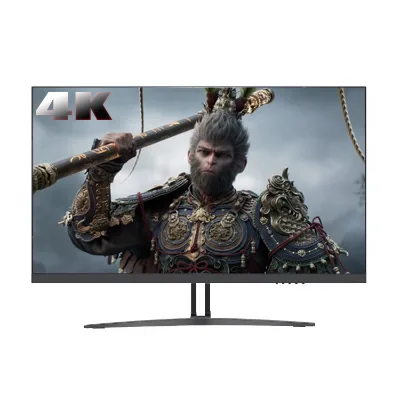
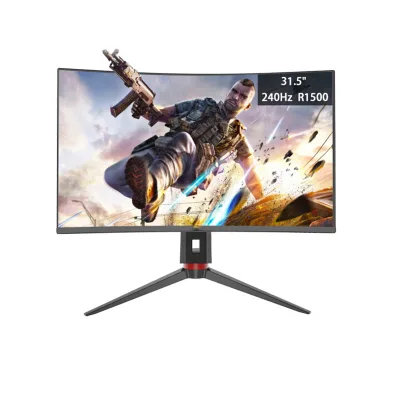
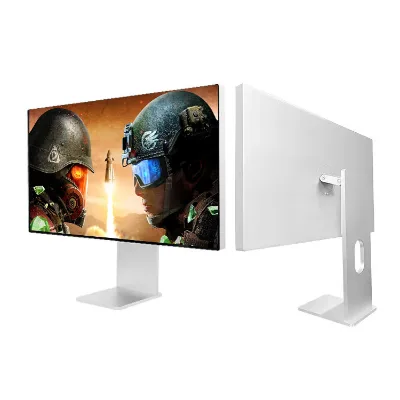
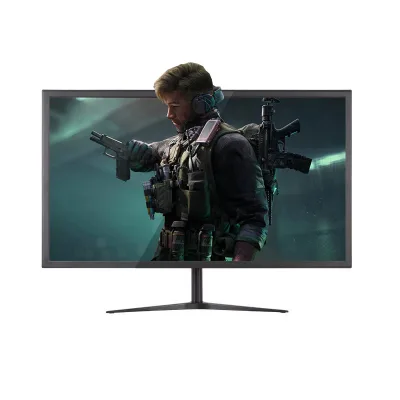
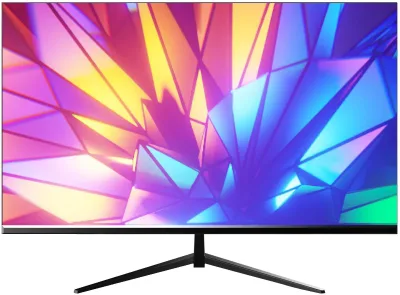
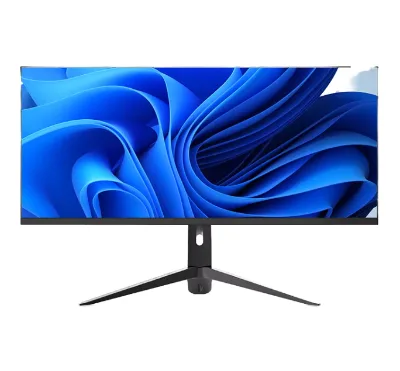
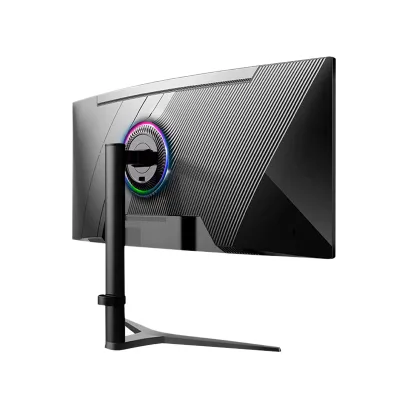
Compare 30 Frameless LED RGB Gaming Monitor options from verified suppliers. Buyers can review specifications like resolution, refresh rates, and brightness for Computer, Advertising, and Graphic Design applications. These displays feature LED backlight technology and support various interface types including HDMI and VGA for versatile use cases.
Updated
Key considerations
Products List




Comprehensive Sourcing Guide
Frameless LED RGB Gaming Monitor Sourcing Guide
Procuring frameless LED RGB gaming monitors requires a disciplined approach to verifying display technologies and interface compatibility. Buyers must distinguish between VA and IPS panel types, as each offers distinct advantages in contrast ratios and viewing angles. The observed market data indicates a strong presence of IPS panels with high refresh rates, which are critical for competitive gaming performance. Understanding these technical distinctions ensures that the selected monitors meet the specific visual demands of professional gamers and esports venues.
Commercial terms vary significantly based on customization options and packaging requirements. Suppliers often provide flexible interface configurations, including HDMI, VGA, and DC inputs, which can be tailored to specific system integrations. Packaging methods range from standard carton packing to more protective wooden boxes, influencing both shipping costs and product safety during transit. Evaluating these logistical factors early in the sourcing process helps in estimating total landed costs and minimizing the risk of damage during international shipping.
Product Scope and Observed Listing Signals
The current market landscape for frameless LED RGB gaming monitors reveals a diverse range of models with varying specifications. Observed listings highlight models such as the WCH-D2701 and WCH-D2308, which feature different screen sizes and refresh rates. These products often support LED backlight displays and offer customization options for interfaces and features. The presence of both 3D and non-3D variants indicates a broad application scope, catering to both immersive gaming experiences and standard computer usage scenarios.
Price points and minimum order quantities (MOQs) show considerable variation across suppliers. The observed price range spans from approximately $44.14 to $281, reflecting differences in panel quality, brightness, and additional features like RGB lighting. MOQs typically range from 1 to 300 units, allowing for both small-scale trials and large-volume procurement. Buyers should carefully review these commercial signals to align their purchasing strategy with their budget constraints and inventory requirements, ensuring they secure the best value for their specific needs.
Technical Specifications to Verify
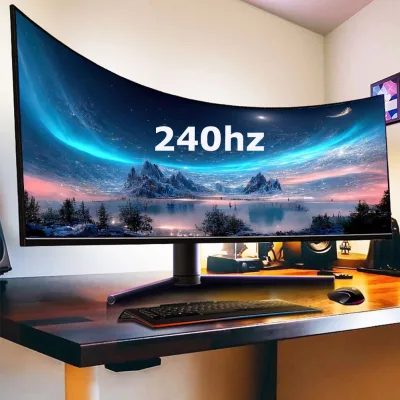
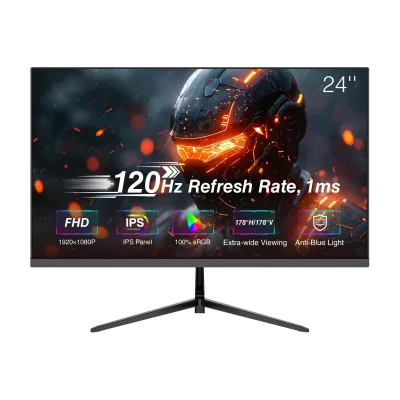
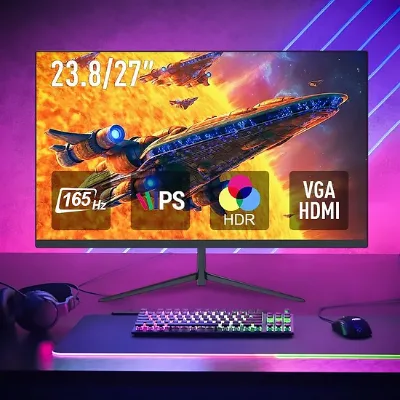
When evaluating technical specifications, the screen refresh rate is a critical factor for gaming monitors. Observed data shows maximum refresh rates ranging from 75Hz to 180Hz, with some models supporting 165Hz for smoother gameplay. Buyers should verify the panel type, with IPS and TFT technologies being common choices. IPS panels are often preferred for their color accuracy and wide viewing angles, while TFT options may offer cost advantages. Confirming these details ensures the monitor delivers the performance expected in fast-paced gaming environments.
Resolution and brightness levels also play a significant role in display quality. Many listed models boast an optimum resolution of 1920x, providing clear and sharp images. Brightness values vary, with some monitors offering 300 CD/M2 and others reaching up to 800 nits for enhanced visibility in well-lit rooms. Additionally, features like saturation levels, ranging from 90% to 120% RGB, impact color vibrancy. Buyers must ensure these specifications align with their visual requirements and the intended usage environment to avoid performance discrepancies.
Compliance and Safety Documentation
Ensuring that gaming monitors meet international safety and electromagnetic compatibility standards is essential for global distribution. Buyers should request documentation confirming compliance with relevant regulations, such as CE, FCC, or RoHS, depending on the target market. These certifications verify that the products do not pose electrical hazards and emit radiation within safe limits. Without proper documentation, shipments may face customs delays or rejection, leading to significant logistical and financial disruptions for the buyer.
Energy efficiency standards are another critical area of compliance. Monitors with LED backlight displays often adhere to specific energy consumption guidelines, which can impact operational costs and environmental impact assessments. Buyers should inquire about the energy rating and verify that the products meet the latest efficiency benchmarks. This verification process not only ensures regulatory compliance but also supports sustainability goals, which are increasingly important to corporate procurement policies and consumer preferences in the gaming industry.
Cost Drivers and Commercial Terms
Several factors influence the final cost of frameless LED RGB gaming monitors, including panel type, resolution, and additional features. High refresh rates and superior brightness levels typically command higher prices due to the advanced technology involved. Customization options, such as specific interface configurations or branding, can also add to the overall cost. Buyers should analyze these cost drivers to understand the value proposition of each supplier and negotiate effectively based on the specific features required for their projects.
Packaging and shipping terms significantly impact the total procurement cost. Options like carton packing or wooden boxes offer different levels of protection, with wooden boxes often being more expensive but providing better safeguarding against damage. Buyers should consider the shipping volume and weight to estimate freight costs accurately. Additionally, understanding the supplier’s lead times and payment terms is crucial for cash flow management. Clear communication regarding these commercial terms helps in avoiding unexpected expenses and ensures a smooth procurement process.
Supplier Qualification and Quality Control
Selecting a reliable supplier involves thorough due diligence to assess their manufacturing capabilities and quality control processes. Buyers should verify the supplier’s production capacity and experience in manufacturing gaming monitors. Requesting samples for testing is a practical step to evaluate build quality, display performance, and RGB functionality. Suppliers with a proven track record of consistent quality and timely delivery are preferable, as they reduce the risk of defects and supply chain disruptions.
Quality control measures should be clearly defined and agreed upon before placing orders. This includes specifications for incoming material inspections, in-process quality checks, and final product testing. Buyers should inquire about the supplier’s defect rate and their procedures for handling non-conforming products. Establishing a robust quality assurance framework ensures that the received monitors meet the agreed-upon standards. Regular audits and performance reviews can further strengthen the supplier relationship and maintain high product quality over time.
Long-Term Procurement Checks
Establishing long-term procurement strategies requires ongoing monitoring of supplier performance and market trends. Buyers should regularly review supplier delivery times, product quality, and responsiveness to issues. Maintaining open communication channels facilitates quick resolution of any problems that may arise during the supply chain. Additionally, staying informed about technological advancements in display technology helps in making informed decisions about future purchases, ensuring that the procured monitors remain competitive and relevant in the gaming market.
Contractual agreements should include clauses for continuous improvement and performance metrics. These clauses can incentivize suppliers to maintain high standards and innovate in product development. Buyers should also consider the availability of spare parts and after-sales support, which are crucial for maintaining the longevity of the procurement relationship. By focusing on these long-term checks, buyers can build a resilient supply chain that supports their business growth and adapts to changing market demands effectively.
FAQs
What resolution options are available for these monitors?
The monitors offer 1920x1080 resolution with either VA or IPS panel types. Some models support 1600x900 resolution with TFT technology. These options ensure clear image quality for graphic design, computer use, and advertising applications. Buyers can select the panel type based on viewing angle and color accuracy needs for their specific indoor display requirements.
Can these monitors be customized for specific branding needs?
Yes, customization is available for these display units. Buyers can request specific interface types, including HDMI, VGA, and DC connections. The product origin is Shenzhen, Guangdong, allowing for tailored production runs. This flexibility supports unique branding requirements and ensures the monitors integrate seamlessly into existing computer or advertising setups without compatibility issues.
What is the maximum screen refresh rate for gaming?
The maximum screen refresh rates vary by model, offering 75Hz, 100Hz, 165Hz, or 180Hz options. Higher refresh rates like 165Hz and 180Hz are ideal for gaming monitors to reduce motion blur. These specifications cater to different performance needs, ensuring smooth visuals for both casual computer use and competitive gaming applications within the available product range.
How is the packaging handled for international shipping?
Packaging options include carton packing, wooden boxes, and brown or color boxes. The specific packaging depends on the model, such as wooden boxes for larger 55-inch units or cartons for standard sizes. This variety ensures safe transit for different monitor dimensions, protecting the displays from damage during global logistics and handling processes for B2B buyers.
What brightness levels do these LED monitors provide?
Brightness levels range from 250 CD/M2 to 800 nits depending on the model. Standard models typically offer 300 CD/M2, while high-performance gaming monitors reach 800 nits. This variation allows buyers to select appropriate brightness for indoor environments, ensuring visibility in well-lit advertising spaces or comfortable viewing for standard computer and graphic design tasks.