Source Shipping Label Maker Thermal Printer for Retail, Logistics, Warehousing
Compare 30 Shipping Label Maker Thermal Printer options from verified suppliers. Explore models with varying speeds, resolutions, and connectivity features to find the right device for your business needs; compare the available evidence and request quotations based on your requirements.
Updated
Key considerations
Products List


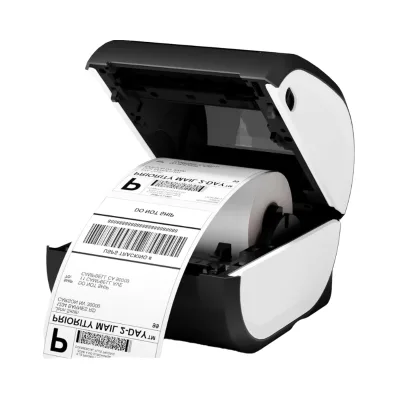


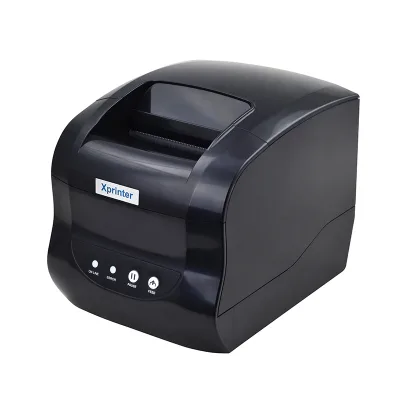
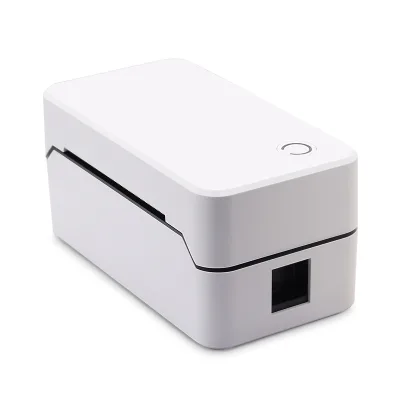


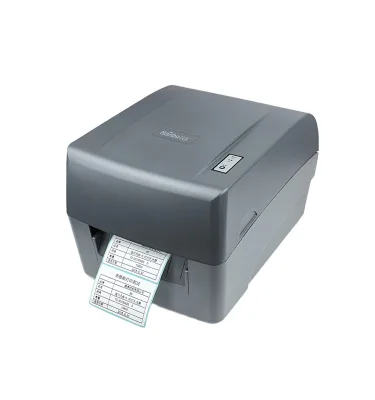
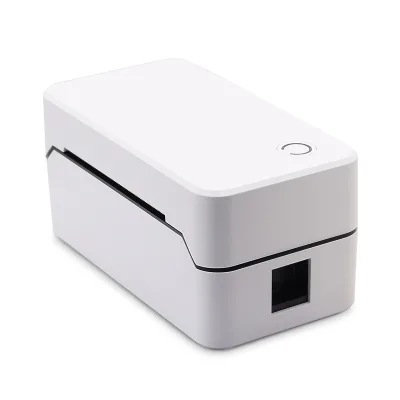
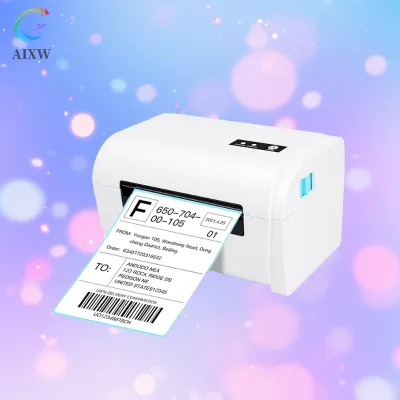
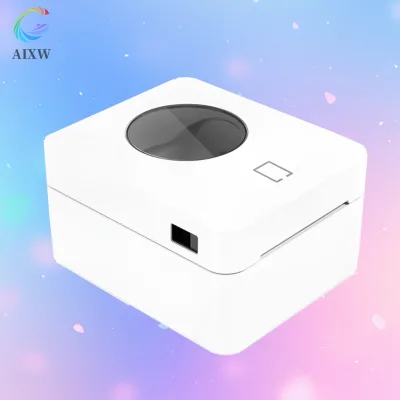
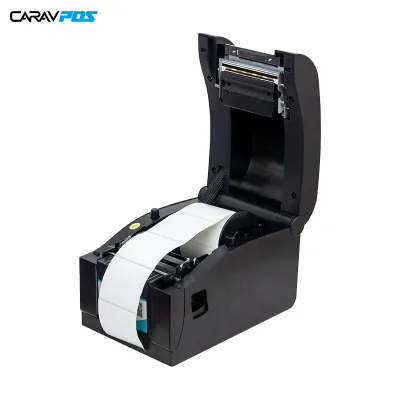
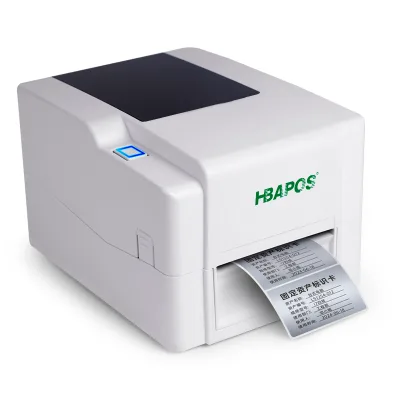
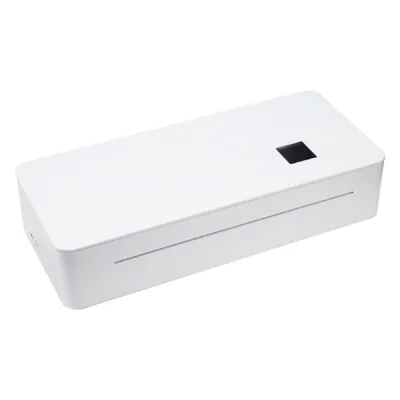
4inch Cheap High Resolution Thermal Receipt Sticker Shipping Label Printer
$2.00 - $95.00
MOQ: 1 Pieces




Comprehensive Sourcing Guide
Shipping Label Maker Thermal Printer Sourcing Guide
Buyers evaluating thermal printers for shipping labels must first distinguish between general-purpose receipt models and dedicated label solutions. The observed product data indicates a mix of devices, including those explicitly labeled for barcode printing and others designed for thermal receipt applications. This distinction is critical because the effective printing width and paper roll diameter vary significantly between models, directly impacting the maximum label size a facility can process without hardware modification.
Procurement teams should verify that the selected unit supports the specific paper thickness and roll diameter required for their operational workflow. The available data shows paper thickness ranges from 0.055mm to 0.15mm and roll diameters up to 110mm, which suggests compatibility with standard shipping media. However, relying on generic specifications without confirming the exact interface and software compatibility can lead to integration failures when connecting these devices to existing warehouse management systems.
Product Scope and Observed Listing Signals
The market listings reveal a diverse range of thermal printing technologies, including platen presses and semi-automatic grades, though the primary focus for shipping labels remains on direct thermal methods. Buyers must carefully parse product attributes to identify units capable of handling the specific demands of label generation, such as the 80mm or 108mm effective printing widths observed in the data. Misidentifying a receipt printer as a label printer can result in purchasing equipment that cannot accommodate the necessary label dimensions for logistics operations.
Observations of multi-colour printing presses and black-and-white styles indicate that color capability is not a standard feature for this specific category of thermal hardware. Most units in the observed range operate in monochrome, which is sufficient for standard shipping barcodes and text. Procurement strategies should prioritize units with high-resolution capabilities, such as the 203dpi observed in several listings, to ensure that barcodes remain scannable even when printed on smaller label formats.
Technical Specifications to Verify
When assessing technical readiness, the interface type and network functionality are paramount for seamless integration into automated shipping environments. The data highlights both USB and optional wireless network capabilities, requiring buyers to confirm that the chosen model supports the specific communication protocols, such as ESC/POS, used by their software stack. A mismatch in command sets or network support can render a high-speed printer useless if it cannot communicate effectively with the central dispatch system.
Print speed and resolution metrics must be validated against the throughput requirements of the shipping dock. While some models advertise speeds up to 200mm/s, others operate at 150mm/s or 90mm/s, and these differences directly influence daily shipping capacity. Buyers should also verify the maximum paper size and effective printing width to ensure the hardware can handle the largest labels in their inventory, as the observed range spans from 80mm to 112mm in maximum paper dimensions.
Compliance and Safety Documentation
Safety compliance for electrical components requires verification of the power supply specifications to ensure compatibility with local voltage standards. The observed power requirements of DC 24V/2A indicate that these devices rely on external adapters, necessitating a check that the included or required power supplies meet regional safety certifications. Procurement teams must ensure that the power delivery system does not pose a risk of overheating or electrical failure in high-traffic warehouse environments.
Documentation regarding the physical dimensions and weight is essential for planning the physical layout of the shipping station. The observed dimensions vary from compact units measuring 170x215x160mm to larger configurations, and the weight is noted as approximately 0.5KG for some models. Buyers should confirm that the physical footprint and weight of the selected printer fit within the designated workspace without obstructing workflow or violating safety clearance requirements for equipment placement.
Cost Drivers and Commercial Terms
Pricing in this sector is influenced by the specific printing technology and the inclusion of advanced features like wireless networking or SDK support. The observed price range spans from $0.01 to $150, reflecting a wide disparity between basic receipt models and more robust label printers with extended durability features. Buyers must correlate the listed price with the actual functional requirements, avoiding the trap of selecting the lowest-cost option if it lacks the necessary resolution or speed for high-volume shipping tasks.
Commercial terms such as Minimum Order Quantity (MOQ) and warranty coverage are critical factors in the total cost of ownership. The data indicates MOQs ranging from 1 to 500 units, allowing for flexible procurement strategies whether for a single pilot unit or a fleet-wide deployment. Additionally, the presence of a one-year warranty and return replacement services suggests a standard level of after-sales support, which buyers should explicitly confirm in the purchase agreement to mitigate the risk of hardware failure.
Supplier Qualification and Quality Control
Supplier qualification should begin with verifying the origin and manufacturing standards of the thermal printers. The observed data points to origins in China, specifically Fujian, which is a known hub for electronics manufacturing, but buyers must ensure that the specific supplier adheres to consistent quality control processes. Relying solely on the country of origin is insufficient; procurement teams should request evidence of production consistency and quality assurance protocols to prevent receiving units with varying performance levels.
Quality control checks must extend to the physical durability and operational lifespan of the print head. The observed TPH (Thermal Print Head) rating of 100km provides a benchmark for expected longevity, but buyers should verify if this rating applies to the specific model under consideration. Ensuring that the supplier provides a clear warranty policy and a reliable return replacement process is essential for maintaining operational continuity in a shipping environment where printer downtime can cause significant logistical delays.
Long-Term Procurement Checks
Sustaining a reliable supply chain requires regular audits of the supplier's ability to maintain stock levels and provide consistent product specifications. The observed variation in product models, such as the CSN-400 and CSN-310, suggests that buyers must establish clear communication channels to ensure that future orders match the exact specifications of the initial successful deployment. Changes in model numbers or specifications without prior notice can disrupt operations if the new units are not fully compatible with existing software drivers.
Long-term success also depends on the availability of software development kits and ongoing technical support. The presence of SDK support in the observed data is a positive indicator for integration flexibility, but buyers should confirm the longevity of this support and the availability of driver updates. Establishing a clear protocol for after-sales service, including the specific terms of the one-year warranty and the process for return and replacement, ensures that the procurement strategy remains resilient against hardware failures over time.
FAQs
Can this thermal printer support USB connectivity for easy setup?
Yes, the device supports USB connectivity for straightforward integration with standard computers. It also offers optional network functions, including wireless network capabilities, to accommodate diverse office environments. This flexibility ensures reliable data transmission for barcode and label printing tasks without requiring complex hardware configurations.
What is the maximum printing speed for black and white labels?
The printer achieves a maximum black print speed of 150mm per second. Some models reach up to 200mm per second for high-volume operations. This rapid output ensures efficient processing of shipping labels and receipts, minimizing wait times during peak operational hours while maintaining consistent print quality.
Does the printer support automatic two-sided printing for labels?
No, the device does not support automatic two-sided printing. It is designed primarily for single-sided thermal printing applications. Users must manually handle paper loading for duplex tasks if required, though the standard usage focuses on efficient single-side label and receipt generation for logistics workflows.
What paper types and sizes are compatible with this machine?
The printer accepts thermal paper with a maximum size of 80mm or 112mm depending on the specific model. It supports paper thickness between 0.055mm and 0.15mm. The effective printing width ranges from 104mm to 108mm, ensuring compatibility with standard thermal receipt and label rolls for various business needs.
Is there a warranty and after-sales service available for this unit?
Yes, a one-year warranty is provided for the printer. The supplier offers return and replacement services to address potential defects or operational issues. This support structure helps businesses maintain continuous operations by ensuring quick resolution of hardware problems through established after-sales channels and clear service protocols.
What is the power requirement for operating this thermal printer?
The device operates on DC 24V power with a current requirement of 2A. This standard power specification ensures stable performance during continuous printing tasks. Users should connect the printer to a compatible power source to maintain optimal printing speeds and prevent potential hardware disruptions during high-volume label generation.