Source FTTX Fiber Optical Cable for FTTH, FTTX, and FTTa
Compare 30 FTTX Fiber Optical Cable options including single-mode and multi-mode variants with LSZH or PVC jackets. Buyers can evaluate specifications like G657A models, tensile strength, and lateral pressure for communication and fiber distribution frame applications; compare the available evidence and request quotations based on your requirements.
Updated
Key considerations
Products List


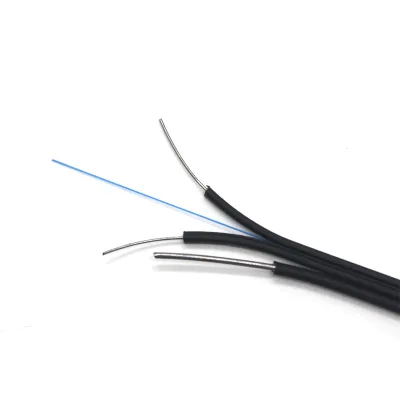
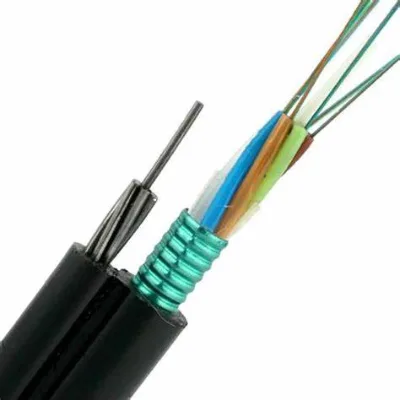
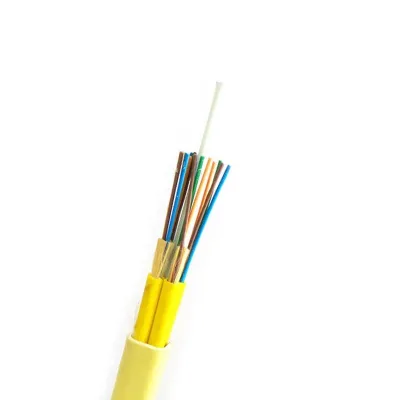
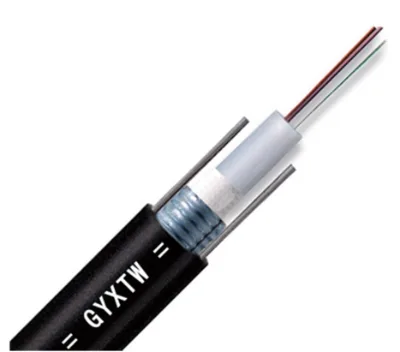
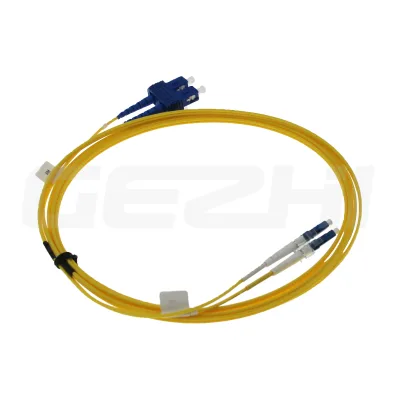
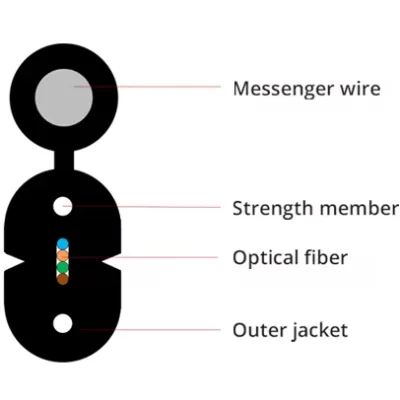


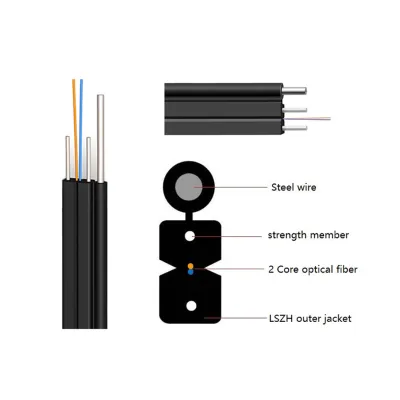


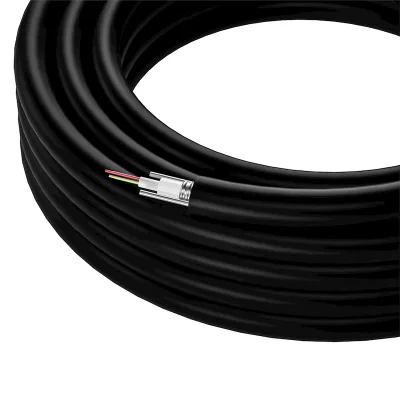
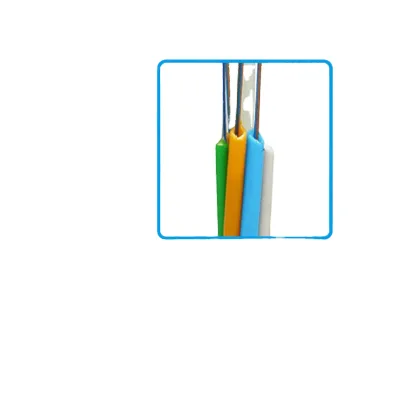
DMIS OEM 1Km Outdoor Optical Fiber Cable for FTTx with 5-Year Warranty-Competitive Price
$266.9449 - $287.4797
MOQ: 2 Minimum
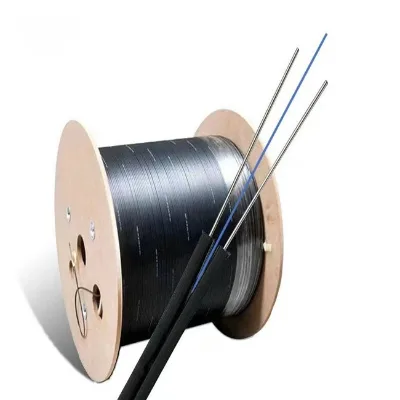
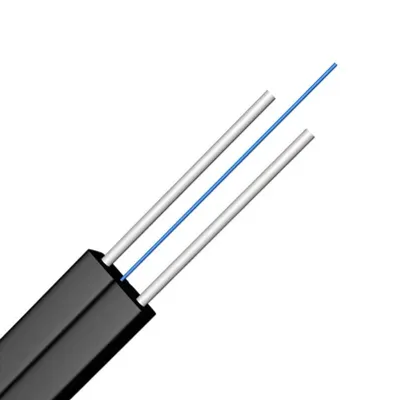
Quality Choice Low Loss Premium Networking Fiber Optic Cable Solutions Gjxfh
$0.30 - $2.99
MOQ: 2000 meters
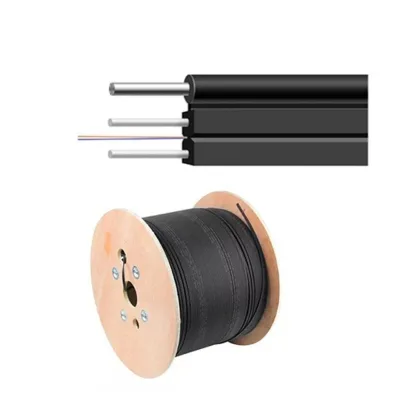


Comprehensive Sourcing Guide
FTTH Fiber Optical Cable Sourcing Guide
Product Scope and Observed Listing Signals
Buyers evaluating FTTH fiber optical cables will encounter a diverse range of product listings that often blend distinct cable types under broad category titles. The observed market signals indicate a significant overlap between multi-mode and single-mode fiber classifications, with some listings explicitly labeling products as both "Multi-mode Fiber" and "Single-mode Fiber" simultaneously. This inconsistency suggests that procurement teams must carefully scrutinize individual product datasheets rather than relying solely on category tags. The presence of attributes such as "Round Wire" alongside "Flat Cable" and "Square" shapes further complicates initial identification, requiring buyers to verify the physical geometry of the cable jacket and internal structure before placing orders.
Commercial listings also reveal a wide variance in packaging and labeling conventions, which can impact logistics planning. Products are frequently described with packing methods ranging from "Drums" for bulk installations to "Zipper Bag" and "Carton Box" for smaller connector assemblies or pre-terminated drops. The observed price range spans from $0.01 to $287.48, reflecting differences in core count, jacket material, and termination status. Minimum order quantities (MOQ) vary from 1 to 2000 units, indicating that suppliers cater to both small-scale retrofitting projects and large-scale infrastructure deployments. Buyers should treat these listed attributes as observational data points that require validation against specific project requirements.
Technical Specifications to Verify
When selecting FTTH drop cables, verifying the fiber type and core count is paramount for network performance. The market offers options including G.652D, G.657A, OM1, OM2, OM3, and OM4 fibers, with G.657A being a prominent choice for bend-insensitive applications in tight indoor or outdoor routing scenarios. Listings frequently mention fiber counts ranging from single-core to twelve cores, with specific items like the "Gjyxch Outdoor 2 Core G.657A FTTH Drop Cable" highlighting the importance of matching core count to the number of endpoints. Buyers must confirm whether the cable is simplex or duplex, as this affects connector compatibility and installation complexity in final deployment environments.
Jacket material and diameter specifications are critical for environmental durability and handling. Observed sheath materials include PVC, LSZH (Low Smoke Zero Halogen), TPU, and PE, each offering different levels of fire resistance and flexibility. Cable diameters are listed in precise increments such as 0.9mm, 1.6mm, 1.8mm, 2.0mm, 2.4mm, 2.8mm, and 3.0mm, allowing for precise selection based on conduit space and bending radius constraints. Additionally, buyers should verify the allowed lateral pressure, which is often cited as 100 N/100mm or up to 1000 N/100mm, and tensile strength limits, which may range from under 100N to 1000N, to ensure the cable can withstand installation stresses without damage.
Compliance and Safety Documentation
Regulatory compliance is a non-negotiable aspect of sourcing fiber optic infrastructure, particularly for projects in regions with strict environmental and safety standards. The observed listings frequently cite RoHS certification, indicating compliance with restrictions on hazardous substances, which is essential for electronic components and cable jackets. Some products also reference CE marking and ISO standards, although the specific ISO certifications vary, with some listings mentioning ISOCore or general ISO compliance. Buyers must request valid certification documents from suppliers to verify that the materials used, particularly the LSZH or PVC jackets, meet the required regulatory frameworks for the destination market.
Safety documentation extends beyond regulatory compliance to include performance standards and testing protocols. Listings often reference IEC standards and SGS testing, which provide assurance regarding the cable's electrical and mechanical properties. The mention of "LSZH" materials is particularly relevant for indoor applications where low smoke and zero halogen emissions are required to maintain visibility and reduce toxicity during a fire event. Buyers should ensure that the supplier can provide test reports confirming that the cable meets the specified standards for flame retardancy, tensile strength, and lateral pressure, as these factors directly impact the long-term reliability and safety of the installed network.
Cost Drivers and Commercial Terms
The cost of FTTH fiber optical cables is influenced by several key factors, including the fiber type, jacket material, and the level of pre-termination. Listings show a broad price range, suggesting that basic un-terminated drop cables are significantly less expensive than pre-terminated assemblies with specific connectors like LC Uniboot or slotted boots. The choice between PVC and LSZH jackets also impacts pricing, with LSZH materials typically commanding a premium due to their enhanced safety profile. Buyers should analyze the total cost of ownership, considering not just the unit price but also the potential savings in installation time and labor associated with pre-terminated solutions.
Commercial terms such as MOQ and lead times play a crucial role in budgeting and project scheduling. The observed MOQ range of 1 to 2000 units allows for flexibility, but buyers should negotiate terms that align with their project phases. Packaging methods, such as drums for long runs or cartons for shorter drops, can affect shipping costs and handling requirements. Additionally, the mention of "Customization" as an available attribute suggests that buyers may incur additional costs for non-standard lengths, colors, or jacket materials. It is advisable to clarify all customization fees and minimum order requirements upfront to avoid unexpected charges during the procurement process.
Supplier Qualification and Quality Control
Supplier qualification is essential to ensure that the FTTH cables meet the specified technical and compliance requirements. Many listings indicate that products are manufactured in Shenzhen, Guangdong, China, a major hub for telecommunications equipment. Buyers should verify the supplier's manufacturing capabilities and quality control processes, particularly regarding the fabrication of fiber cores and the extrusion of jackets. The mention of "Welding" as a fabrication process in some listings may refer to connector assembly or specific cable joining techniques, and buyers should clarify the exact manufacturing steps to ensure consistency and reliability.
Quality control checks should include verification of cable diameter, jacket color, and core count accuracy. Listings provide detailed color options such as blue, orange, yellow, aqua, magenta, black, gray, and pink, which are standard for fiber identification. Buyers should request samples to physically inspect the cable's construction, including the boot type (e.g., LC Uniboot, smooth boot) and the integrity of the jacket. Additionally, verifying the supplier's ability to provide consistent labeling, such as stickers or paper labels, is important for inventory management and field installation efficiency. Establishing a clear quality agreement with the supplier can help mitigate risks associated with product variability.
Long-Term Procurement Checks
Long-term procurement success depends on establishing robust relationships with suppliers who can provide consistent quality and support. Buyers should monitor supplier performance over multiple orders, tracking metrics such as delivery accuracy, product consistency, and responsiveness to technical queries. The availability of customization options is a valuable indicator of a supplier's flexibility, but buyers should ensure that customized products meet the same quality standards as standard items. Regular audits of supplier documentation, including certifications and test reports, are necessary to maintain compliance with evolving regulatory requirements.
Additionally, buyers should stay informed about technological advancements in fiber optic cables, such as new bend-insensitive fiber types or improved jacket materials. The market offers a variety of fiber types, including G.657A and G.652D, and staying updated on the benefits of each can help optimize network design. Buyers should also consider the scalability of their procurement strategy, ensuring that suppliers can handle increased volumes as FTTH deployments expand. By maintaining a proactive approach to supplier management and technology evaluation, buyers can secure a reliable supply of high-quality FTTH fiber optical cables for their projects.
FAQs
What certifications are available for FTTX Fiber Optical Cable?
Available certifications include RoHS and ISO standards for FTTX Fiber Optical Cable products. These ensure compliance with environmental and quality management requirements. Some listings also reference CE marking. Buyers should verify specific documentation with suppliers to confirm that the delivered goods meet the required regulatory frameworks for their target markets.
Can FTTX Fiber Optical Cable be customized for specific projects?
Yes, customization is available for FTTX Fiber Optical Cable orders. Suppliers offer options for cable length, jacket color, and core count. Specific models like G657A drop cables can be tailored. Buyers can request custom packaging or labeling. This flexibility allows for precise alignment with unique installation requirements and project specifications.
What is the typical MOQ for FTTX Fiber Optical Cable?
The minimum order quantity ranges from 1 to 2000 units for FTTX Fiber Optical Cable. This wide range accommodates both small sample requests and large bulk orders. Buyers can often start with a single unit for testing. Higher volumes may unlock better pricing tiers. Check with the supplier for exact MOQ policies.
Where are FTTX Fiber Optical Cable manufacturers located?
Manufacturers are primarily located in Shenzhen, Guangdong, China. This region is a major hub for fiber optic production. Buyers can source directly from factories in this area. The location supports efficient logistics and supply chain management. Verify the exact origin with the supplier to ensure alignment with your sourcing strategy.
What fiber types are supported in FTTX Fiber Optical Cable?
Supported fiber types include G652D, G657A, OM1, OM2, OM3, and OM4. These cover single-mode and multi-mode applications. G657A is common for FTTH drop cables. OM types suit data communication. Select the type based on bandwidth and distance needs. Confirm compatibility with your existing network infrastructure before ordering.
What jacket materials are used for FTTX Fiber Optical Cable?
Jacket materials include PVC, LSZH, TPU, and Zrpo. LSZH is preferred for indoor safety due to low smoke properties. PVC is common for outdoor durability. The choice depends on installation environment. Buyers should specify the material to ensure compliance with fire safety codes and environmental regulations for their specific project.