Source Armoured Tactical Fiber Camera Cable for radar, oil field, mining
Compare 30 Armoured Tactical Fiber Camera Cable options from Chinese manufacturers. These rugged cables support radar, oil field, and mining applications with features like LSZH jackets and high tensile strength; compare the available evidence and request quotations based on your requirements.
Updated
Key considerations
Products List
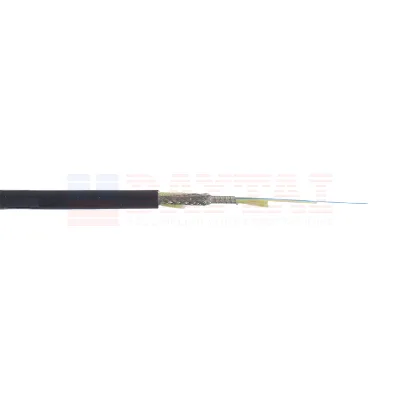
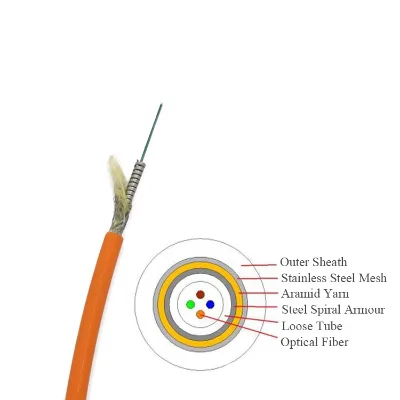


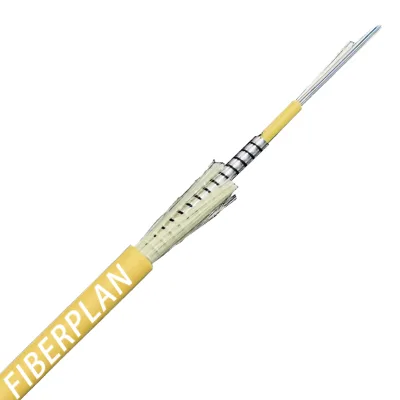
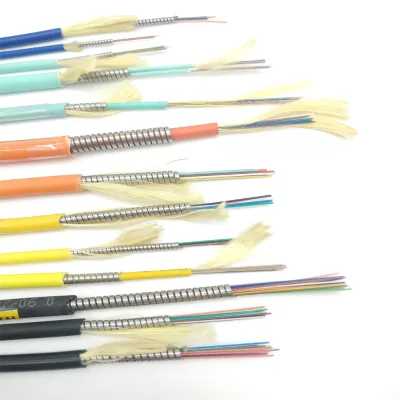
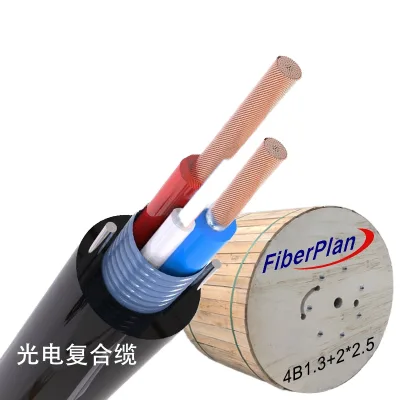


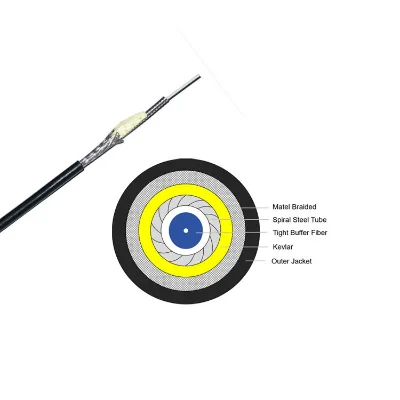
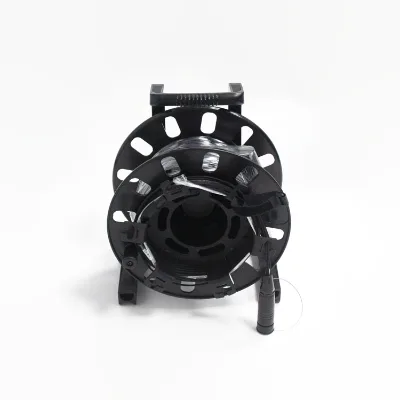
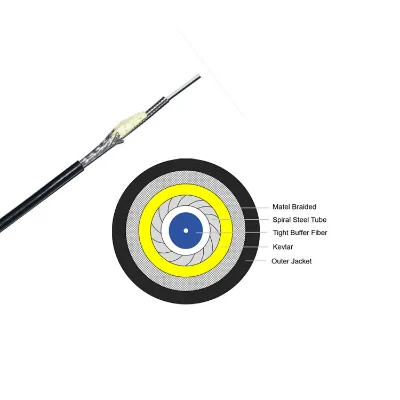

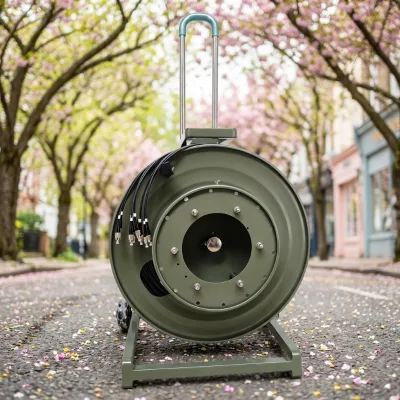
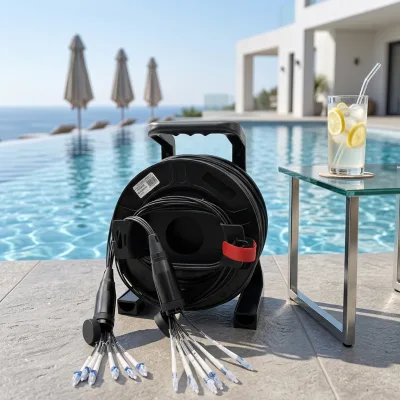
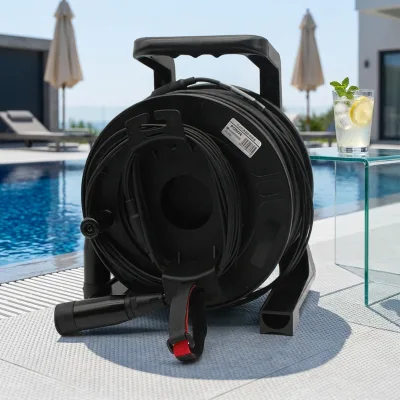
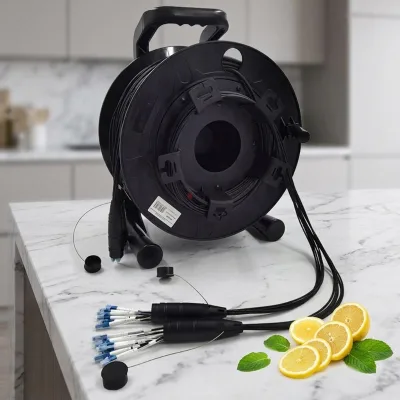
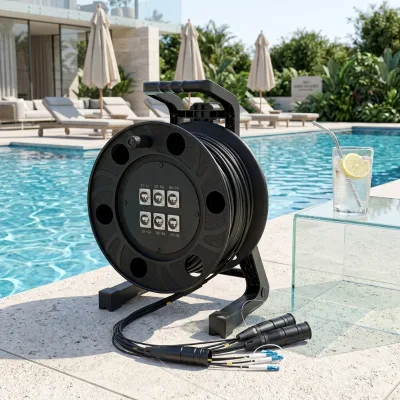
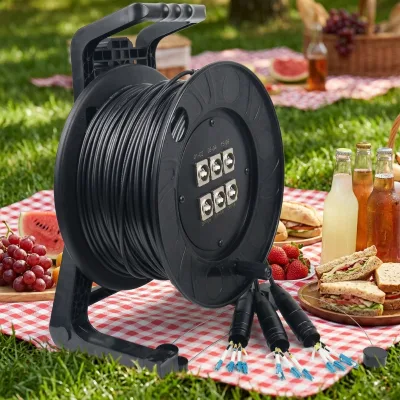
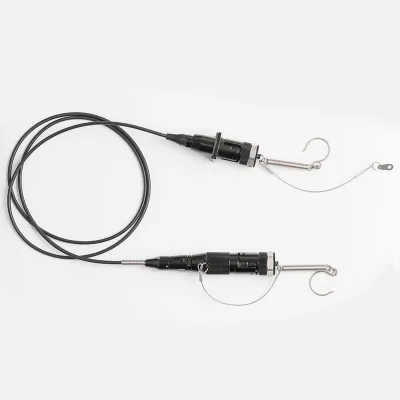
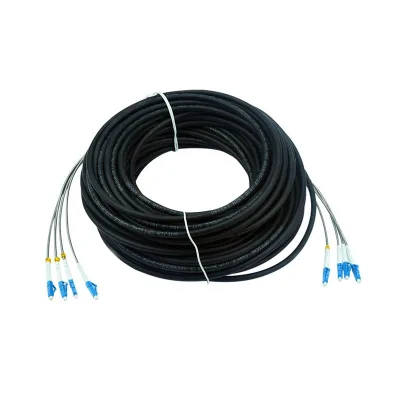
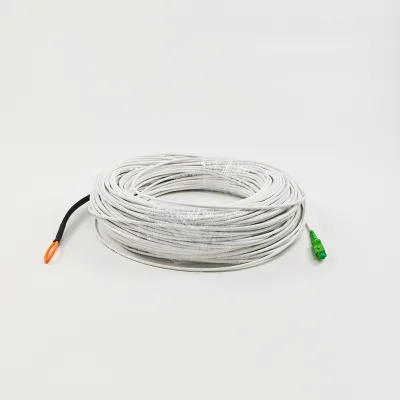
Tactical Armored Patchcord FIBERVISION SC connector field tactical fiber optic cable
$100.00 - $150.00
MOQ: 100 Minimum
Comprehensive Sourcing Guide
Armoured Tactical Fiber Camera Cable Sourcing Guide
Procuring armoured tactical fiber camera cables requires a rigorous understanding of the specific environmental and mechanical stresses these components will endure in the field. These cables are engineered for high-mobility scenarios where standard communication infrastructure is vulnerable to physical damage, extreme weather, or electromagnetic interference. Buyers must recognize that the term "tactical" implies a design philosophy centered on rapid deployment, high tensile strength, and resilience against crushing forces. The integration of fiber optics with camera systems often demands a hybrid approach, ensuring that data transmission remains uninterrupted even when the cable is subjected to sharp bends, heavy loads, or abrasive surfaces.
The sourcing landscape for these specialized cables is dominated by manufacturers in China, with significant production hubs located in Zhejiang, Shanghai, and Guangdong provinces. This geographic concentration offers buyers access to a wide variety of configurations, from single-mode to multi-mode fibers, and various jacket materials tailored to specific operational needs. However, the diversity of available options can also lead to confusion regarding exact specifications. It is crucial for procurement teams to distinguish between general-purpose armored cables and those specifically rated for tactical field use, which often feature additional protective layers such as spiral steel tubes or aramid yarn strength members to enhance durability and flexibility.
Product Scope and Observed Listing Signals
The current market for armoured tactical fiber camera cables presents a wide price range, typically observed between $0.10 and $199.80 USD per unit, reflecting significant variations in fiber count, jacket material, and armor type. Minimum order quantities (MOQs) generally start at 100 units and can extend up to 2,000 units, indicating that these products are primarily geared towards bulk industrial procurement rather than small-scale retail purchases. Buyers should note that "selling units" are often listed as single items, but pricing is frequently tiered based on volume, requiring careful negotiation to secure favorable rates for large-scale deployments.
Product listings frequently highlight key attributes such as outer jacket outer diameter (OD), which is commonly standardized around 5.0 ±0.2mm for certain tactical models, while others may feature a 3.0mm diameter for more compact applications. The core product names often include terms like "Outdoor Tactical Field Optical Fiber Cable" or "Tactical Field Optical Fiber Cable," signaling their intended use in harsh environments. Additionally, many suppliers offer customization options for length and fiber count, allowing buyers to tailor the cable to specific camera and sensor requirements. It is essential to verify whether the listed price includes the armor layer, as this significantly impacts the cable's overall cost and performance characteristics.
Technical Specifications to Verify
When evaluating technical specifications, the fiber type and count are primary considerations, with options ranging from 2 to 6 fibers, often utilizing G657A2 single-mode fiber for long-distance, low-loss transmission. The attenuation rates are critical for maintaining signal integrity, with typical maximum values of 0.4dB/km at 1310nm and 0.3dB/km at 1550nm. Buyers must also assess the cable's mechanical properties, such as tensile strength, which can withstand long-term loads of 200N and short-term loads up to 400N. The bend radius is another vital parameter, with dynamic bending limits at 20 times the cable diameter and static bending at 10 times, ensuring flexibility during deployment without compromising signal quality.
The construction of the cable plays a significant role in its durability, with many tactical models featuring a spiral steel tube armor for enhanced crush resistance, capable of withstanding long-term forces of 1000N/10cm and short-term forces up to 3000N/10cm. The outer jacket material is often LSZH (Low Smoke Zero Halogen) or PE, providing protection against moisture, UV radiation, and chemical exposure. Operating temperatures typically range from -40°C to +90°C, making these cables suitable for extreme environmental conditions. Additionally, the presence of aramid yarn strength members, often rated at 1100 denier, adds tensile strength and prevents stretching under load, ensuring the cable remains intact during rapid deployment and retrieval.
Compliance and Safety Documentation
Compliance with international standards is a non-negotiable aspect of sourcing armoured tactical fiber camera cables, particularly for applications in sensitive sectors such as military, oil fields, or mining. Buyers should verify that suppliers hold relevant certifications, such as ISO9001 for quality management systems and RoHS for restriction of hazardous substances. These certifications indicate that the manufacturer adheres to strict production standards and environmental regulations, reducing the risk of non-compliant materials entering the supply chain. It is also important to check for any industry-specific certifications that may be required for the intended application, such as military-grade specifications or explosion-proof ratings for hazardous environments.
Safety documentation should include detailed material safety data sheets (MSDS) and test reports for flame retardancy, smoke density, and toxicity. LSZH jackets are preferred for indoor or confined space applications due to their low smoke and zero halogen properties, which minimize health risks during a fire. Buyers must ensure that the cable's jacket material, whether PE, PVC, or Nylon, meets the required fire safety standards for the deployment location. Additionally, verifying the cable's resistance to environmental factors, such as moisture ingress and UV degradation, is crucial for long-term reliability. Requesting third-party test results for these properties can provide additional assurance of the cable's performance and safety.
Cost Drivers and Commercial Terms
The cost of armoured tactical fiber camera cables is influenced by several key factors, including the type and amount of armor, the number of fibers, and the jacket material. Spiral steel tube armor, while providing superior crush resistance, adds significant weight and cost compared to simpler armor options. Similarly, cables with higher fiber counts or specialized fiber types, such as G657A2, may command a premium price. Buyers should also consider the impact of customization, as tailored lengths or specific connector types can increase production time and cost. Understanding these cost drivers allows for more accurate budgeting and negotiation with suppliers.
Commercial terms, including payment methods, lead times, and shipping arrangements, are critical components of the procurement process. MOQs typically range from 100 to 2,000 units, which can impact cash flow and inventory management for buyers. Lead times may vary depending on the complexity of the order and the supplier's production capacity, so it is essential to establish clear timelines and milestones. Buyers should also negotiate for favorable shipping terms, especially for large or heavy cables, to minimize logistics costs. Additionally, understanding the warranty and return policies is crucial for mitigating risks associated with potential defects or non-conforming products.
Supplier Qualification and Quality Control
Supplier qualification is a critical step in ensuring the reliability and consistency of armoured tactical fiber camera cables. Buyers should conduct thorough due diligence on potential suppliers, verifying their manufacturing capabilities, quality control processes, and track record in the industry. Suppliers with ISO9001 certification are generally more reliable, as they adhere to standardized quality management practices. It is also important to assess the supplier's ability to provide consistent product quality across large orders, as variations in manufacturing can lead to performance issues in the field. Requesting samples for testing before placing a large order is a prudent step to validate the supplier's claims.
Quality control measures should include rigorous testing of key performance indicators, such as attenuation, tensile strength, and crush resistance. Buyers should request detailed test reports from the supplier, verifying that the cables meet the specified technical requirements. Additionally, implementing incoming quality control (IQC) checks upon receipt of the cables can help identify any defects or non-conformities early in the process. Establishing a clear communication channel with the supplier for addressing quality issues is also essential. Regular audits of the supplier's production facilities can provide further assurance of their commitment to quality and continuous improvement.
Long-Term Procurement Checks
Long-term procurement of armoured tactical fiber camera cables requires ongoing monitoring of supplier performance and product reliability. Buyers should establish key performance indicators (KPIs) to track metrics such as on-time delivery, product defect rates, and responsiveness to issues. Regular reviews of these metrics can help identify potential problems early and allow for corrective actions to be taken. Additionally, maintaining a diversified supplier base can mitigate risks associated with supply chain disruptions or quality issues with a single supplier. Building strong relationships with suppliers can also lead to better pricing, priority service, and access to new product innovations.
It is also important to stay updated on industry trends and technological advancements in fiber optic cable manufacturing. New materials, armor designs, or fiber types may offer improved performance or cost savings, providing opportunities for optimization. Buyers should regularly reassess their technical requirements and specifications to ensure they remain aligned with operational needs. Engaging with industry forums, attending trade shows, and consulting with technical experts can provide valuable insights into best practices and emerging solutions. By maintaining a proactive approach to procurement, buyers can ensure a reliable and cost-effective supply of armoured tactical fiber camera cables for their operations.
FAQs
What is the operating temperature range for this cable?
The operating temperature range spans from minus 40 degrees Celsius to plus 90 degrees Celsius. This wide range ensures reliable performance in extreme outdoor tactical environments where standard cables might fail due to heat or cold exposure.
Which certifications does the tactical fiber optic cable hold?
The product holds RoHS and ISO9001 certifications. These standards confirm compliance with environmental restrictions on hazardous substances and adherence to international quality management systems for manufacturing processes.
How does the cable handle mechanical crushing forces?
It withstands long-term crushing forces of 1000 Newtons per 10 centimeters and short-term forces up to 3000 Newtons per 10 centimeters. This high resistance protects the internal fibers during heavy deployment or accidental impacts.
Can the cable be customized for specific lengths?
Yes, the cable length is available as a customized option. Buyers can request specific lengths to match their deployment needs without being restricted to standard roll sizes or fixed product dimensions.
What is the maximum attenuation rate for this fiber?
The maximum attenuation is 0.4 decibels per kilometer at 1310 nanometers and 0.3 decibels per kilometer at 1550 nanometers. These low loss values ensure efficient signal transmission over long distances in tactical applications.
Which materials are used for the outer jacket?
The outer jacket material options include PE, LSZH, PVC, or Nylon. These materials provide varying levels of protection against environmental factors while maintaining flexibility for field deployment in rugged conditions.