Source Graphite Washing Machine Carbon Brushes for motors, appliances, and tools
Find 30 verified Graphite Washing Machine Carbon Brushes from global suppliers. Compare OEM quality, material choices, and specifications for washing machine motors, power tools, and general appliances. Evaluate density, flexural strength, and purity levels to ensure high precision and conductive performance for various industrial applications.
Updated
Key considerations
Products List

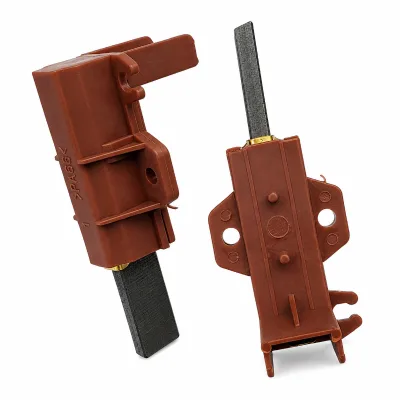
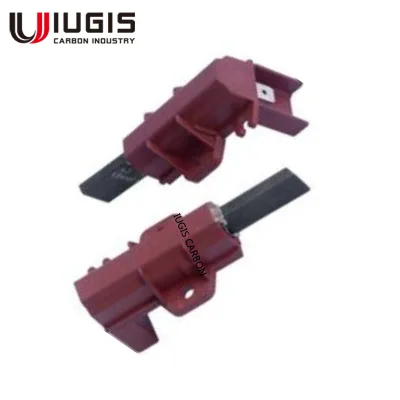
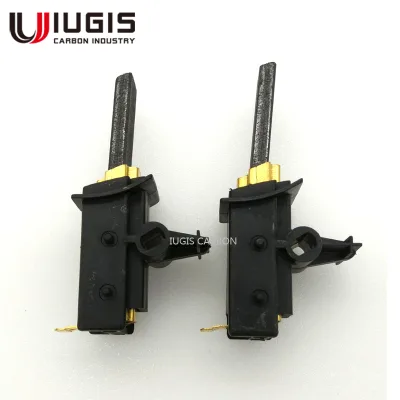
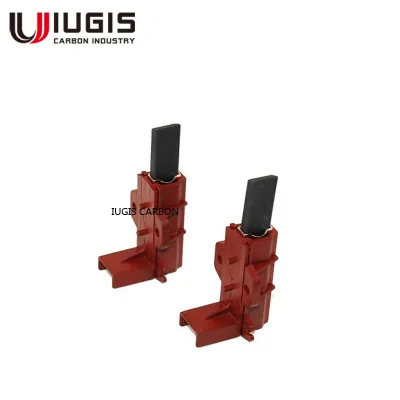
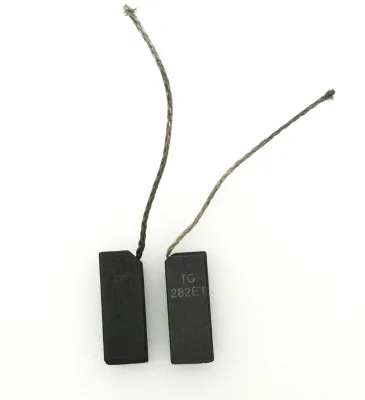
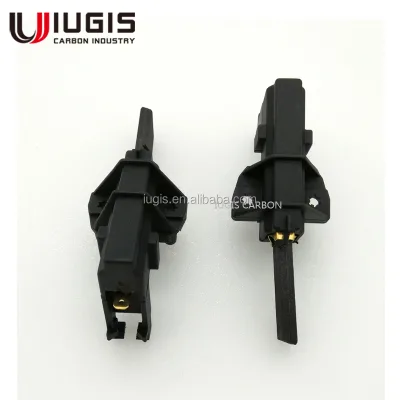


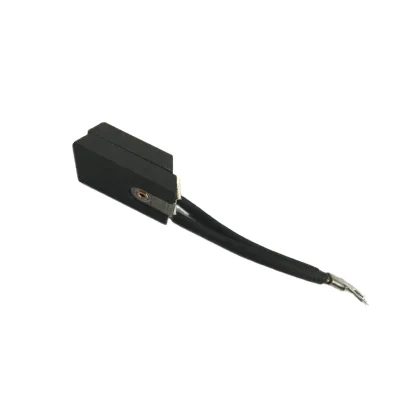
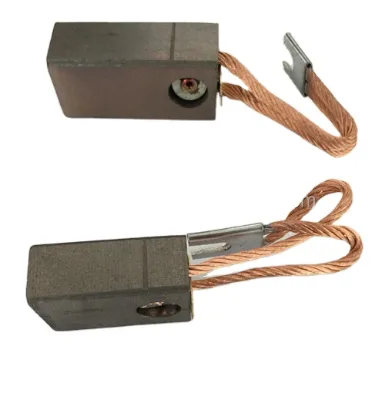
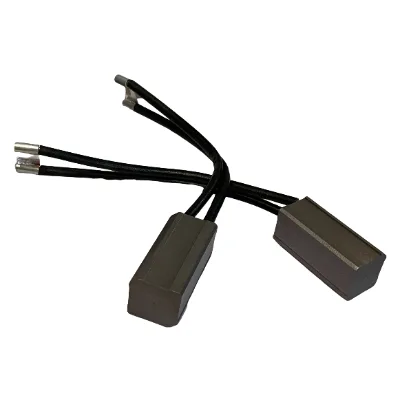

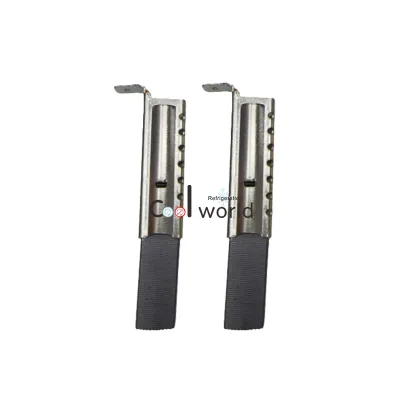
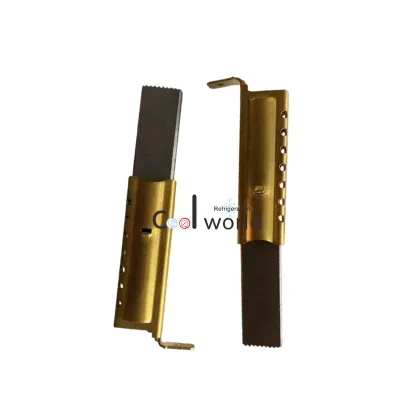


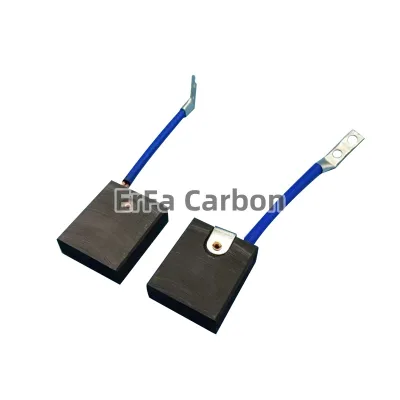
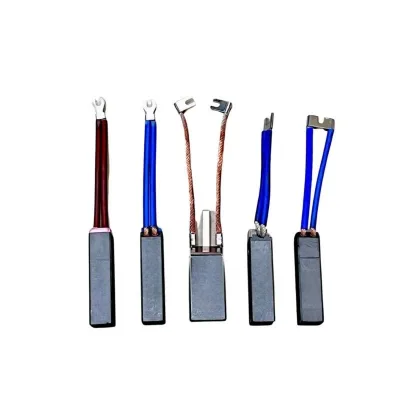
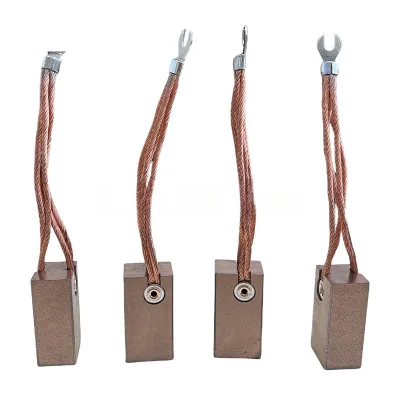
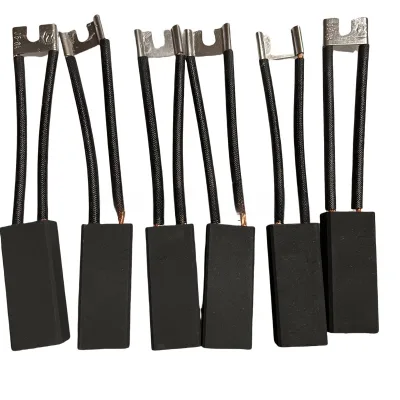
Comprehensive Sourcing Guide
Graphite Washing Machine Carbon Brushes Sourcing Guide
Sourcing Graphite Washing Machine Carbon Brushes requires a disciplined approach to material selection and supplier verification. These components are critical for maintaining electrical continuity in motor systems, ensuring efficient operation of household appliances. Buyers must prioritize suppliers who demonstrate consistent manufacturing capabilities and transparent quality control processes. The global market offers various options, but distinguishing between high-quality OEM parts and generic substitutes is essential for long-term reliability.
Procurement teams should focus on verifying the specific material composition and physical properties of the brushes. Factors such as density, flexural strength, and purity directly impact performance and lifespan. Understanding these technical parameters allows buyers to align their purchasing decisions with the specific demands of their washing machine models. This guide provides a structured framework for evaluating suppliers, interpreting technical data, and ensuring compliance with international standards.
Product Scope and Observed Listing Signals
The observed product listings indicate a wide range of applications, primarily targeting washing machine motor parts and power tools. Key search terms such as "graphite carbon brush" and "washer machine motor parts carbon brush" highlight the dual utility of these components in both domestic appliances and industrial equipment. Buyers should note that while the primary focus is on washing machines, the same material properties may apply to other motorized devices, requiring careful model-specific verification.
Listings also reveal variations in packaging and branding, with options ranging from blister card packing to custom designs. Some suppliers offer OEM quality levels, suggesting the availability of branded or private-label solutions. The presence of keywords like "HOOVER Washing Machine Carbon Brushes" indicates compatibility with specific major brands, though buyers must confirm exact fitment. Understanding these listing signals helps in narrowing down the supplier pool to those who specialize in the required appliance segments.
Technical Specifications to Verify
Material composition is a primary technical consideration, with listings citing carbon, graphite, and high copper graphite as common options. The choice between imported and national materials can influence cost and performance, requiring buyers to assess the supplier’s sourcing transparency. Additionally, physical properties such as density, ranging from low to medium levels, and flexural strength between 30MPa and 60MPa, are critical for durability. Buyers must verify these specifications against their motor’s operational requirements to prevent premature wear.
Purity levels are another vital specification, with general industrial grade brushes offering between 90% and 99% purity. This range is suitable for most standard washing machine motors, but higher purity may be necessary for high-performance applications. Buyers should also consider the brush head material, which is typically carbon, and ensure it matches the motor’s current requirements. Verifying these technical details through supplier documentation or sample testing is essential to avoid compatibility issues and ensure optimal motor performance.
Compliance and Safety Documentation
Certification is a key indicator of supplier reliability, with ISO9001, BV, and SGS frequently mentioned in product listings. These certifications suggest that the supplier adheres to recognized quality management standards, which is crucial for consistent product quality. Buyers should request valid certificates and verify their authenticity to ensure the supplier maintains ongoing compliance. Additionally, some listings mention CE, CCC, ROHS, and CB certifications, which are important for market access and safety standards in various regions.
RoHS compliance is also noted in background contexts, indicating adherence to restrictions on hazardous substances. This is particularly relevant for electronic components and motors, where environmental regulations are strict. Buyers should ensure that all supplied carbon brushes meet the RoHS directive to avoid regulatory issues. Verifying these certifications not only ensures product safety but also enhances the supplier’s credibility, providing a solid foundation for long-term business relationships.
Cost Drivers and Commercial Terms
Pricing in the observed listings ranges from $0.07 to $80, reflecting variations in material quality, customization, and order volume. The minimum order quantity (MOQ) typically spans from 10 to 5000 units, offering flexibility for both small and large buyers. Buyers should consider the trade-off between unit price and MOQ, as larger orders often yield better per-unit costs but require higher capital investment. Understanding these cost drivers helps in budgeting and negotiating favorable terms with suppliers.
Customization options, including OEM, ODM, and OBM support, can influence pricing and lead times. Buyers seeking branded or custom-designed brushes should factor in additional costs for tooling and design work. Packaging options, such as blister cards or custom polybags, may also affect the final price. It is advisable to request detailed quotations that break down these costs, ensuring transparency and allowing for accurate cost comparisons across different suppliers.
Supplier Qualification and Quality Control
Supplier qualification involves assessing their manufacturing capabilities and quality assurance processes. Listings indicate that many suppliers offer OEM quality and high-precision products, which are essential for maintaining motor efficiency. Buyers should verify the supplier’s production capacity and lead times to ensure timely delivery. Additionally, checking for quality assurance tags and customer reviews can provide insights into the supplier’s reliability and product consistency.
Quality control measures, such as regular inspections and testing, are crucial for maintaining product standards. Buyers should inquire about the supplier’s quality control protocols and request sample testing results. Verifying the supplier’s ability to meet specific density and strength requirements is also important. Establishing a clear communication channel for quality feedback ensures that any issues are addressed promptly, maintaining the integrity of the supply chain.
Long-Term Procurement Checks
Long-term procurement success depends on continuous monitoring of supplier performance and product quality. Buyers should establish key performance indicators (KPIs) such as defect rates, delivery times, and responsiveness to issues. Regular audits and feedback sessions with suppliers help identify areas for improvement and strengthen the partnership. Maintaining a diverse supplier base can also mitigate risks associated with supply chain disruptions.
Staying updated on industry trends and technological advancements is essential for optimizing procurement strategies. Buyers should regularly review product specifications and market conditions to ensure they are sourcing the most suitable components. Engaging with suppliers for continuous improvement initiatives can lead to better product quality and cost efficiencies. By focusing on these long-term checks, buyers can build a resilient and efficient supply chain for Graphite Washing Machine Carbon Brushes.
FAQs
What materials are used for these carbon brushes?
These brushes are made from carbon, graphite, or high copper graphite. Buyers can choose between imported or national materials based on their specific requirements and quality standards for washing machine motor parts.
Which certifications do the manufacturers hold?
Manufacturers typically hold ISO9001, BV, and SGS certifications. Some products also meet CE, CCC, ROHS, and CB standards to ensure compliance with international safety and quality regulations for industrial motor components.
Can I request custom packaging for my order?
Yes, customization is available for packaging needs. Options include blister card packing, normal polybags, or your own design specifications to meet your branding and logistical requirements for bulk shipments.
What is the typical density range for these brushes?
The density ranges from low density between 1.5 to 1.73 grams per cubic centimeter to medium density between 1.73 and 2.0 grams per cubic centimeter depending on the specific product grade selected.
How do I find suppliers with low minimum order quantities?
You can find suppliers with minimum order quantities starting from 10 units up to 5000 units. This range allows flexibility for both small trial orders and large volume procurement needs for motor parts.
Are these brushes suitable for drum washing machine motors?
Yes, these brushes are specifically designed for drum washing machine motors and general motor applications. They offer conductive, wear-resistant, and high-temperature resistant features suitable for various electric power sources.
What customization support is available for buyers?
Buyers can access OEM, ODM, and OBM customization support. This allows manufacturers to tailor product specifications, branding, and design to meet unique requirements while maintaining high precision and quality levels.